Log in to contact the seller
 Continue with Facebook
 Continue with Email
Continue with Facebook
Continue with Email
Sign up with Facebook
Continue with Email
Continue with Facebook
Continue with Email
Sign up with Facebook
 Change filters
 Requests

 8
8
 6
6
 2,260 m²


 8
8
1,505 m²
8
8
1,505 m²
8
8
1,505 m²
8
8
1,505 m²
 7
5
785 m²
5
2
500 m²
7
5
785 m²
5
2
500 m²
 5
3
400 m²
7
800 m²
5
3
8,000 m²
5
3
400 m²
7
800 m²
5
3
8,000 m²
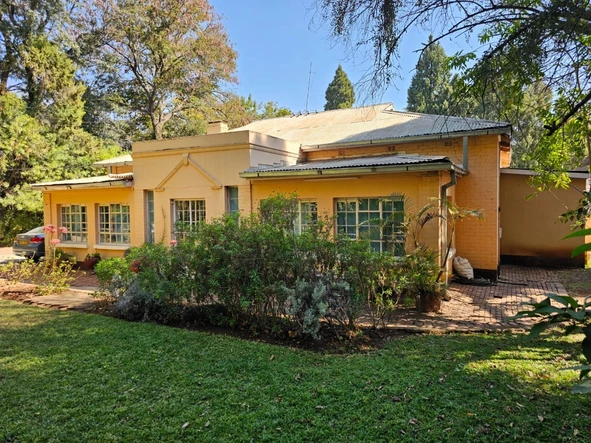
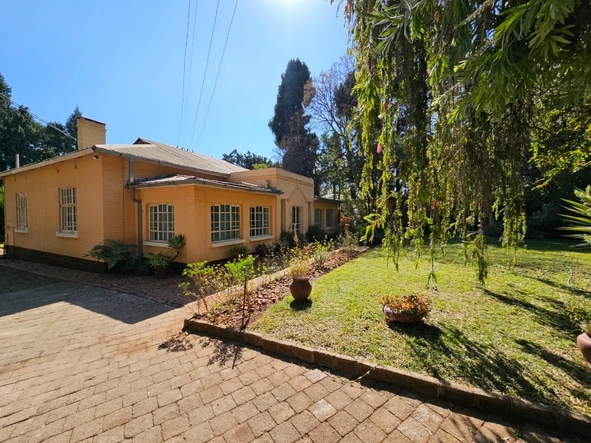
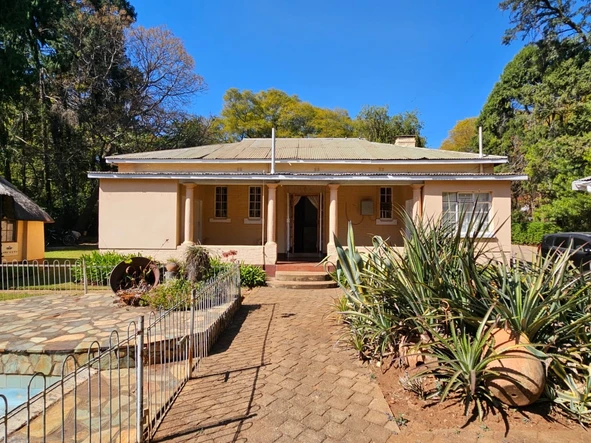
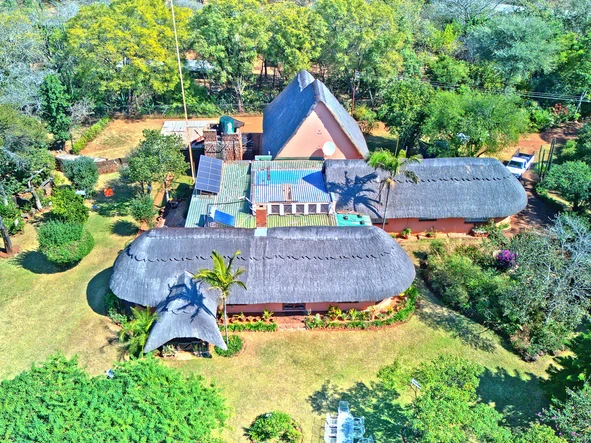
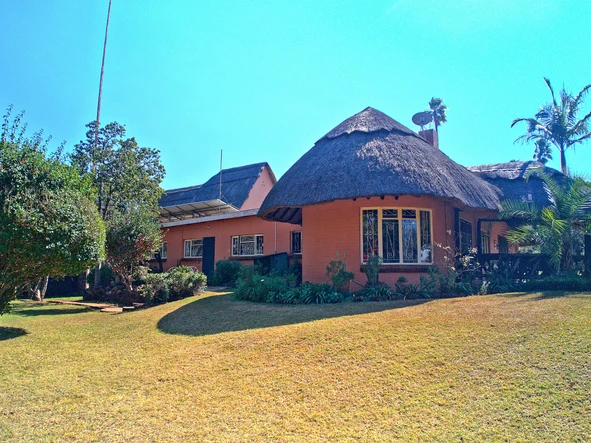
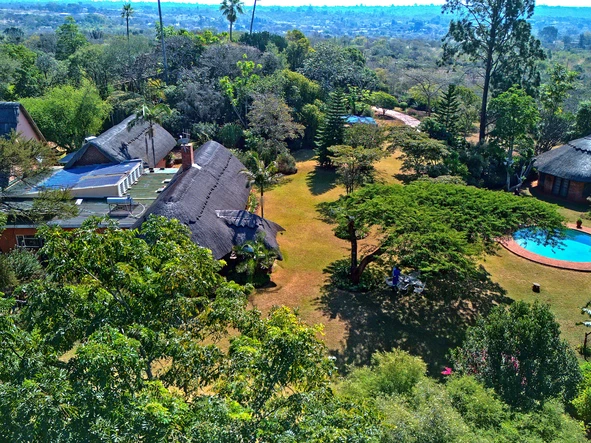
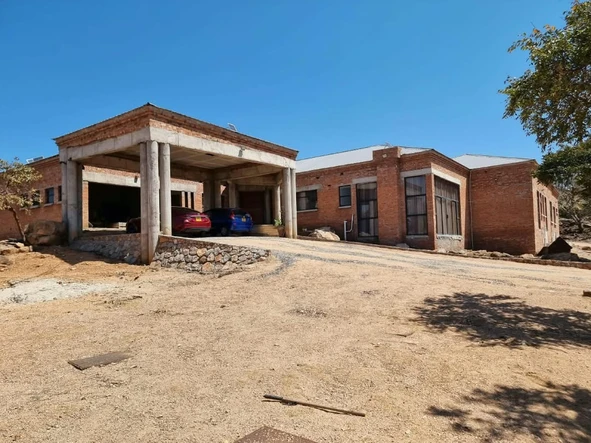
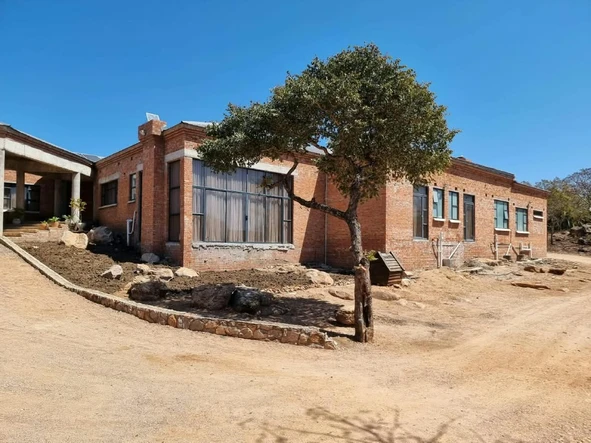
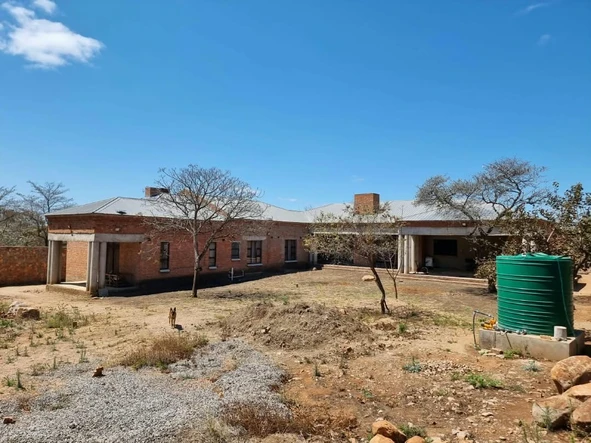
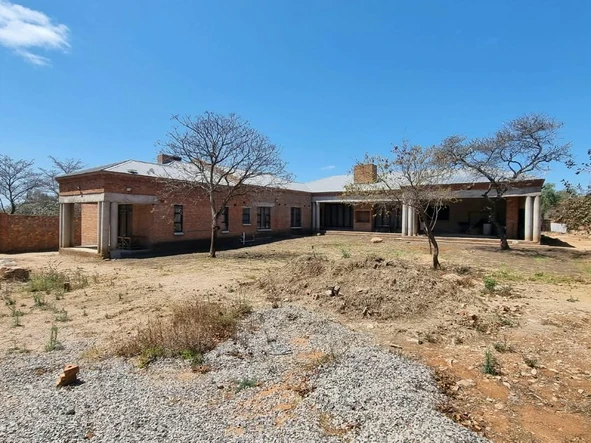
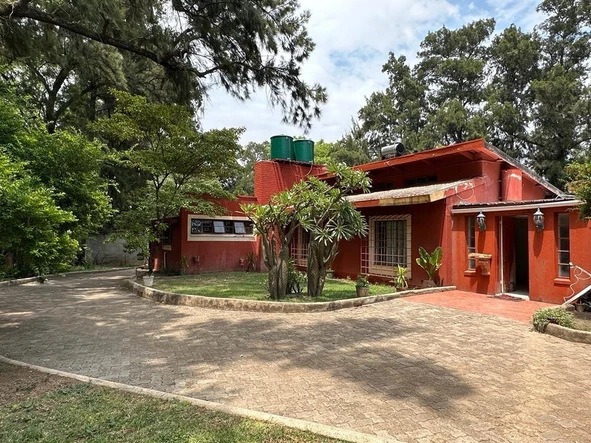
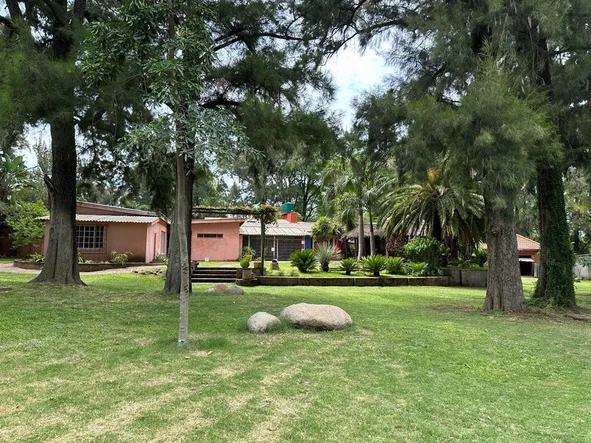
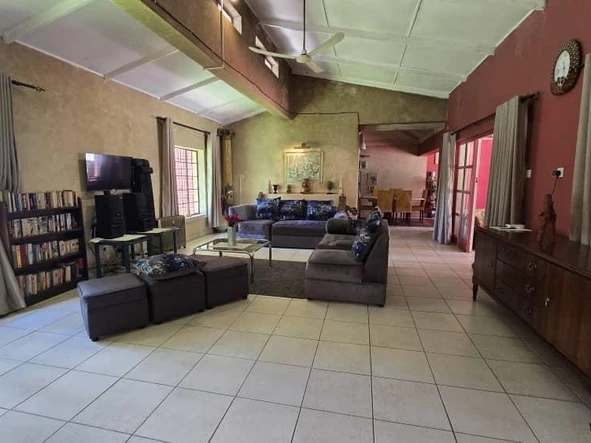
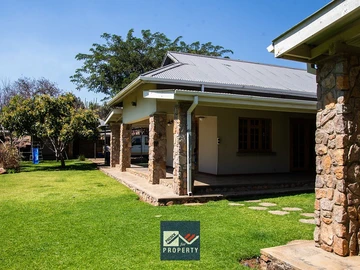
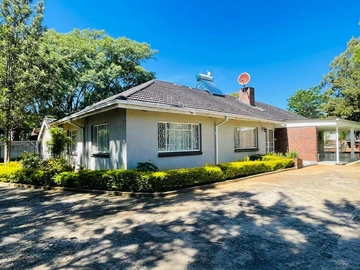
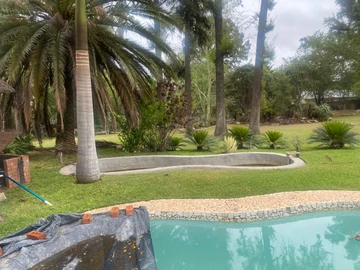
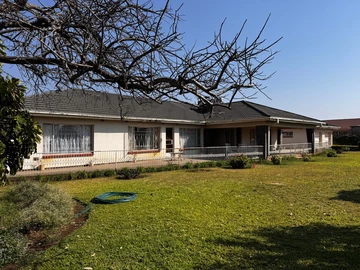
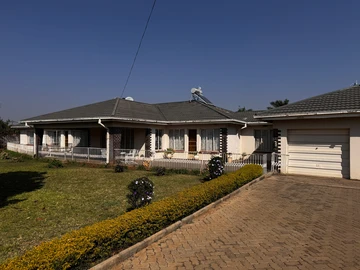
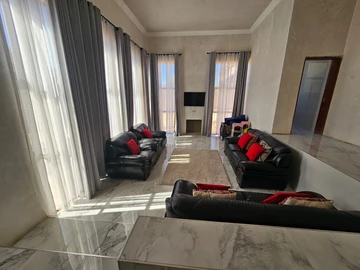
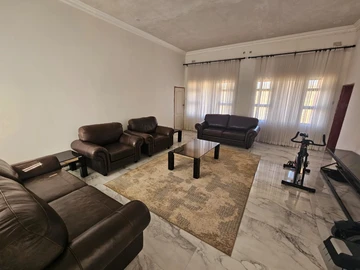
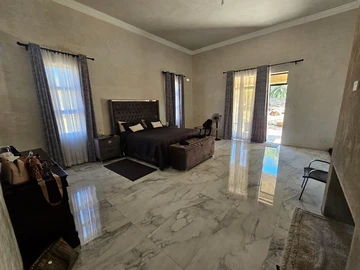
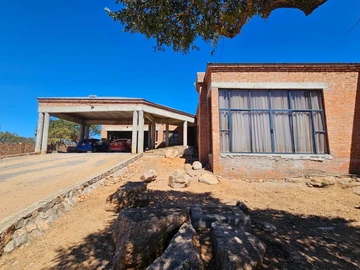
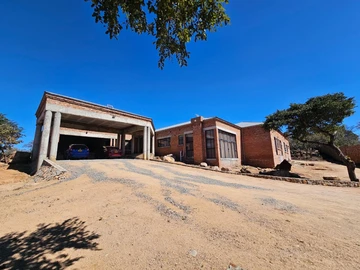
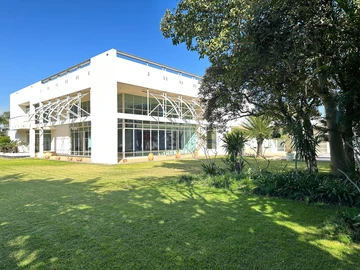
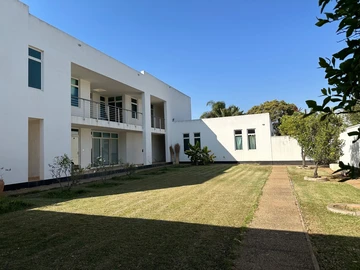
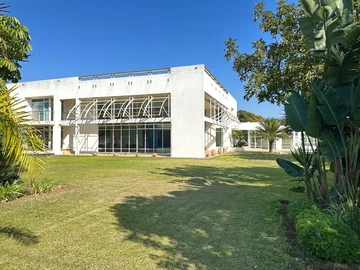
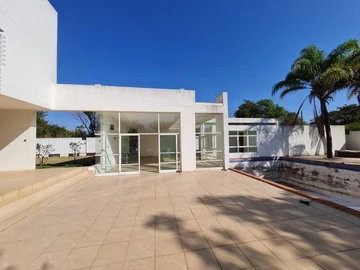
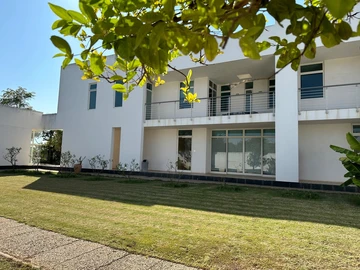
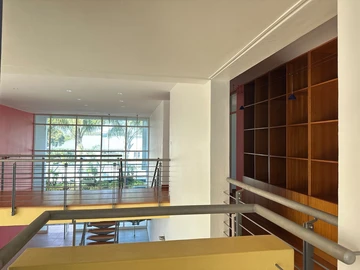
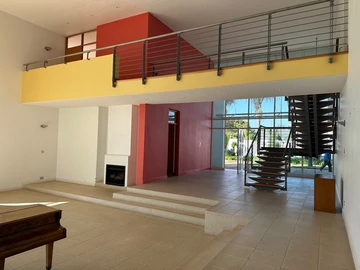
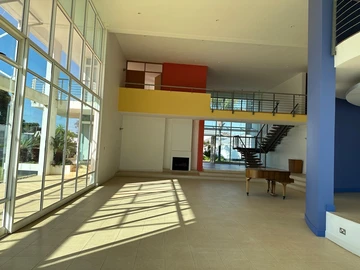
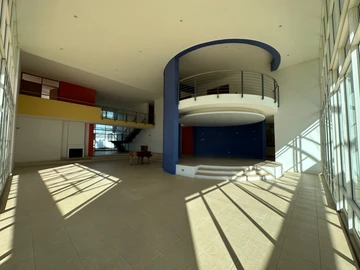
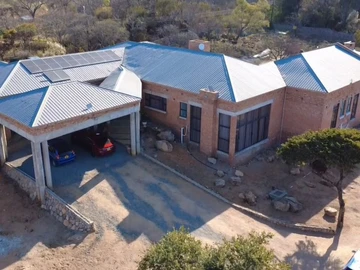
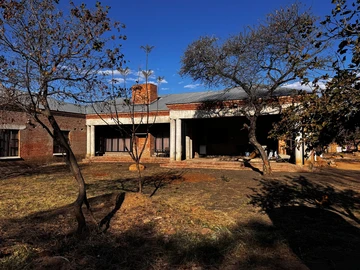
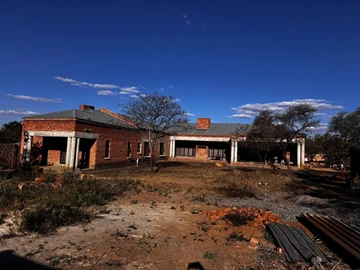
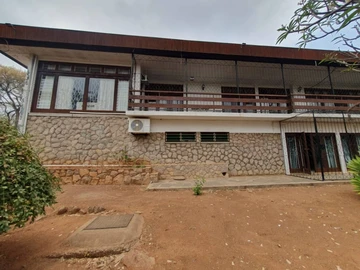
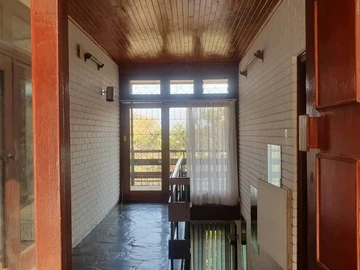
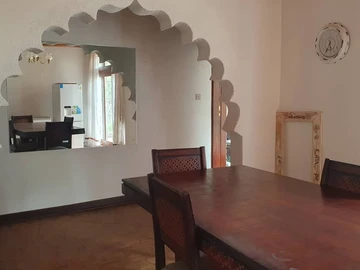
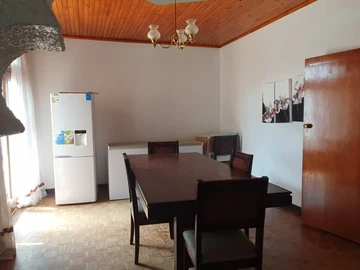
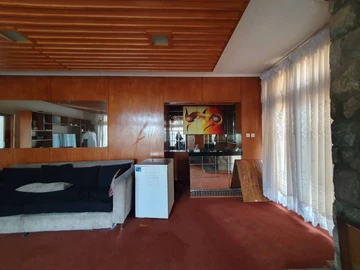
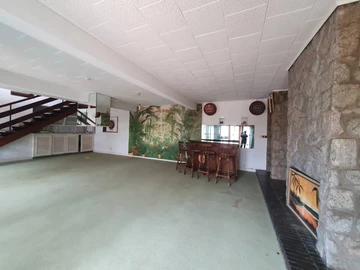
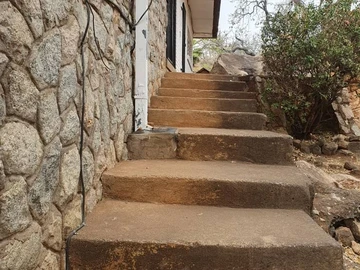
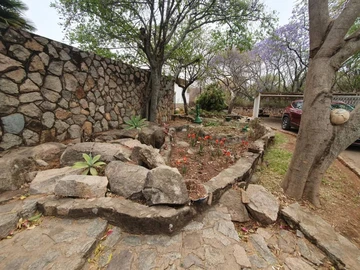
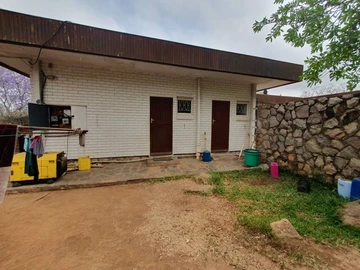
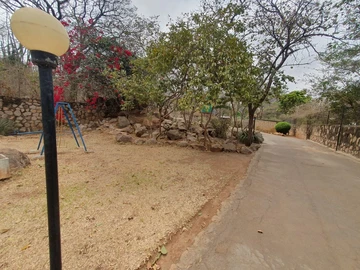
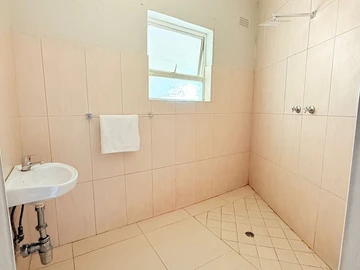
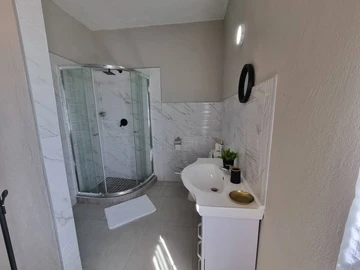
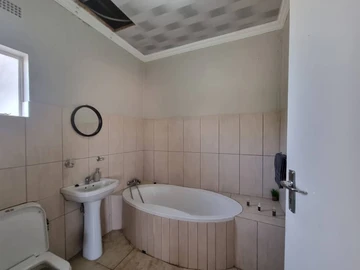
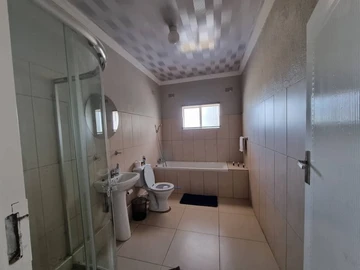
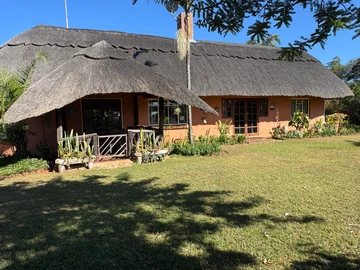
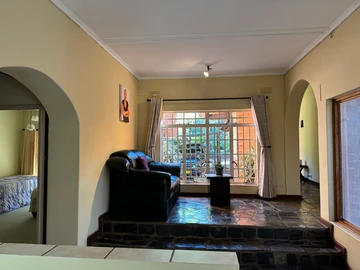
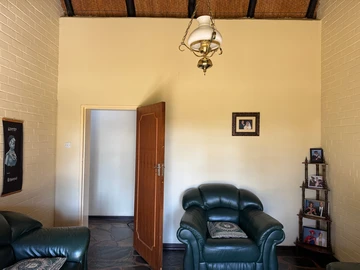
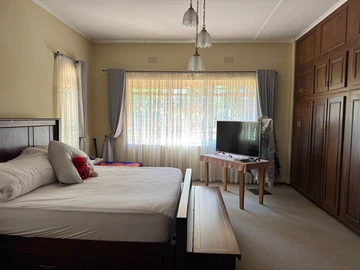
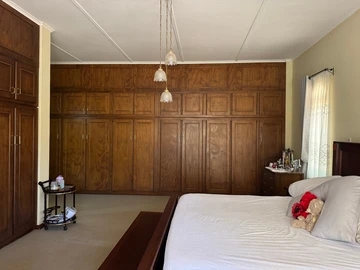
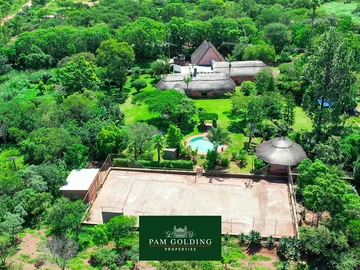
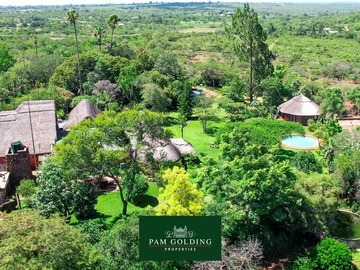
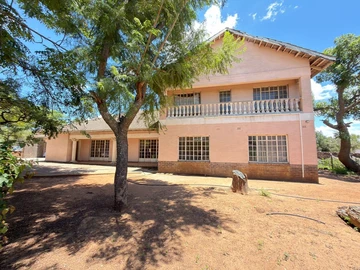
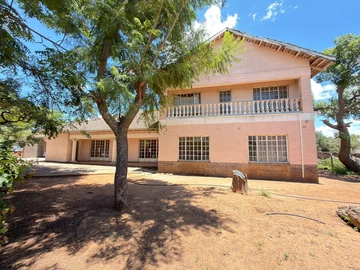
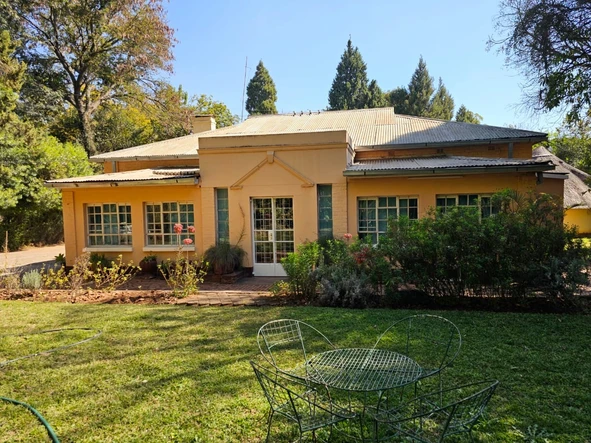
5+ bedroom properties for sale in Bulawayo offer spacious living with an average price of $215,000. These homes typically sit on land parcels averaging around 1,505 ㎡, with some larger estates reaching up to 13,900 ㎡. While the median property size data is not available, the largest homes can be as big as 4,001 ㎡, providing ample space for large families or those seeking luxury living.
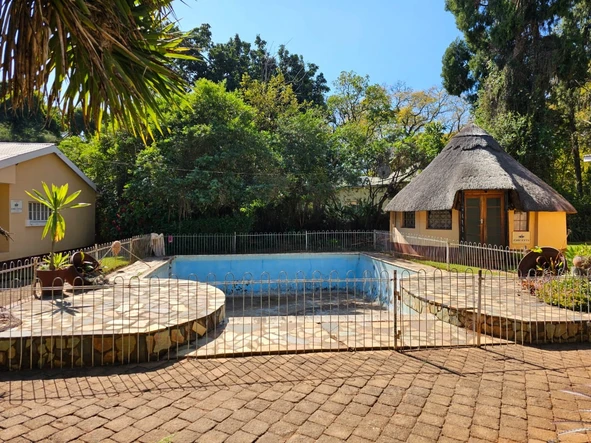
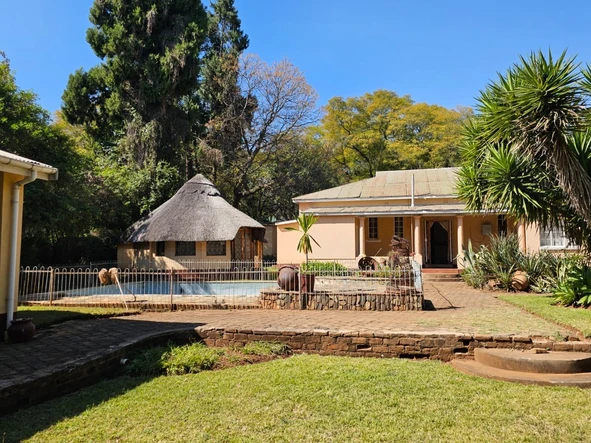
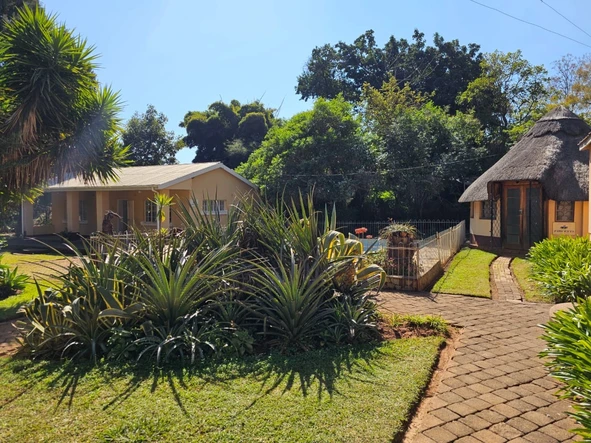
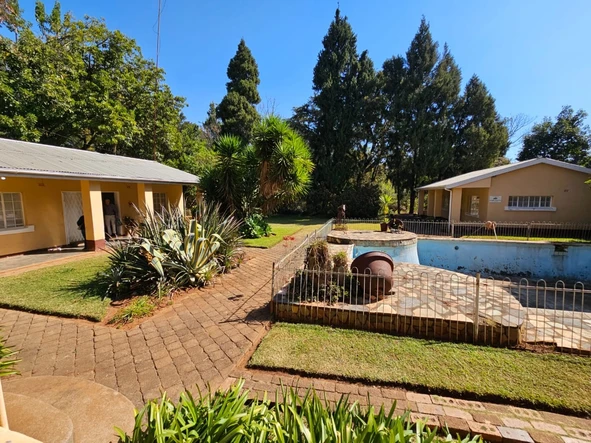
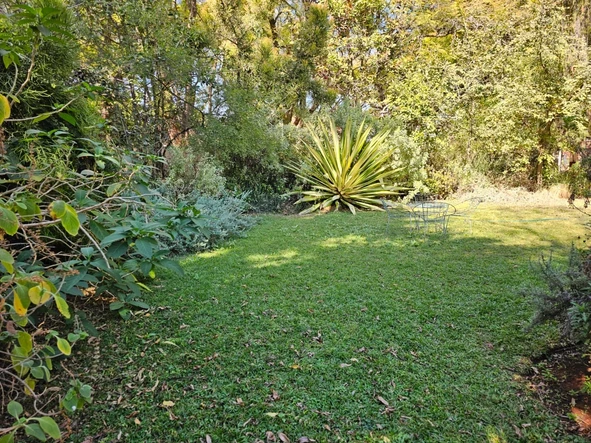
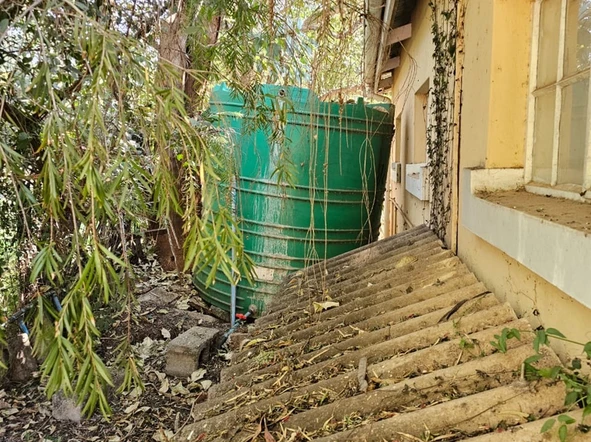
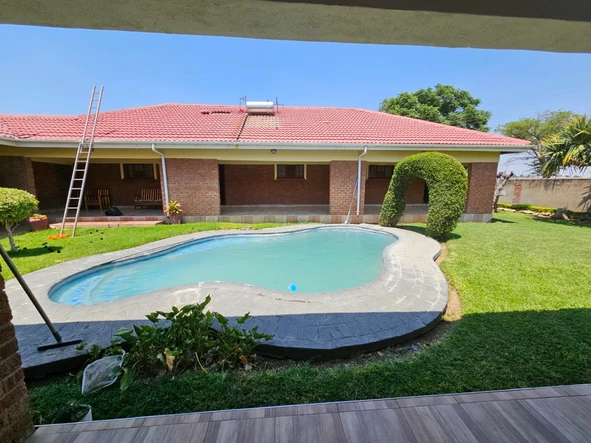
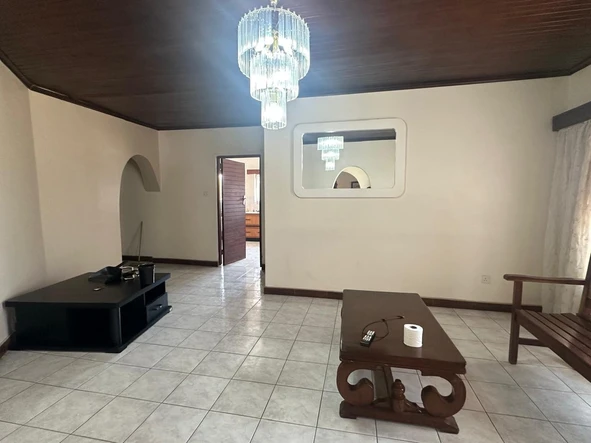
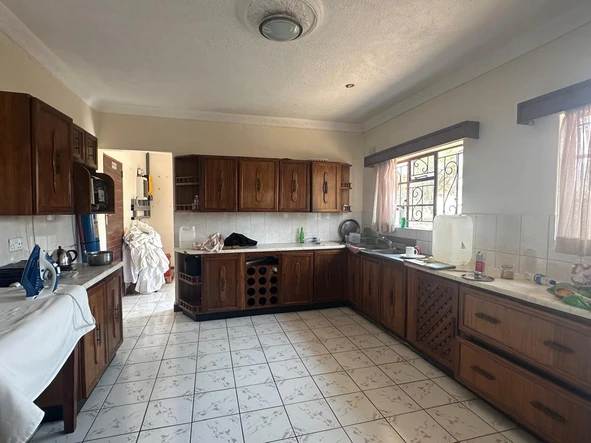
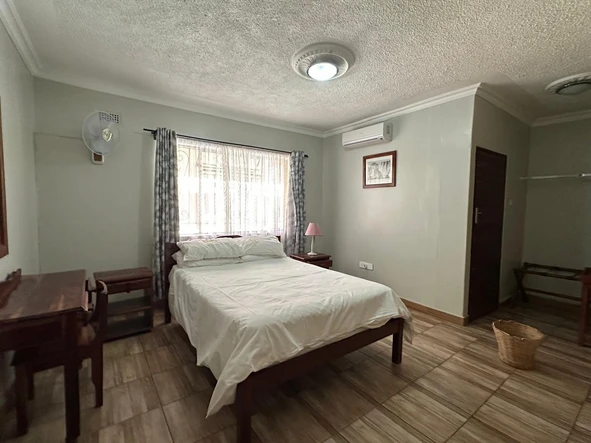
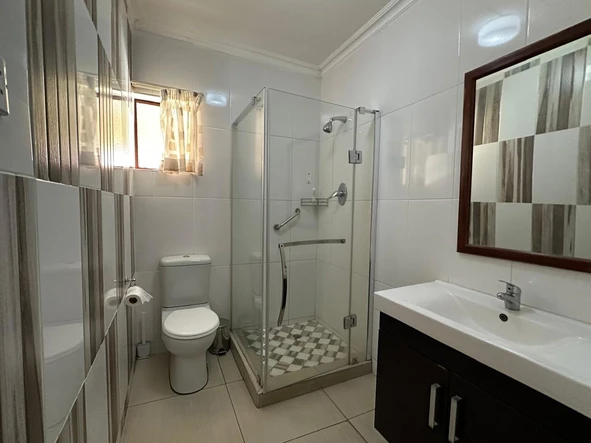
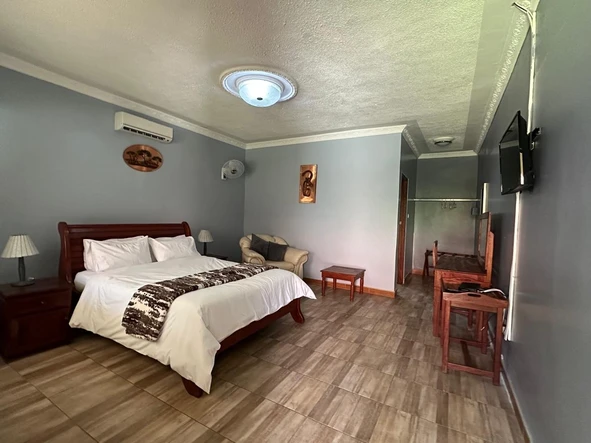
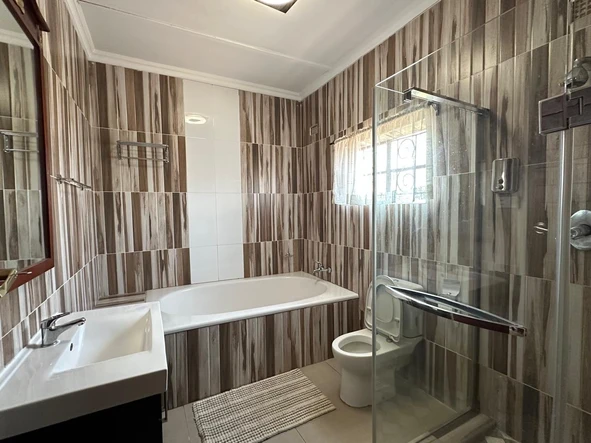
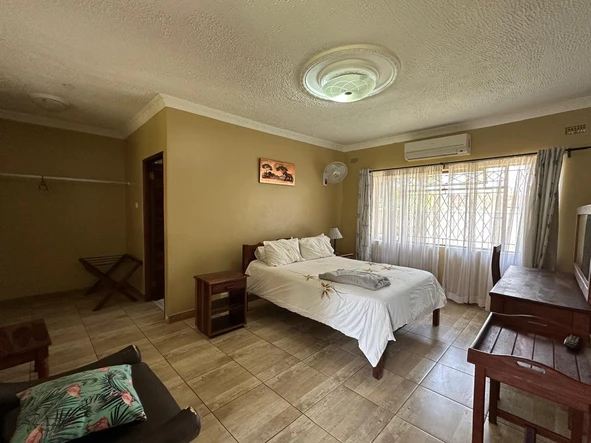
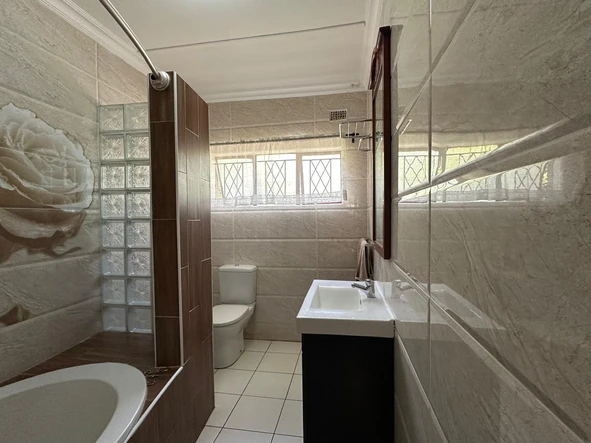
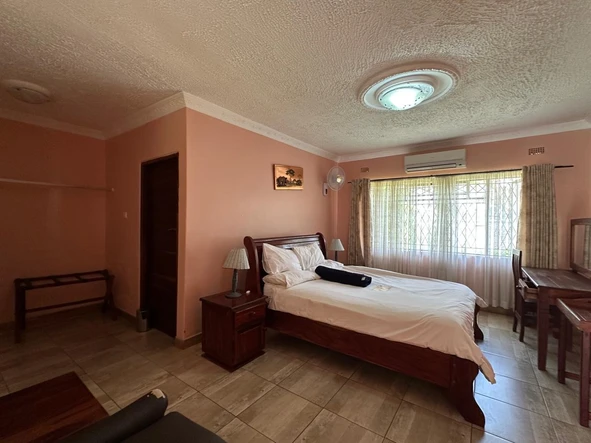
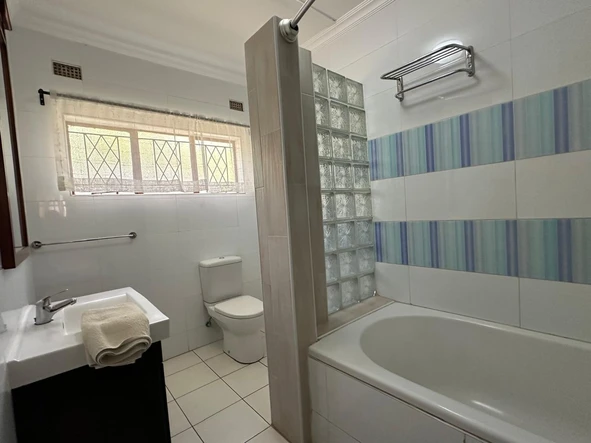
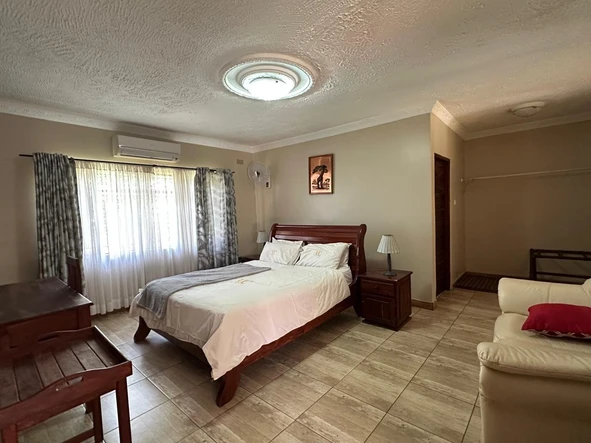
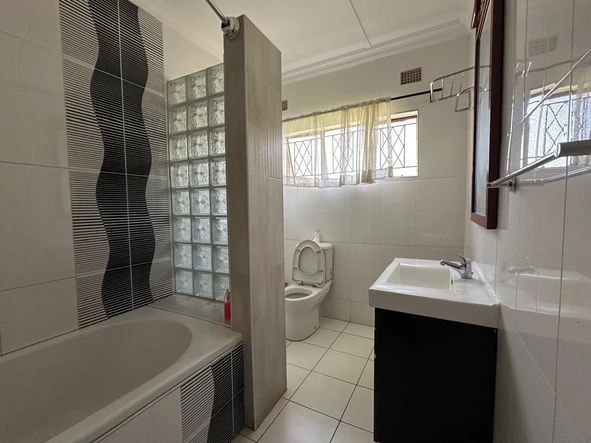
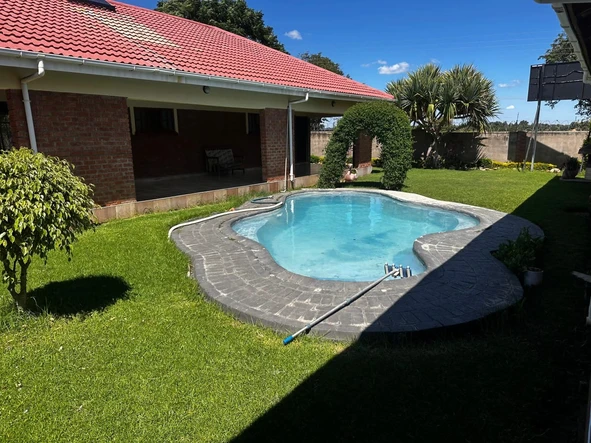
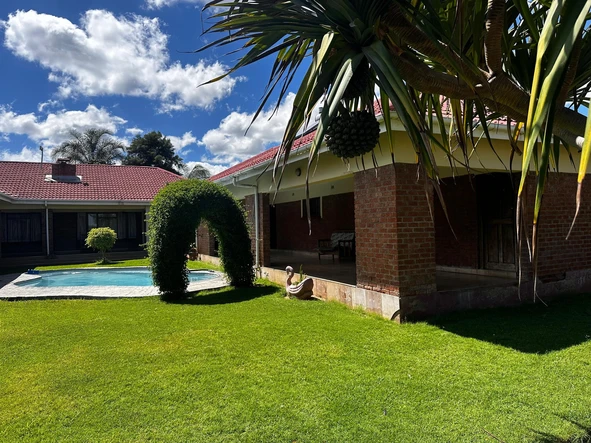
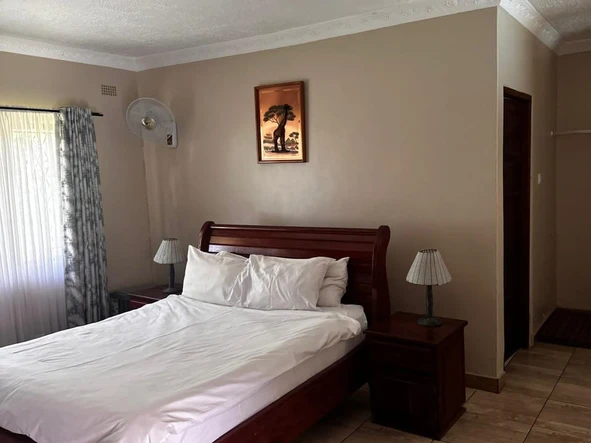
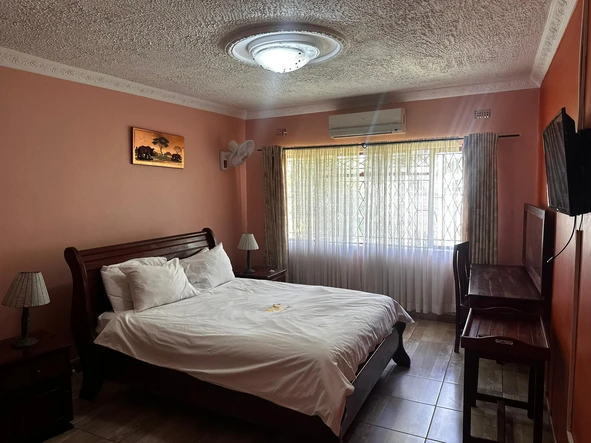
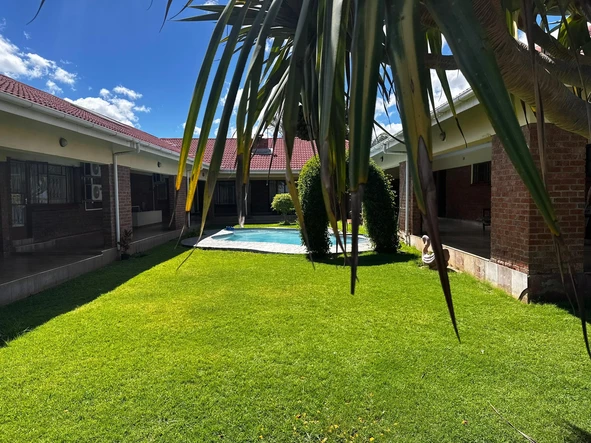
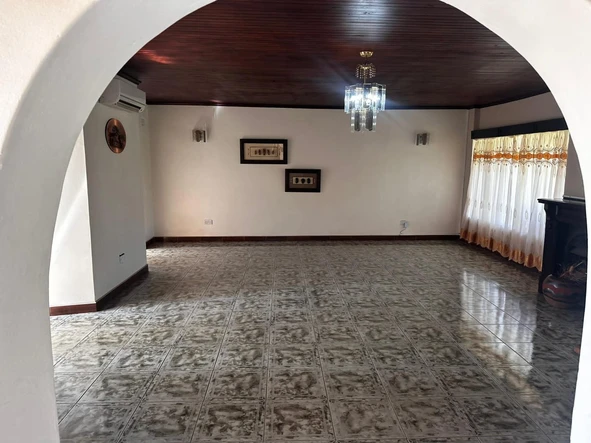
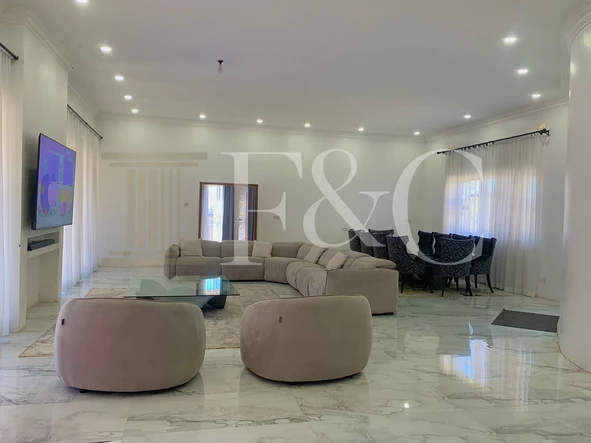
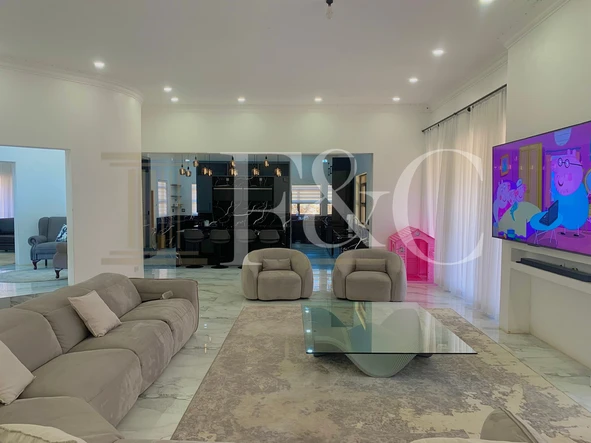
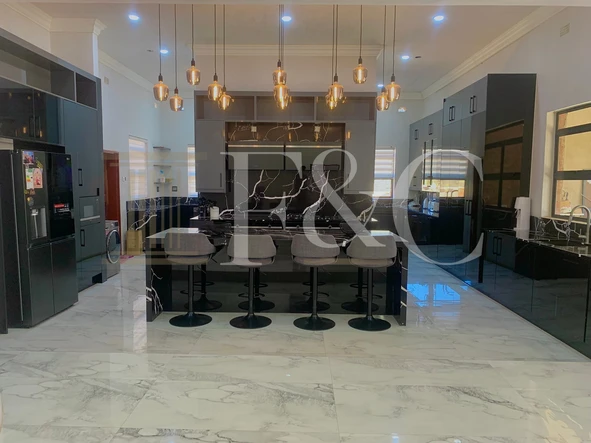
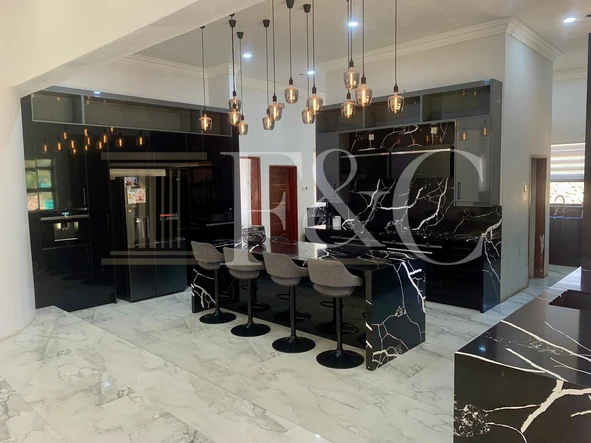
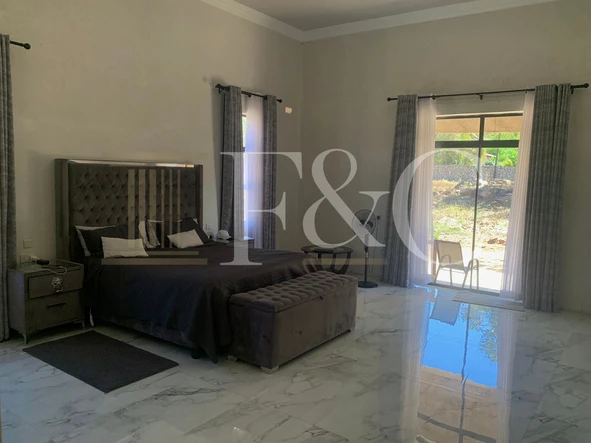
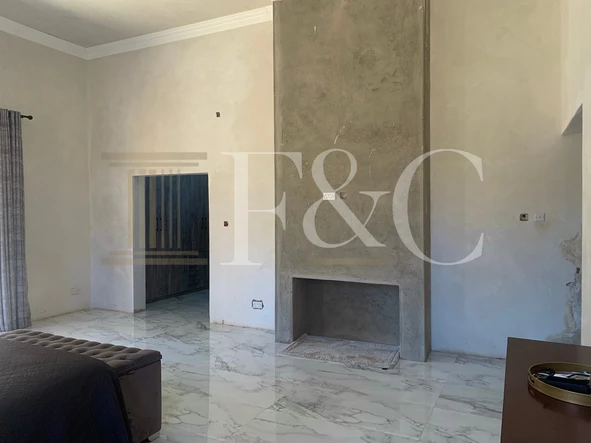
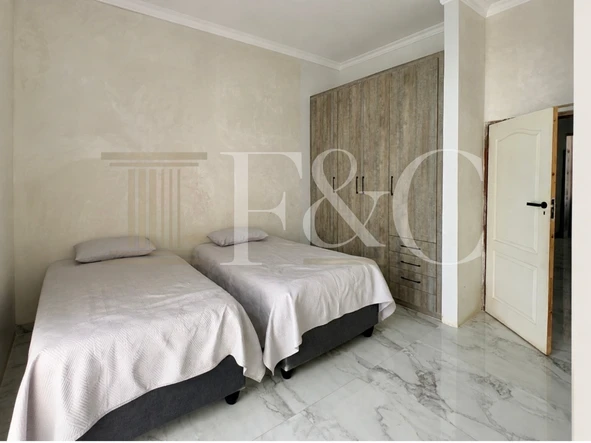
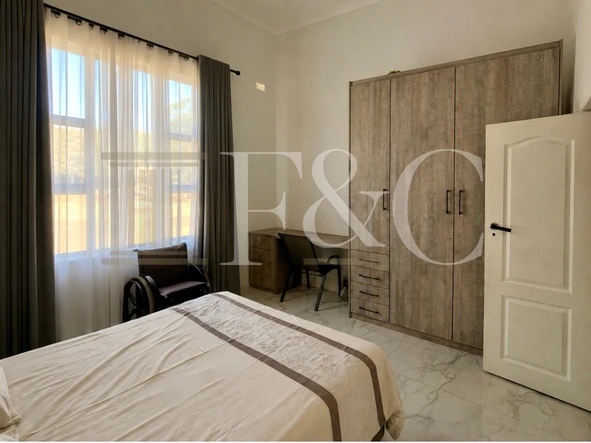
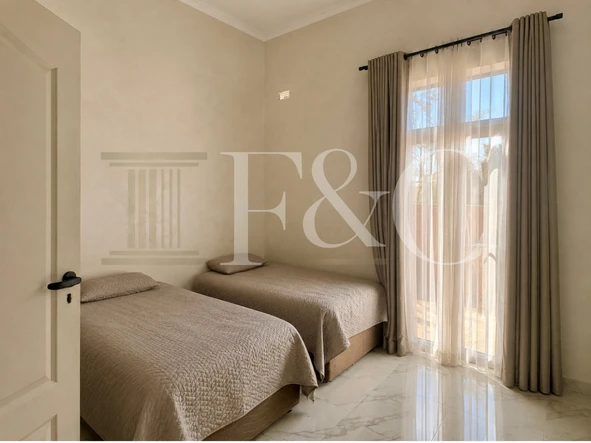
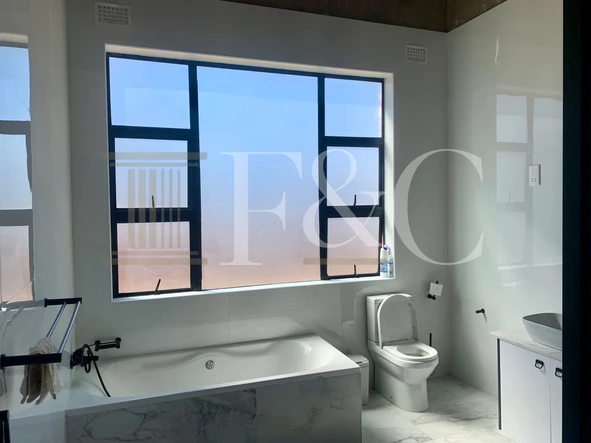
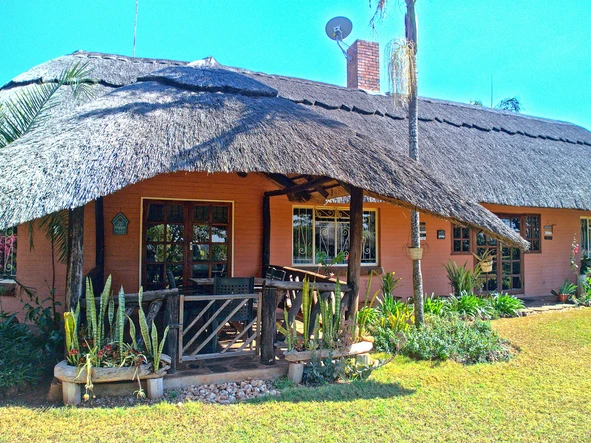
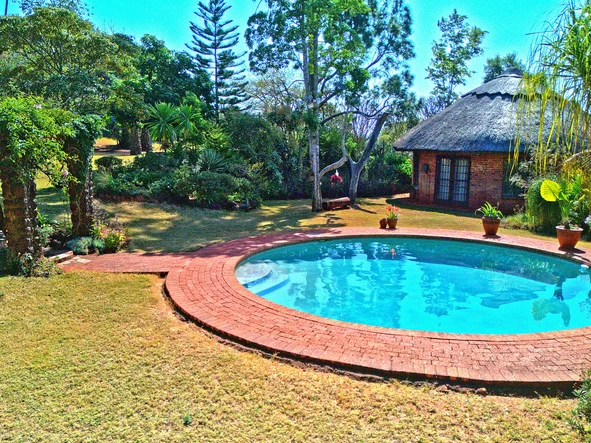
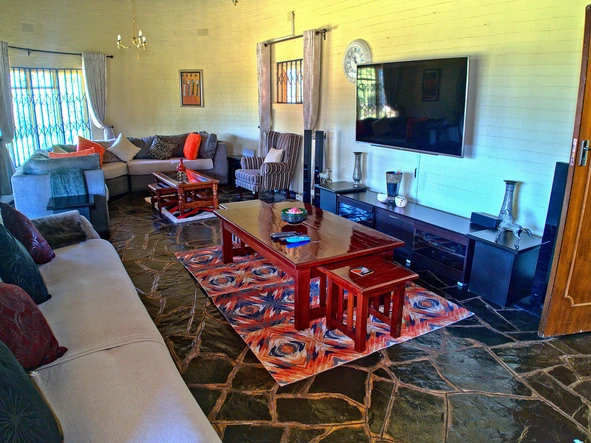
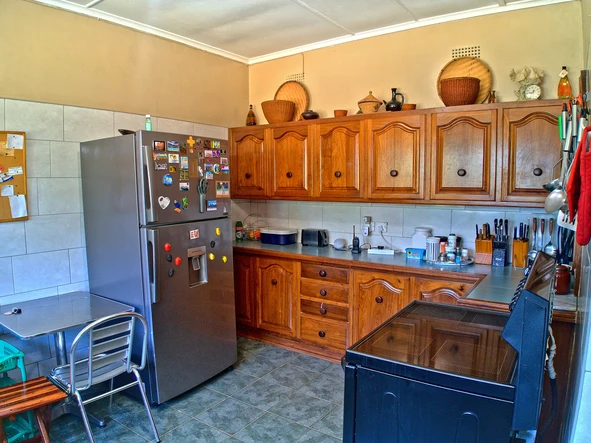
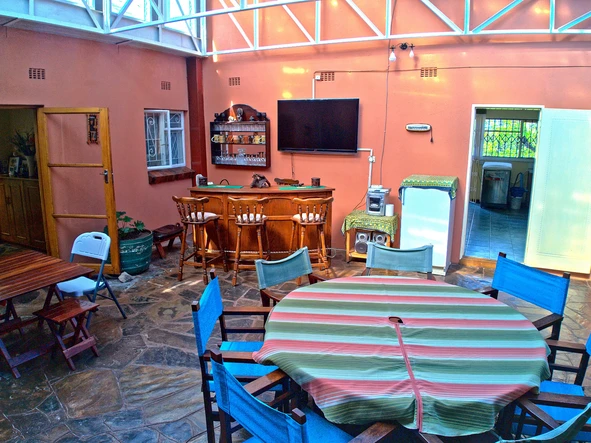
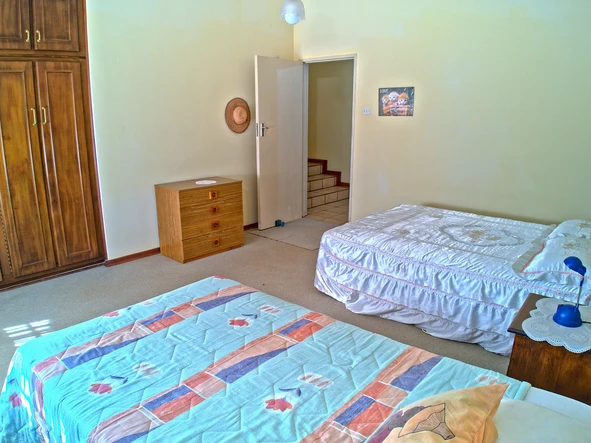
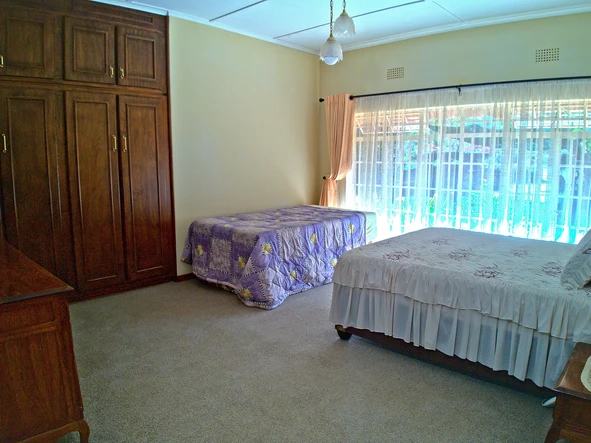
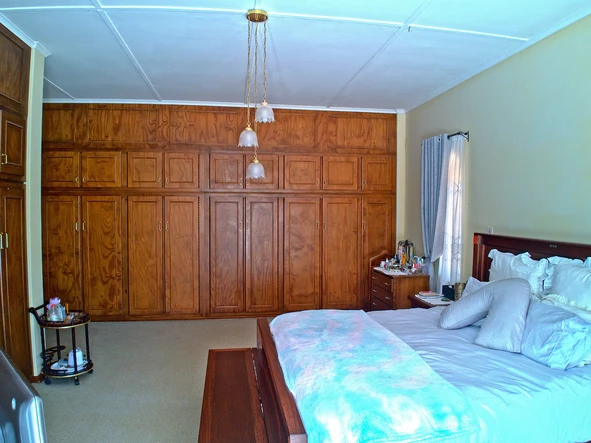
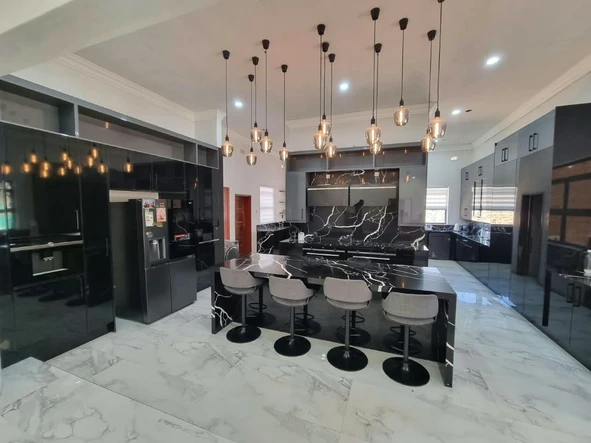
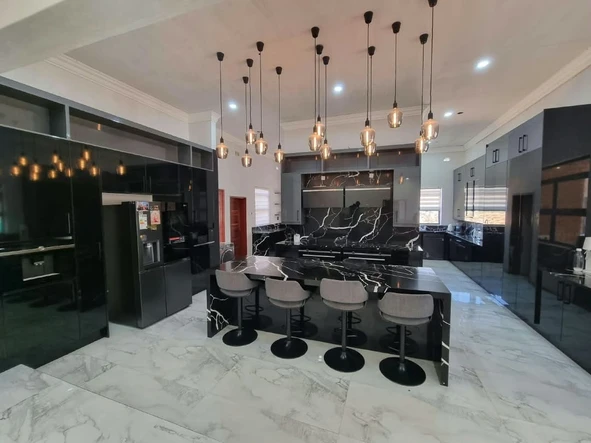
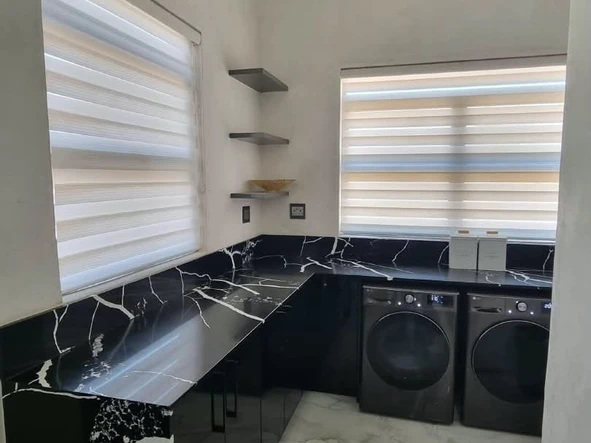
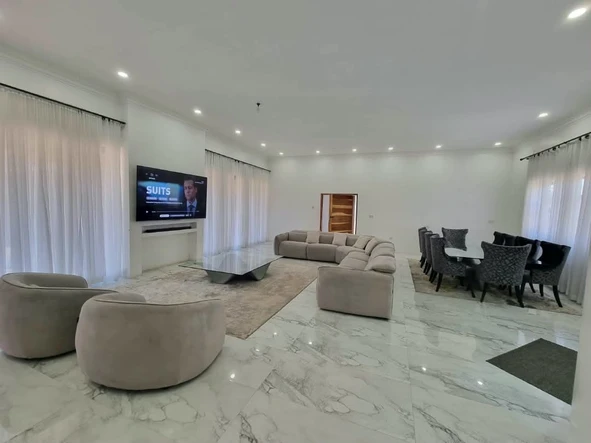
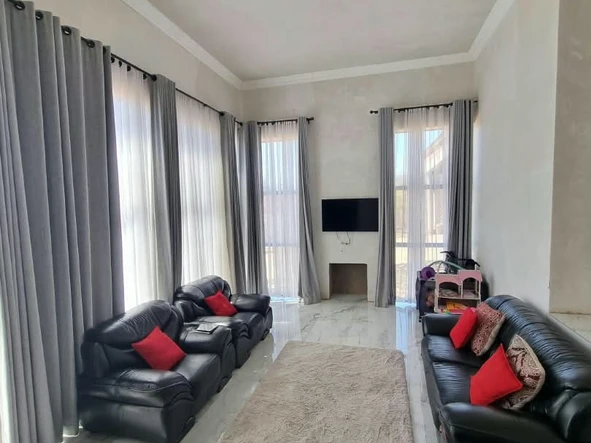
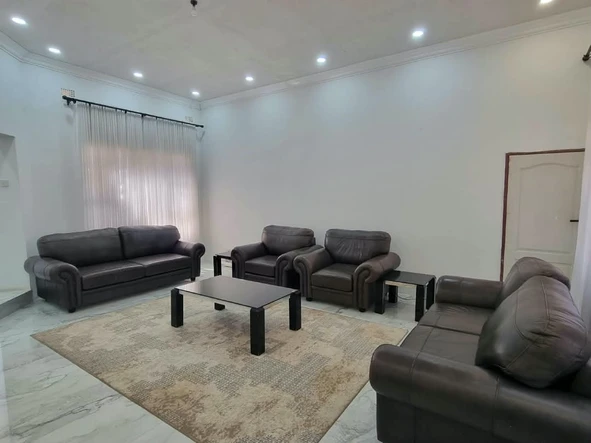
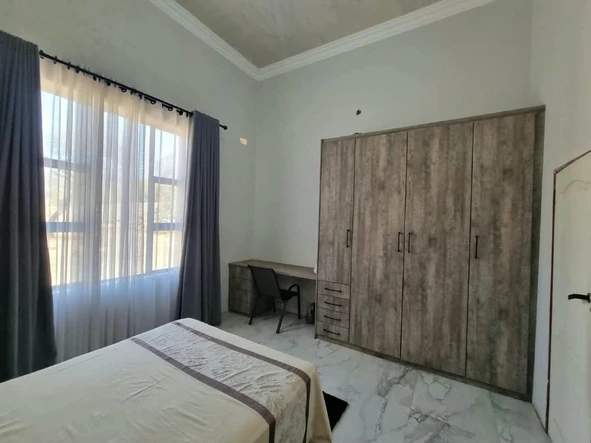
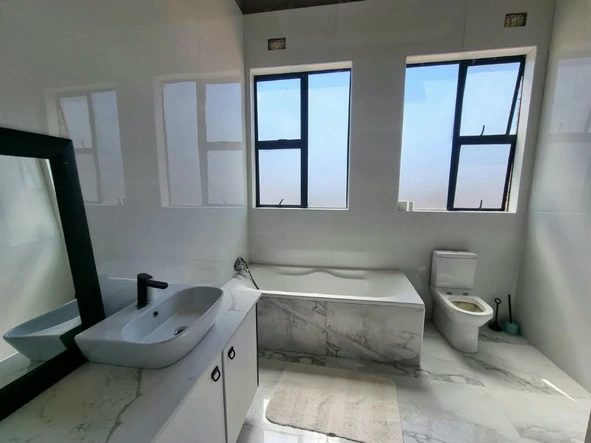
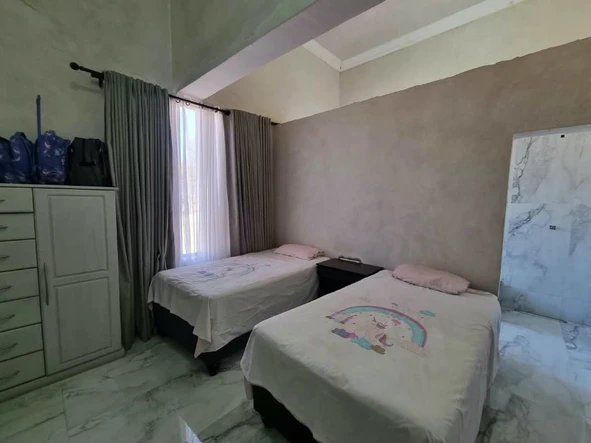
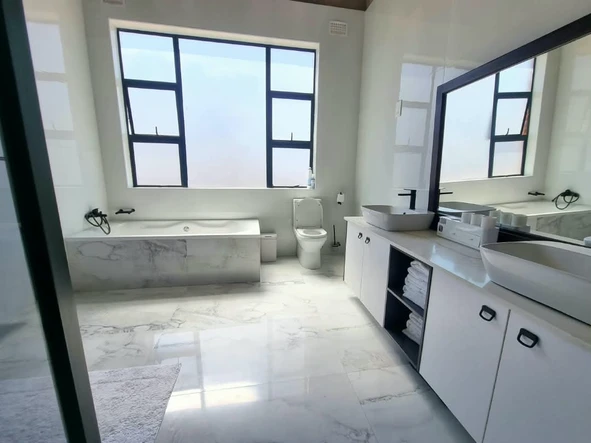
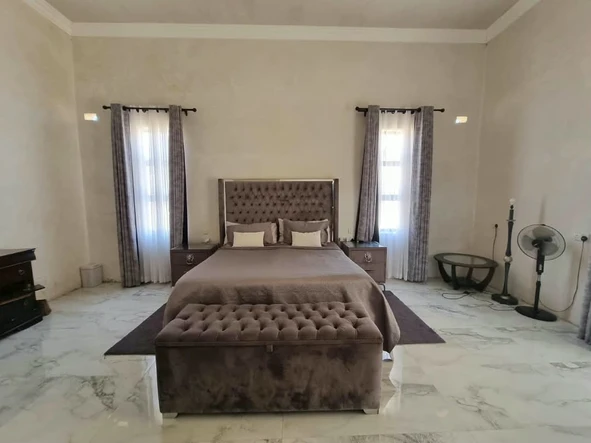
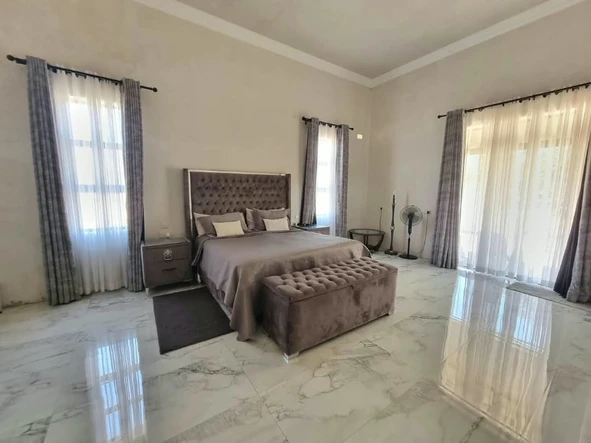
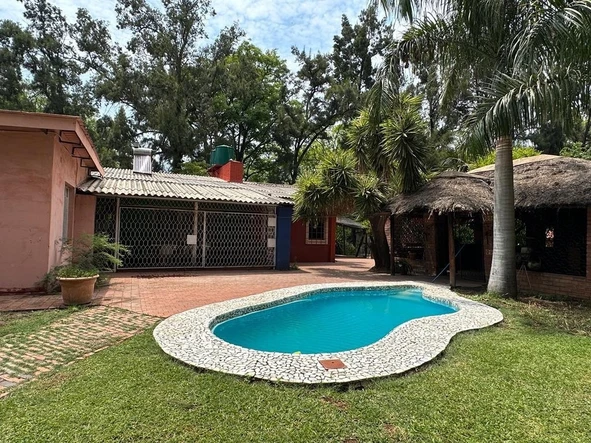
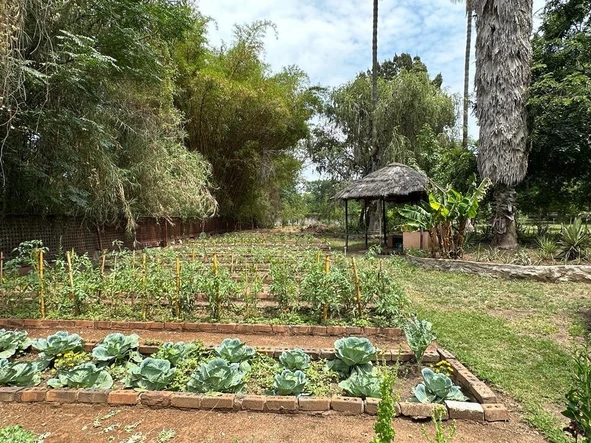
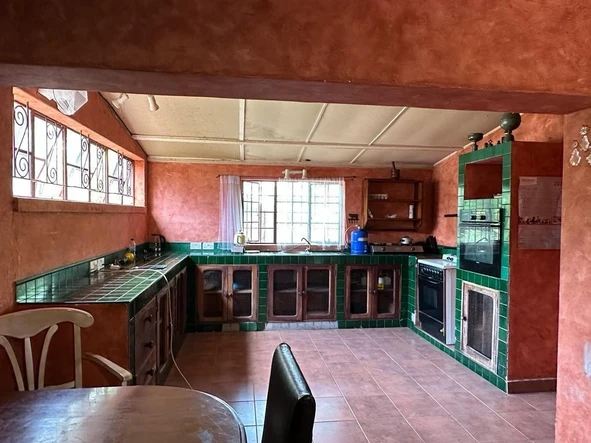
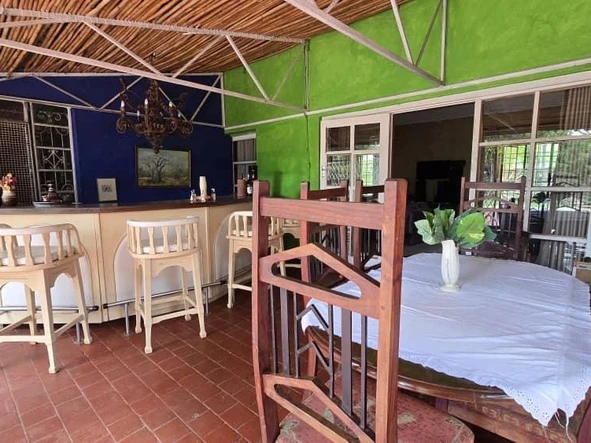
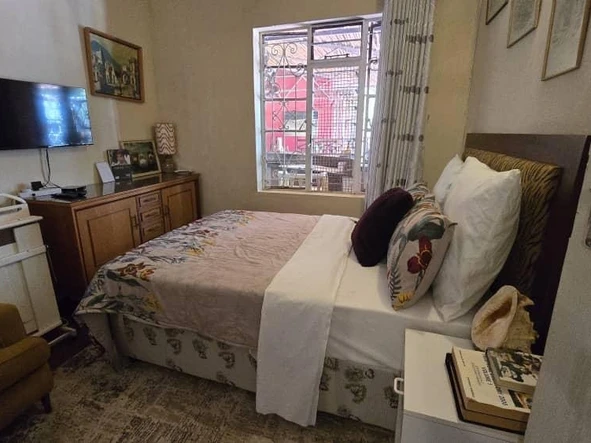
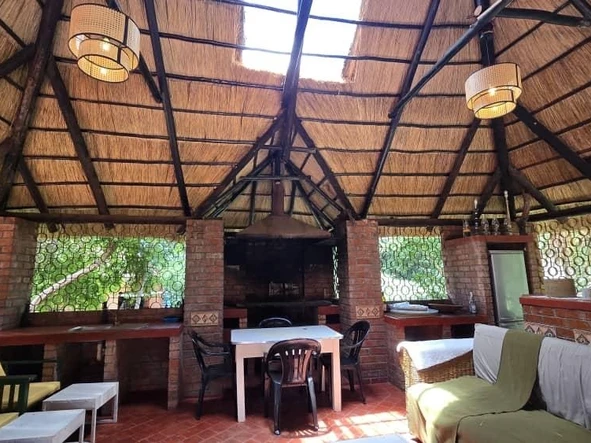
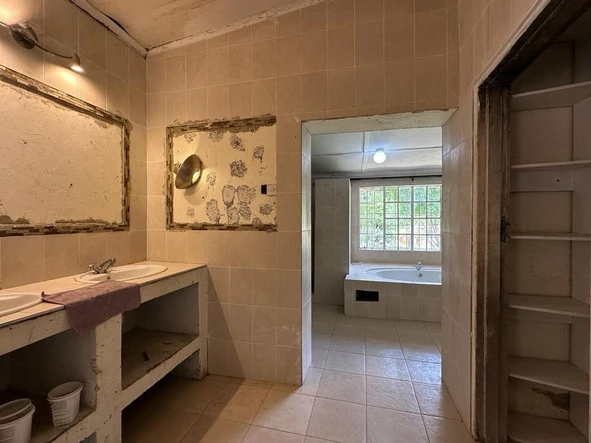
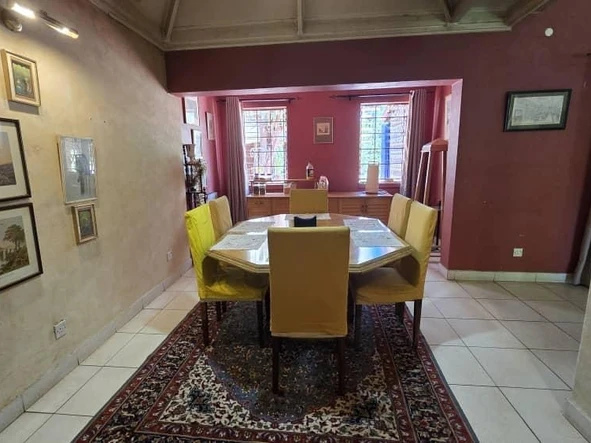
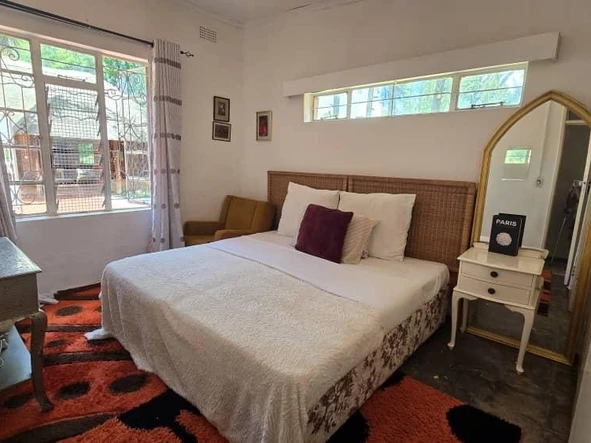
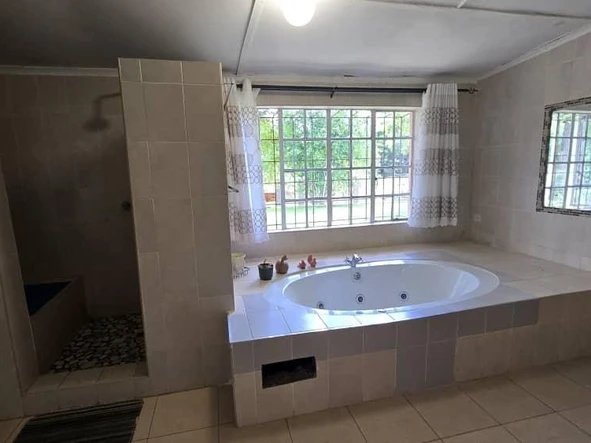
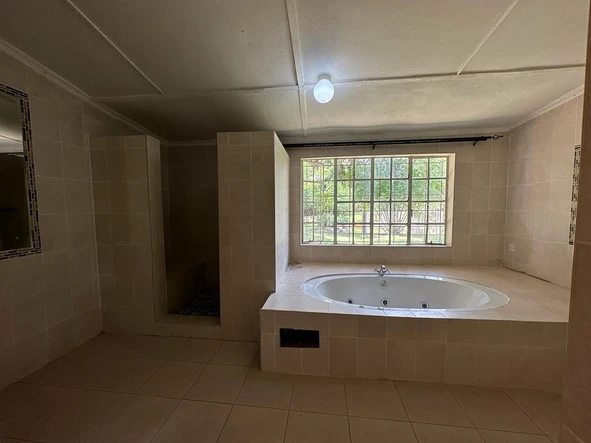
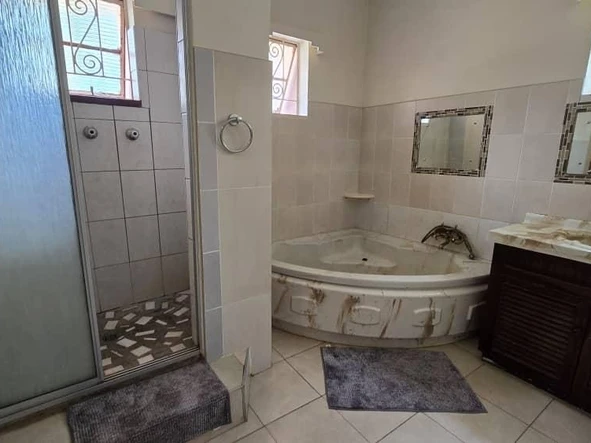
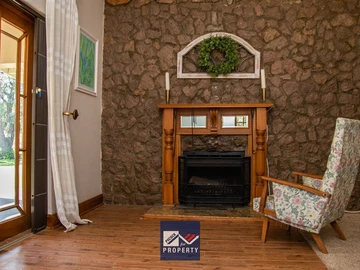
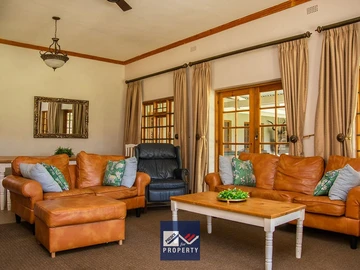
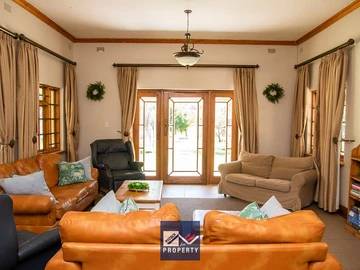
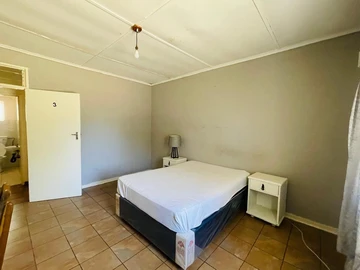
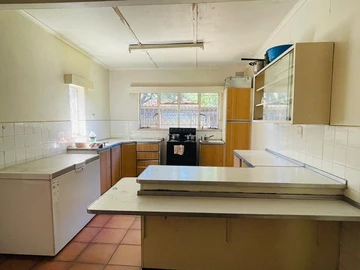
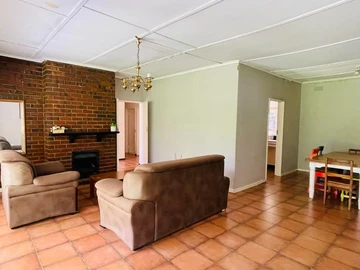
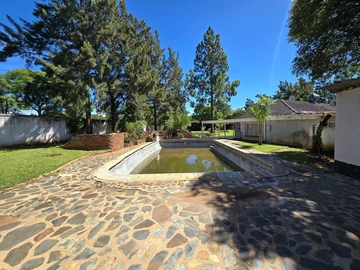
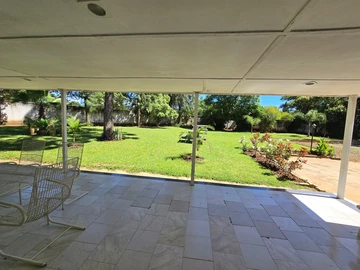
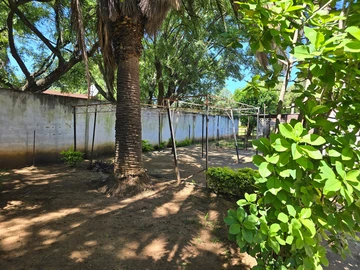
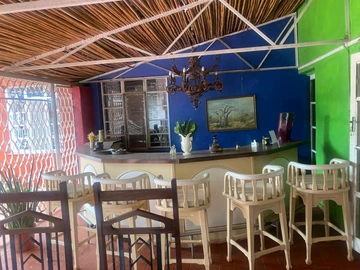
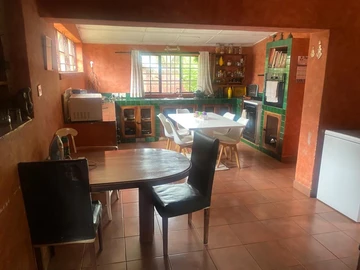
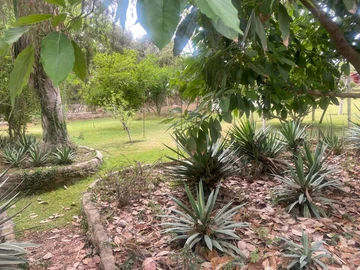
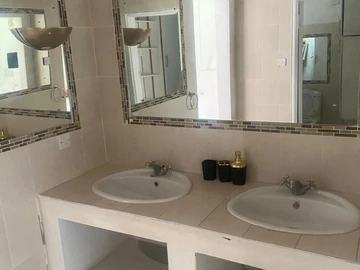
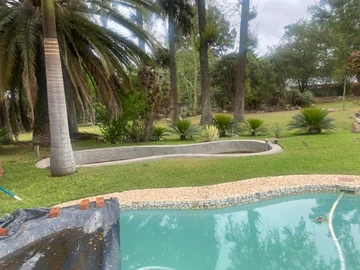
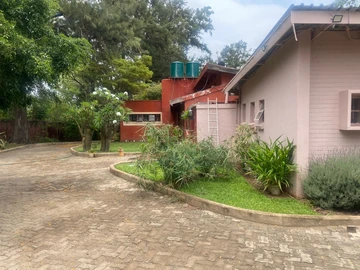
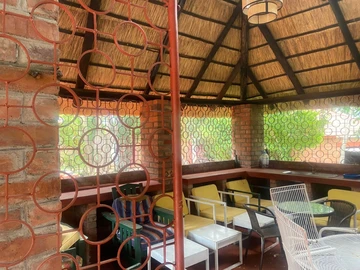
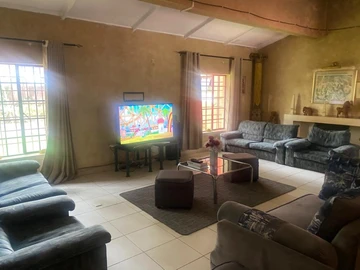
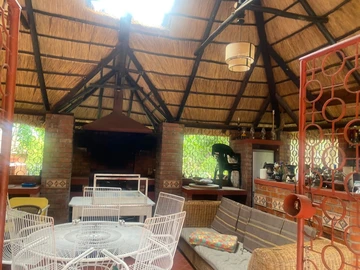
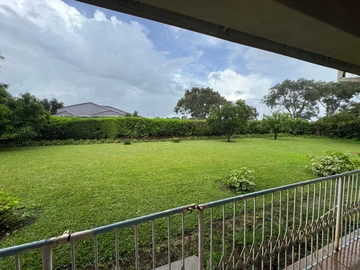
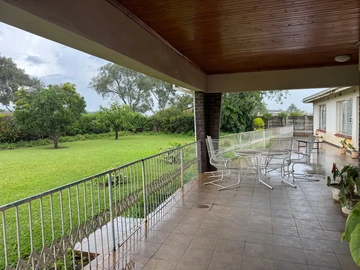
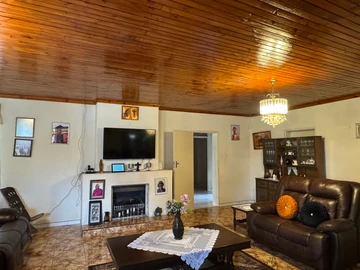
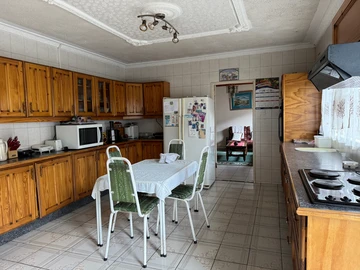
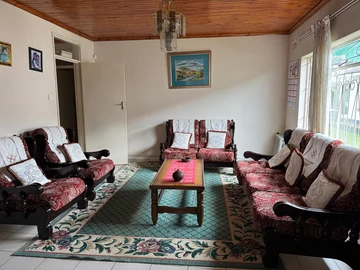
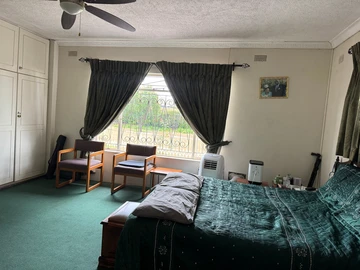
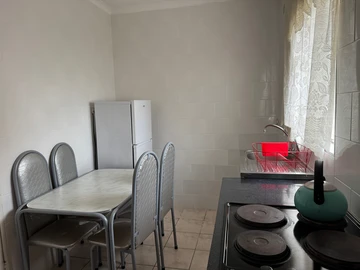
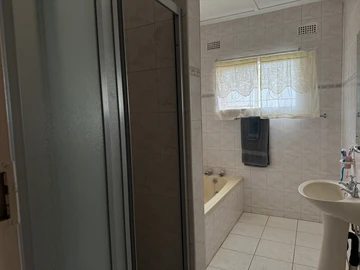
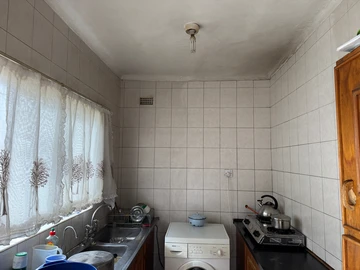
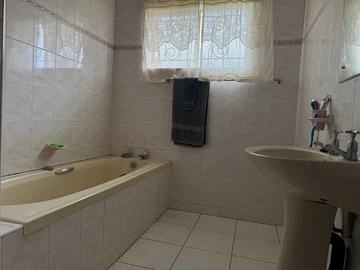
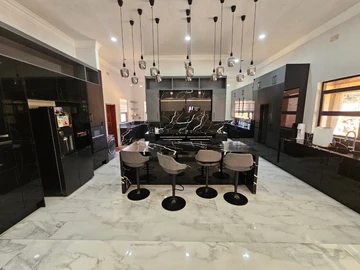
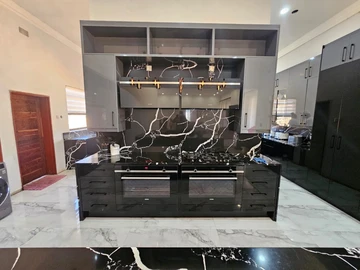
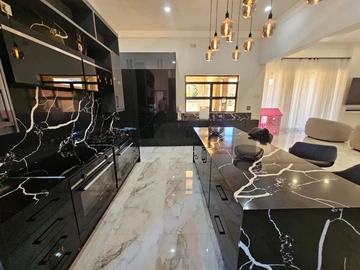
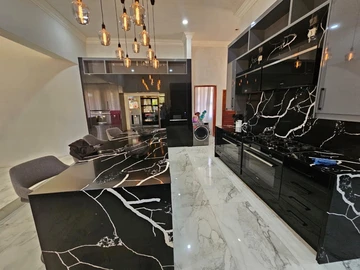
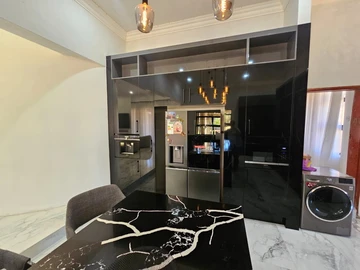
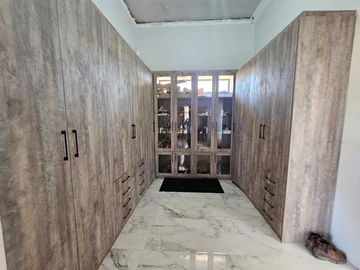
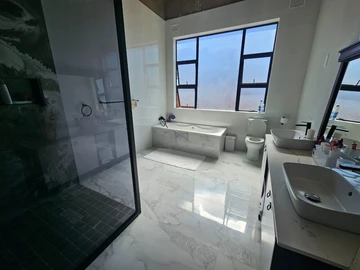
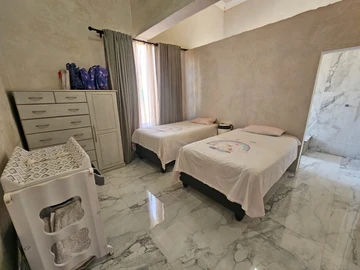
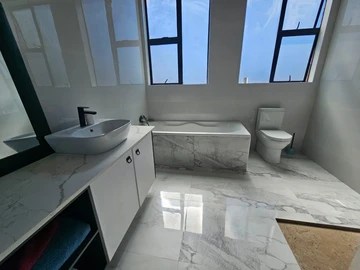
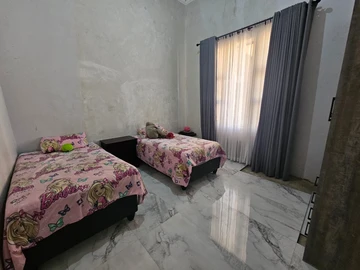
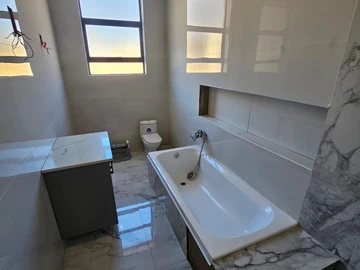
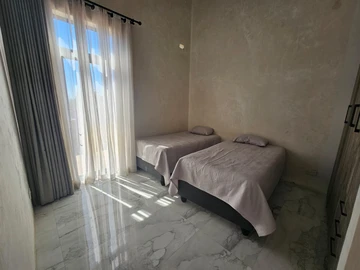
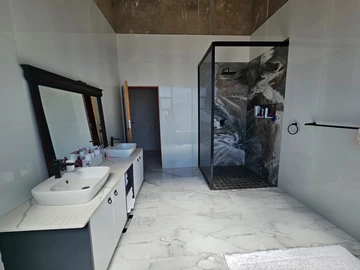
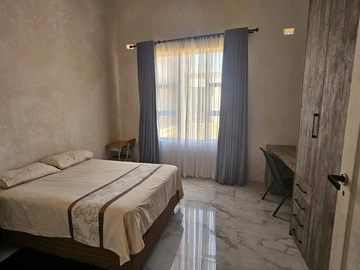
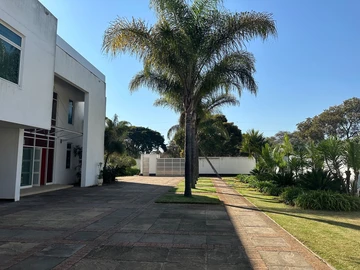
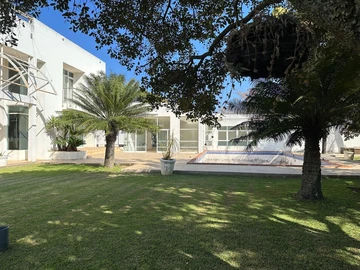
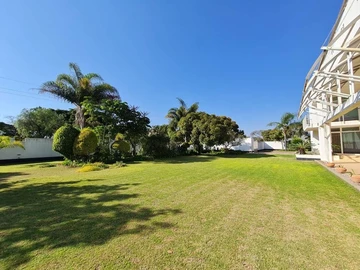
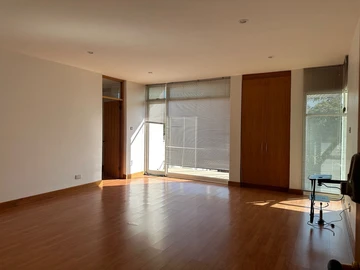
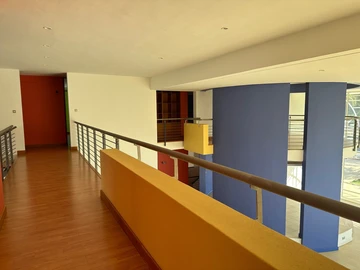
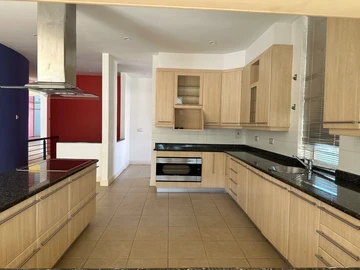
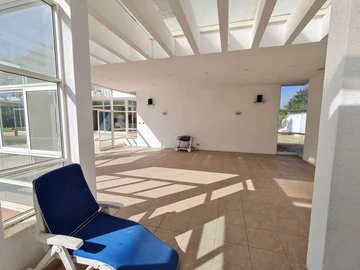
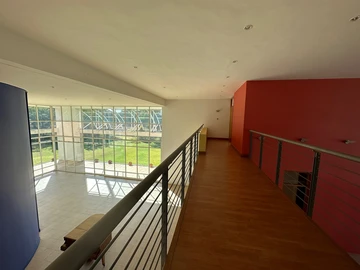
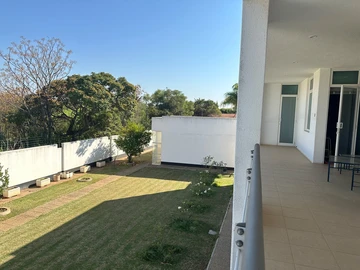
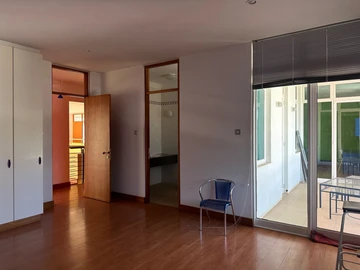
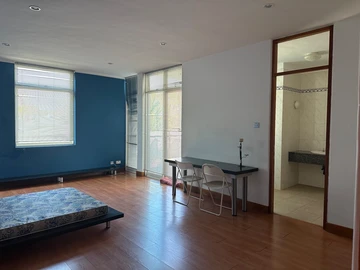
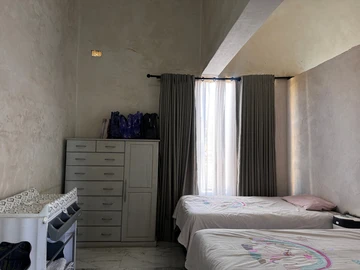
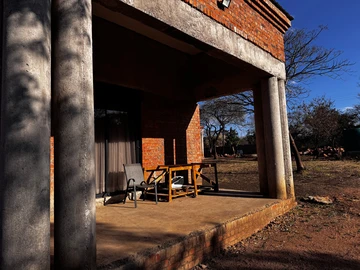
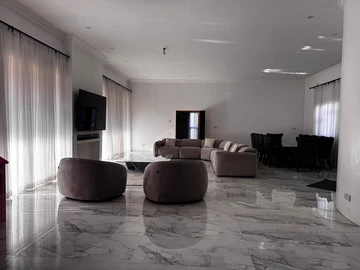
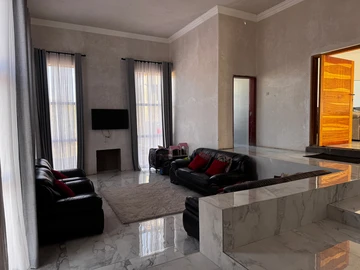
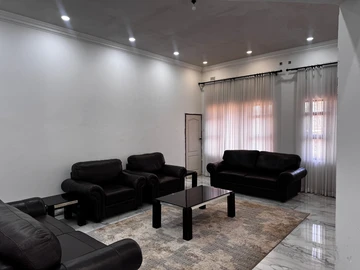
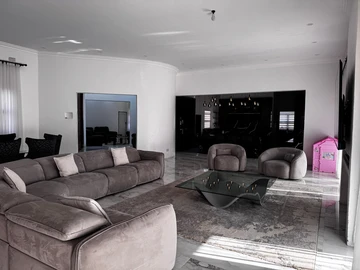
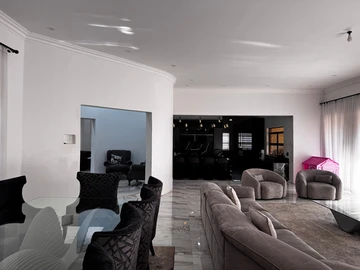
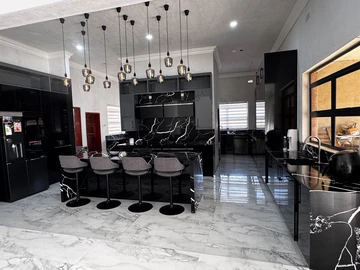
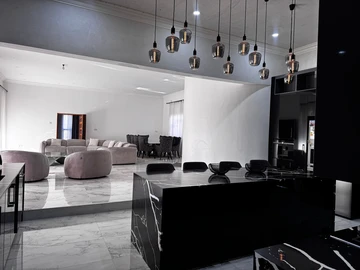
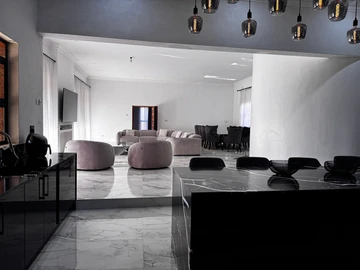
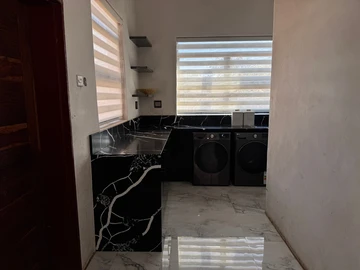
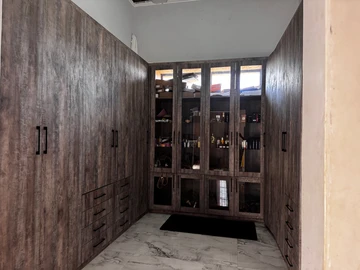
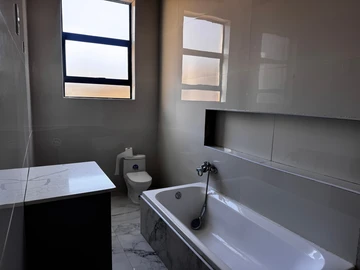
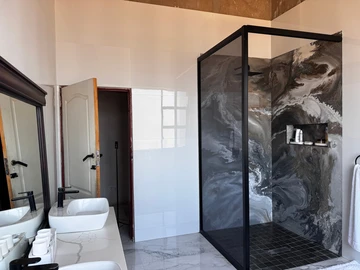
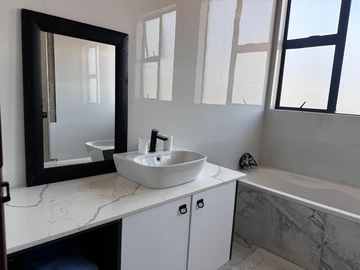
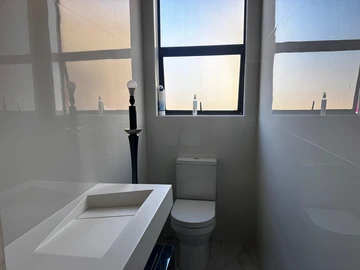
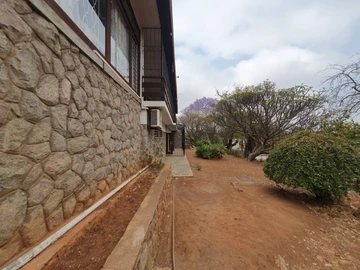
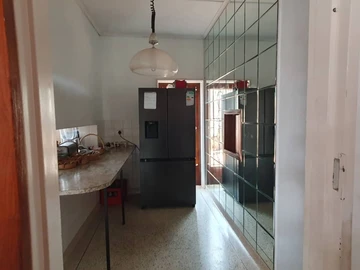
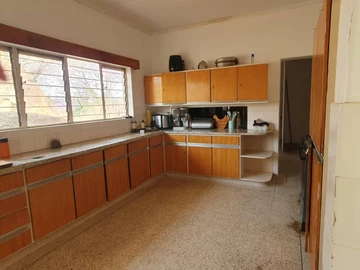
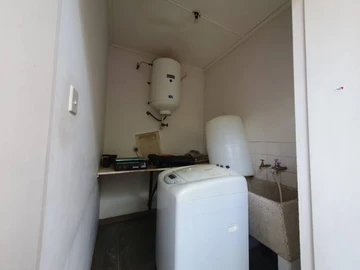
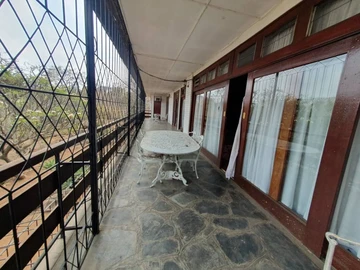
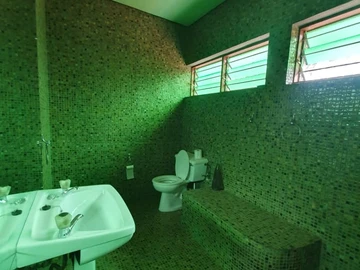
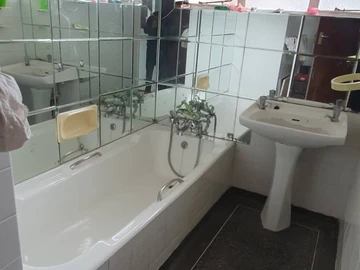
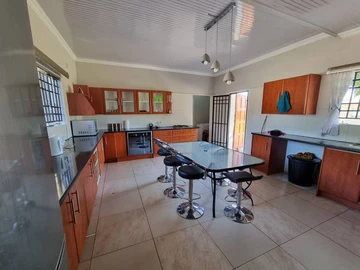
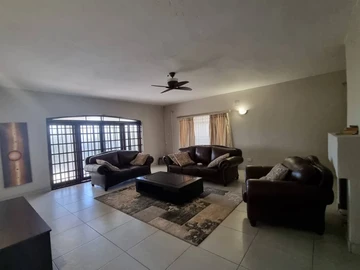
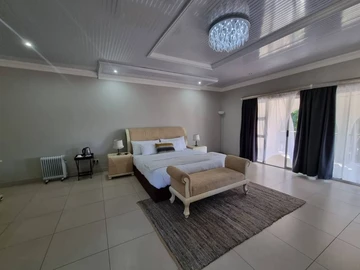
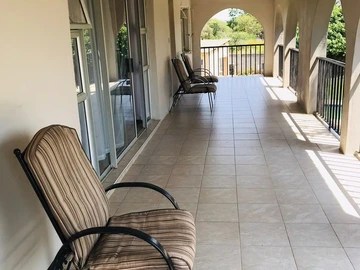
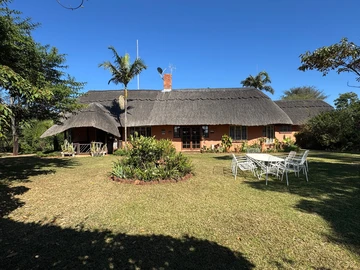
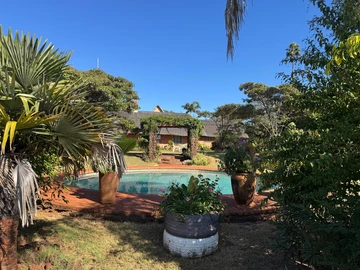
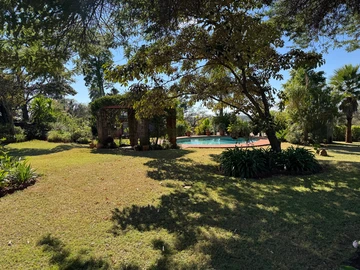
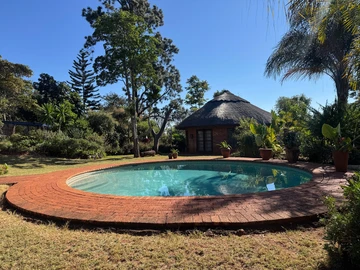
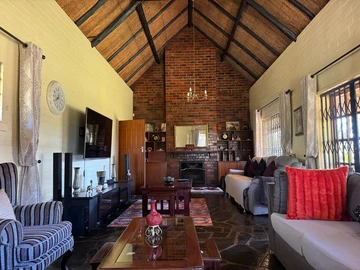
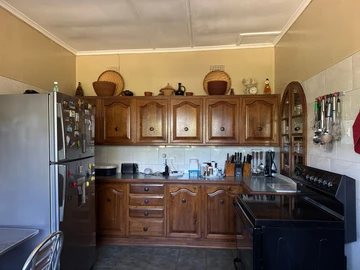
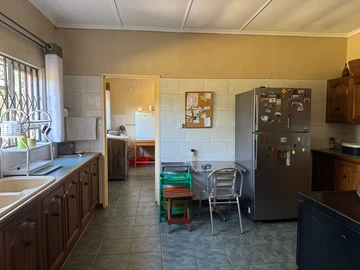
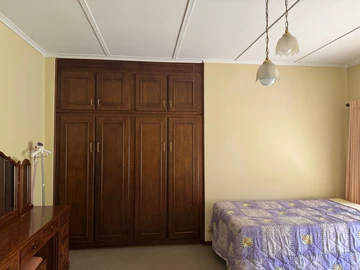
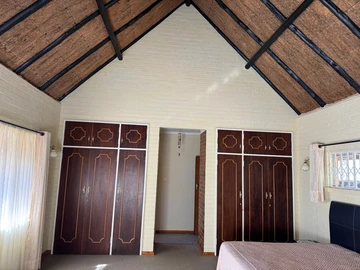
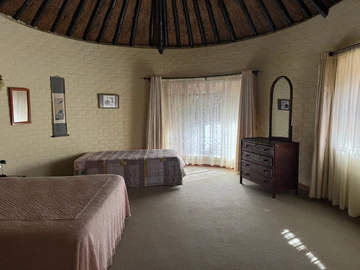
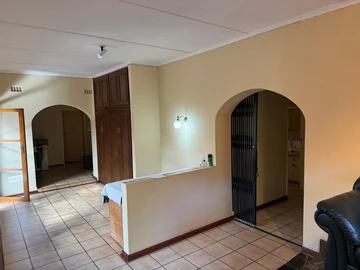
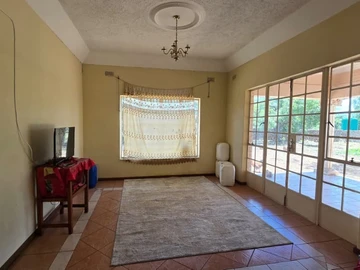
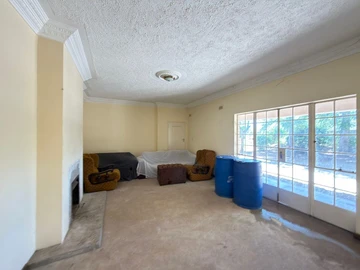
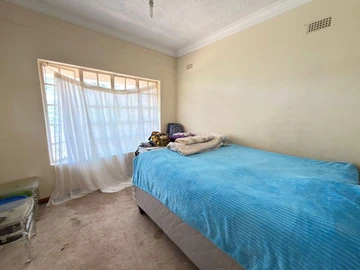
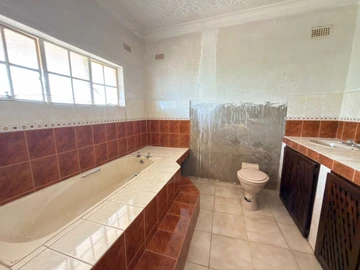
Most of these properties feature tiled floors, fitted kitchens, and main en suite bedrooms, ensuring comfort and convenience. Many also include municipal water supply, gardens, paved areas, verandahs, and secure walled boundaries. Additional amenities often found are swimming pools, boreholes, water tanks, and reliable ZESA electricity, making these homes well-equipped for modern living.
Bulawayo, Zimbabwe’s second-largest city, combines urban convenience with a rich cultural heritage. The city offers a mild climate and green spaces, contributing to a pleasant lifestyle. Residents have access to quality education through institutions like the National University of Science and Technology and reputable schools. Healthcare needs are met by facilities such as United Bulawayo Hospitals. Shopping is convenient with Main Street Shopping Centre and Hillside Mall, while dining options include The Victoria Hotel Restaurant and The Green Dragon. The city’s connectivity by road and rail also supports easy travel and business activities.
5
2
1,500 m²
7
3
0 m²
7
6
1 m²
7
4
0 m²
5
1,780 m²
5
3
1,061,170,000 m²

Be the first to see new properties for sale in Bulawayo









| Type | Avg. price |
|---|---|
| Overall | $215,000 |
| Houses (View 268 properties) | $180,000 |
| Commercial Property (View 151 properties) | $850,000 |
| Land (View 136 properties) | $60,000 |
| Flats & Apartments (View 15 properties) | $87,500 |
Buying property in Zimbabwe? Discover hidden costs like stamp duty, conveyancing fees, and taxes that can add 8%–12% or more to your purchase price.
Tenants not paying rent in Zimbabwe? Learn your legal rights as a landlord, the step by step eviction process, and illegal self-help actions to avoid.
Discover how blockchain, crypto, and tokenized real-world assets (RWAs) are transforming real estate ownership, liquidity, and financing over the next 5 years.
Buying a residential stand in Zimbabwe? Learn how to verify ownership, subdivision, planning approvals, servicing, title and the developer before paying.
Learn how servitudes affect property ownership, rights of way, and utility access in Zimbabwe. Protect your land title and avoid boundary disputes.