Log in to contact the seller
 Continue with Facebook
 Continue with Email
Continue with Facebook
Continue with Email
Sign up with Facebook
Continue with Email
Continue with Facebook
Continue with Email
Sign up with Facebook
 Change filters
 Requests

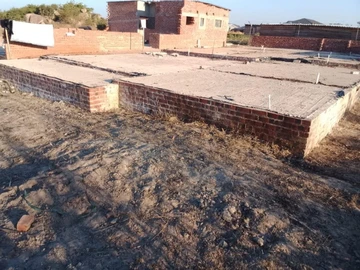

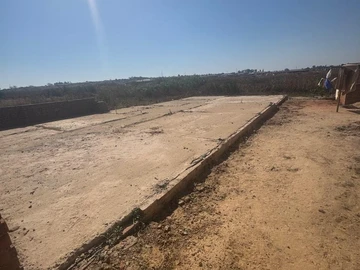
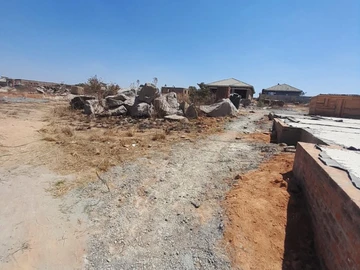
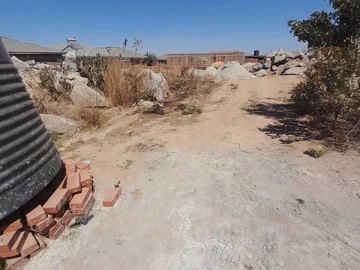
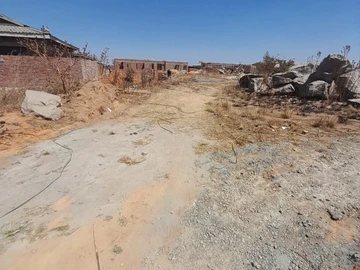
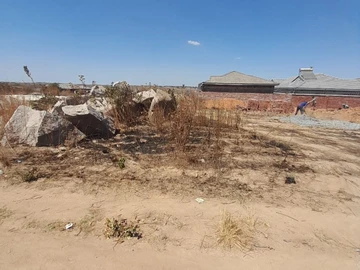
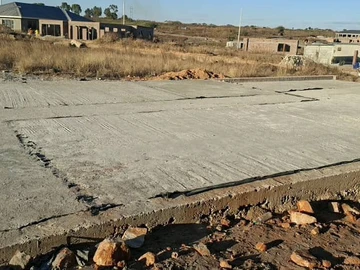
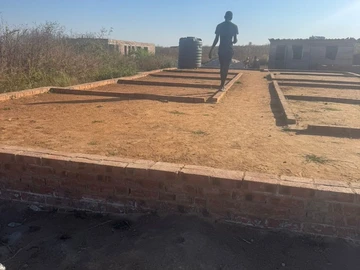
 300 m²


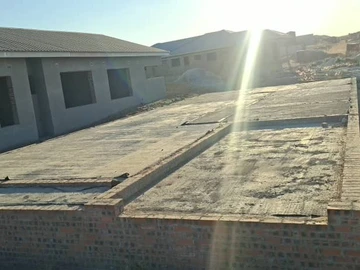
 300 m²
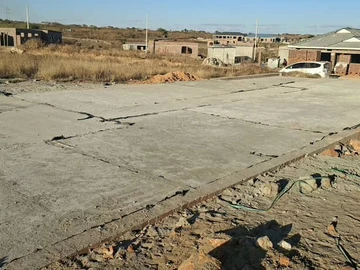
300 m²
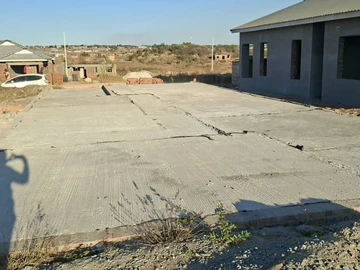
300 m²
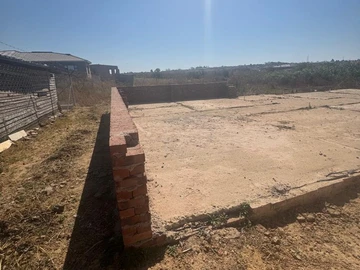
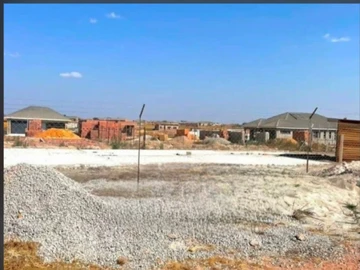
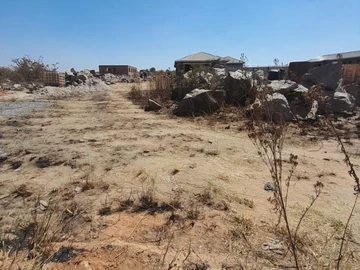
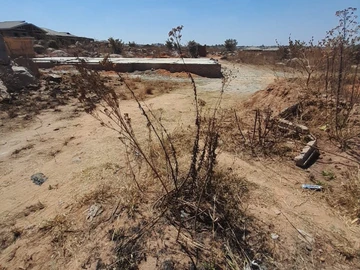
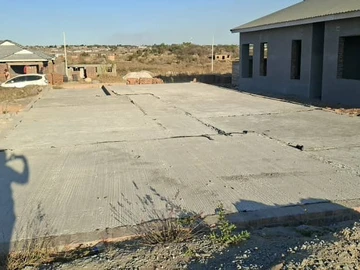
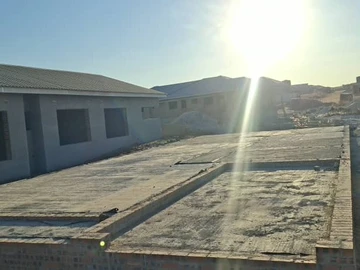
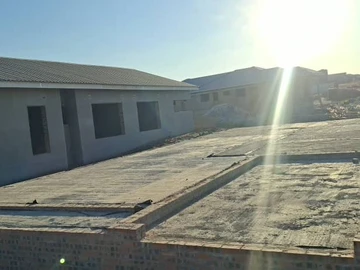
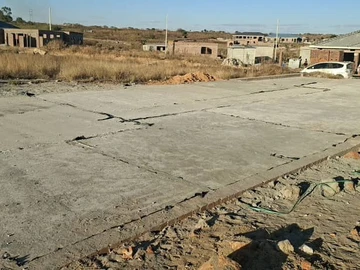
Properties for sale in Donnybrook, Harare High Density, are an affordable choice for buyers looking to live close to the city center. The average price of the properties currently listed is $53,000, with prices starting from USD 11,500. Land sizes typically range around 300 ㎡, with the largest plots reaching up to 800 ㎡. Property sizes are generally small or not specified, reflecting the high-density nature of the area.
These properties usually consist of modest residential homes suitable for working-class families and young professionals. The area features a mix of residential and small business properties, contributing to a lively urban environment. Buyers can expect basic amenities and practical living spaces that fit within a budget-friendly market.
Donnybrook is known for its vibrant community and convenient location. Key facilities include Donnybrook Primary School and Donnybrook Stadium, which hosts local sports events. The nearby Harare Gardens offers green space for relaxation, while Parirenyatwa Hospital provides essential healthcare services within reach. Shopping needs are met by Donnybrook Shopping Centre and various informal markets. The suburb is well connected by public transport, making commuting to Harare’s central business district straightforward. Overall, Donnybrook offers affordable urban living with access to essential amenities and a strong community feel.
165 m²
400 m²


Be the first to see new properties for sale in Donnybrook, Harare High Density










| Type | Avg. price |
|---|---|
| Overall | $53,000 |
| Houses (View 148 properties) | $55,000 |
| Land (View 59 properties) | $18,000 |
| Commercial Property (View 42 properties) | $180,000 |
Learn how servitudes affect property ownership, rights of way, and utility access in Zimbabwe. Protect your land title and avoid boundary disputes.
Get your home viewing ready in Zimbabwe. Follow our 2026 seller checklist covering curb appeal, solar & water setups, staging, and documentation.
Avoid costly disputes and legal delays. Learn the biggest mistakes families make when registering and distributing deceased estates under Zimbabwean law.
Who gets the house after divorce in Zimbabwe? Learn how courts divide matrimonial property, handle sole vs joint titles, and apply Section 7 of the Act.
Discover Patience Patongamwoyo’s vision for trust, leadership, and transforming the real estate industry to drive the future of property in Zimbabwe.