Log in to contact the seller
 Continue with Facebook
 Continue with Email
Continue with Facebook
Continue with Email
Sign up with Facebook
Continue with Email
Continue with Facebook
Continue with Email
Sign up with Facebook
 Change filters
 Requests


 188 m²


 4
4
 3
300 m²
10
2,000 m²
3
300 m²
10
2,000 m²
 80 m²
4
1
100 m²
80 m²
4
1
100 m²
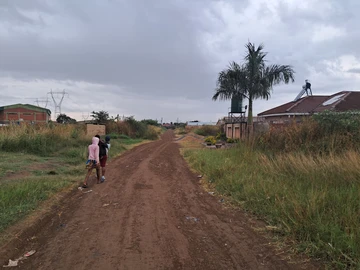
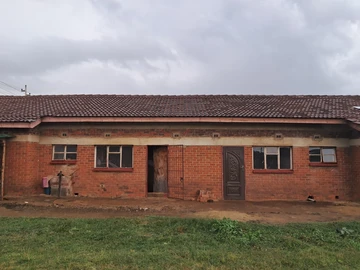
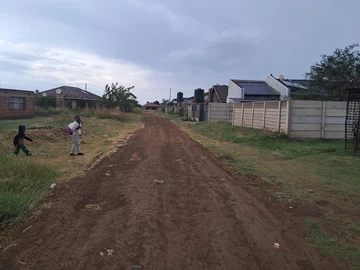
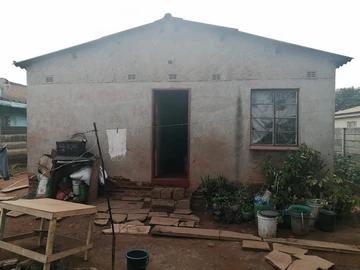
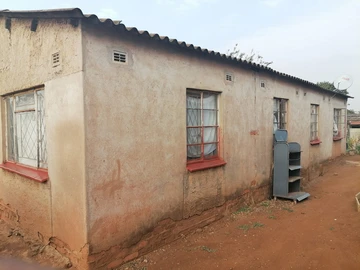
Properties for sale in Harare High Density, Harare, offer affordable options for buyers, with the average price of the properties currently listed at $53,000. These properties typically have a median land area of about 300 ㎡ and a median building size around 120 ㎡, while larger properties can reach up to 20,000 ㎡ of land and 1,000 ㎡ in building size.
The homes in this area generally cater to working-class families and young professionals, featuring a mix of informal and formal housing. The neighborhood is known for its vibrant, bustling atmosphere and strong community feel. Properties here provide practical living spaces that are more budget-friendly compared to Harare’s low-density suburbs.
Harare High Density is lively with convenient access to key amenities. Mbare Musika Market, one of the largest markets in Harare, offers fresh produce and various goods. The National Sports Stadium is nearby for major events, and the city center is easily accessible for cultural and entertainment activities. The area has several primary and secondary schools, local clinics, and is within reach of Parirenyatwa Group of Hospitals for advanced healthcare. Local shops, eateries, and street food vendors add to the dynamic urban lifestyle typical of this neighborhood.
300 m²
990 m²
593 m²
200 m²
3
200 m²
4
2
200 m²
5
200 m²

Be the first to see new properties for sale in Harare High Density










| Type | Avg. price |
|---|---|
| Overall | $53,000 |
| Houses (View 157 properties) | $55,000 |
| Land (View 66 properties) | $18,000 |
| Commercial Property (View 36 properties) | $180,000 |
Planning to convert or buy commercial property? Understand Zimbabwe’s change of use rules, 2026 Harare fees, timelines and approval risks.
Buying a home in Harare? Learn how to verify water access, ZESA grid connections, refuse services, and borehole rights before finalizing your purchase.
Pricing your property in Zimbabwe? Discover why overpricing leads to stagnant listings, lower final offers, and costly holding expenses in the 2026 market.
Navigating property valuations in Zimbabwe? Learn valuation methods, valuation fees, and key tips for buyers, sellers, and investors in the 2026 market.
Planning to downsize? Learn if you can dissolve a family trust holding your home, the legal steps required, and tax impacts before selling the property.