Log in to contact the seller
 Continue with Facebook
 Continue with Email
Continue with Facebook
Continue with Email
Sign up with Facebook
Continue with Email
Continue with Facebook
Continue with Email
Sign up with Facebook
 Change filters
 Requests


 6
6
 4
1 m²
4
1 m²


 5
4
2,000 m²
5
3
1,800 m²
5
2
2,100 m²
5
4
2,000 m²
5
3
1,800 m²
5
2
2,100 m²

Be the first to see new properties for sale in Mount Pleasant Heights, Harare North









| Type | Avg. price |
|---|---|
| Overall | $350,000 |
| Houses (View 874 properties) | $450,000 |
| Land (View 589 properties) | $170,000 |
| Flats & Apartments (View 171 properties) | $230,000 |
| Commercial Property (View 50 properties) | $940,000 |
Elevate your living experience in 2026 by mastering "reversible personalization," the art of transforming a rental through adhesive art hooks, freestanding modu
Unlock the door to home ownership in 2026 by leveraging rent-to-own models that transform your monthly expenditure into future equity. This guide helps you
Master the First 21 Days rule by aligning your asking price with real-time transaction data and buyer affordability in Zimbabwe’s increasingly digital market.
Navigate the choice between sectional title and freehold ownership by weighing the "lock-up-and-go" convenience of secure gated estates against the
Transform your living room into a welcoming Zimbabwean haven in 2026 by layering warm LED lighting with local textures like Teak accents and earthy terracotta








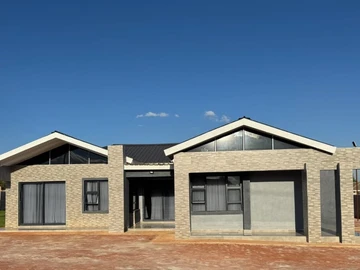
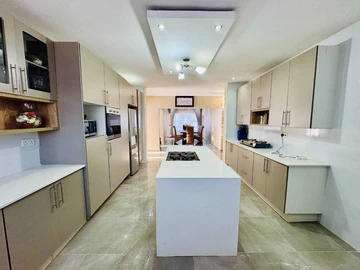
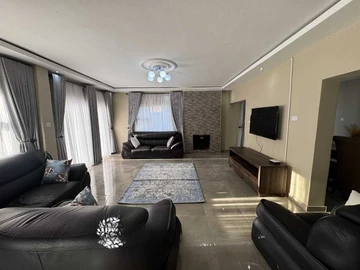
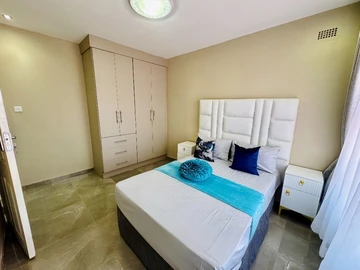
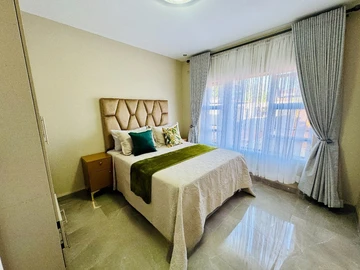
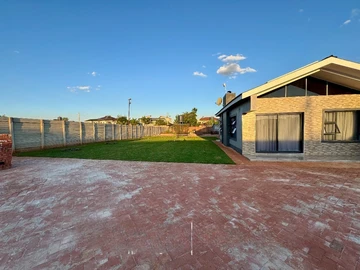
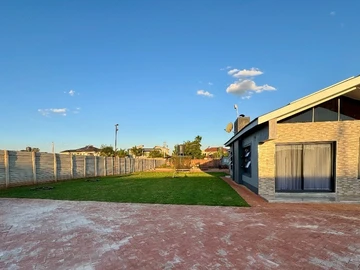
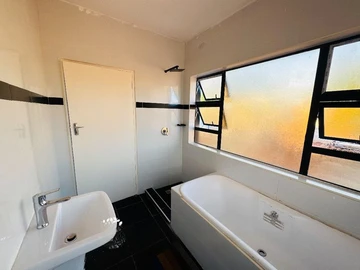
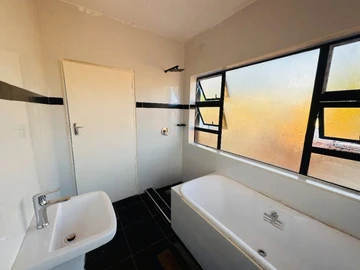
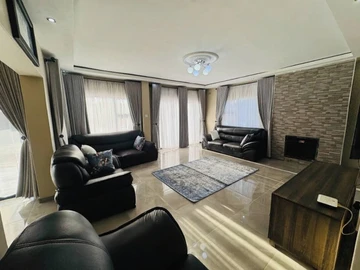
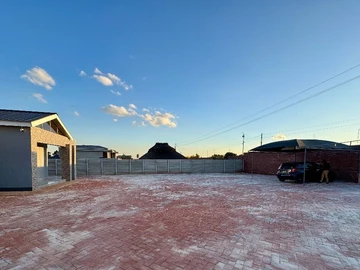
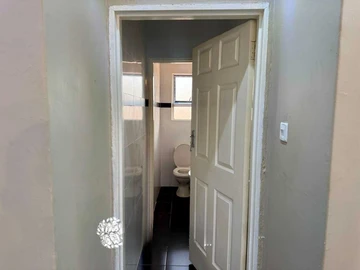
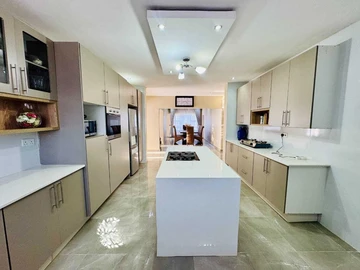
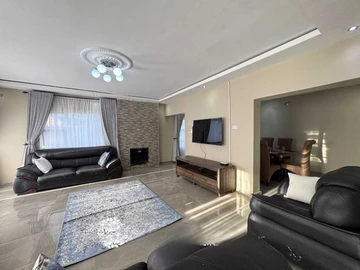
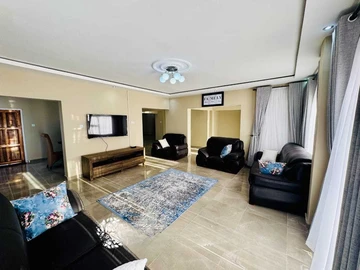
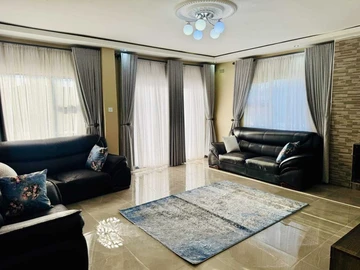
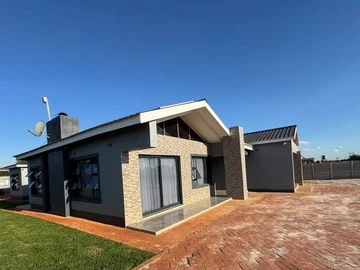
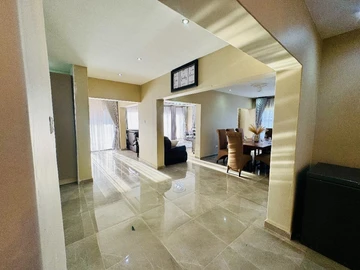
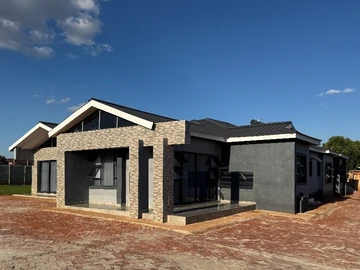
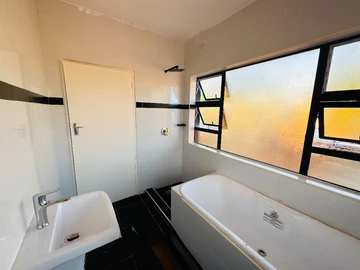

 2,182 m²