Log in to contact the seller
 Continue with Facebook
 Continue with Email
Continue with Facebook
Continue with Email
Sign up with Facebook
Continue with Email
Continue with Facebook
Continue with Email
Sign up with Facebook
 Change filters
 Requests

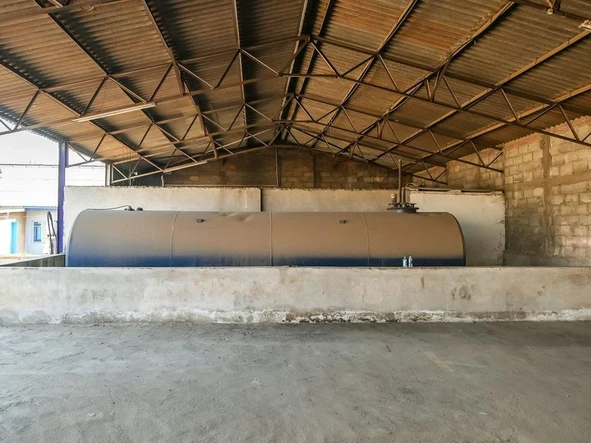

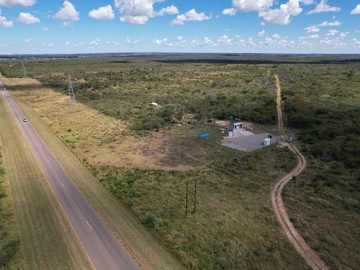
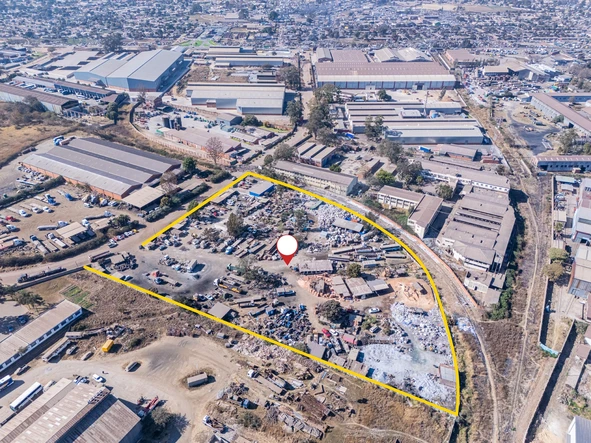
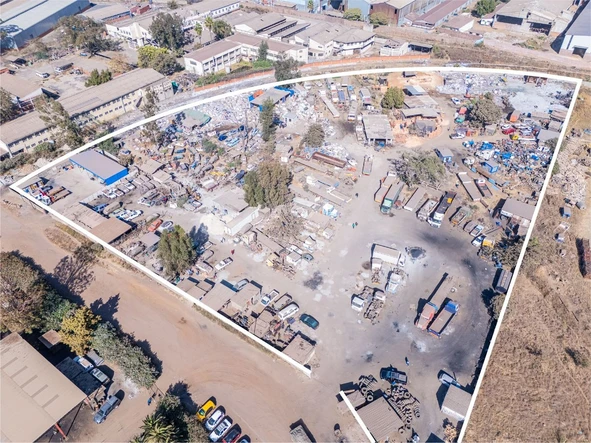
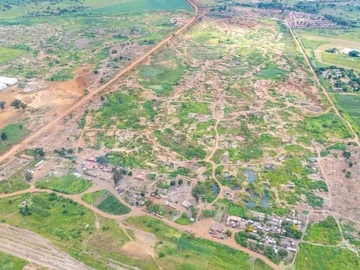
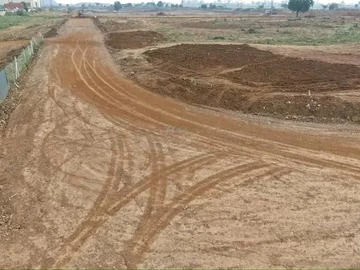
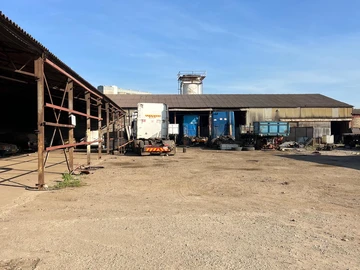
 5,000 m²



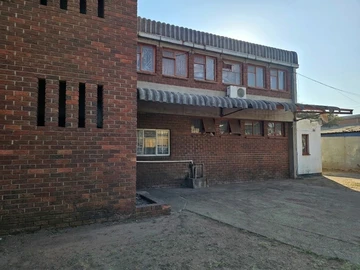
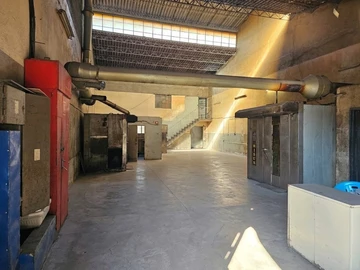
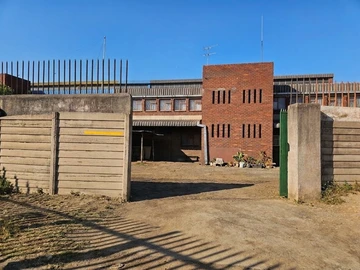
Properties for sale in Willowvale, Harare South, are positioned in a mixed-use suburb that combines residential, commercial, and industrial spaces. The average price of the properties currently listed is $177,500, with prices starting from USD 280,000. These properties typically have a median land area of 2,000 ㎡ and a median building size of around 500 ㎡, with some larger estates offering land up to 6,292,000 ㎡ and buildings as large as 44,700 ㎡.
Many properties in Willowvale come with useful features such as boreholes, which add value especially in areas where water supply can be a concern. The properties range from middle-income housing to high-end estates, catering to a diverse group of buyers including working professionals and families. The availability of standalone homes and apartments provides a variety of options for different needs and preferences.
Willowvale benefits from good road connections that provide easy access to central Harare and surrounding areas. The suburb is close to popular shopping destinations like Willowvale Market and the famous Mbare Musika market, known for fresh produce and local goods. Residents also enjoy nearby amenities such as schools, healthcare facilities, and recreational spots like Harare Gardens. The area features local eateries and cafes, making it a convenient and vibrant place to live for those seeking affordability with access to essential services and commercial hubs.
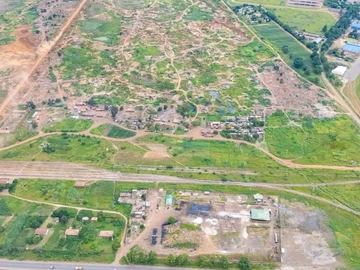
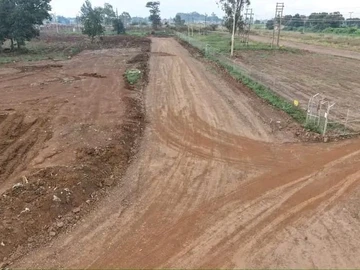
21,600 m²
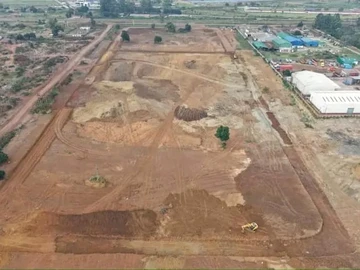
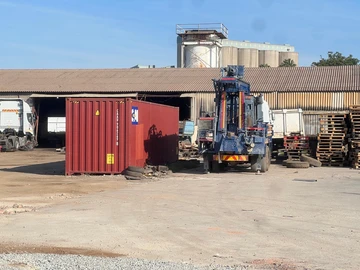
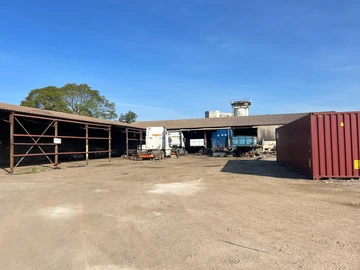
2,000 m²

Be the first to see new properties for sale in Willowvale, Harare South









| Type | Avg. price |
|---|---|
| Overall | $177,500 |
| Houses (View 247 properties) | $155,000 |
| Land (View 176 properties) | $80,000 |
| Commercial Property (View 151 properties) | $870,000 |
| Flats & Apartments (View 35 properties) | $110,000 |
Understand Zimbabwe’s 2026 rental tax rules, including the 15% commercial regime, residential tax treatment, monthly deadlines and disclosure window
Planning to drill or buy a property with a borehole in Zimbabwe? Check the authority, permit, siting, records and water quality before you commit.
Protect your rental property in Zimbabwe. Learn the 10 essential tenant screening checks landlords should make before signing a lease agreement.
Upgrade your home with the top bathroom trends of 2026 in Zimbabwe. Explore 8 stylish ideas covering luxury vanity finishes, lighting, and eco features.
Buying property in Zimbabwe? Discover hidden costs like stamp duty, conveyancing fees, and taxes that can add 8%–12% or more to your purchase price.