Log in to contact the seller
 Continue with Facebook
 Continue with Email
Continue with Facebook
Continue with Email
Sign up with Facebook
Continue with Email
Continue with Facebook
Continue with Email
Sign up with Facebook
 Change filters
 Requests






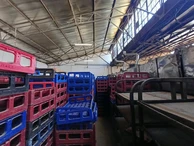

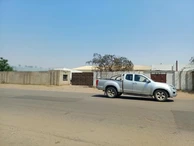

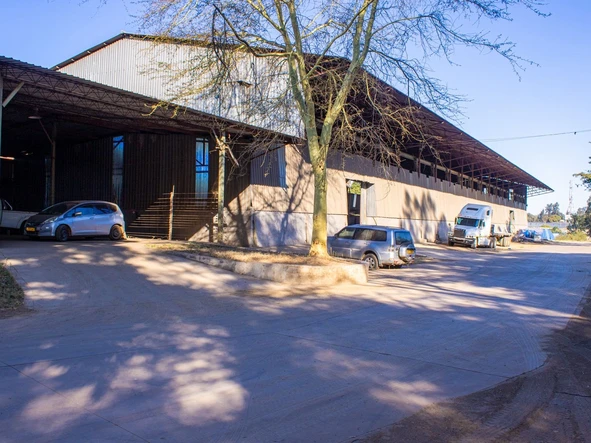
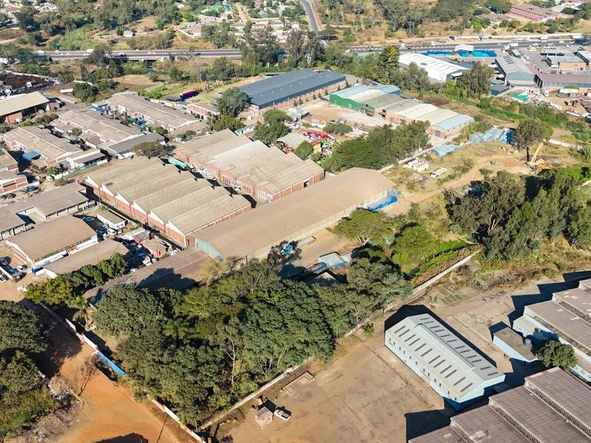
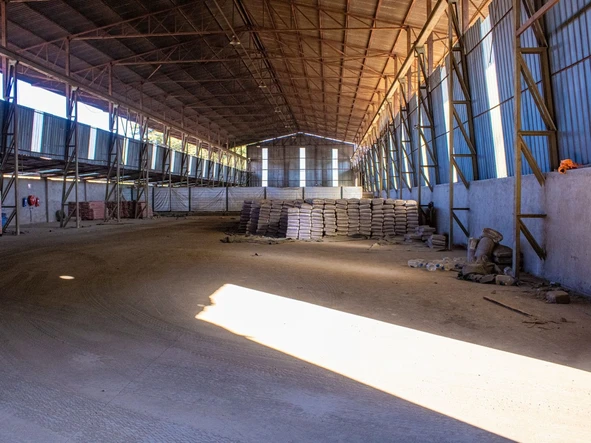
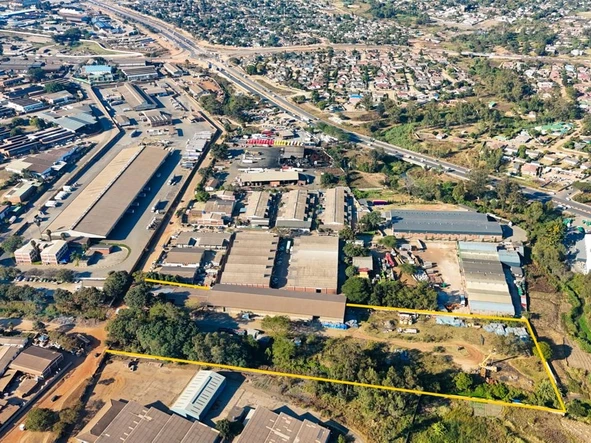
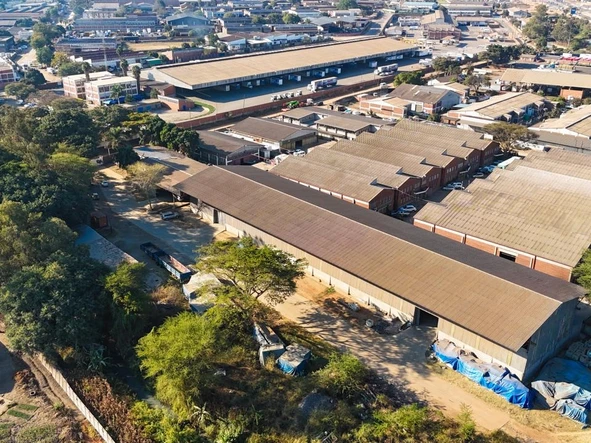
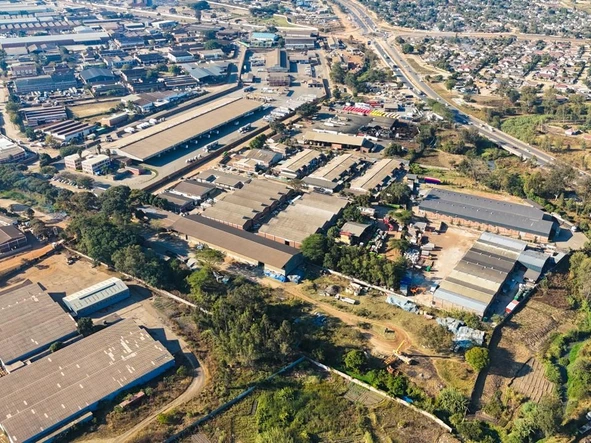
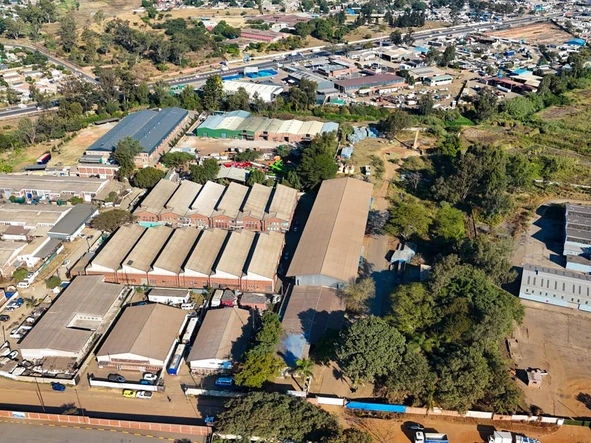
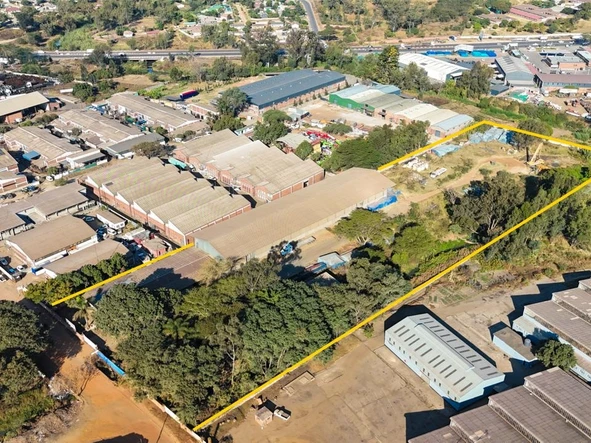
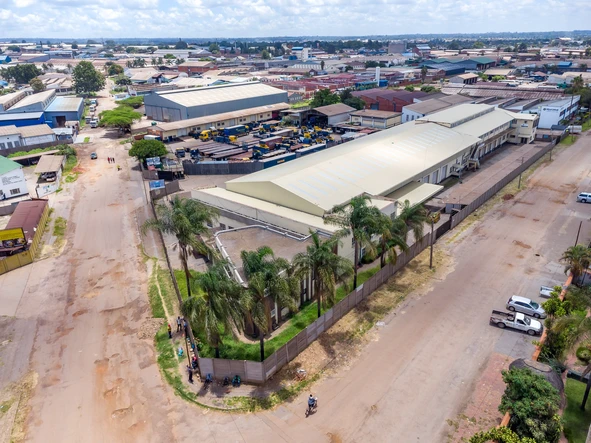
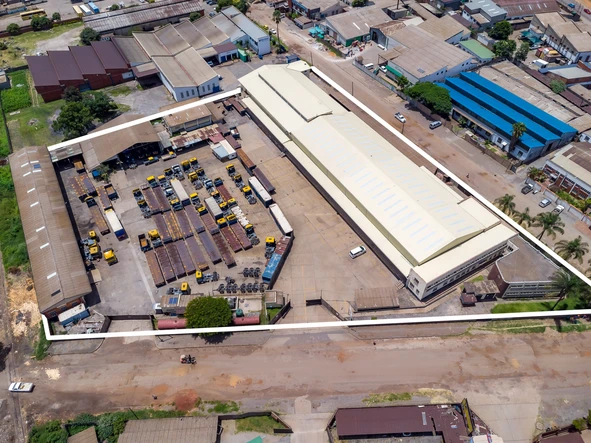
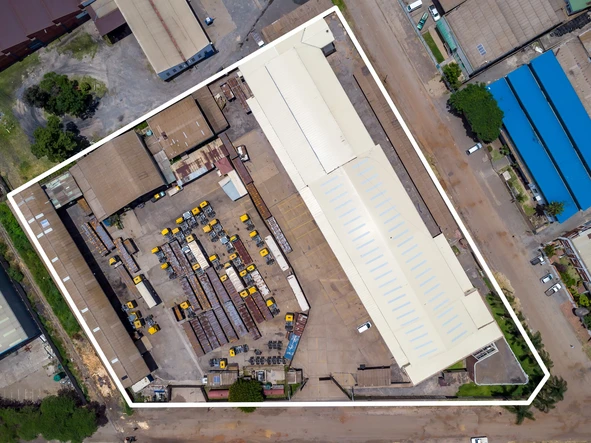
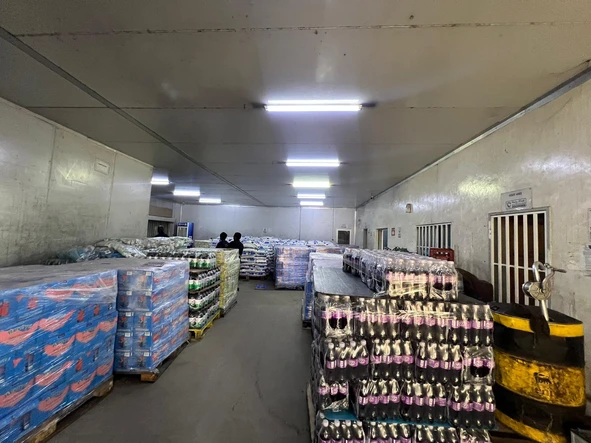
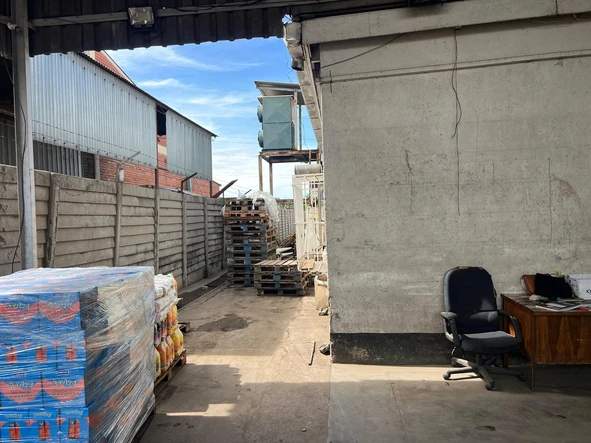
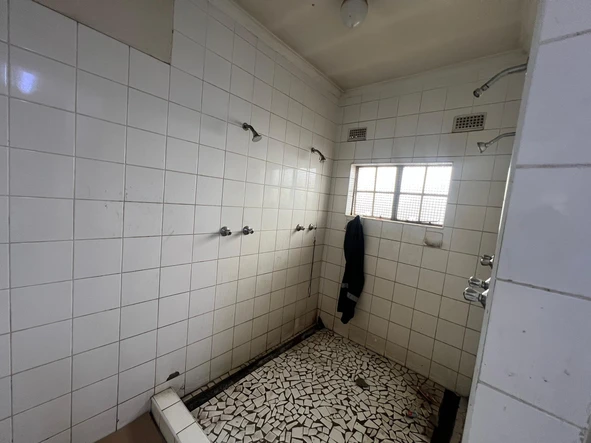
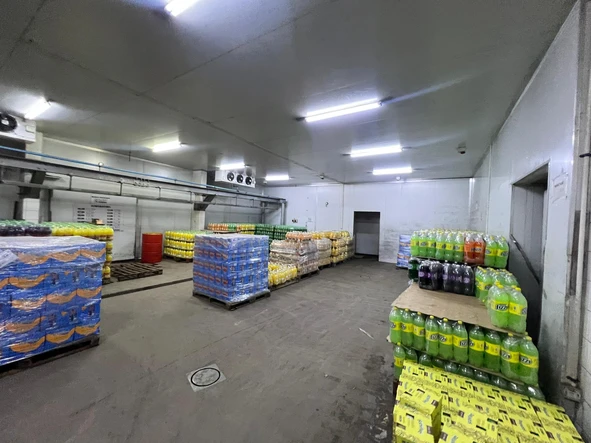
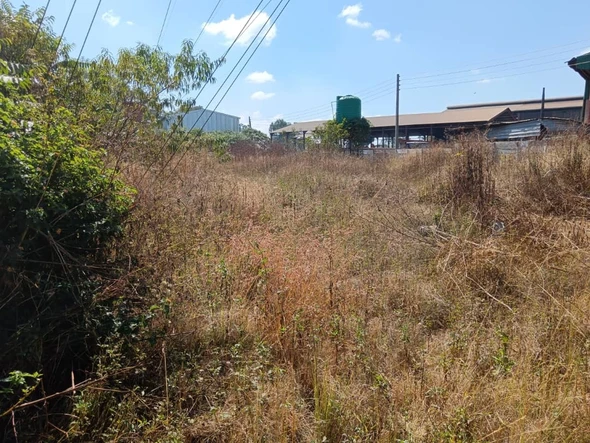
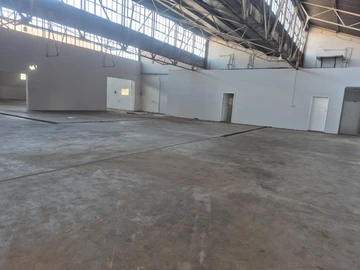
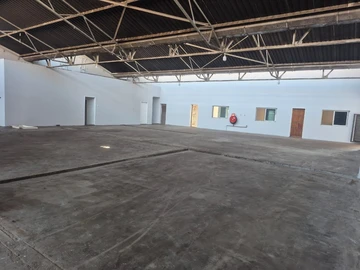
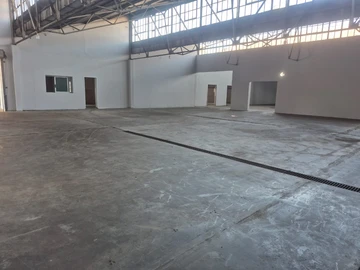
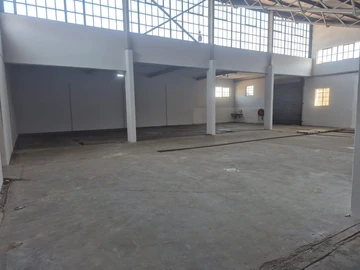
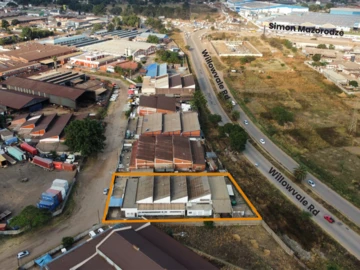
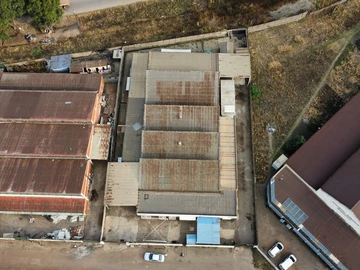
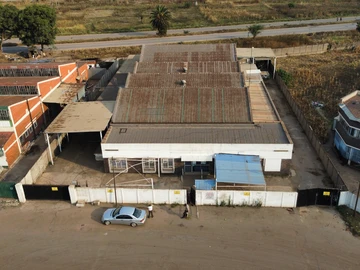
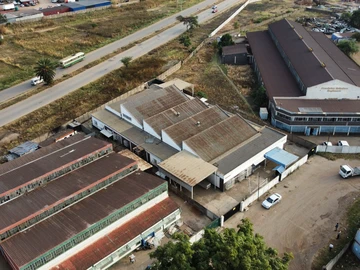
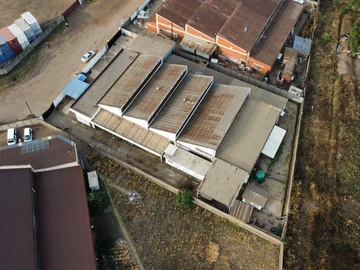
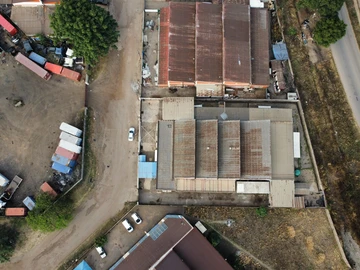
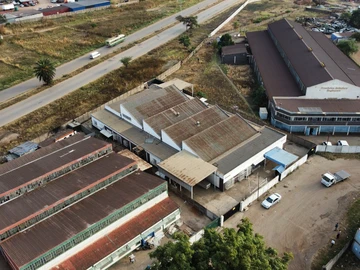
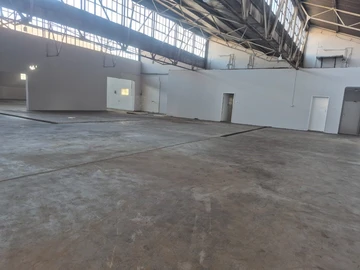
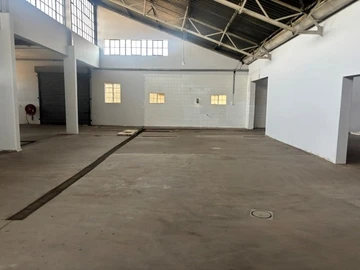
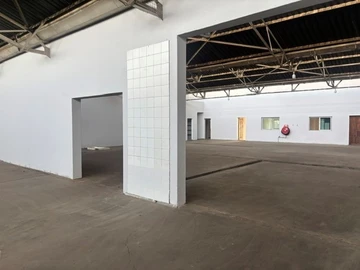
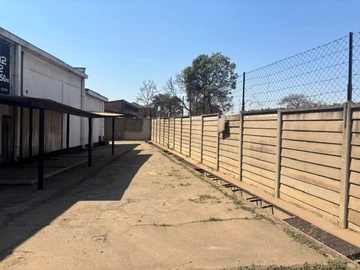
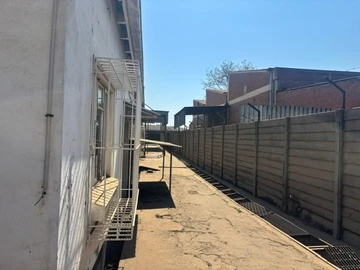
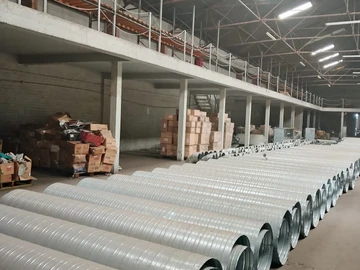
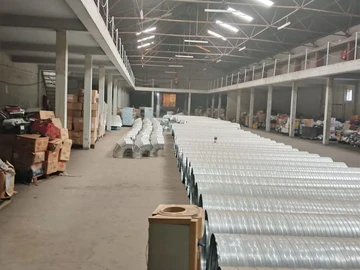
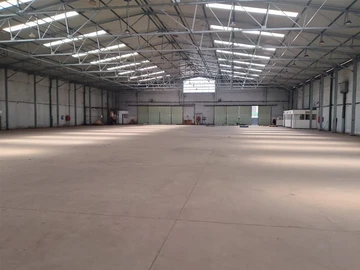
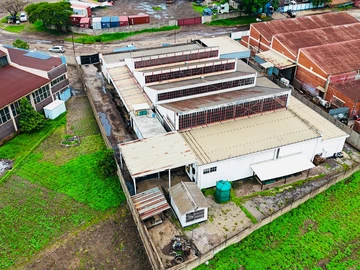
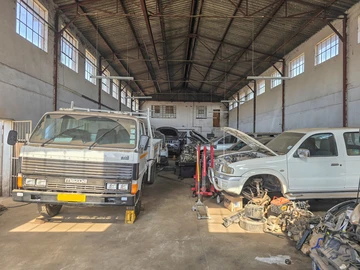
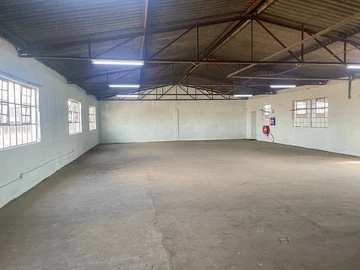
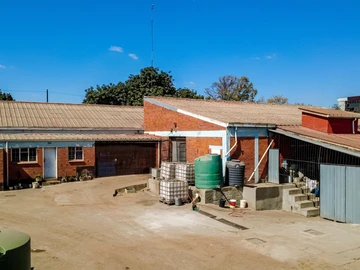
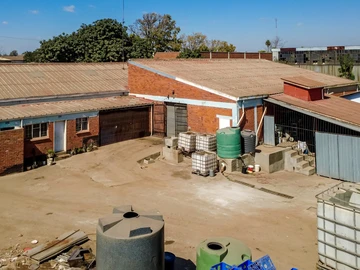
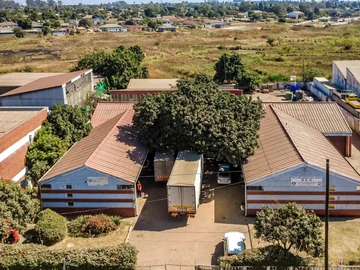
 3,200 m²
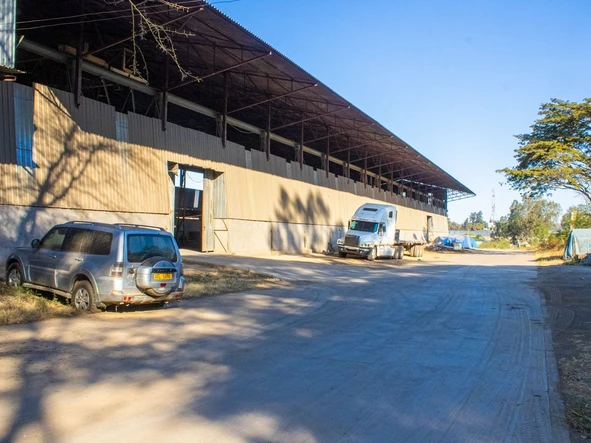
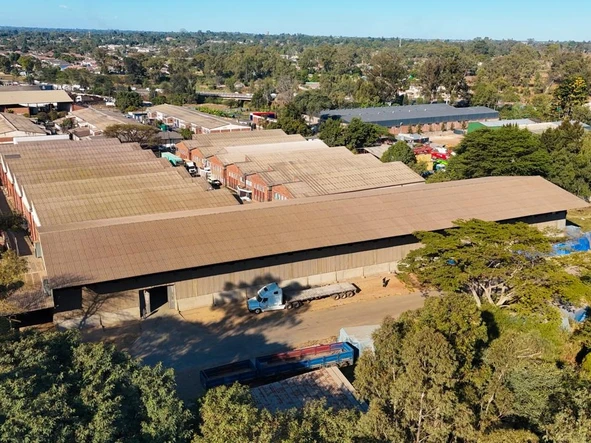
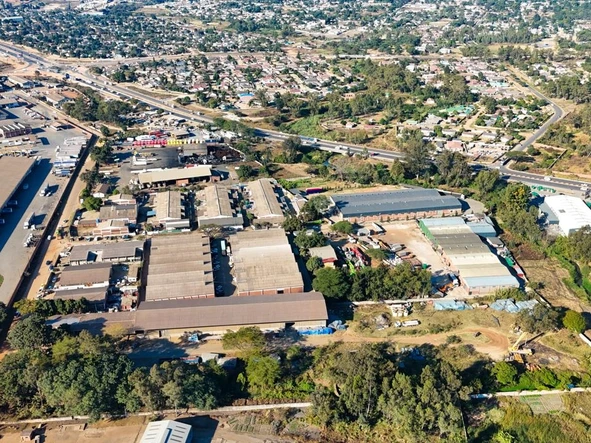
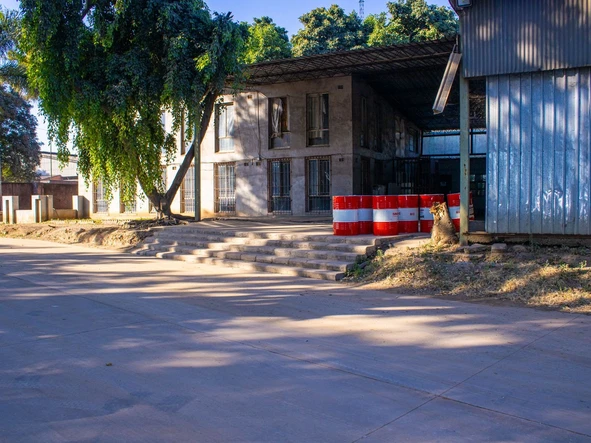
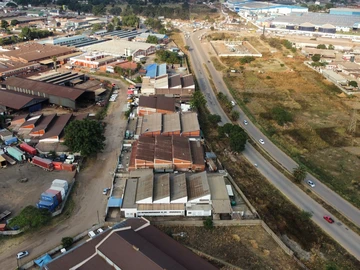
Properties for sale in Southerton, Harare South, are mainly high-end with an average price of $177,500. These properties typically offer substantial land sizes, with a median land area of 5,000 ㎡ and building sizes averaging around 2,790 ㎡. The largest properties can reach up to 6,000 ㎡ in building size and 18,728 ㎡ in land area, providing ample space for various uses.
Many of the properties include practical features such as carports, catering to the needs of working professionals and families. The area’s properties are a mix of residential and commercial types, reflecting Southerton’s industrial and mixed-use character. The focus is on functionality and convenience rather than luxury finishes.
Southerton is well connected to Harare’s city center and other suburbs through major roads and public transport, making commuting easy. The suburb hosts Southerton Stadium and is close to the National Sports Stadium, offering good recreational options. Local amenities include Southerton Primary School, Southerton Shopping Centre, and access to the Parirenyatwa Group of Hospitals. The area also has a variety of local eateries and shops, supporting a practical lifestyle for residents and workers alike.
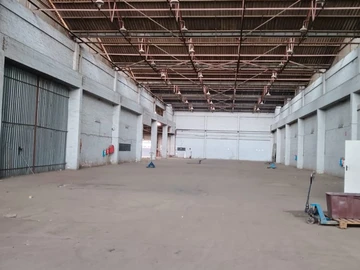
 3,677 m²
 3
3
 1
200 m²
1
200 m²

Be the first to see new properties for sale in Southerton, Harare South










| Type | Avg. price |
|---|---|
| Overall | $177,500 |
| Houses (View 264 properties) | $155,000 |
| Land (View 187 properties) | $80,000 |
| Commercial Property (View 154 properties) | $870,000 |
| Flats & Apartments (View 35 properties) | $110,000 |
Planning to convert or buy commercial property? Understand Zimbabwe’s change of use rules, 2026 Harare fees, timelines and approval risks.
Buying a home in Harare? Learn how to verify water access, ZESA grid connections, refuse services, and borehole rights before finalizing your purchase.
Pricing your property in Zimbabwe? Discover why overpricing leads to stagnant listings, lower final offers, and costly holding expenses in the 2026 market.
Navigating property valuations in Zimbabwe? Learn valuation methods, valuation fees, and key tips for buyers, sellers, and investors in the 2026 market.
Planning to downsize? Learn if you can dissolve a family trust holding your home, the legal steps required, and tax impacts before selling the property.