Log in to contact the seller
 Continue with Facebook
 Continue with Email
Continue with Facebook
Continue with Email
Sign up with Facebook
Continue with Email
Continue with Facebook
Continue with Email
Sign up with Facebook
 Change filters
 Requests



 4
4
 1
200 m²
1
200 m²


 3
2
500 m²
3
2
500 m²
 2,000 m²
 2,183 m²
5
1
200 m²
124,000 m²
2,800 m²
5
2
90 m²
2,183 m²
5
1
200 m²
124,000 m²
2,800 m²
5
2
90 m²
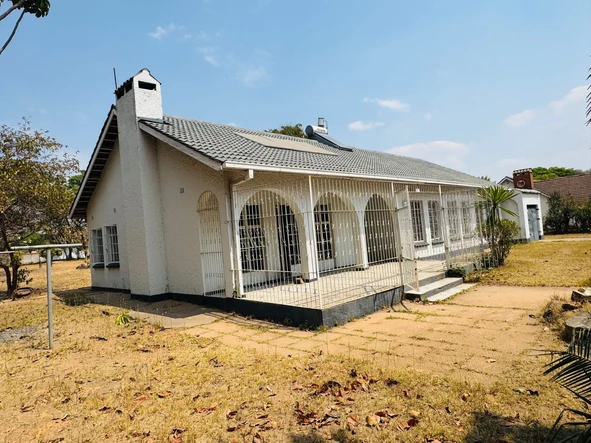
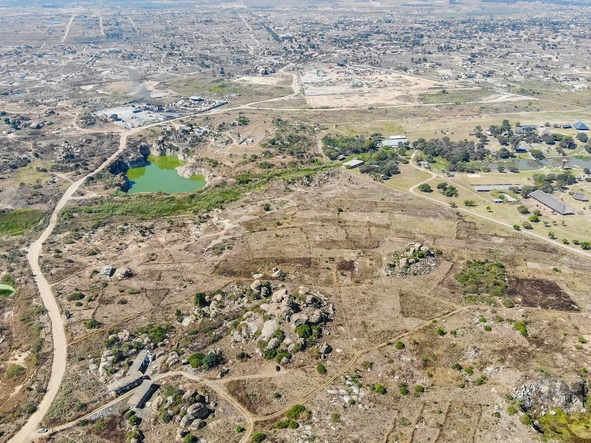
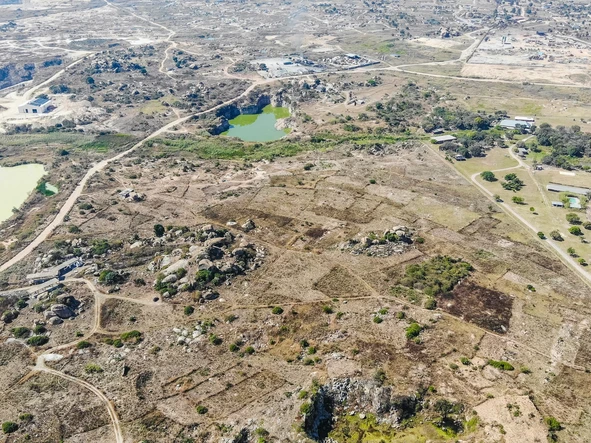
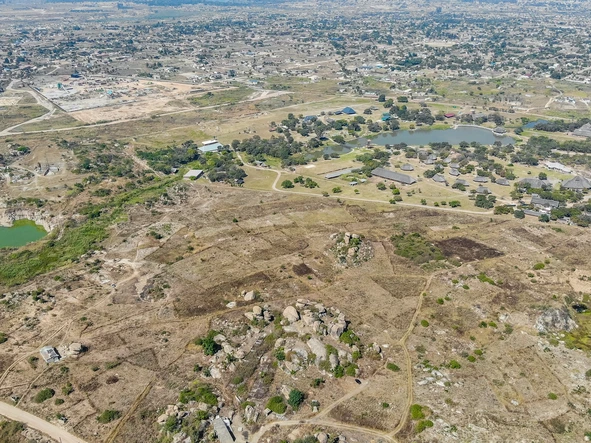
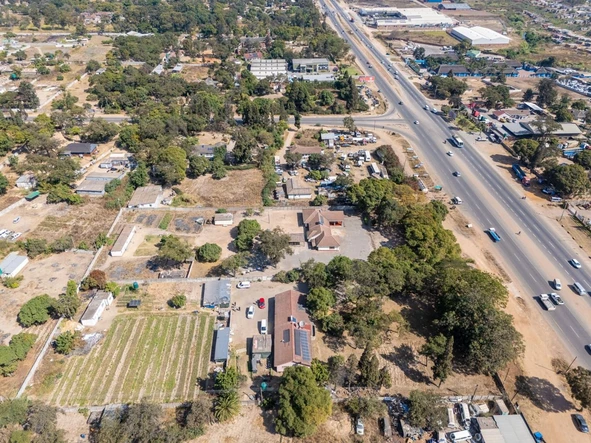
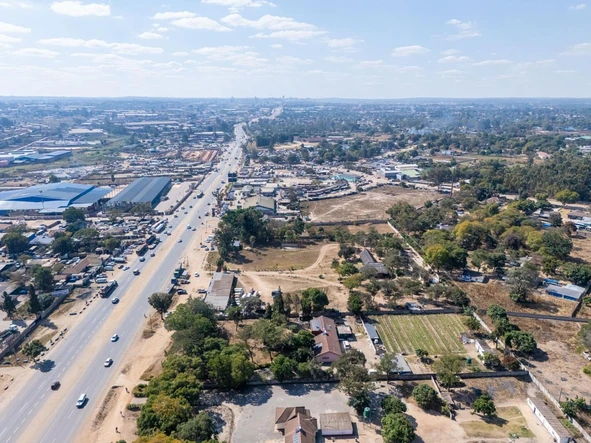
Properties for sale in Waterfalls, Harare South, offer a range of options with an average price of $133,000. These properties typically have a median land area of 2,187 ㎡ and a median building size of about 150 ㎡, with some larger estates reaching up to 70,000 ㎡ of land and homes as large as 4,046 ㎡.
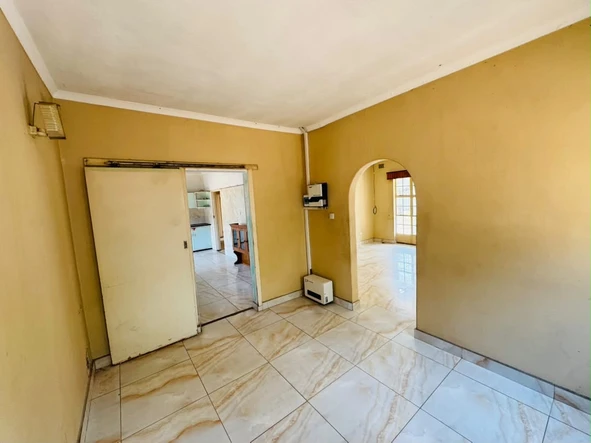
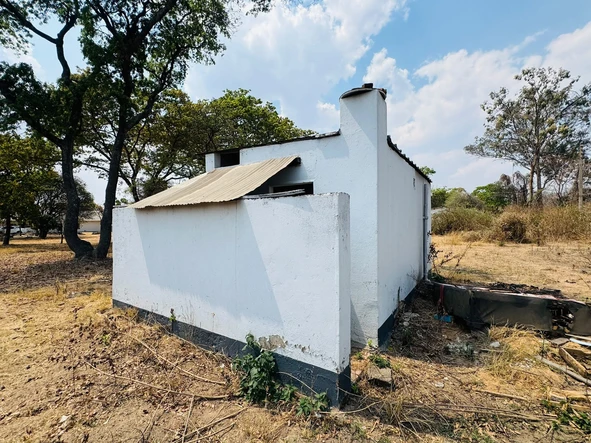
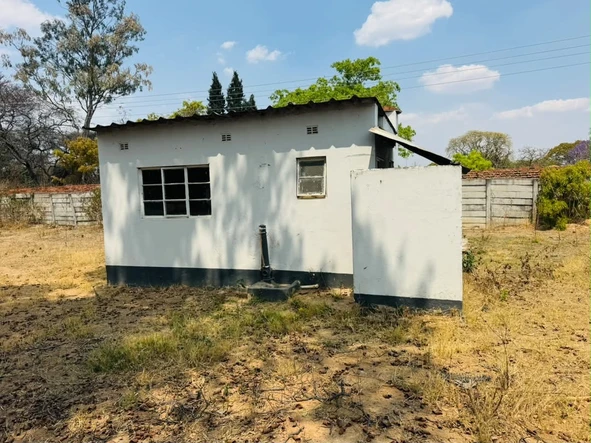
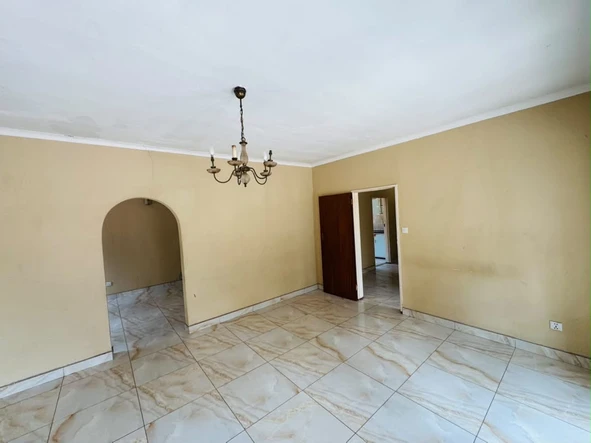
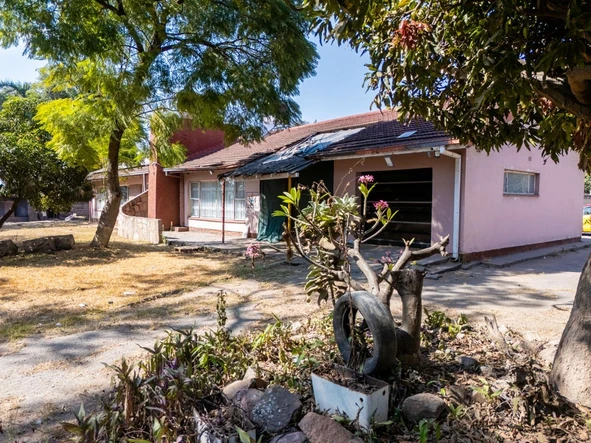
The properties in Waterfalls vary from modest family homes to more upscale residences, often featuring spacious gardens and peaceful surroundings. This suburb is known for its tranquil, leafy environment, making it ideal for families and professionals seeking a quieter lifestyle while still being close to the city.
Waterfalls benefits from good transport links to Harare’s city center and other suburbs, with public transport options like minibuses and taxis readily available. The area is served by reputable schools such as Waterfalls Primary School and Waterfalls Secondary School, and healthcare facilities including Parirenyatwa Hospital are within reasonable reach. Residents enjoy access to shopping centers like Waterfalls Shopping Centre, Avondale Shopping Centre, and Sam Levy’s Village. Nearby attractions include Mukuvisi Woodlands and the National Botanic Gardens, offering outdoor recreation and nature experiences, while the Harare Sports Club provides sporting events and entertainment.
4
2
300 m²
2,654 m²
3
2
120 m²
6,000 m²
10,170 m²
4
2
155 m²
4
3
350 m²
21,609 m²
2,000 m²

Be the first to see new properties for sale in Waterfalls, Harare South










| Type | Avg. price |
|---|---|
| Overall | $133,000 |
| Houses (View 58 properties) | $135,000 |
| Land (View 53 properties) | $136,500 |
| Flats & Apartments (View 13 properties) | $115,000 |
| Commercial Property (View 7 properties) | $765,000 |
Prices as of October 2026
Selling property without an agent in Zimbabwe may reduce commission, but it shifts pricing, legal and payment risks to the owner. Complete these seven checks.
Died without a will in Zimbabwe? Learn how the Deceased Estates Succession Act distributes property, protects surviving spouses, and handles estate claims.
Buying property in Zimbabwe? Learn how deeds, SG diagrams, beacons and surveys determine boundaries and complete seven checks before you pay.
Understanding municipal property rates in Zimbabwe: Learn how valuations are calculated, how to manage arrears, and how to access council discounts.
Manage your rental properties in Zimbabwe like a pro. Learn about tenant screening, lease agreements, maintenance, and rental tax rules in 2026.