Log in to contact the seller
 Continue with Facebook
 Continue with Email
Continue with Facebook
Continue with Email
Sign up with Facebook
Continue with Email
Continue with Facebook
Continue with Email
Sign up with Facebook
 Change filters
 Requests



 500 m²


 25,549 m²
593,000 m²
25,549 m²
593,000 m²
 3
3
 2
149 m²
2
149 m²
 250 m²
3
1
600 m²
500 m²
250 m²
3
1
600 m²
500 m²
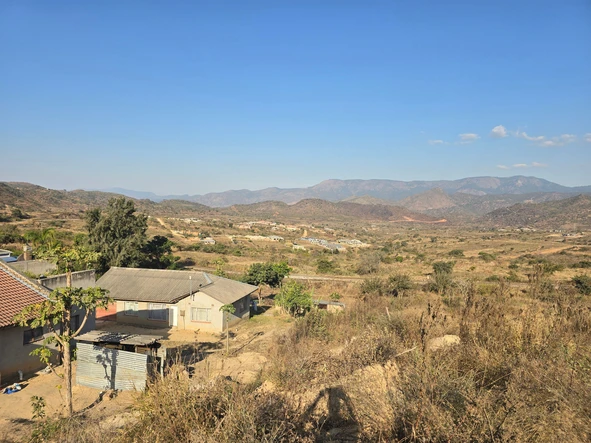
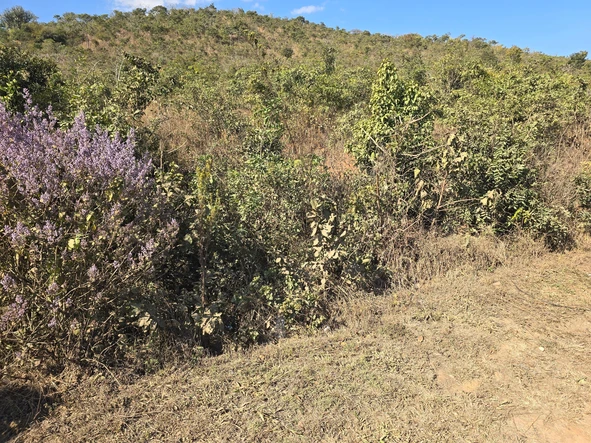
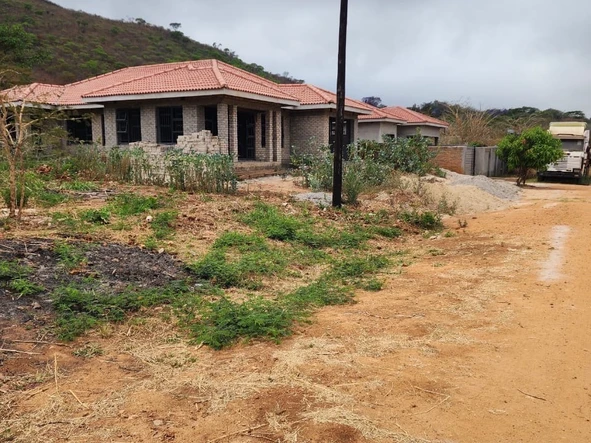
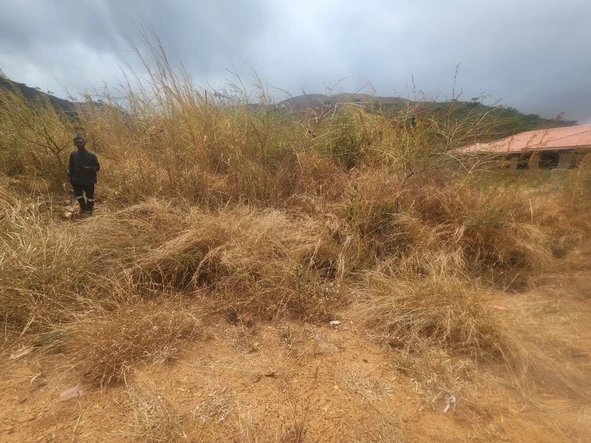
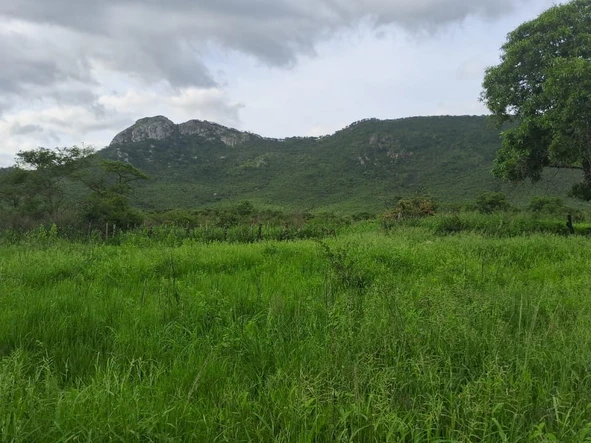
Properties for sale in Mutare, Manicaland, offer a range of options with an average price of $220,000. The median land area of these properties is about 2,450 ㎡, with some larger estates reaching up to 408,170,000 ㎡ and buildings as large as 7,000 ㎡. While many listings focus on land, property sizes vary widely to suit different needs and budgets.
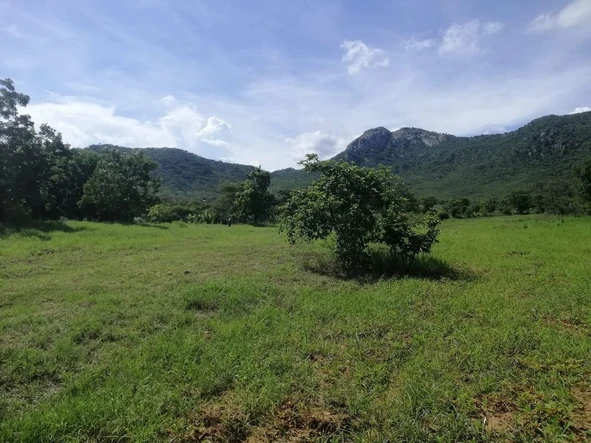
These properties typically include residential plots and larger parcels suitable for development or investment. Buyers can expect a mix of middle-income and more upscale neighborhoods, reflecting Mutare’s diverse housing market. The area’s cooler climate and scenic surroundings add to the appeal of owning property here.
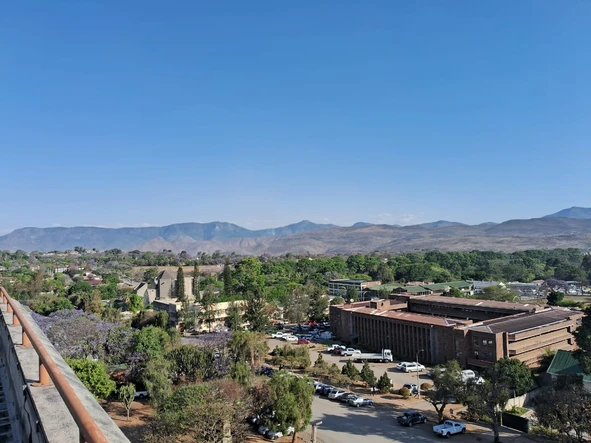
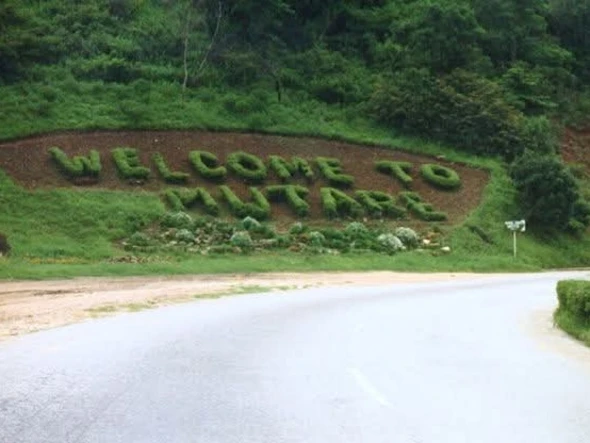
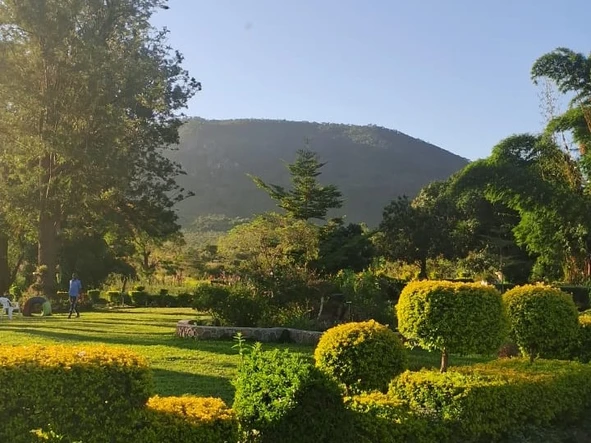
Mutare is the capital of Manicaland Province and the third-largest city in Zimbabwe, known for its location in the Eastern Highlands. The city features important amenities such as Mutare Polytechnic for education and Mutare Provincial Hospital for healthcare. Shopping options include Mutare Shopping Centre and Mutare City Mall, while local attractions like the Vumba Botanical Gardens and Bvumba Mountains offer outdoor recreation. Transport links by road and rail connect Mutare to Harare and Mozambique, making it a convenient and attractive place to live and invest in property.
 4,000 m²
3,382 m²
480 m²
7
9
465 m²
4
3
265 m²
375 m²
4,000 m²
3,382 m²
480 m²
7
9
465 m²
4
3
265 m²
375 m²

Be the first to see new properties for sale in Mutare








| Type | Avg. price |
|---|---|
| Overall | $220,000 |
| Houses (View 29 properties) | $180,000 |
| Land (View 27 properties) | $100,000 |
| Commercial Property (View 14 properties) | $550,000 |
| Flats & Apartments (View 1 properties) | $15,000 |
Buying property in Zimbabwe? Discover hidden costs like stamp duty, conveyancing fees, and taxes that can add 8%–12% or more to your purchase price.
Tenants not paying rent in Zimbabwe? Learn your legal rights as a landlord, the step by step eviction process, and illegal self-help actions to avoid.
Discover how blockchain, crypto, and tokenized real-world assets (RWAs) are transforming real estate ownership, liquidity, and financing over the next 5 years.
Buying a residential stand in Zimbabwe? Learn how to verify ownership, subdivision, planning approvals, servicing, title and the developer before paying.
Learn how servitudes affect property ownership, rights of way, and utility access in Zimbabwe. Protect your land title and avoid boundary disputes.