Log in to contact the seller
 Continue with Facebook
 Continue with Email
Continue with Facebook
Continue with Email
Sign up with Facebook
Continue with Email
Continue with Facebook
Continue with Email
Sign up with Facebook
 Change filters
 Requests

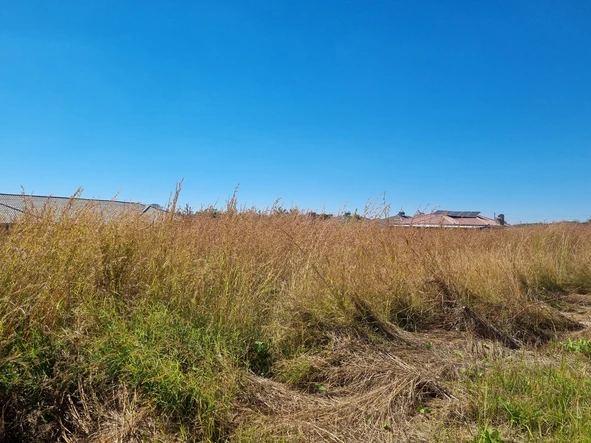

 2,063 m²


 400 m²
9,999 m²
1,200 m²
400 m²
400 m²
9,999 m²
1,200 m²
400 m²
 511 m²
970 m²
1,300 m²
400 m²
10,000 m²
511 m²
970 m²
1,300 m²
400 m²
10,000 m²
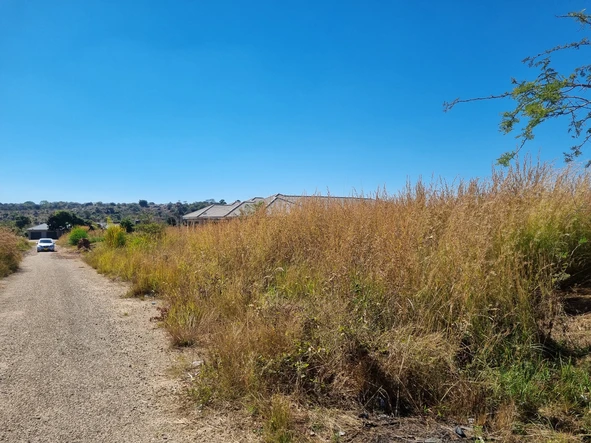
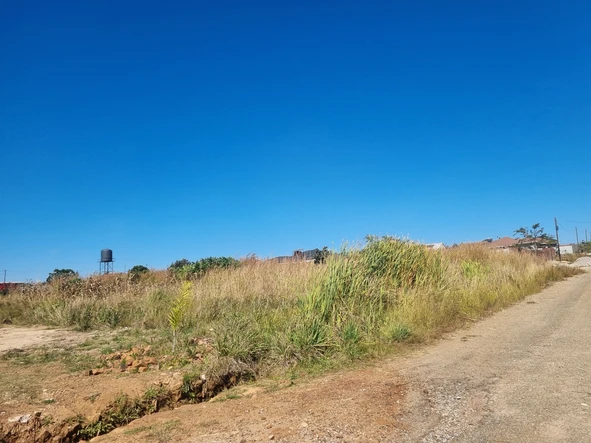
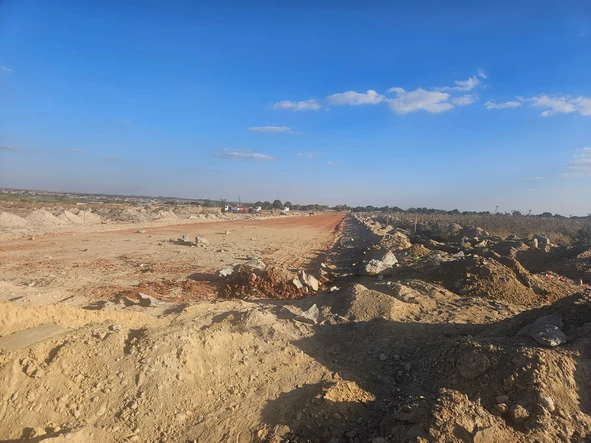
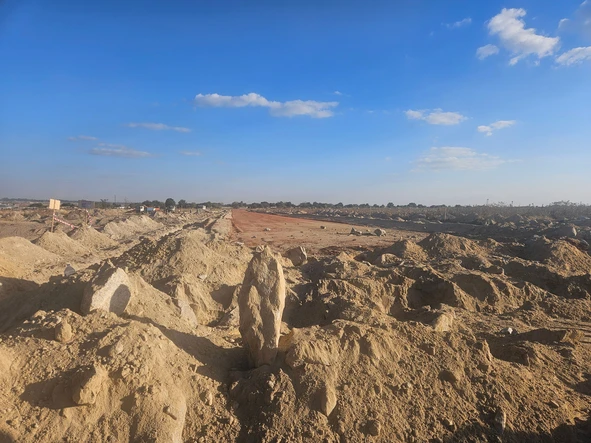
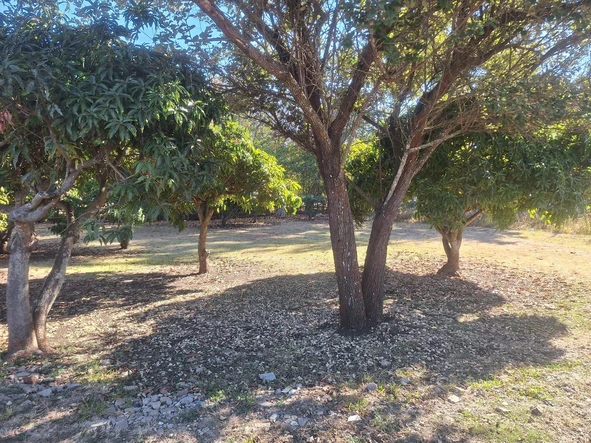
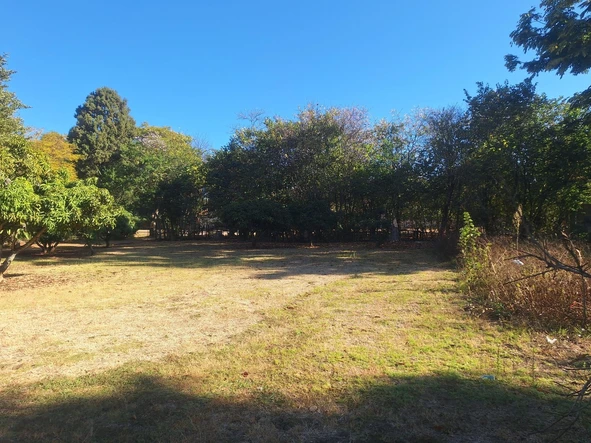
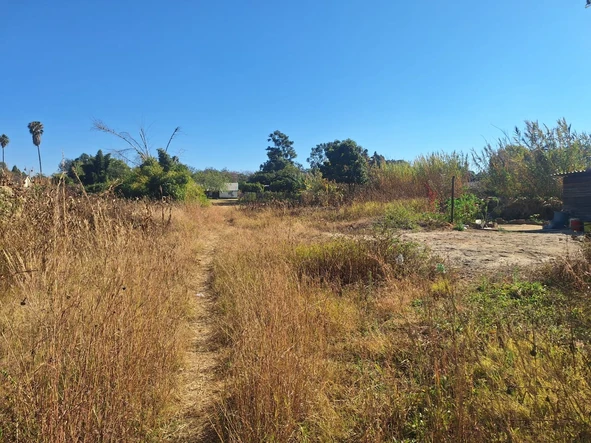
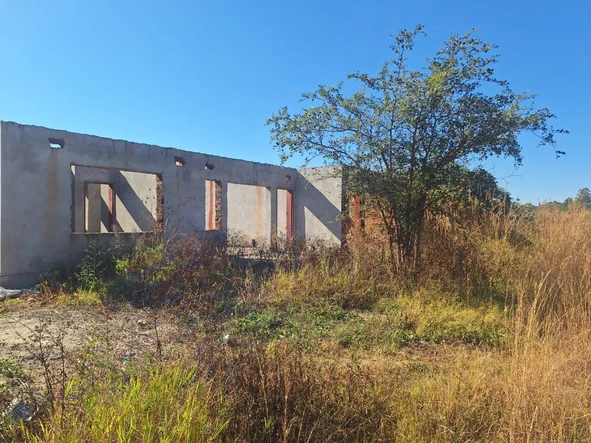
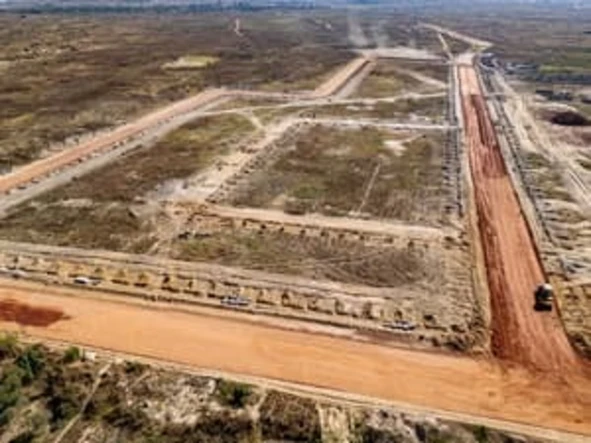
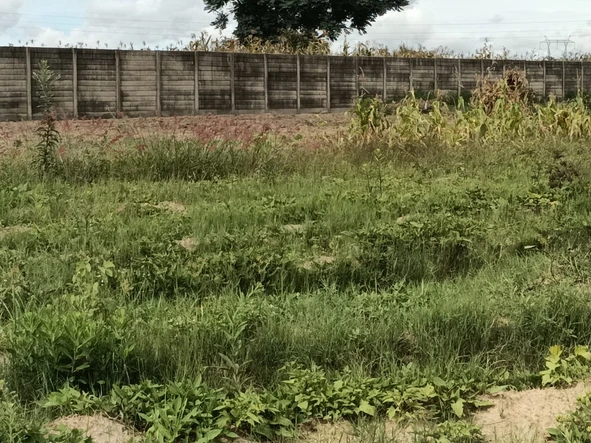
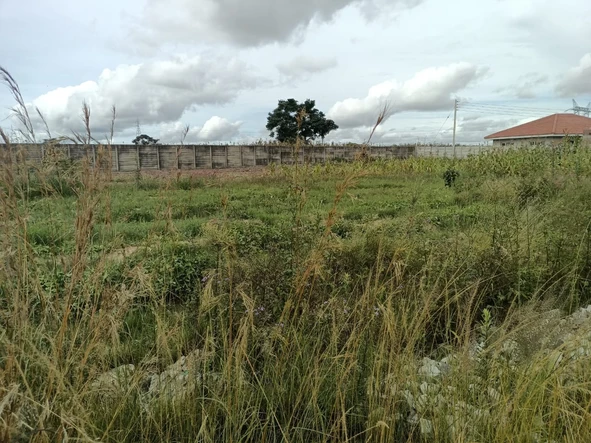
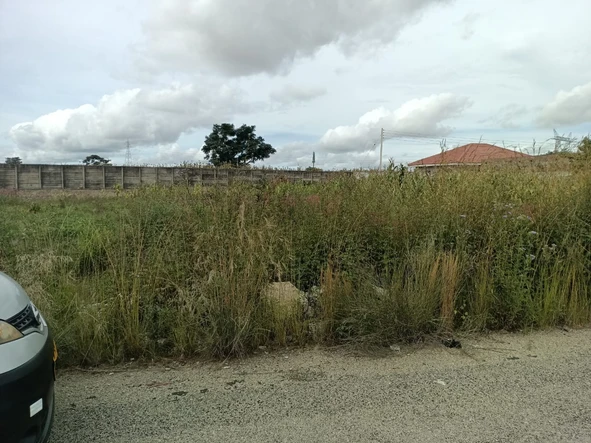
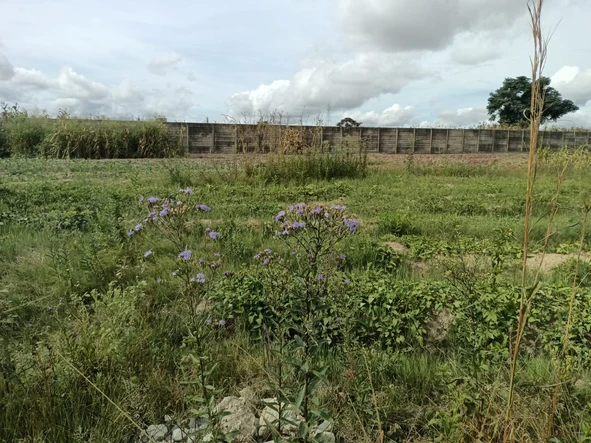
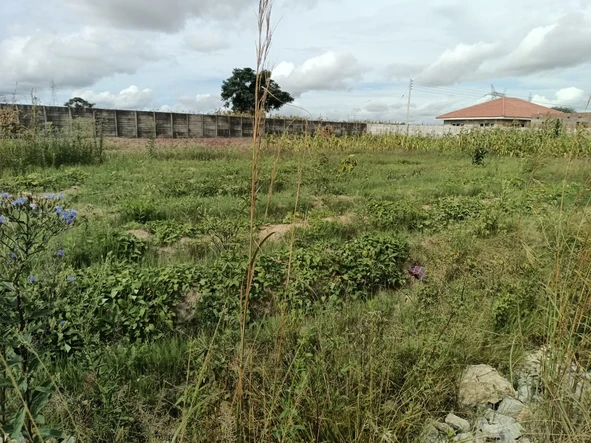
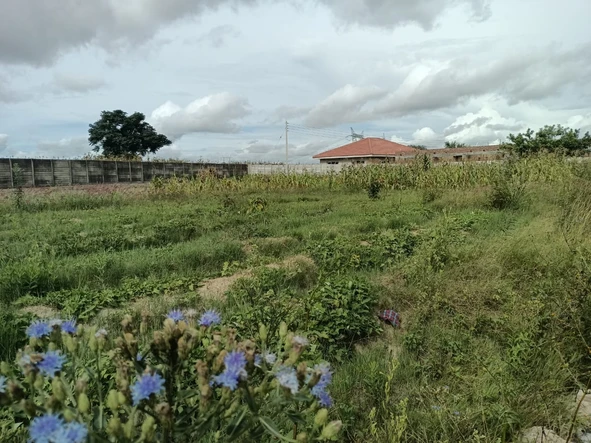
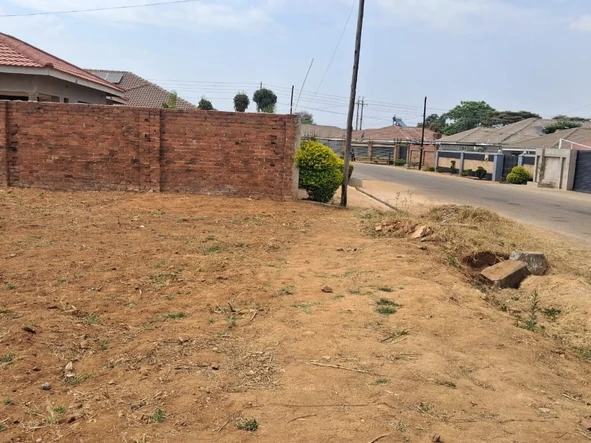
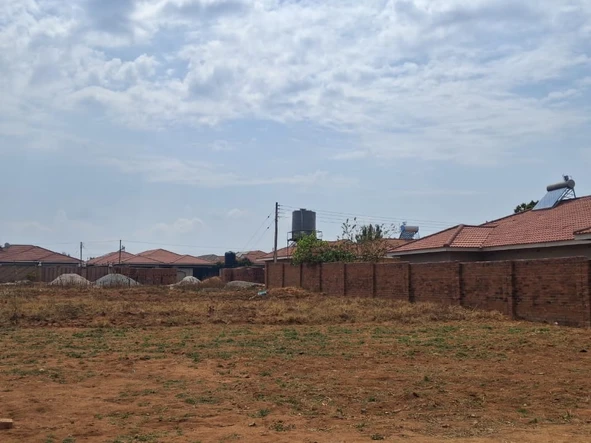
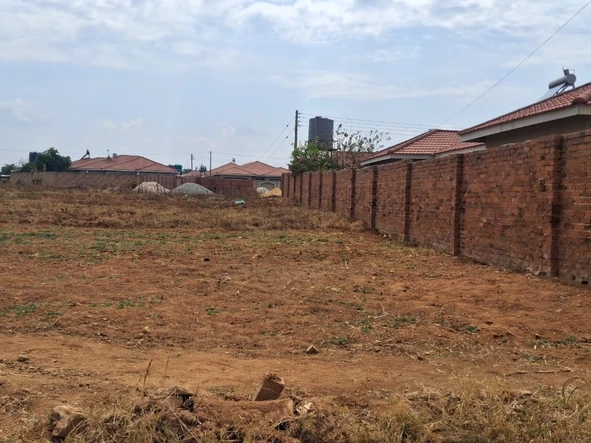
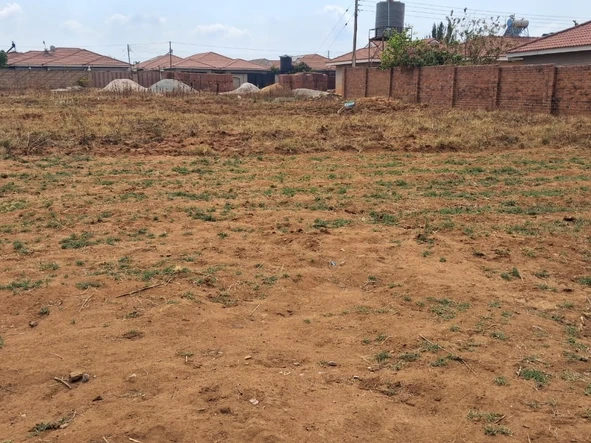
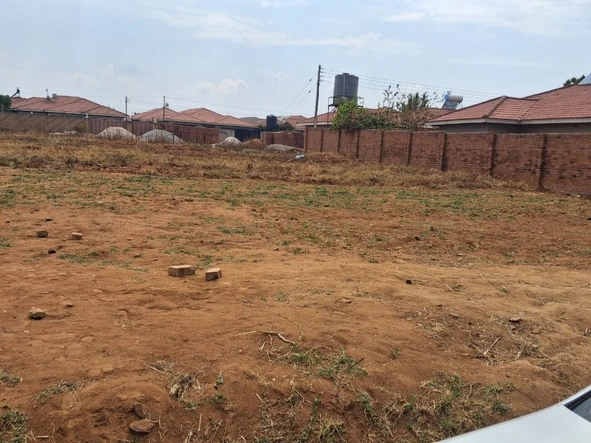
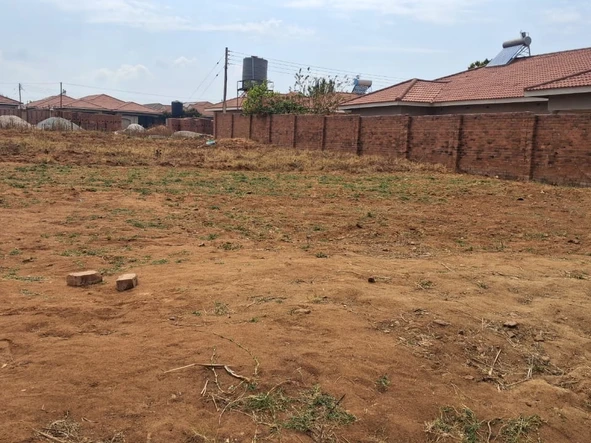
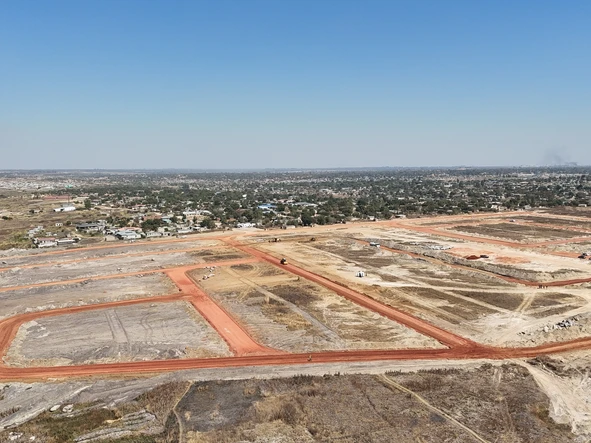
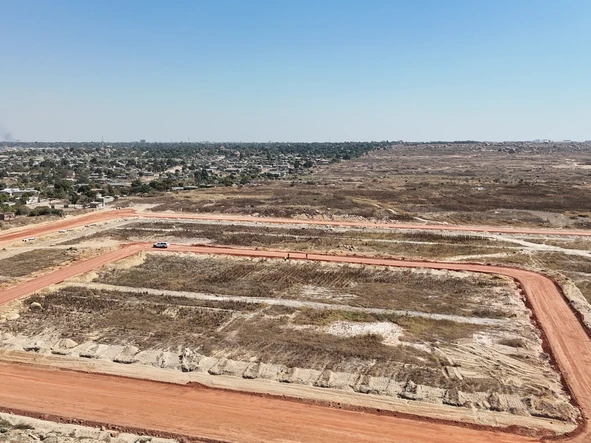
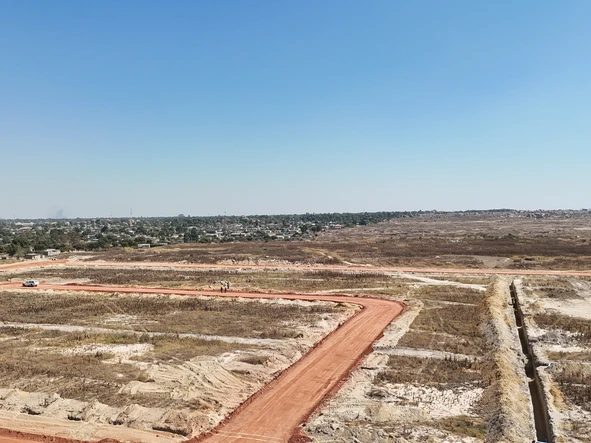
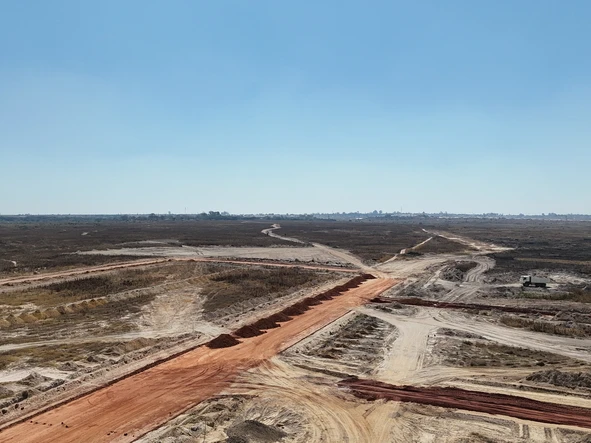
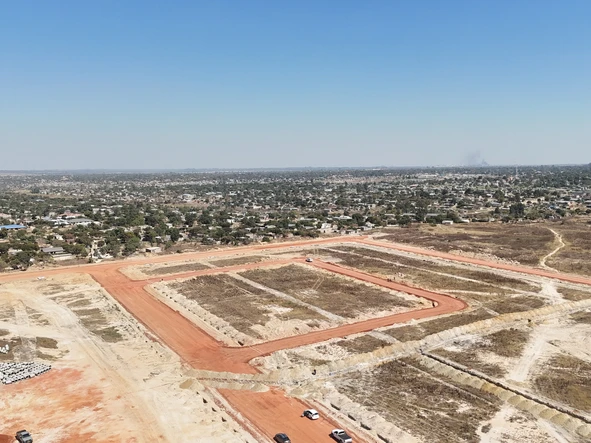
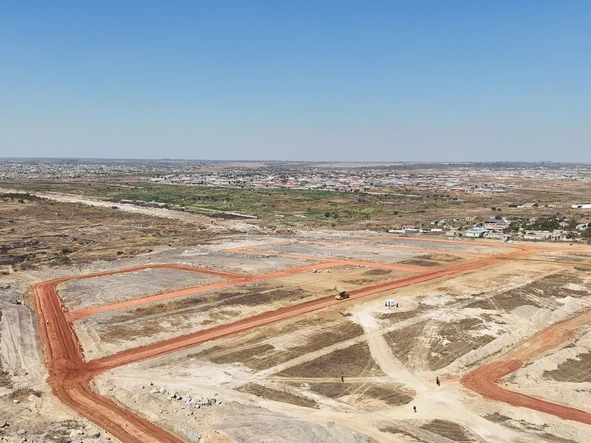
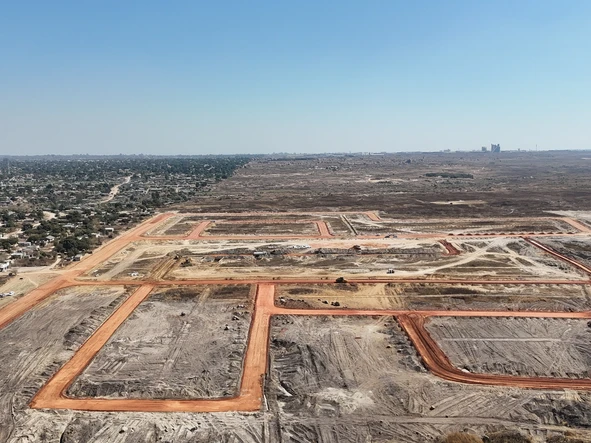
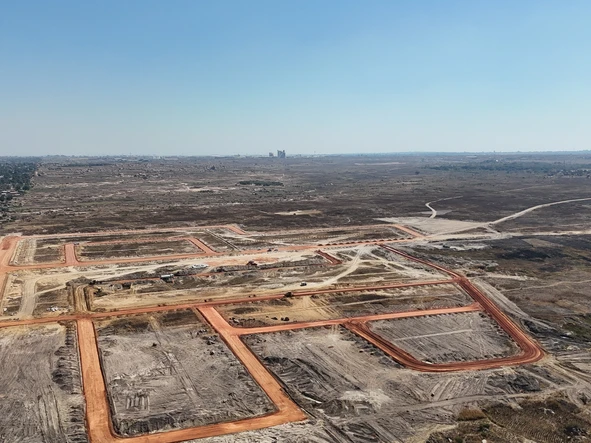
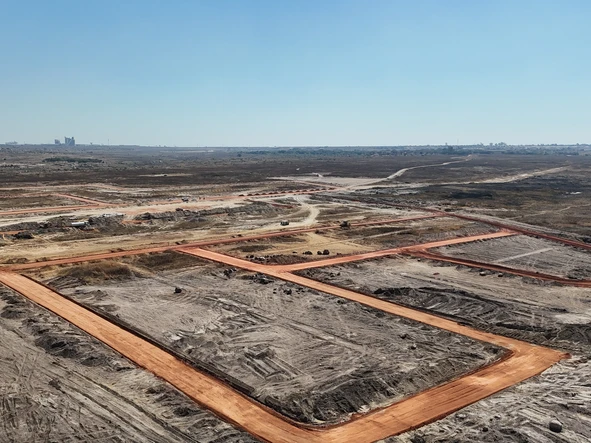
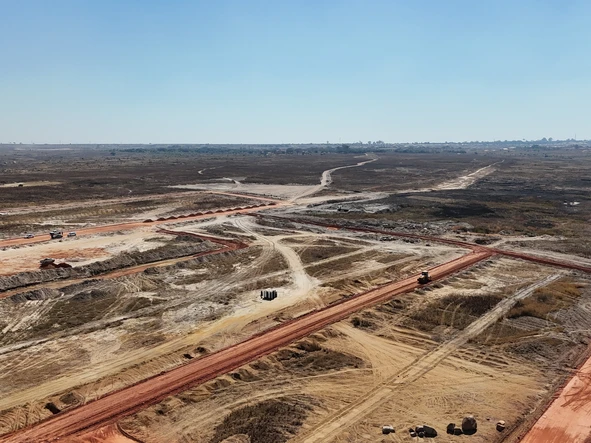
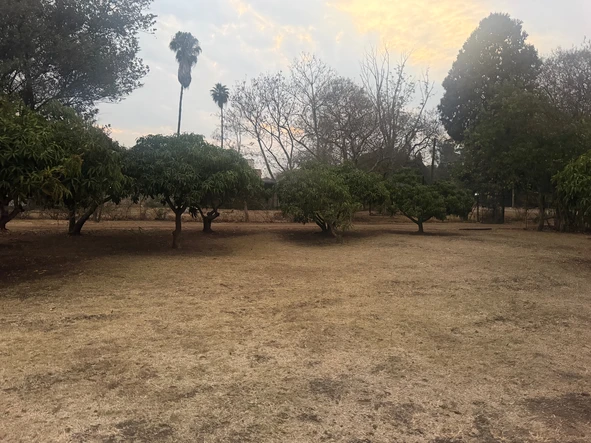
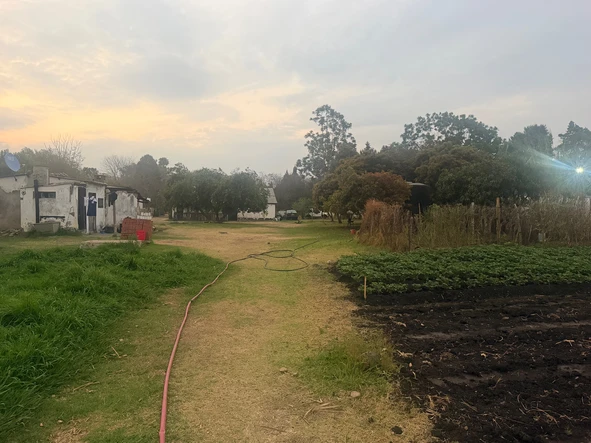
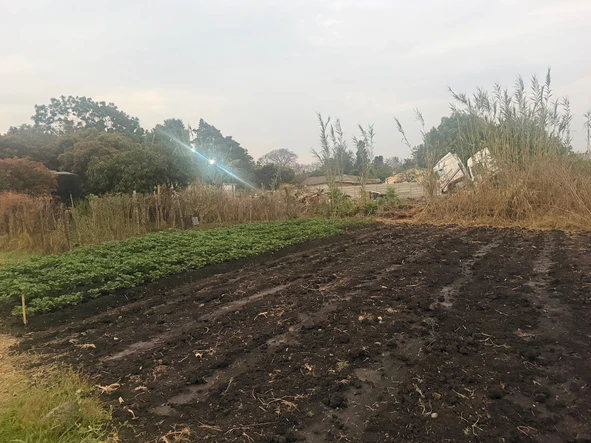
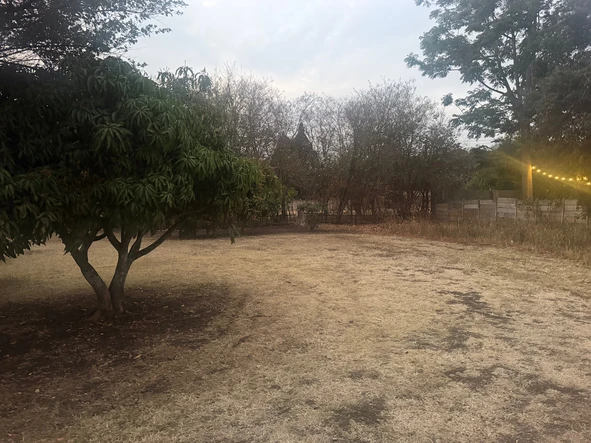
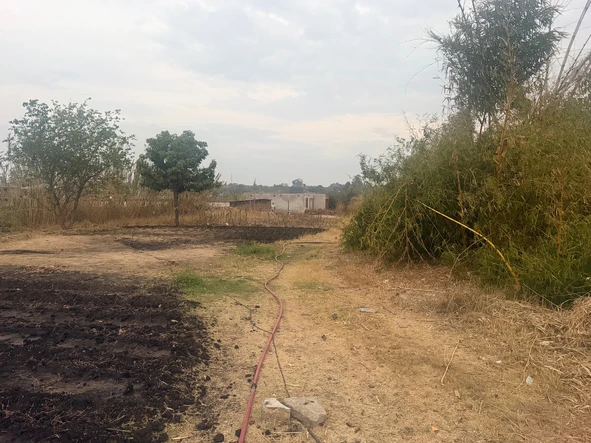
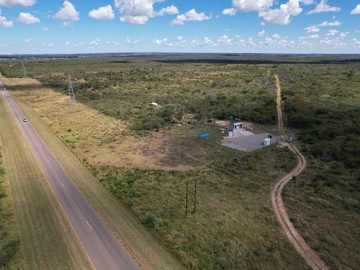
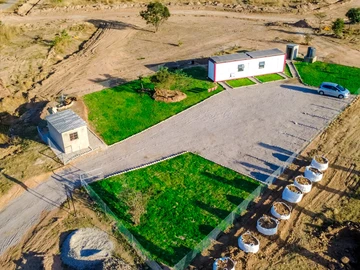
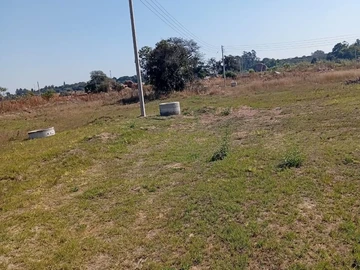
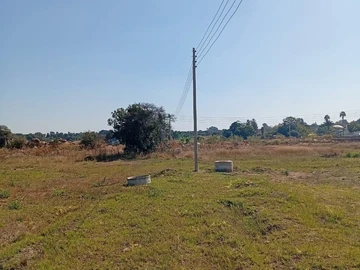
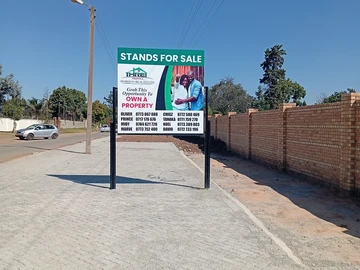
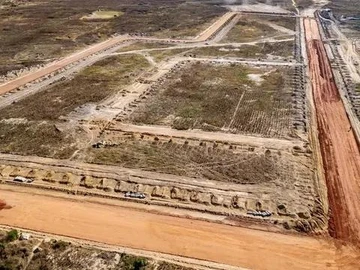
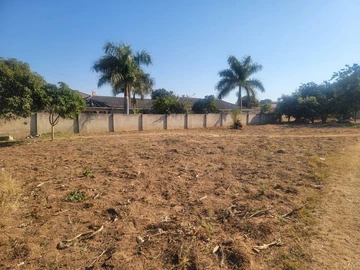
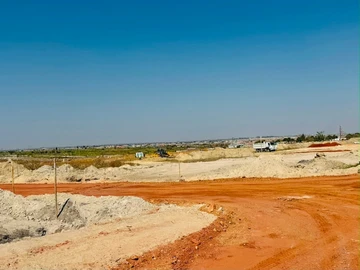
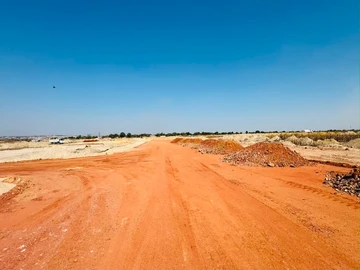
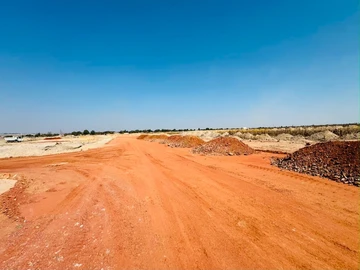
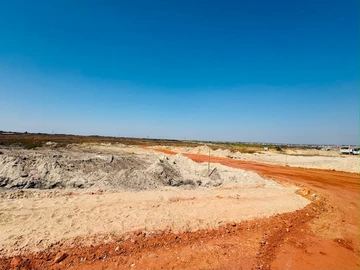
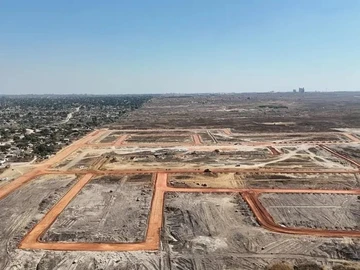
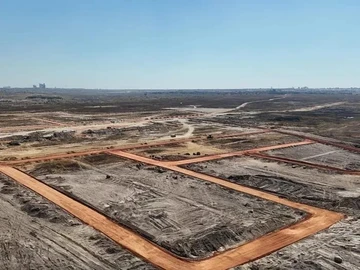
Stands and residential land for sale in Harare East, Harare, are priced at an average of $150,000, placing them in the high-end market segment. The median land size is about 2,000 ㎡, with plots ranging from as small as 151 ㎡ to as large as 610,000 ㎡, offering a variety of options for buyers interested in residential development or investment.
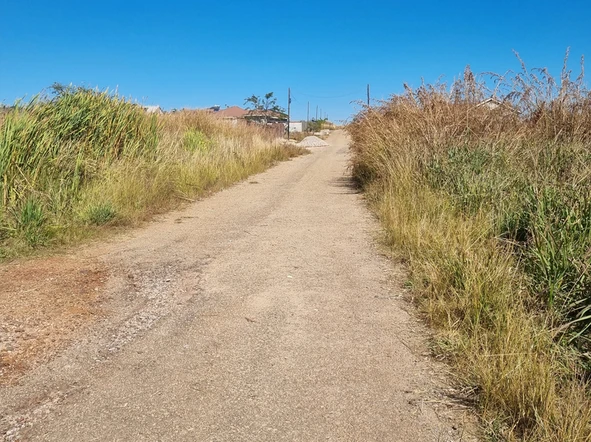
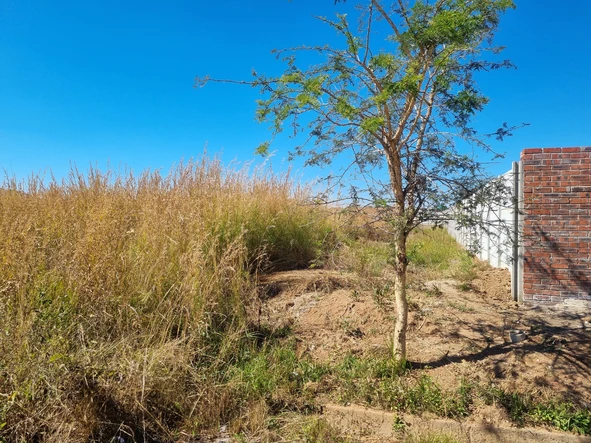
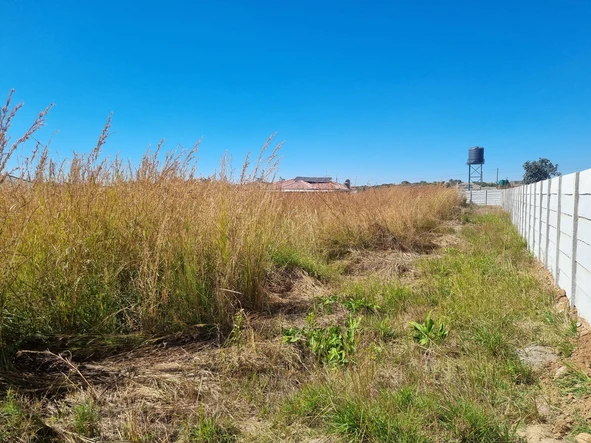
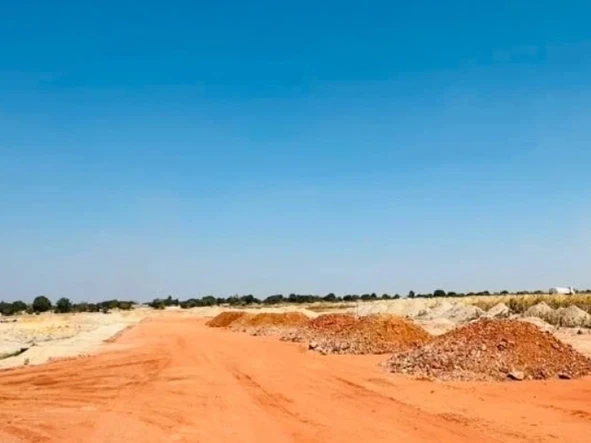
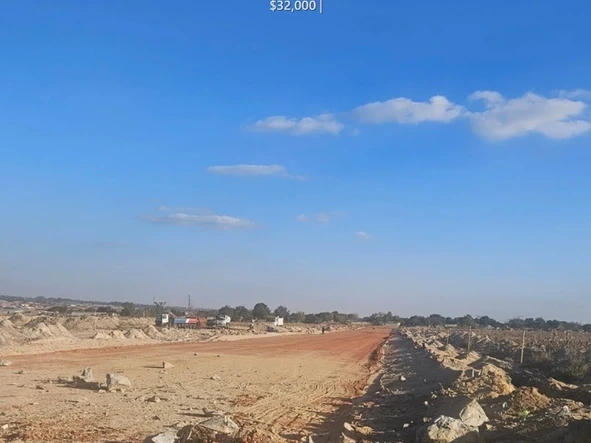
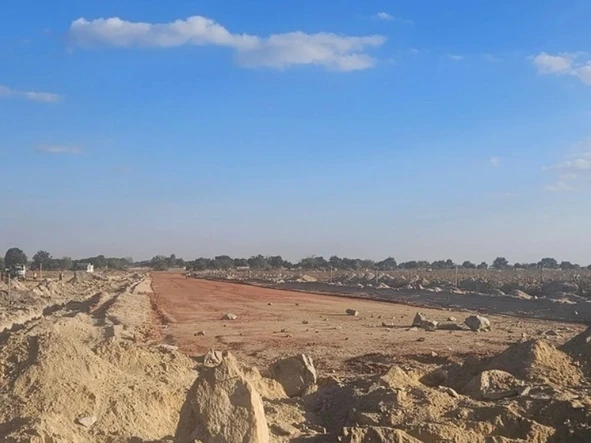
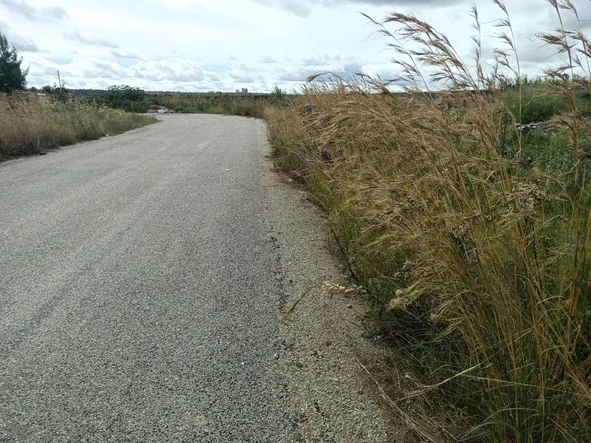
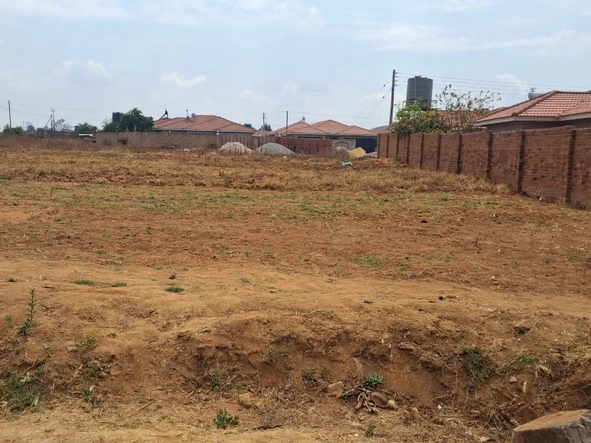
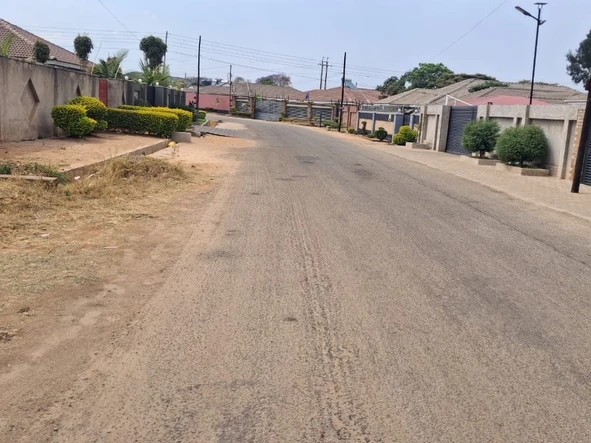
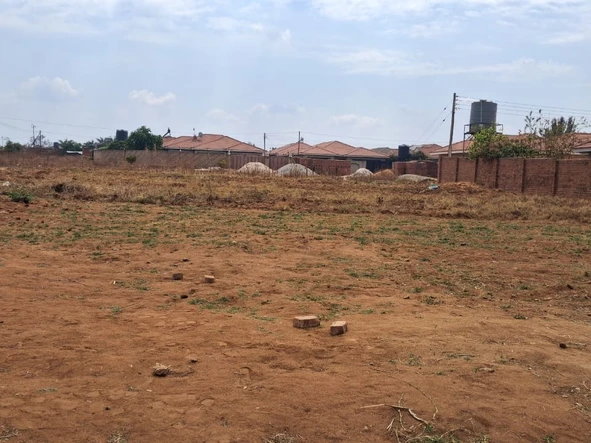
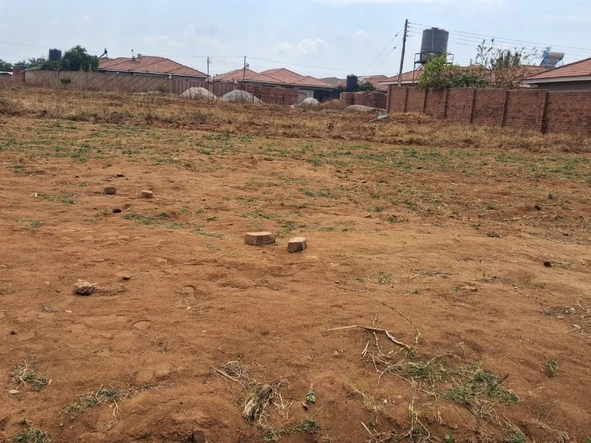
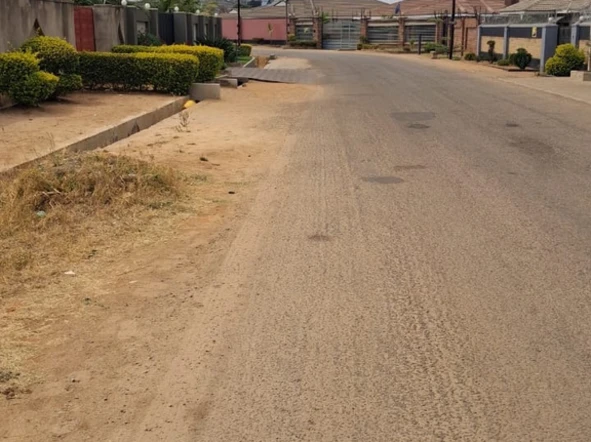
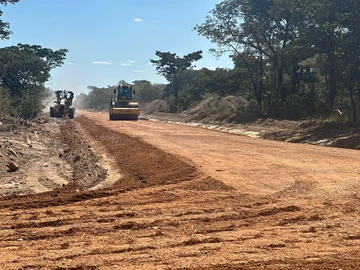
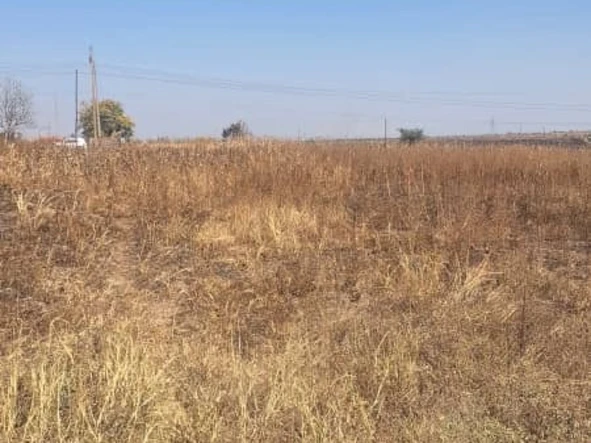
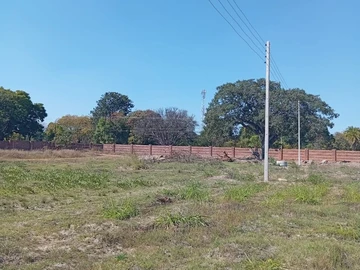
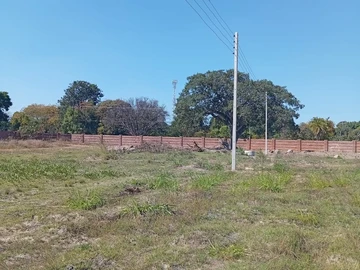
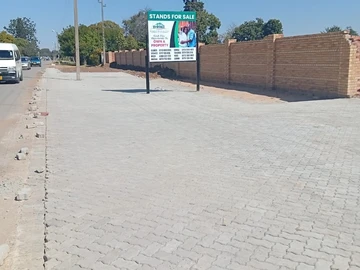
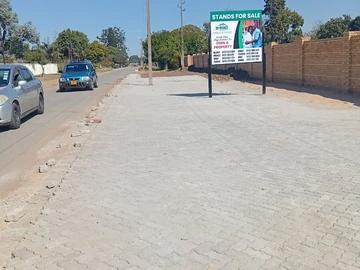
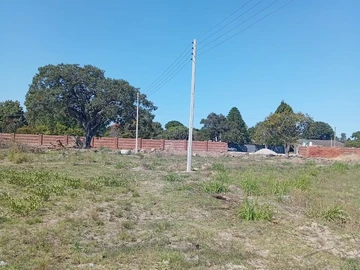
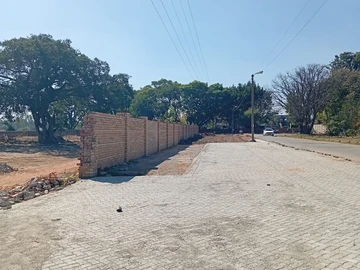
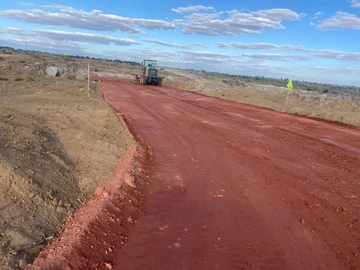
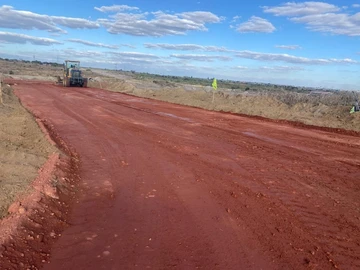
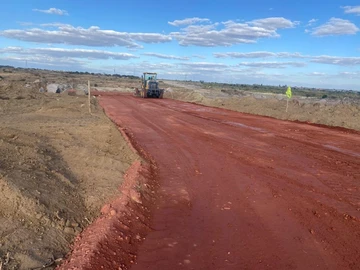
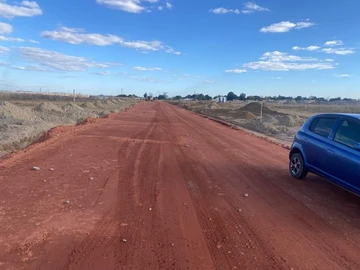
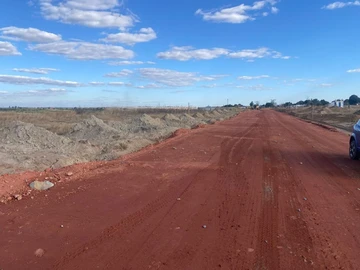
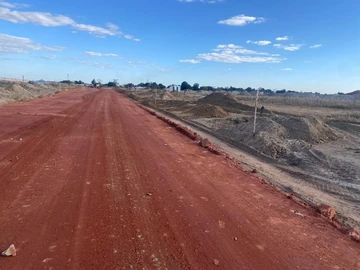
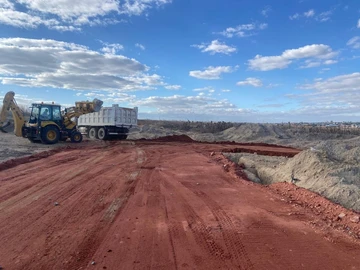
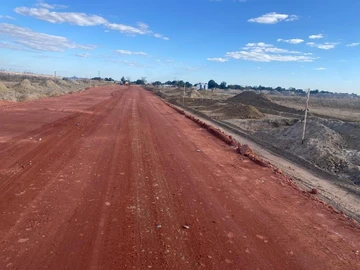
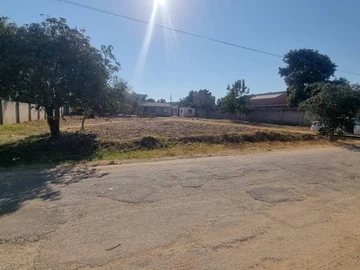
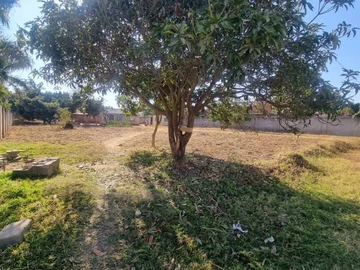
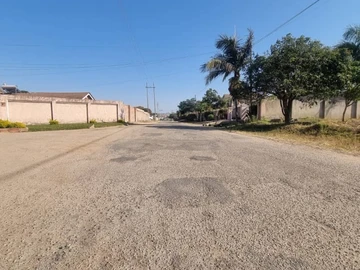
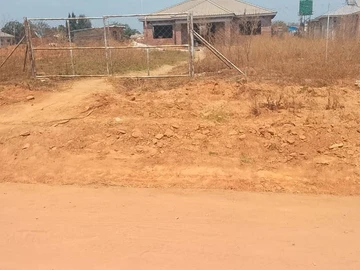
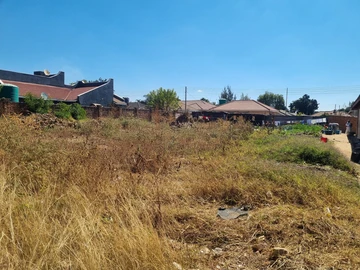
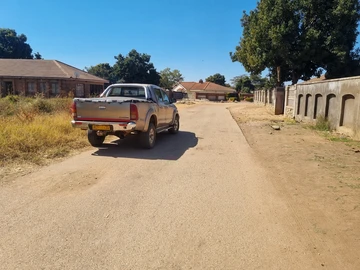
Many of these properties benefit from tarred roads, enhancing accessibility and convenience. The land is typically undeveloped, allowing buyers to design and build according to their preferences. This makes Harare East attractive for those seeking to create custom homes or residential projects in a well-established area.
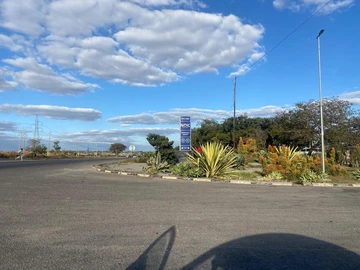
Harare East is a balanced suburb combining residential, commercial, and retail spaces. It is well connected by major roads and public transport, providing easy access to Harare’s central business district while maintaining a quieter suburban feel. The area is close to reputable schools like Prince Edward School and St. George’s College, medical facilities including Parirenyatwa Group Hospital, and shopping centers such as Eastgate Shopping Centre and Sam Levy’s Village. Nearby recreational spots include the National Botanic Gardens and Harare Gardens, making it a convenient and appealing location for families and professionals alike.
1,983 m²
4,757 m²
530 m²
400 m²
1,593 m²
400 m²
400 m²
800 m²

Be the first to see new properties for sale in Harare East










| Type | Avg. price |
|---|---|
| Average price | $150,000 |
Pricing your property in Zimbabwe? Discover why overpricing leads to stagnant listings, lower final offers, and costly holding expenses in the 2026 market.
Navigating property valuations in Zimbabwe? Learn valuation methods, valuation fees, and key tips for buyers, sellers, and investors in the 2026 market.
Planning to downsize? Learn if you can dissolve a family trust holding your home, the legal steps required, and tax impacts before selling the property.
Understand Zimbabwe’s 2026 rental tax rules, including the 15% commercial regime, residential tax treatment, monthly deadlines and disclosure window
Planning to drill or buy a property with a borehole in Zimbabwe? Check the authority, permit, siting, records and water quality before you commit.