Log in to contact the seller
 Continue with Facebook
 Continue with Email
Continue with Facebook
Continue with Email
Sign up with Facebook
Continue with Email
Continue with Facebook
Continue with Email
Sign up with Facebook
 Change filters
 Requests
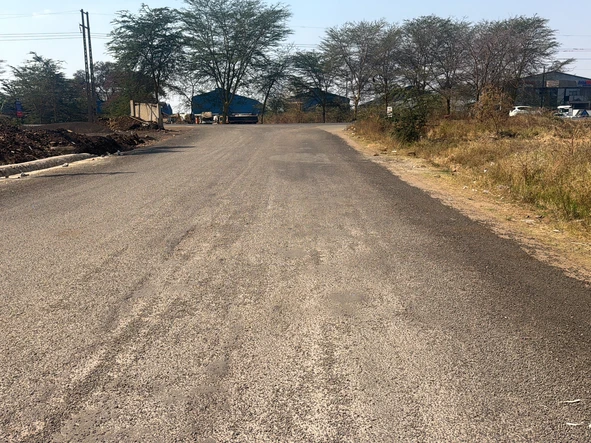

 2,400 m²


 1,000 m²
400 m²
465 m²
400 m²
1,000 m²
400 m²
465 m²
400 m²
 200 m²
240 m²
16,900 m²
300 m²
200 m²
240 m²
16,900 m²
300 m²
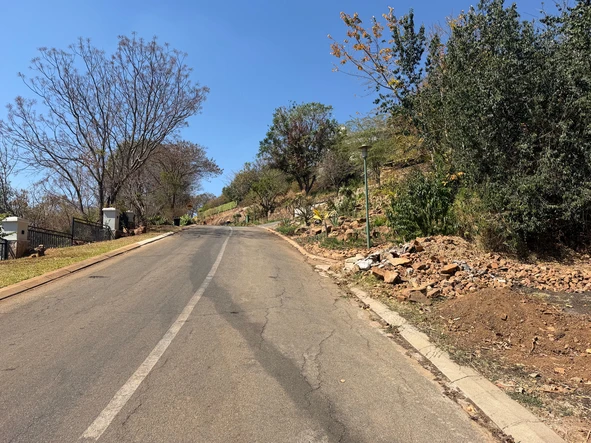
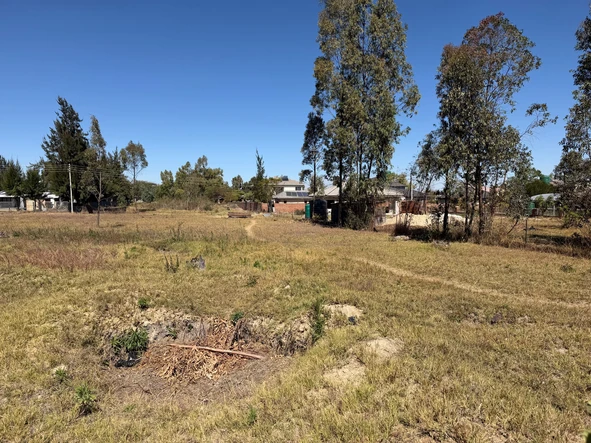
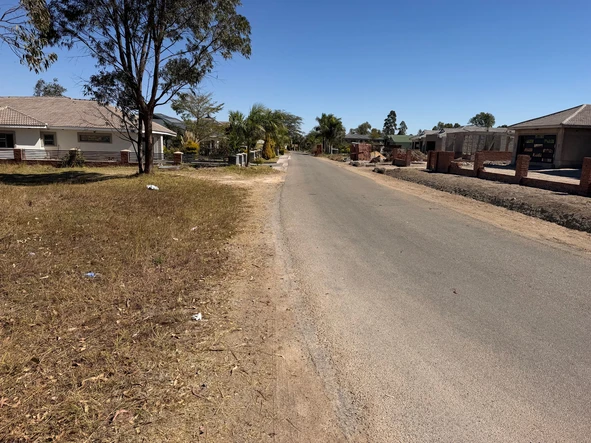
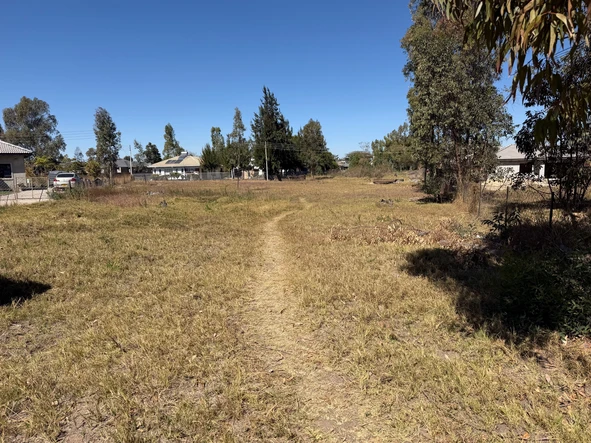
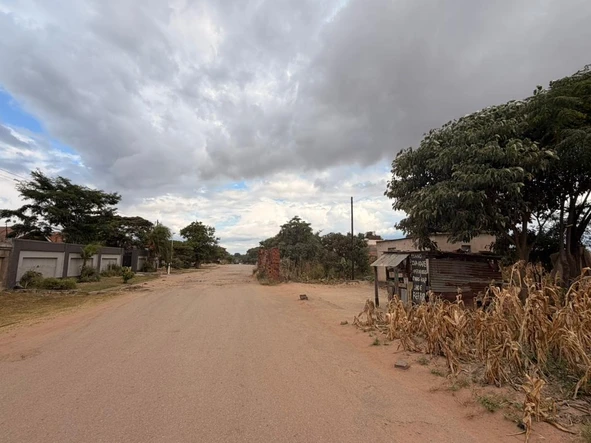
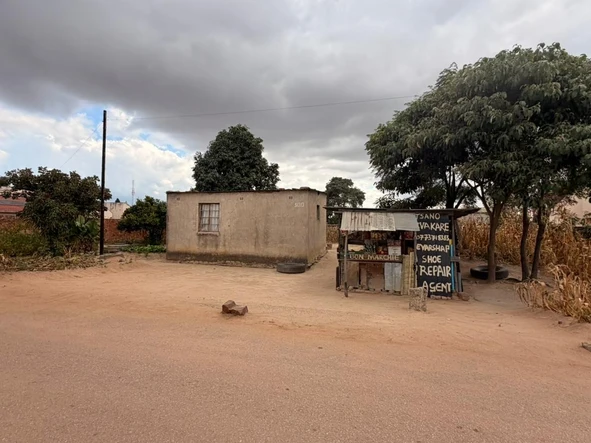
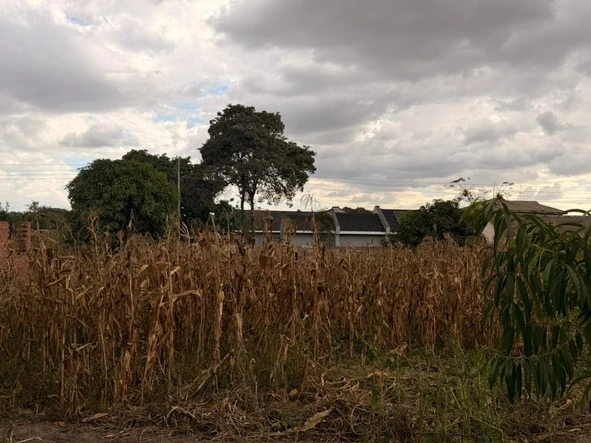
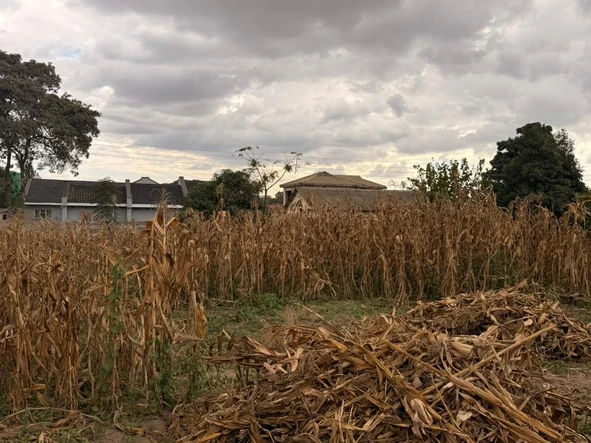
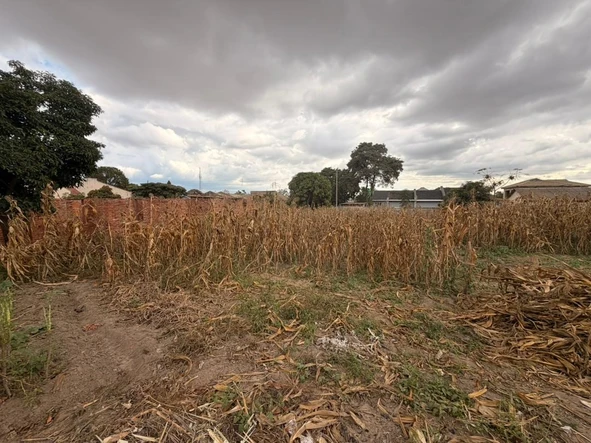
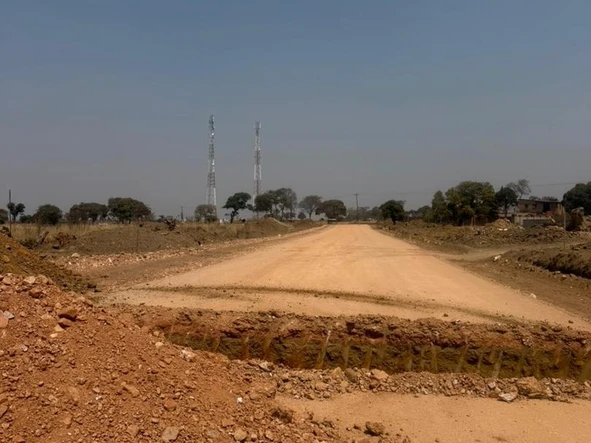
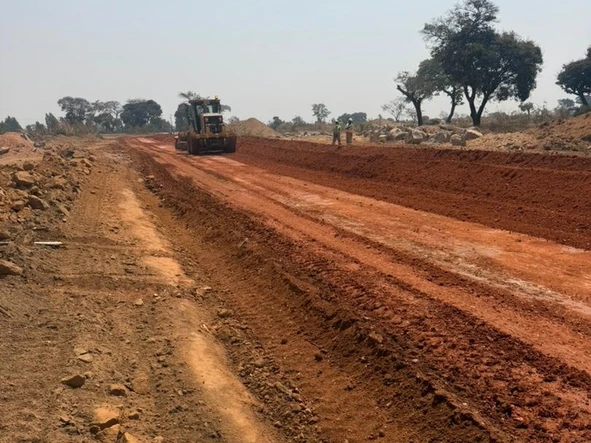
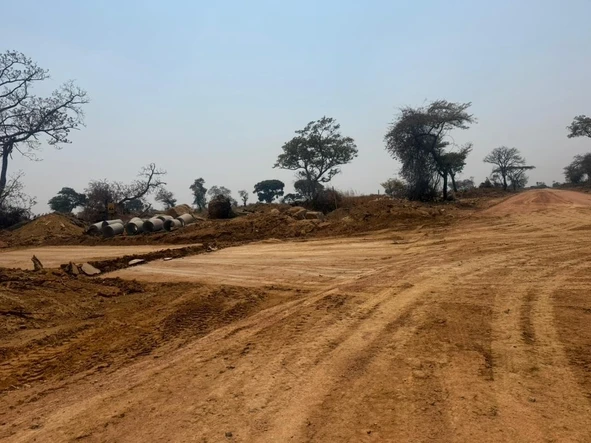
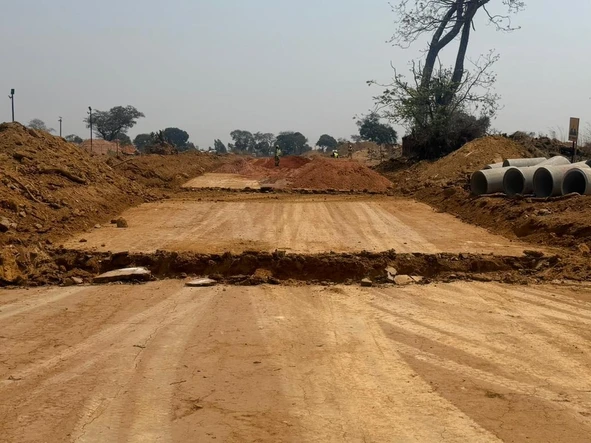
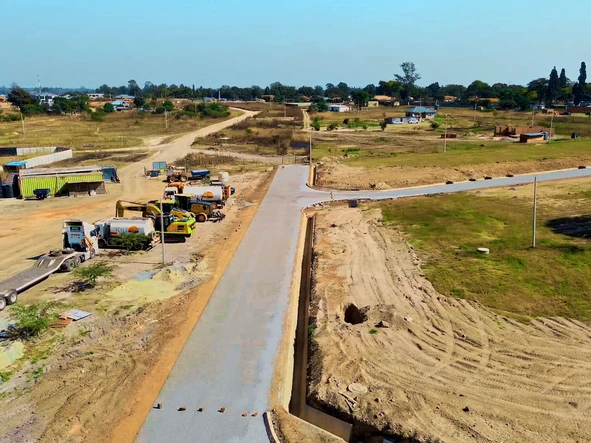
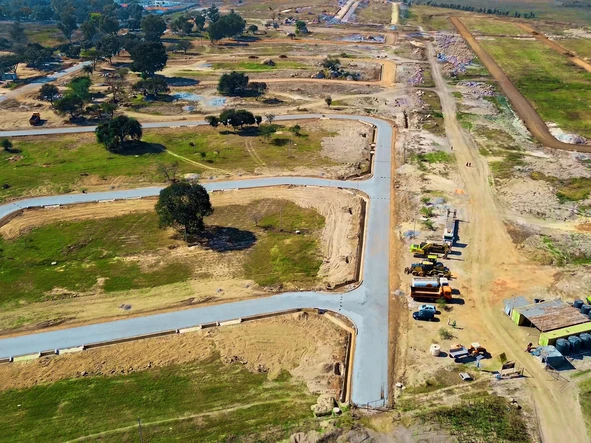
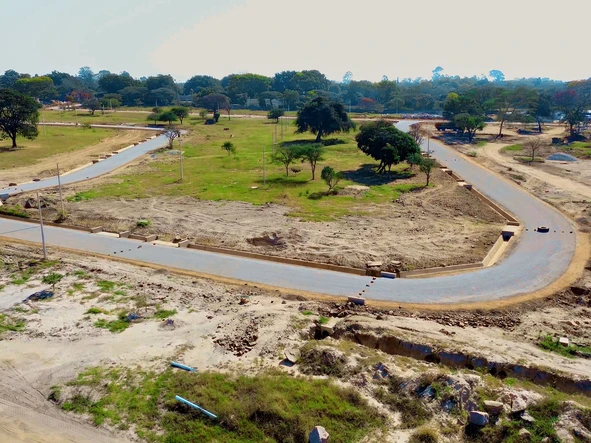
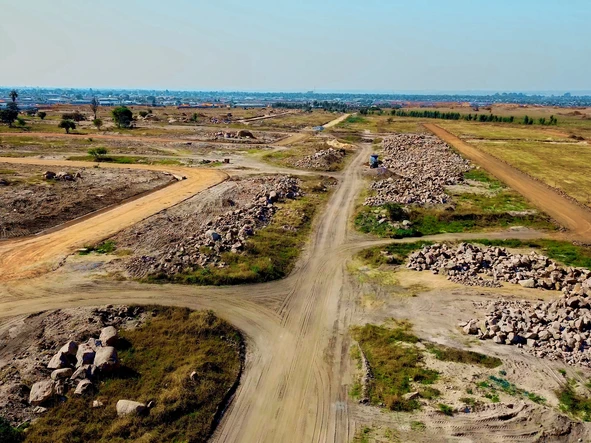
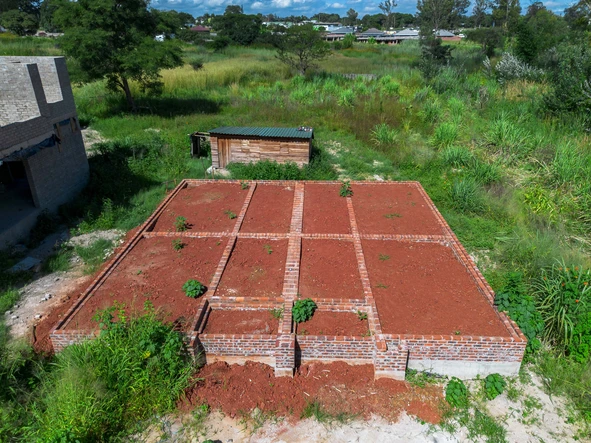
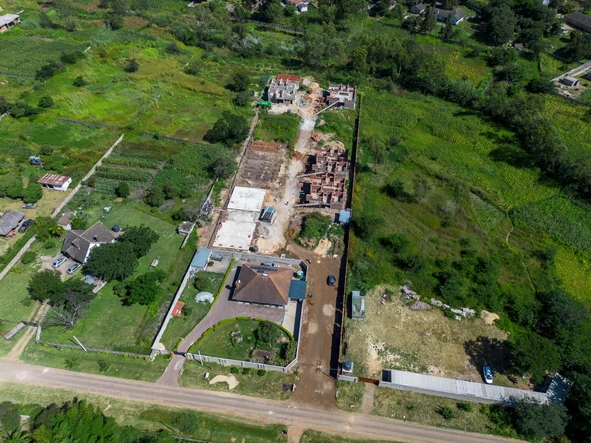
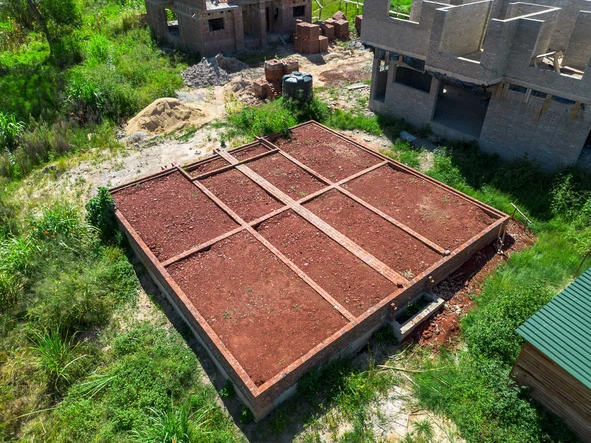
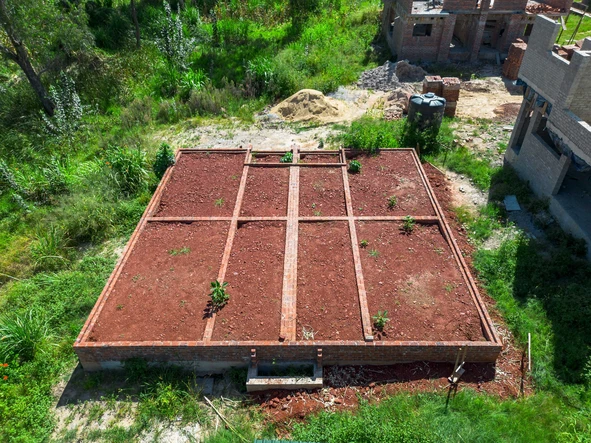
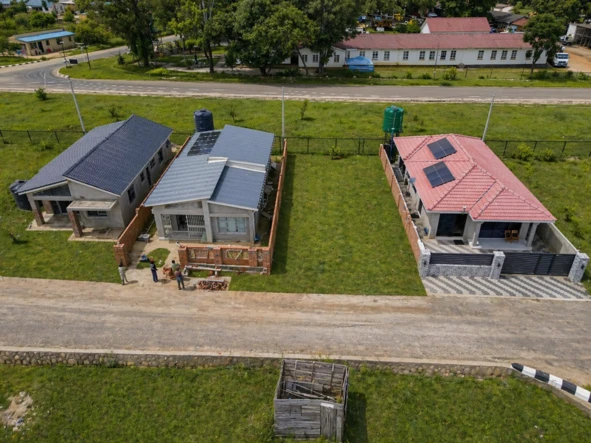
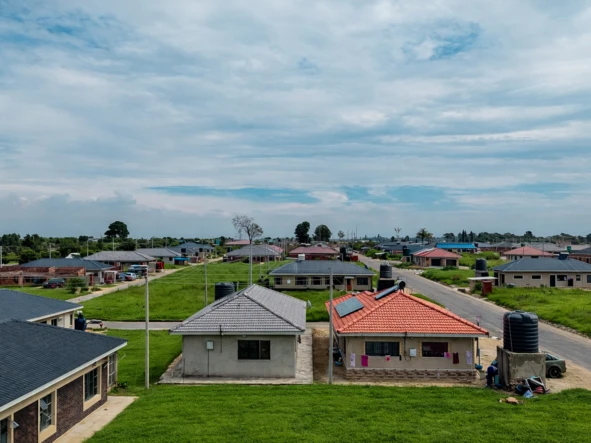
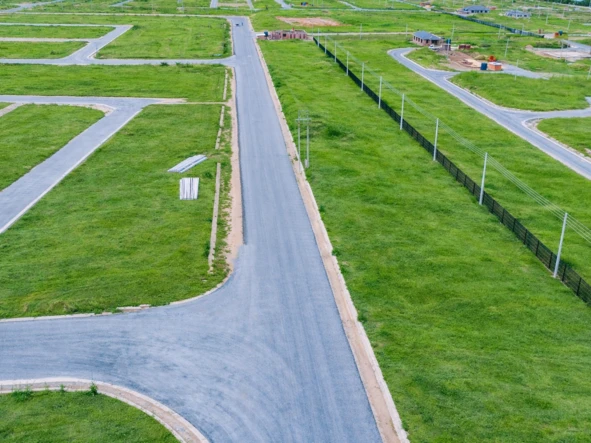
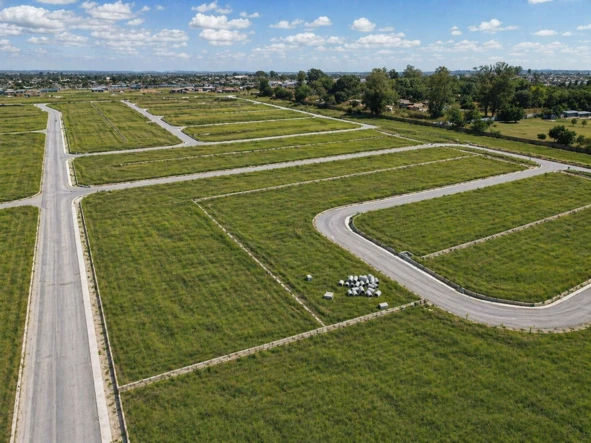
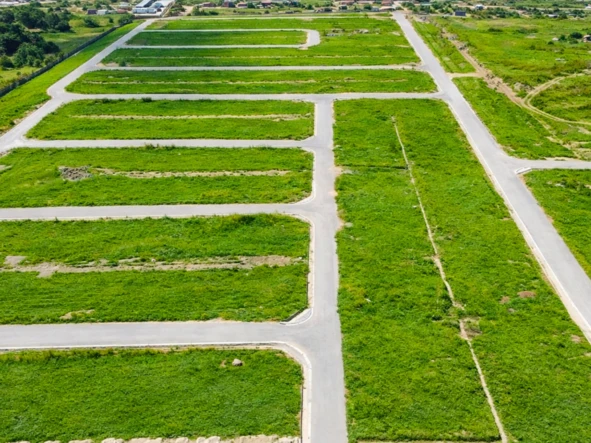
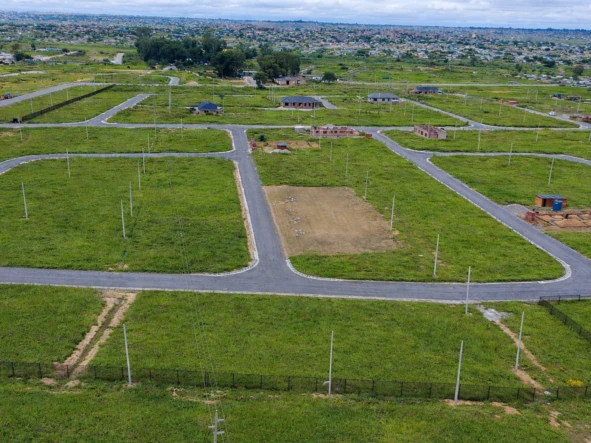
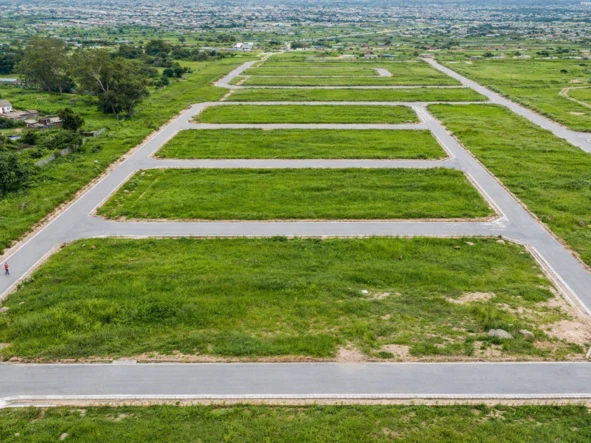
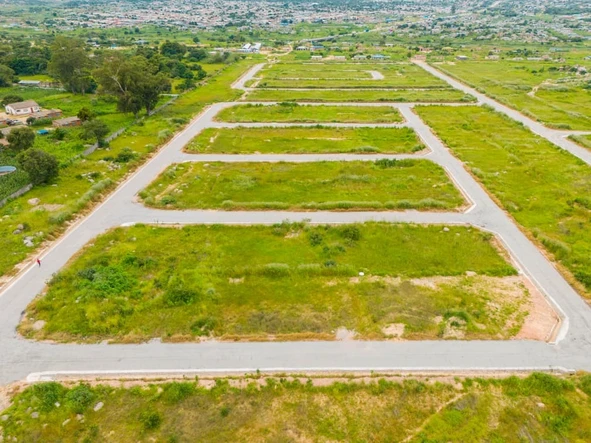
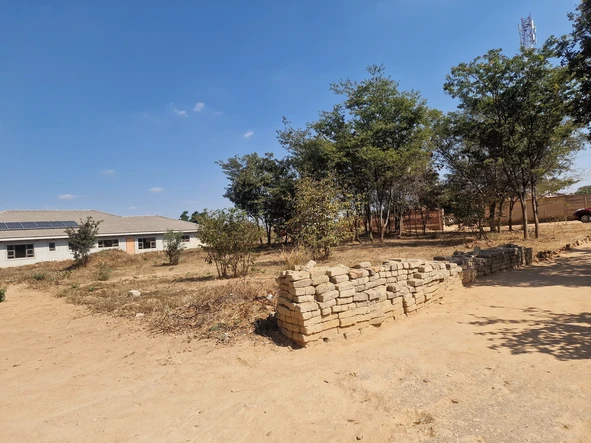
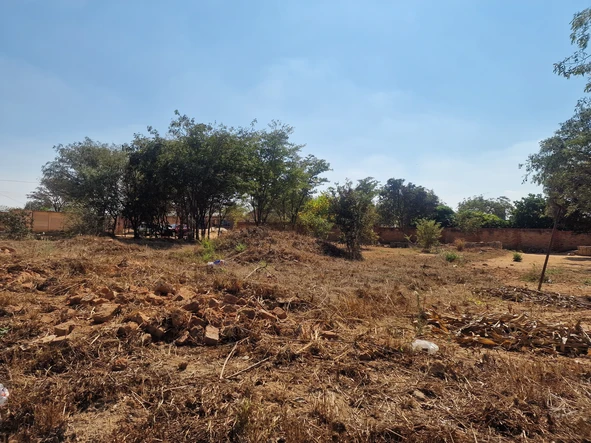
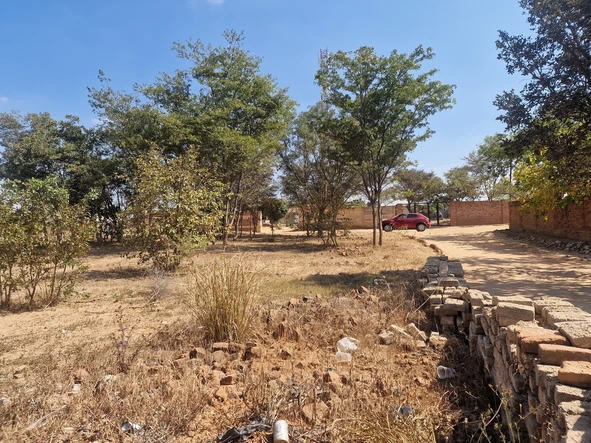
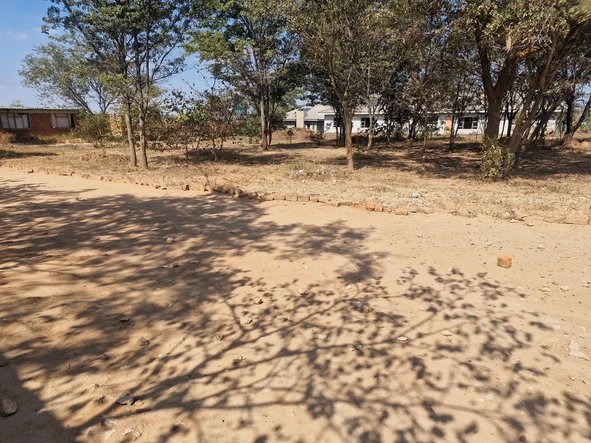
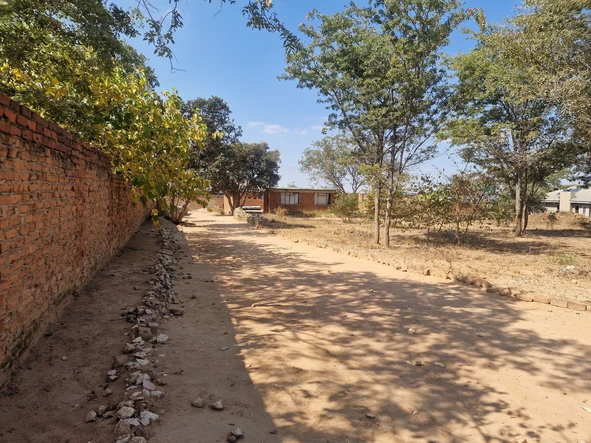
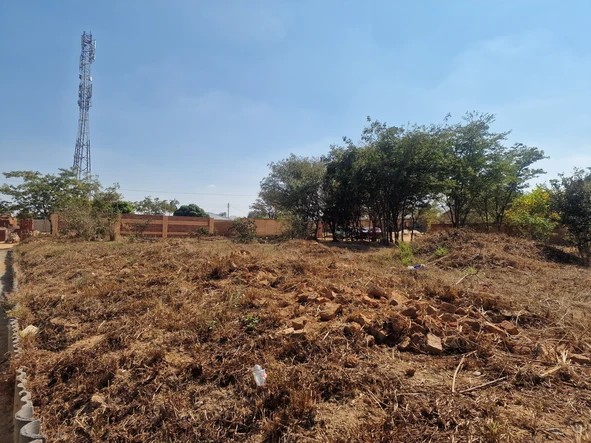
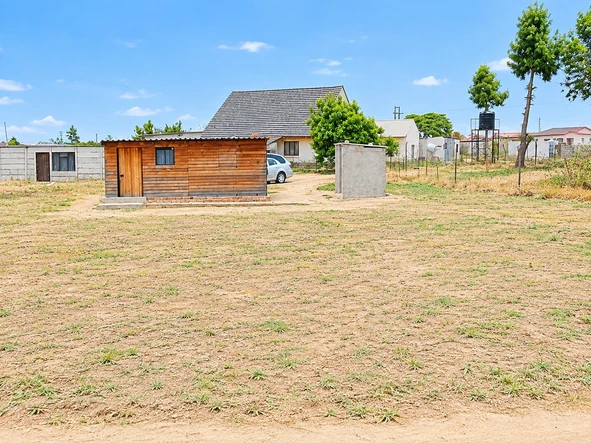
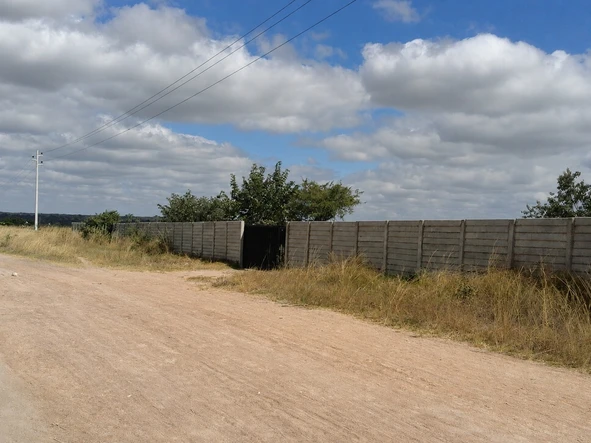
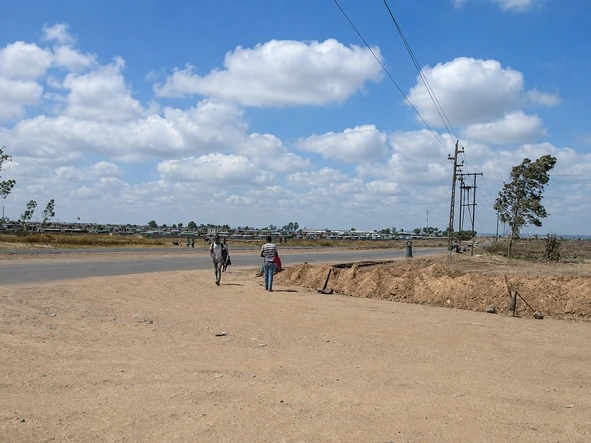
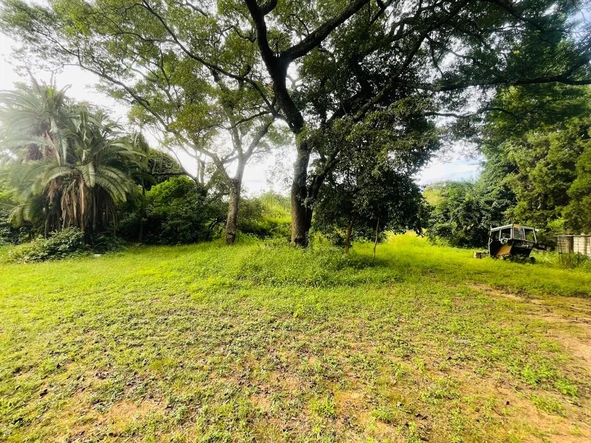
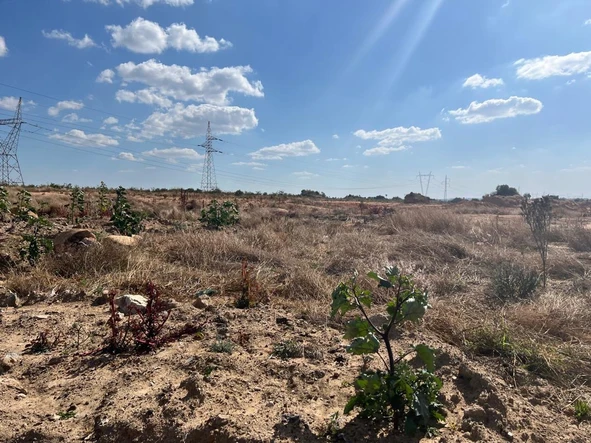
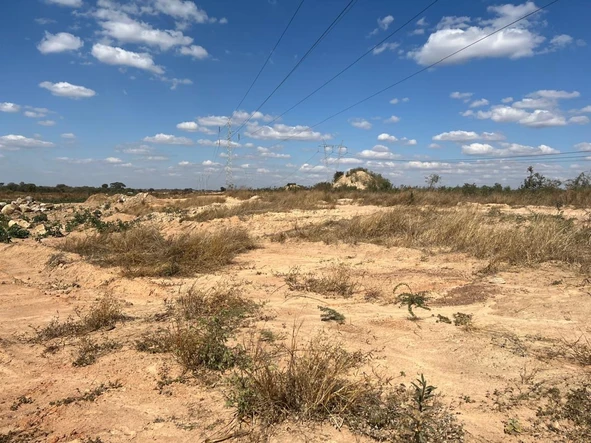
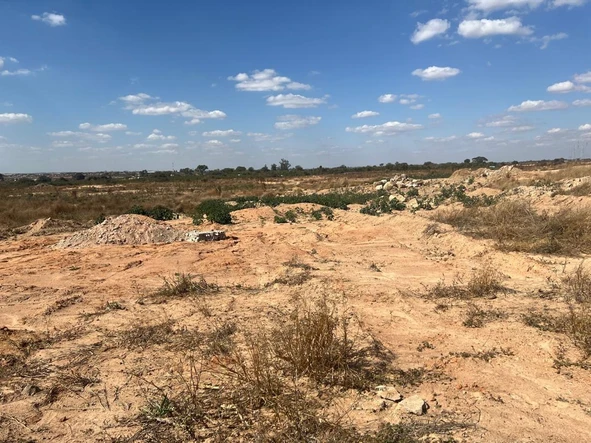
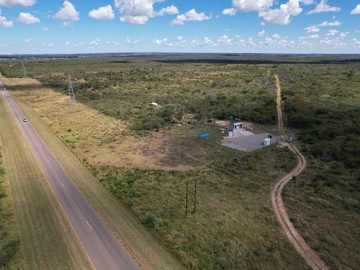
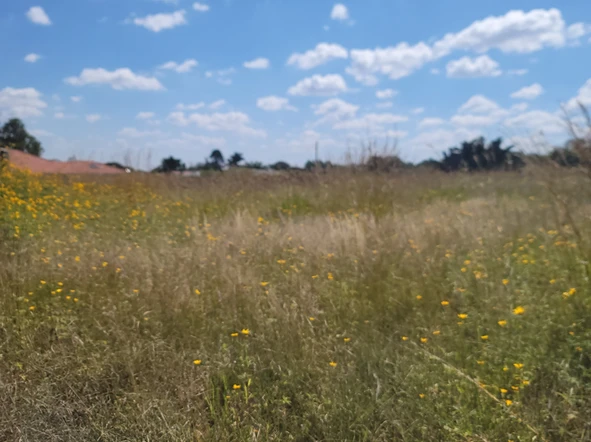
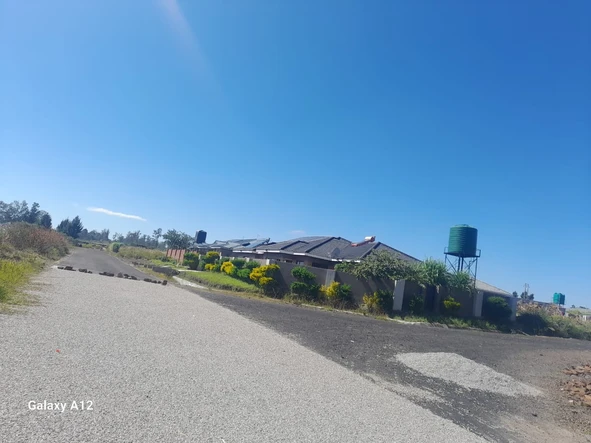
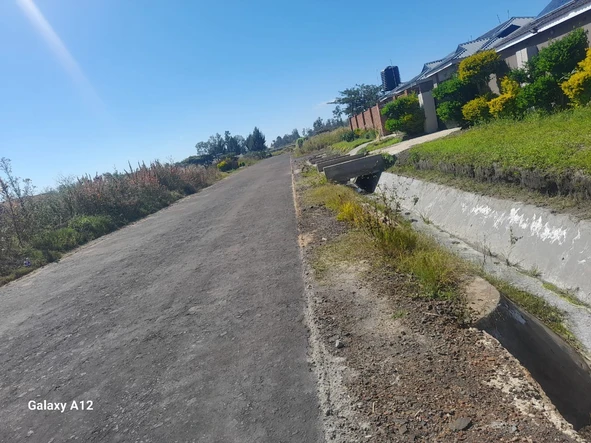
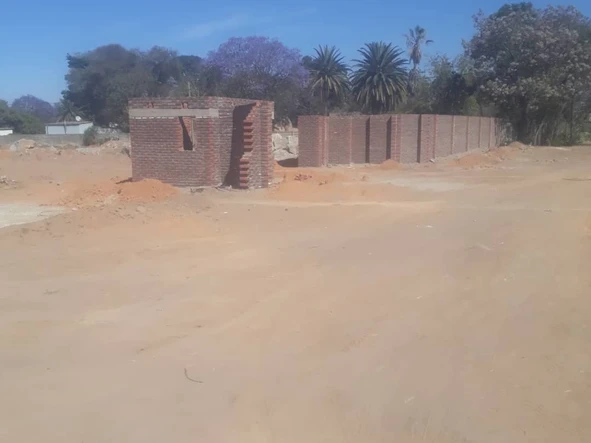
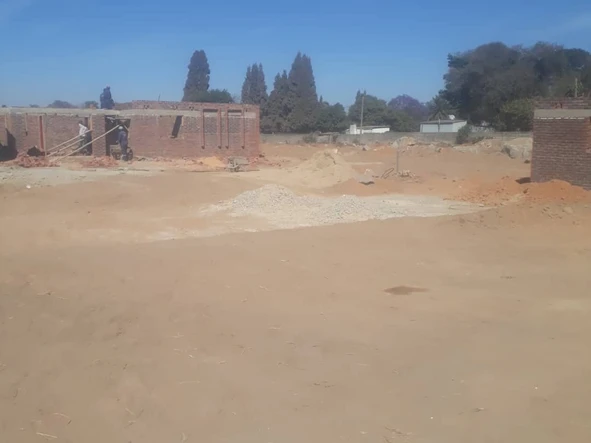
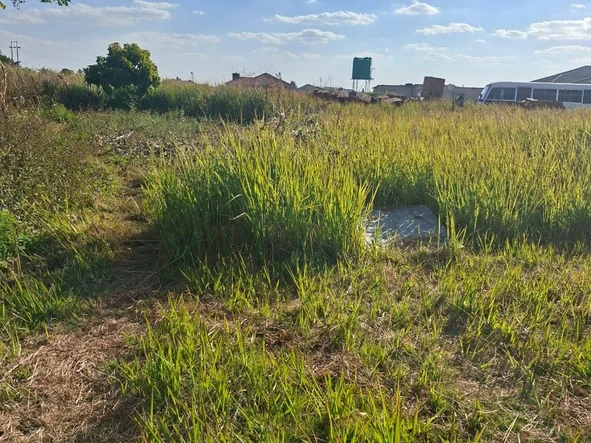
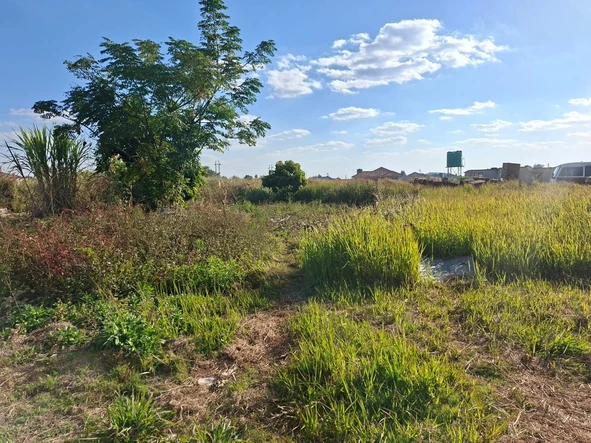
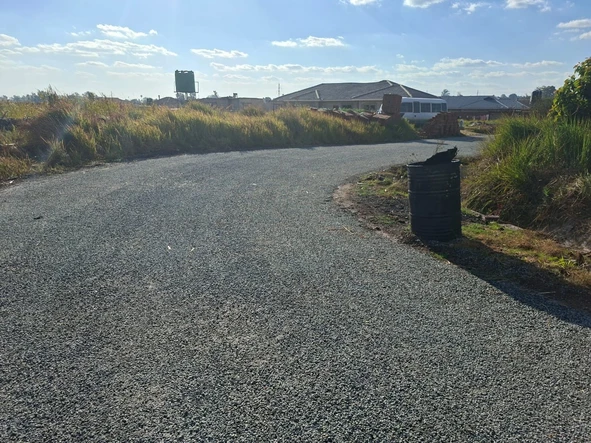
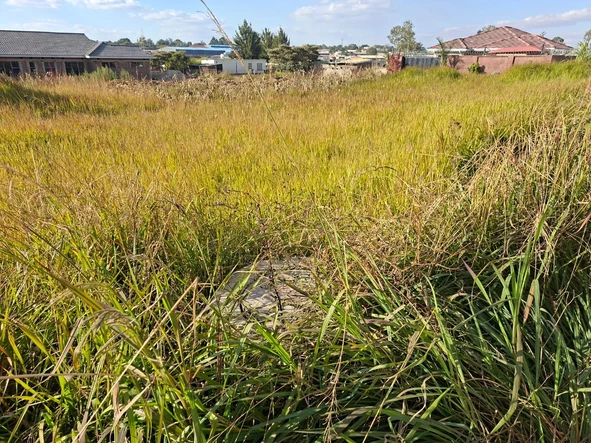
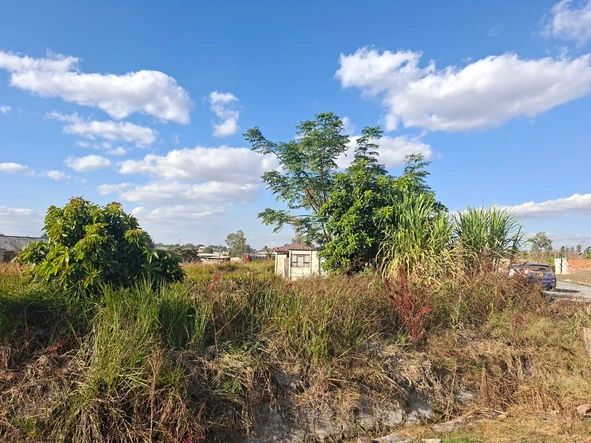
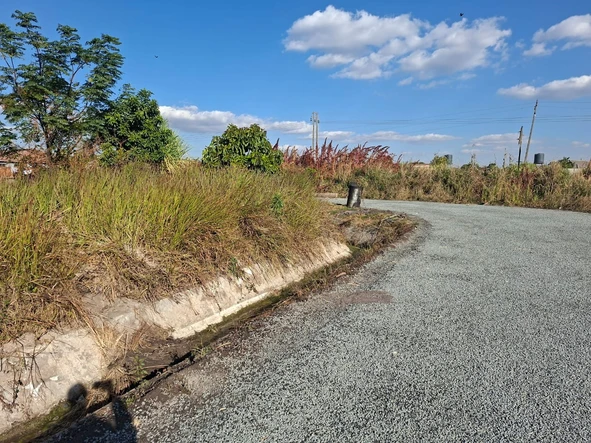
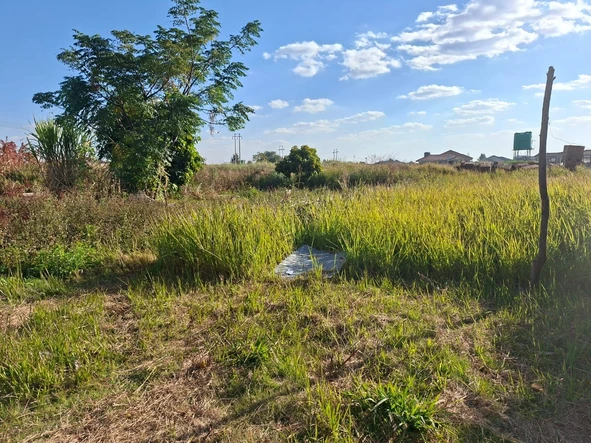
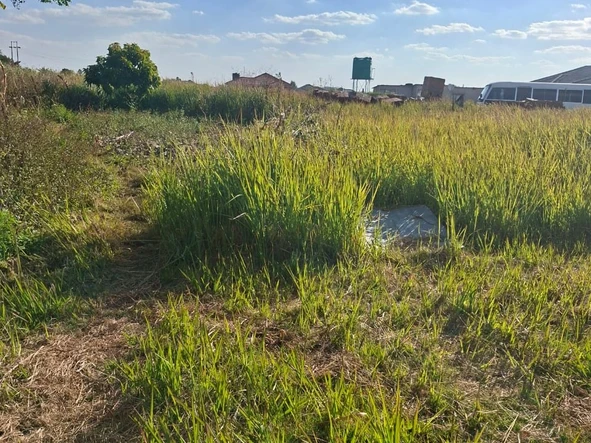
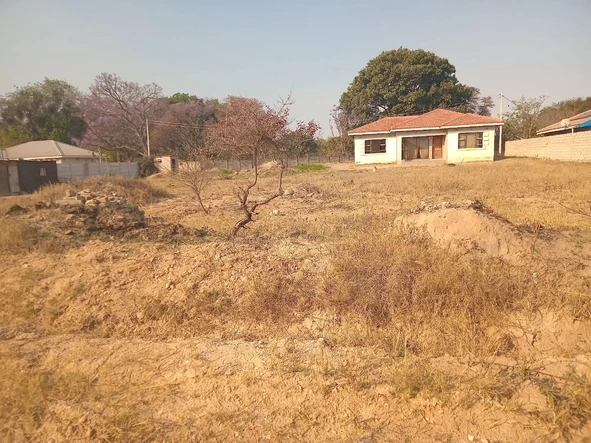
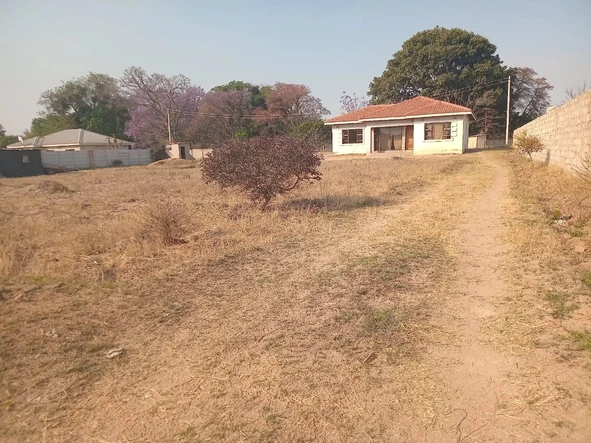
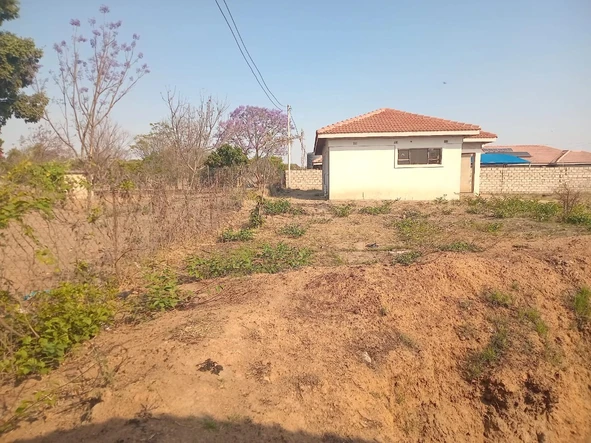
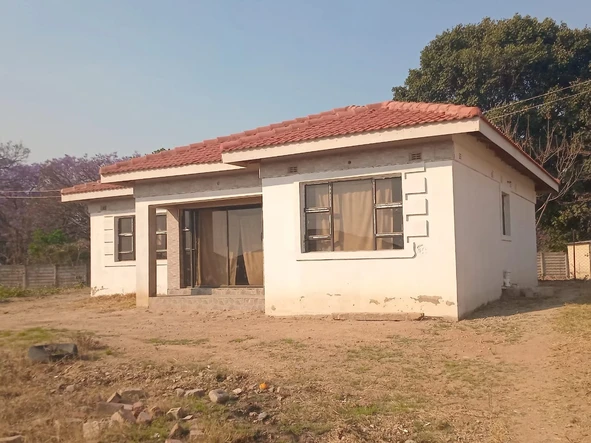
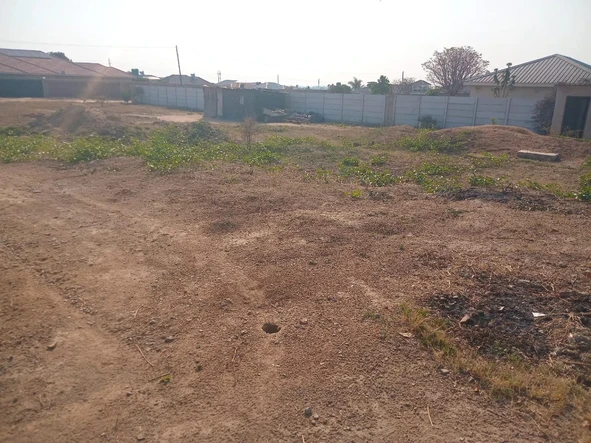
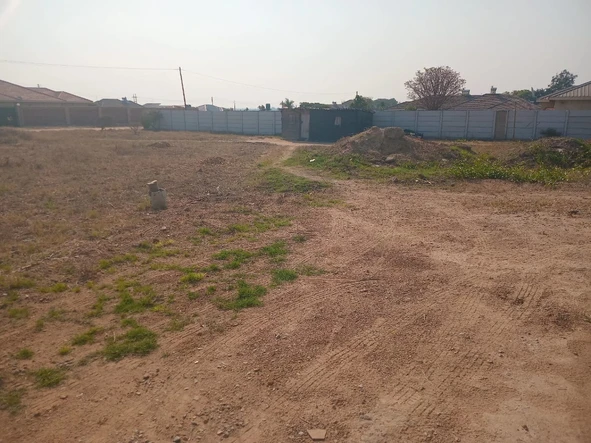
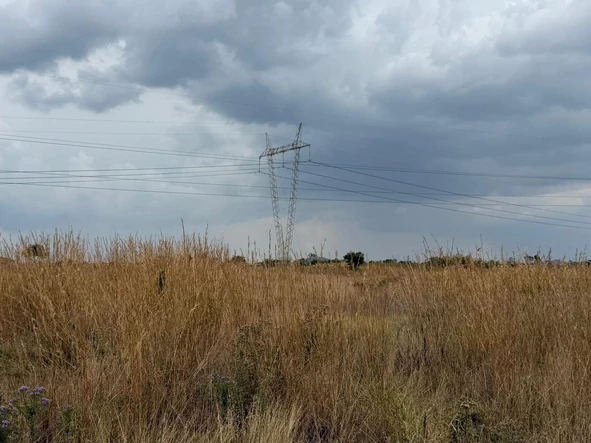
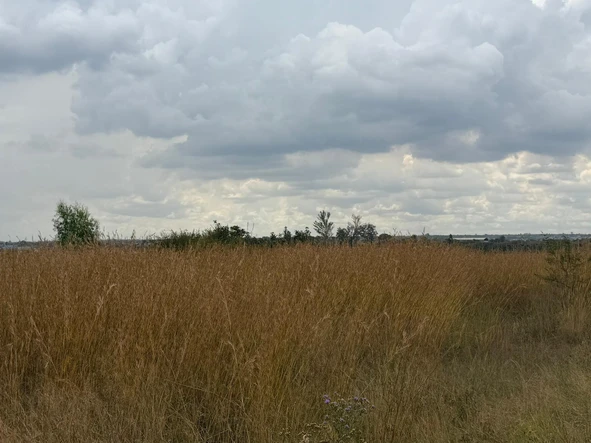
Stands and residential land for sale in Harare South, Harare, offer affordable options with a median price of $80,000. The land parcels vary widely in size, from as small as 200 ㎡ up to large plots of 485,000 ㎡, with the median land area around 801 ㎡, making it suitable for a range of buyers from first-time homeowners to investors seeking larger development opportunities.
These properties typically provide blank canvases for building homes or small residential projects. Since these are stands and land, there are no existing buildings included, allowing buyers flexibility in design and construction. The area is popular among middle-income families and professionals looking for more affordable housing compared to northern suburbs.
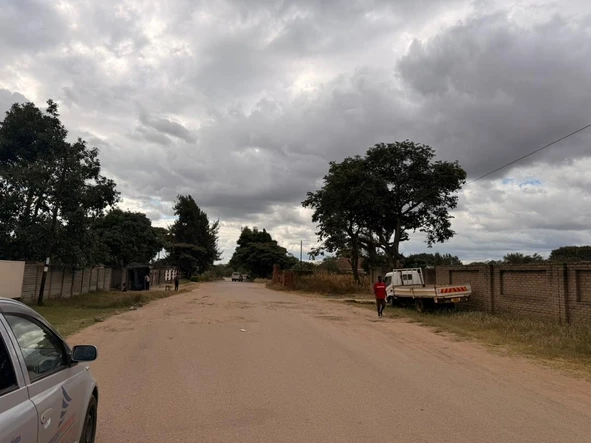
Harare South is a diverse and growing suburb with a suburban lifestyle, featuring access to green spaces like Mukuvisi Woodlands, which offers walking trails and wildlife viewing. The area is well connected by major roads and public transport, making commuting to the city center convenient. Residents benefit from local schools, shopping centers such as Southgate Shopping Centre, and healthcare facilities including Parirenyatwa Hospital within reasonable distance. The neighborhood also has a variety of restaurants serving both local and international cuisine, supporting a comfortable and practical living environment.
2,183 m²
692 m²
362 m²
448 m²
2,000 m²
61,000 m²
1,000 m²
400 m²

Be the first to see new properties for sale in Harare South











| Type | Avg. price |
|---|---|
| Average price | $80,000 |
Prices as of October 2026
Buying a housing stand in Zimbabwe? Inspect title deeds, subdivision permits, compliance certificates, and seller IDs before making any payment.
Can someone claim your land in Zimbabwe? Learn how 30 year acquisitive prescription works, the legal risks involved, and how to protect your property title.
Explore October 2026 Property Pulse insights on the Zimbabwean real estate market, where high buyer demand outpaces limited housing supply across major areas.
Built a house on land registered in your partner's name? Learn your legal rights in Zimbabwe, tacit universal partnerships, and unjust enrichment claims.
Planning to convert or buy commercial property? Understand Zimbabwe’s change of use rules, 2026 Harare fees, timelines and approval risks.