Log in to contact the seller
 Continue with Facebook
 Continue with Email
Continue with Facebook
Continue with Email
Sign up with Facebook
 Change filters
 Requests

 2
120 m²


 2
 2
150 m²
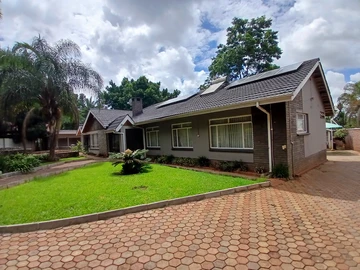
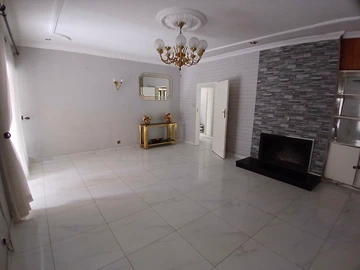
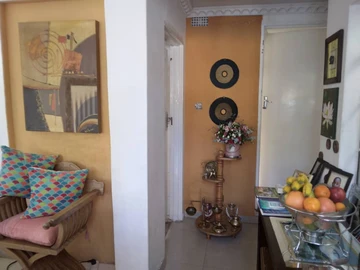
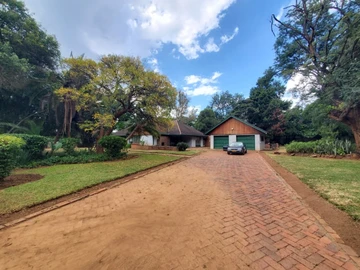
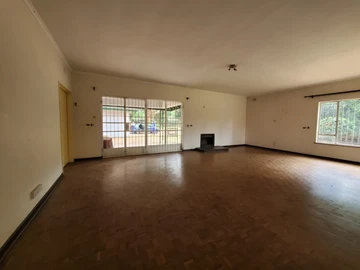
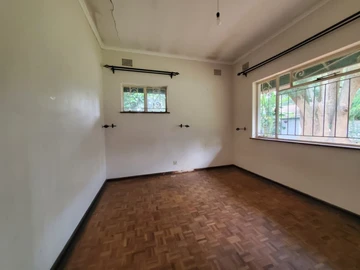
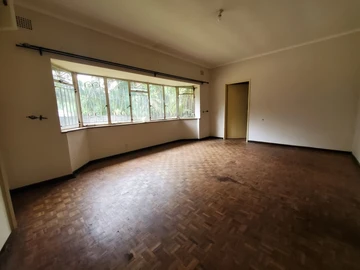
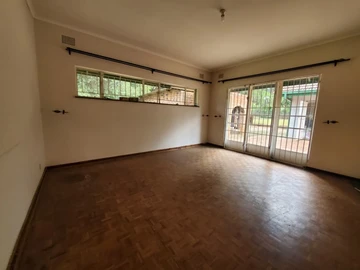
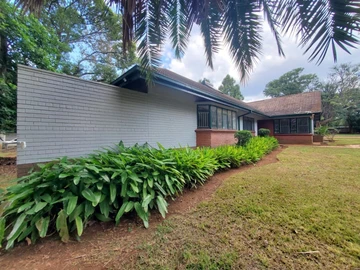
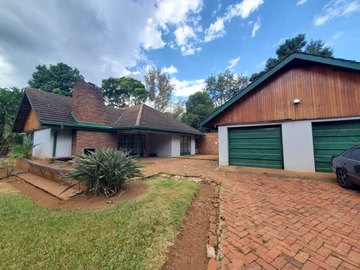
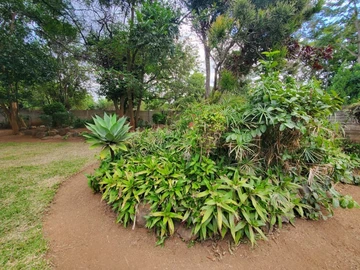
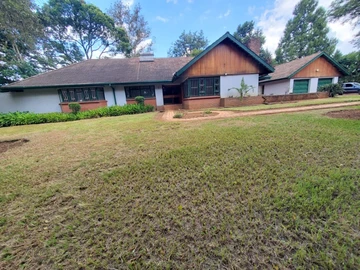
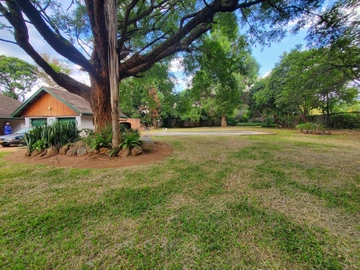
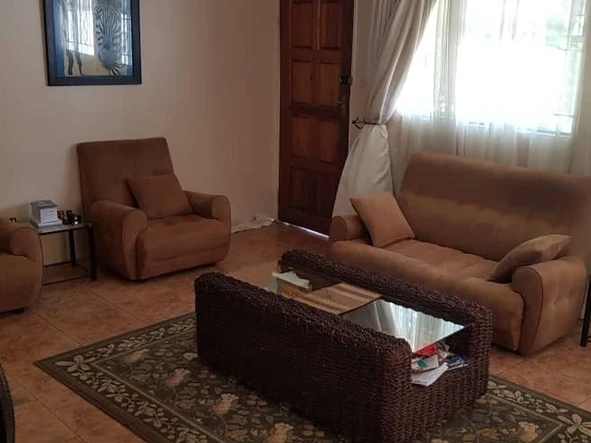
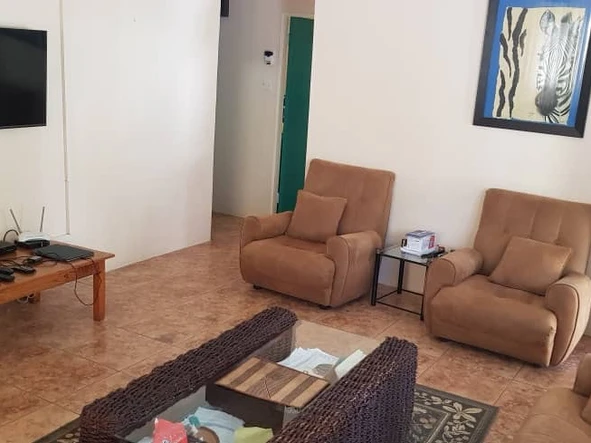
Houses for rent in Chisipite, Harare North, offer spacious and comfortable living with an average monthly rent of $2,000. These properties typically have a median land area of 1,500 ㎡ and a median building size of around 180 ㎡, with some larger homes reaching up to 4,000 ㎡ in size and land areas as large as 5,300 ㎡.
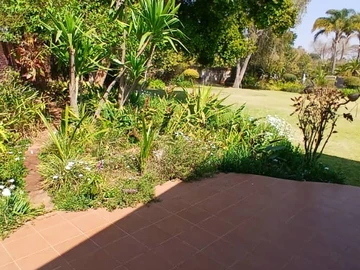
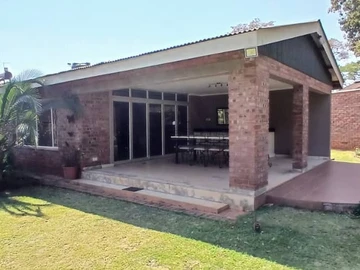
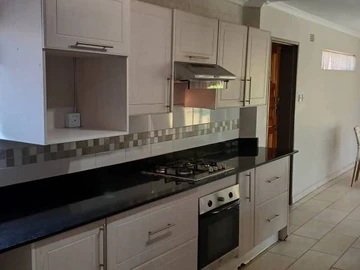
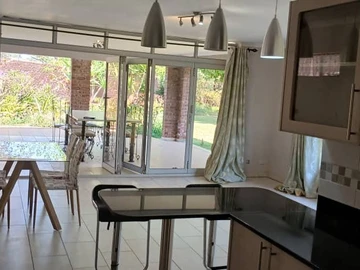
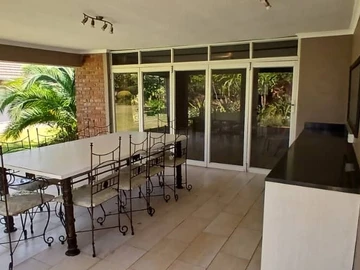
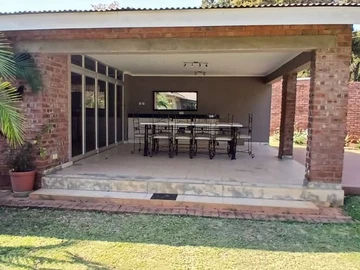
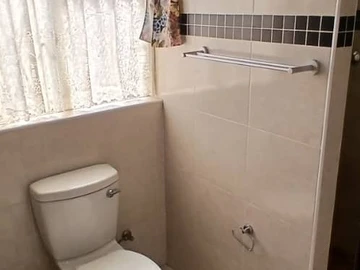
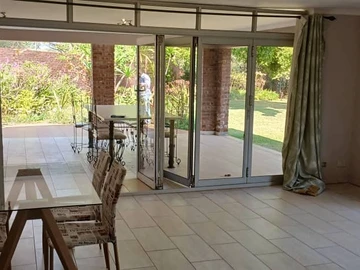
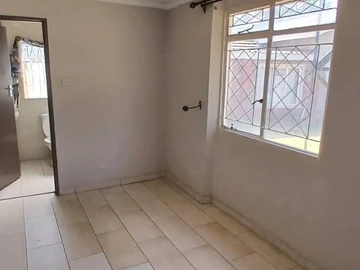
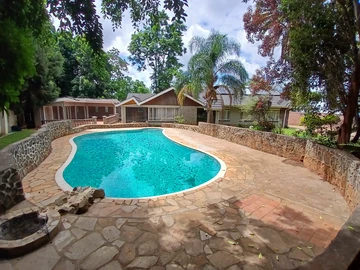
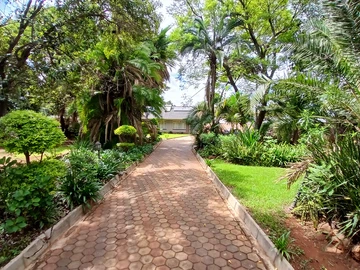
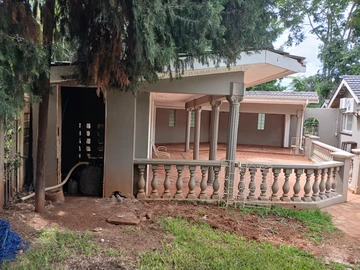
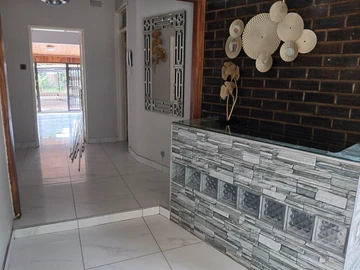
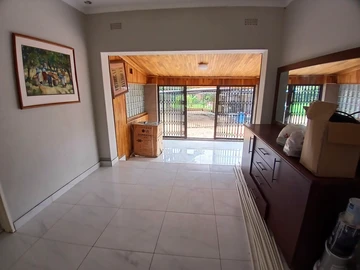
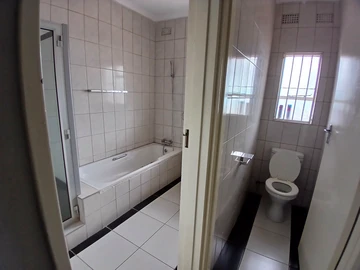
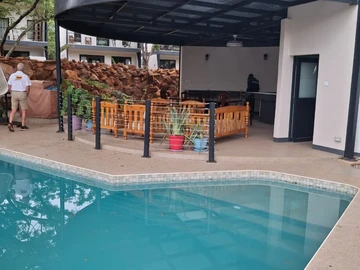
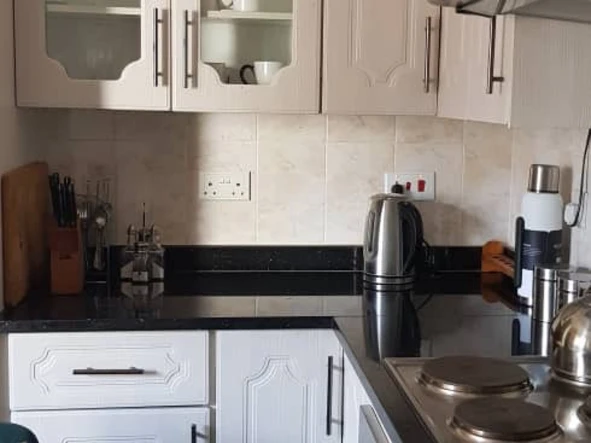
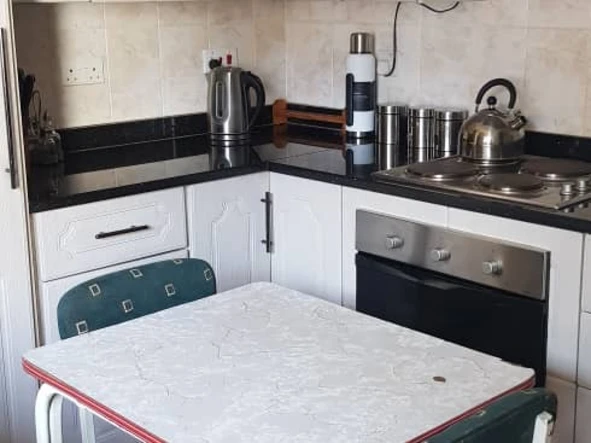
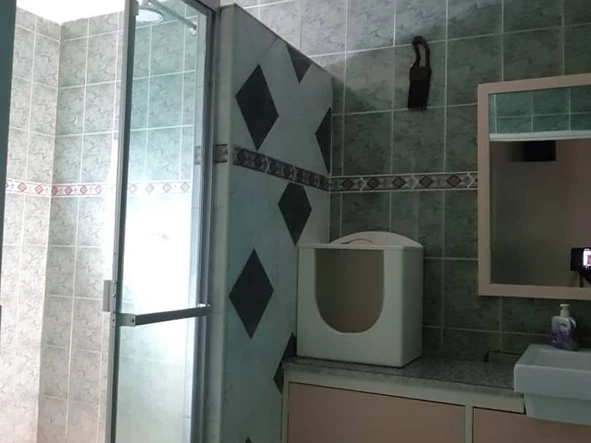
Many houses feature paved driveways, electric fences, and tiled floors. Most come with verandahs, fitted kitchens, main en suite bathrooms, boreholes, and staff quarters. Additional common amenities include electric gates, water tanks, gardens, garages, internet connections, and entertainment areas. Swimming pools are available in many properties, enhancing the lifestyle options for renters.
Chisipite is a leafy, affluent suburb known for its secure and tranquil environment, ideal for families and professionals. The area includes green spaces like Chisipite Gardens and is close to the National Botanic Gardens. It offers access to reputable schools such as Chisipite Senior School and St. John’s College, as well as healthcare facilities like Parirenyatwa Group of Hospitals. Shopping needs are met by Chisipite Shopping Centre and nearby hubs like Sam Levy’s Village. Good road links and public transport options make commuting easy, while the neighborhood’s quiet streets support walking and cycling, making Chisipite a desirable location for a balanced, family-friendly lifestyle.
4
2
2,000 m²
2
2
4
2
150 m²

Be the first to see new properties for rent in Chisipite, Harare North








Verify property ownership in Zimbabwe with seven checks covering title deeds, council stands, survey records, planning approval and seller authority.
Explore eight Zimbabwe property disputes and learn how to verify title, seller authority, building approvals and court orders before buying or building.
Upgrading your bathroom on a budget in Zimbabwe? Discover 8 smart, cost effective ways to refresh fixtures, tiles, and lighting without overspending.
Budget for building a house in Zimbabwe in 2026, with worked examples covering construction, professional fees, land, approvals, utilities and contingency
Divorce in Zimbabwe? Learn how the Matrimonial Causes Act divides the family home, evaluates direct and indirect contributions, and protects both spouses.













 150 m²