Log in to contact the seller
 Continue with Facebook
 Continue with Email
Continue with Facebook
Continue with Email
Sign up with Facebook
Continue with Email
Continue with Facebook
Continue with Email
Sign up with Facebook
 Change filters
 Requests



 4
4
 3
120 m²
3
120 m²


 4
1
2,000 m²
3
2
400 m²
4
2
400 m²
4
1
2,000 m²
3
2
400 m²
4
2
400 m²
 3
2
170 m²
4
2
800 m²
4
2
300 m²
3
2
170 m²
4
2
800 m²
4
2
300 m²
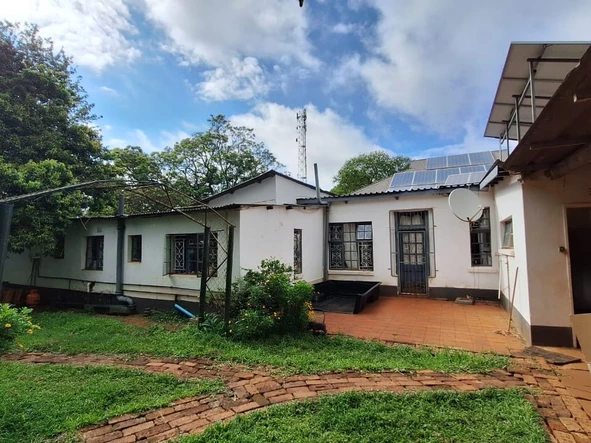
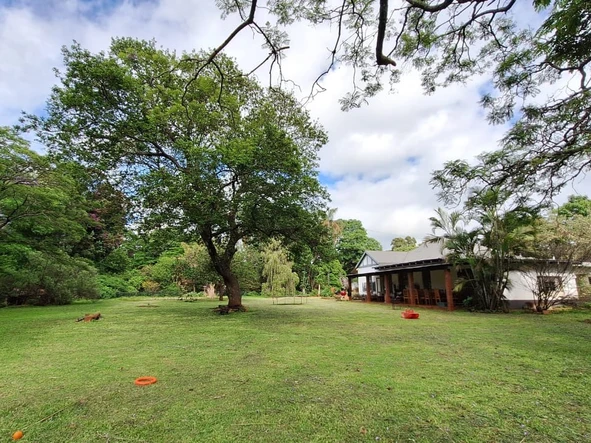
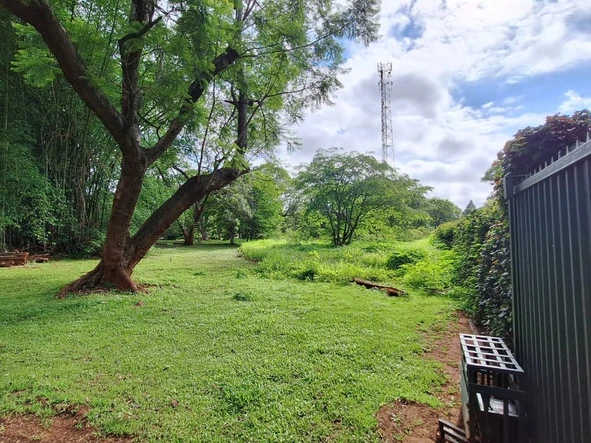
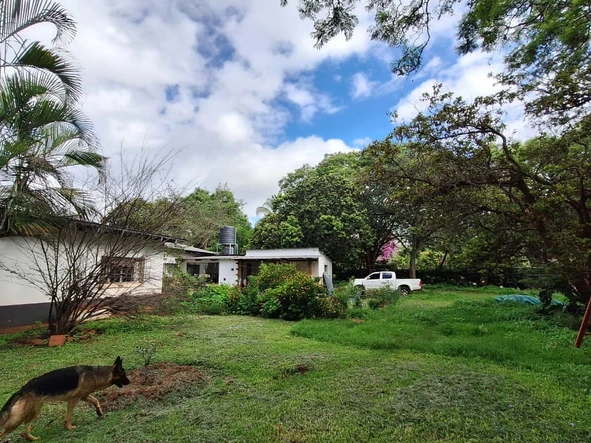
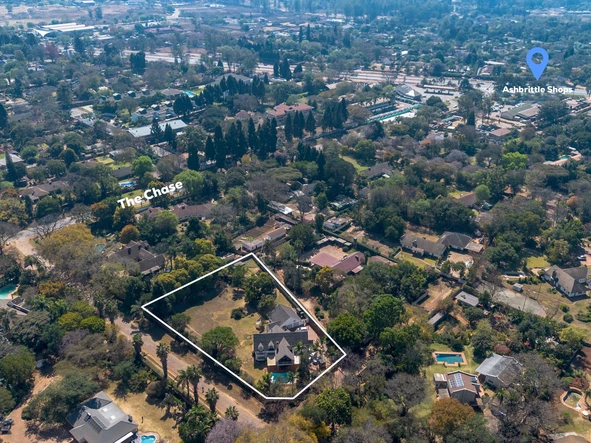
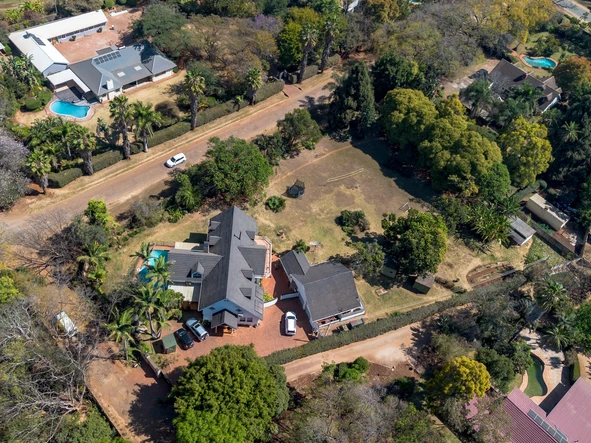
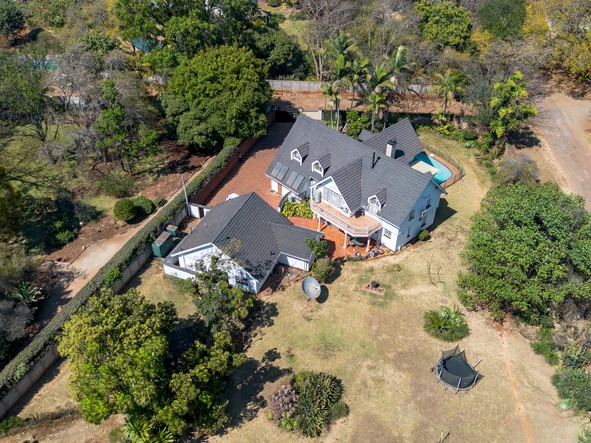
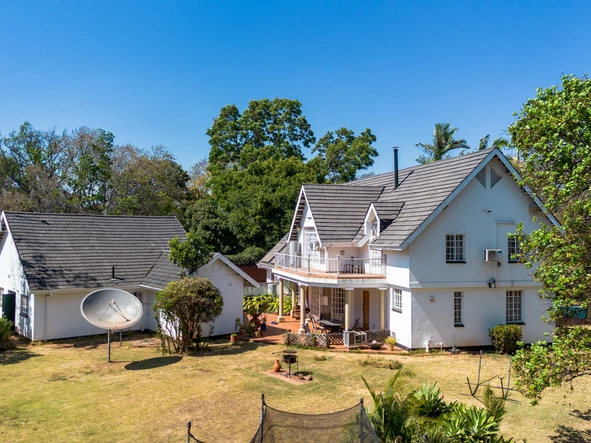
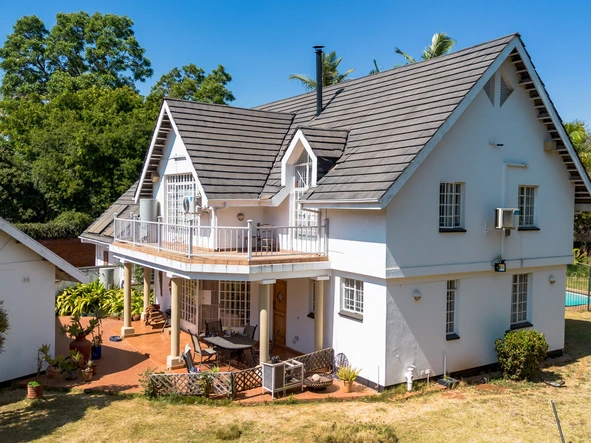
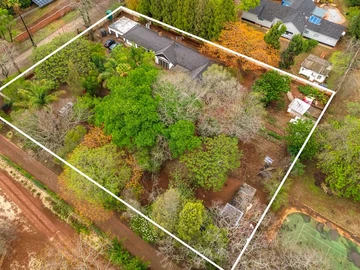
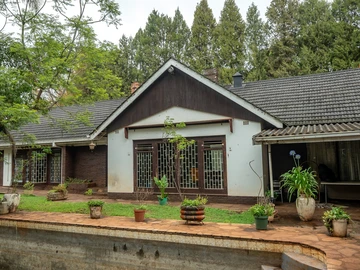
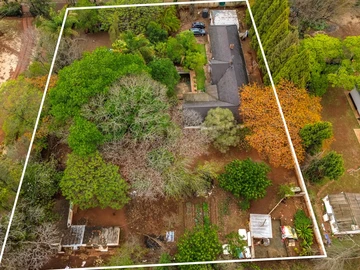
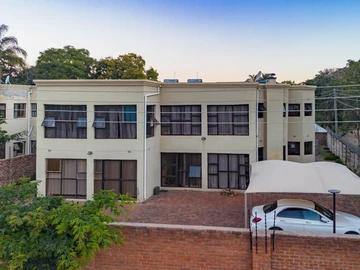
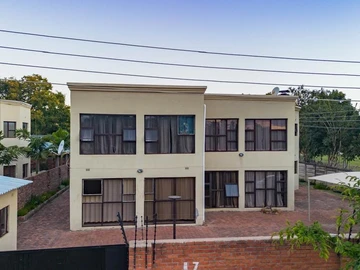
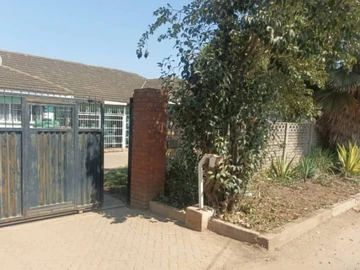
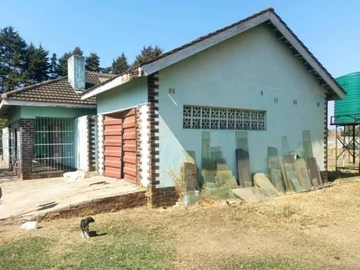
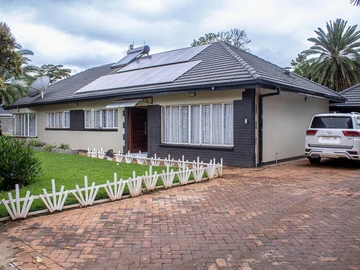
Houses for sale in Emerald Hill, Harare West, are positioned in a desirable suburban area with an average price of $190,000. These homes typically sit on land parcels around 2,000 ㎡, with property sizes averaging about 300 ㎡. The largest properties can reach up to 2,000 ㎡ in building size and 4,280 ㎡ in land area, while smaller plots start from about 420 ㎡.
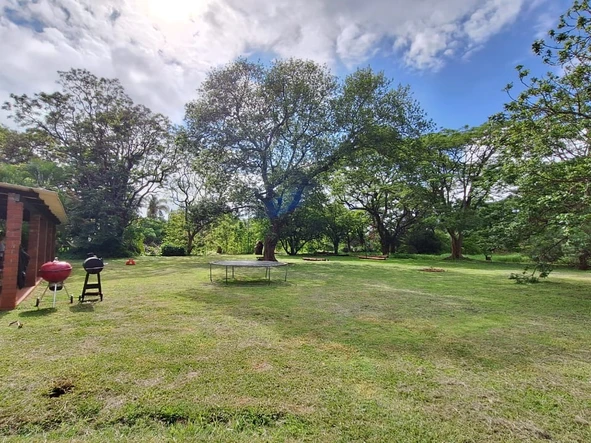
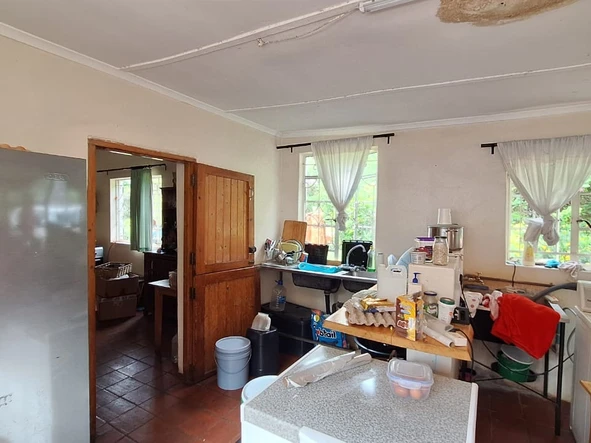
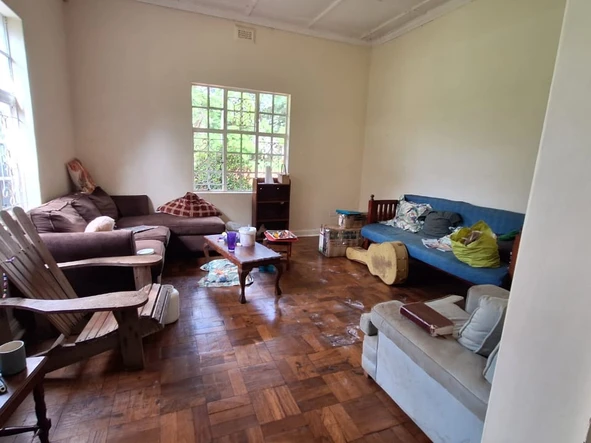
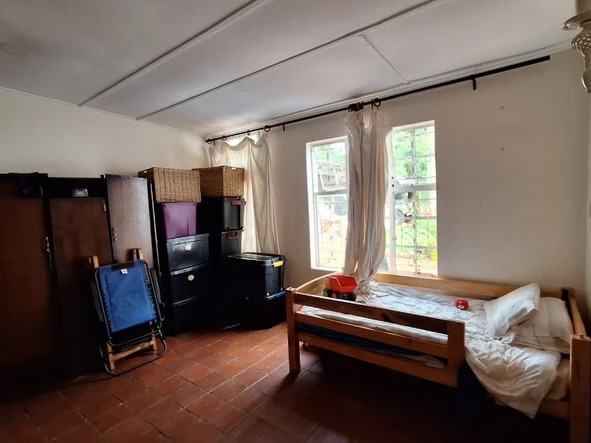
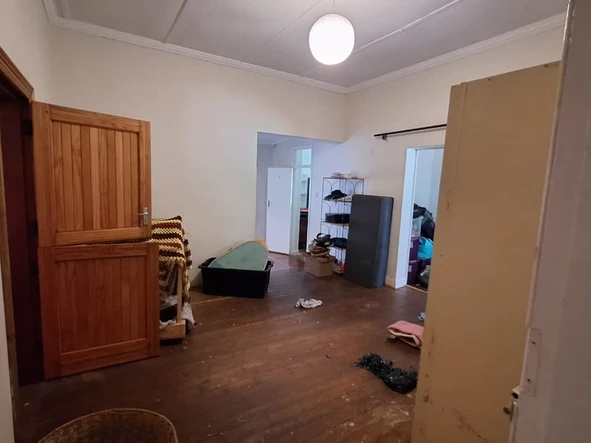
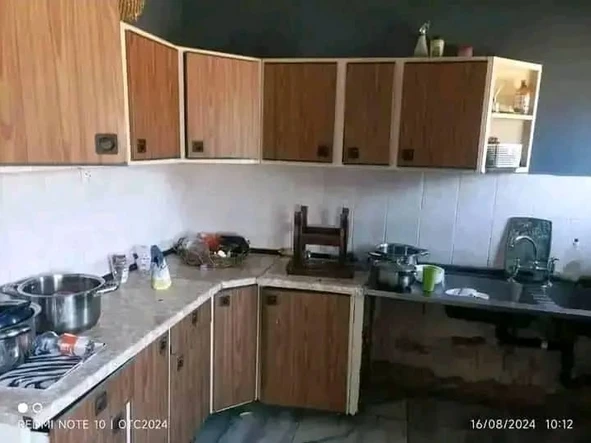
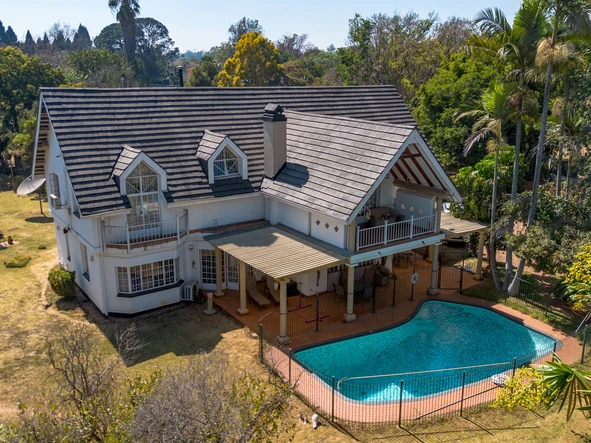
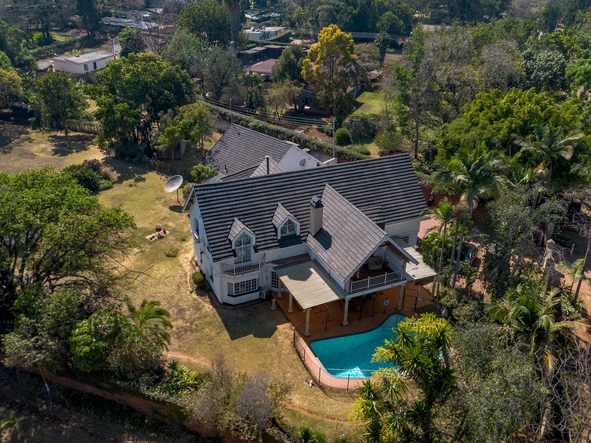
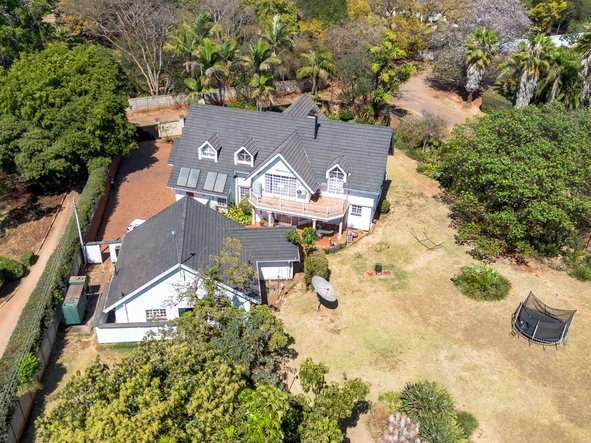
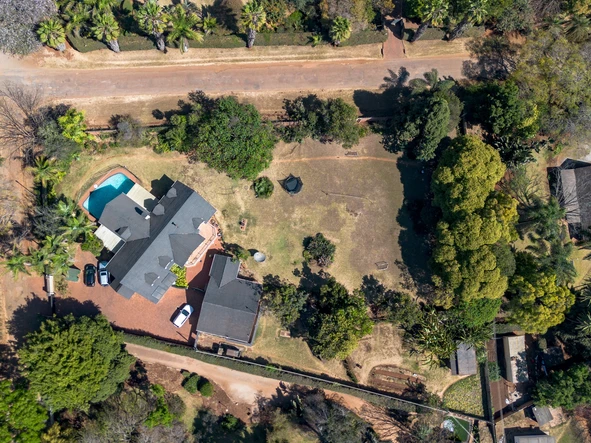
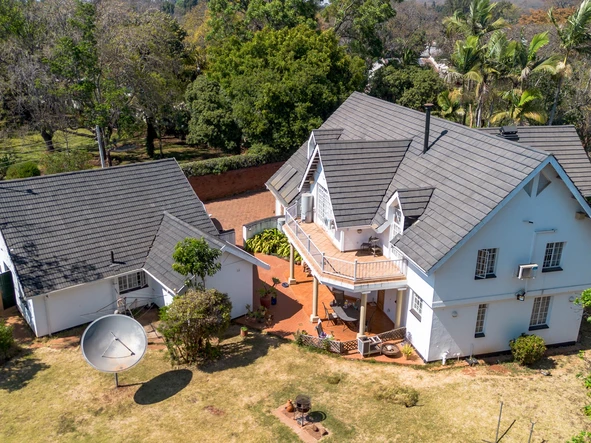
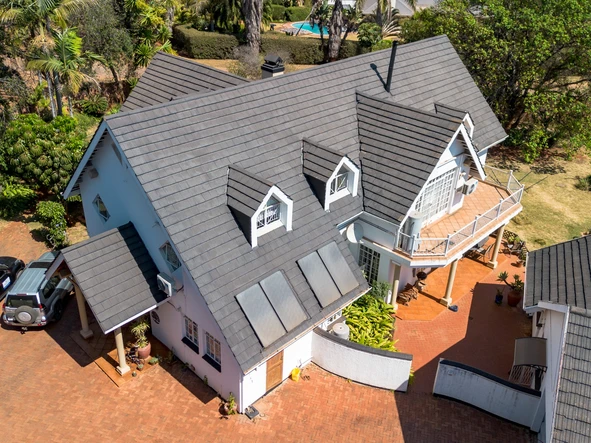
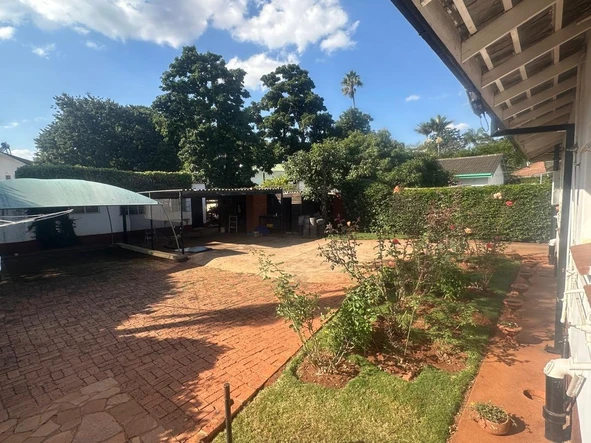
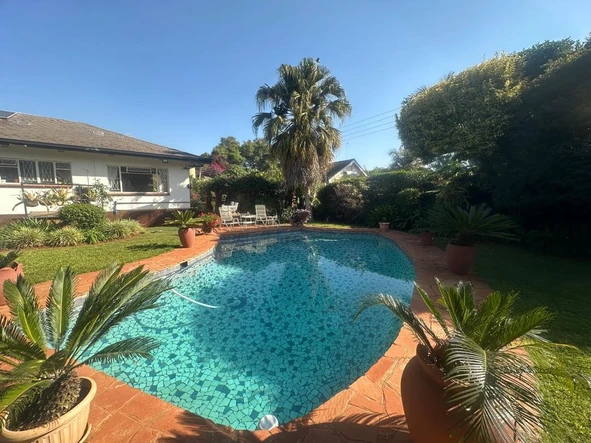
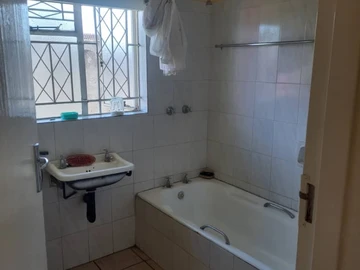
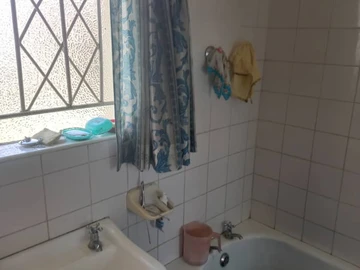
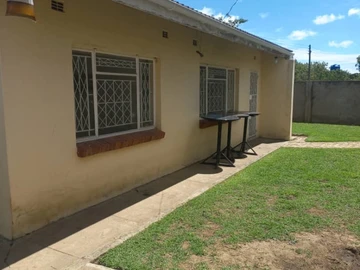
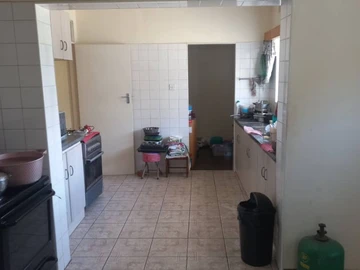
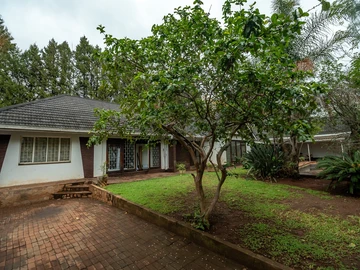
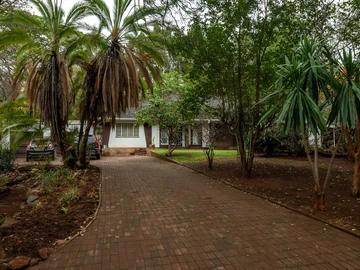
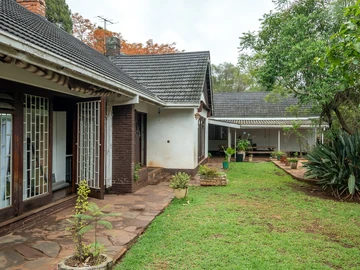
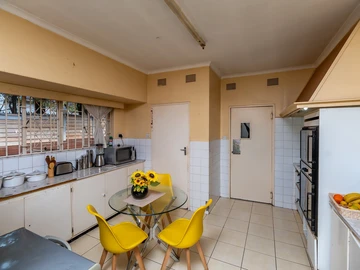
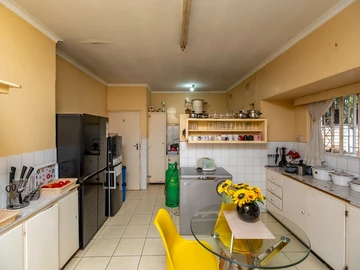
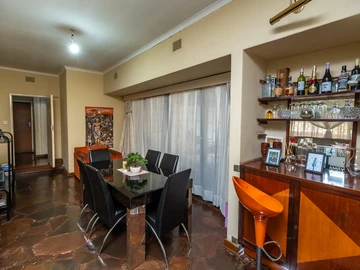
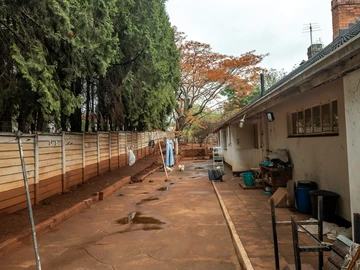
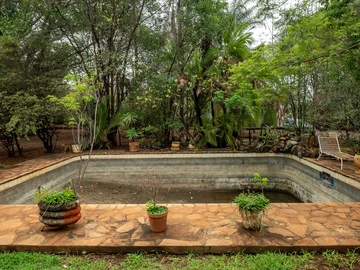
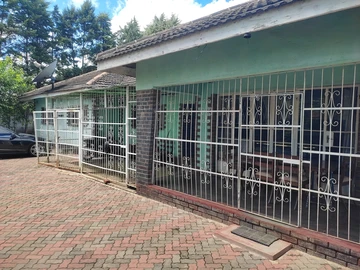
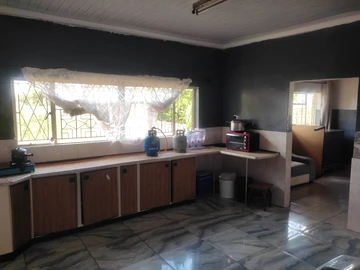
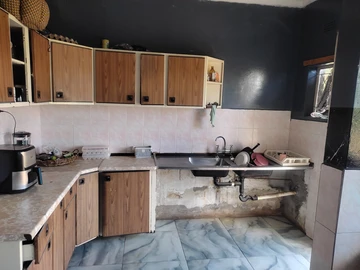
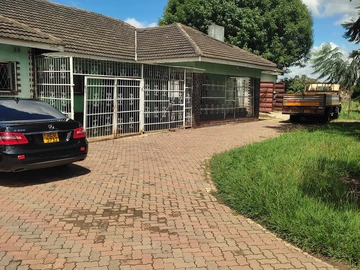
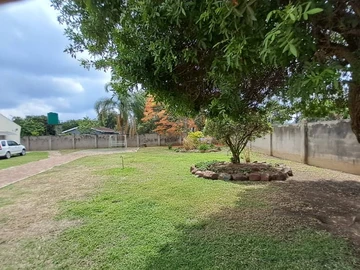
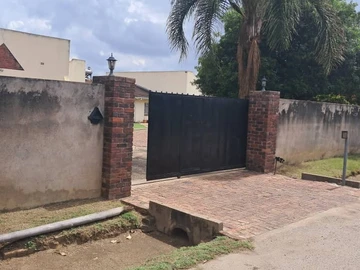
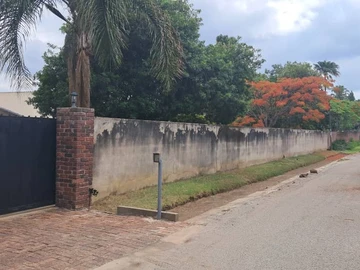
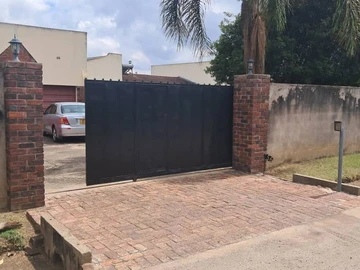
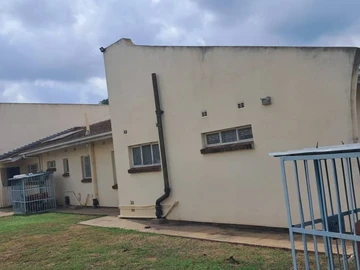
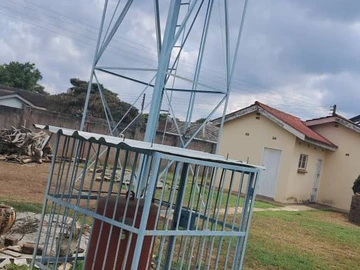
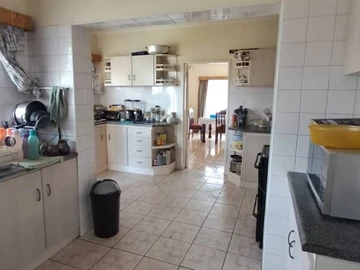
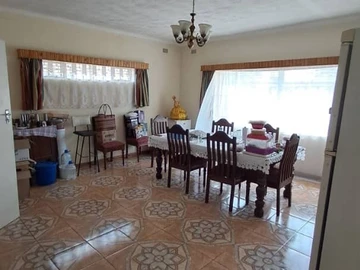
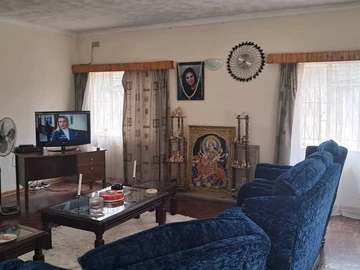
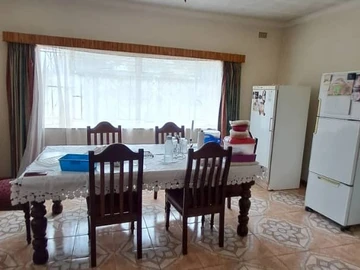
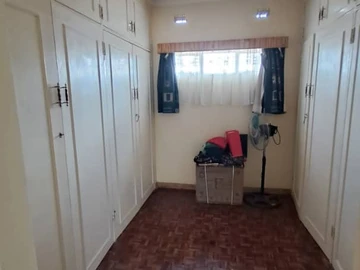
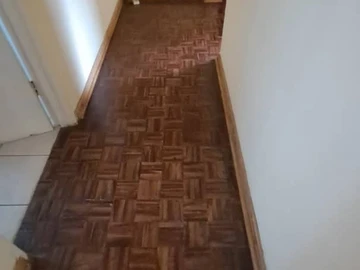
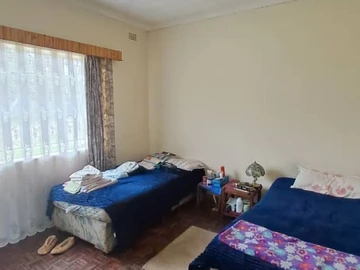
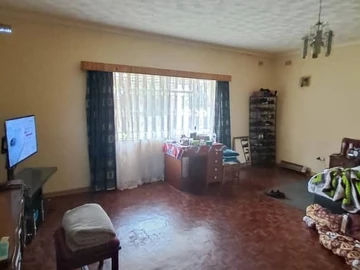
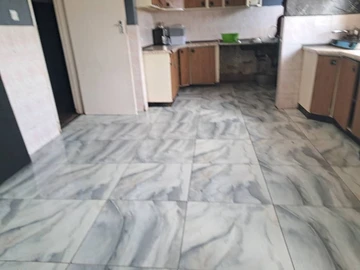
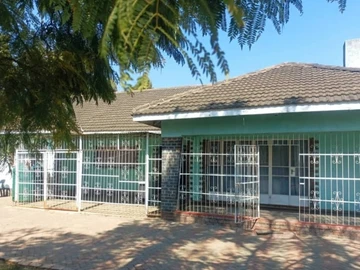
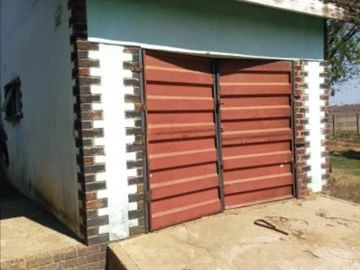
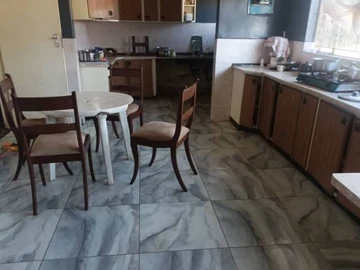
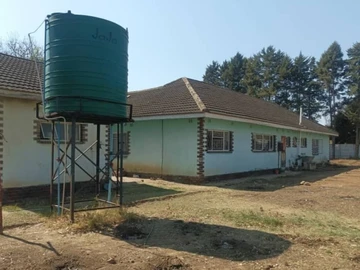
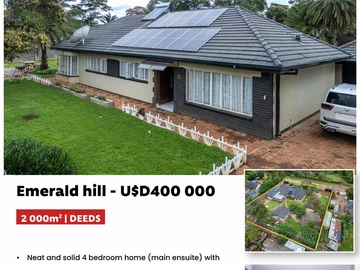
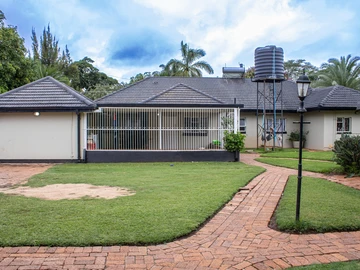
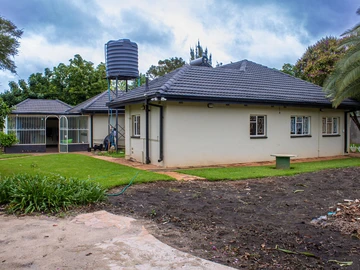
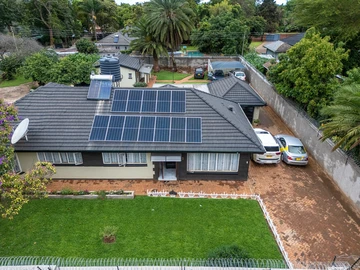
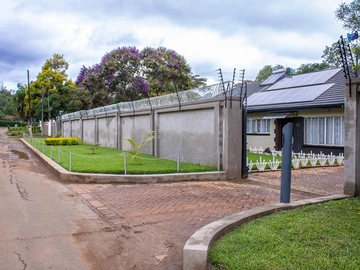
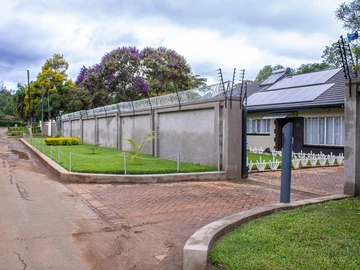
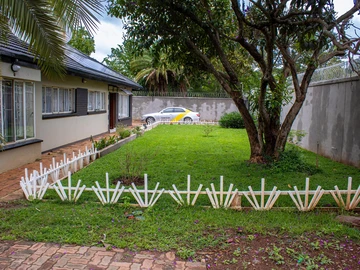
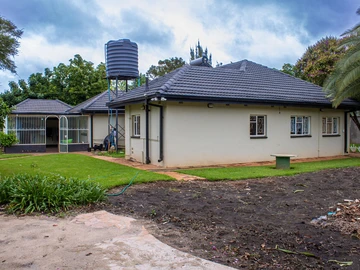
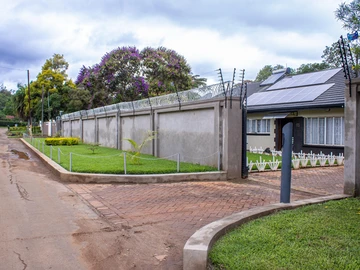
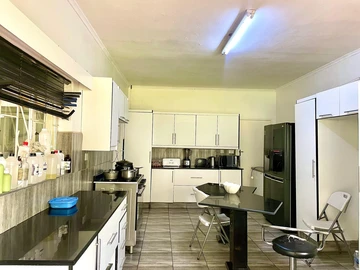
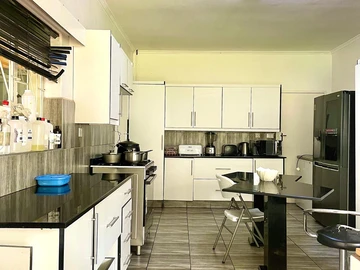
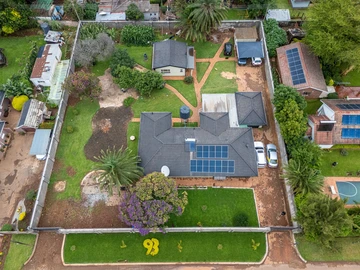
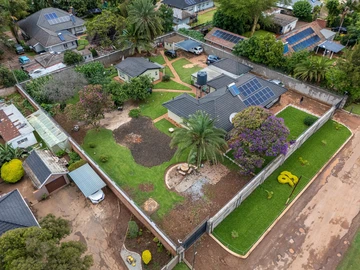
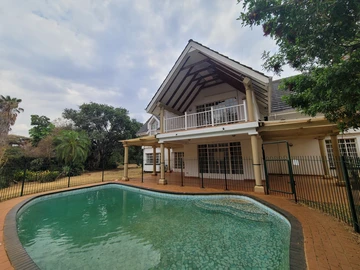
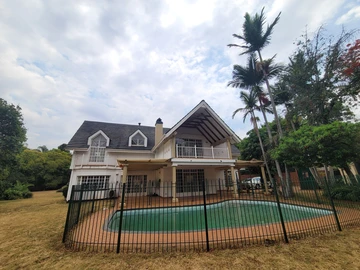
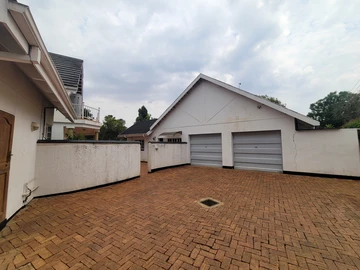
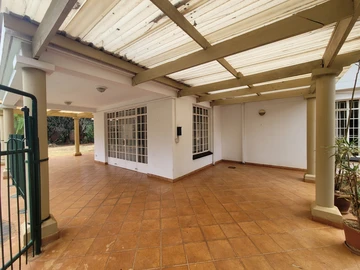
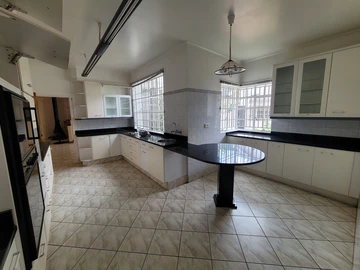
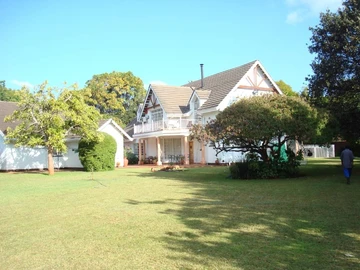
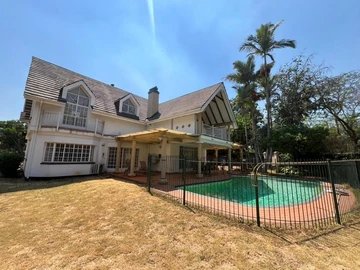
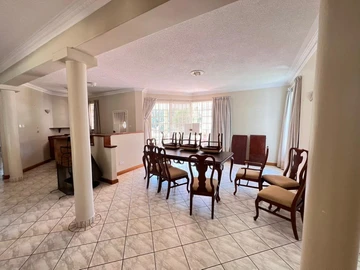
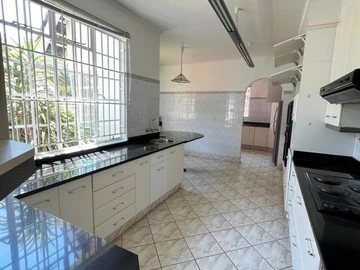
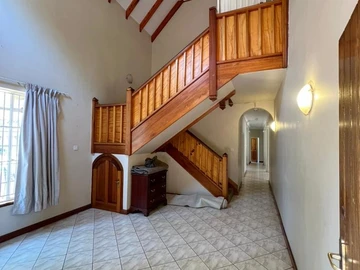
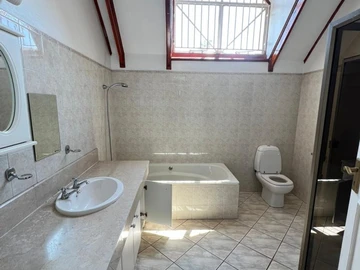
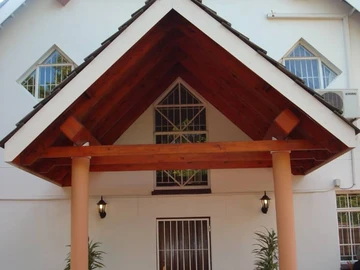
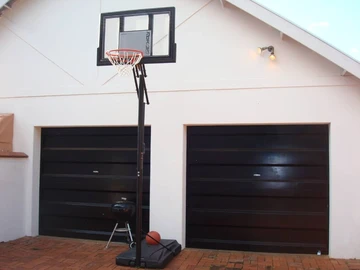
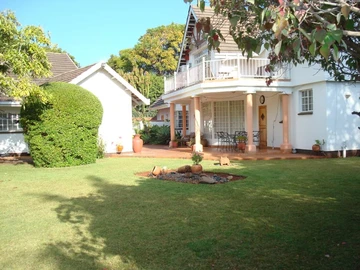
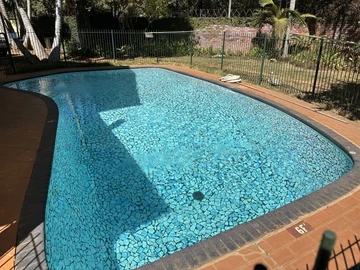
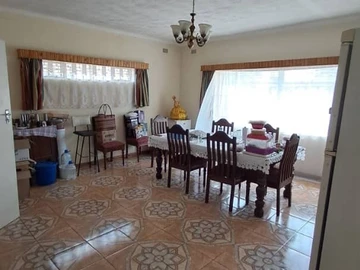
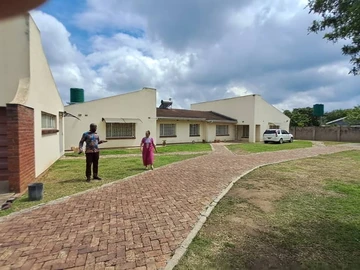
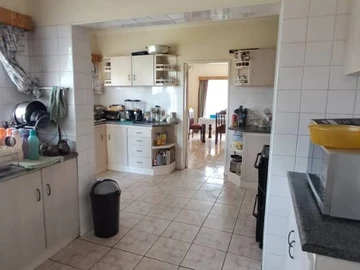
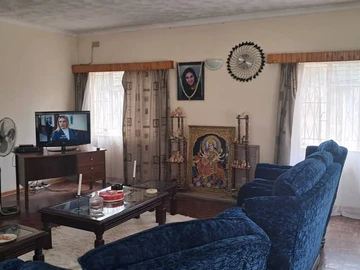
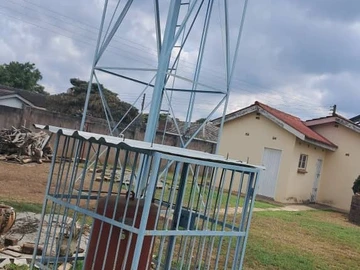
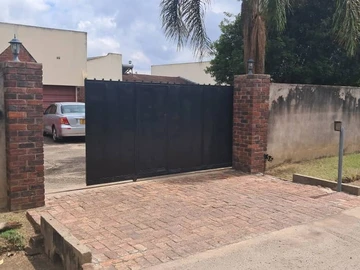
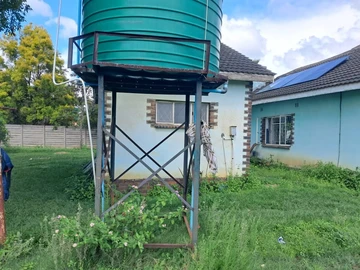
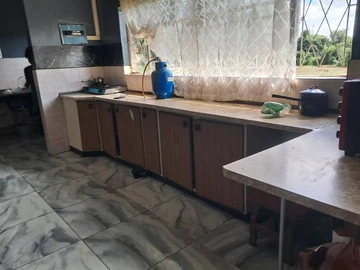
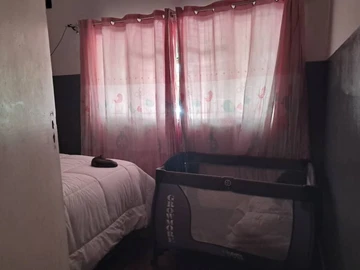
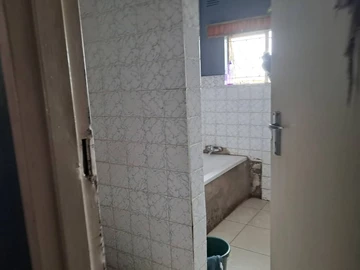
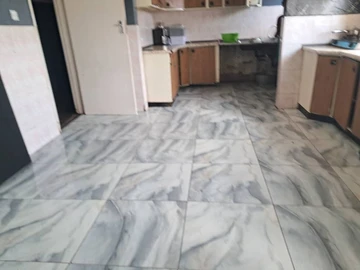
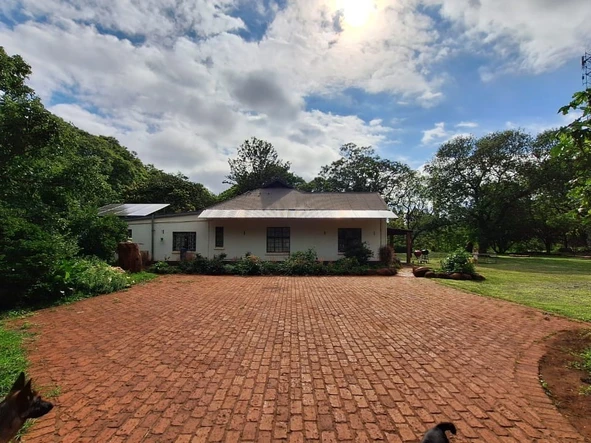
Many houses in Emerald Hill feature paved driveways, swimming pools, and verandahs, offering comfortable outdoor living spaces. Most properties include essential amenities such as water tanks, boreholes, main en suites, electric gates, and fitted kitchens. Security is a priority here, with many homes having electric fences, garages, tiled floors, and walled perimeters, providing a safe and private environment for residents.
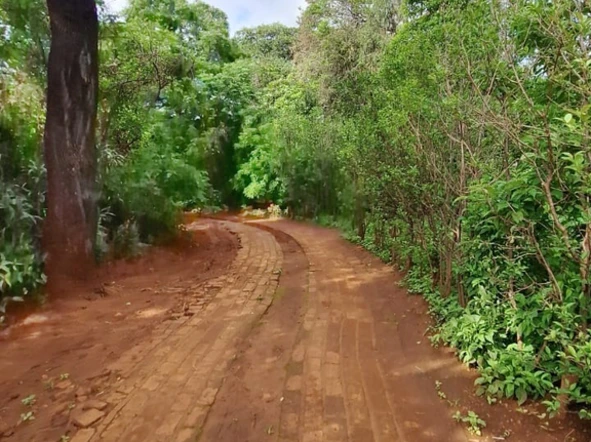
Emerald Hill is a well-established, leafy suburb popular with professionals, families, and expatriates seeking a quiet yet convenient location. The area benefits from proximity to Emerald Hill Primary School and the Emerald Hill Children’s Home, as well as easy access to green spaces like the National Botanic Gardens and Harare Gardens. Shopping needs are met by nearby centers such as Avondale Shopping Centre and Mbare Musika Market, while a variety of cafes and restaurants serve the local community. Good transport links make commuting to Harare’s city center and other suburbs straightforward, enhancing the appeal of this tranquil residential neighborhood.
4
2
900 m²
5
4
250 m²
4
2
800 m²
4
2
700 m²
4
3
1,000 m²
4
2
 4,075 m²
3
2
185 m²
4
2
250 m²
4,075 m²
3
2
185 m²
4
2
250 m²

Be the first to see new properties for sale in Emerald Hill, Harare West










| Property Size | Avg. price |
|---|---|
| 2 bedroom (View 17 properties) | $90,000 |
| 3 bedroom (View 181 properties) | $165,000 |
| 4 bedroom (View 224 properties) | $175,000 |
| 5+ bedroom (View 138 properties) | $260,000 |
Capitalize on Zimbabwe’s 2026 education premium, where properties within 1 km of top-tier schools like St. John’s or Arundel command 15–20% higher valuations.
Secure your financial future in 2026 by navigating Zimbabwe’s property market with a research-first mindset. In a year where prime suburbs are seeing steady
Unlock the full potential of your agricultural investment in 2026 by navigating the shift toward bankable tenure and high-value export crops.
In 2026, investing in Zimbabwean land requires navigating a digitized title system and stricter environmental mandates. Protect your capital by verifying
In Zimbabwe’s 2026 property market, overpricing is the quickest way to turn a valuable asset into a stale listing that buyers instinctively avoid.