Log in to contact the seller
 Continue with Facebook
 Continue with Email
Continue with Facebook
Continue with Email
Sign up with Facebook
Continue with Email
Continue with Facebook
Continue with Email
Sign up with Facebook
 Change filters
 Requests


 3
750 m²
3
750 m²


 3
3
 2
1 m²
2
1 m²
 6
6
1,025 m²
3
1
1,300 m²
3
2
300 m²
6
6
1,025 m²
3
1
1,300 m²
3
2
300 m²
 4
2
800 m²
4
4
2
800 m²
4
 1,792 m²
4
4
400 m²
4
5
500 m²
1,792 m²
4
4
400 m²
4
5
500 m²
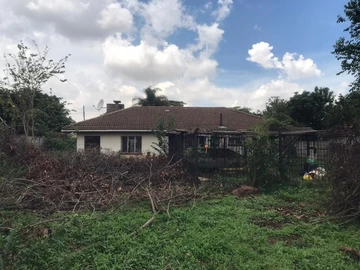
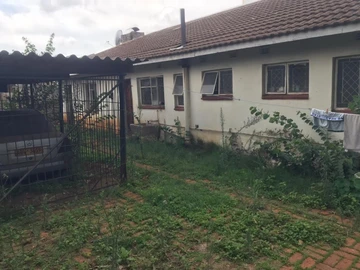
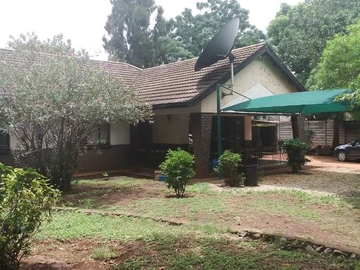
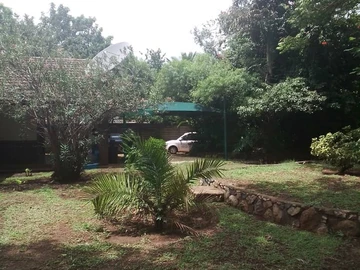
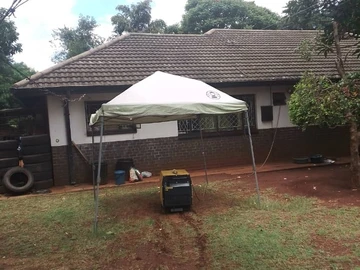
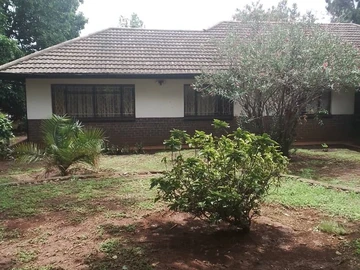
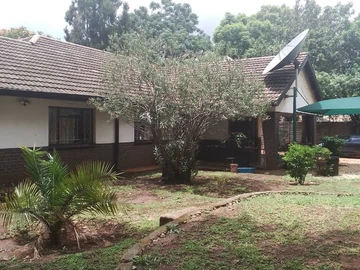
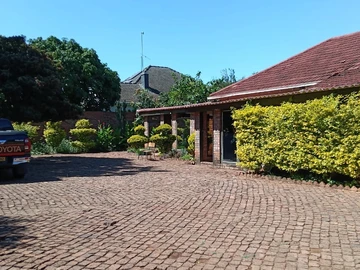
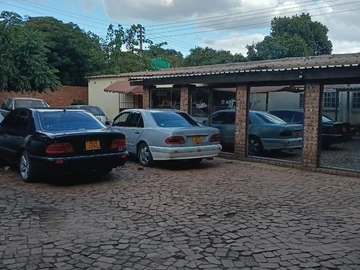
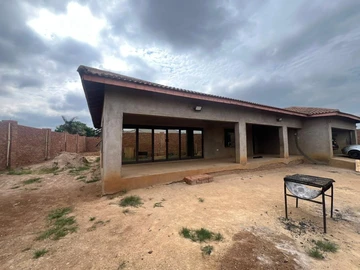
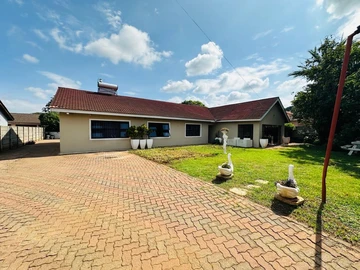
Houses for sale in Belvedere, Harare West, are positioned in a well-established residential area with an average price of $158,000. These properties typically sit on land parcels around 1,375 ㎡, with house sizes averaging about 600 ㎡. The largest homes can reach up to 1,649 ㎡ on land as large as 3,500 ㎡, while smaller plots start from 800 ㎡.
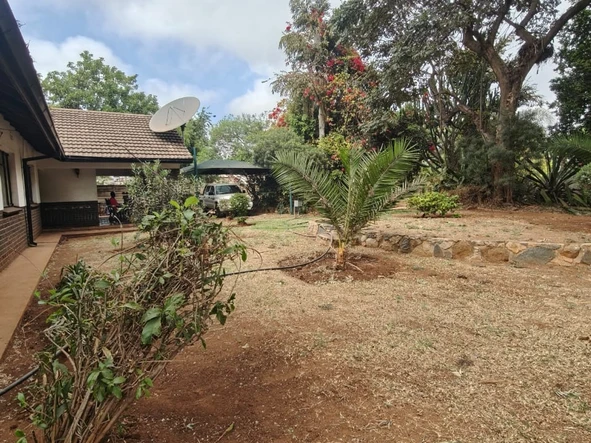
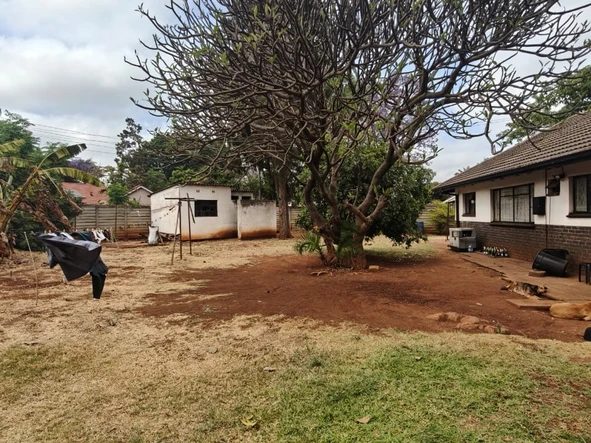
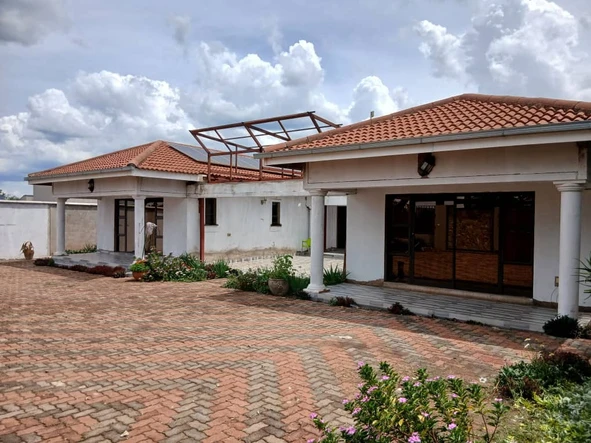
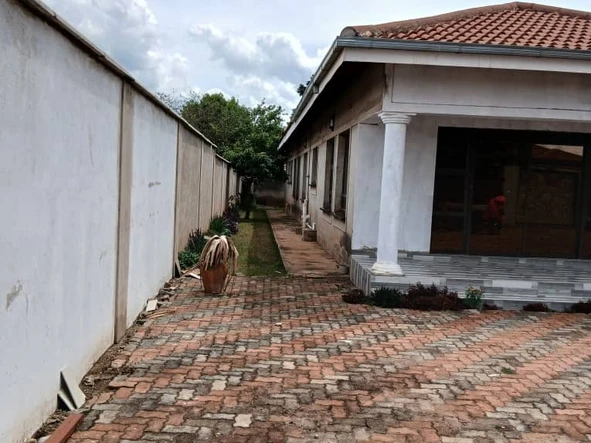
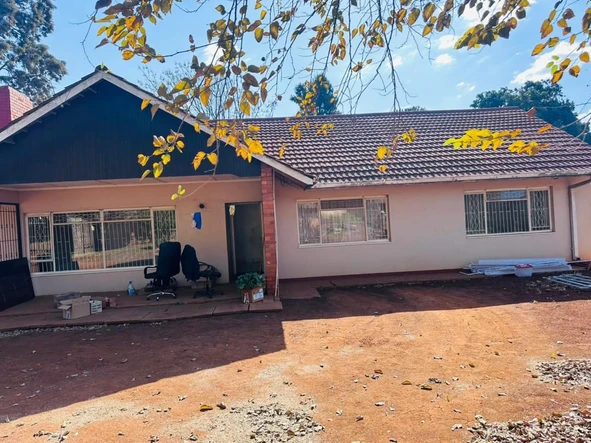
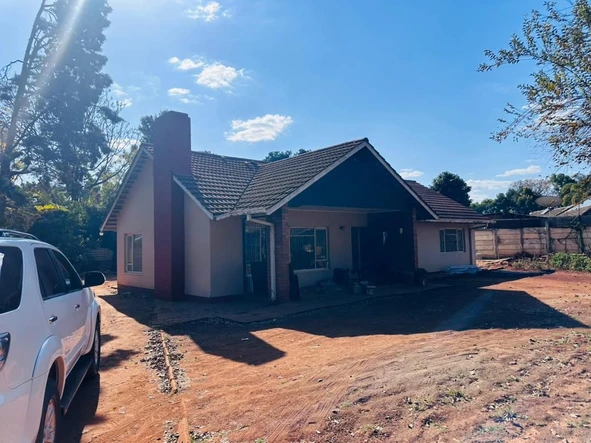
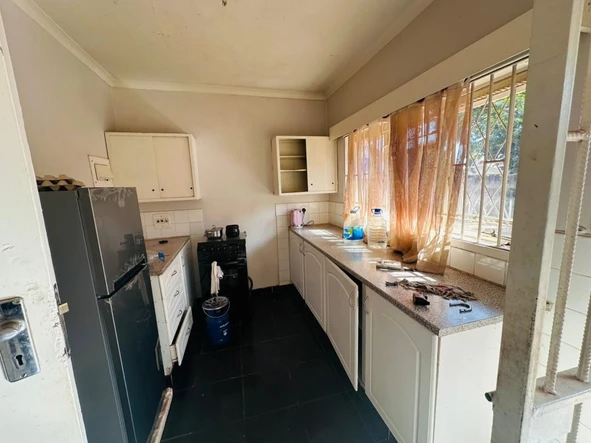
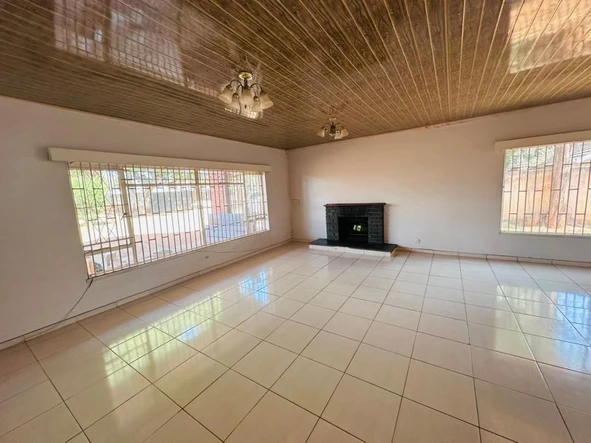
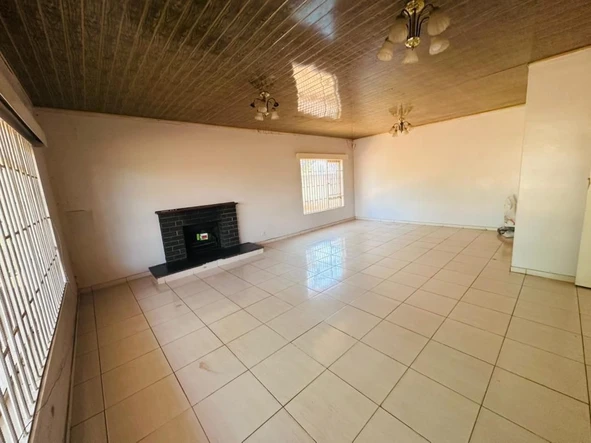
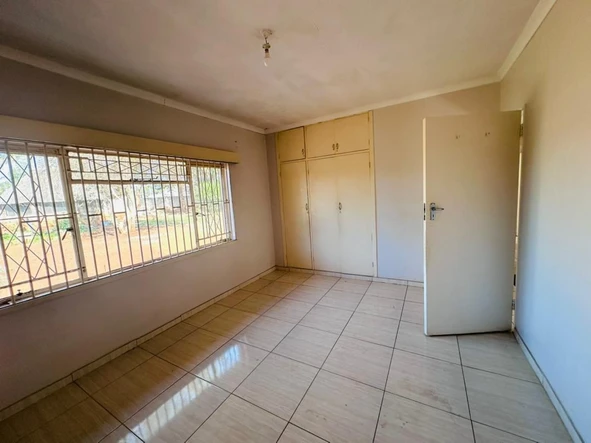
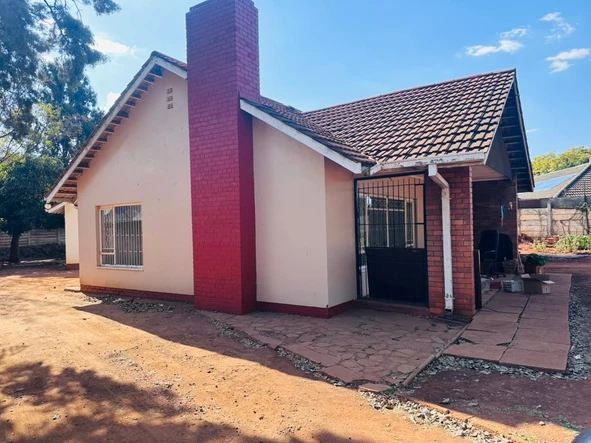
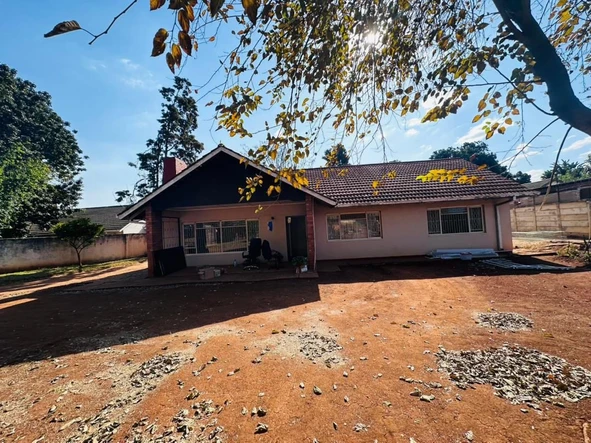
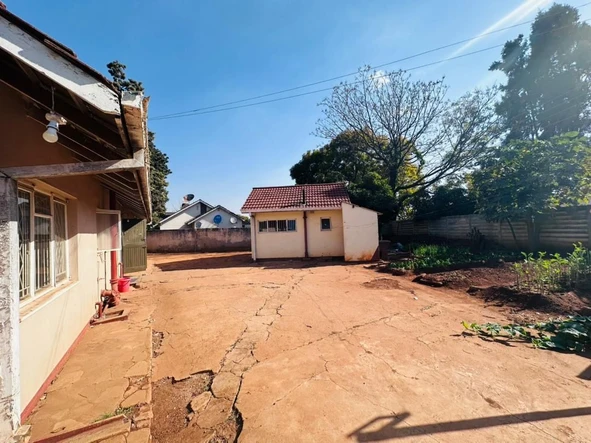
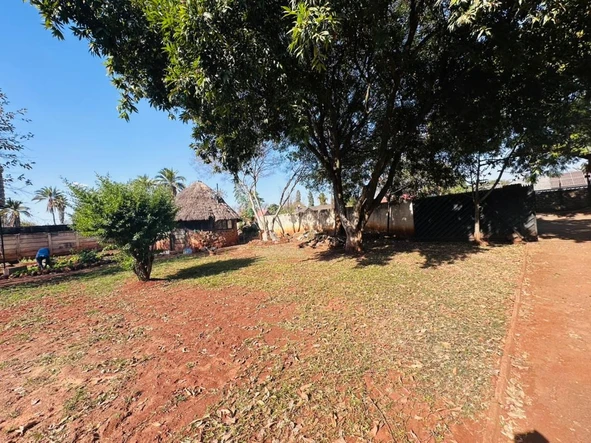
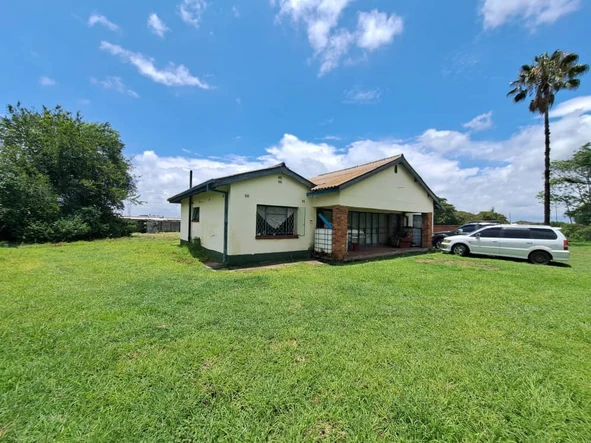
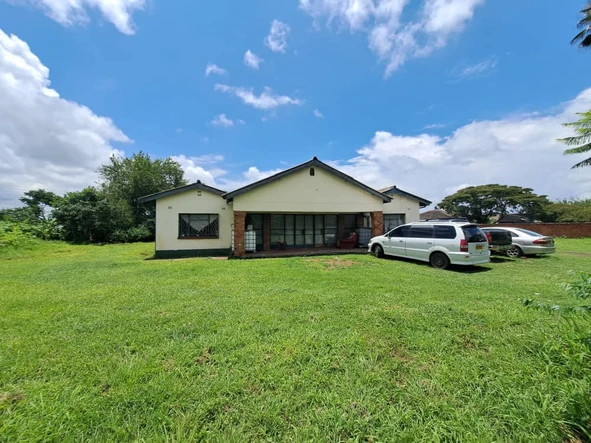
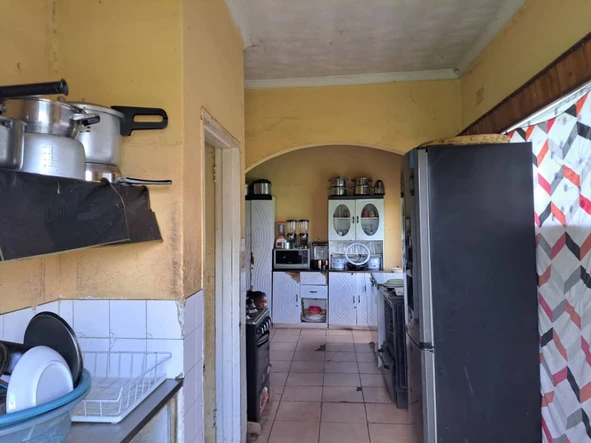
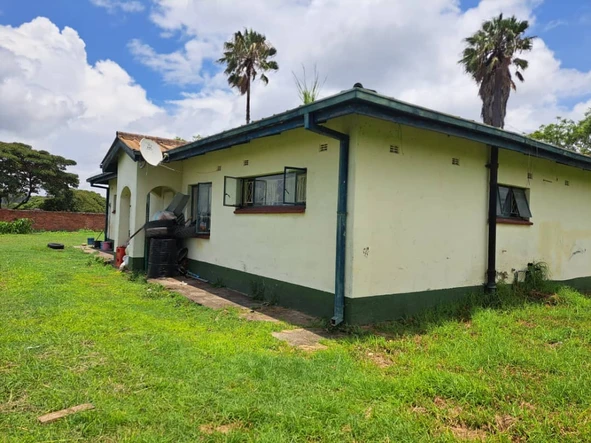
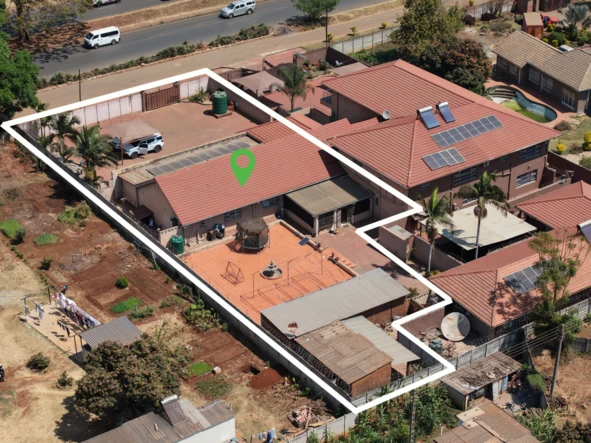
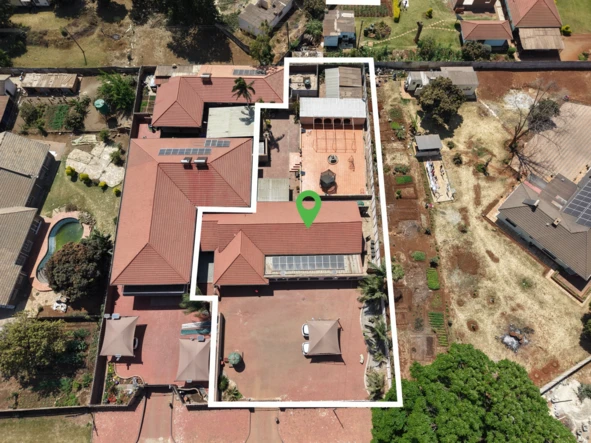
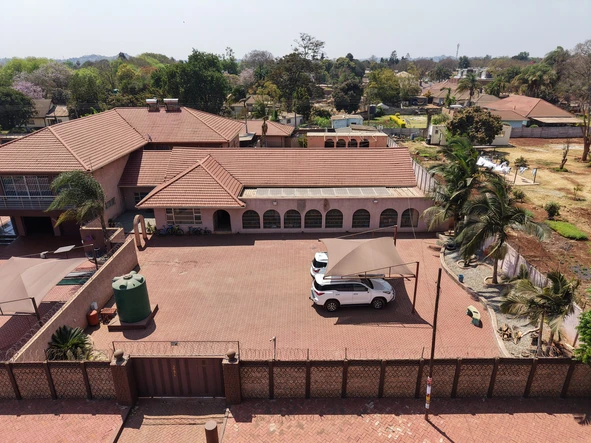
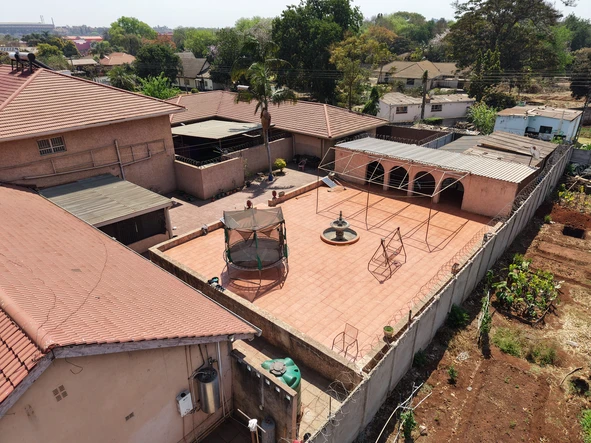
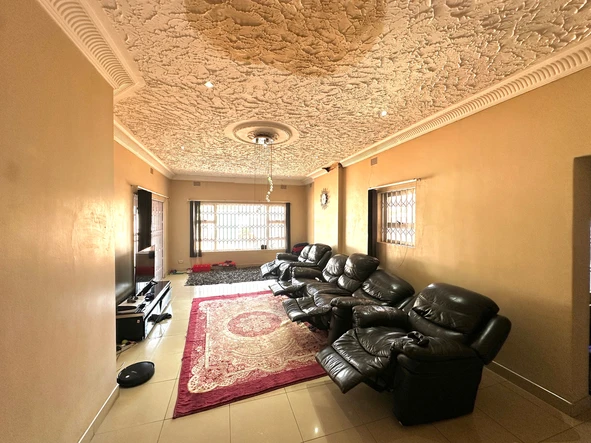
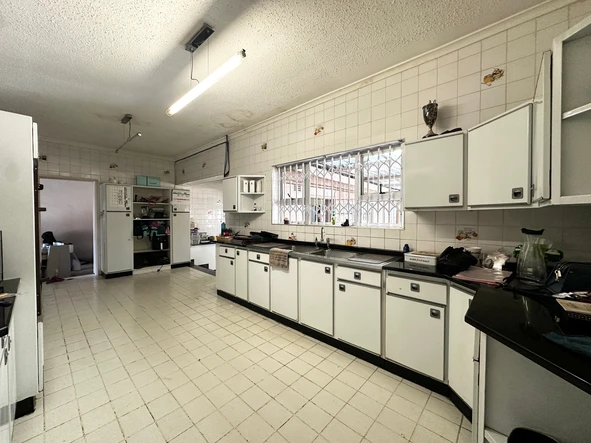
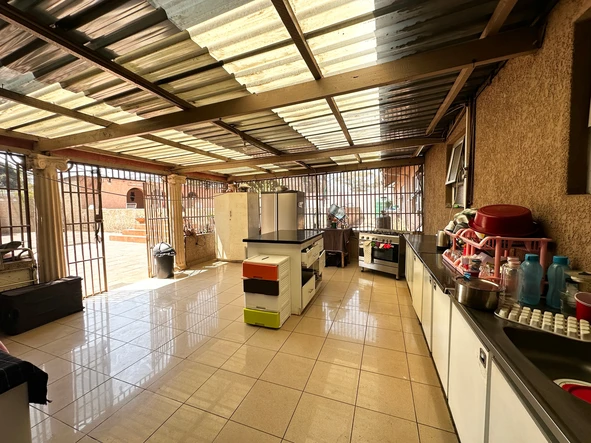
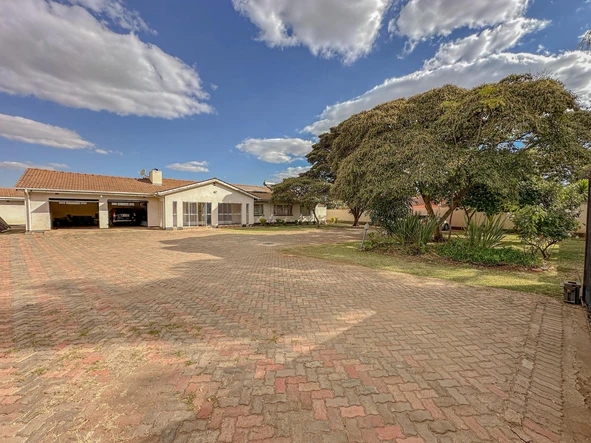
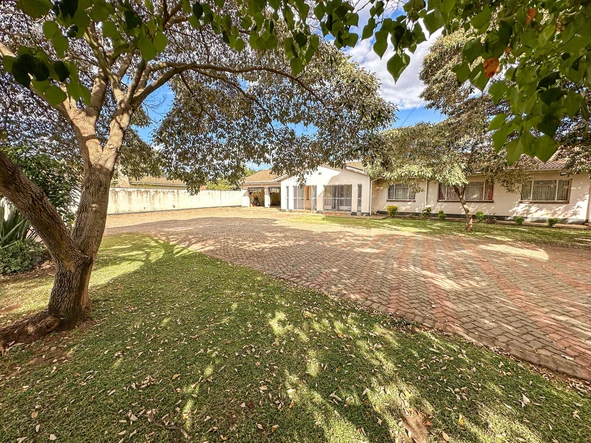
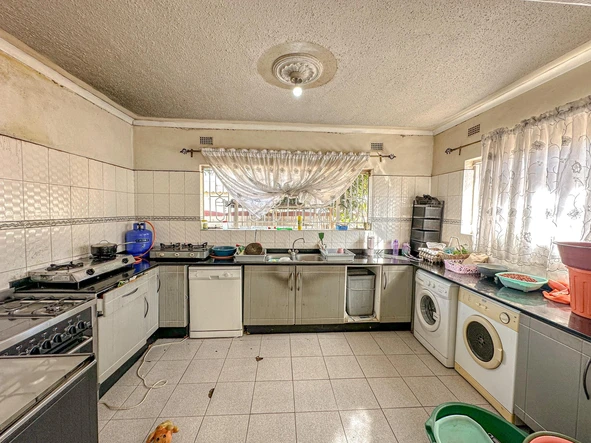
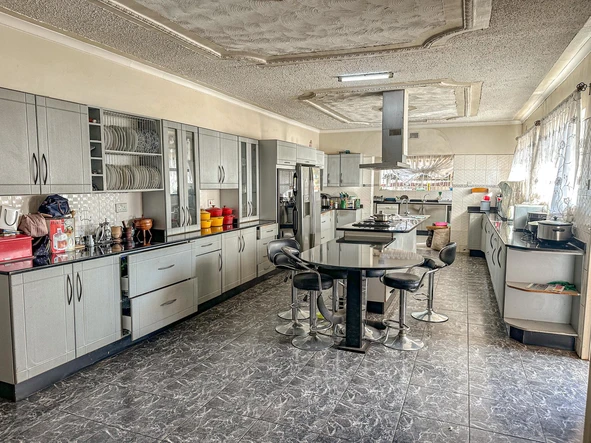
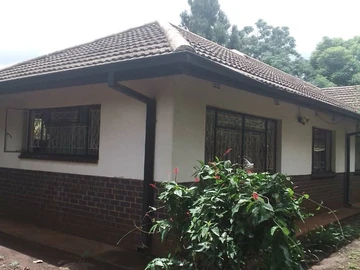
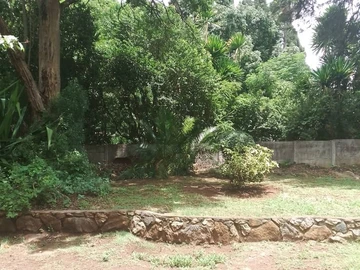
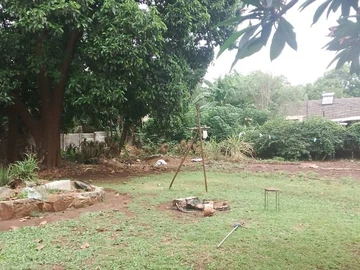
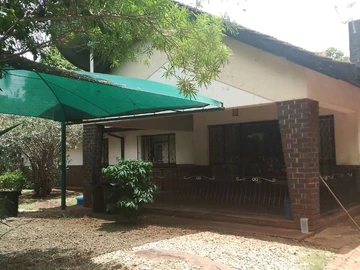
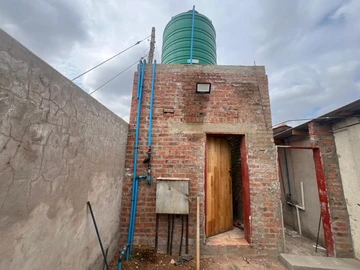
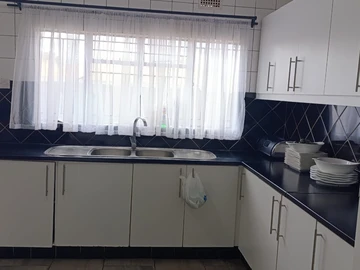
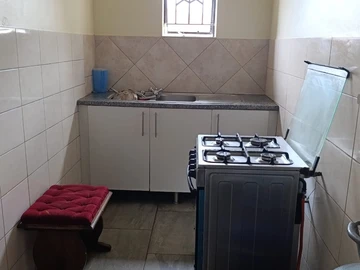
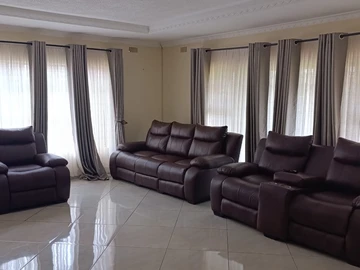
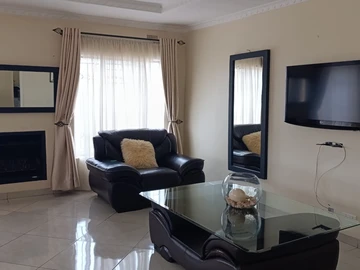
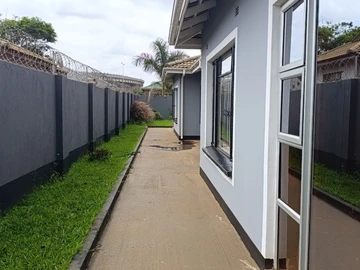
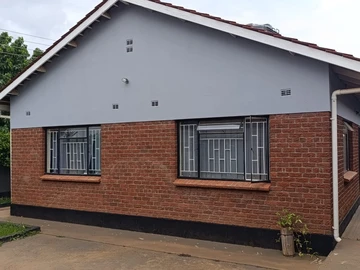
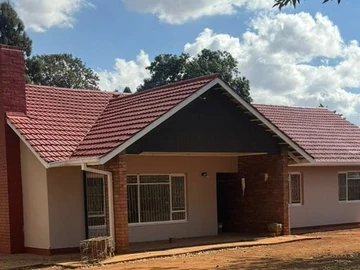
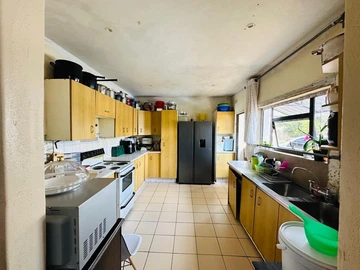
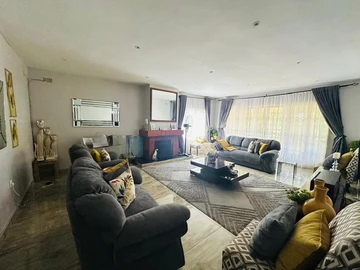
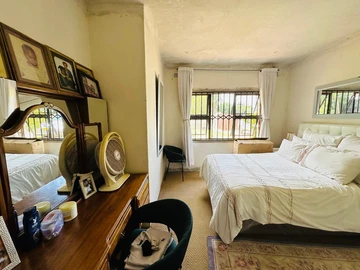
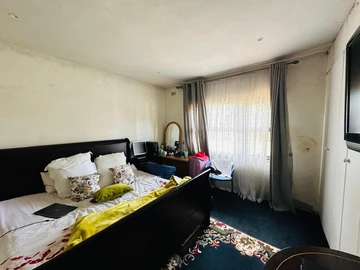
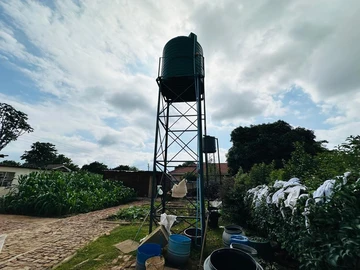
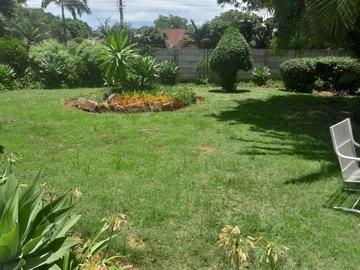
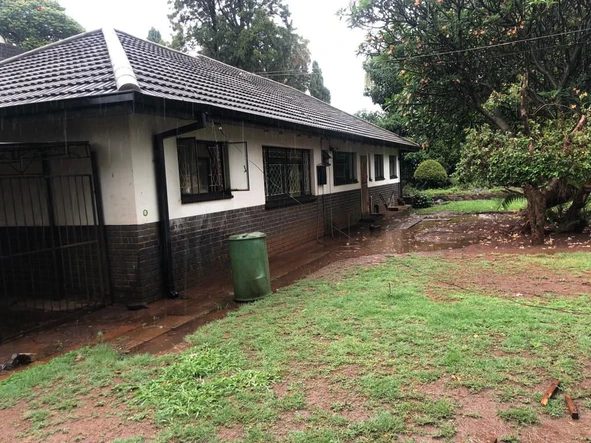
Most houses feature main en suite bedrooms and fitted kitchens, with many also including paved and tiled floors, gardens, verandahs, and water tanks. Boreholes and walled perimeters are common, providing added security and convenience. These homes generally offer a high-end living experience with spacious layouts and practical outdoor spaces.
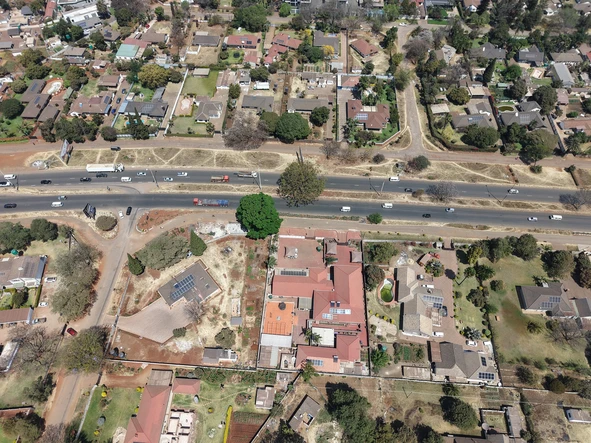
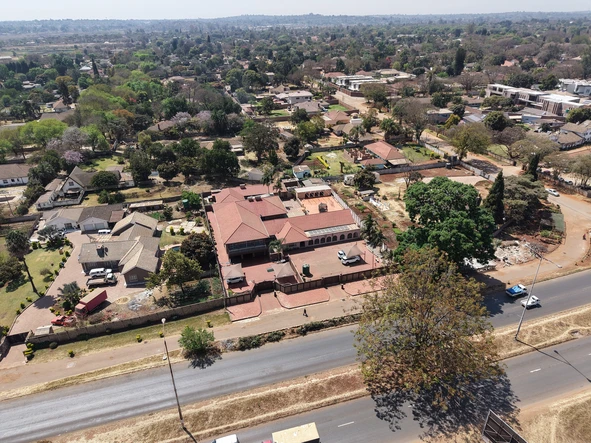
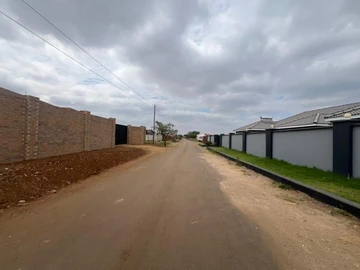
Belvedere is a mixed middle-income suburb known for its affordability and community feel. Residents enjoy access to amenities like Belvedere Sports Club and the nearby National Sports Stadium for recreation. The area has schools including Belvedere Teachers’ College, local clinics, and convenient shopping at Belvedere Shopping Centre. Good public transport links and main roads connect the suburb to central Harare and the airport, making it a practical choice for families and professionals alike.
4
5
500 m²
3
2
1,083 m²
4
3
100 m²
3
2
300 m²

Be the first to see new properties for sale in Belvedere, Harare West








| Property Size | Avg. price |
|---|---|
| 2 bedroom (View 15 properties) | $85,000 |
| 3 bedroom (View 197 properties) | $150,000 |
| 4 bedroom (View 242 properties) | $155,000 |
| 5+ bedroom (View 113 properties) | $265,000 |
Deciding to build or buy in Zimbabwe hinges on your timeline and need for customization, with construction costs averaging $450–$900 per m² in 2026.
Access to malls and schools increases property value by up to 15% in Zimbabwe. Explore how convenience drives higher rental yields and faster sales in 2026.
Compare gated subdivisions vs. detached homes for security, amenities, and resale value in Zimbabwe. Discover why Harare North subdivisions command 10–15%
Price property in Zimbabwe using local comps and data. Adjust for features like solar to sell faster and match buyer expectations in today’s evolving market.
To win bidding wars in Zimbabwe, ensure proof of USD funds, minimize contingencies, and act fast in hot markets like Harare North and premium cluster estates.