Log in to contact the seller
 Continue with Facebook
 Continue with Email
Continue with Facebook
Continue with Email
Sign up with Facebook
Continue with Email
Continue with Facebook
Continue with Email
Sign up with Facebook
 Change filters
 Requests



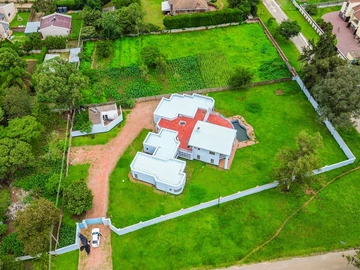
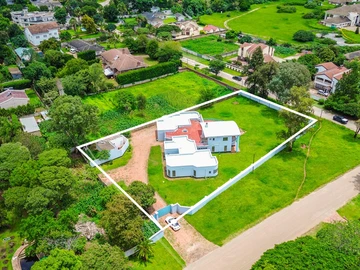
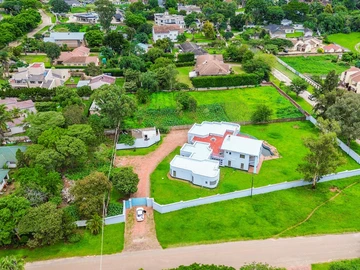
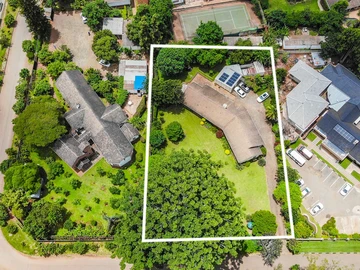
Houses for sale in Gunhill, Harare North, are positioned in a quiet, leafy suburb popular with families and professionals. The average price of the properties currently listed is $475,000, with prices starting from USD 450,000. These homes typically sit on land areas around 2,501 ㎡, with property sizes averaging 575 ㎡, and some larger homes reaching up to 2,501 ㎡.
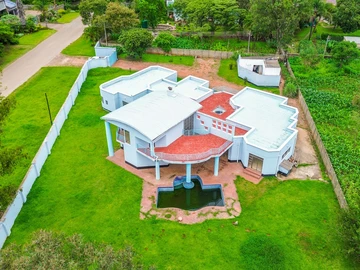
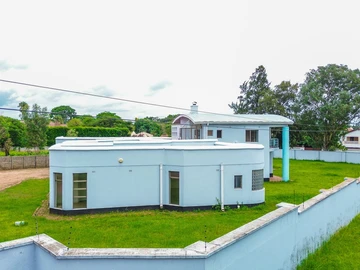
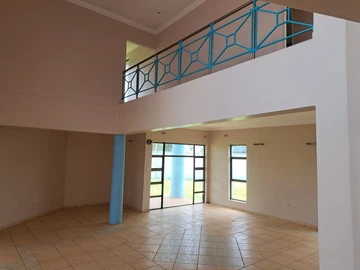
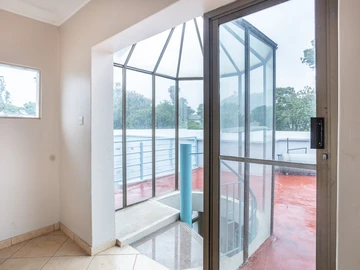
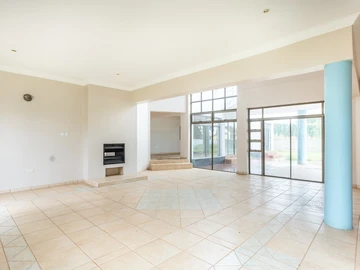
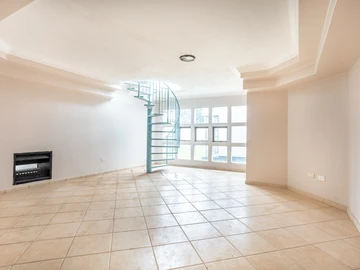
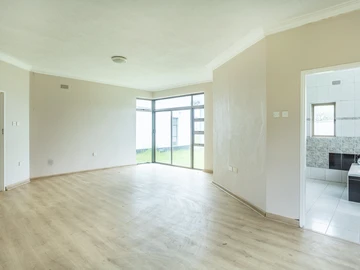
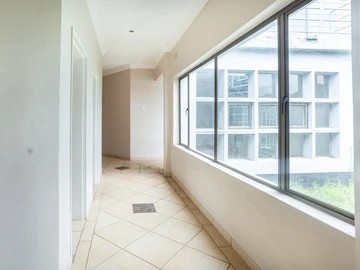
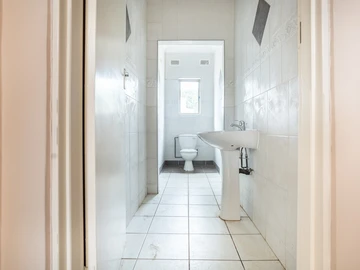
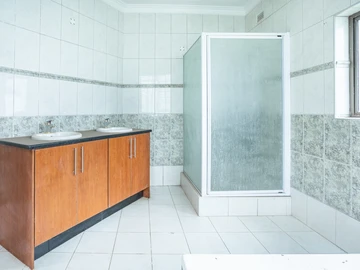
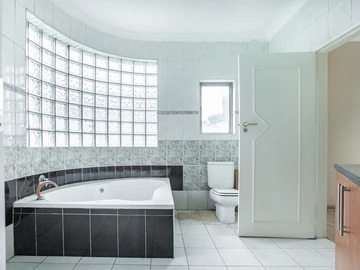
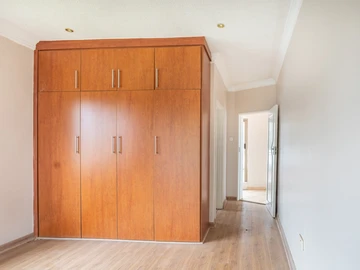
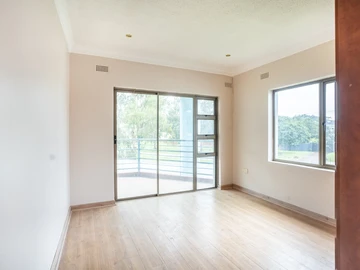
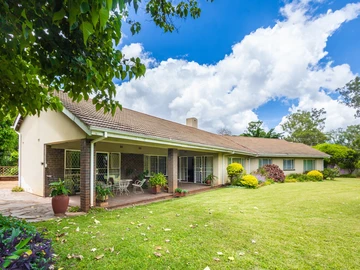
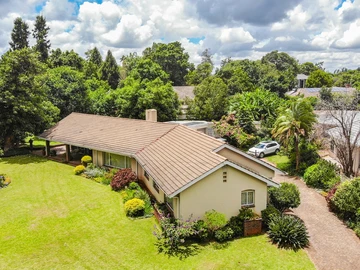
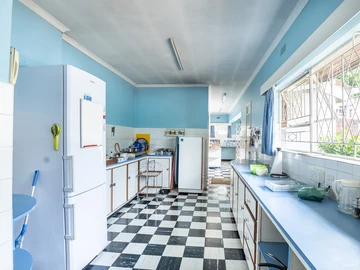
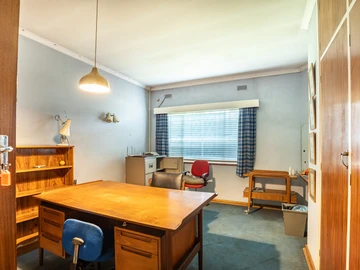
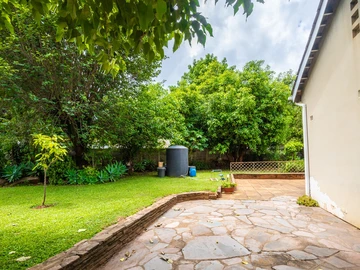
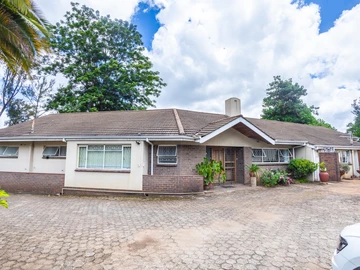
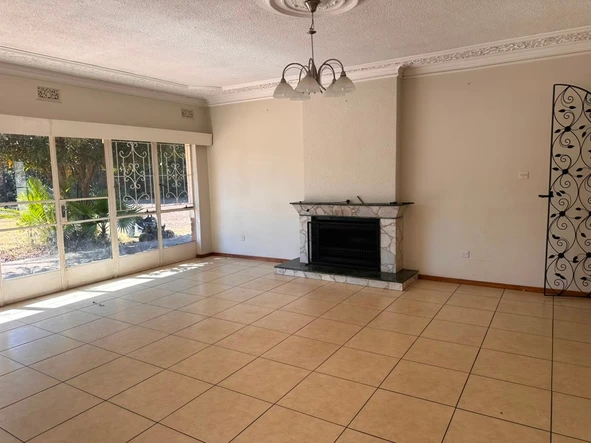
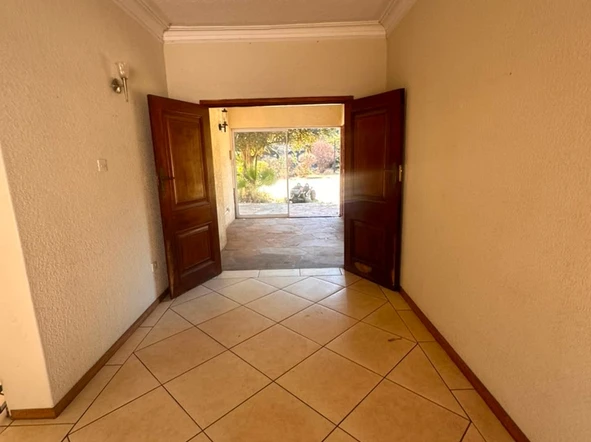
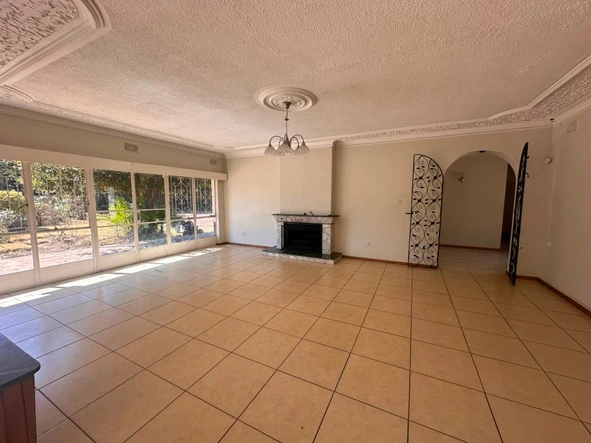
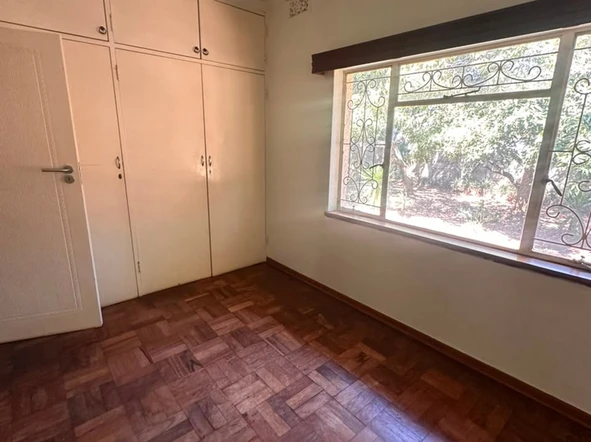
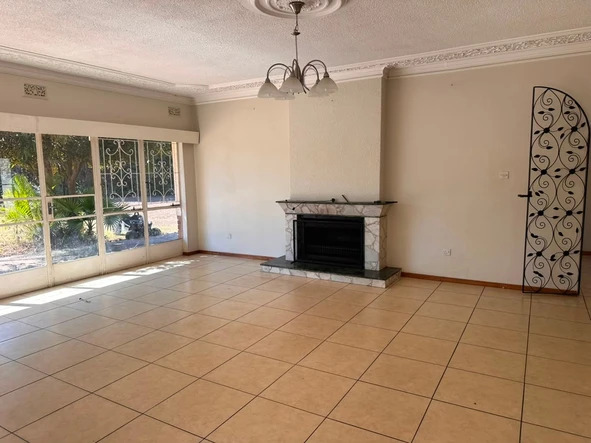
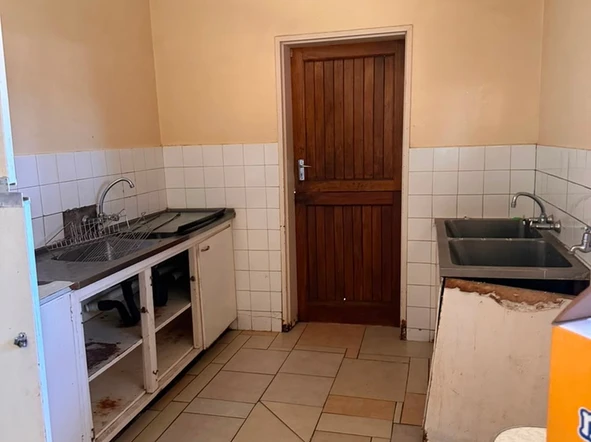
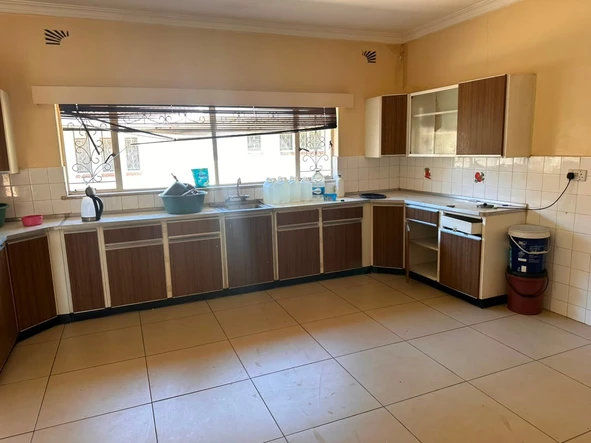
Most houses in Gunhill are double-storey and walled, featuring main en suite bedrooms and fitted kitchens. Many properties include fireplaces, gardens, paved areas, and flatlets or cottages. Garages are common, along with electric gates, boreholes, water tanks, staff quarters, verandahs, and tiled floors. Several homes also offer studies or offices, providing versatile living spaces.
Gunhill offers a peaceful suburban lifestyle with easy access to Harare’s city center. The area is close to green spaces like Harare Gardens and Mukuvisi Woodlands, ideal for outdoor activities. Families benefit from nearby Gunhill Primary School and access to healthcare facilities. Shopping needs are met by Gunhill Shopping Centre, Eastgate Shopping Centre, and Sam Levy’s Village, while local restaurants and cafes provide a variety of dining options within the neighborhood and nearby central districts.
 4
4
 2
280 m²
2
280 m²

 4
4
700 m²
4
4
700 m²


Be the first to see new properties for sale in Gunhill, Harare North










| Property Size | Avg. price |
|---|---|
| 2 bedroom (View 14 properties) | $227,500 |
| 3 bedroom (View 126 properties) | $365,000 |
| 4 bedroom (View 251 properties) | $450,000 |
| 5+ bedroom (View 367 properties) | $580,000 |
Buying a residential stand in Zimbabwe? Learn how to verify ownership, subdivision, planning approvals, servicing, title and the developer before paying.
Learn how servitudes affect property ownership, rights of way, and utility access in Zimbabwe. Protect your land title and avoid boundary disputes.
Get your home viewing ready in Zimbabwe. Follow our 2026 seller checklist covering curb appeal, solar & water setups, staging, and documentation.
Avoid costly disputes and legal delays. Learn the biggest mistakes families make when registering and distributing deceased estates under Zimbabwean law.
Who gets the house after divorce in Zimbabwe? Learn how courts divide matrimonial property, handle sole vs joint titles, and apply Section 7 of the Act.





 4,200 m²