Log in to contact the seller
 Continue with Facebook
 Continue with Email
Continue with Facebook
Continue with Email
Sign up with Facebook
Continue with Email
Continue with Facebook
Continue with Email
Sign up with Facebook
 Change filters
 Requests


 6
6
 3
3


 6
4
500 m²
3
2
300 m²
6
4
500 m²
3
2
300 m²
 3
2
600 m²
4
2
450 m²
3
2
600 m²
4
2
450 m²
 4
2
300 m²
4
2
300 m²
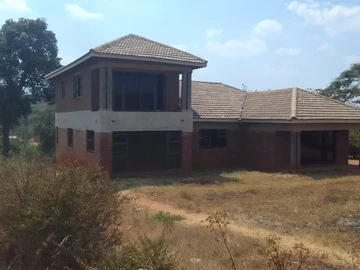
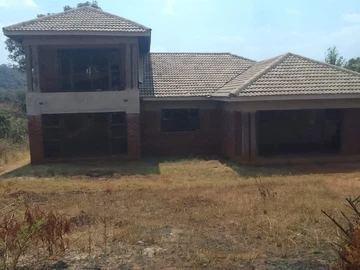
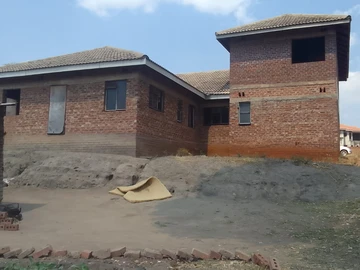
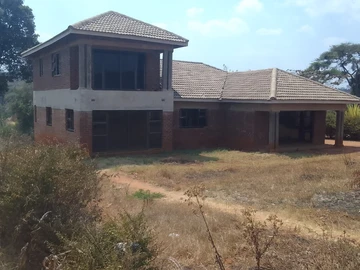
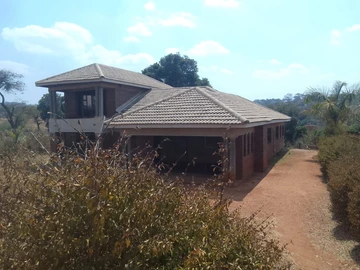
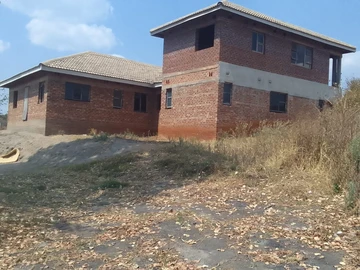
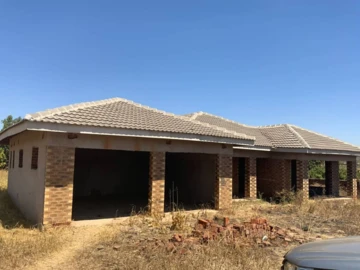
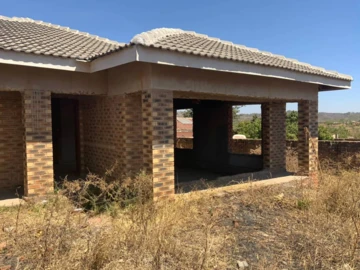
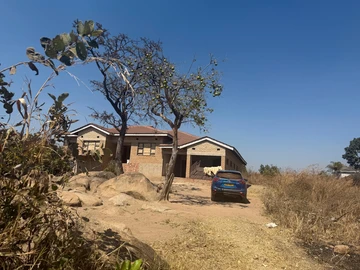
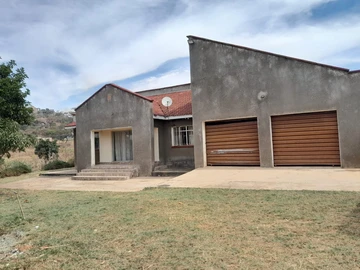
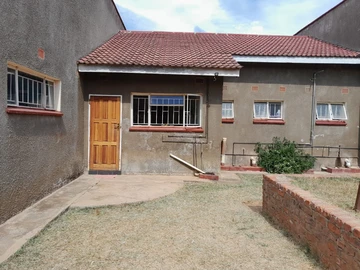
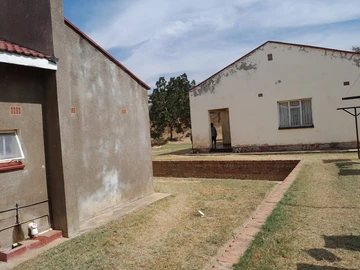
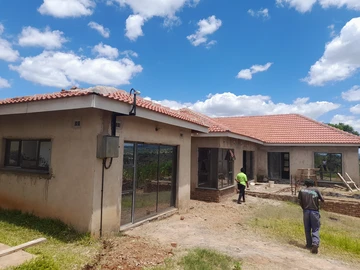
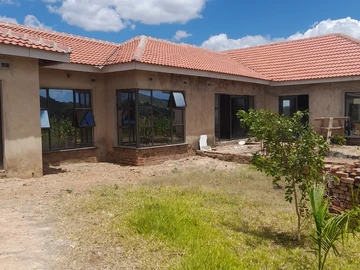
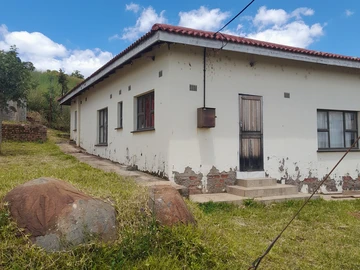
Houses for sale in Charlotte Brooke, Harare North, offer affordable options with an average price of $475,000. These homes typically sit on land areas around 1,500 ㎡, with property sizes averaging 340 ㎡. The largest properties can reach up to 900 ㎡ on land parcels as big as 2,000 ㎡, while smaller plots start at about 1,000 ㎡.
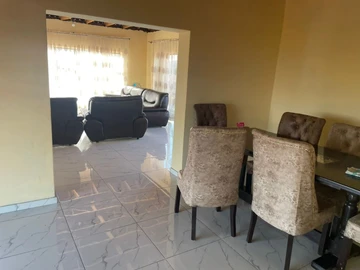
Many houses in this area come with useful features such as garages, main en suite bedrooms, and boreholes, making them practical for family living. The mix of standalone homes and townhouses provides a variety of choices for buyers looking for comfortable and secure residences in a quiet neighborhood.
Charlotte Brooke is a well-established suburb known for its peaceful, family-friendly environment with tree-lined streets and green spaces. It is close to the National Botanic Gardens and Harare Golf Club, offering good recreational options. The area is served by Charlotte Brooke Primary School and has easy access to healthcare facilities like Parirenyatwa Group of Hospitals. Shopping needs are met by nearby centers such as Sam Levy's Village and Mbare Musika Market, while local restaurants and cafes provide diverse dining options within reach.
4
300 m²
5
5
600 m²
6
2
347 m²
3
2
300 m²
4
1
250 m²
5
3
1 m²
4
4
350 m²

Be the first to see new properties for sale in Charlotte Brooke, Harare North










| Property Size | Avg. price |
|---|---|
| 2 bedroom (View 14 properties) | $227,500 |
| 3 bedroom (View 123 properties) | $365,000 |
| 4 bedroom (View 248 properties) | $450,000 |
| 5+ bedroom (View 341 properties) | $580,000 |
Planning to convert or buy commercial property? Understand Zimbabwe’s change of use rules, 2026 Harare fees, timelines and approval risks.
Buying a home in Harare? Learn how to verify water access, ZESA grid connections, refuse services, and borehole rights before finalizing your purchase.
Pricing your property in Zimbabwe? Discover why overpricing leads to stagnant listings, lower final offers, and costly holding expenses in the 2026 market.
Navigating property valuations in Zimbabwe? Learn valuation methods, valuation fees, and key tips for buyers, sellers, and investors in the 2026 market.
Planning to downsize? Learn if you can dissolve a family trust holding your home, the legal steps required, and tax impacts before selling the property.




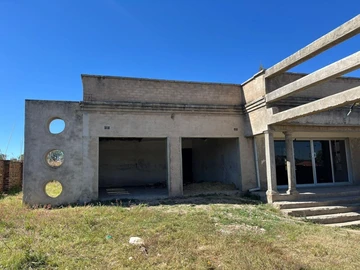

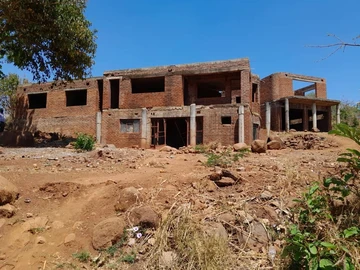

 2,000 m²