Log in to contact the seller
 Continue with Facebook
 Continue with Email
Continue with Facebook
Continue with Email
Sign up with Facebook
Continue with Email
Continue with Facebook
Continue with Email
Sign up with Facebook
 Change filters
 Requests


 4
4
 6
257 m²
6
257 m²


 11
10
11
10
 8,099 m²
3
2
200 m²
4
3
275 m²
8,099 m²
3
2
200 m²
4
3
275 m²
 3
2
168 m²
3
2
168 m²
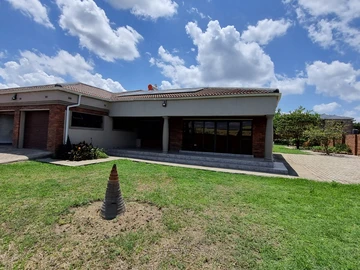
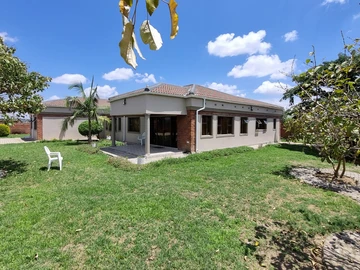
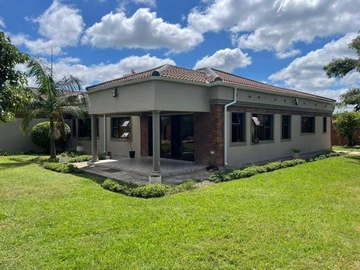
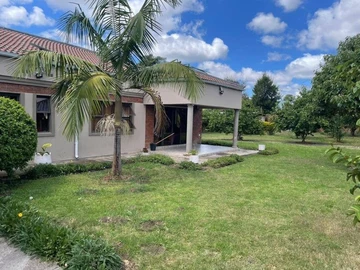
Houses for sale in Pomona, Harare North, are positioned in a well-established and peaceful suburb, ideal for families and professionals. The average price of the properties currently listed is $360,000, with prices starting from USD 135,000. These homes typically sit on land areas around 1,395 ㎡, with building sizes averaging 277 ㎡, while some larger properties offer up to 8,190 ㎡ of land and 800 ㎡ of living space.
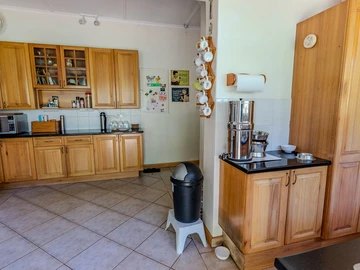
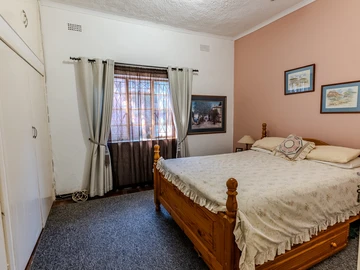
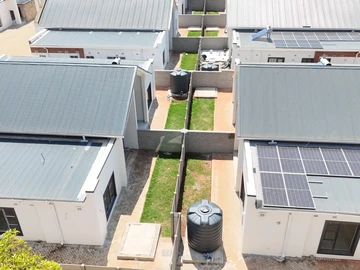
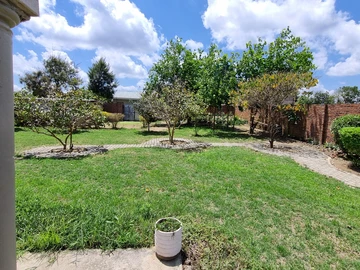
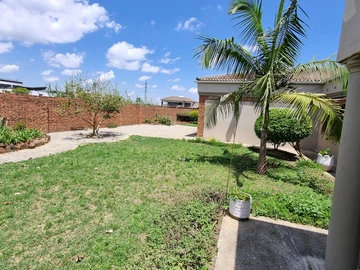
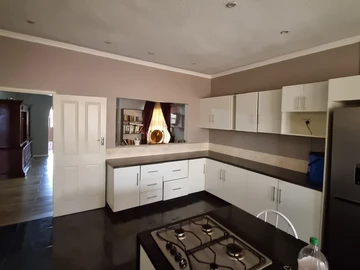
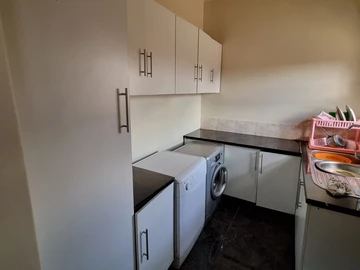
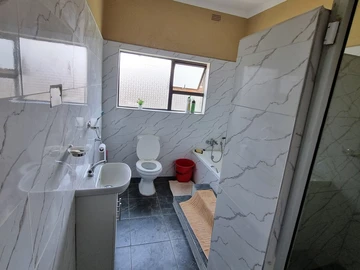
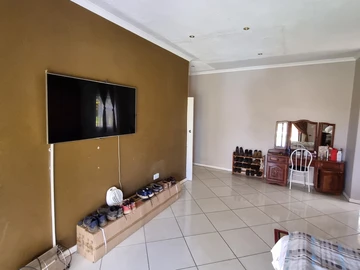
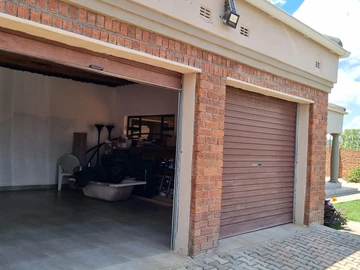
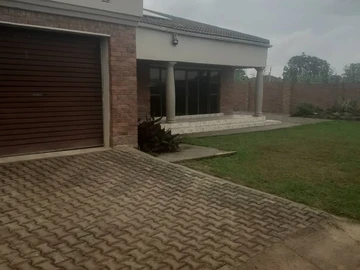
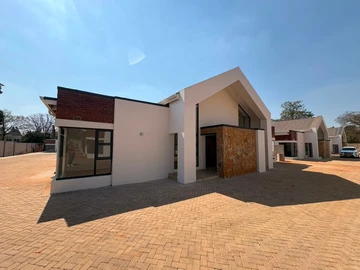
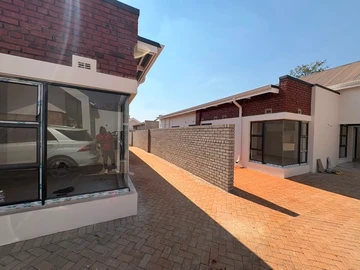
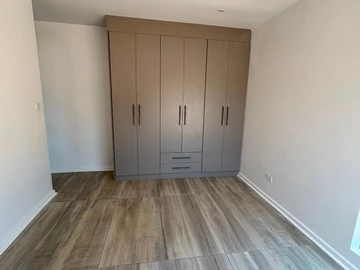
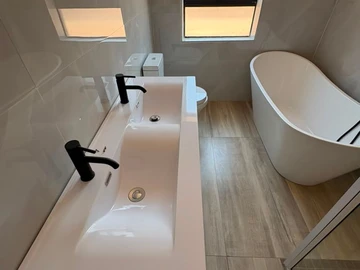
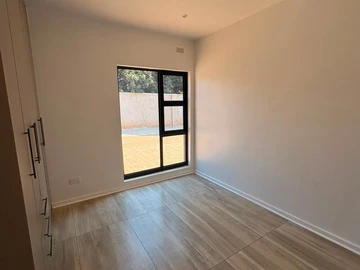
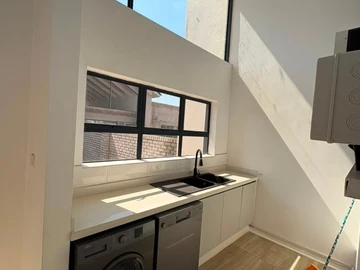
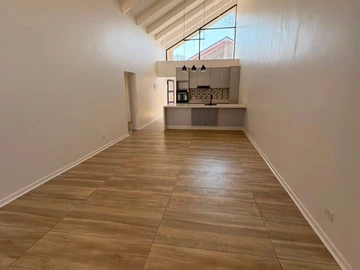
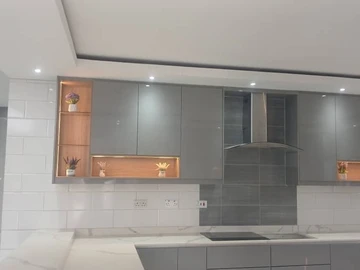
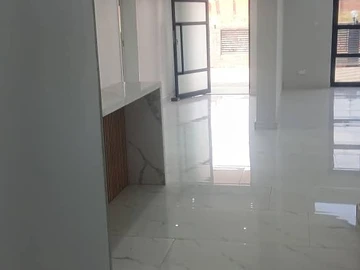
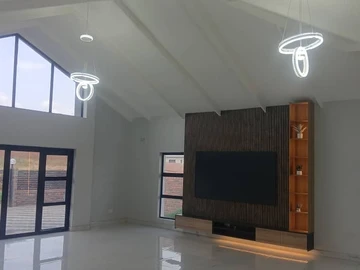
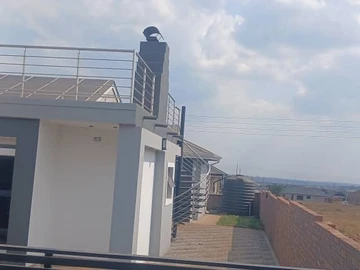
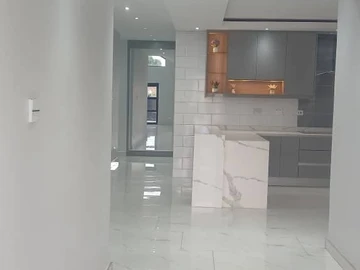
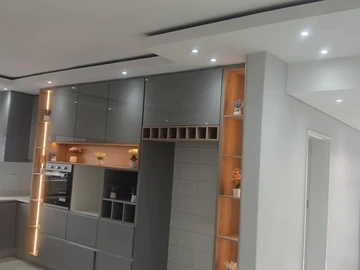
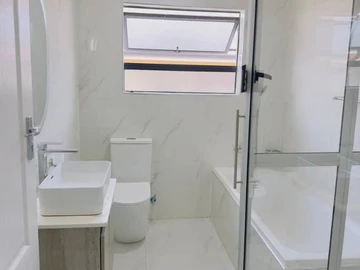
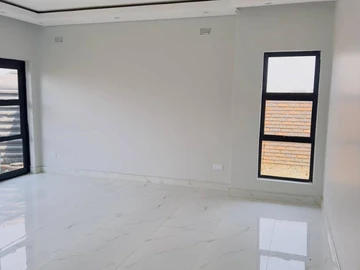
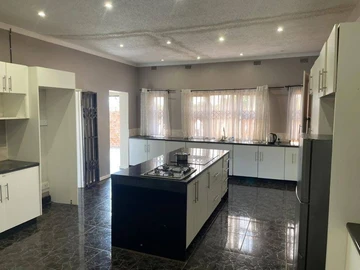
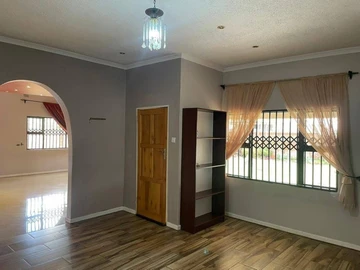
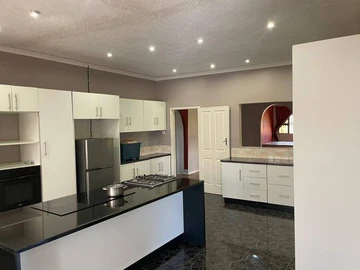
Many of these houses feature garages, fitted kitchens, and verandahs, providing comfortable living spaces. Most properties include boreholes and water tanks, ensuring reliable water supply, and many have gardens and are walled for added privacy and security. Main en suite bedrooms and tiled floors are common, reflecting the high-end quality of homes in this area.
Pomona offers a quiet, family-friendly environment with good security and easy access to urban amenities. Residents benefit from nearby Pomona Market and Pomona Shopping Centre for everyday shopping needs, while the Harare Gardens and National Botanic Garden provide green spaces for recreation. The suburb is served by reputable schools and healthcare facilities in Harare North, making it a convenient and comfortable location for families seeking a balance between city life and suburban tranquility.
3
1
400 m²
4
250 m²
4
3
1,800 m²
5
3
1
200 m²

Be the first to see new properties for sale in Pomona, Harare North











| Property Size | Avg. price |
|---|---|
| 3 bedroom (View 9 properties) | $250,000 |
| 4 bedroom (View 13 properties) | $310,000 |
| 5+ bedroom (View 10 properties) | $580,000 |
Prices as of October 2026
Buying a housing stand in Zimbabwe? Inspect title deeds, subdivision permits, compliance certificates, and seller IDs before making any payment.
Can someone claim your land in Zimbabwe? Learn how 30 year acquisitive prescription works, the legal risks involved, and how to protect your property title.
Explore October 2026 Property Pulse insights on the Zimbabwean real estate market, where high buyer demand outpaces limited housing supply across major areas.
Built a house on land registered in your partner's name? Learn your legal rights in Zimbabwe, tacit universal partnerships, and unjust enrichment claims.
Planning to convert or buy commercial property? Understand Zimbabwe’s change of use rules, 2026 Harare fees, timelines and approval risks.