Log in to contact the seller
 Continue with Facebook
 Continue with Email
Continue with Facebook
Continue with Email
Sign up with Facebook
Continue with Email
Continue with Facebook
Continue with Email
Sign up with Facebook
 Change filters
 Requests


 1,675 m²


 3
3
 2
250 m²
3
2
200 m²
2
1
100 m²
2
250 m²
3
2
200 m²
2
1
100 m²
 4
4
200 m²
3
3
250 m²
2
1
4
2
230 m²
4
2
200 m²
4
4
200 m²
3
3
250 m²
2
1
4
2
230 m²
4
2
200 m²
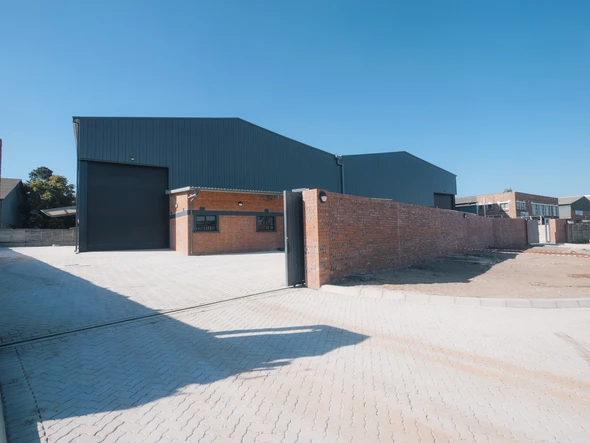
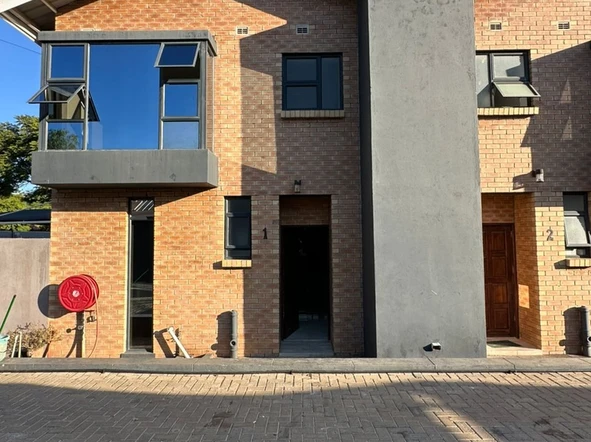
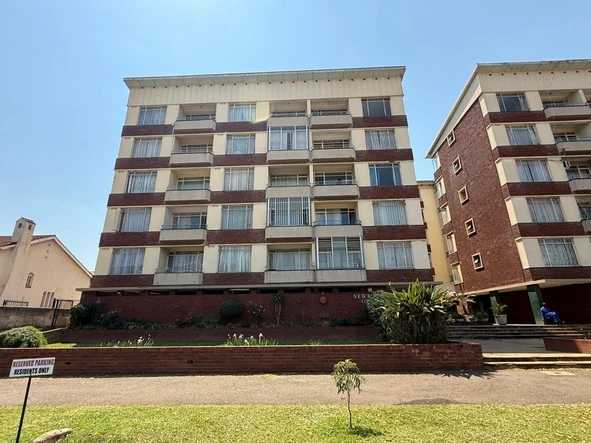
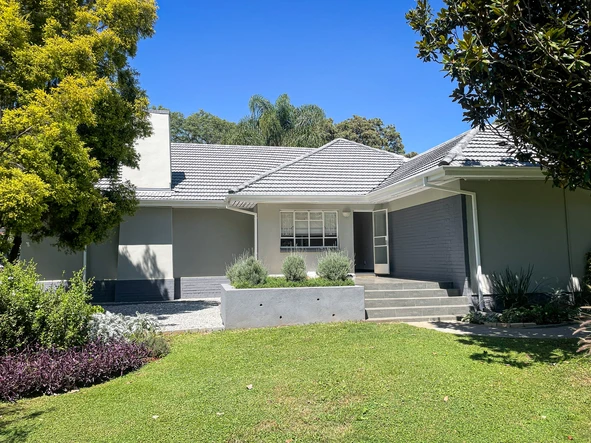
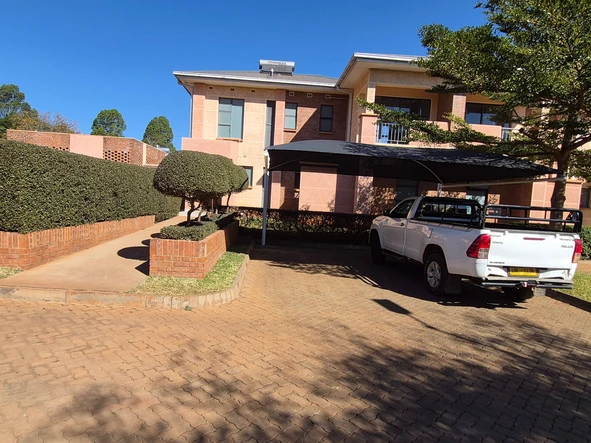
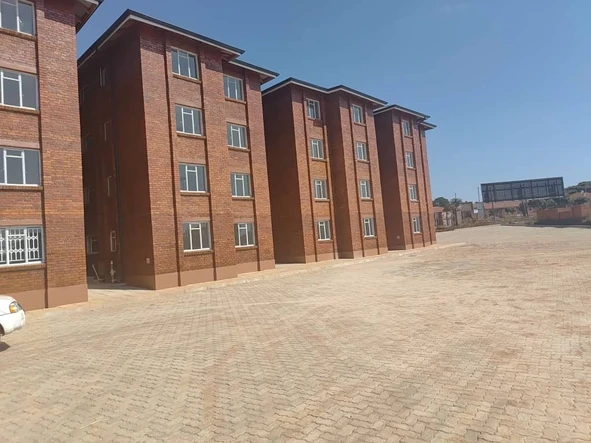
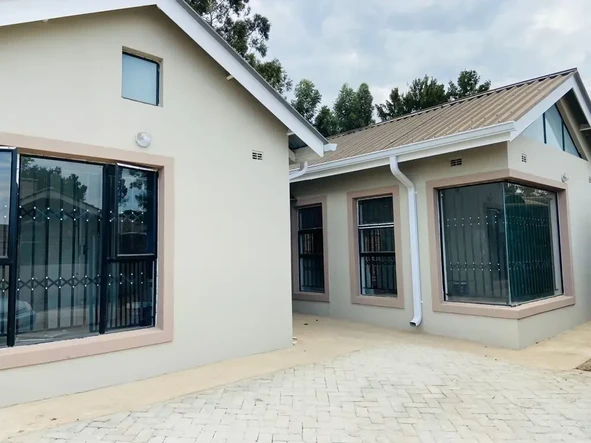
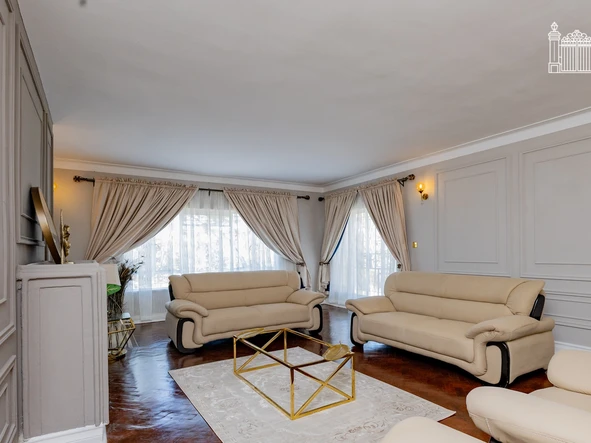
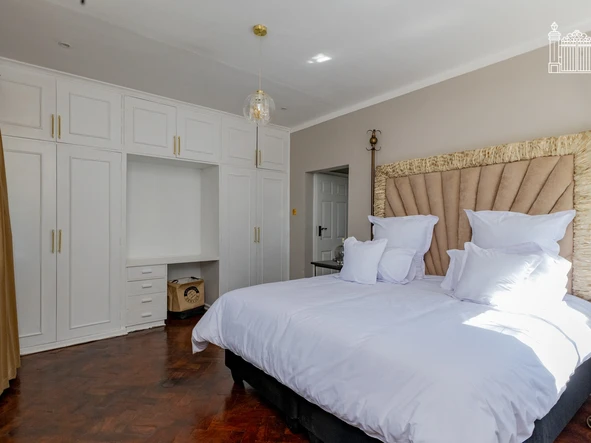
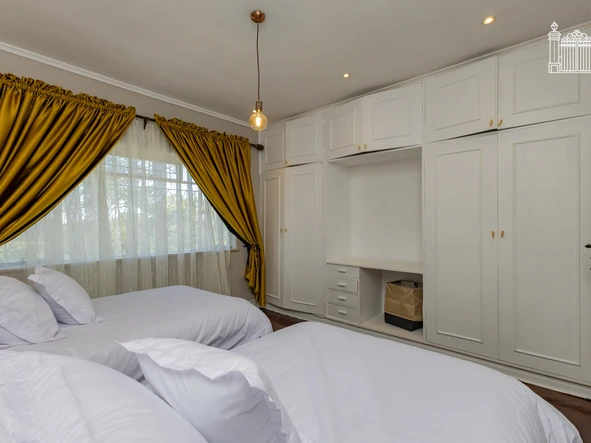
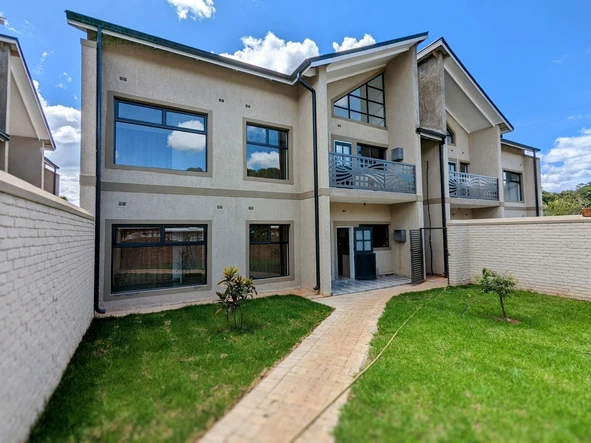
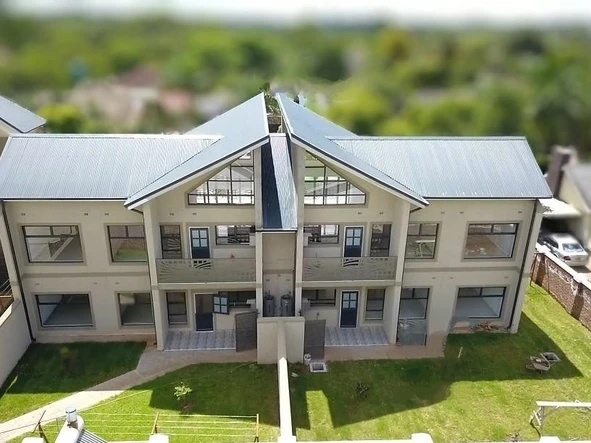
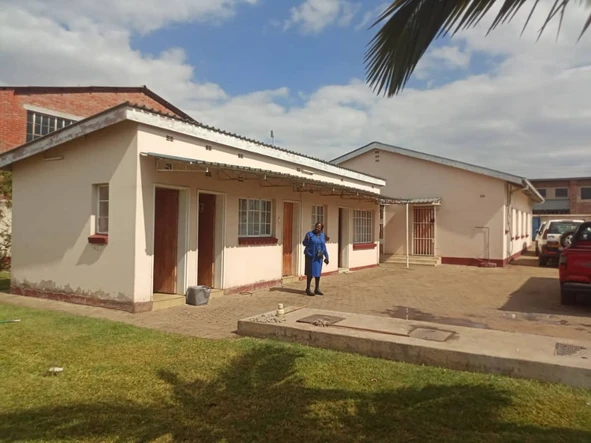
Properties for rent in Harare offer a variety of options with an average monthly price of $1,200. These rental properties typically have a median land area of 480 ㎡ and a median building size of about 180 ㎡, with some larger properties reaching up to 4,291 ㎡ in size and land areas as large as 10,000 ㎡. Prices start from as low as USD 150, making the market accessible to a wide range of renters.
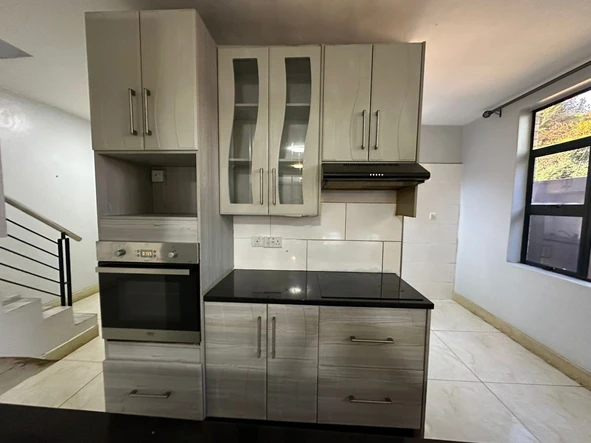
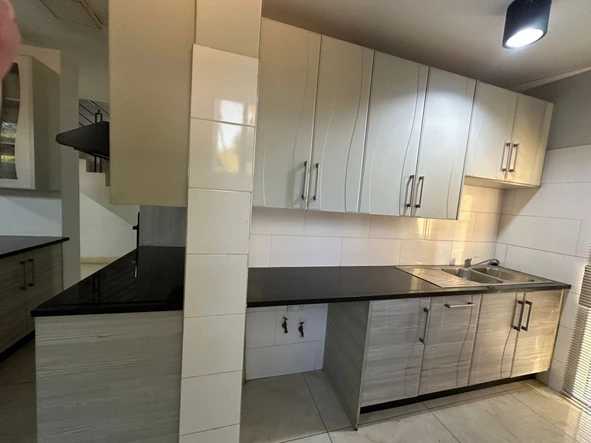
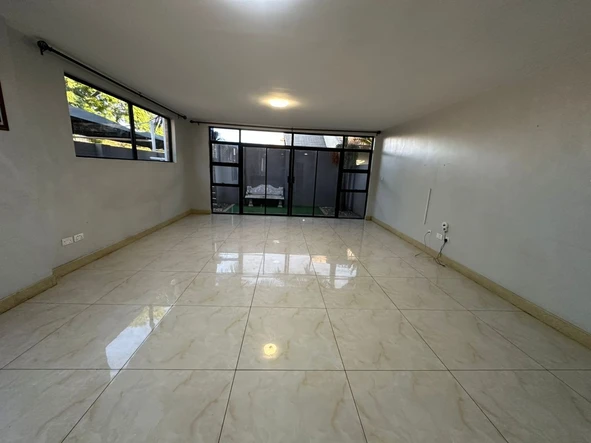
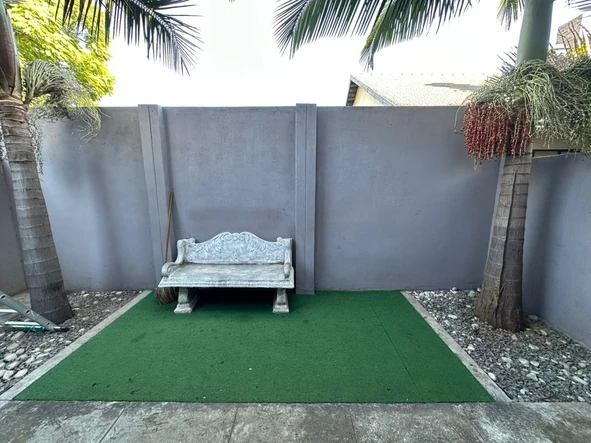
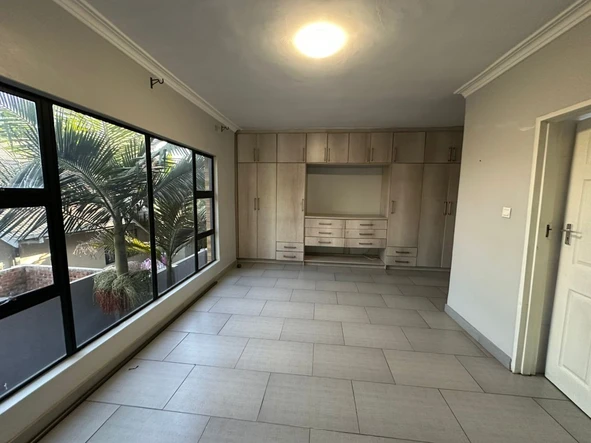
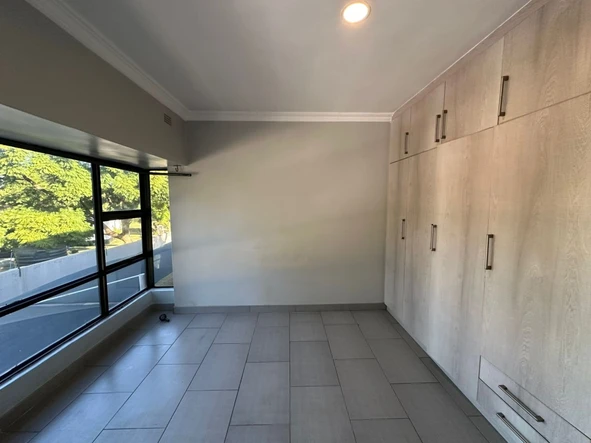
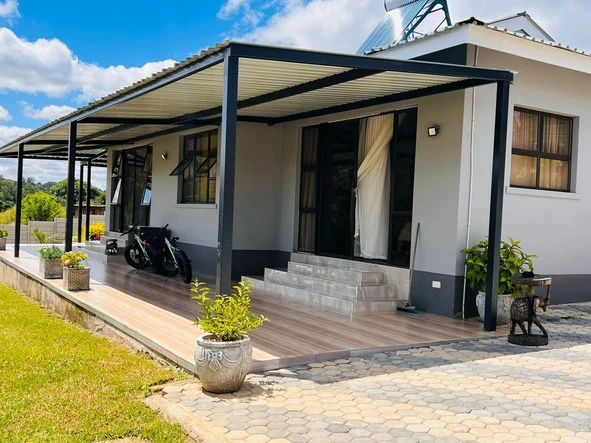
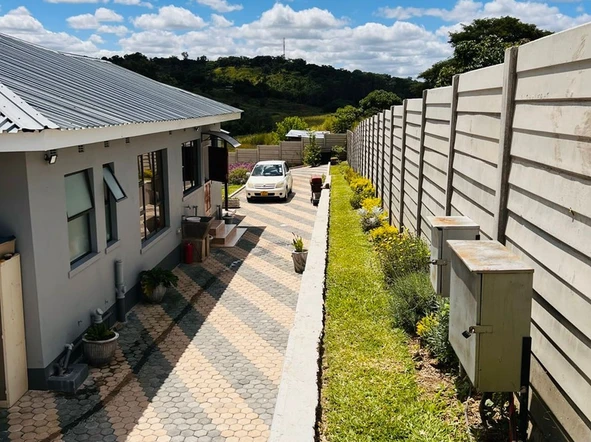
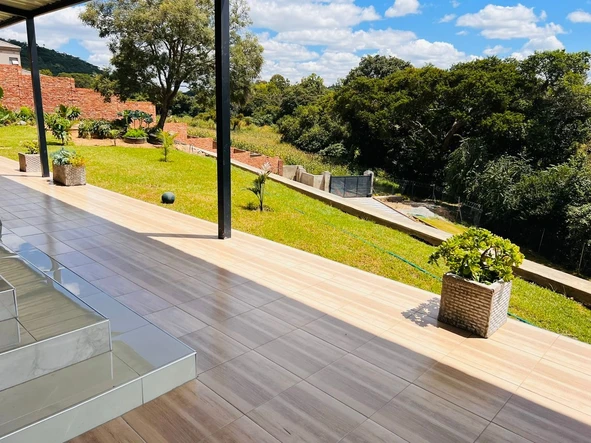
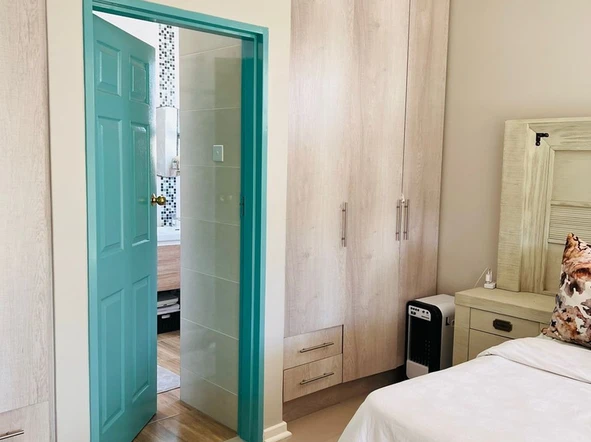
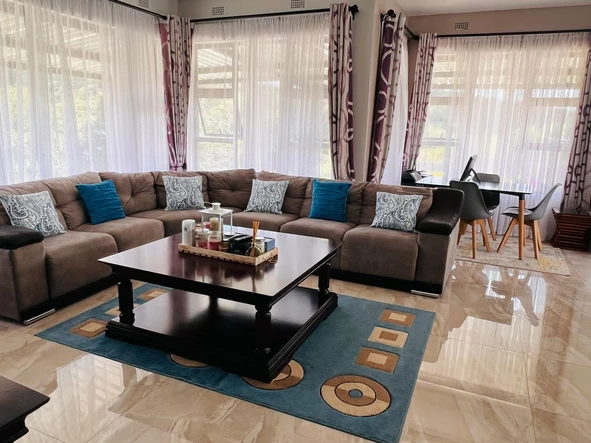
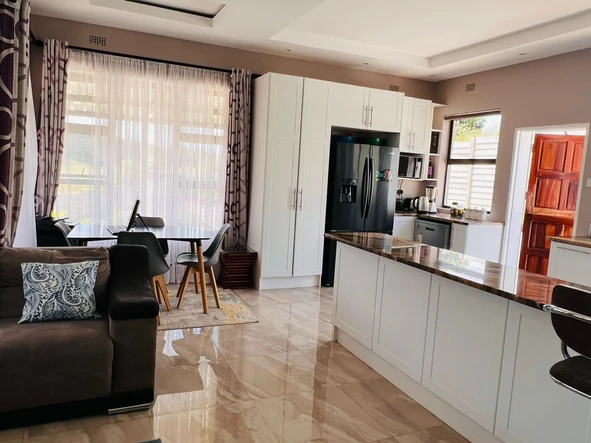
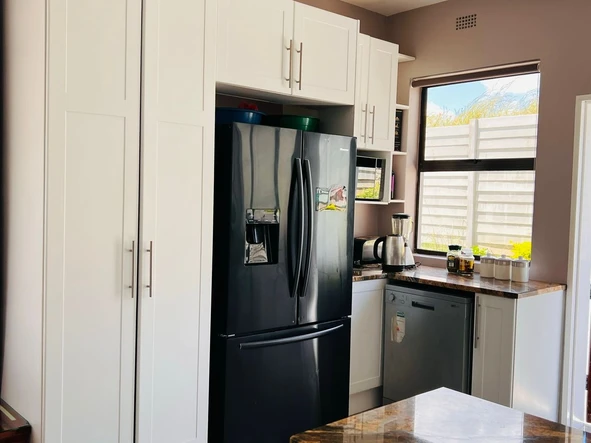
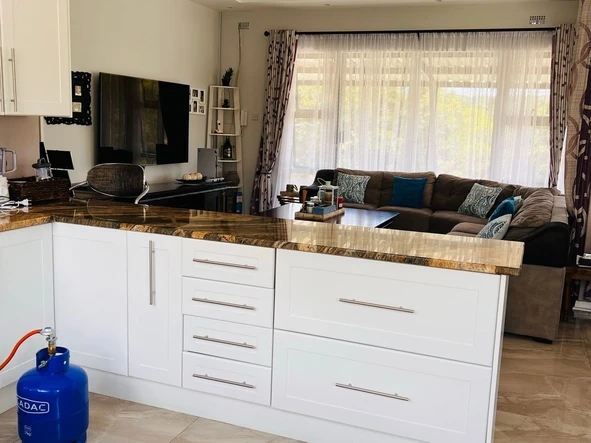
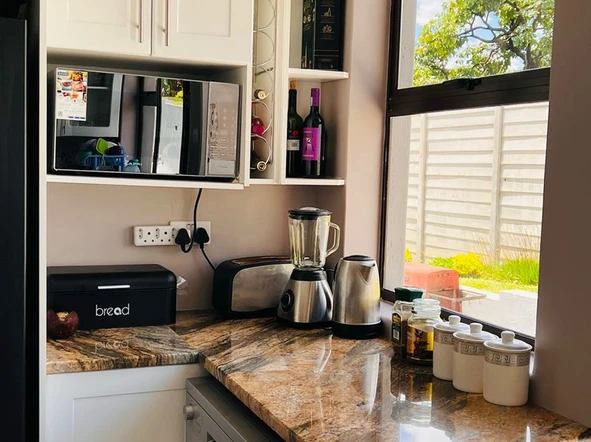
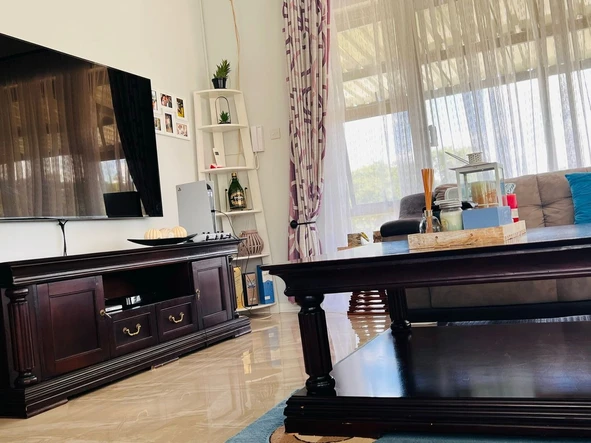
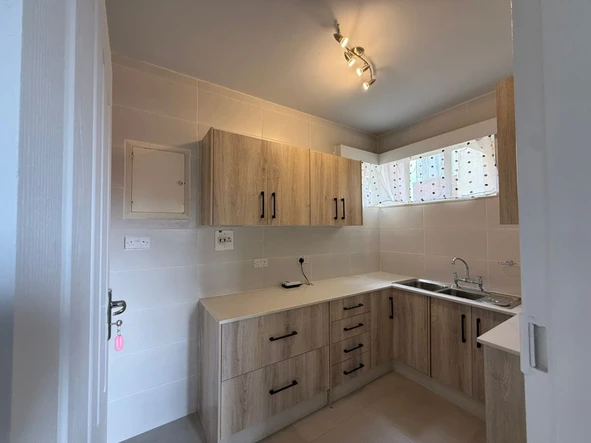
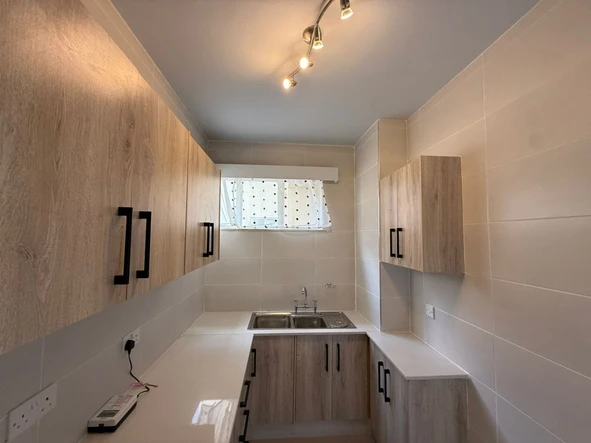
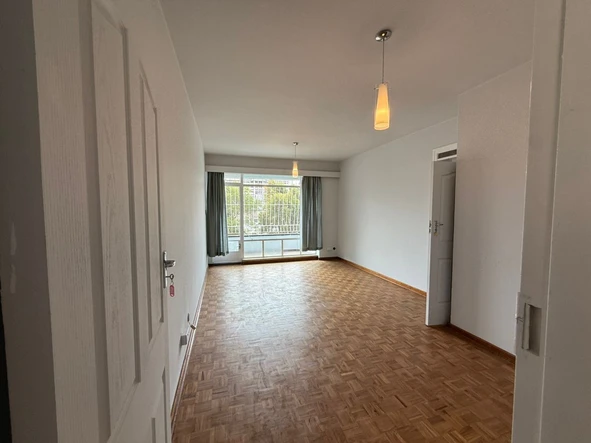
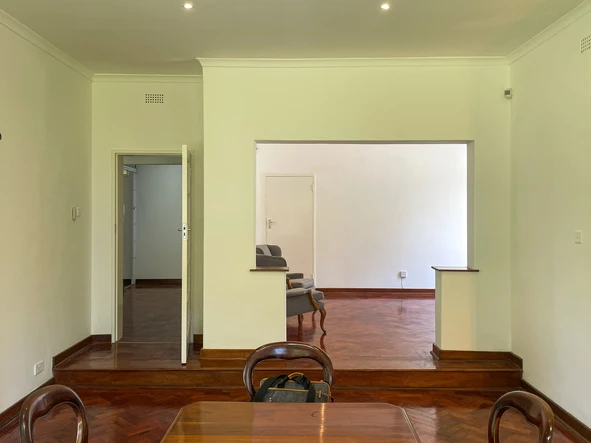
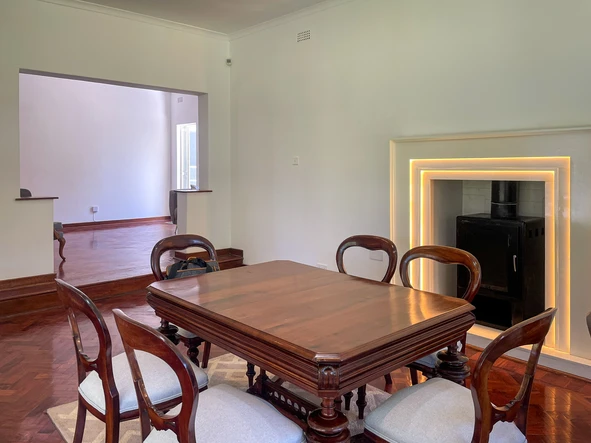
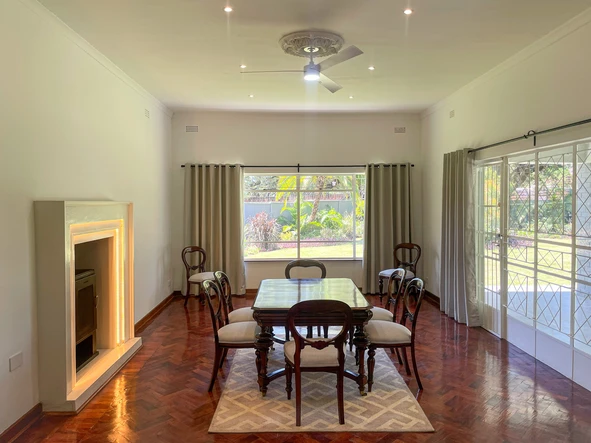
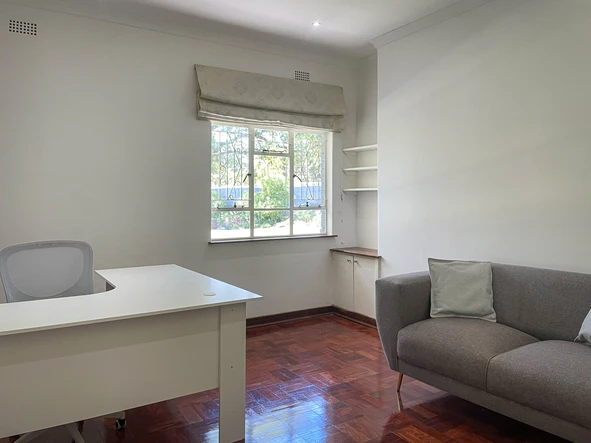
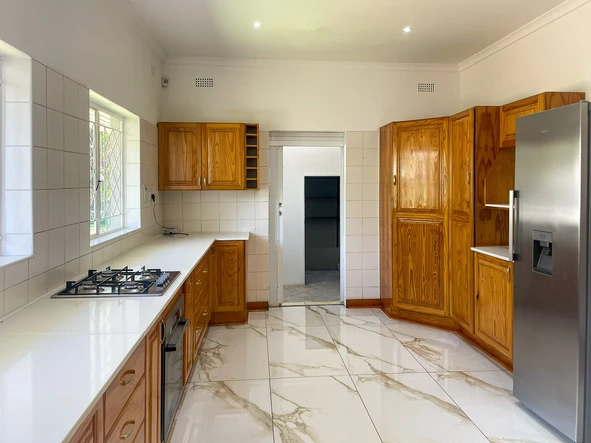
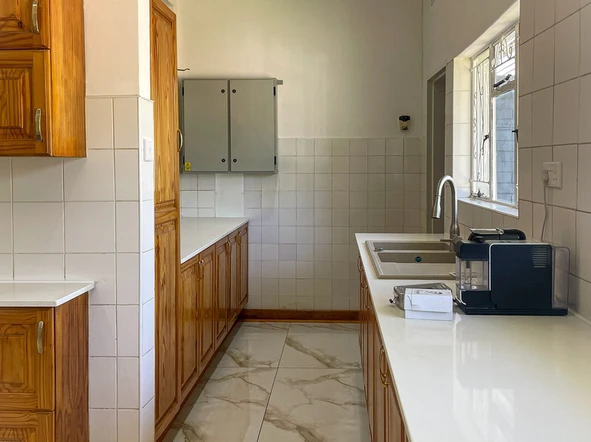
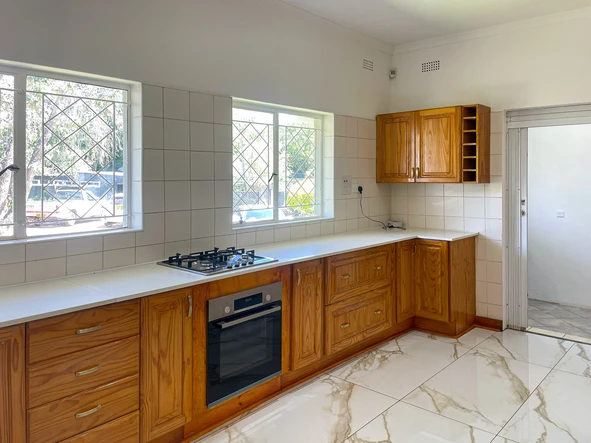
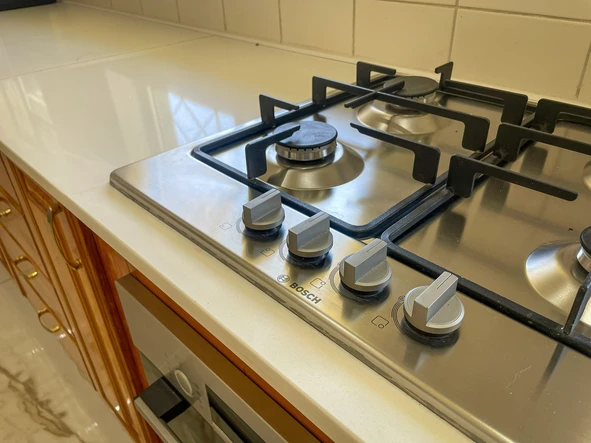
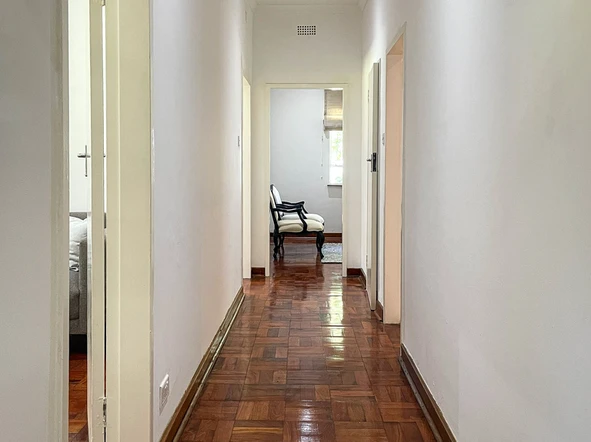
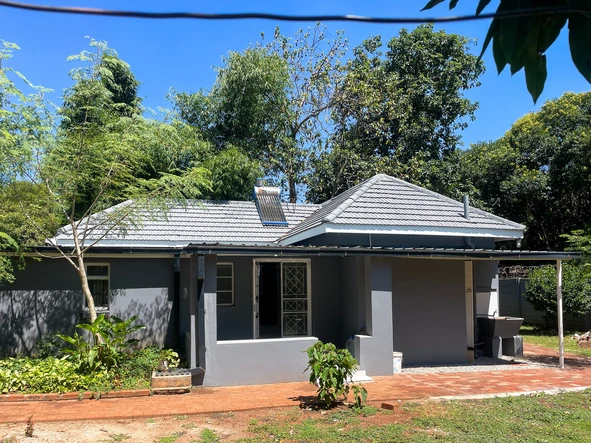
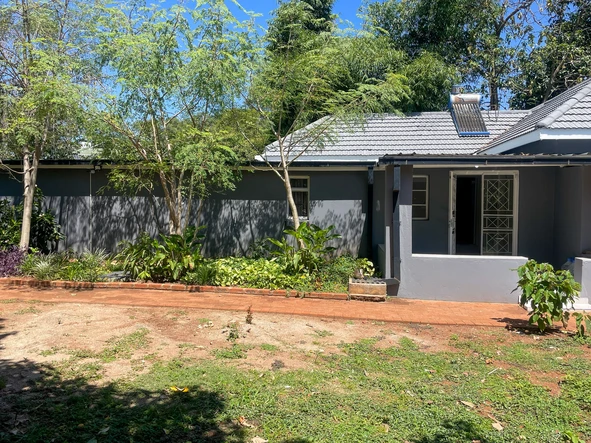
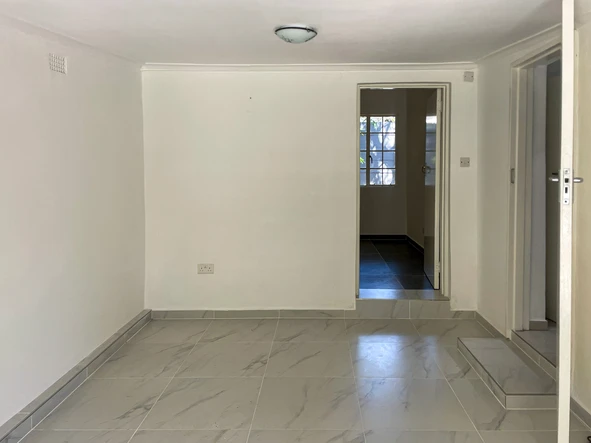
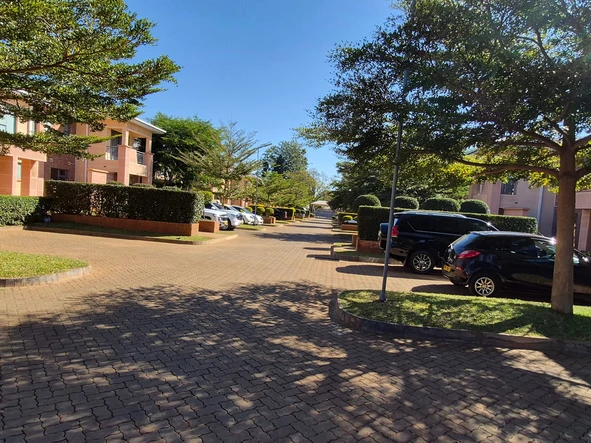
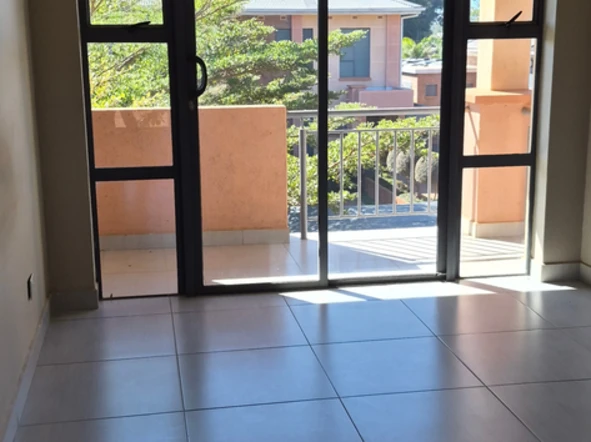
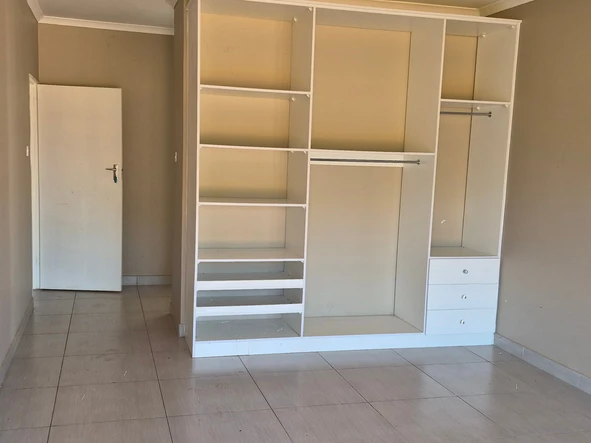
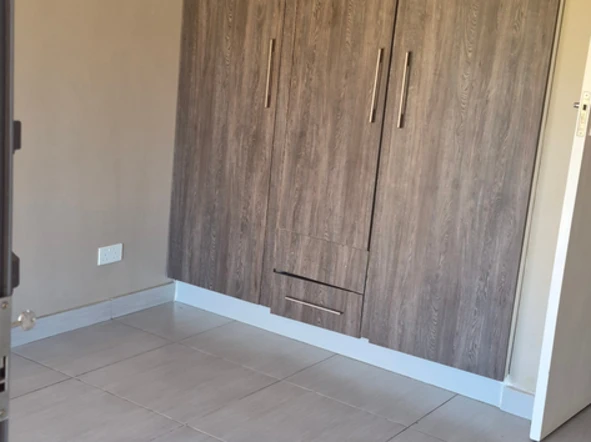
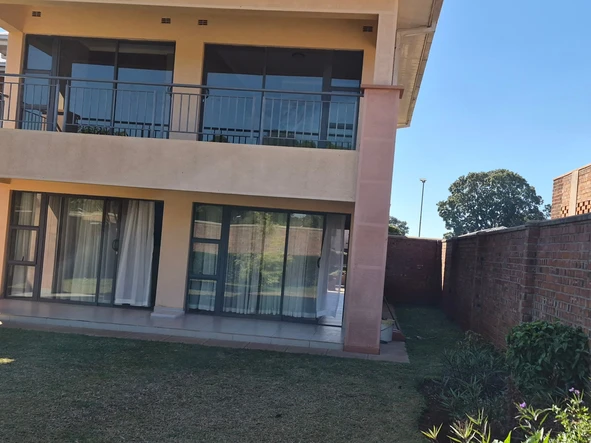
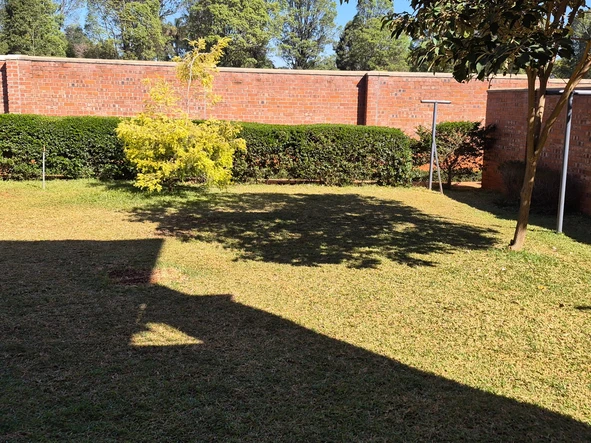
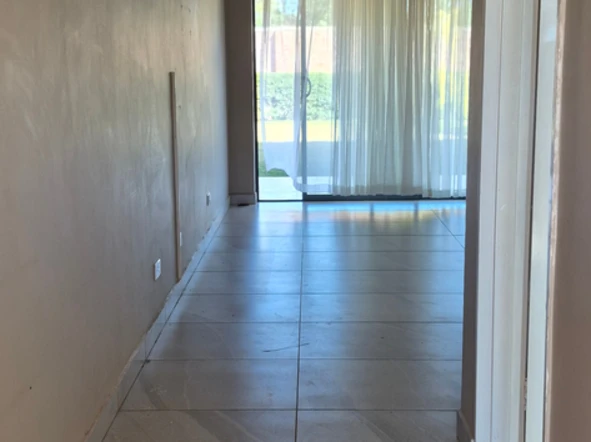
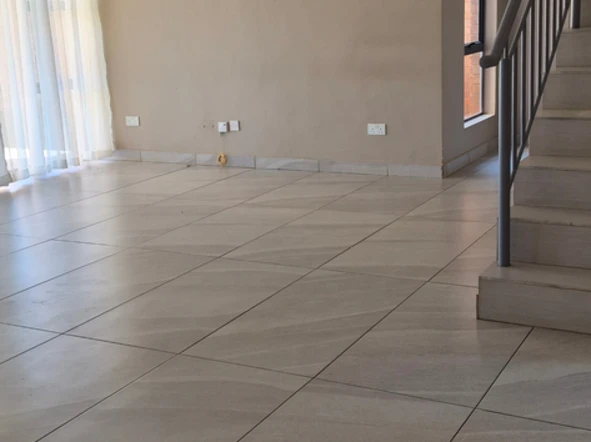
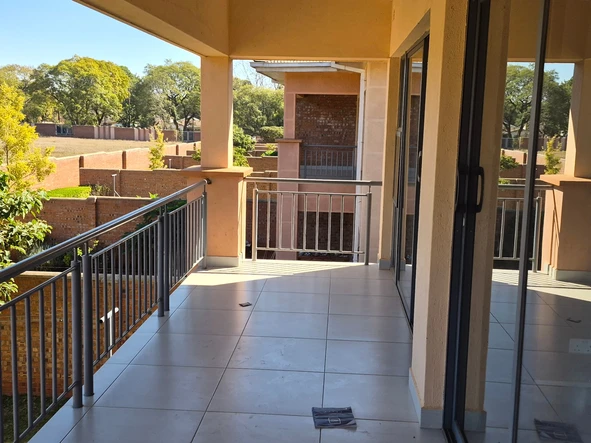
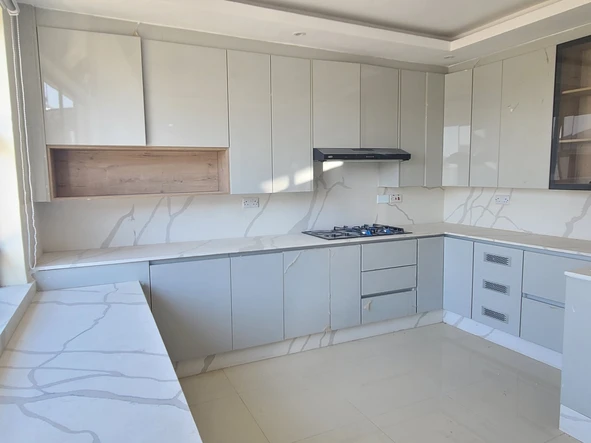
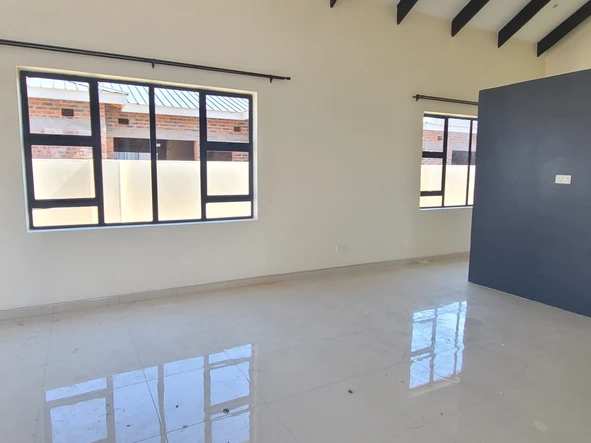
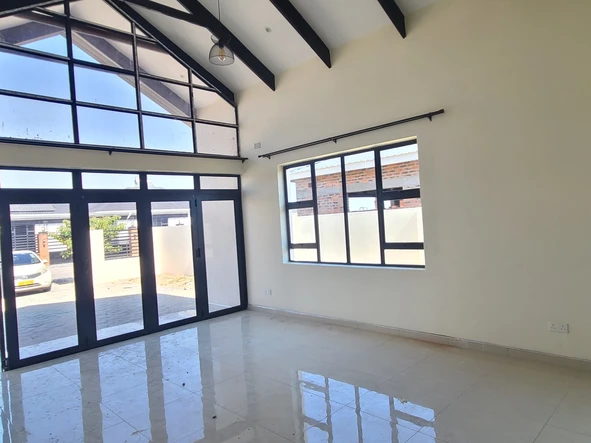
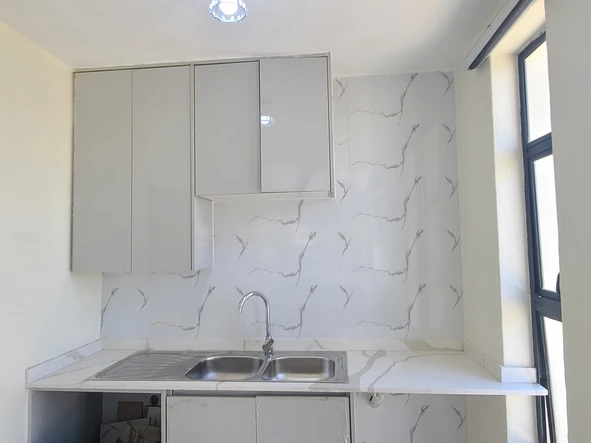
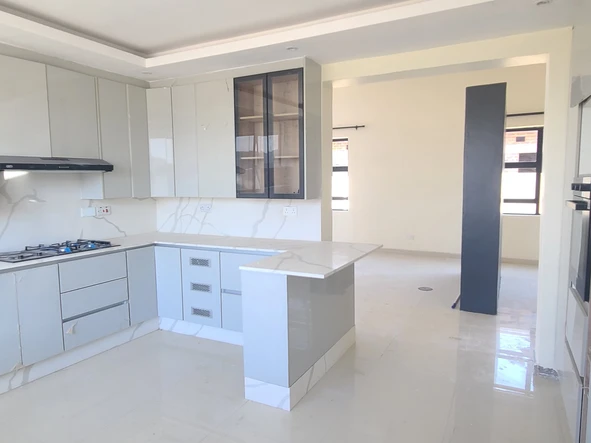
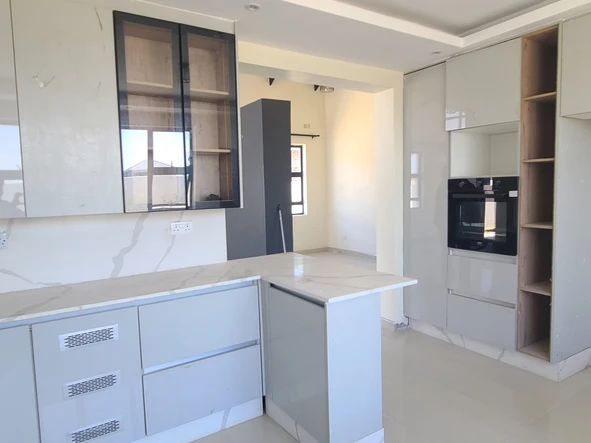
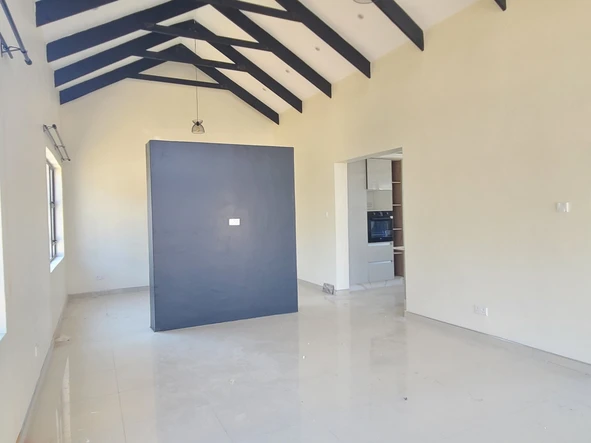
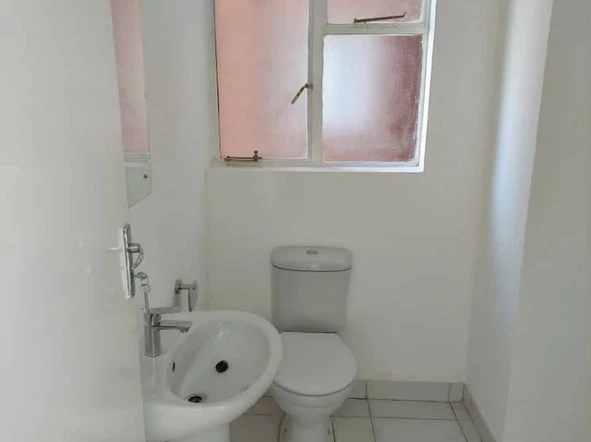
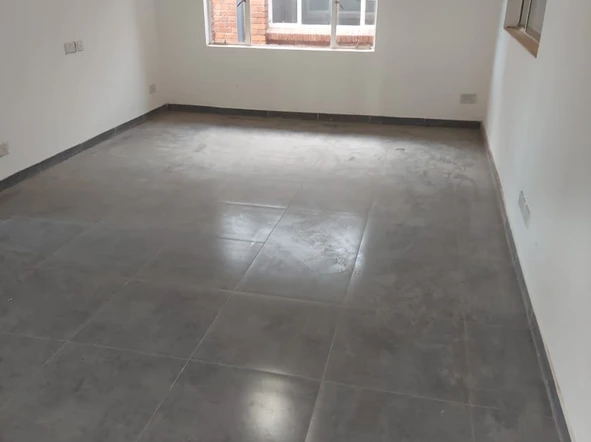
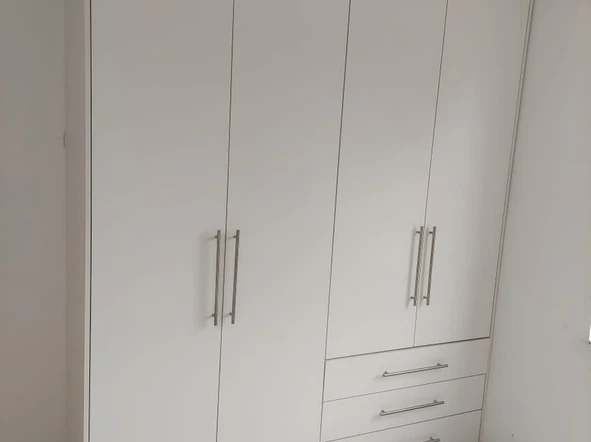
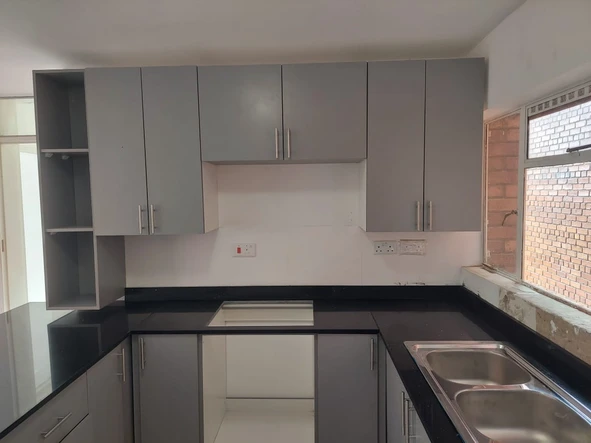
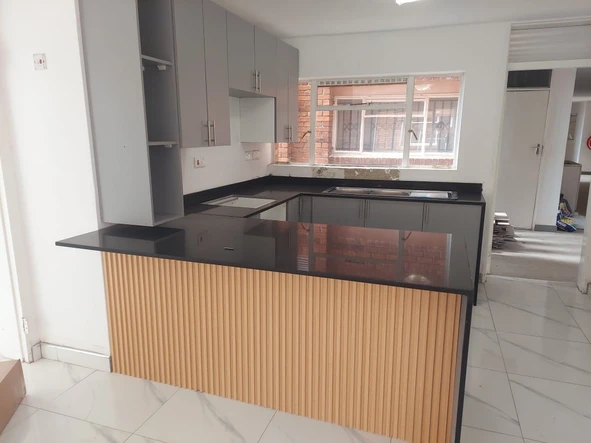
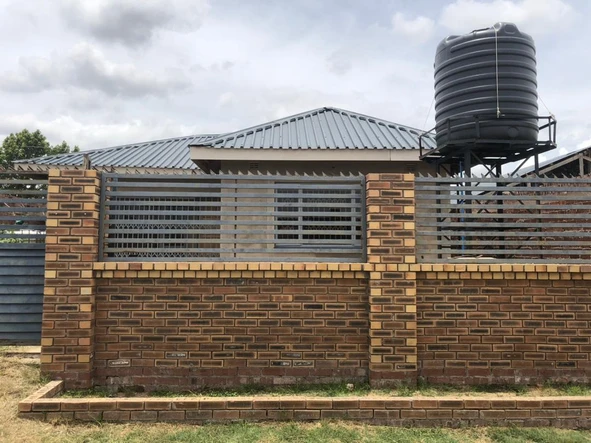
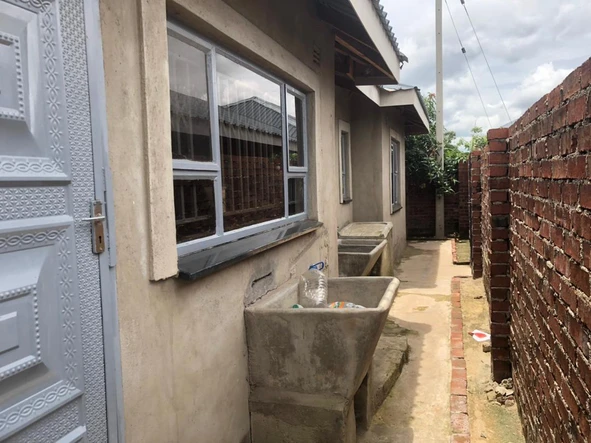
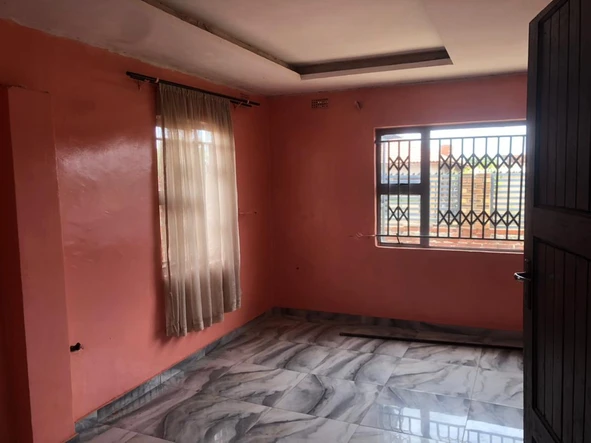
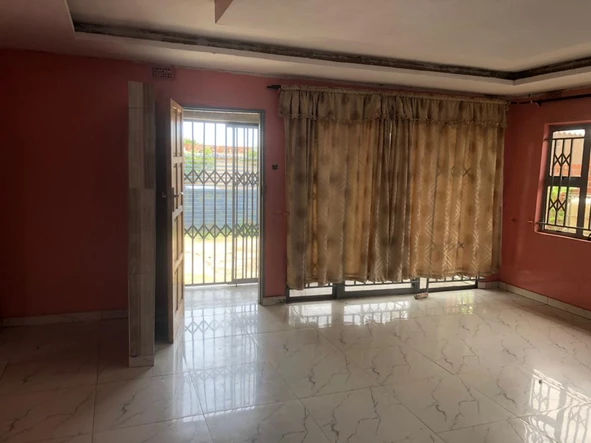
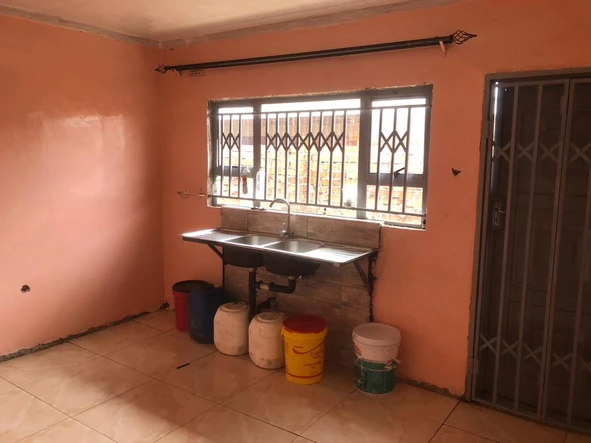
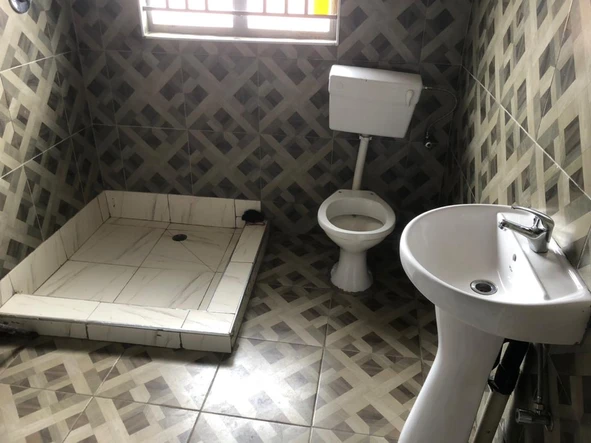
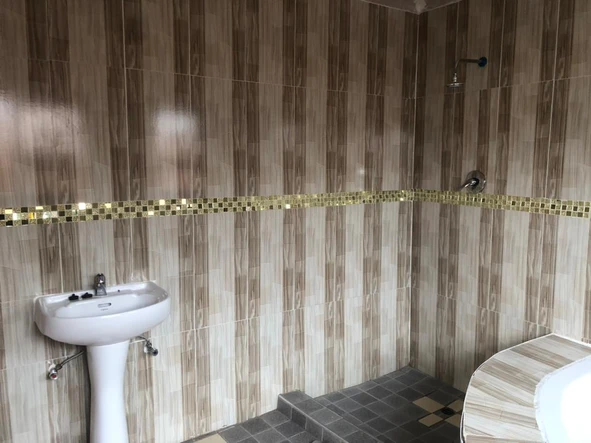
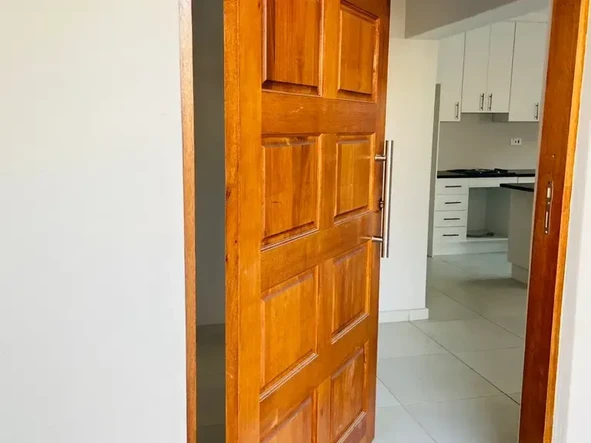
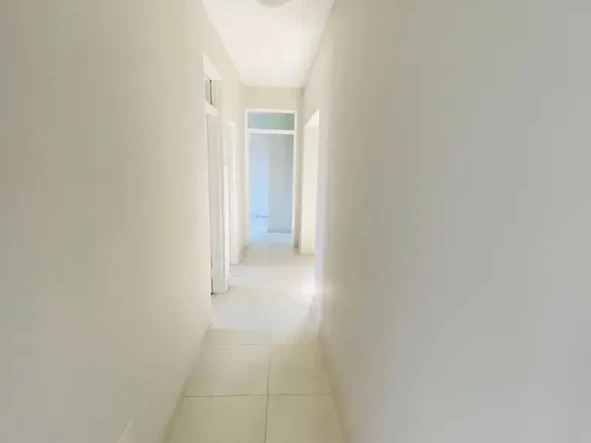
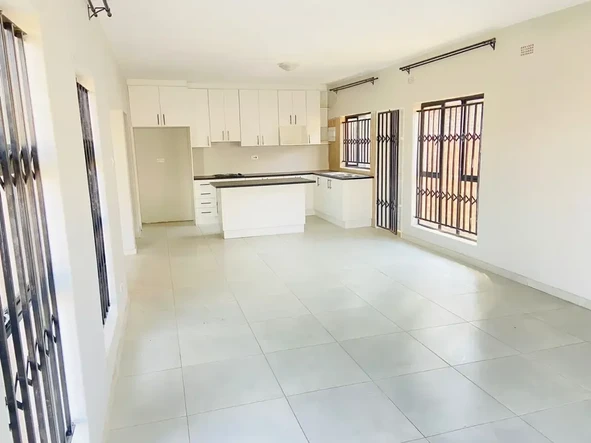
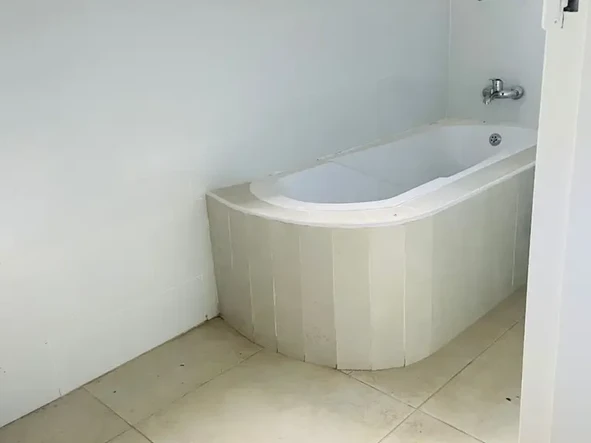
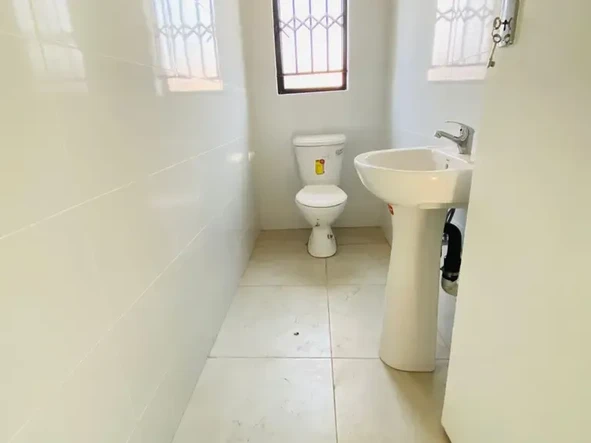
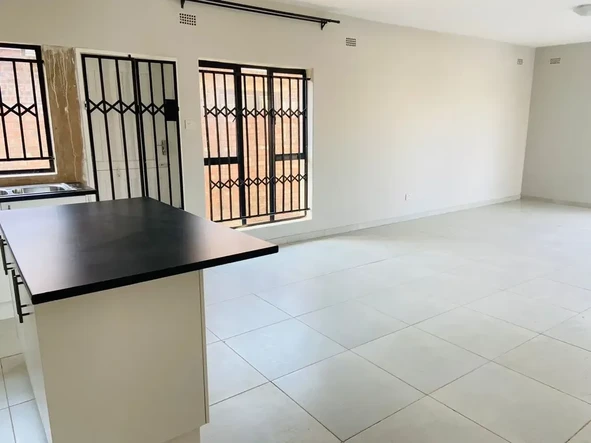
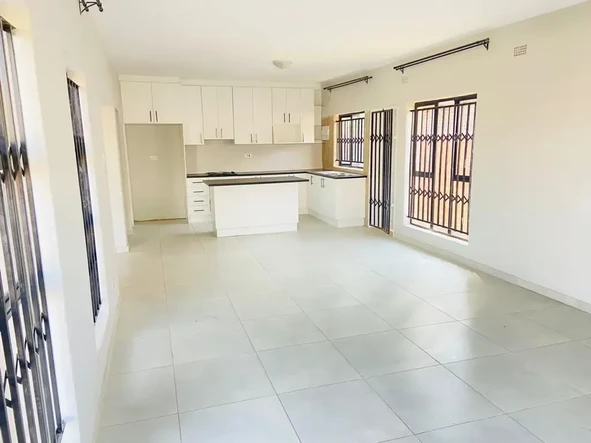
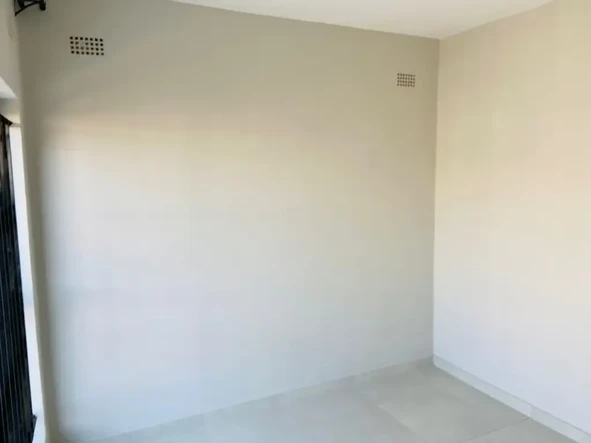
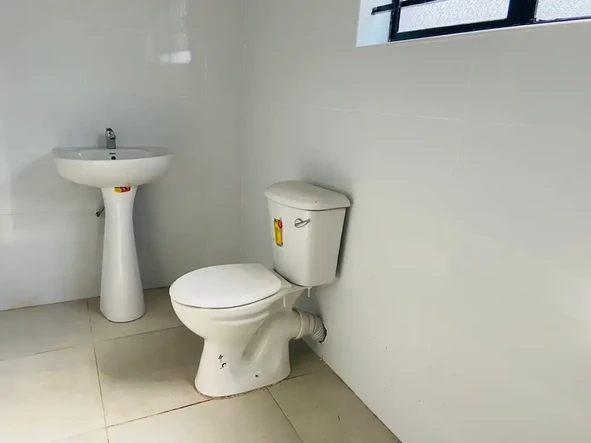
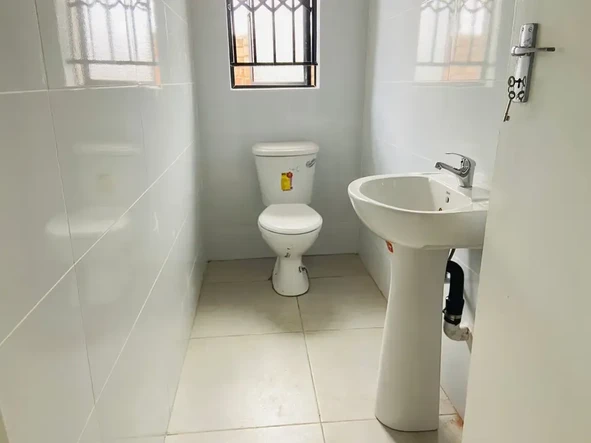
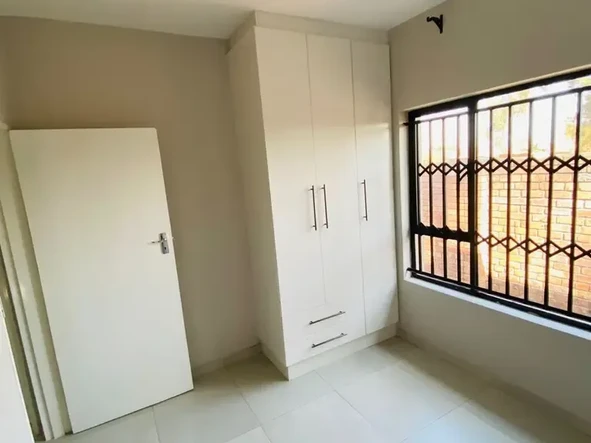
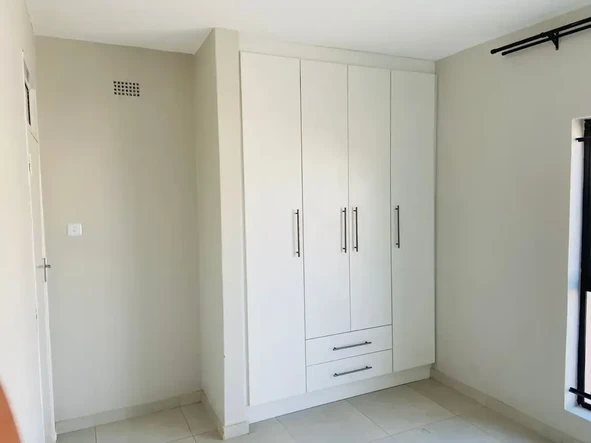
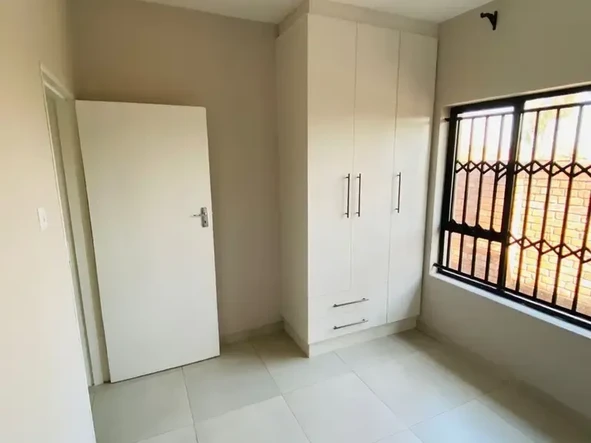
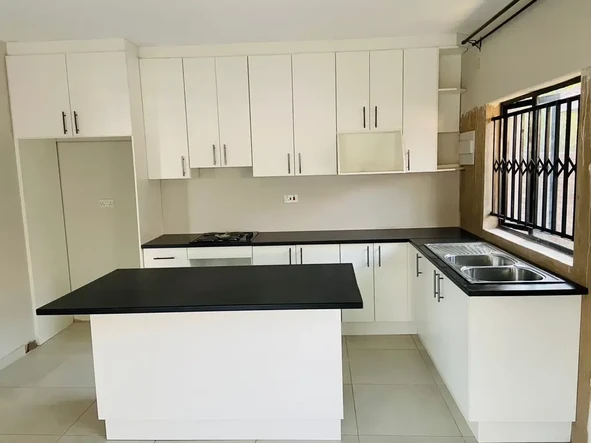
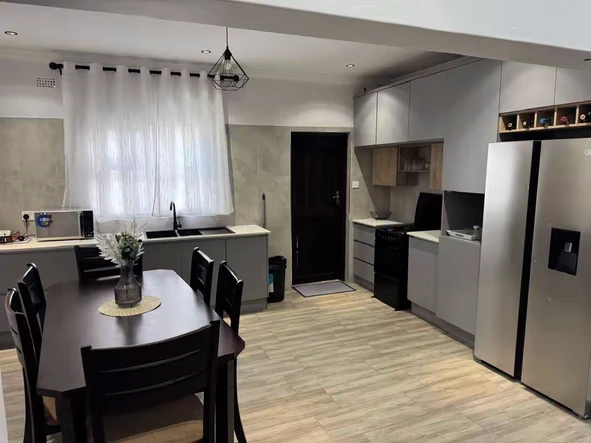
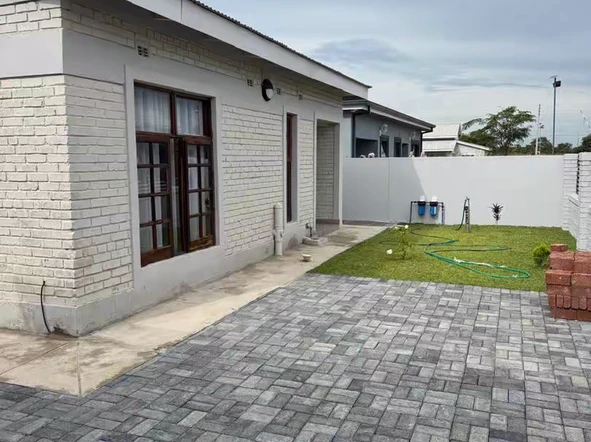
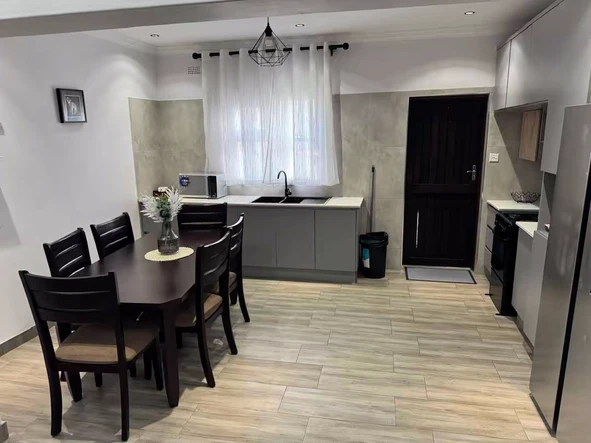
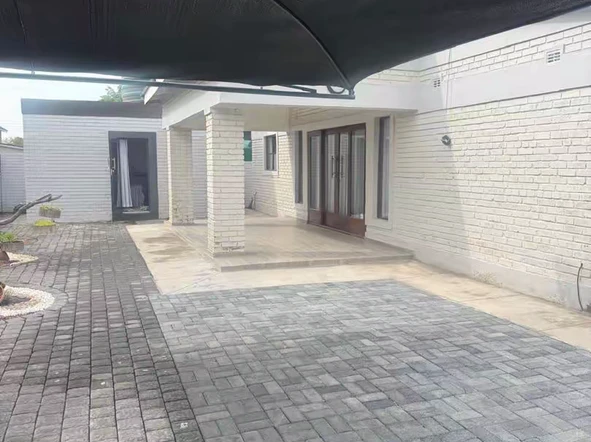
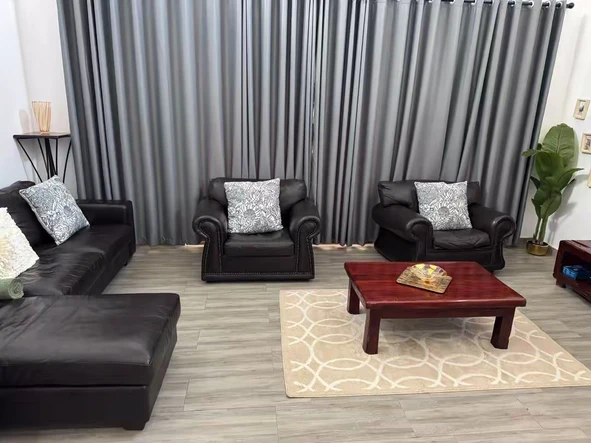
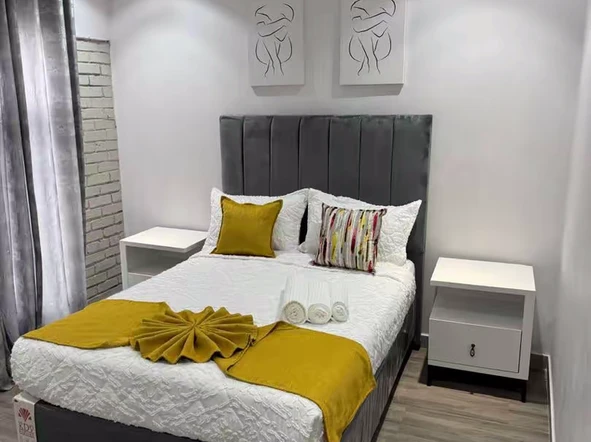
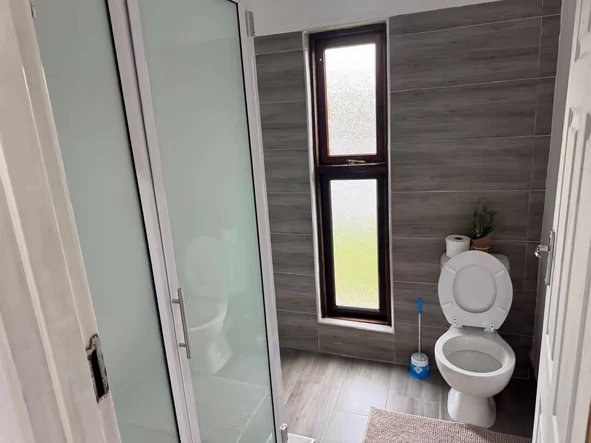
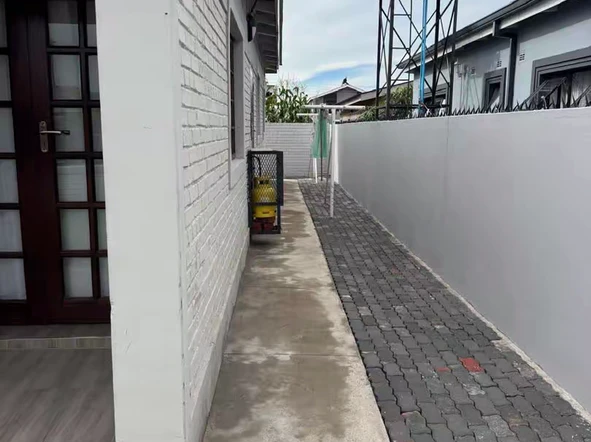
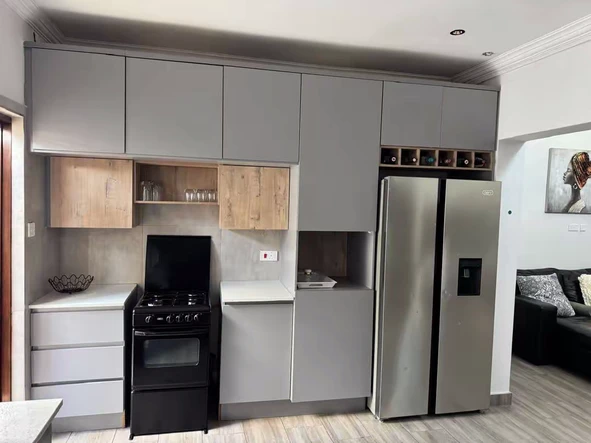
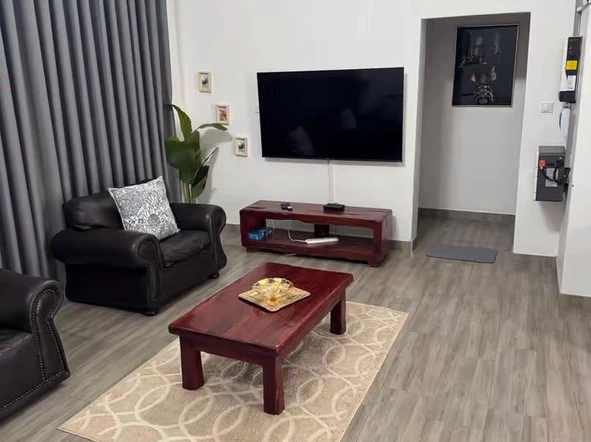
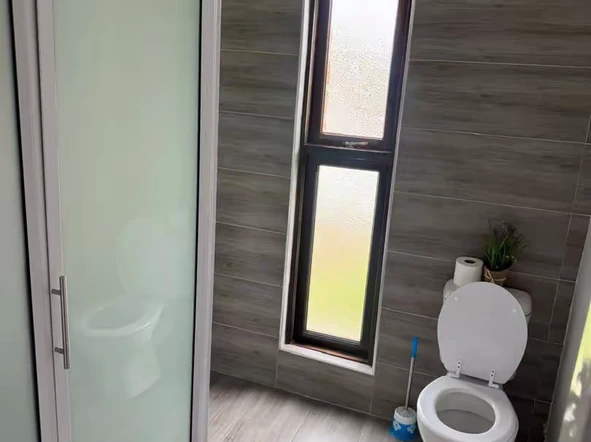
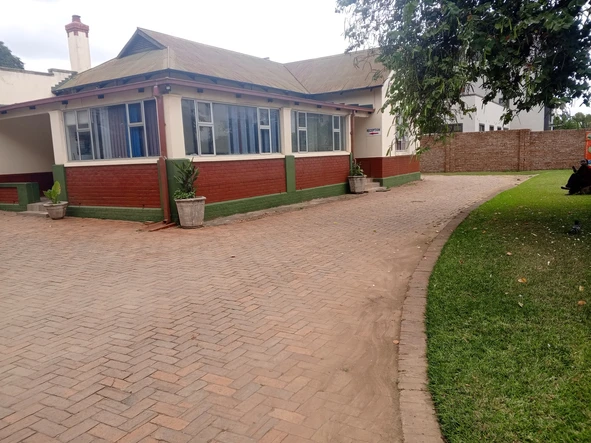
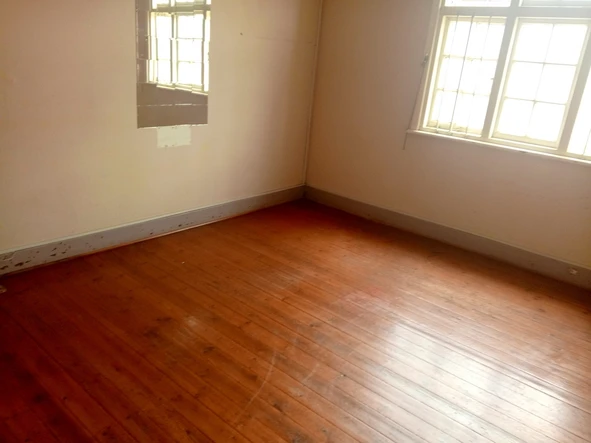
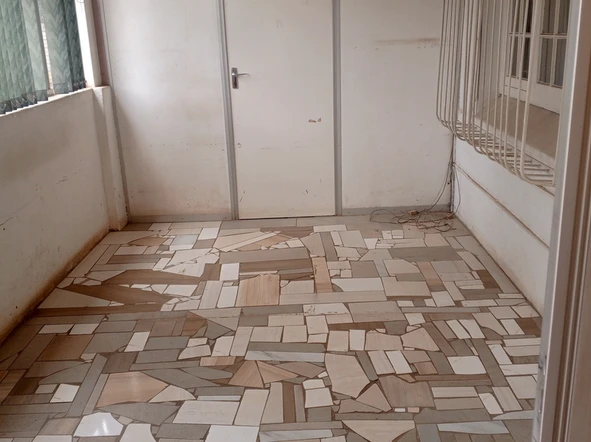
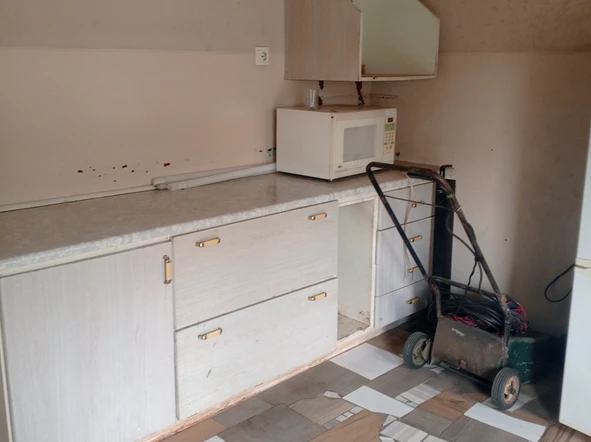
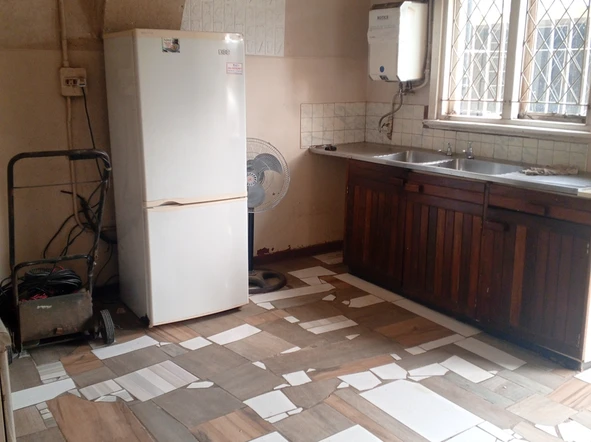
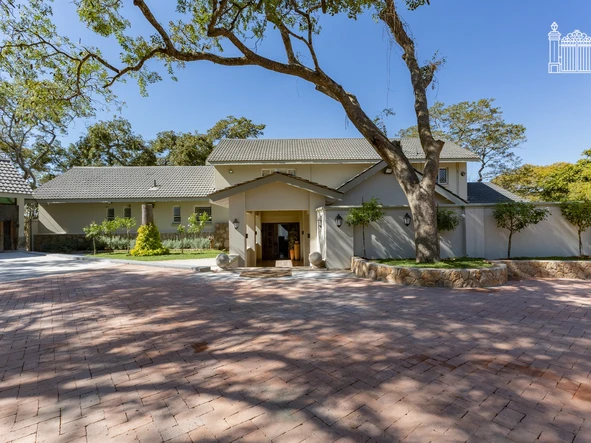
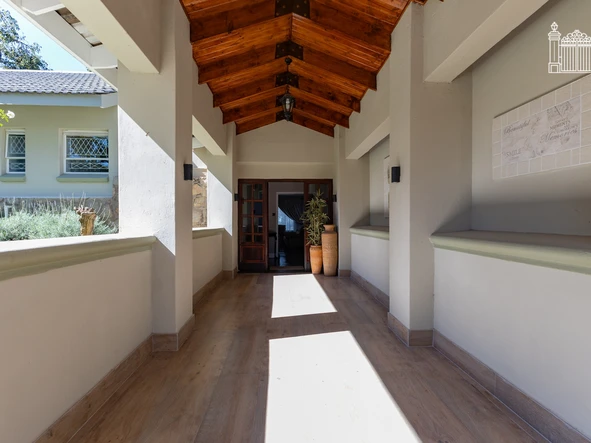
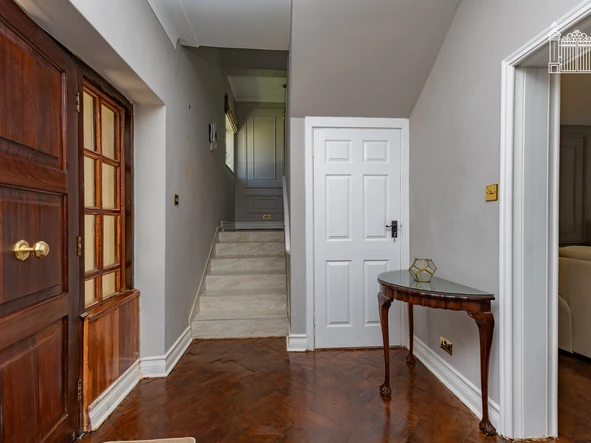
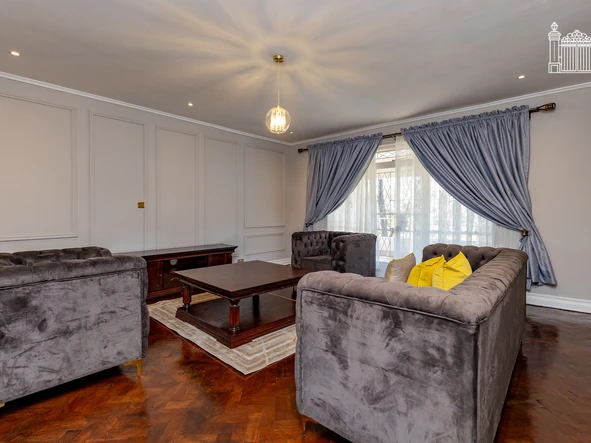
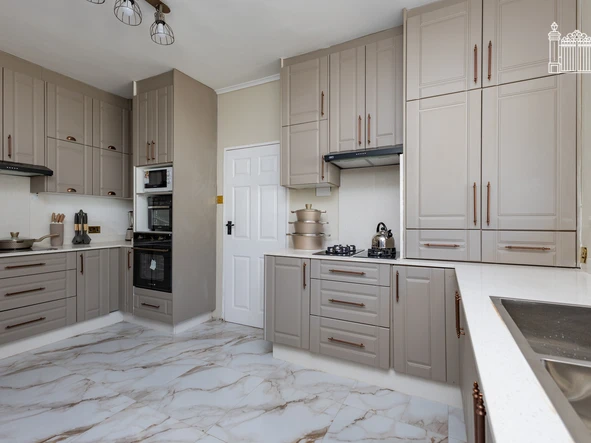
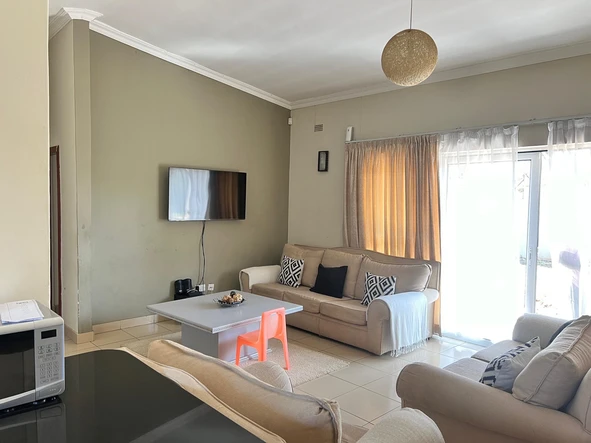
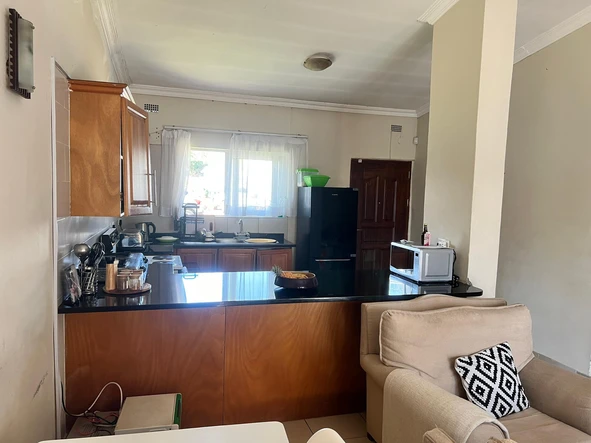
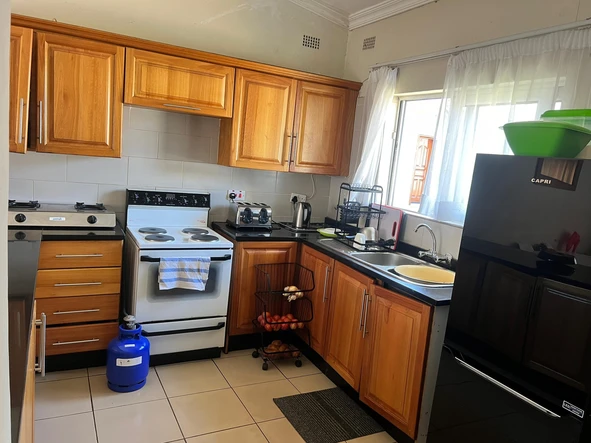
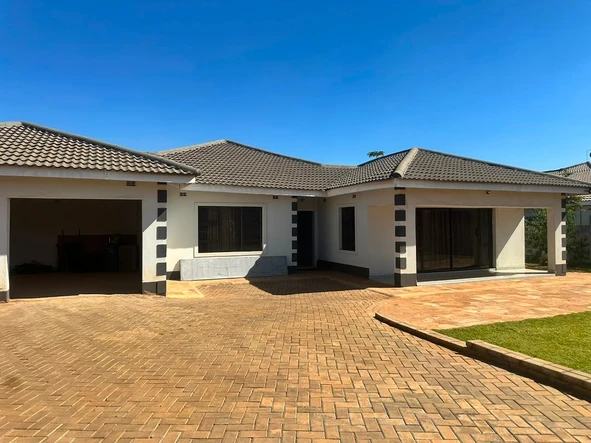
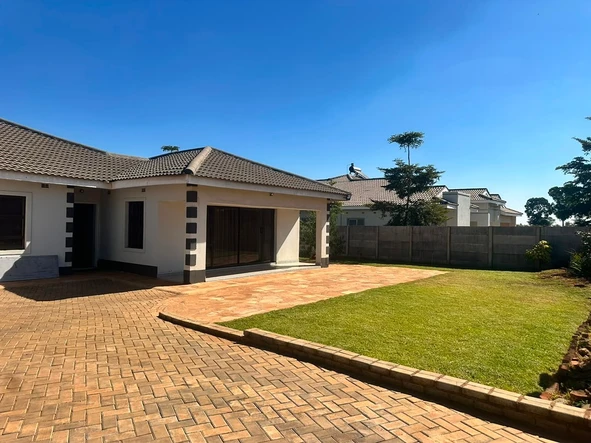
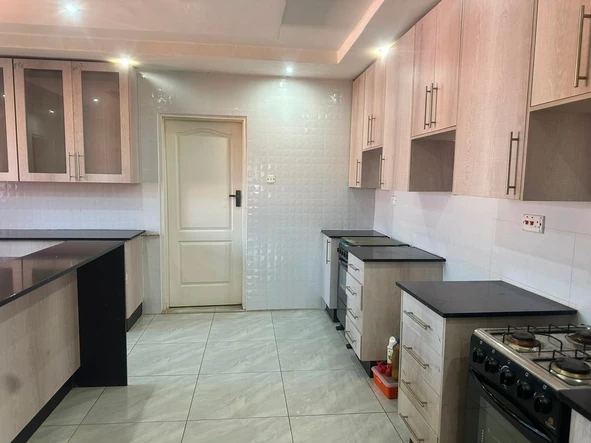
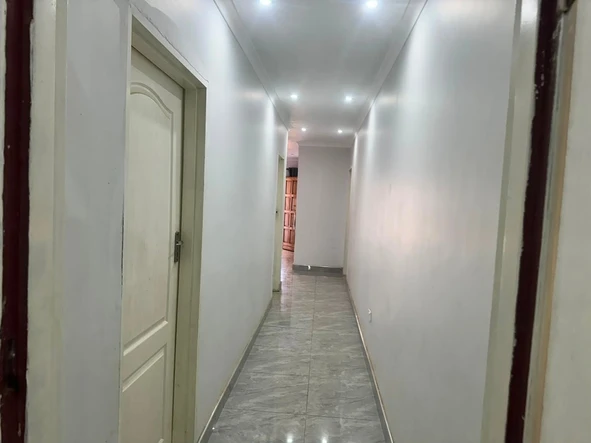
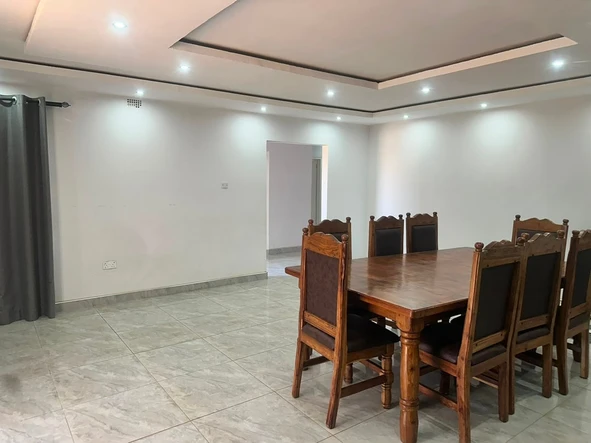
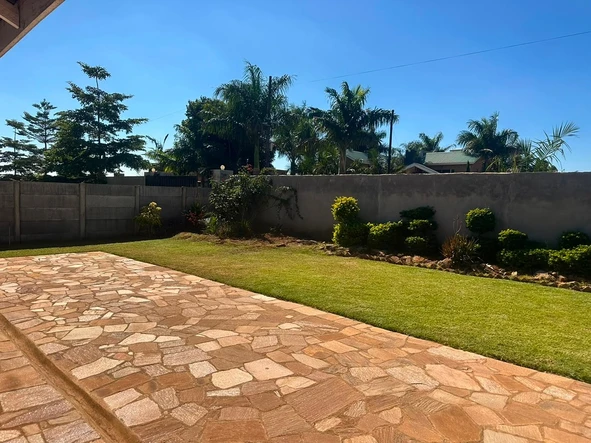
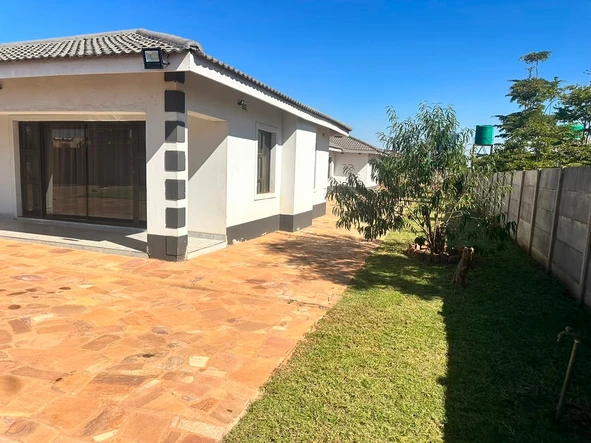
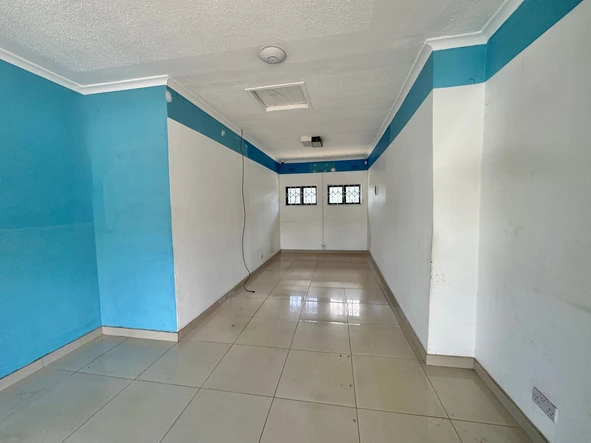
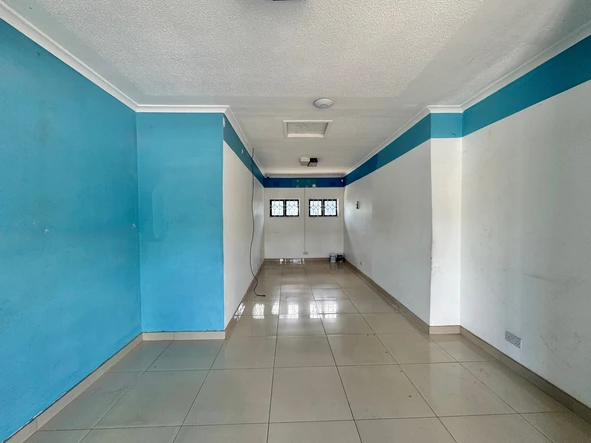
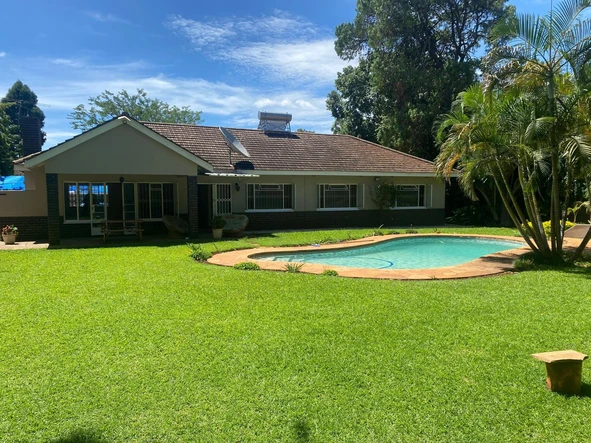
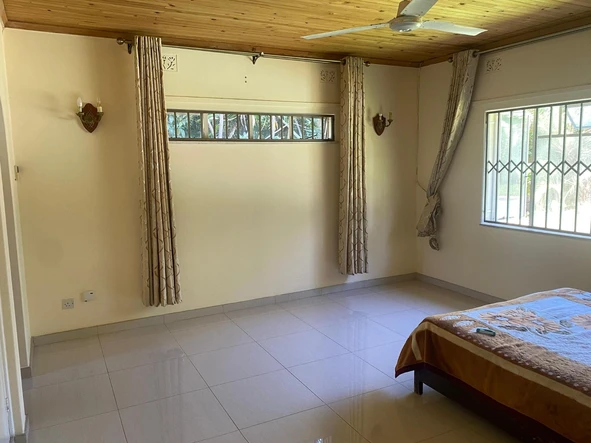
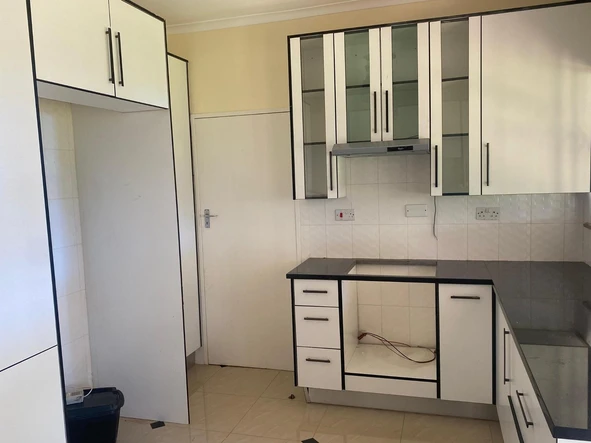
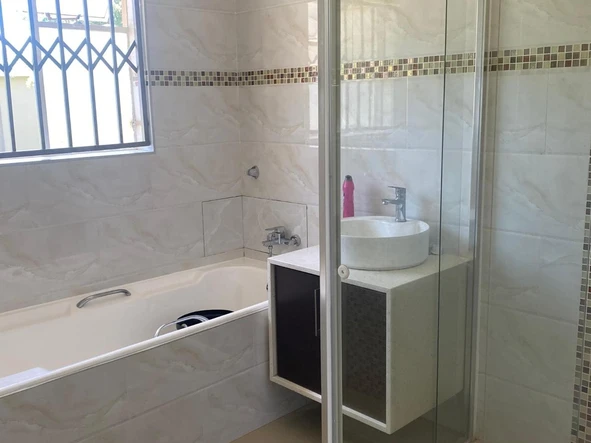
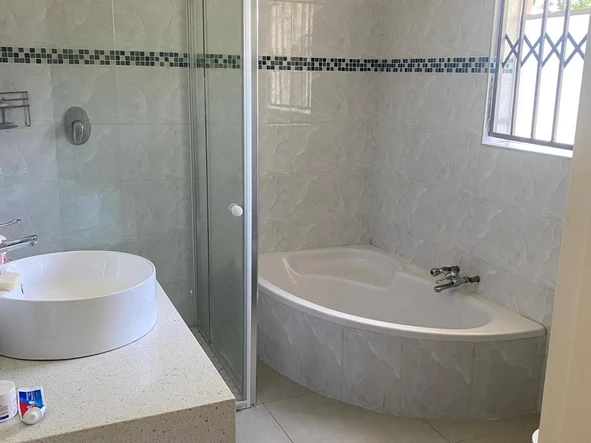
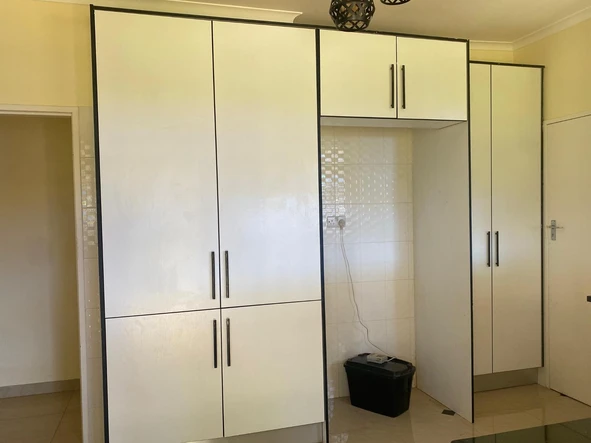
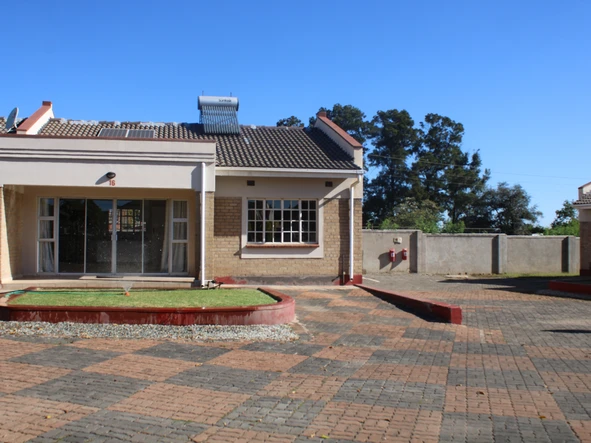
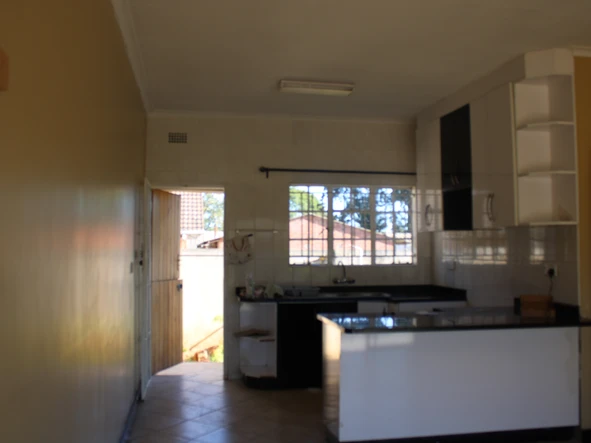
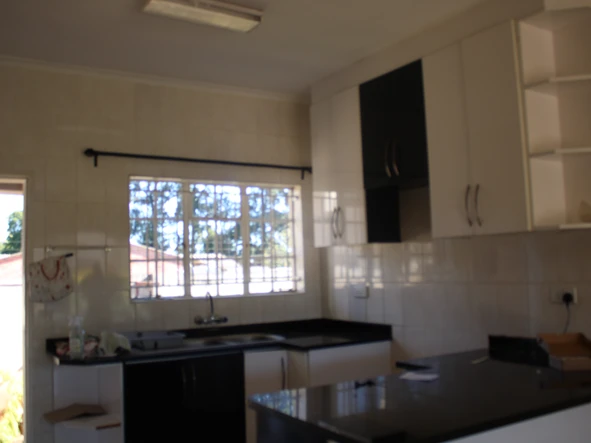
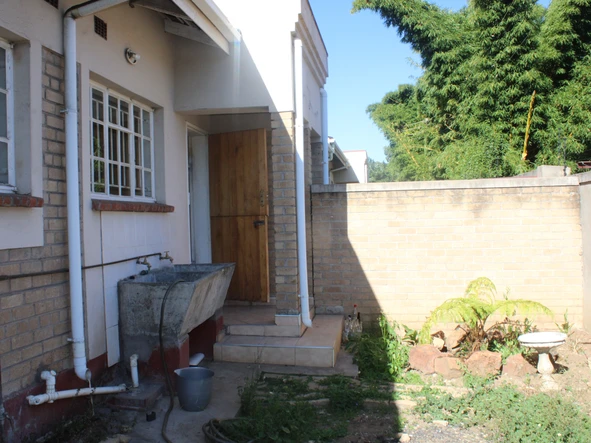
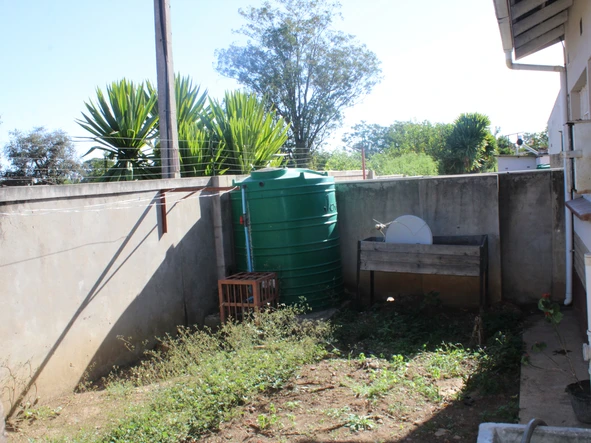
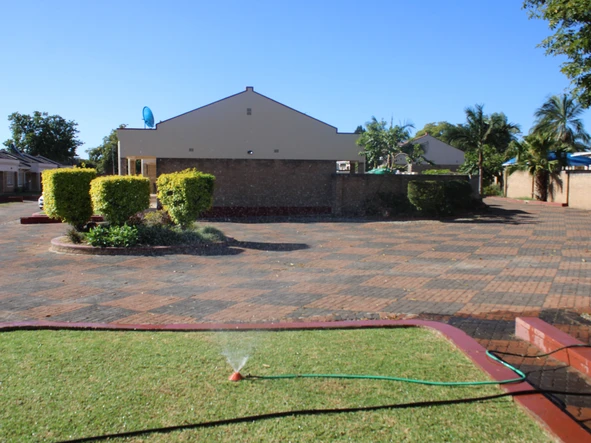
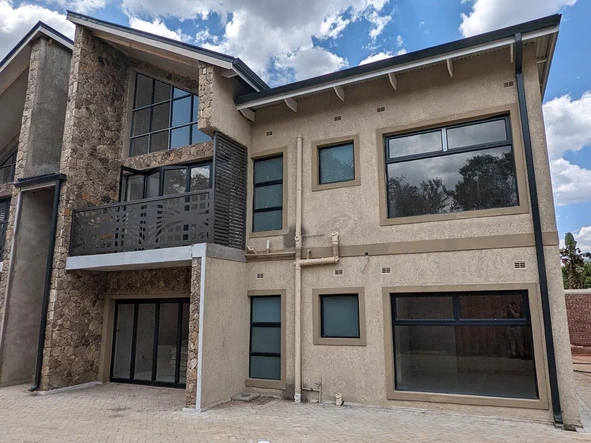
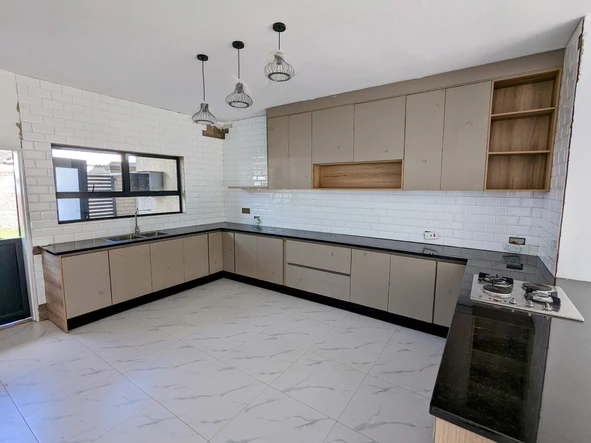
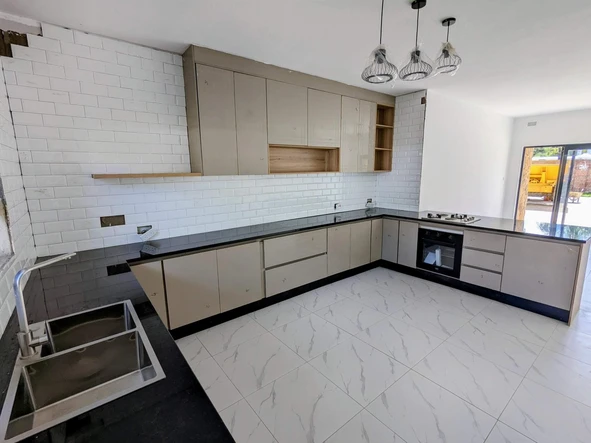
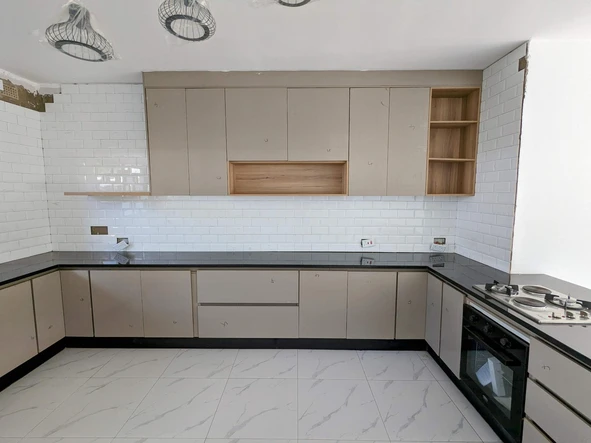
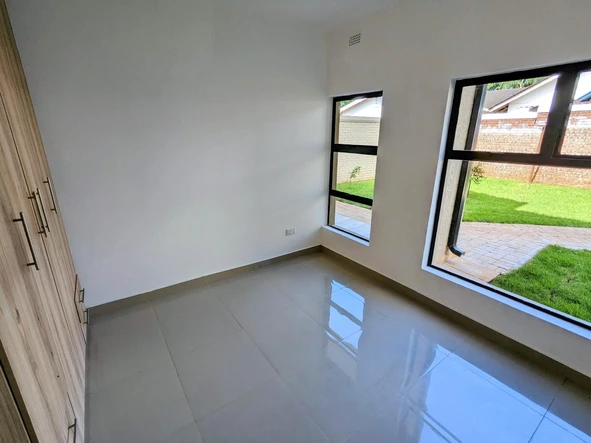
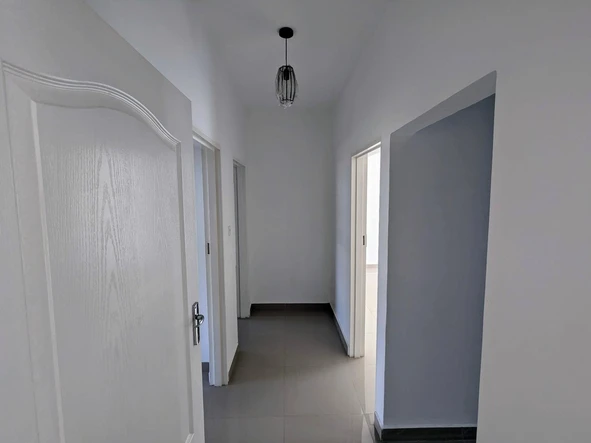
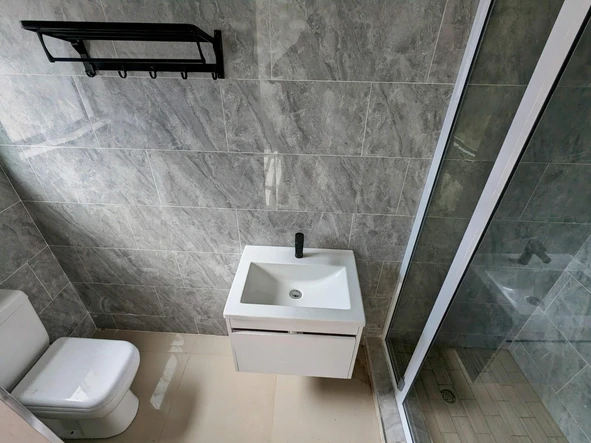
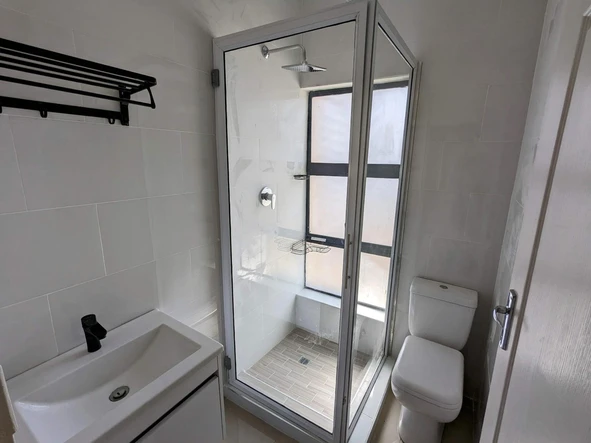
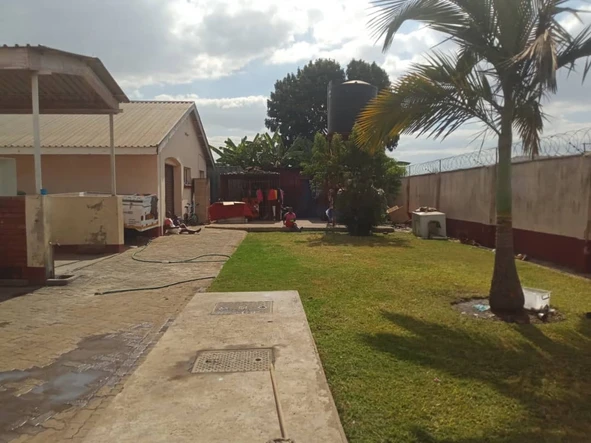
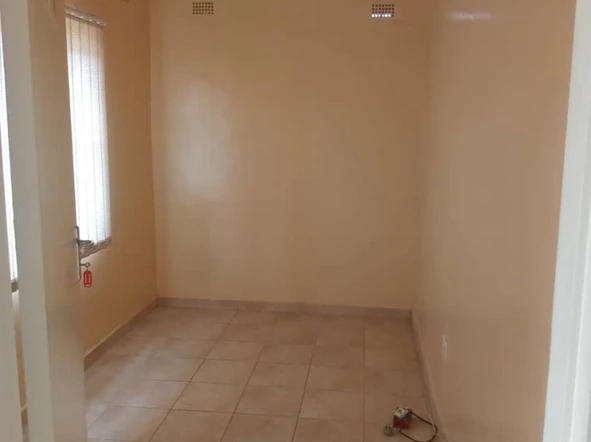
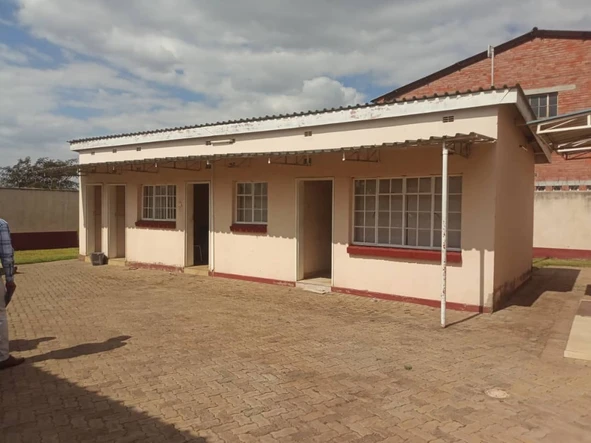
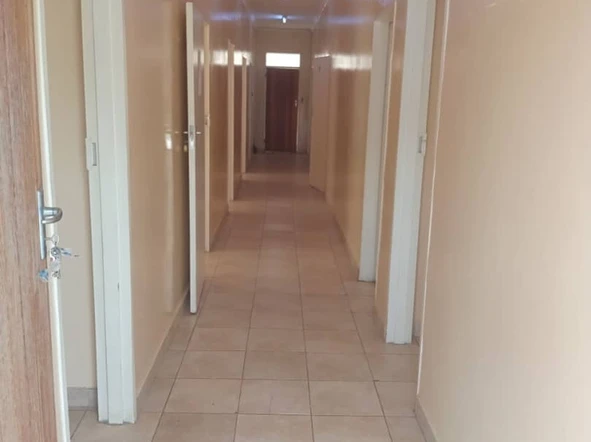
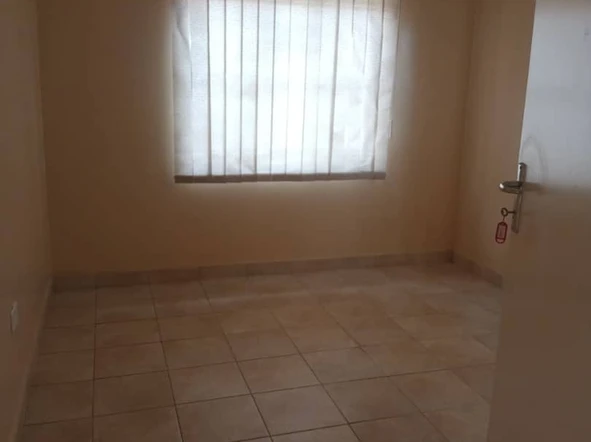
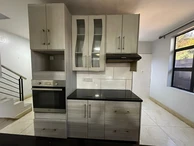
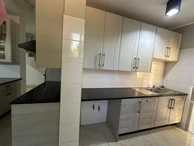
Many of the rental properties come with practical features such as fitted kitchens, boreholes for water supply, walled perimeters for added security, and tiled floors. These amenities contribute to comfortable and convenient living, appealing to families, professionals, and expatriates looking for well-maintained homes in the city.
Harare, as Zimbabwe’s capital, provides a vibrant urban lifestyle with a mix of residential neighborhoods. The city includes green spaces like Harare Gardens and Mukuvisi Woodlands for outdoor activities. Educational institutions such as the University of Zimbabwe and reputable private schools serve the community, while healthcare needs are met by facilities like Harare Central Hospital. Shopping and dining options are plentiful, with places like Sam Levy’s Village and The Boma restaurant offering entertainment and cultural experiences. Transport connections include a network of minibus taxis, commuter buses, and Harare International Airport, making the city well connected for residents.
3
2
250 m²
4
3
250 m²
2
1
100 m²
5
500 m²
4
2
2
1
3
2
125 m²

Be the first to see new properties for rent in Harare










| Type | Avg. price |
|---|---|
| Overall | $1,200 |
| Houses (View 339 properties) | $1,300 |
| Commercial Property (View 233 properties) | $1,400 |
| Flats & Apartments (View 217 properties) | $1,000 |
| Land (View 2 properties) | $3,200 |
Spot fake title deeds in Zimbabwe's 2026 market by evaluating them against the Ministry of Justice's newly launched Title Deeds Validation and Securitisation
Secure your long-term occupancy in 2026 by regularizing your property status through the Deeds Registry, as years of living on a stand do not automatically g
Secure your children's financial future by exploring how to legally register property for minors under Zimbabwe's strict legal frameworks. Whether utilizing
Secure your long-term occupancy by regularizing your property status through the Deeds Registry, as years of living on a stand do not automatically grant legal
Navigate the psychological and financial strain of social media-driven design pressure by prioritizing high-ROI areas like kitchens and bathrooms over cosmetic