Log in to contact the seller
 Continue with Facebook
 Continue with Email
Continue with Facebook
Continue with Email
Sign up with Facebook
Continue with Email
Continue with Facebook
Continue with Email
Sign up with Facebook
 Change filters
 Requests


 3
3
 3
285 m²
3
285 m²


 3
2
360 m²
2
2
100 m²
3
2
100 m²
3
2
250 m²
3
2
360 m²
2
2
100 m²
3
2
100 m²
3
2
250 m²
 3
1
3
1
 4,910 m²
3
2
220 m²
2
1
50 m²
2
2
161 m²
10,000 m²
4,910 m²
3
2
220 m²
2
1
50 m²
2
2
161 m²
10,000 m²
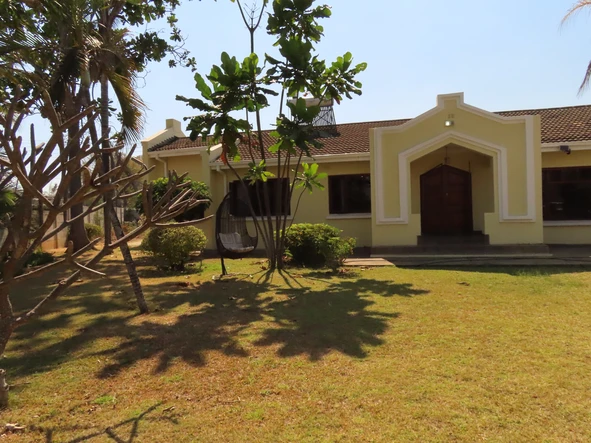
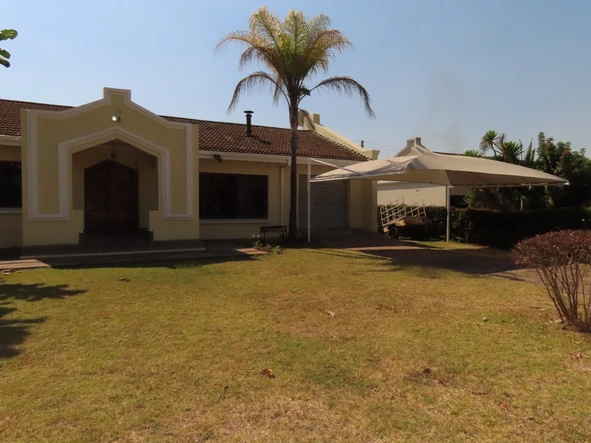
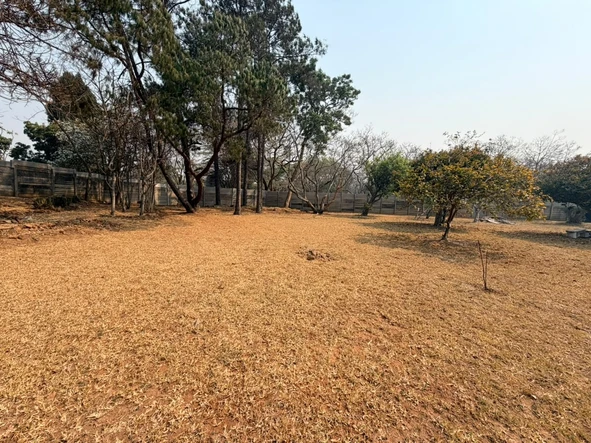
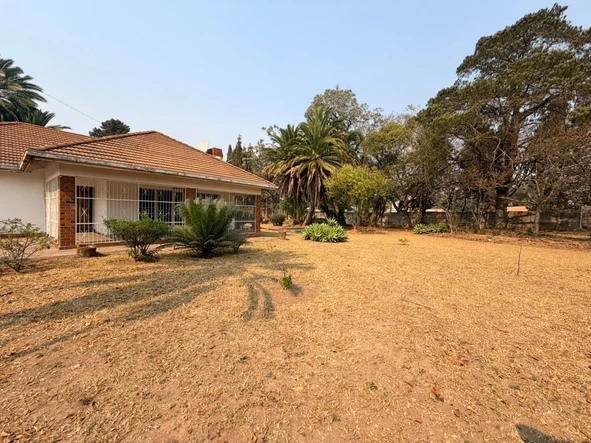
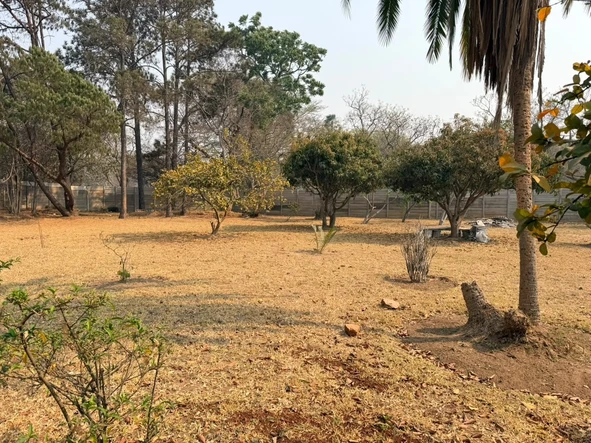
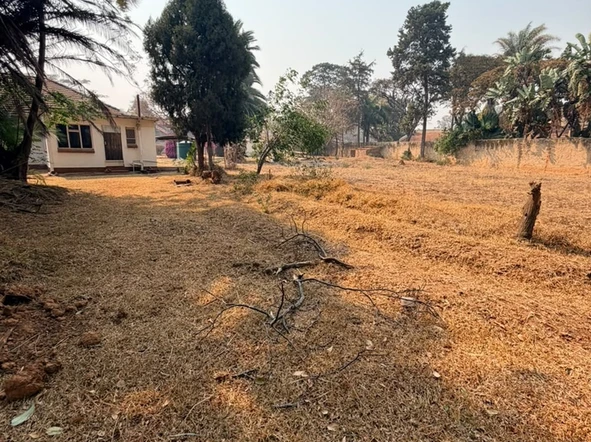
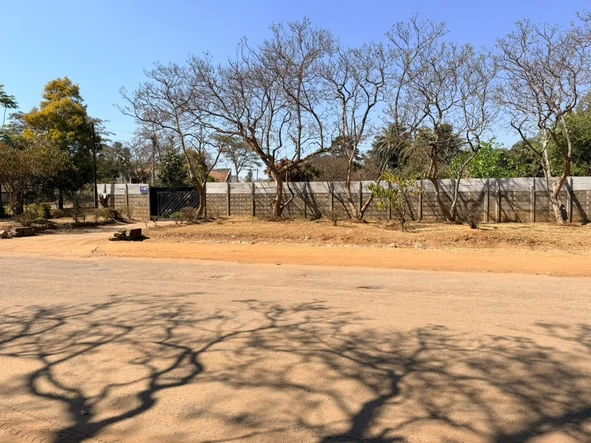
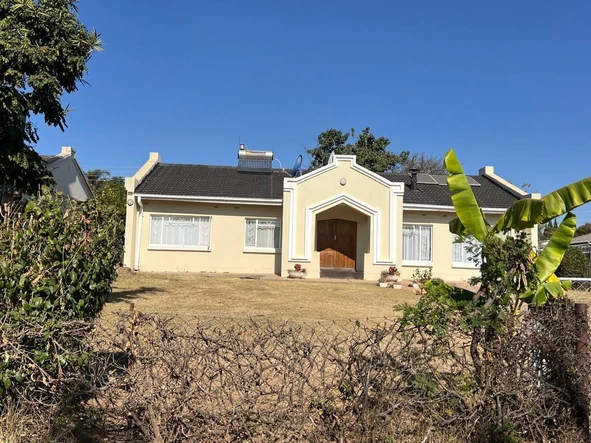
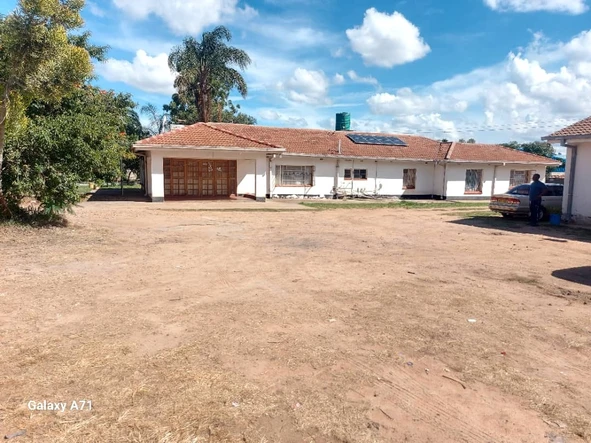
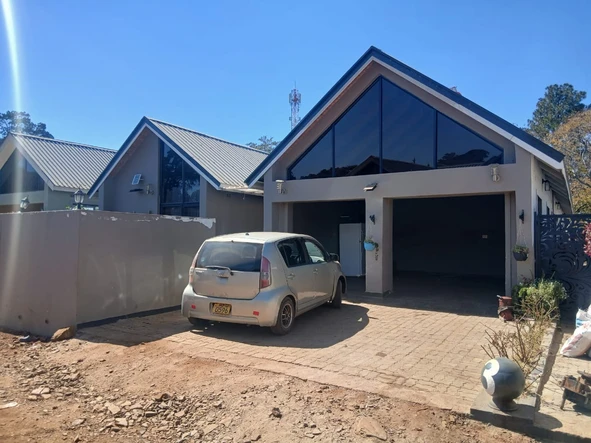
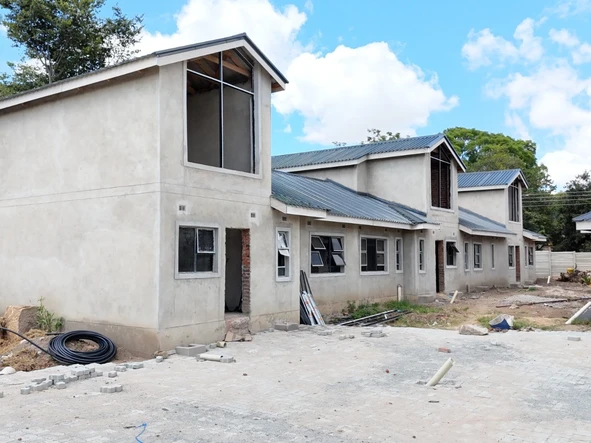
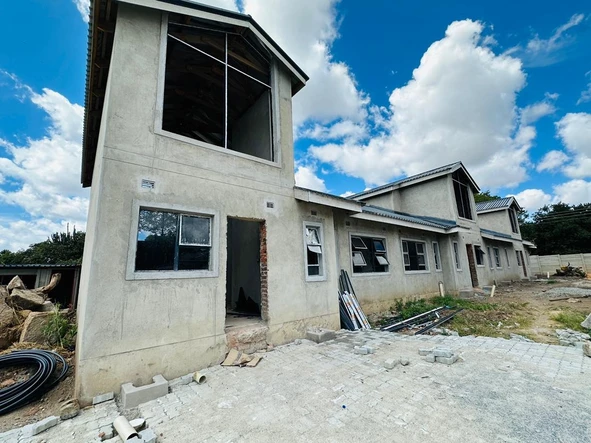
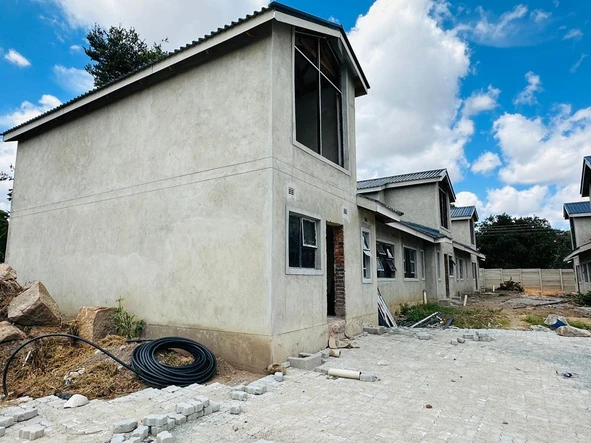
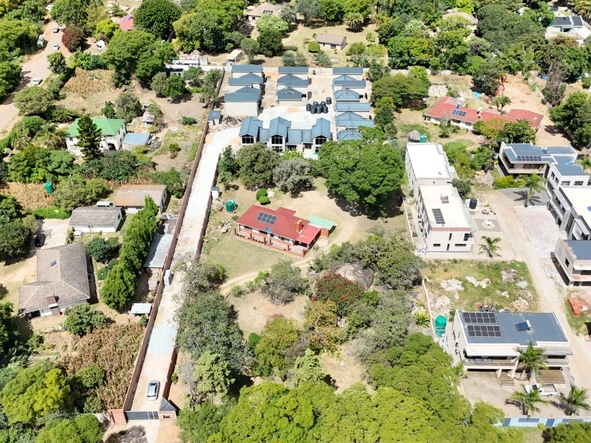
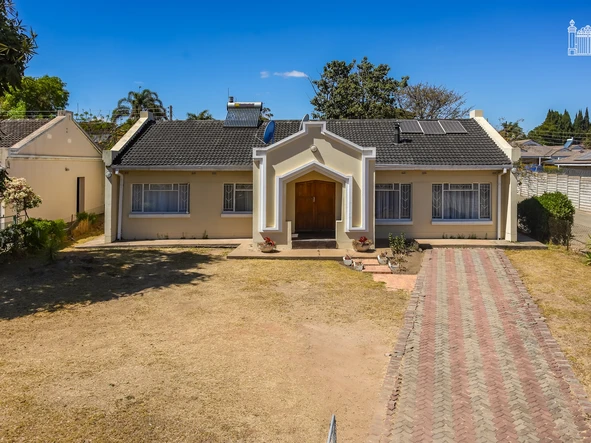
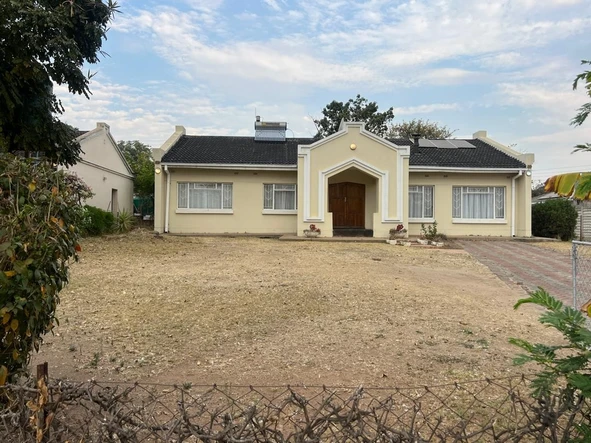
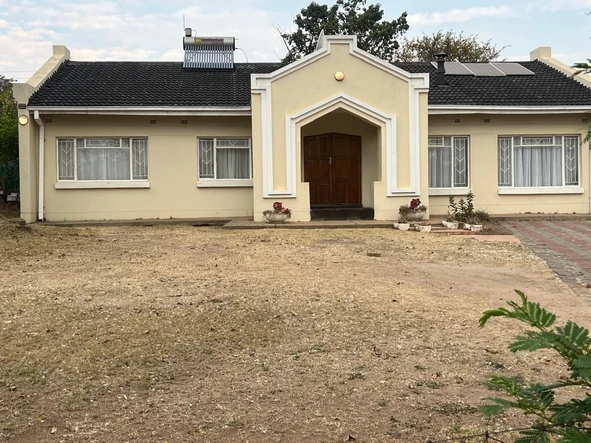
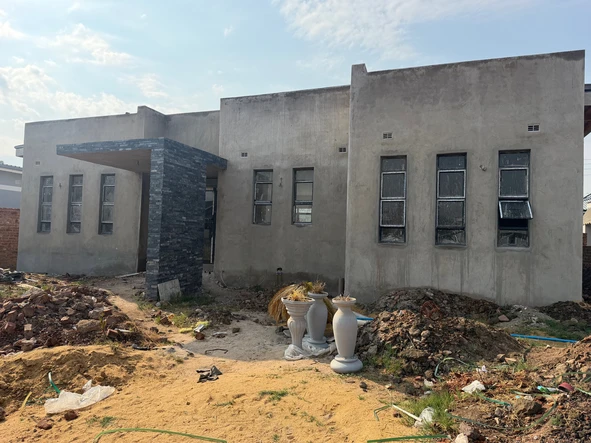
Properties for sale in Greendale, Harare East, are positioned in a well-established, middle to upper-middle-class suburb known for its quiet and leafy streets. The average price of the properties currently listed is $250,000, reflecting a high-end market. These properties typically have a median land area of about 3,000 ㎡ and a median building size of around 200 ㎡, with some larger estates reaching up to 16,355 ㎡ of land and 6,000 ㎡ in property size.
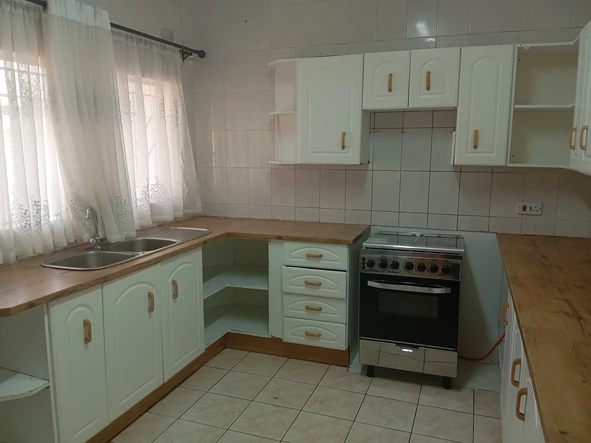
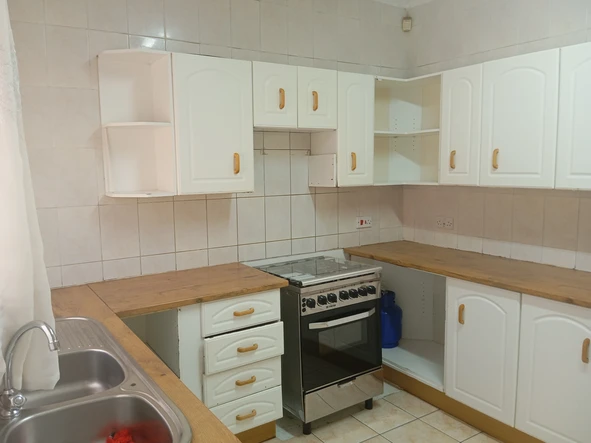
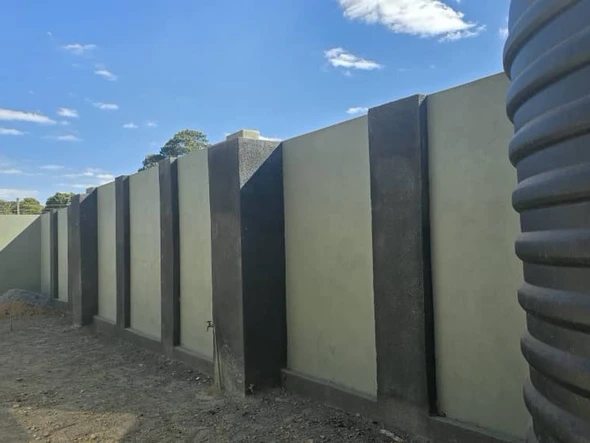
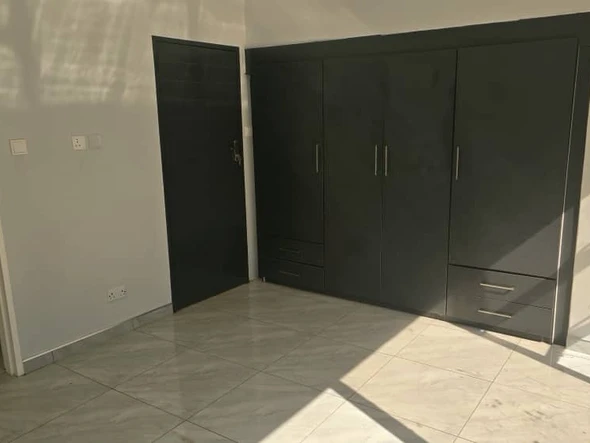
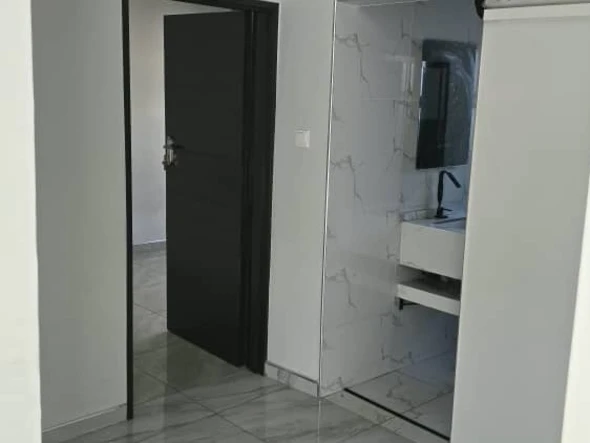
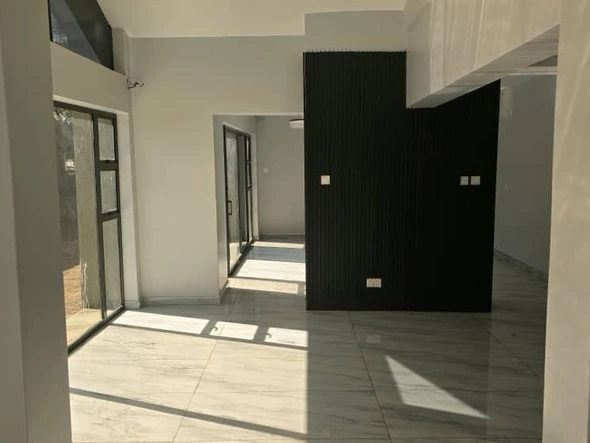
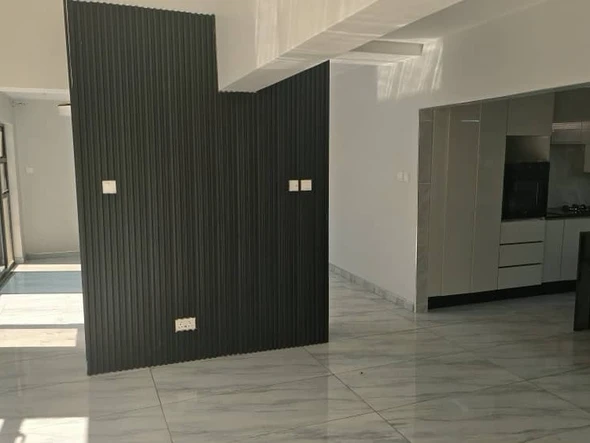
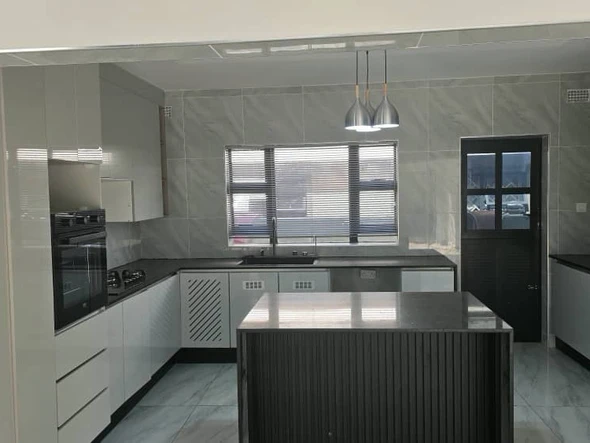
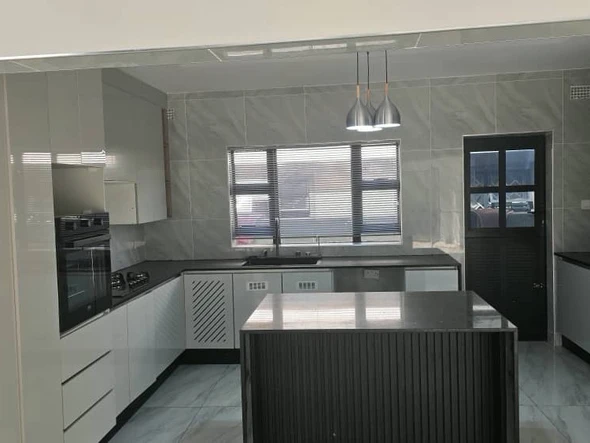
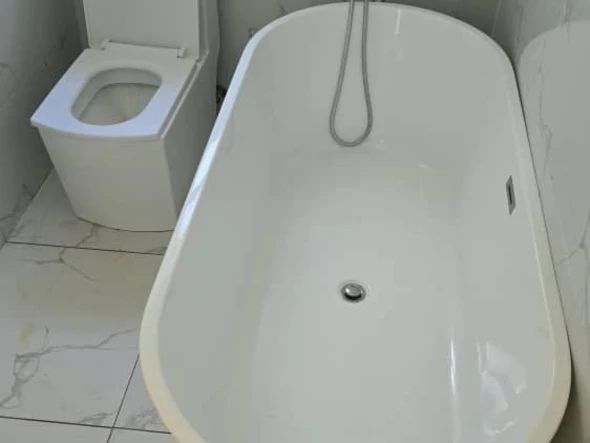
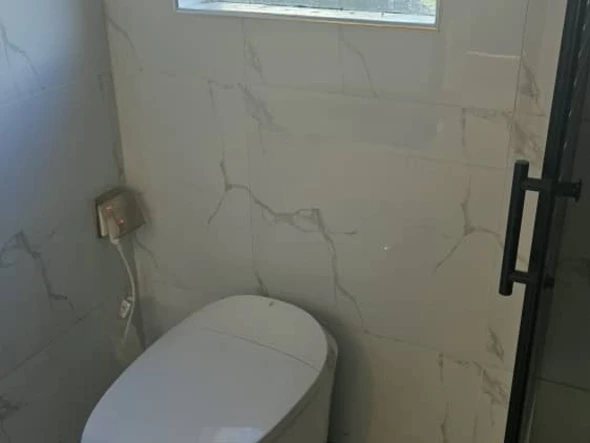
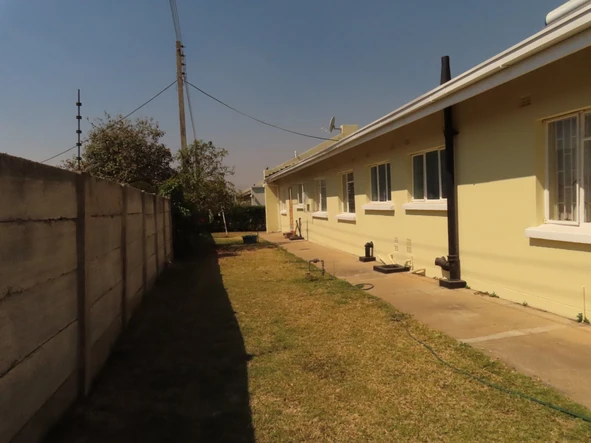
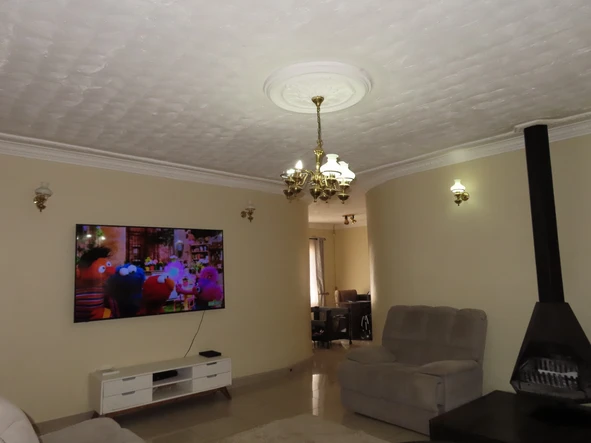
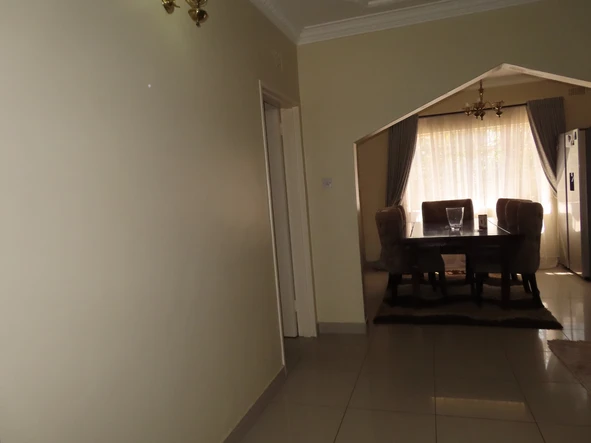
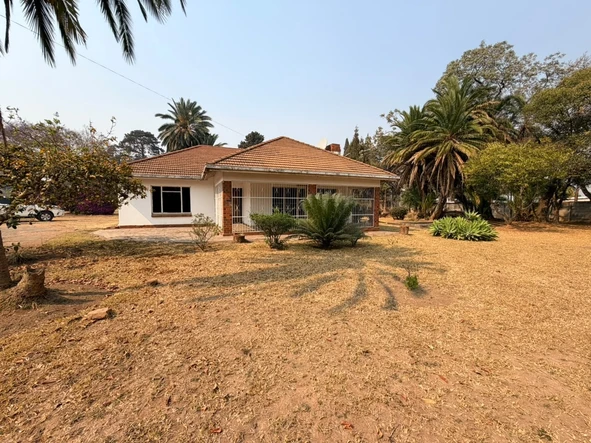
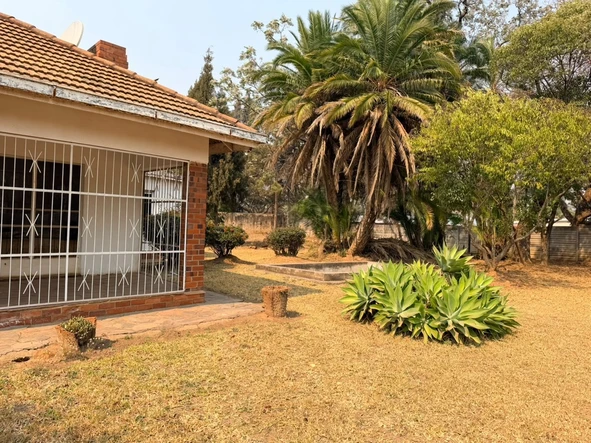
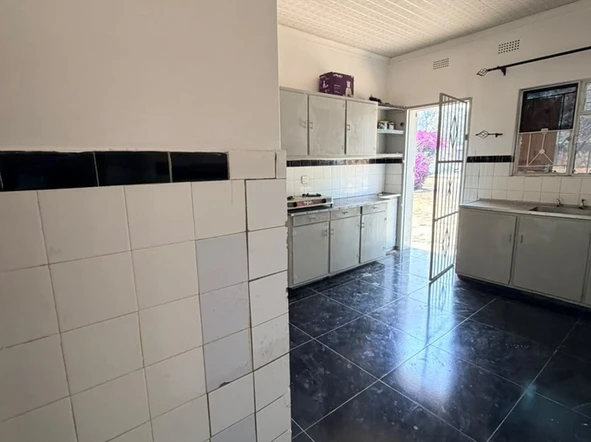
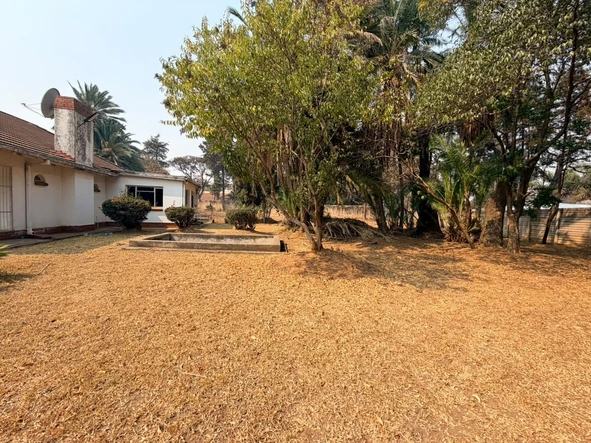
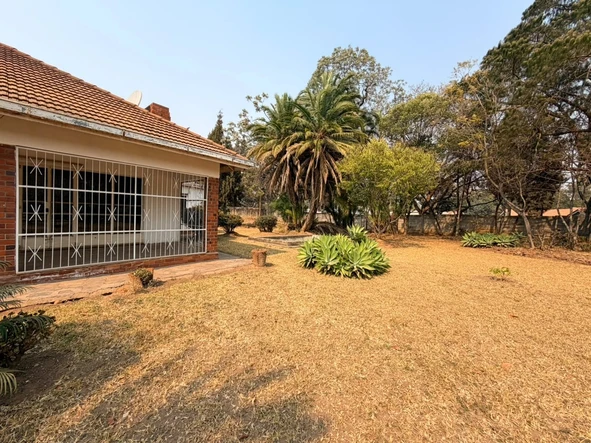
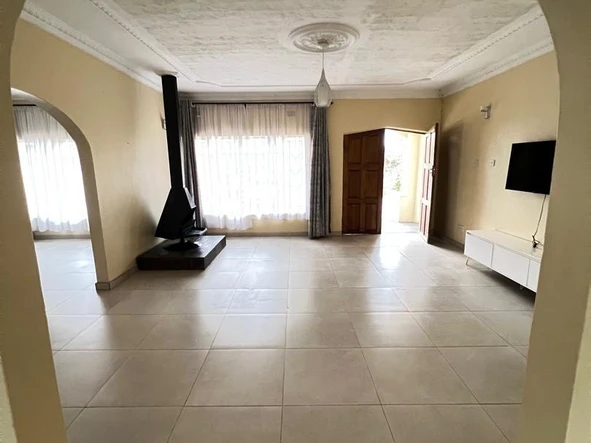
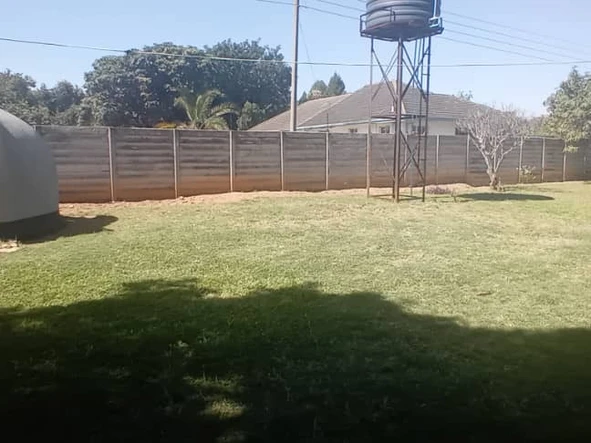
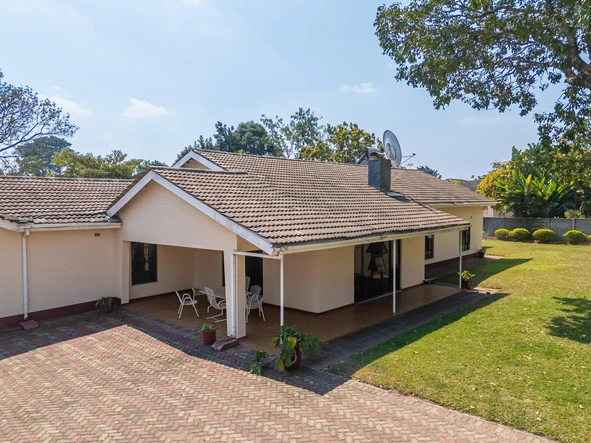
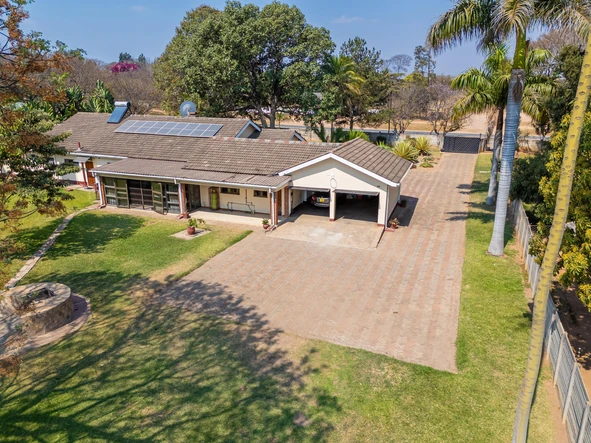
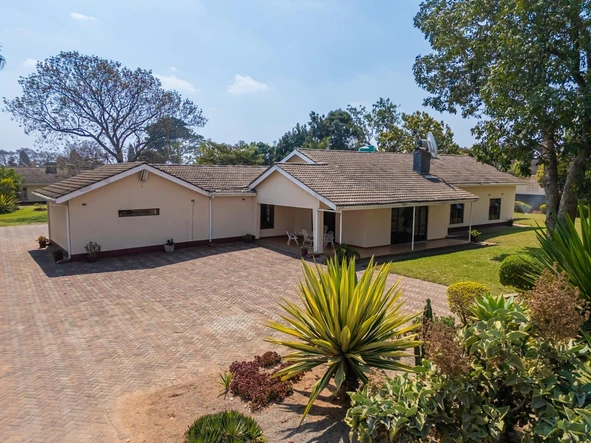
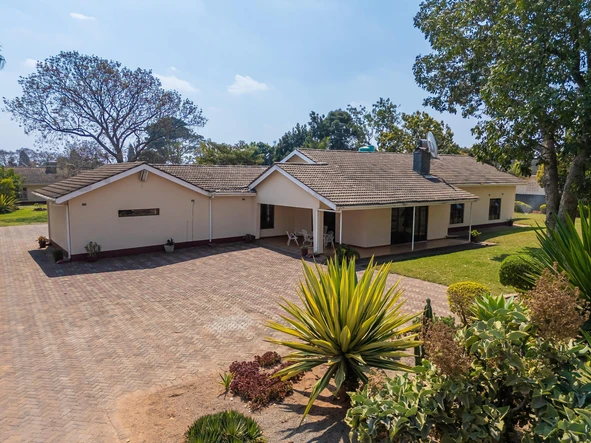
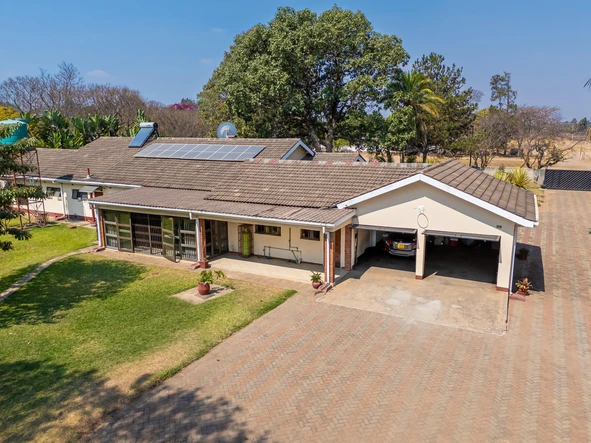
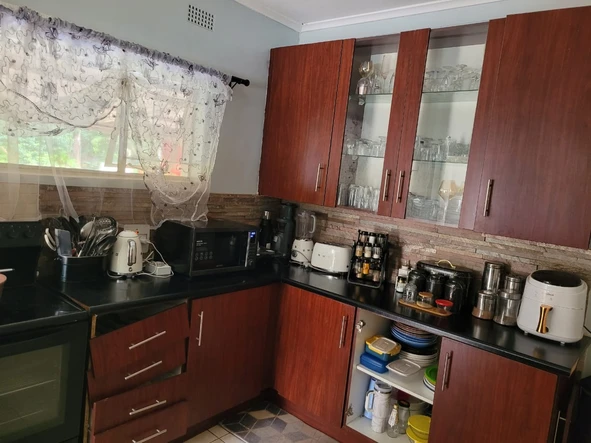
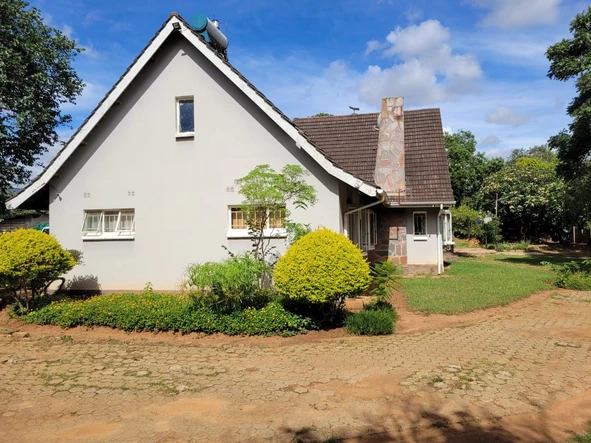
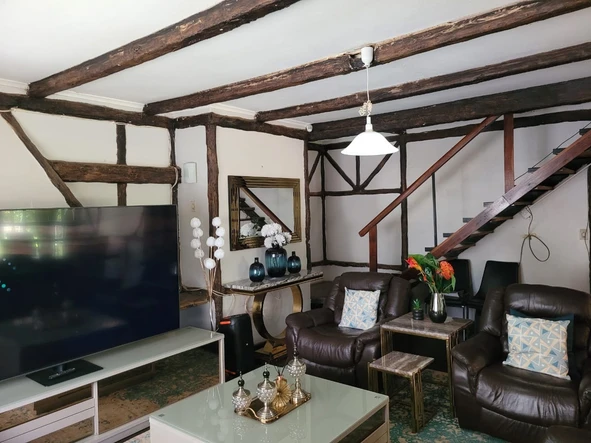
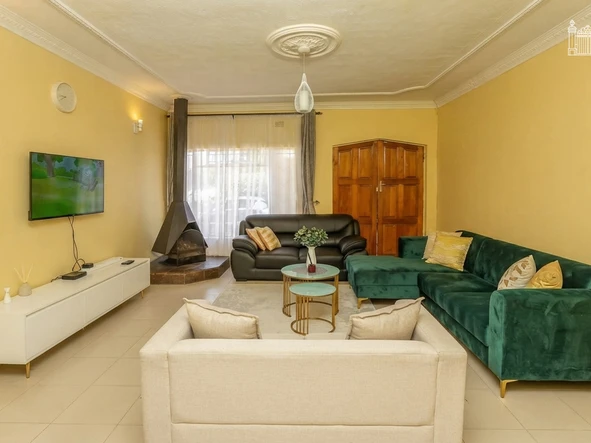
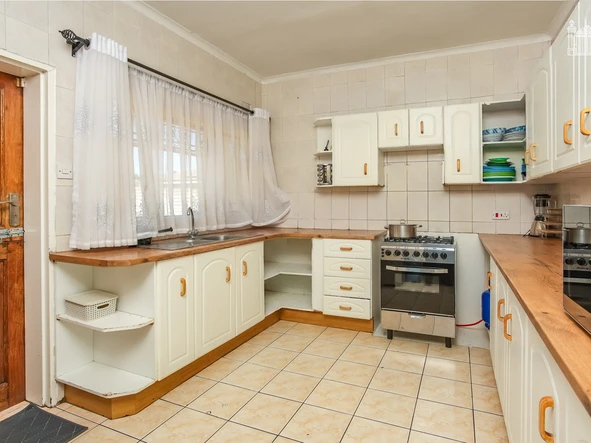
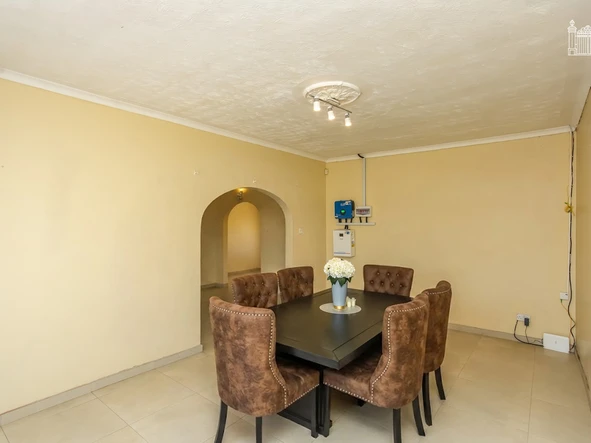
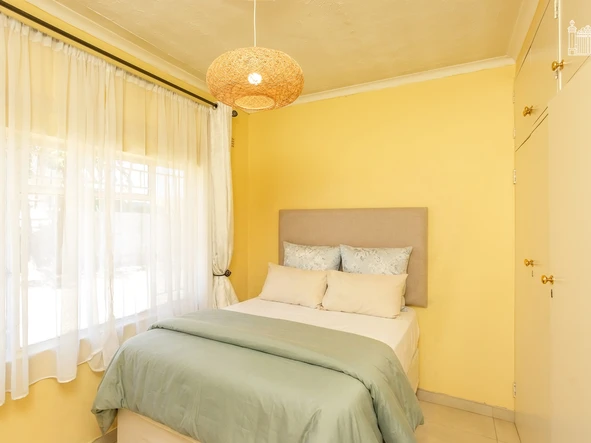
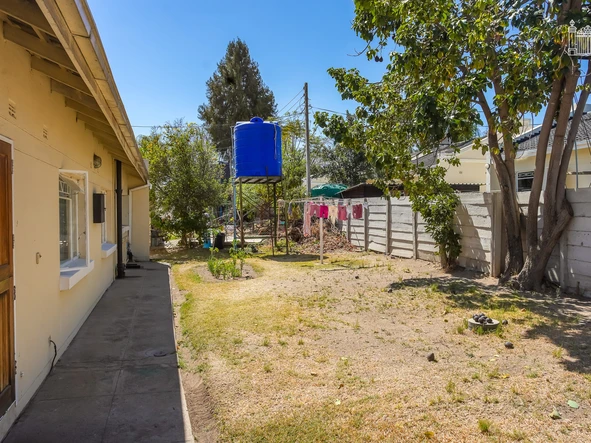
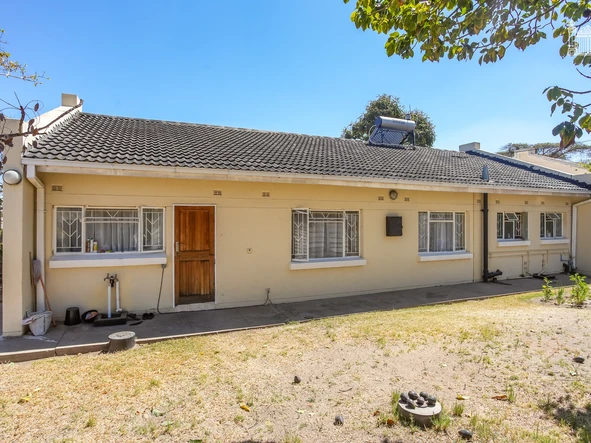
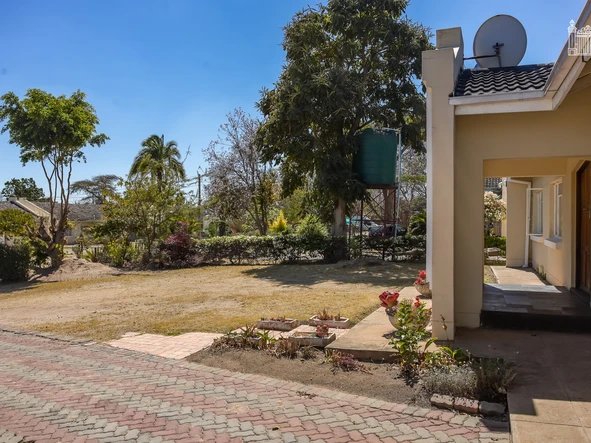
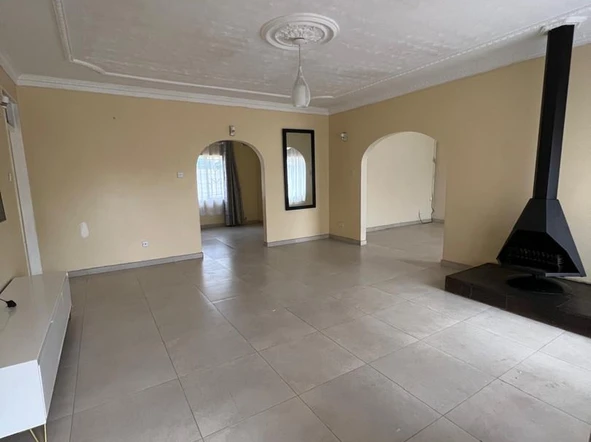
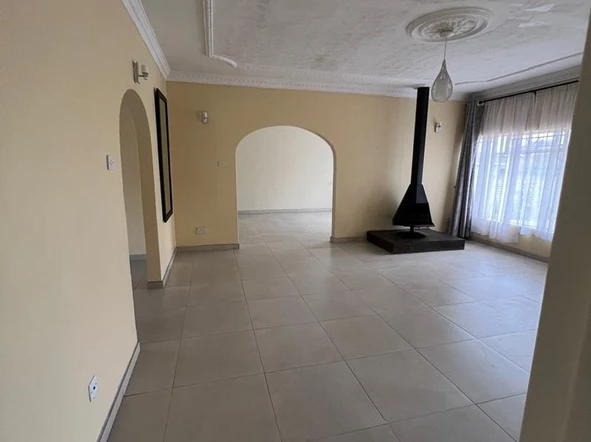
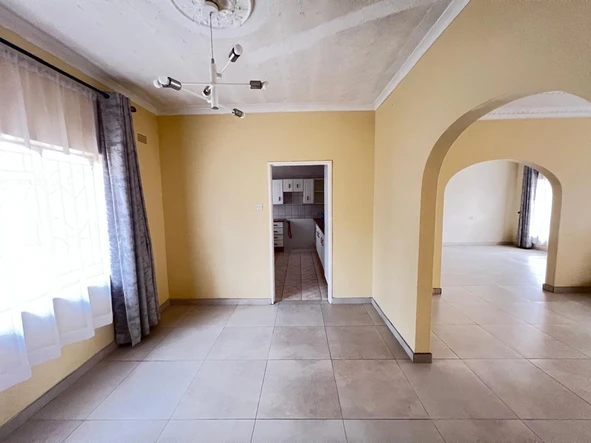
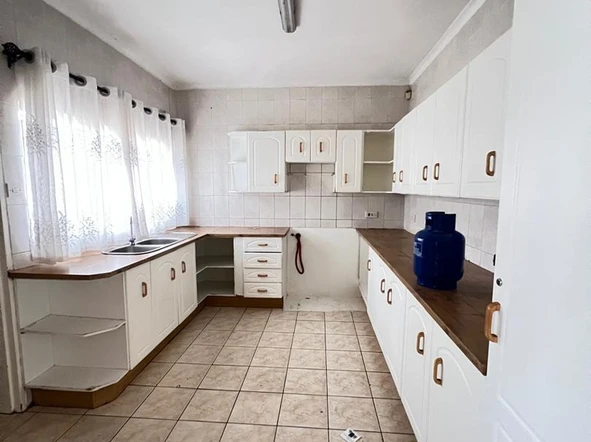
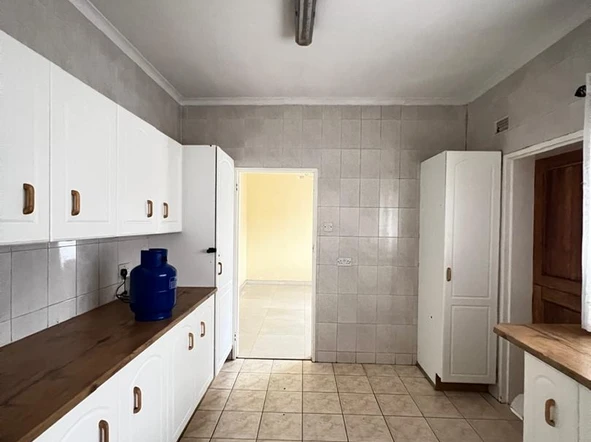
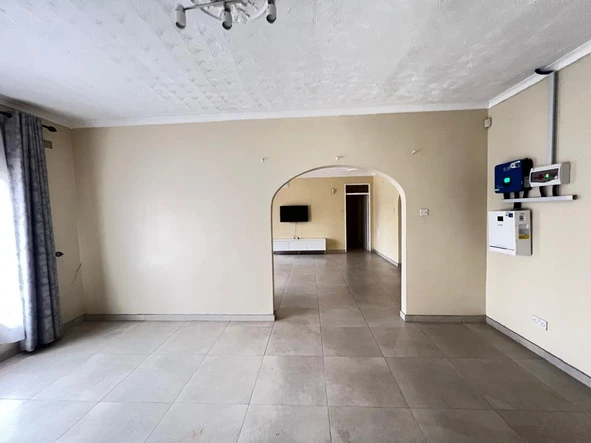
Many homes in Greendale feature practical and desirable amenities such as boreholes, water tanks, and good ZESA power supply. Properties often include tiled floors, walled boundaries for privacy, fitted kitchens, main en suite bedrooms, and well-maintained gardens, making them suitable for families and professionals seeking comfort and security.
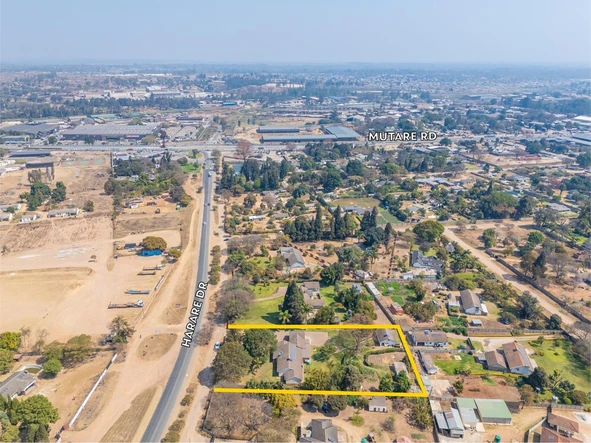
Greendale offers a balanced lifestyle with access to facilities like Greendale Golf Club for recreation and the nearby Mukuvisi Woodlands for nature walks. Families benefit from reputable schools such as Greendale Primary School and St. John's High School, while healthcare needs are met by Greendale Medical Centre. Shopping is convenient with Greendale Shopping Centre and Eastgate Mall close by. The suburb is well connected by major roads and public transport, providing easy access to Harare city center and Harare International Airport, making it an attractive option for buyers looking for a secure and comfortable urban lifestyle in Harare East.
5
2
5,502 m²
3
2
178 m²
4
3
180 m²
4
2
350 m²
2
1
90 m²
4
2
200 m²
3
2
220 m²
10,000 m²
3
2
220 m²

Be the first to see new properties for sale in Greendale, Harare East









| Type | Avg. price |
|---|---|
| Overall | $250,000 |
| Houses (View 41 properties) | $310,000 |
| Flats & Apartments (View 29 properties) | $190,000 |
| Land (View 22 properties) | $340,000 |
| Commercial Property (View 1 properties) | $700,000 |
Understand Zimbabwe’s 2026 rental tax rules, including the 15% commercial regime, residential tax treatment, monthly deadlines and disclosure window
Planning to drill or buy a property with a borehole in Zimbabwe? Check the authority, permit, siting, records and water quality before you commit.
Protect your rental property in Zimbabwe. Learn the 10 essential tenant screening checks landlords should make before signing a lease agreement.
Upgrade your home with the top bathroom trends of 2026 in Zimbabwe. Explore 8 stylish ideas covering luxury vanity finishes, lighting, and eco features.
Buying property in Zimbabwe? Discover hidden costs like stamp duty, conveyancing fees, and taxes that can add 8%–12% or more to your purchase price.