Log in to contact the seller
 Continue with Facebook
 Continue with Email
Continue with Facebook
Continue with Email
Sign up with Facebook
Continue with Email
Continue with Facebook
Continue with Email
Sign up with Facebook
 Change filters
 Requests


 500 m²


 5
250 m²
5
250 m²
 4
4
 3
400 m²
3
400 m²
 1,995 m²
4
3
370 m²
1,995 m²
4
3
370 m²
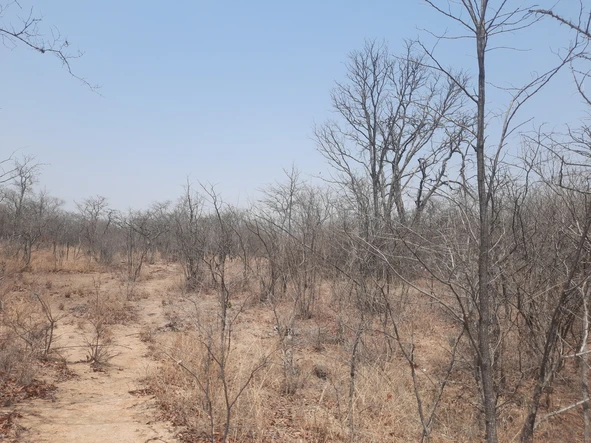
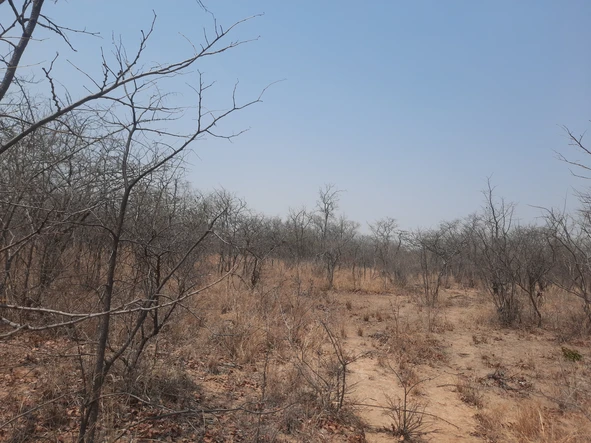
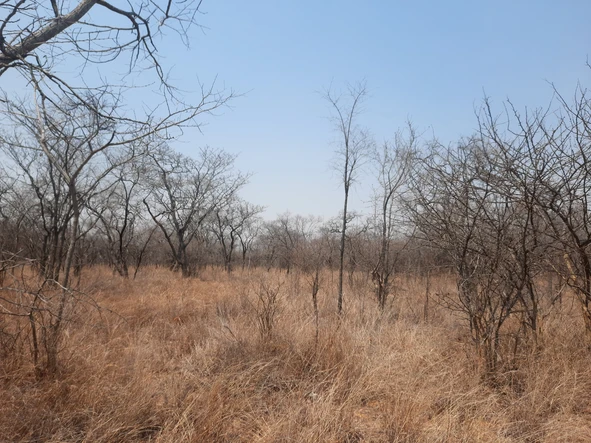
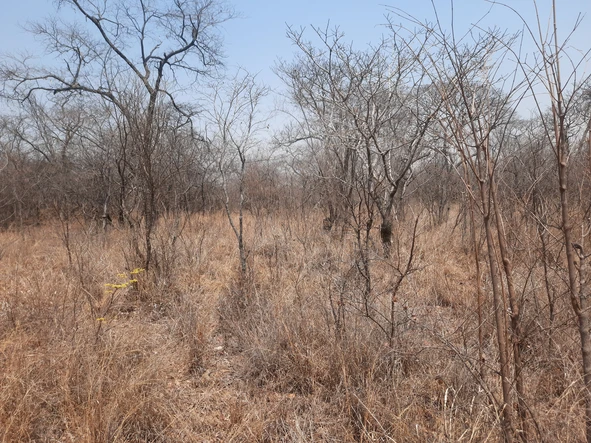
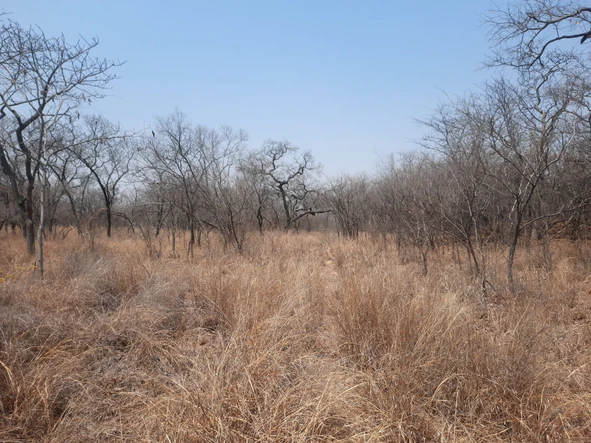
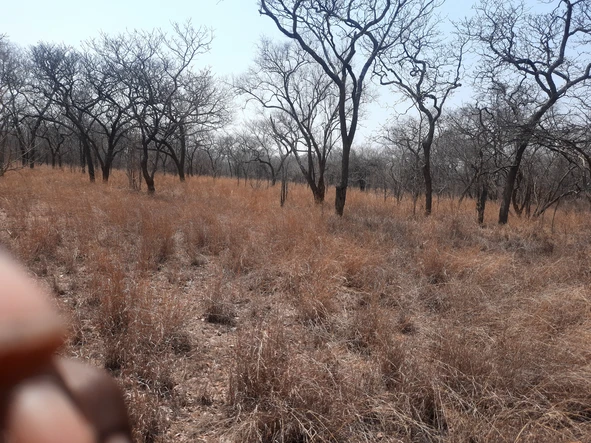
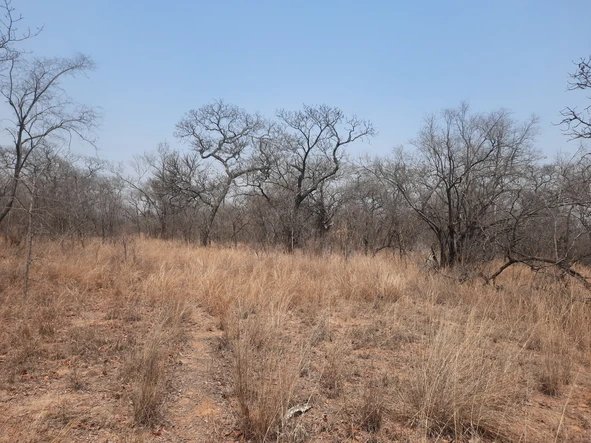
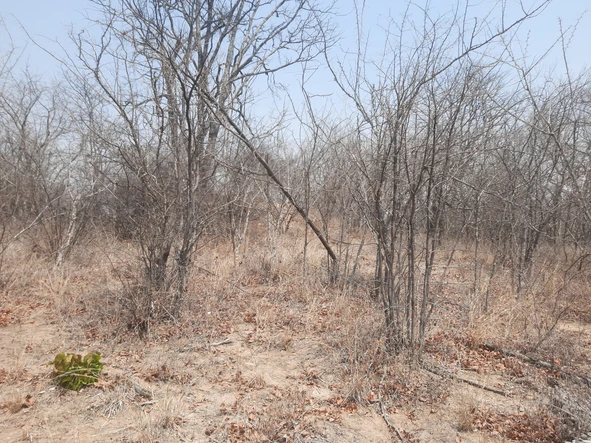
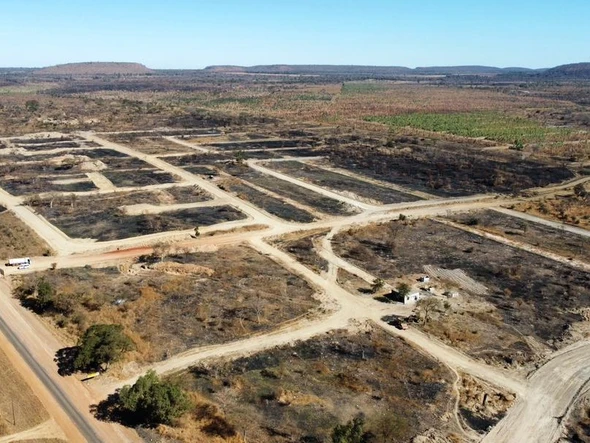
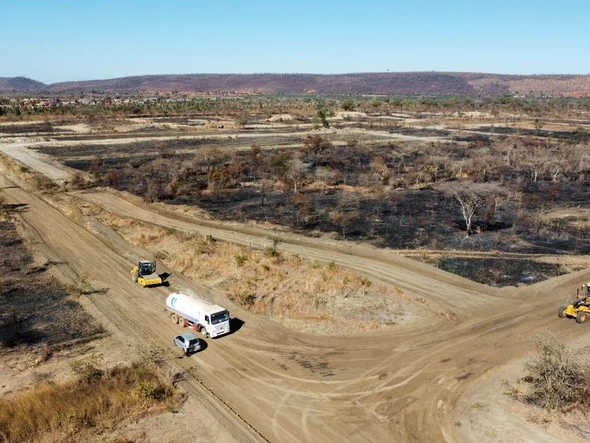
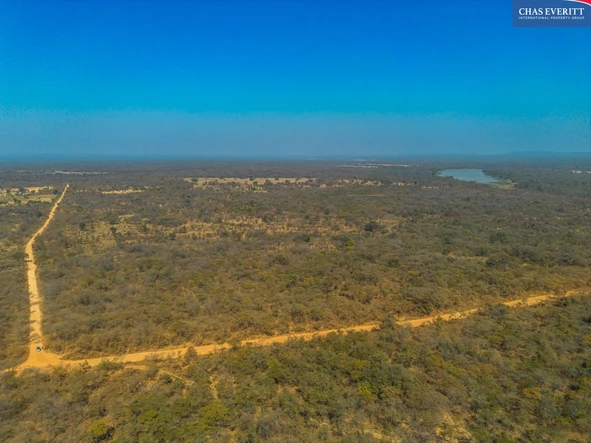
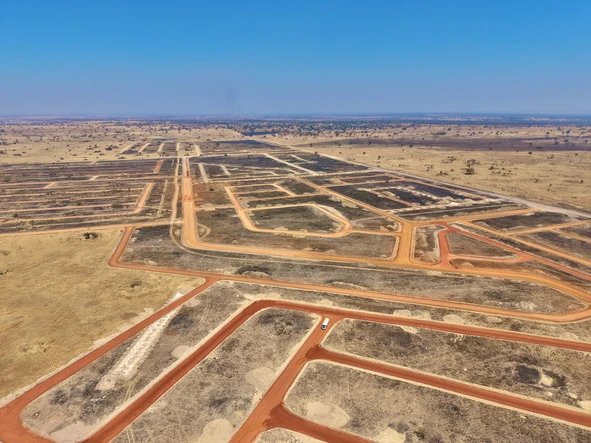
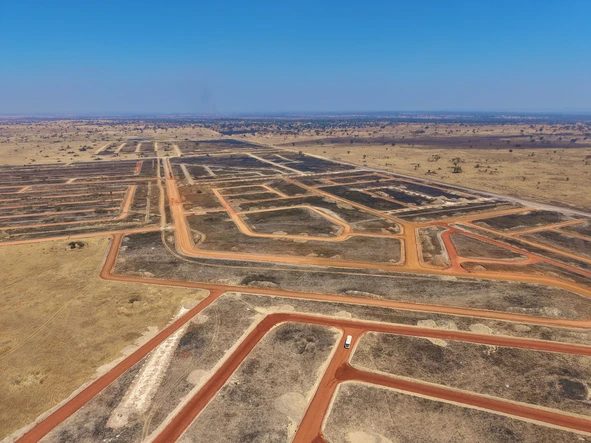
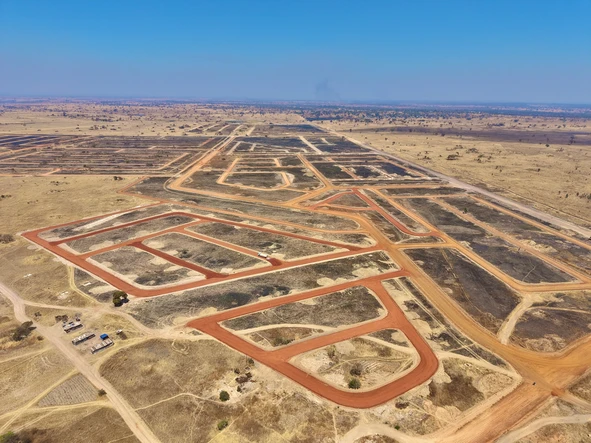
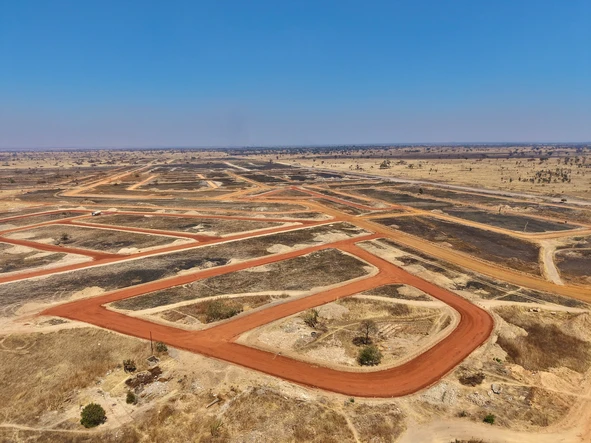
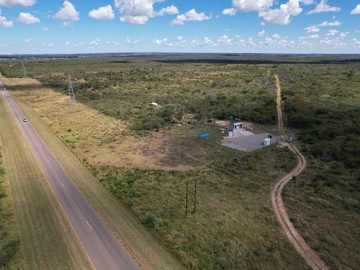
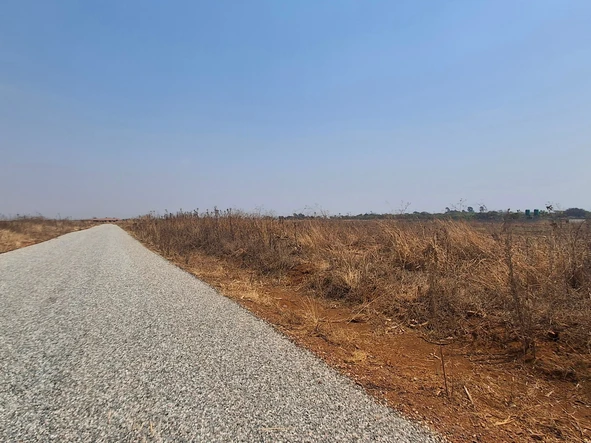
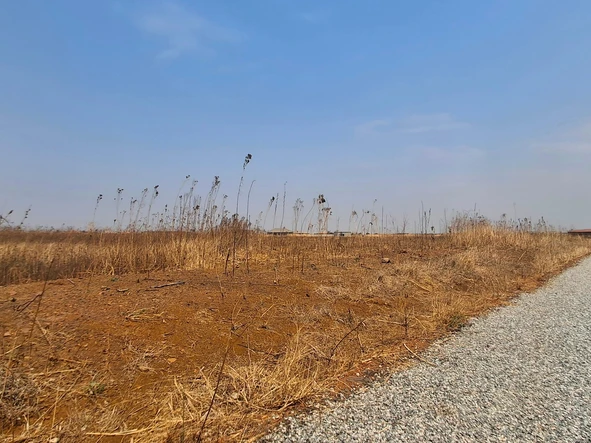
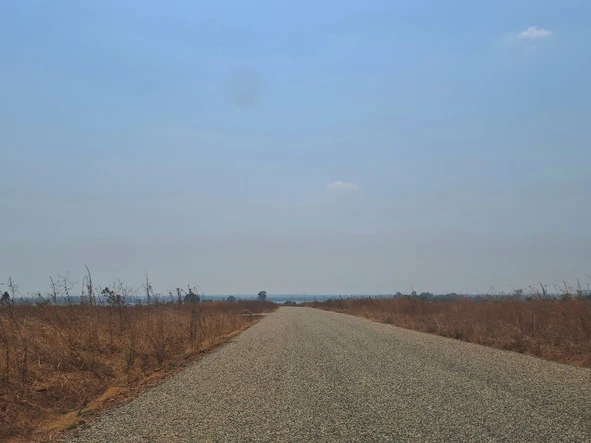
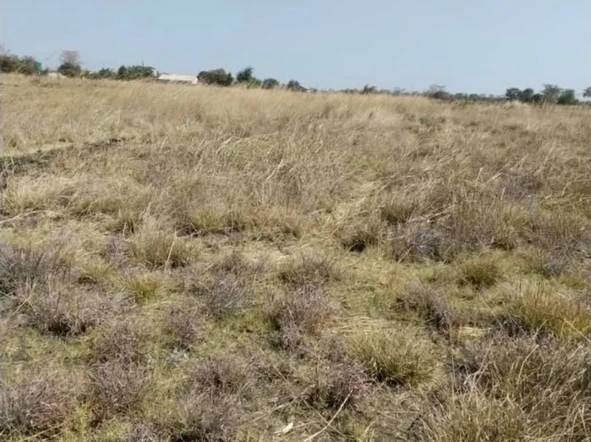
Properties for sale in Mashonaland West offer affordable options with an average price of $75,000. The median land area for these properties is about 2,310 ㎡, with some larger parcels reaching up to 8,000,000 ㎡. Most listings focus on land rather than built property, as the median building size is typically not specified.
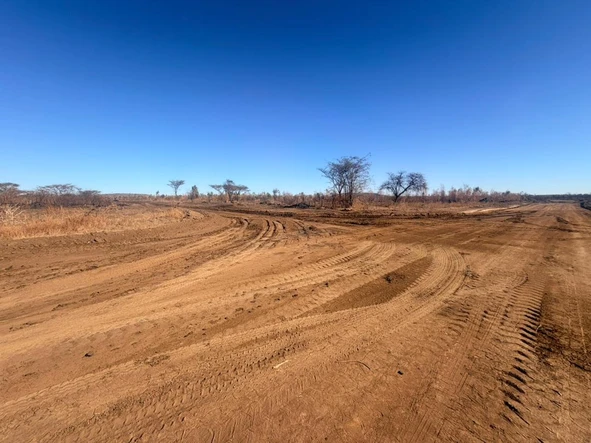
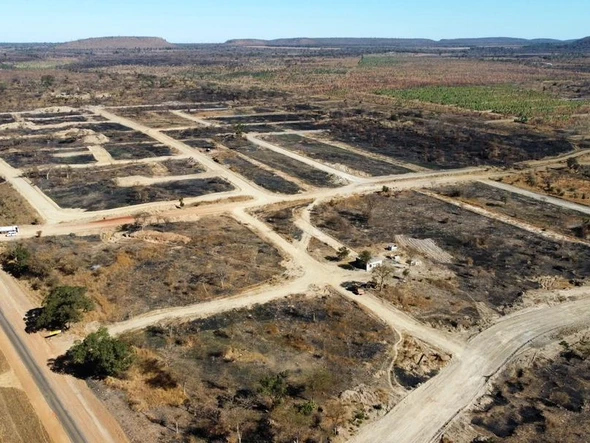
These properties are mainly suited for buyers interested in spacious rural land, often used for agricultural purposes or development. The large land sizes provide opportunities for farming, outdoor activities, or investment in natural surroundings. Many properties come with open land, ideal for those seeking a quiet lifestyle away from urban centers.
Mashonaland West is a largely rural province known for its natural beauty and agricultural lifestyle. Key attractions include Chinhoyi Caves National Park, offering hiking and diving experiences, and the nearby Kariba Dam for fishing and boating. The area is served by Chinhoyi University of Technology and local healthcare facilities, while shopping is available through markets and small retail centers. Good road connections link the province to Harare, with minibuses and taxis providing public transport, though private vehicles are common. This region suits buyers looking for a peaceful environment with access to nature and essential services.
18,600 m²
3
3
180 m²
1,200 m²
2,100 m²
720 m²
1,200 m²
1,900 m²

Be the first to see new properties for sale in Mashonaland West










| Type | Avg. price |
|---|---|
| Overall | $75,000 |
| Land (View 316 properties) | $35,000 |
| Houses (View 92 properties) | $115,000 |
| Commercial Property (View 49 properties) | $430,000 |
| Flats & Apartments (View 1 properties) | $94,500 |
Prices as of October 2026
Buying a housing stand in Zimbabwe? Inspect title deeds, subdivision permits, compliance certificates, and seller IDs before making any payment.
Can someone claim your land in Zimbabwe? Learn how 30 year acquisitive prescription works, the legal risks involved, and how to protect your property title.
Explore October 2026 Property Pulse insights on the Zimbabwean real estate market, where high buyer demand outpaces limited housing supply across major areas.
Built a house on land registered in your partner's name? Learn your legal rights in Zimbabwe, tacit universal partnerships, and unjust enrichment claims.
Planning to convert or buy commercial property? Understand Zimbabwe’s change of use rules, 2026 Harare fees, timelines and approval risks.