Log in to contact the seller
 Continue with Facebook
 Continue with Email
Continue with Facebook
Continue with Email
Sign up with Facebook
Continue with Email
Continue with Facebook
Continue with Email
Sign up with Facebook
 Change filters
 Requests


 6,320,000 m²


 2,000 m²
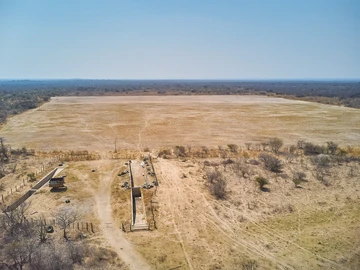
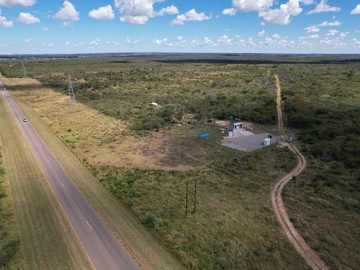
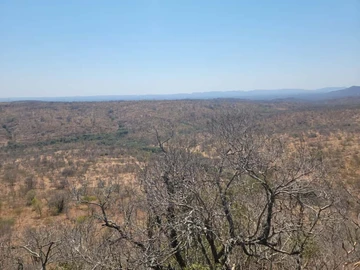
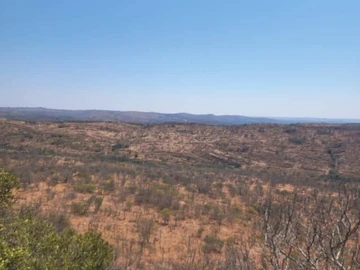
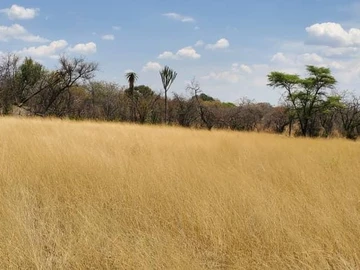
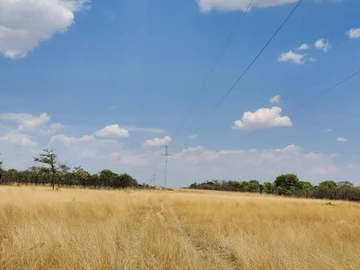
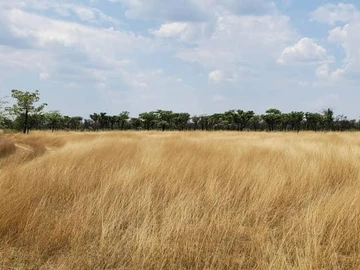
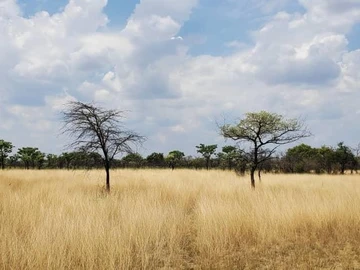
Properties for sale in Matabeleland South offer a range of rural land options with an average price of $180,000. The median land area available is about 2,700 ㎡, with some properties extending to very large sizes, up to 229,460,000 ㎡, making this region attractive for agricultural or conservation purposes. Typical property sizes are not specified, reflecting the focus on land rather than built structures.
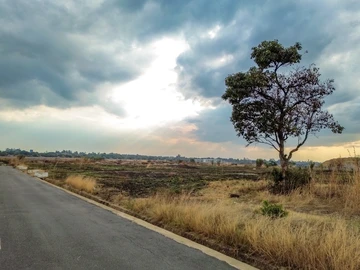
Most properties in this area are suited for farming, cattle ranching, or eco-tourism projects, reflecting the province’s largely rural and semi-arid environment. Buyers can expect open landscapes and savannah settings, with opportunities to develop agricultural ventures or enjoy a quiet, laid-back lifestyle. The properties usually come with access to basic infrastructure but may require private transport for convenience.
Matabeleland South is known for its natural and cultural attractions such as Matobo National Park and the Khami Ruins, which offer outdoor activities and historical interest. The provincial capital, Gwanda, provides essential services including schools, a hospital, and local shopping options. Transport links connect the area to Bulawayo and other urban centers, though public transport can be limited. This region is ideal for those seeking rural living with a strong sense of community and access to natural beauty.
 4
500 m²
22,000 m²
4
500 m²
22,000 m²

Be the first to see new properties for sale in Matabeleland South










| Type | Avg. price |
|---|---|
| Overall | $180,000 |
| Land (View 20 properties) | $231,500 |
| Houses (View 12 properties) | $120,000 |
| Commercial Property (View 10 properties) | $485,000 |
Buying a residential stand in Zimbabwe? Learn how to verify ownership, subdivision, planning approvals, servicing, title and the developer before paying.
Learn how servitudes affect property ownership, rights of way, and utility access in Zimbabwe. Protect your land title and avoid boundary disputes.
Get your home viewing ready in Zimbabwe. Follow our 2026 seller checklist covering curb appeal, solar & water setups, staging, and documentation.
Avoid costly disputes and legal delays. Learn the biggest mistakes families make when registering and distributing deceased estates under Zimbabwean law.
Who gets the house after divorce in Zimbabwe? Learn how courts divide matrimonial property, handle sole vs joint titles, and apply Section 7 of the Act.





 2
2