Log in to contact the seller
 Continue with Facebook
 Continue with Email
Continue with Facebook
Continue with Email
Sign up with Facebook
Continue with Email
Continue with Facebook
Continue with Email
Sign up with Facebook
 Change filters
 Requests


 400 m²


 220 m²
300 m²
400 m²
220 m²
300 m²
400 m²
 200 m²
300 m²
1,000 m²
1,741 m²
200 m²
200 m²
300 m²
1,000 m²
1,741 m²
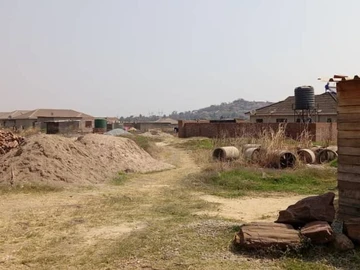
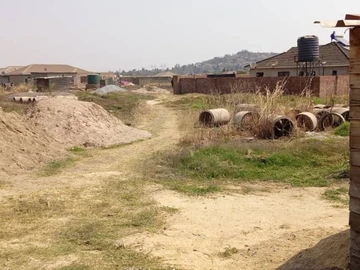
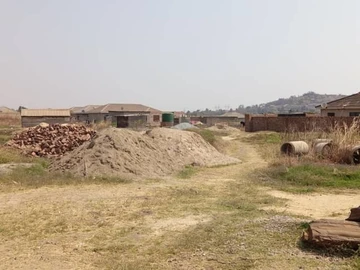
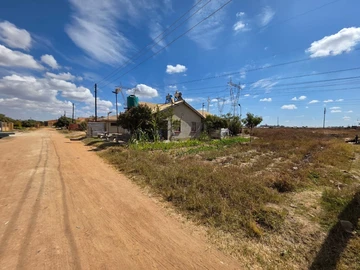
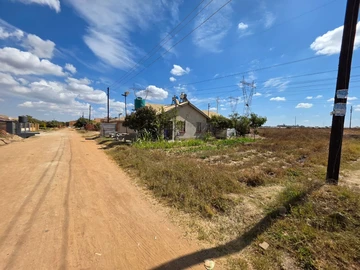
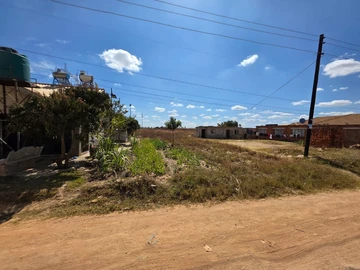
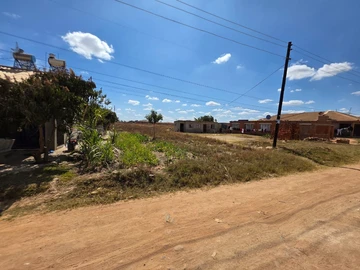
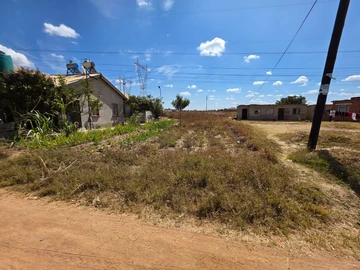
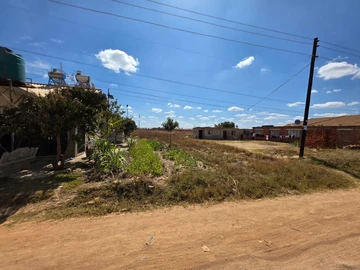
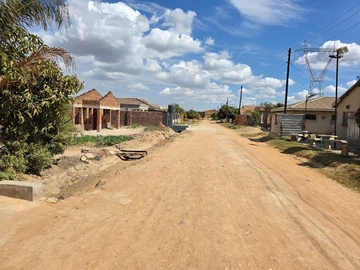
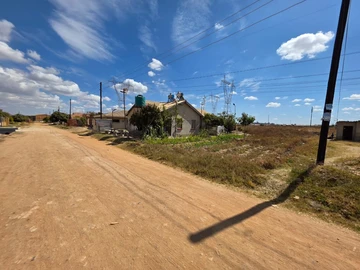
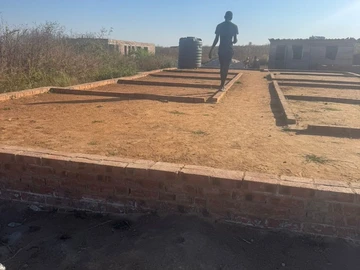
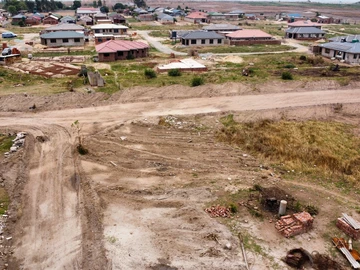
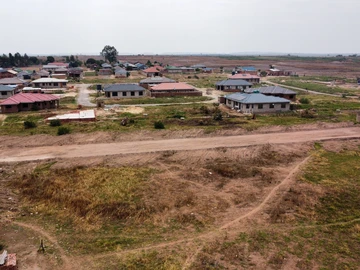
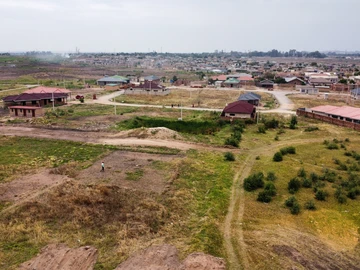
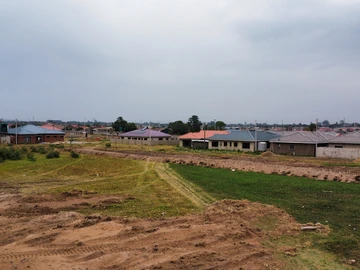
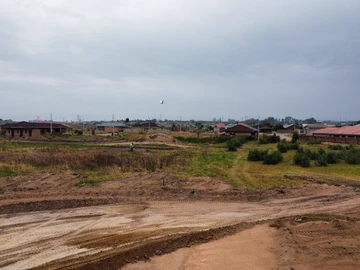
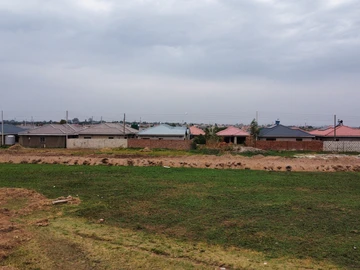
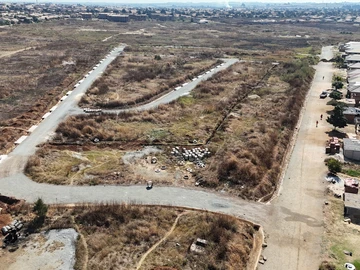
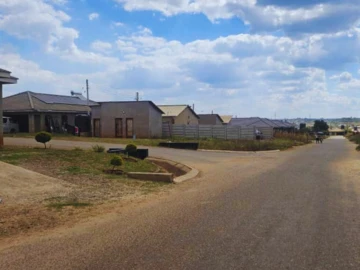
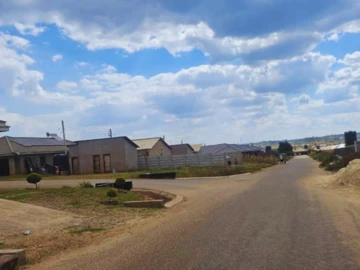
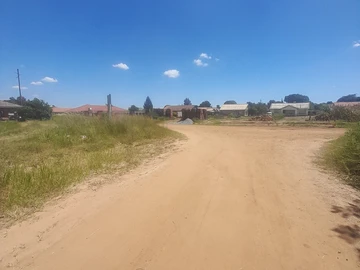
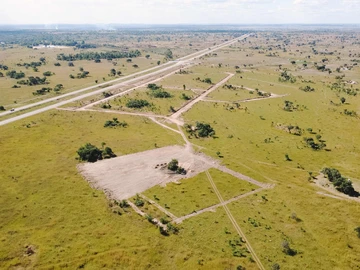
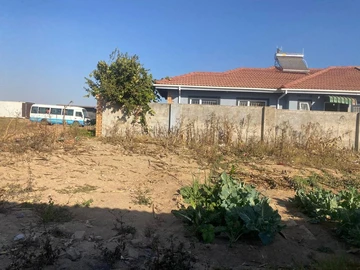
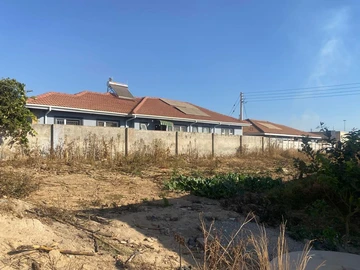
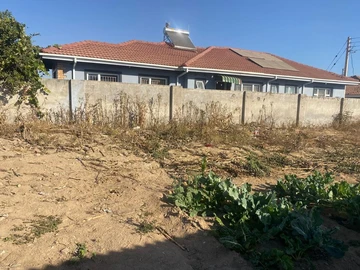
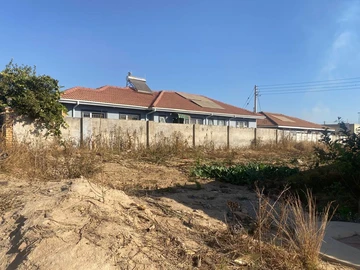
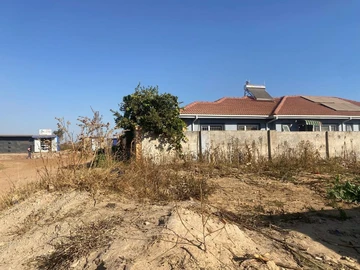
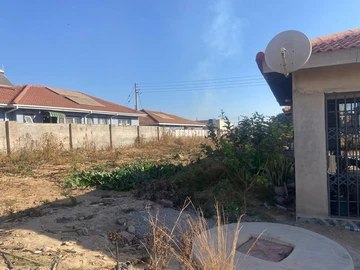
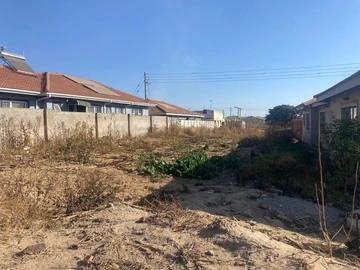
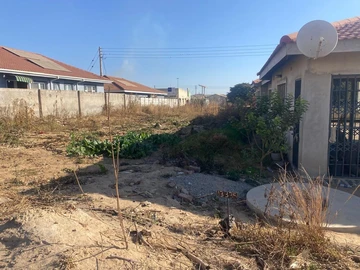
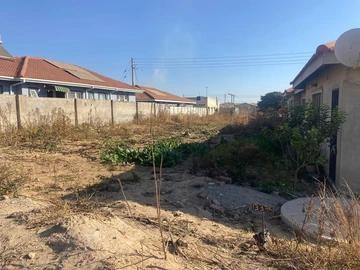
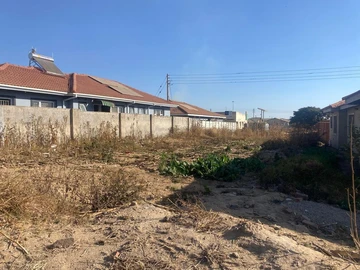
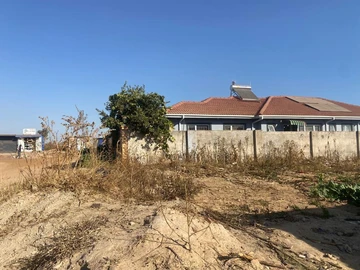
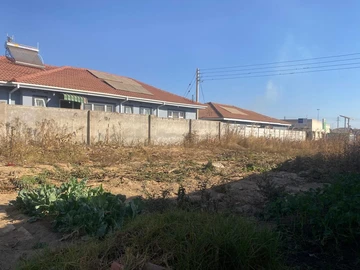
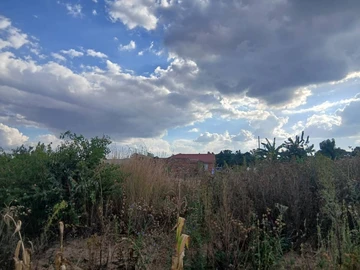
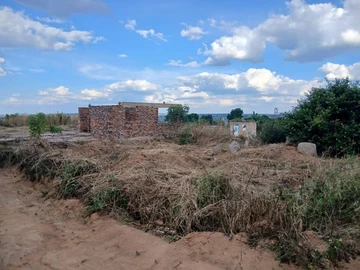
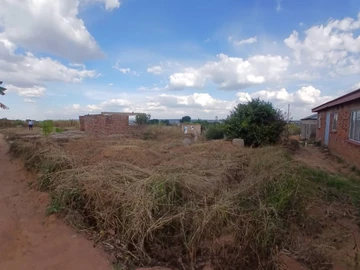
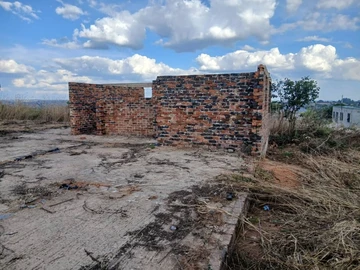
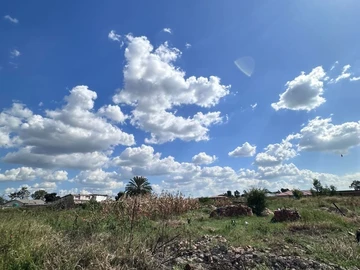
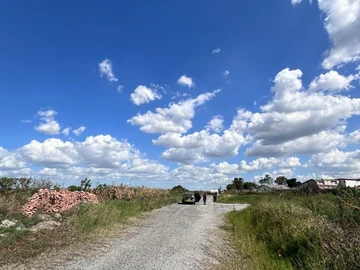
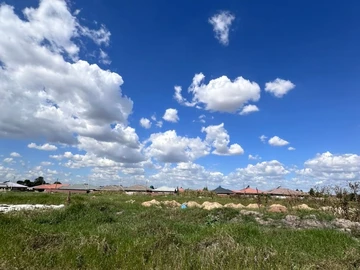
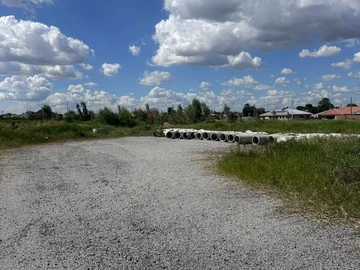
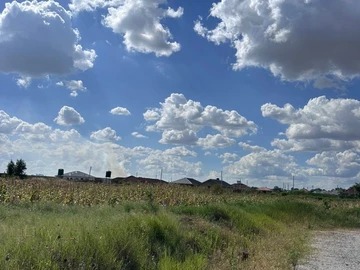
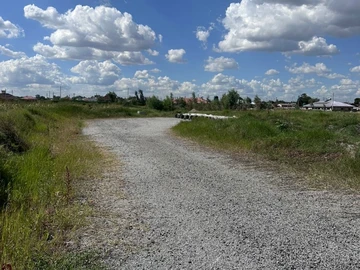
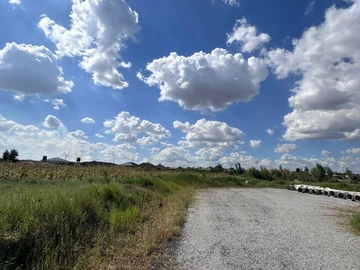
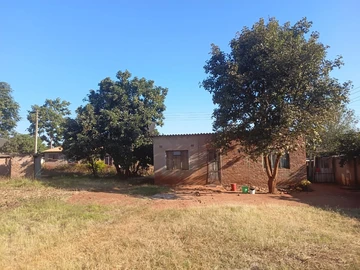
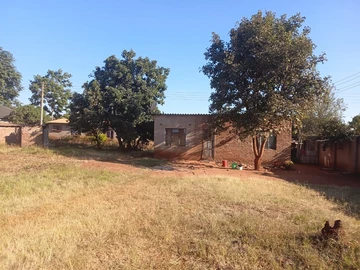
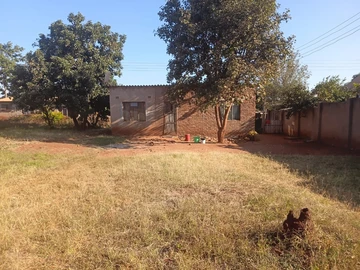
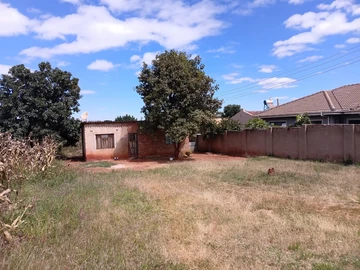
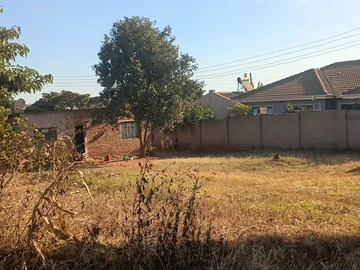
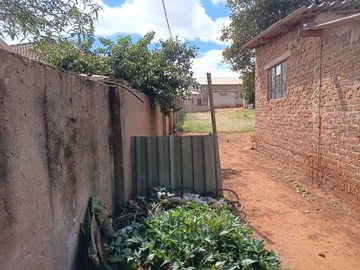
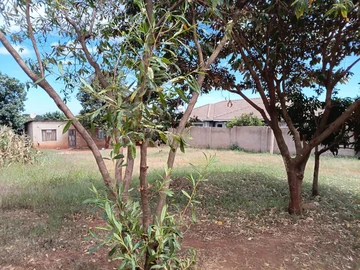
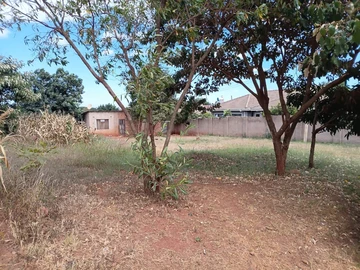
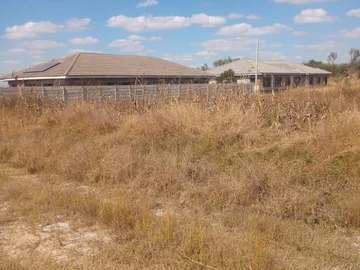
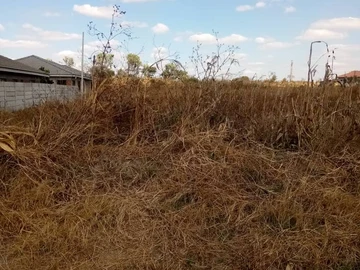
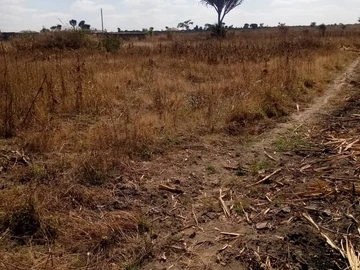
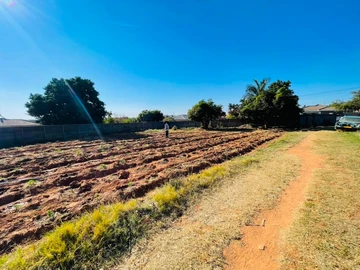
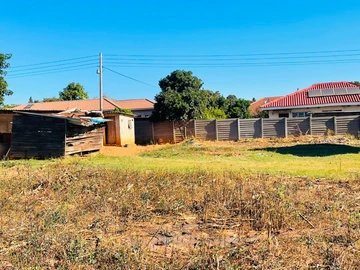
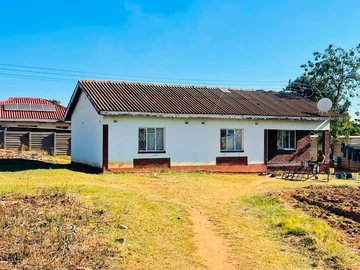
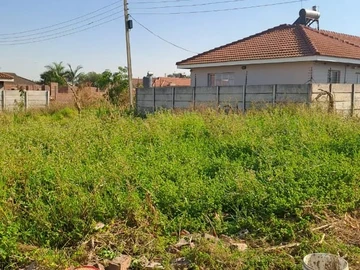
Stands and residential land for sale in Harare High Density, Harare, offer affordable options for buyers with prices starting from USD 7,500 and an average price of $18,000. The land sizes vary, with the smallest plots around 168 ㎡ and larger stands reaching up to 20,000 ㎡, while the median land area is about 300 ㎡. These properties provide opportunities for first-time buyers and investors looking for budget-friendly land in a busy urban setting.
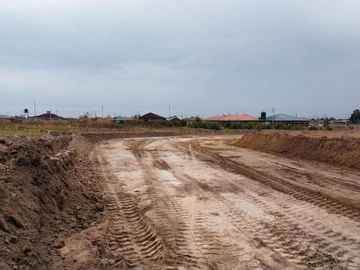
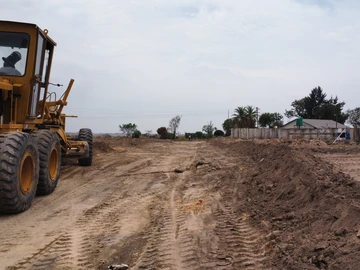
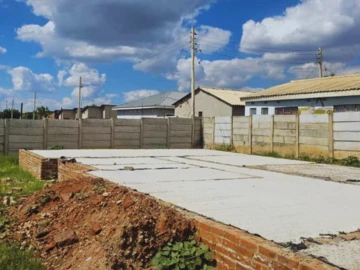
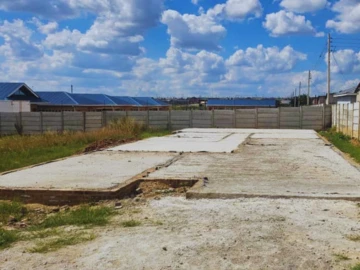
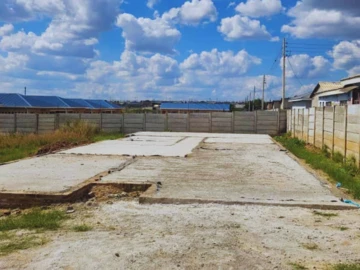
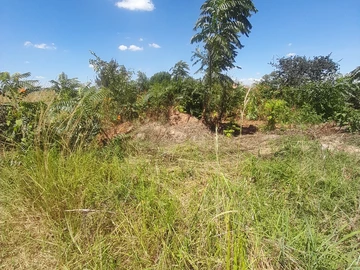
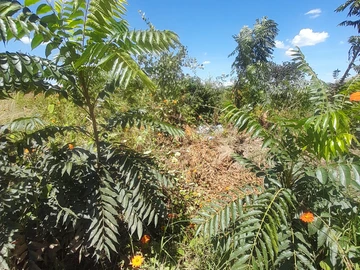
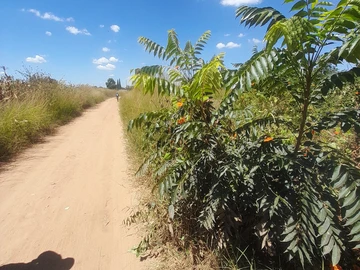
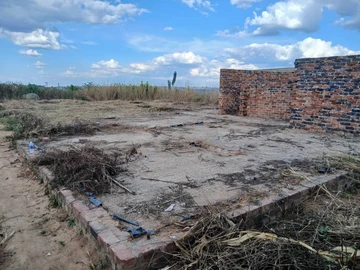
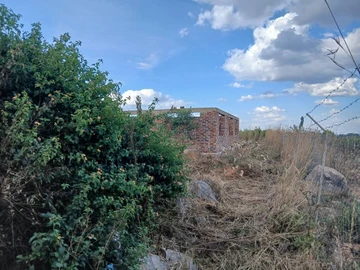
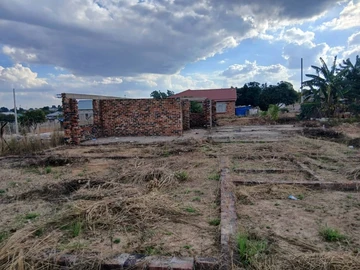
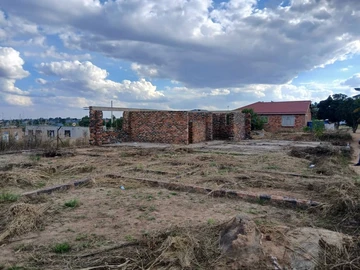
Most stands are suitable for residential development, typically without existing buildings, allowing buyers to customize their homes. The area is known for its dense population and vibrant community life, making it ideal for those who want to be part of an active neighborhood. The properties are generally well connected to local amenities and infrastructure.
Harare High Density is a lively area with easy access to important facilities such as Mbare Musika Market, one of the largest markets in Harare, and the National Sports Stadium. The proximity to Harare city center ensures convenient access to cultural sites, shopping centers, and healthcare services including clinics and the nearby Parirenyatwa Group of Hospitals. Local schools and affordable eateries add to the practical lifestyle benefits for families and young professionals living in this dynamic part of the city.
300 m²
800 m²
600 m²
188 m²
820 m²
3,200 m²
300 m²

Be the first to see new properties for sale in Harare High Density











| Type | Avg. price |
|---|---|
| Average price | $18,000 |
Separating Myth from Matrimonial and Real Estate Law in Zimbabwe. Discover how property rights, inheritance, and land ownership are legally determined
Learn how to safely transfer property from a deceased estate in Zimbabwe and navigate the 6-to-12-month probate timeline at the Master of the High Court.
Understand the critical differences between registered title deeds and cession rights when buying property in Zimbabwe. This 2026 property guide covers legal
Navigate the complex intersection of marriage and property ownership in Zimbabwe by mastering the legal weight of joint title deed registration.
Protect your rental capital by mastering the legal boundaries of security deposits in Zimbabwe, which serve as a conditional safeguard rather than immediate lan