Continue with Facebook
 Continue with Email


Table of Contents
Choosing between estate living and a freehold home in Zimbabwe is no longer just a lifestyle decision it’s a strategic investment call. In markets like Harare, where property demand is shaped by security concerns, infrastructure reliability, and diaspora-driven investment, your choice directly impacts cost of ownership, rental yield, and long-term capital appreciation.
Security: The #1 Driver in Zimbabwe’s Property Market
In Zimbabwe, security is arguably the biggest differentiator.
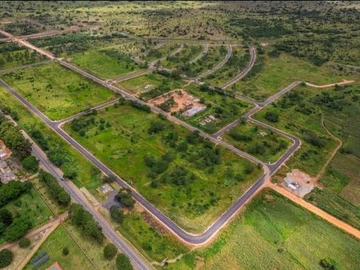
Gated estates such as Borrowdale Brooke Estate, Arlington Estate, and Pomona City offer:
- 24/7 manned access control
- Electric fencing and CCTV
- Controlled visitor entry
This level of security is highly valued, particularly by:
- Diaspora investors
- Executives
- Families
By contrast, freehold properties in suburbs like Avondale or Greendale require private investment in security systems, often adding significant upfront and ongoing costs.
Cost of Ownership: Levies vs Hidden Expenses
Estate Living (Structured Costs)
Estate properties come with monthly levies typically ranging:
- $80 – $300/month in Zimbabwe
These cover:
- Security infrastructure
- Road maintenance
- Landscaping & waste management
- Shared amenities (often including boreholes and backup power)
In Zimbabwe, estate levies often compensate for inconsistent municipal service delivery, making them more valuable than they appear on paper.
Freehold (Unstructured Costs)
Freehold properties eliminate levies but introduce variable costs:
- Borehole installation
- Solar systems due to load shedding
- Security upgrades
- Property maintenance
Many homeowners end up incurring higher long-term costs, just without the predictability.
Lifestyle Positioning: Community vs Control
Estate Living = Lifestyle Product
Modern estates are evolving into self-contained lifestyle ecosystems.
Developments like Westgate Lifestyle Estate offer:
- Community-oriented living
- Recreational facilities
- Controlled aesthetics and planning
This appeals to buyers seeking convenience, structure, and a sense of community.
Freehold = Flexibility & Land Value
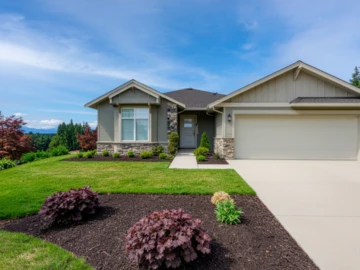
Freehold homes dominate in suburbs such as Mount Pleasant and Borrowdale, offering:
- Larger land sizes
- Freedom to renovate or redevelop
- No regulatory restrictions from estate bodies
This makes freehold ideal for long-term investors and developers.
Investment Performance: Zimbabwe Market Insights
- Prime Harare suburbs are seeing 5%–12% annual USD-based growth
- Estates are experiencing higher demand and faster sales cycles
- Rental yields:
- Estates: 6%–8%
- Freehold: 4%–6%
Estates currently outperform on rental consistency and liquidity, while freehold leads in land-driven appreciation.
Resale & Liquidity: What Moves Faster?
- Estate properties:
- Sell faster
- Appeal to a wider buyer pool
- Attract diaspora and first-time buyers
- Freehold properties:
- Offer higher ceiling prices
- Take longer to sell
- Depend heavily on location and condition
In Zimbabwe, ease of resale strongly favors estates.
Infrastructure Reality: A Zimbabwe-Specific Advantage
A critical local factor:
- Estates often provide:
- Reliable water (boreholes)
- Maintained roads
- Backup energy solutions
- Freehold homes rely on:
- Individual investment
- Municipal systems that may be inconsistent
This makes estates increasingly practical, not just aspirational.
Final Verdict: Align with Your Strategy
In Zimbabwe’s evolving property market:
- Estate Living = Security, convenience, stable returns
- Freehold = Flexibility, land value, long-term upside
The smartest investors are not choosing one over the other they’re choosing based on portfolio strategy and market timing.