Log in to contact the seller
 Continue with Facebook
 Continue with Email
Continue with Facebook
Continue with Email
Sign up with Facebook
Continue with Email
Continue with Facebook
Continue with Email
Sign up with Facebook
 Change filters
 Requests




 10
1,000 m²
10
1,000 m²

 1,844 m²
8,208 m²
920 m²
1,844 m²
8,208 m²
920 m²
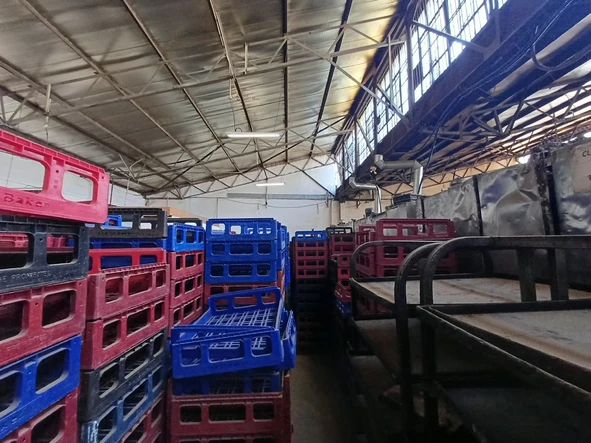
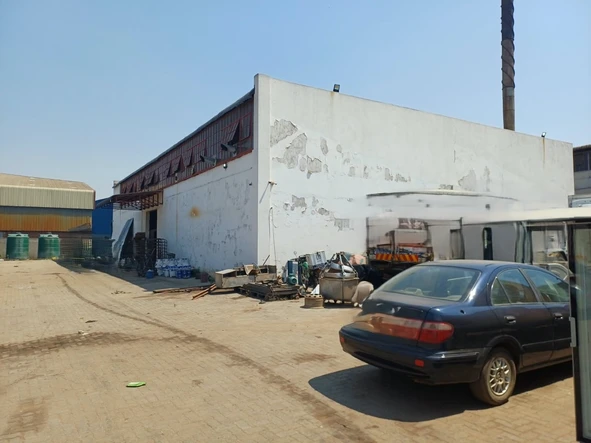
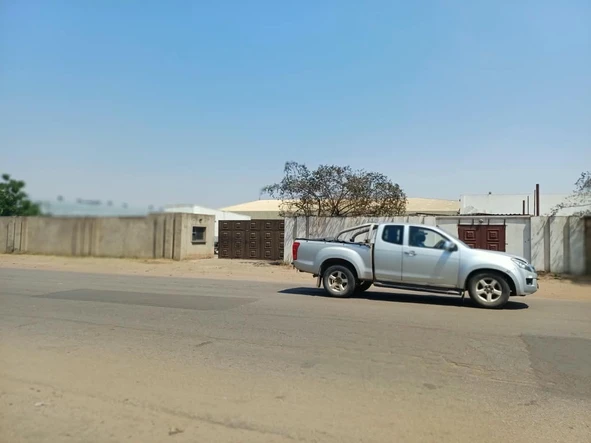
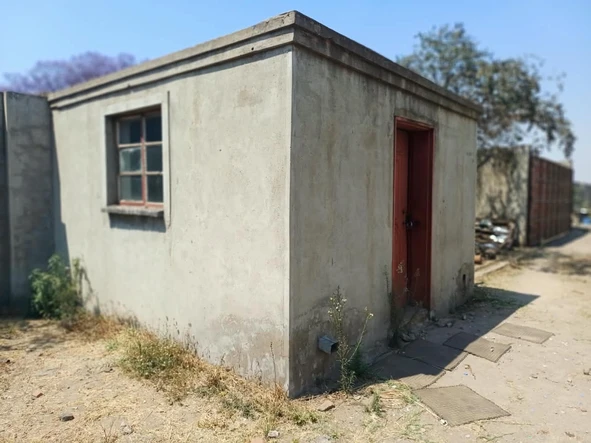
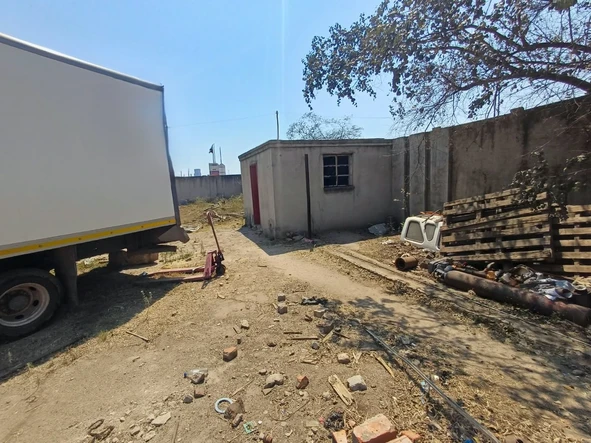
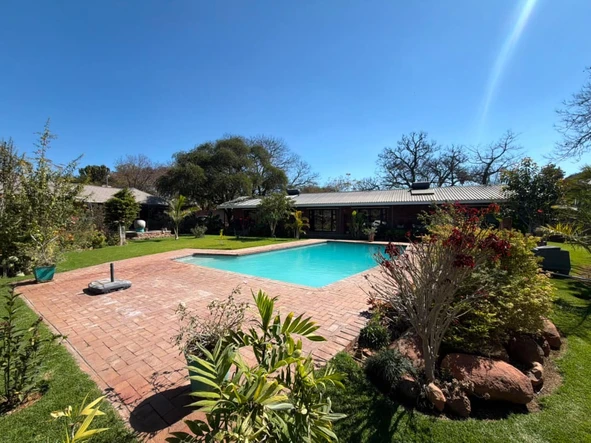
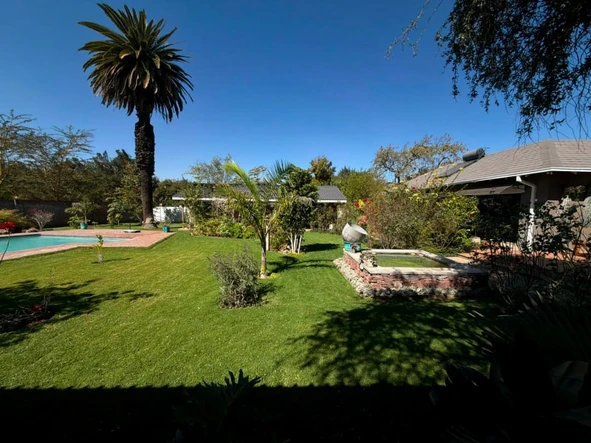
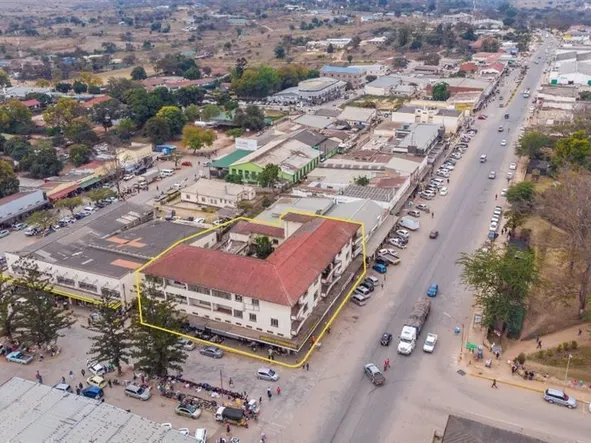
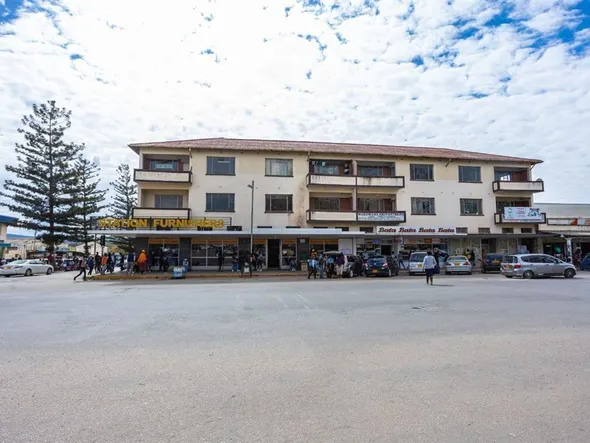
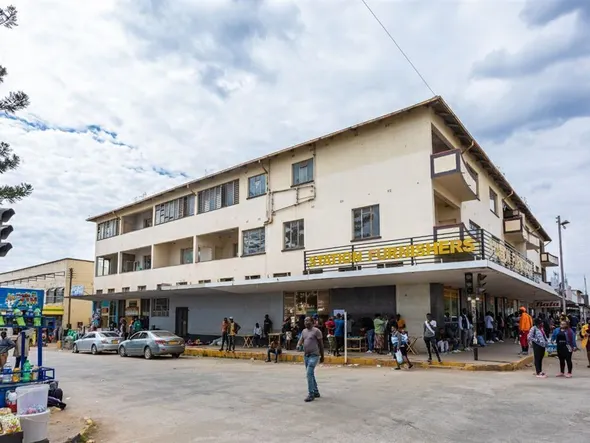
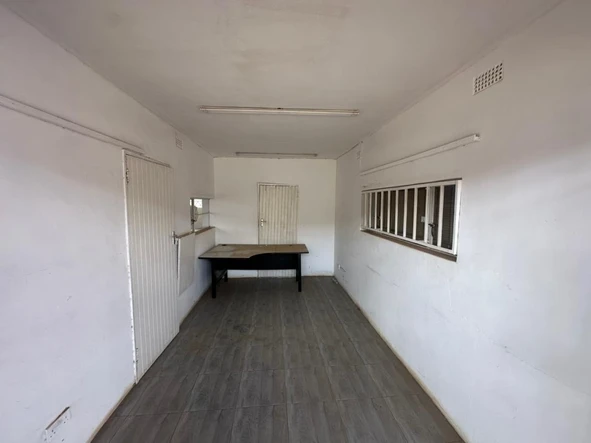
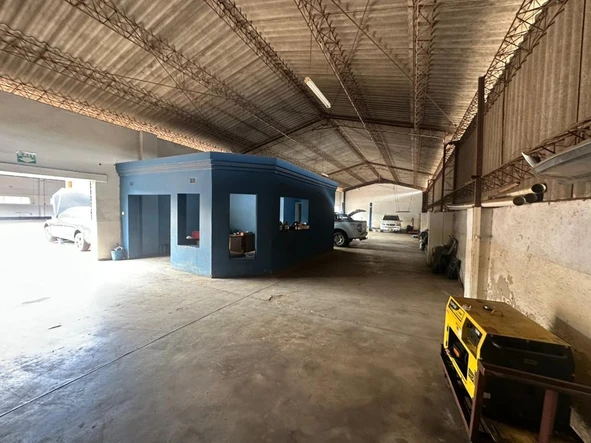
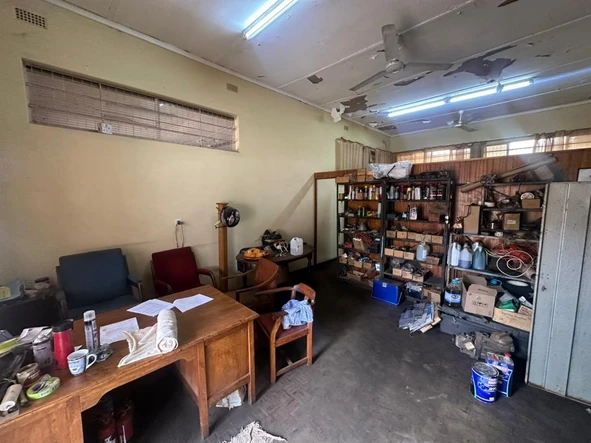
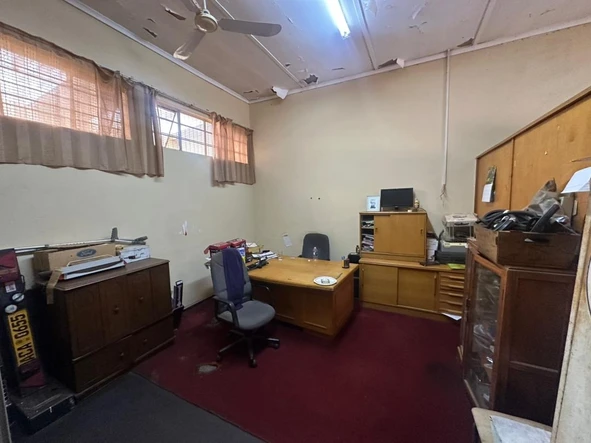
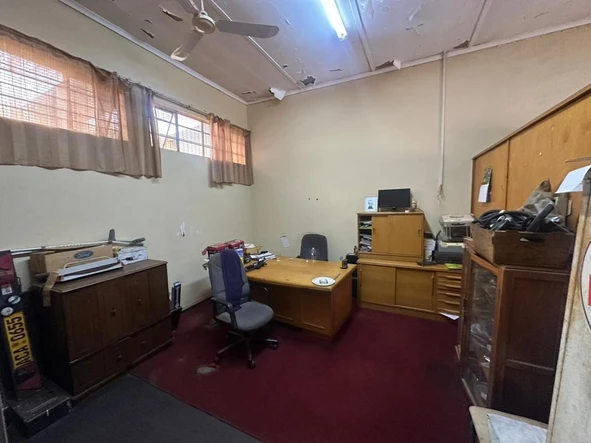
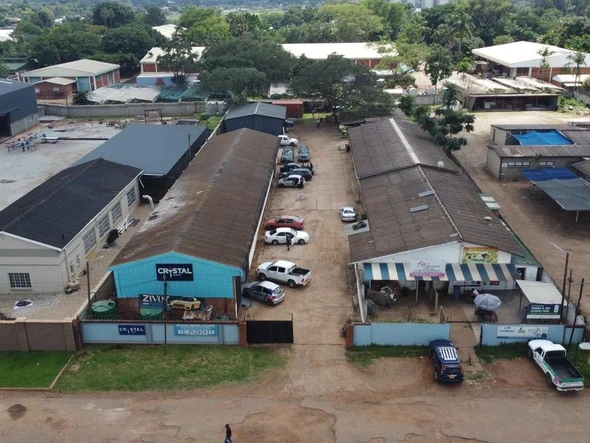
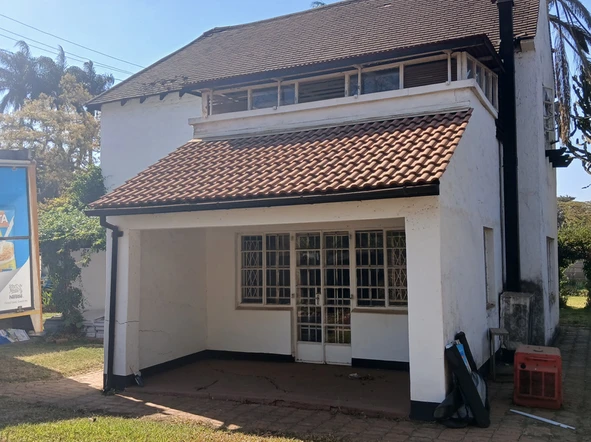
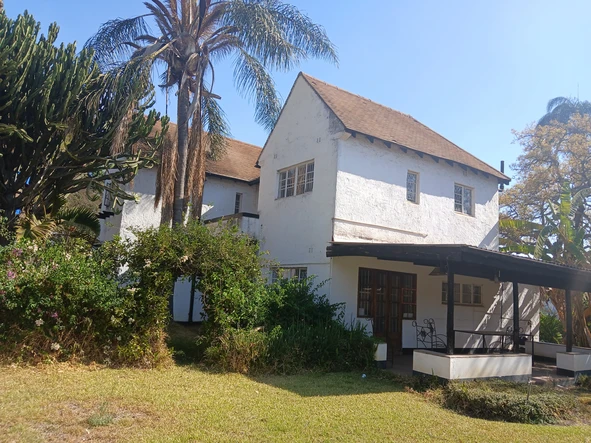
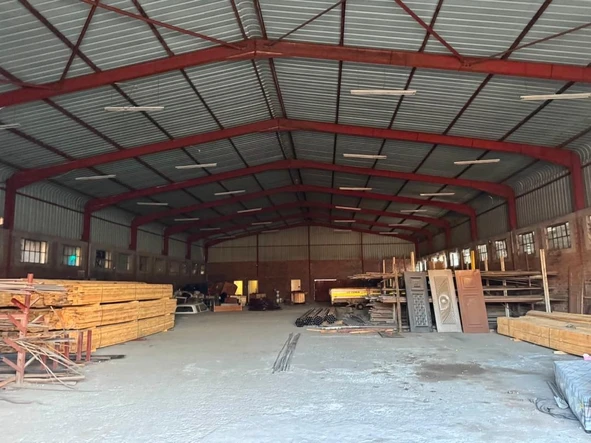
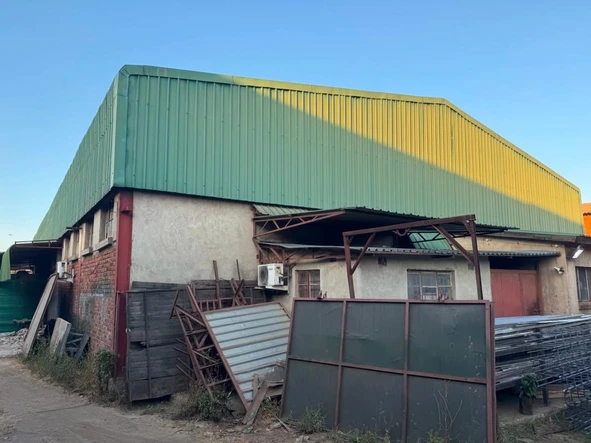
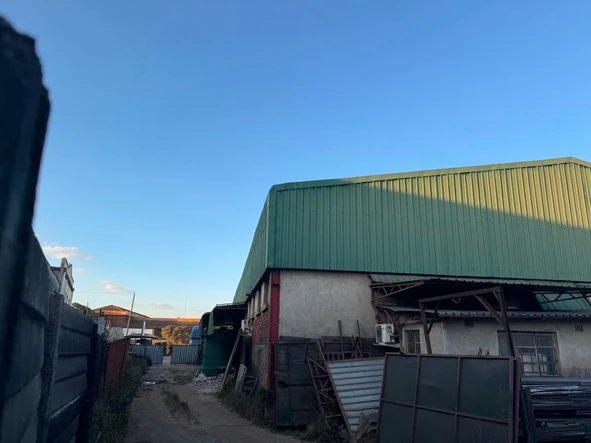
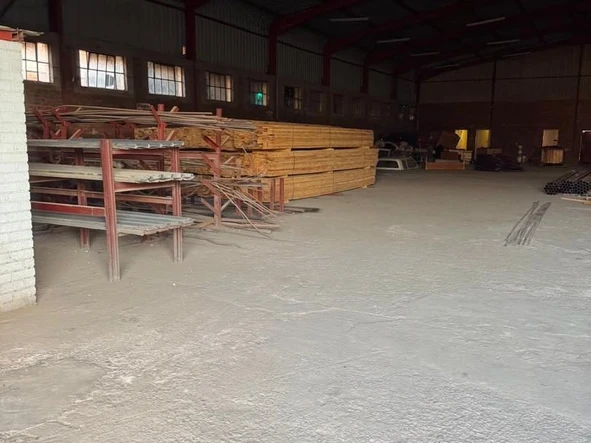
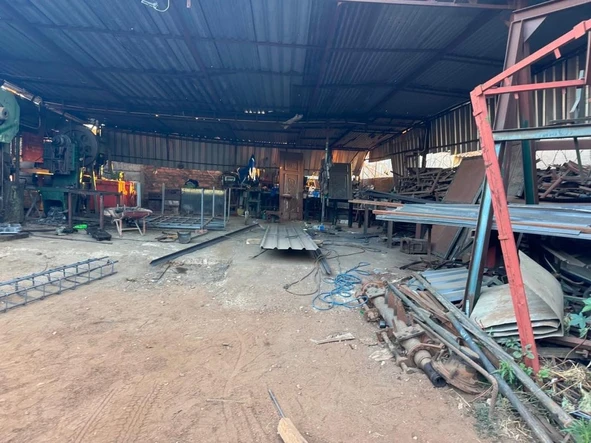
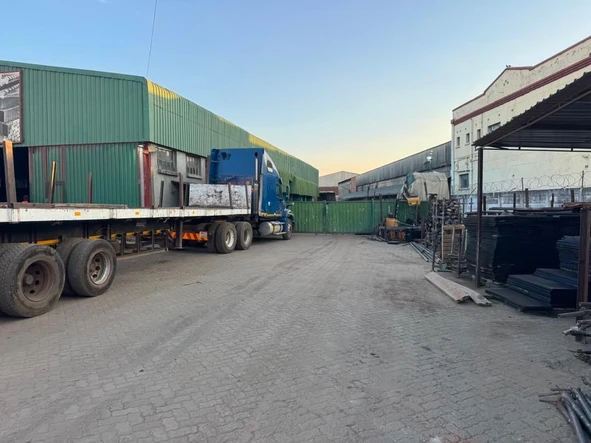
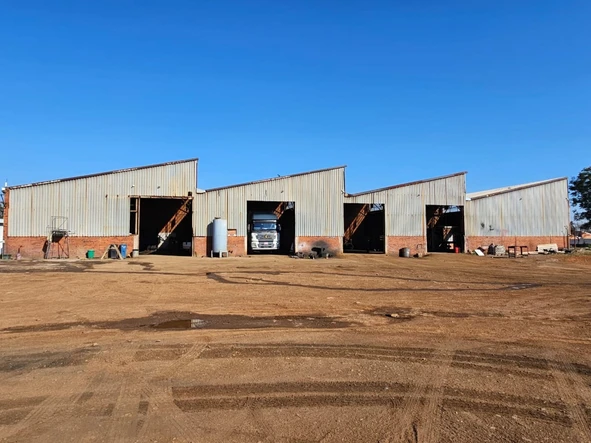
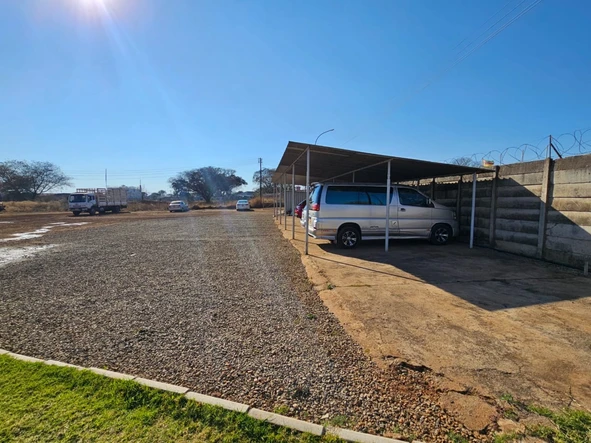
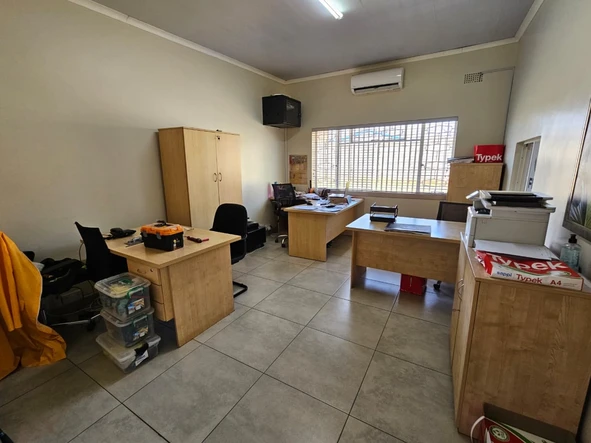
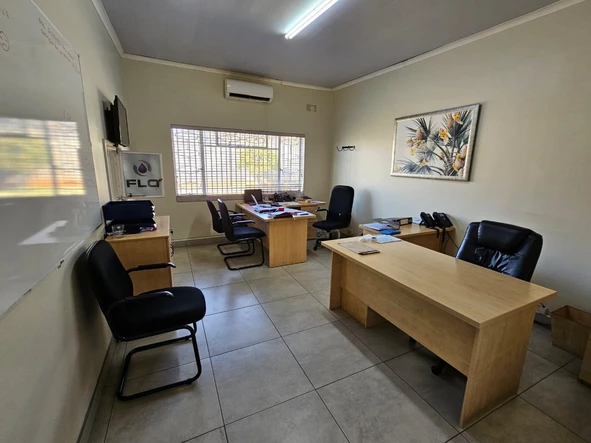
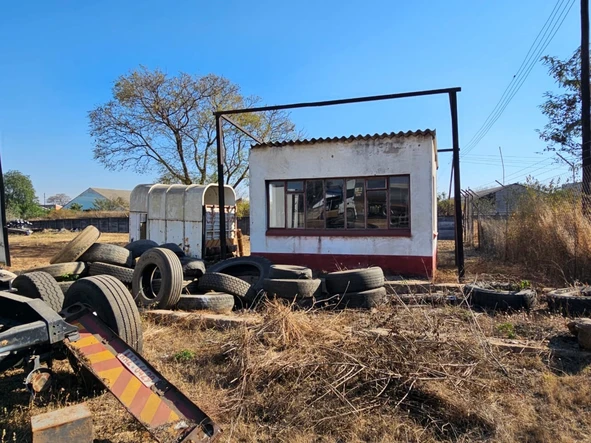
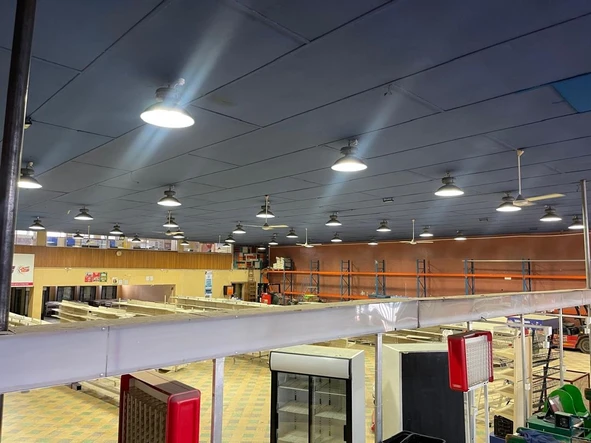
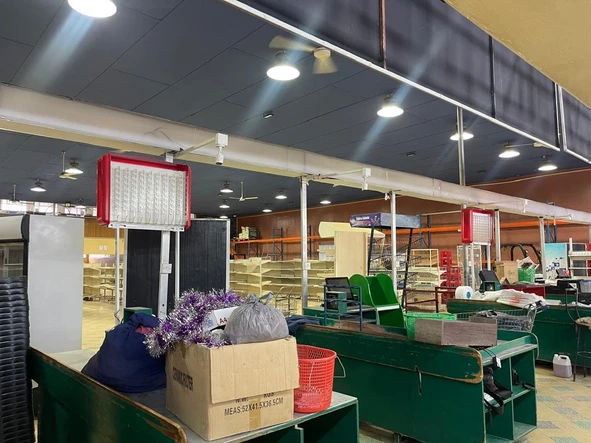
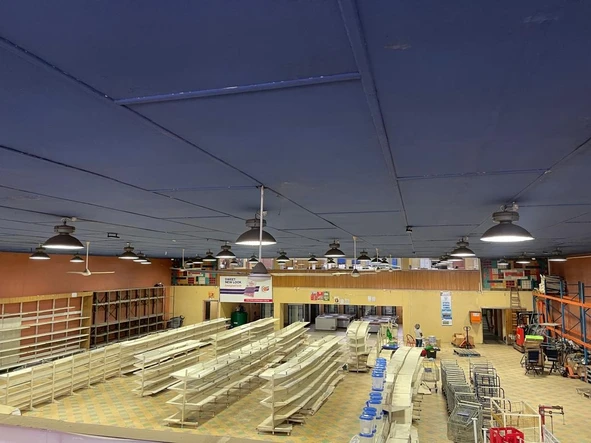
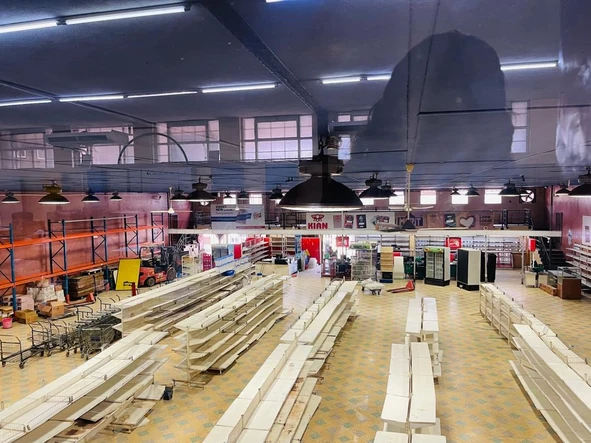
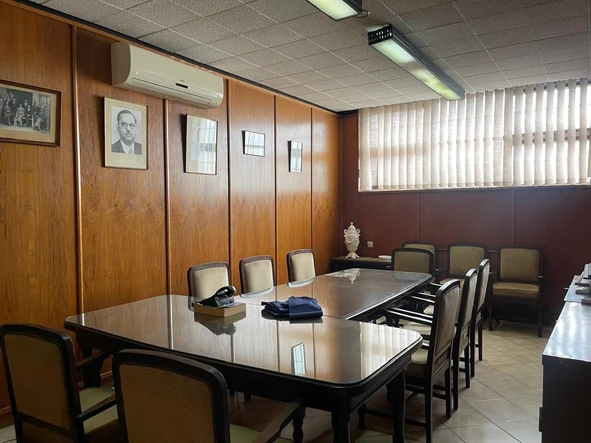
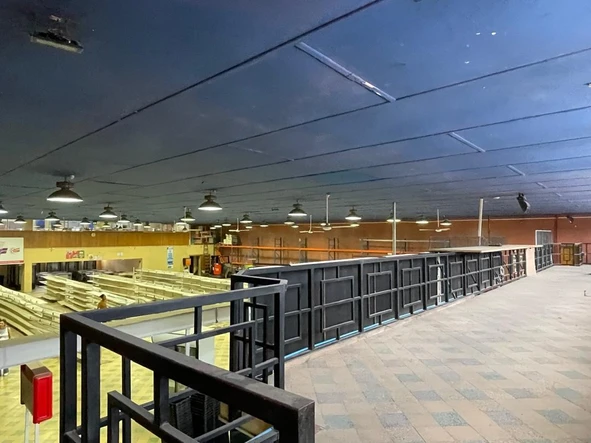
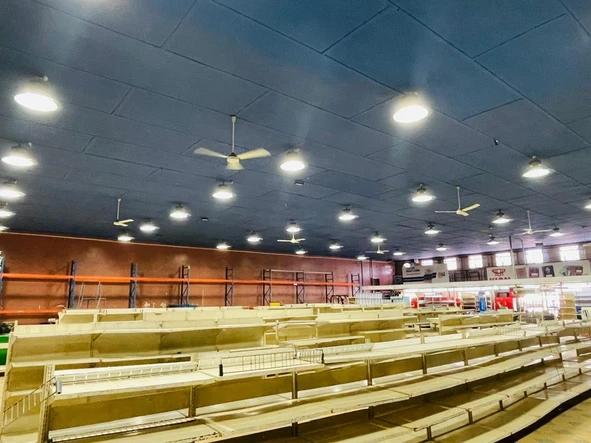
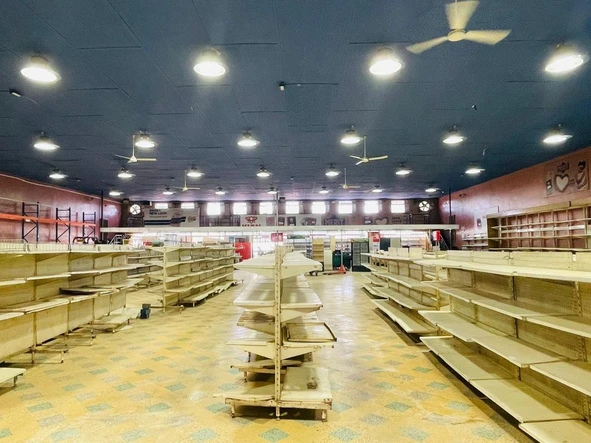
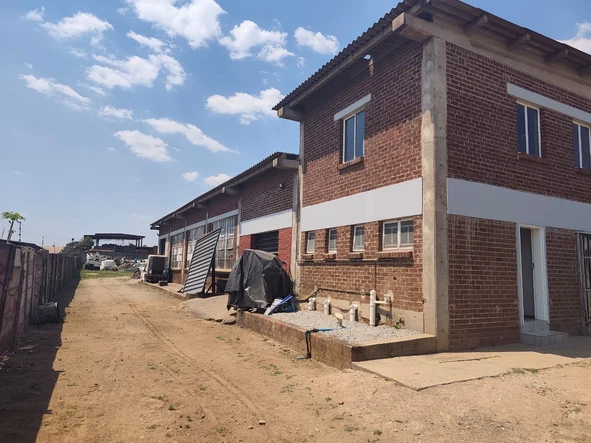
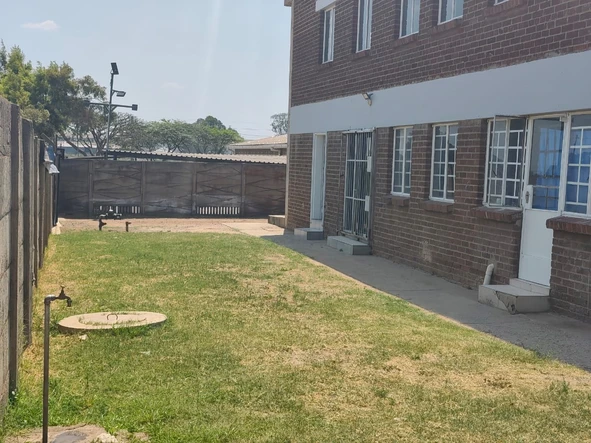
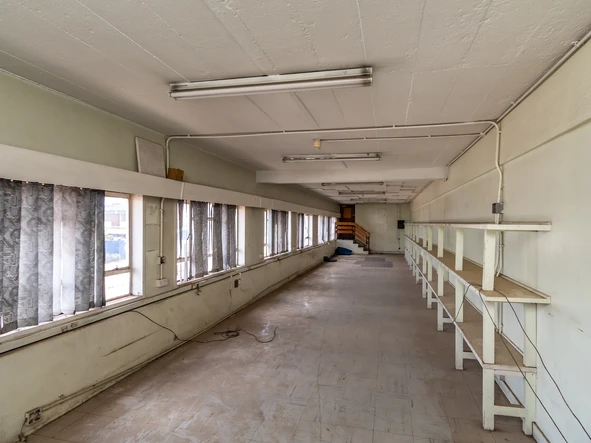
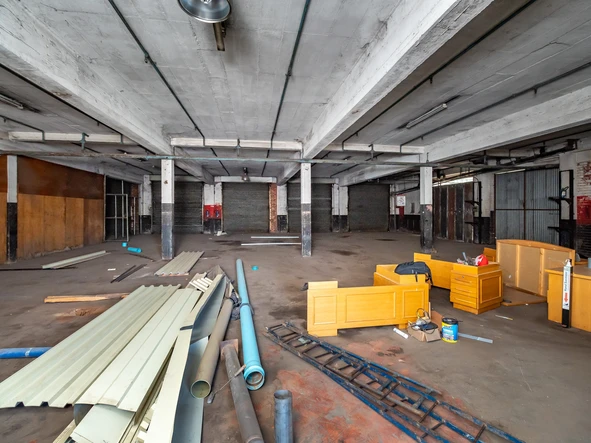
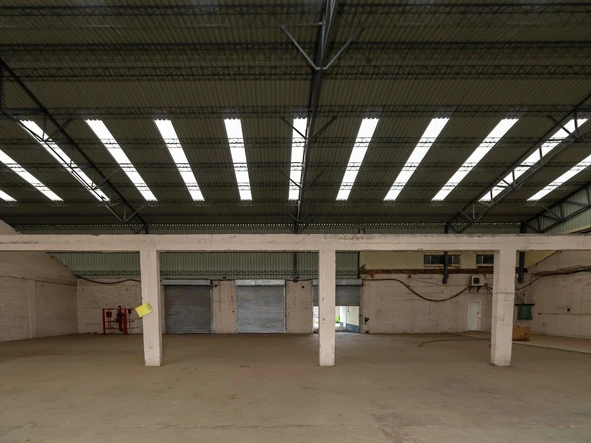
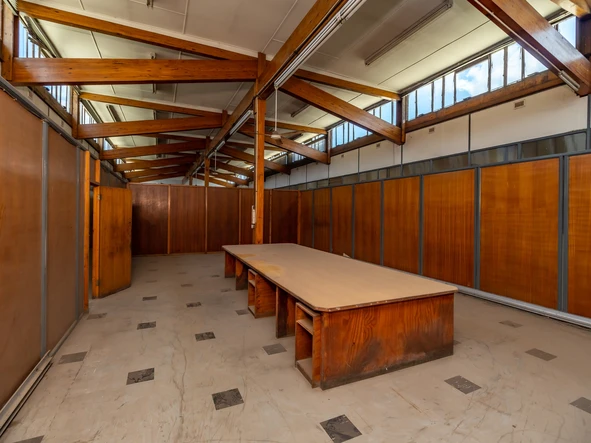
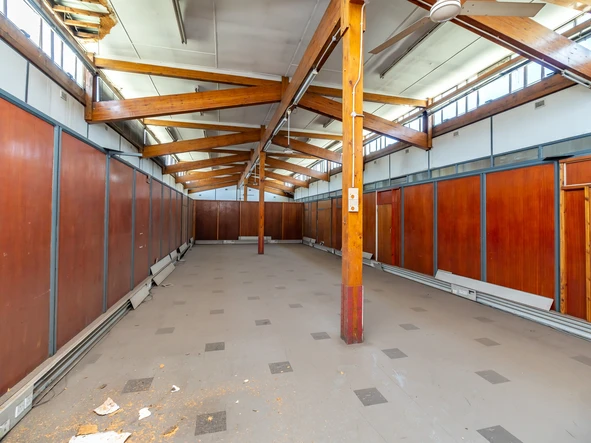
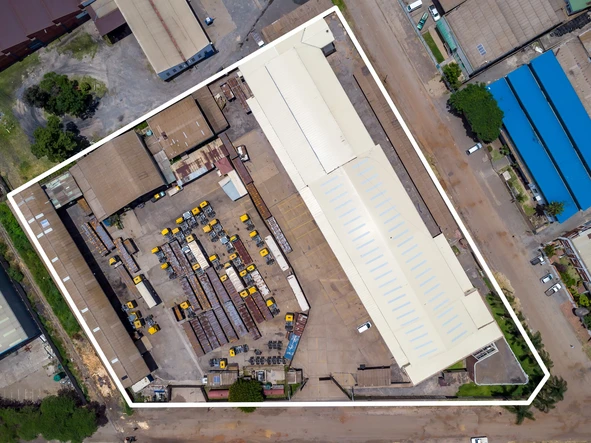
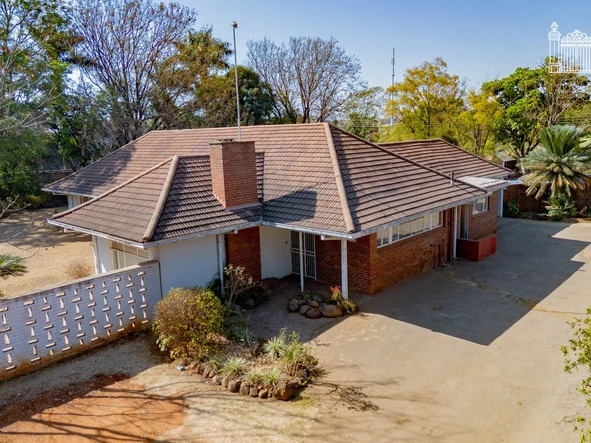
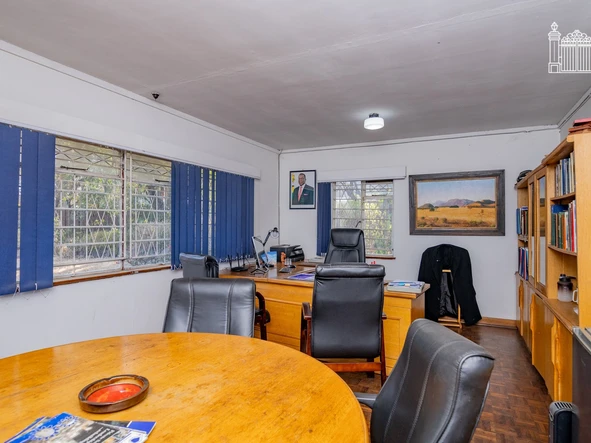
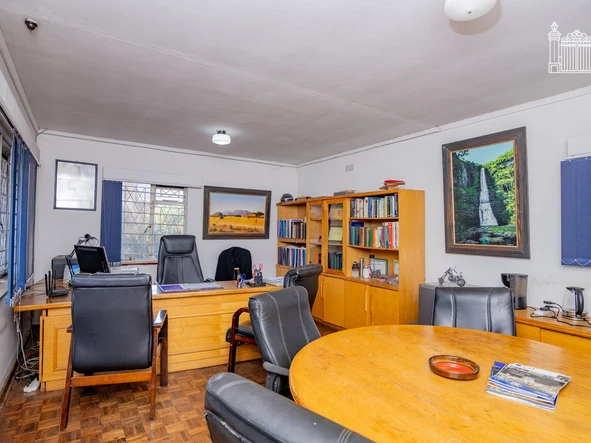
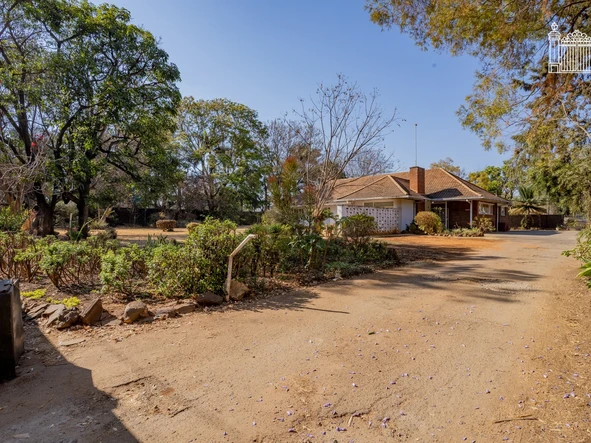
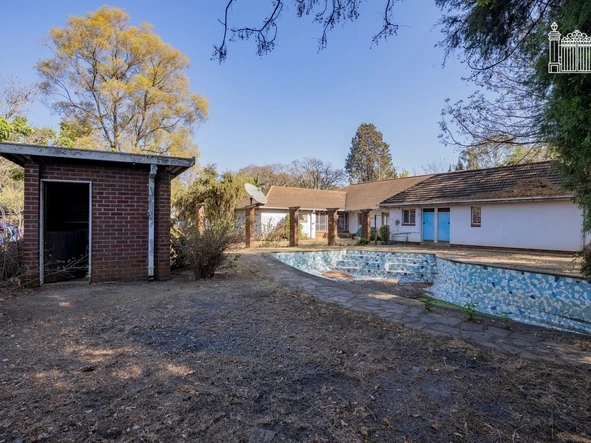
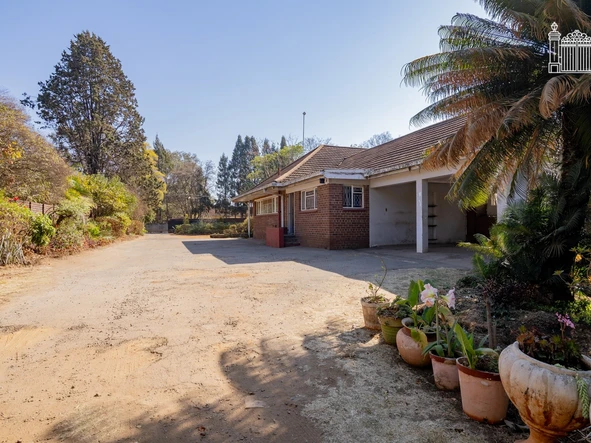
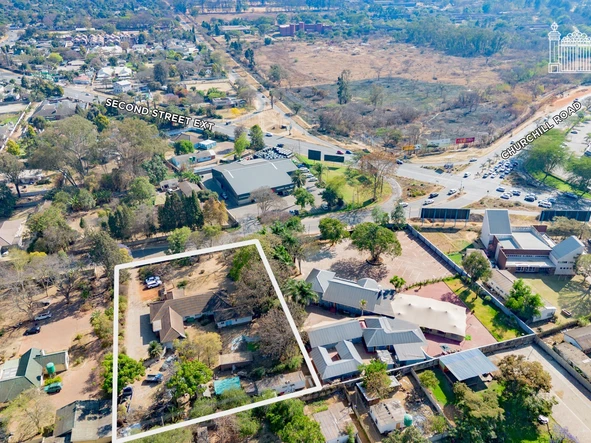
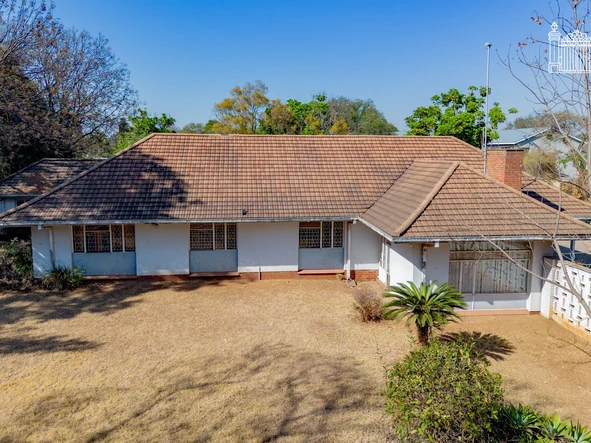
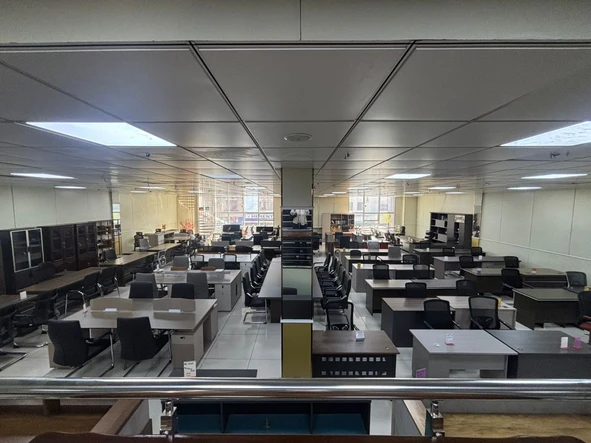
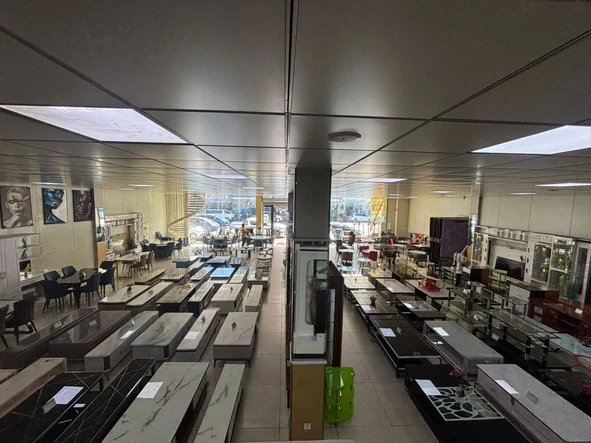
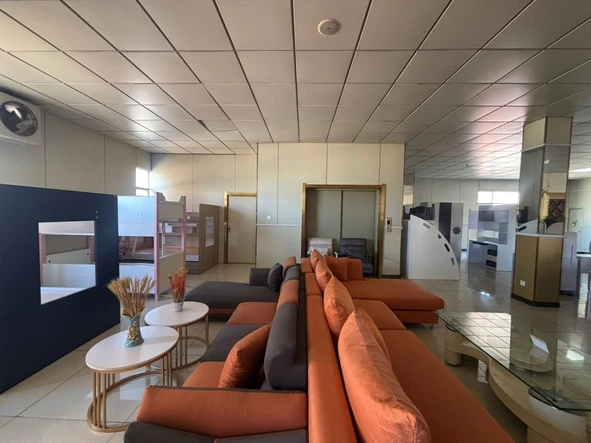
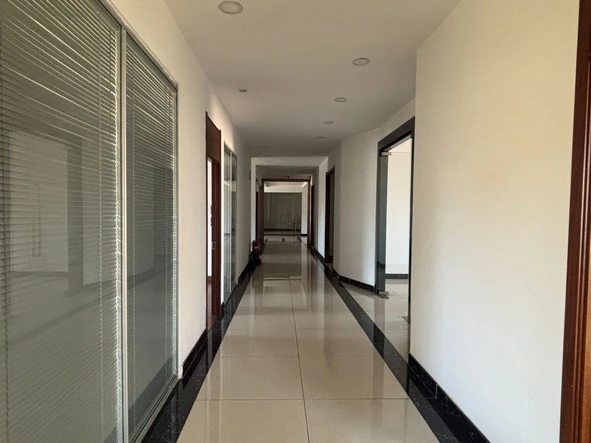
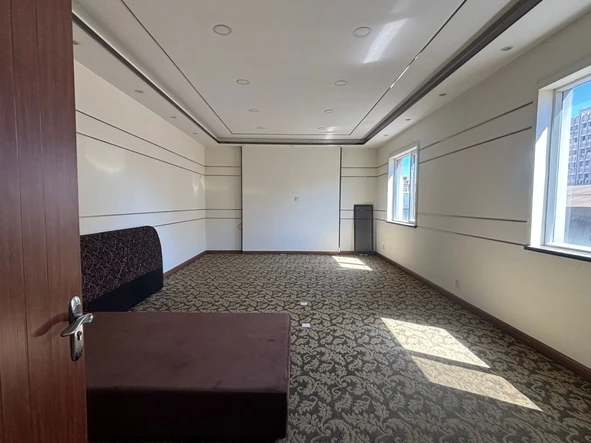
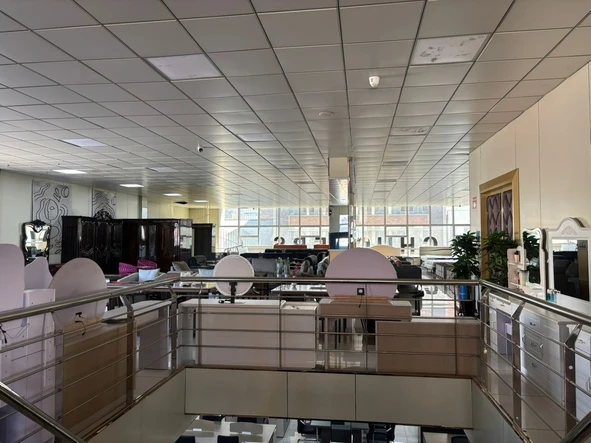
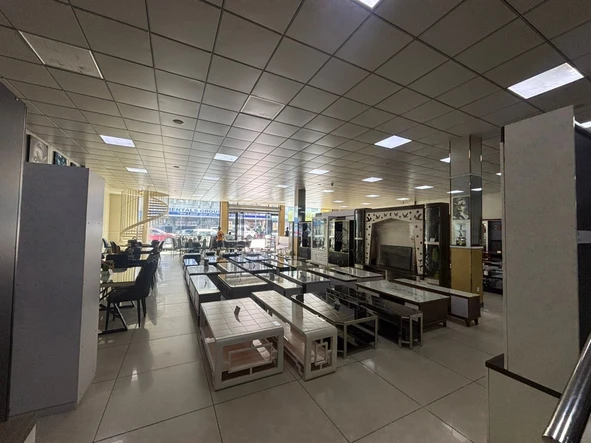
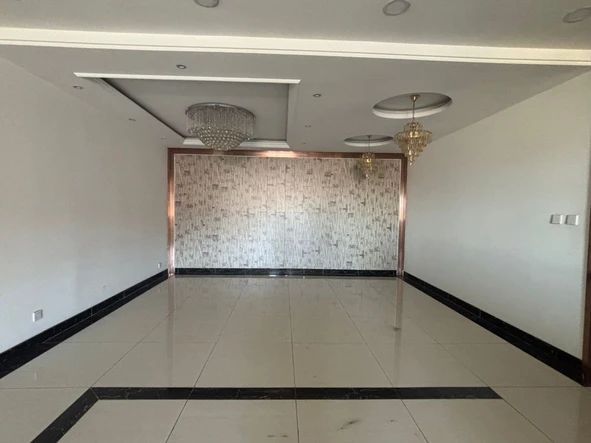
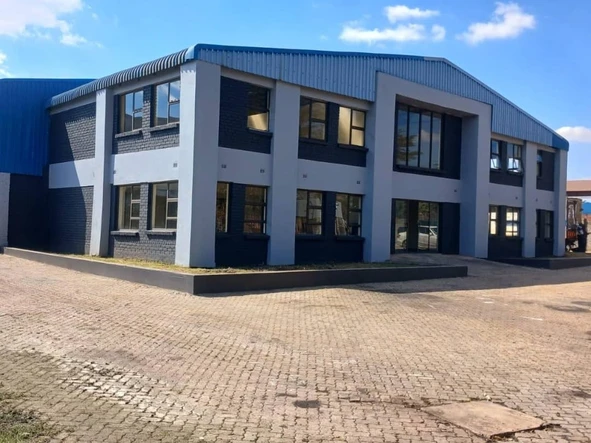
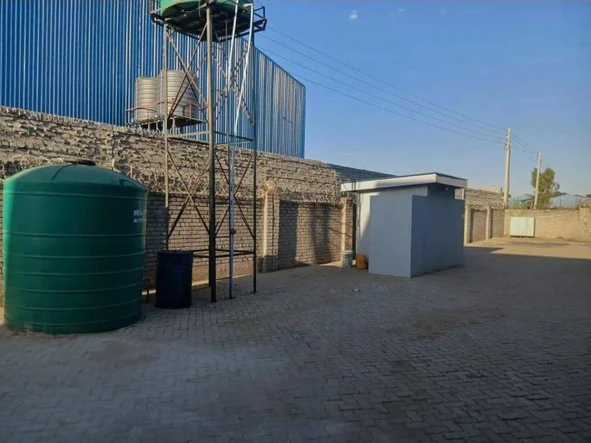
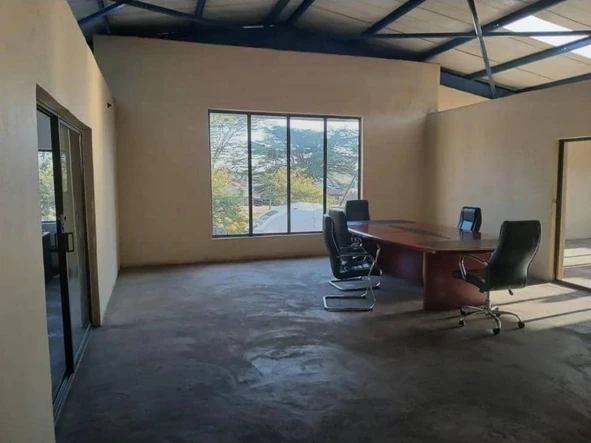
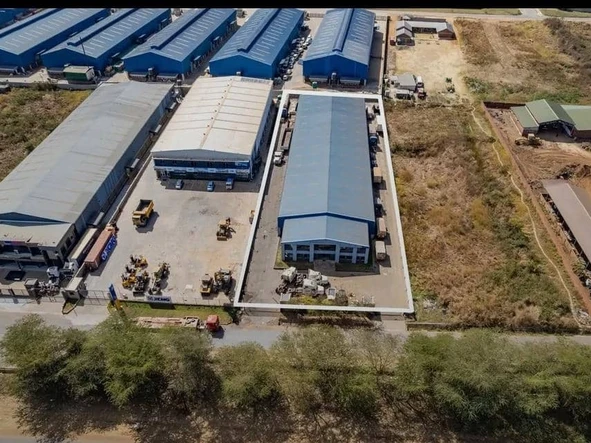
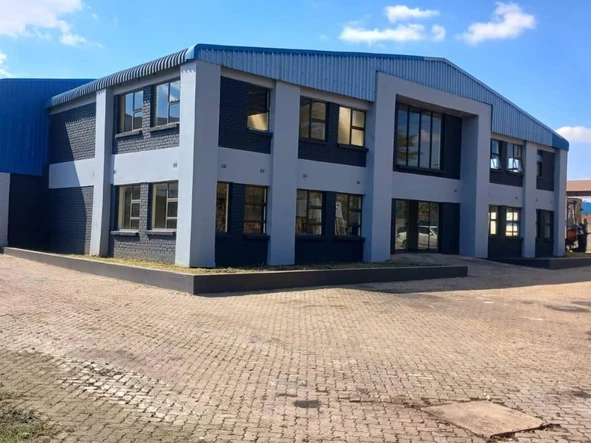
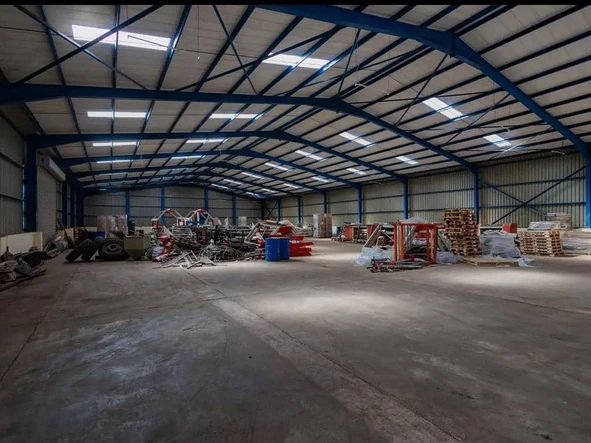
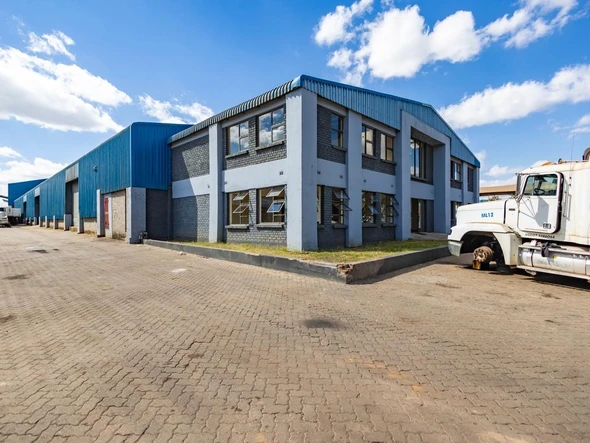
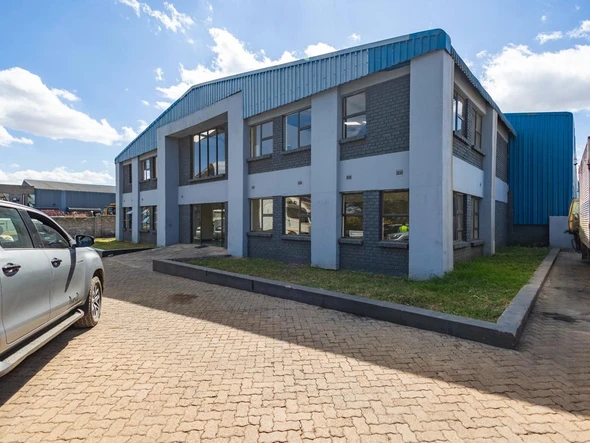
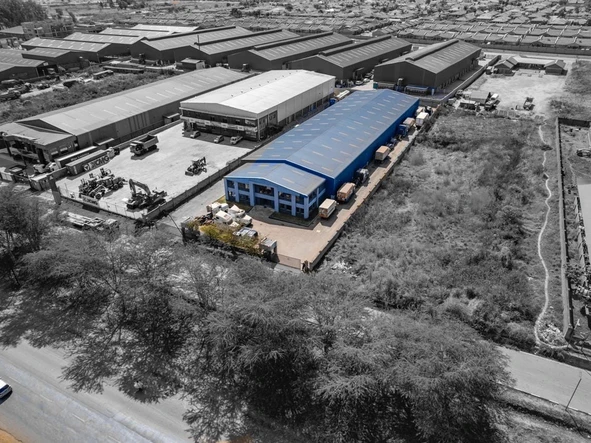
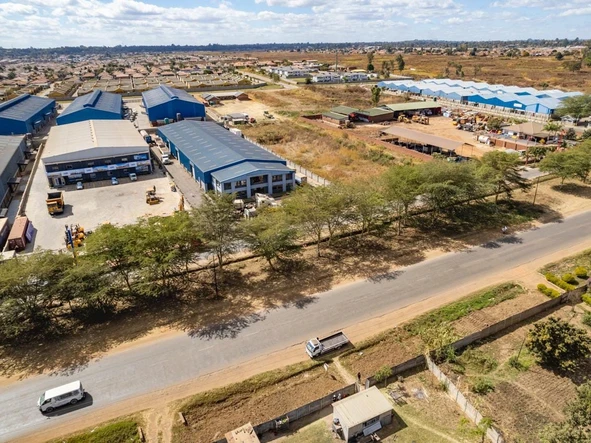
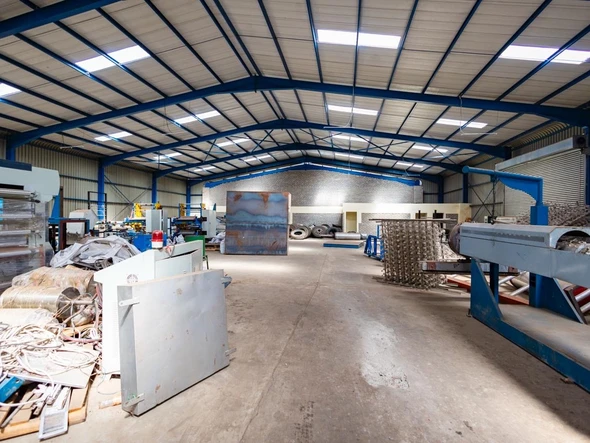
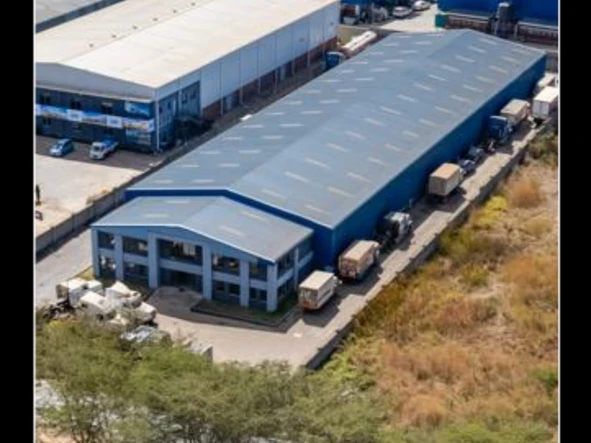
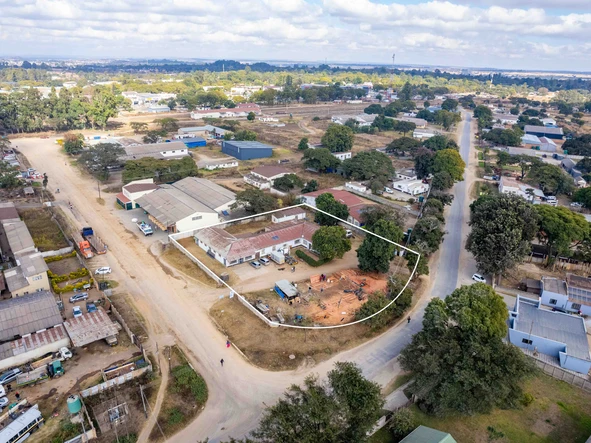
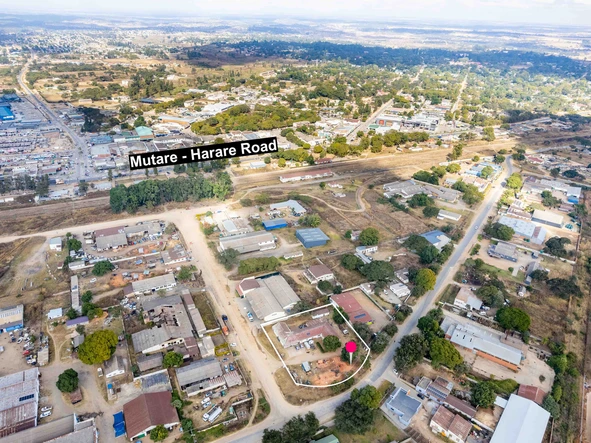
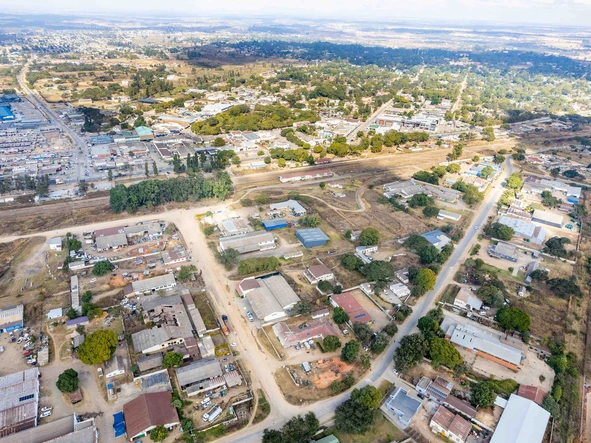
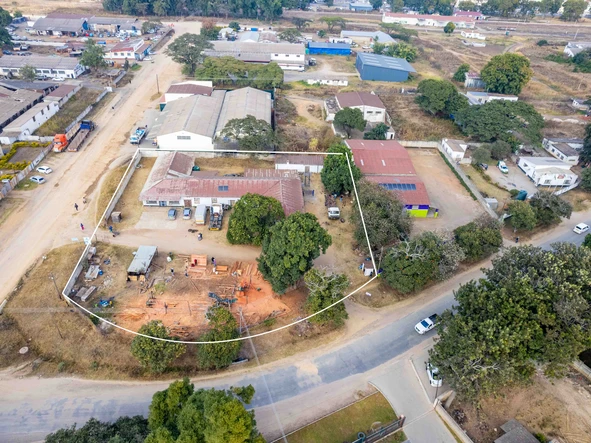
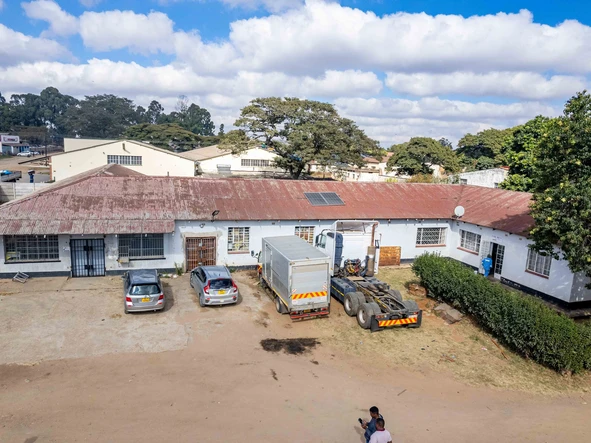
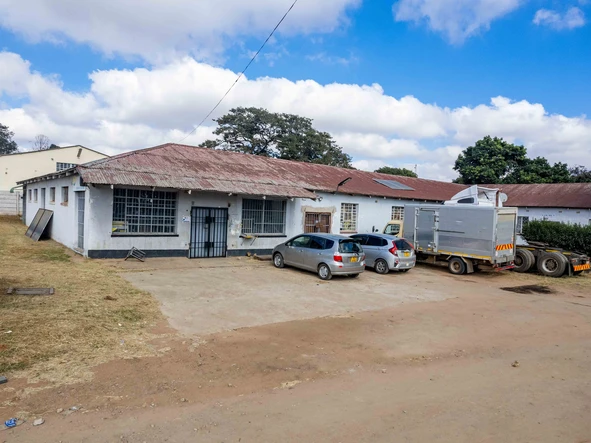
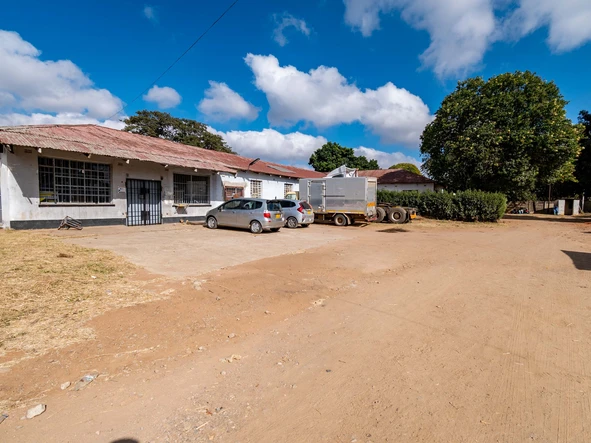
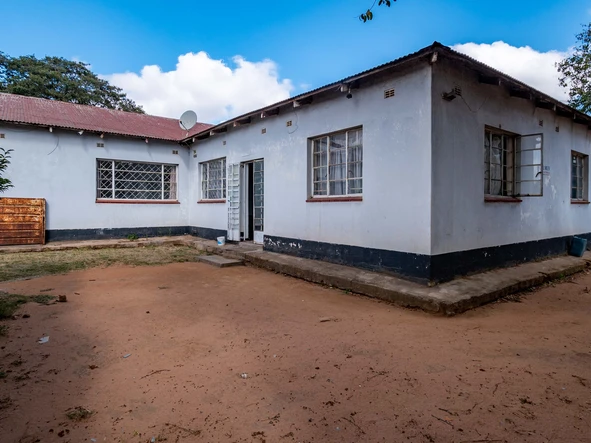
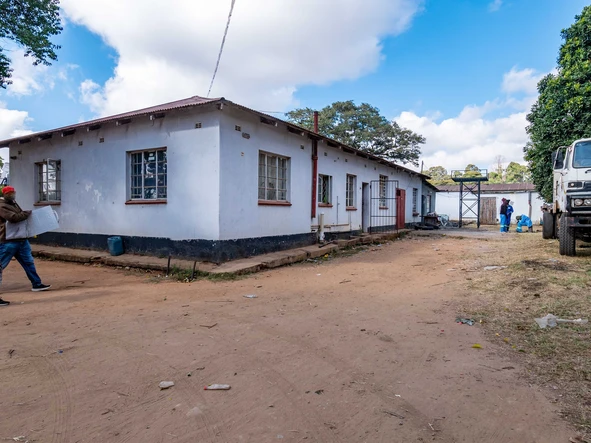
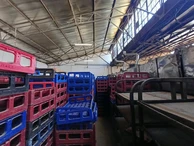
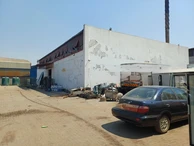
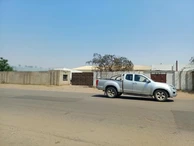
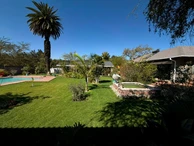
Commercial properties for sale in Zimbabwe offer a range of options with an average price of $700,000. These properties typically have a median land area of about 2,700 ㎡ and a median building size of around 400 ㎡, with some larger estates reaching up to 200,000 ㎡ of land and buildings as large as 23,000 ㎡. This variety caters to different business needs, from small commercial units to expansive industrial or retail spaces.
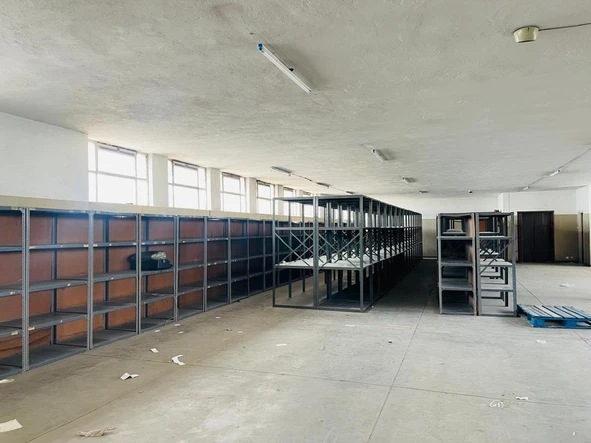
Many of these commercial properties benefit from reliable Good ZESA power supply, which is important for uninterrupted business operations. The properties vary in size and layout, providing flexibility for offices, warehouses, retail outlets, or mixed-use developments. The pricing reflects a median affordability level, making Zimbabwe’s commercial real estate market accessible to a broad range of investors and entrepreneurs.
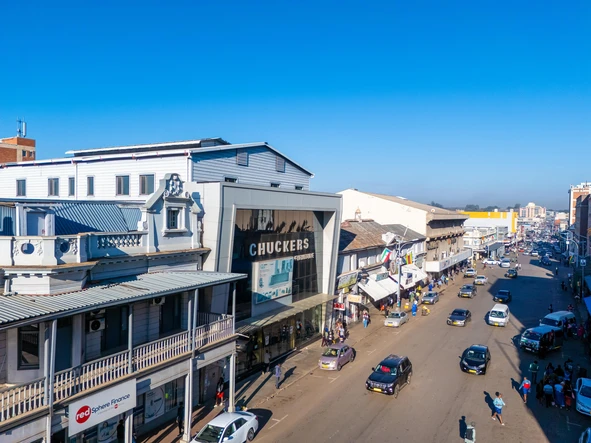
Zimbabwe’s commercial hubs, particularly in cities like Harare and Bulawayo, are supported by growing infrastructure and access to major shopping centers such as Sam Levy's Village and Eastgate Mall. The country’s diverse economy and cultural heritage, along with its proximity to key attractions like Victoria Falls and national parks, contribute to a dynamic business environment. Access to universities and healthcare facilities further supports workforce development and business sustainability in these areas.

Be the first to see new properties for sale











| Type | Avg. price |
|---|---|
| Average price | $700,000 |
Prices as of October 2026
Buying a housing stand in Zimbabwe? Inspect title deeds, subdivision permits, compliance certificates, and seller IDs before making any payment.
Can someone claim your land in Zimbabwe? Learn how 30 year acquisitive prescription works, the legal risks involved, and how to protect your property title.
Explore October 2026 Property Pulse insights on the Zimbabwean real estate market, where high buyer demand outpaces limited housing supply across major areas.
Built a house on land registered in your partner's name? Learn your legal rights in Zimbabwe, tacit universal partnerships, and unjust enrichment claims.
Planning to convert or buy commercial property? Understand Zimbabwe’s change of use rules, 2026 Harare fees, timelines and approval risks.