Log in to contact the seller
 Continue with Facebook
 Continue with Email
Continue with Facebook
Continue with Email
Sign up with Facebook
Continue with Email
Continue with Facebook
Continue with Email
Sign up with Facebook
 Change filters
 Requests


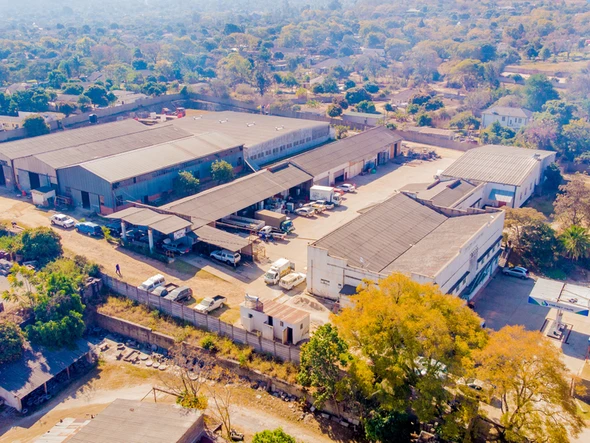
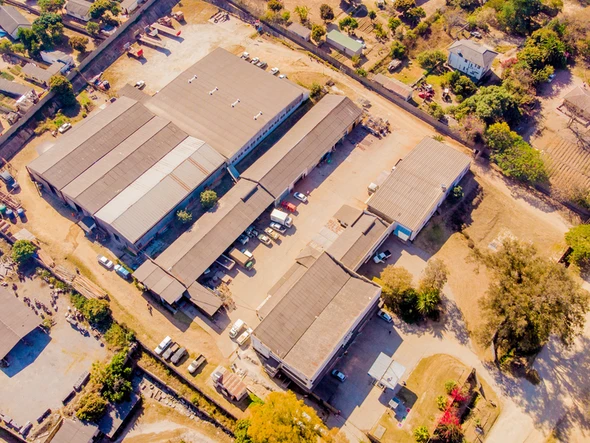
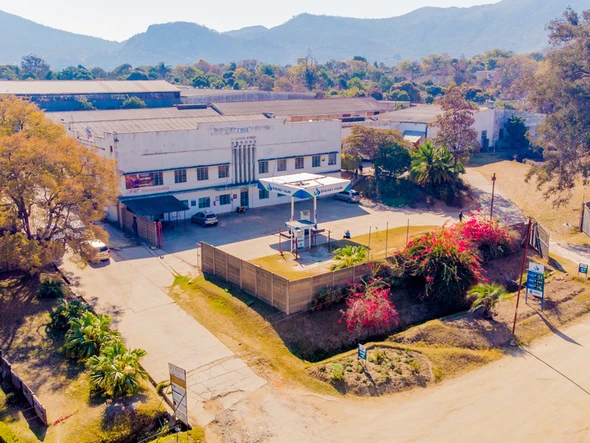
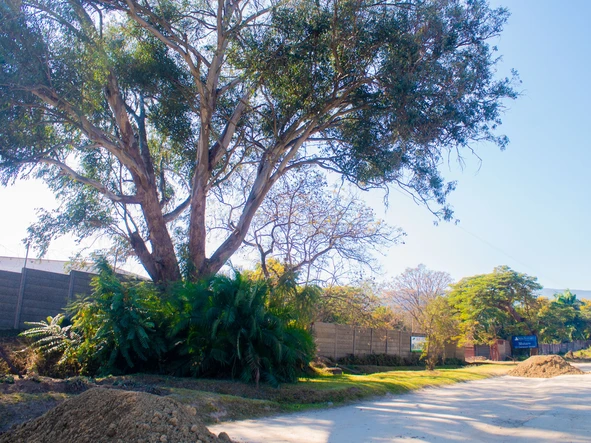
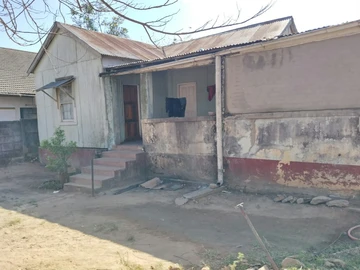
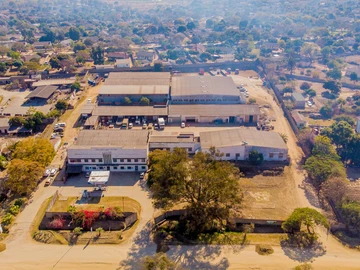
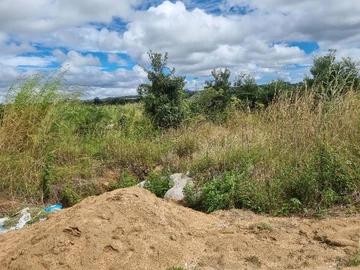
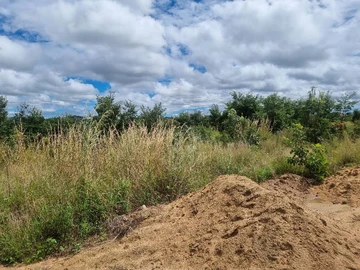
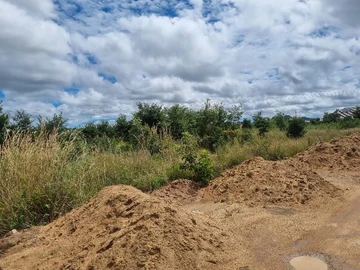
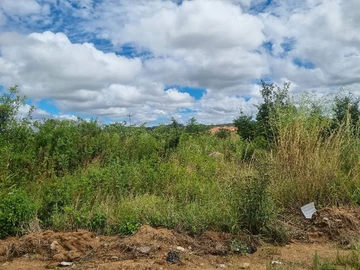
 10,600 m²



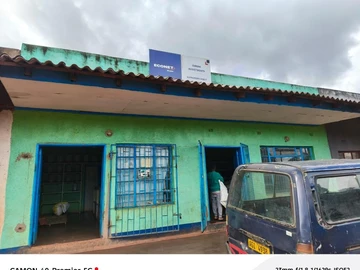
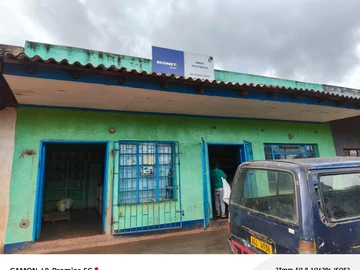
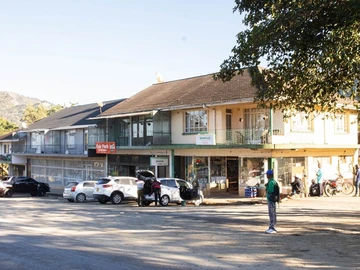
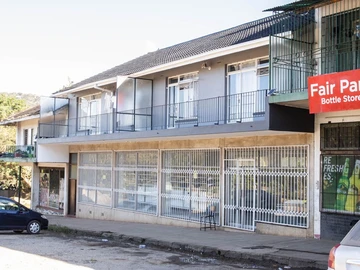
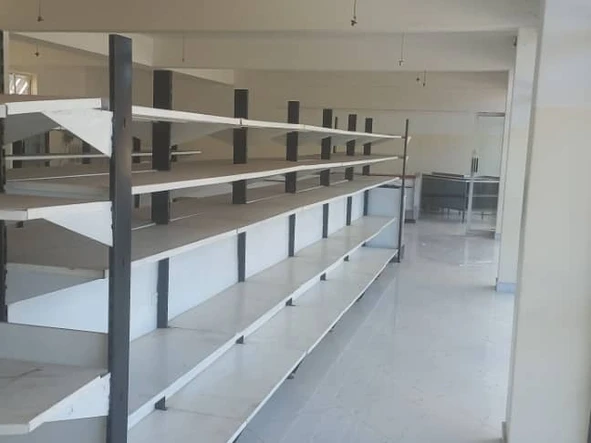
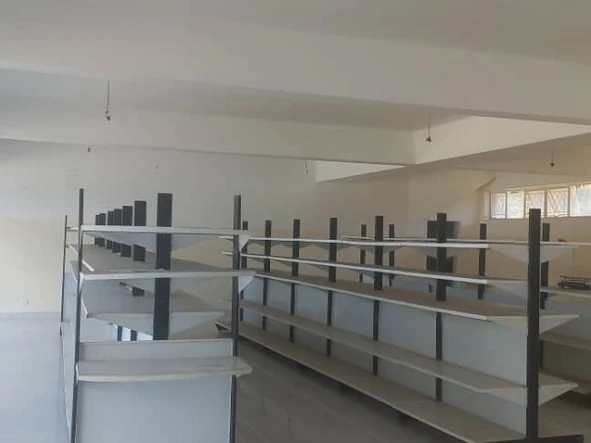
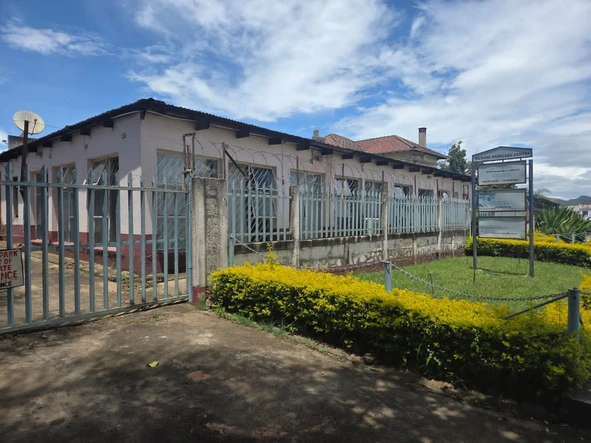
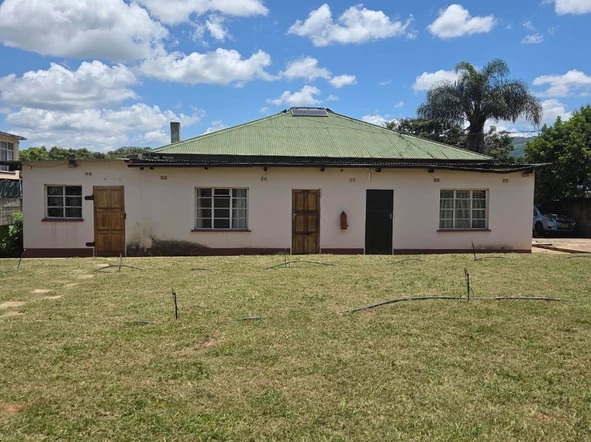
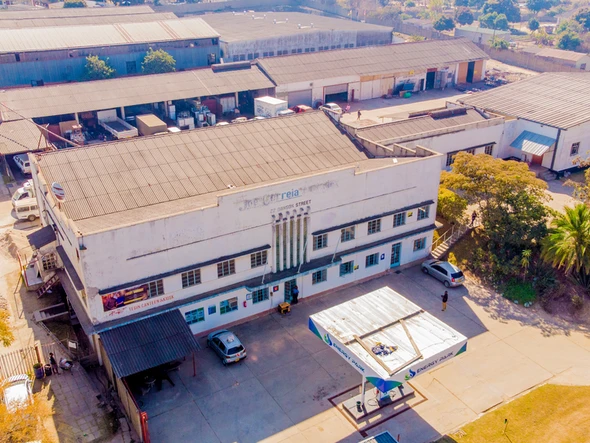
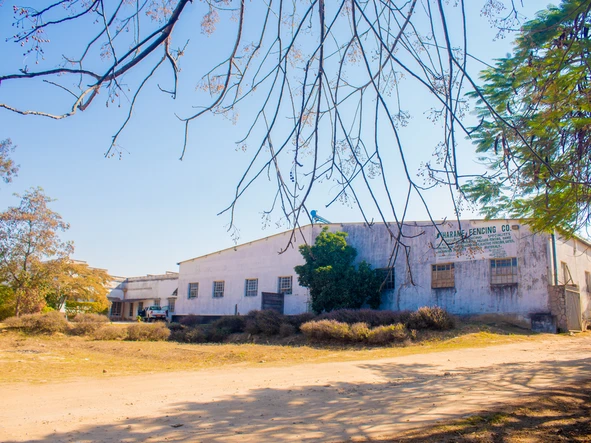
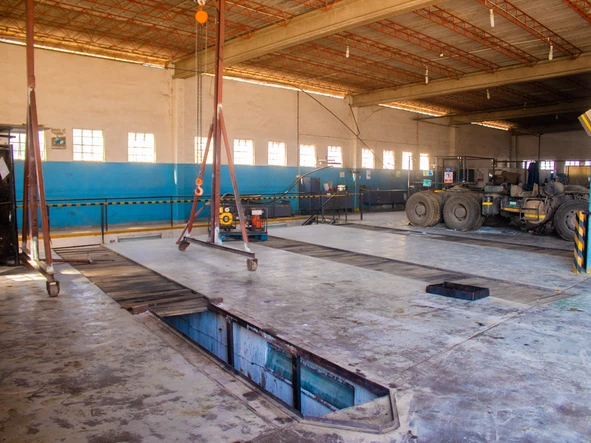
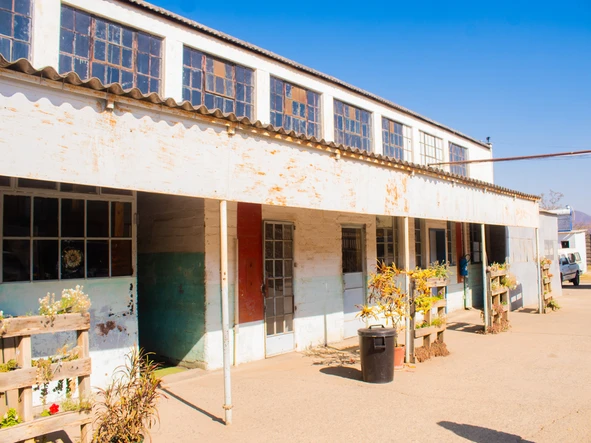
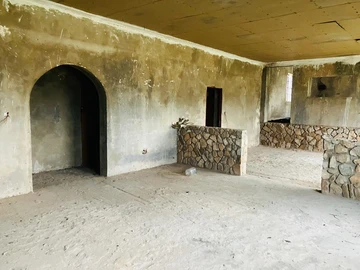
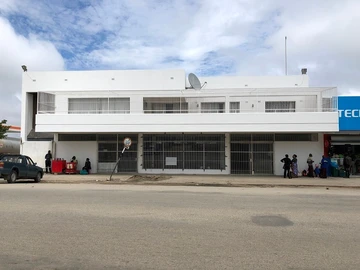
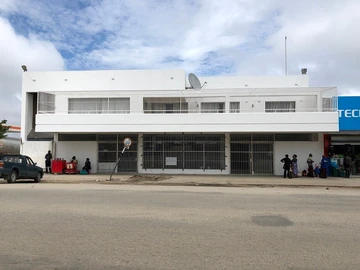
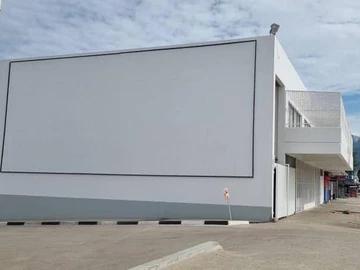
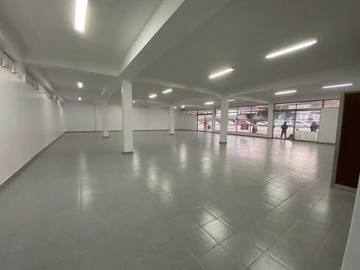
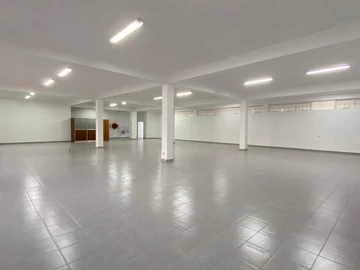
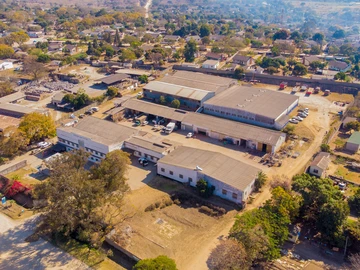
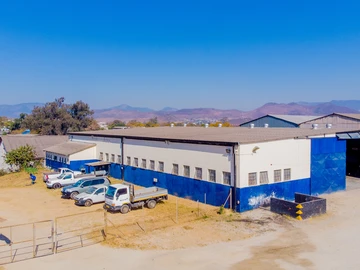
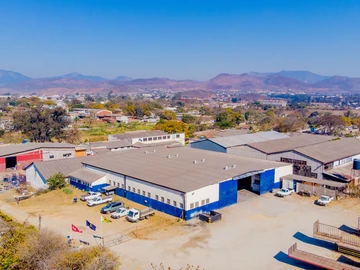
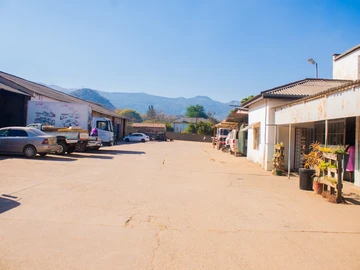
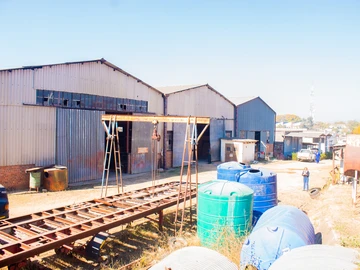
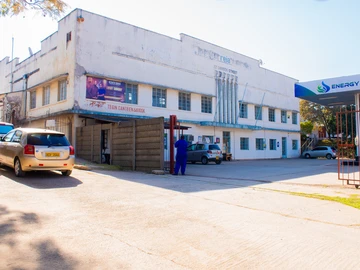
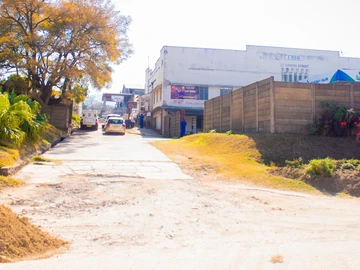
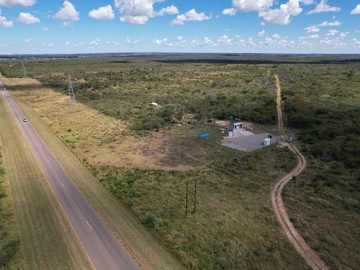
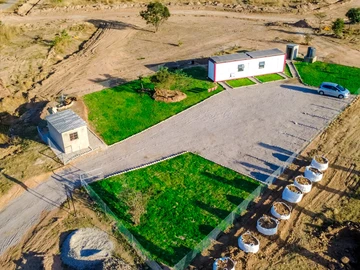
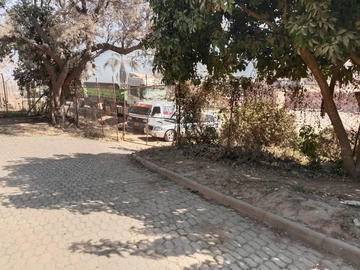
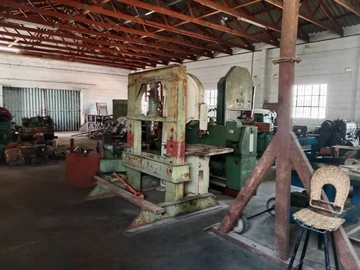
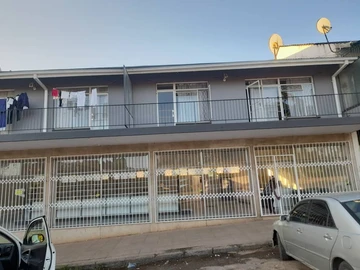
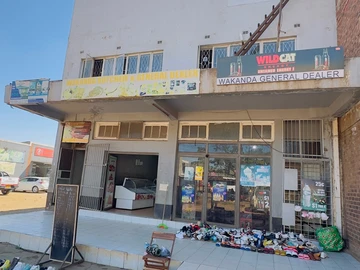
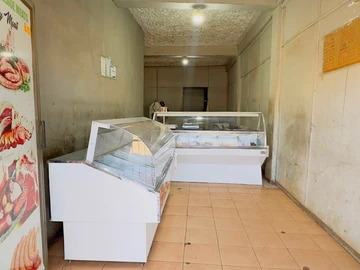
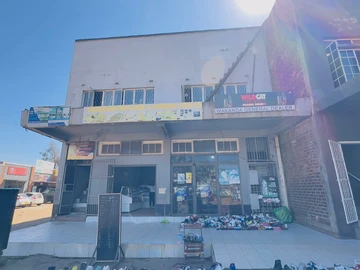
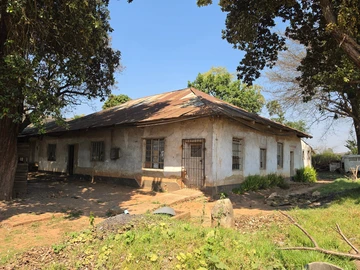
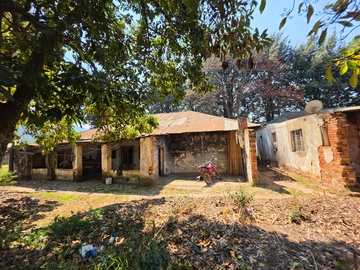
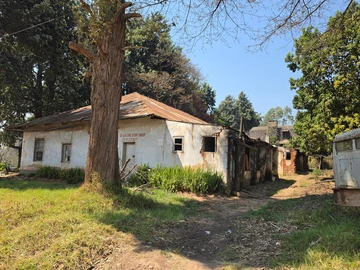
Commercial properties for sale in Manicaland offer a range of options with an average price of $500,000. These properties typically have a median land area of about 4,000 ㎡ and a median building size of around 400 ㎡, with some larger properties reaching up to 7,000 ㎡ in size. The variety in land and building sizes caters to different business needs, from small enterprises to larger commercial operations.
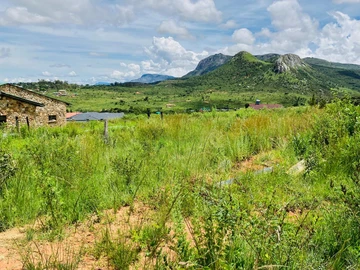
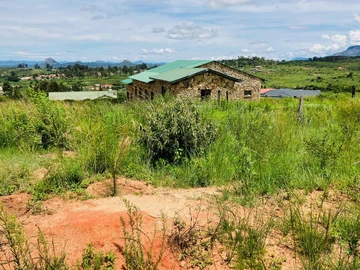
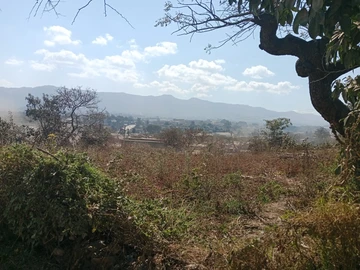
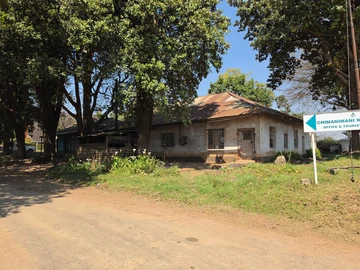
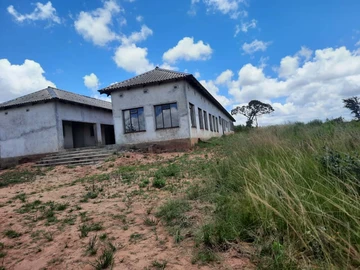
Many of these commercial properties are situated on spacious plots, providing room for expansion or outdoor storage. The listings reflect a mix of established buildings and undeveloped land, suitable for various commercial uses including retail, offices, or light industrial activities. Affordability is balanced with the potential for growth in this scenic and developing region.
Manicaland is known for its beautiful landscapes and cooler climate, making it a pleasant area for business and investment. The province benefits from good transport links via the A9 highway connecting Mutare to Harare, facilitating easy movement of goods and customers. Key amenities include the Mutare Shopping Centre, Sakubva Market, and Mutare Provincial Hospital, supporting both commercial activity and community needs. The proximity to tourist attractions like Nyanga National Park and Mutarazi Falls also adds potential for businesses related to tourism and hospitality.

Be the first to see new properties for sale in Manicaland










| Type | Avg. price |
|---|---|
| Average price | $500,000 |
Planning to convert or buy commercial property? Understand Zimbabwe’s change of use rules, 2026 Harare fees, timelines and approval risks.
Buying a home in Harare? Learn how to verify water access, ZESA grid connections, refuse services, and borehole rights before finalizing your purchase.
Pricing your property in Zimbabwe? Discover why overpricing leads to stagnant listings, lower final offers, and costly holding expenses in the 2026 market.
Navigating property valuations in Zimbabwe? Learn valuation methods, valuation fees, and key tips for buyers, sellers, and investors in the 2026 market.
Planning to downsize? Learn if you can dissolve a family trust holding your home, the legal steps required, and tax impacts before selling the property.














































 5
5