Log in to contact the seller
 Continue with Facebook
 Continue with Email
Continue with Facebook
Continue with Email
Sign up with Facebook
Continue with Email
Continue with Facebook
Continue with Email
Sign up with Facebook
 Change filters
 Requests


 2
2
 1
1


 2
400 m²
2
1
2
1
500 m²
2
2
150 m²
2
400 m²
2
1
2
1
500 m²
2
2
150 m²


Be the first to see new properties for rent in Harare










| Property Size | Avg. price |
|---|---|
| 1 bedroom (View 7 properties) | $475 |
| 2 bedroom (View 46 properties) | $825 |
| 3 bedroom (View 118 properties) | $900 |
| 4 bedroom (View 87 properties) | $1,500 |
| 5+ bedroom (View 63 properties) | $3,400 |
Understand Zimbabwe’s 2026 rental tax rules, including the 15% commercial regime, residential tax treatment, monthly deadlines and disclosure window
Planning to drill or buy a property with a borehole in Zimbabwe? Check the authority, permit, siting, records and water quality before you commit.
Protect your rental property in Zimbabwe. Learn the 10 essential tenant screening checks landlords should make before signing a lease agreement.
Upgrade your home with the top bathroom trends of 2026 in Zimbabwe. Explore 8 stylish ideas covering luxury vanity finishes, lighting, and eco features.
Buying property in Zimbabwe? Discover hidden costs like stamp duty, conveyancing fees, and taxes that can add 8%–12% or more to your purchase price.




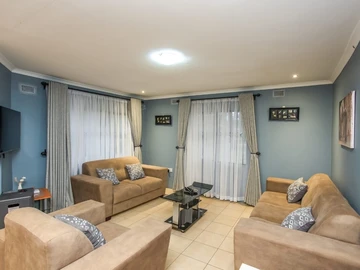
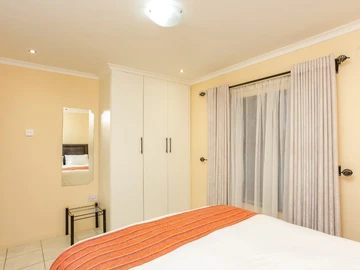
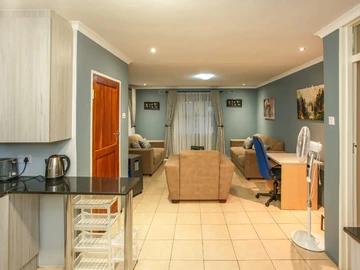
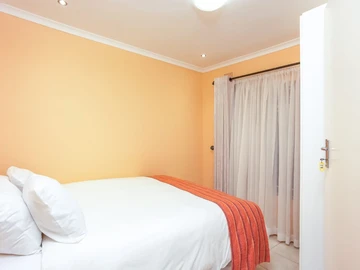
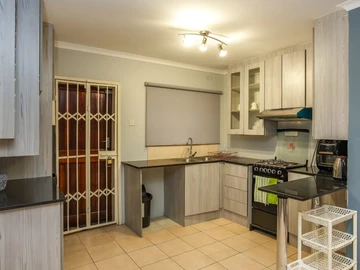
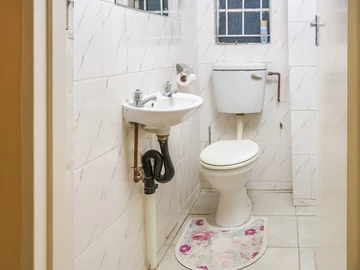
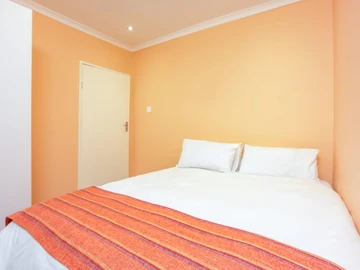
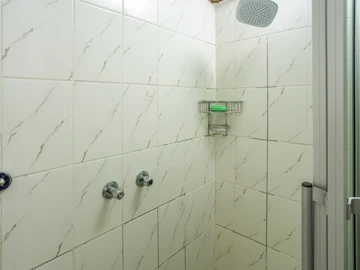

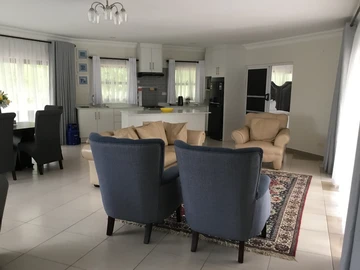
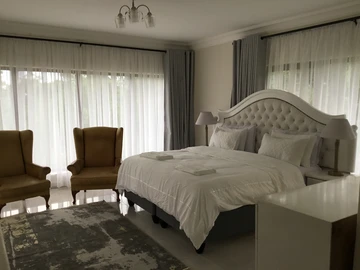
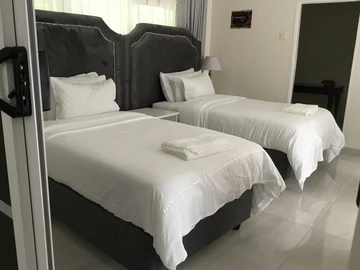
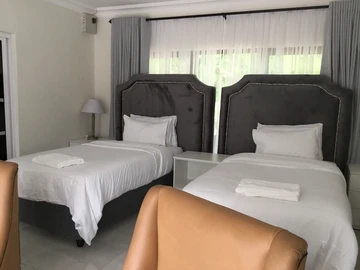
 1,000 m²