Log in to contact the seller
 Continue with Facebook
 Continue with Email
Continue with Facebook
Continue with Email
Sign up with Facebook
Continue with Email
Continue with Facebook
Continue with Email
Sign up with Facebook
 Change filters
 Requests

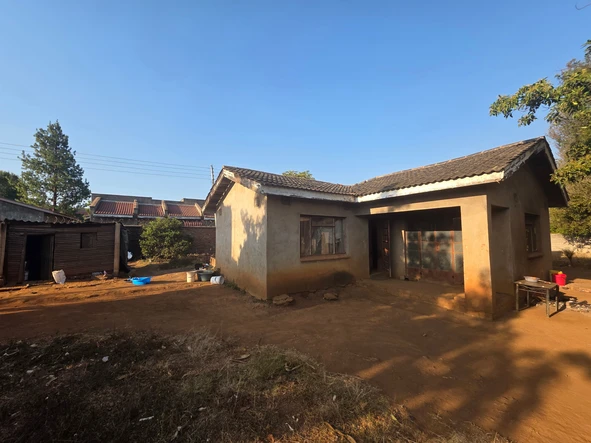


 4,142 m²


 25,549 m²
1,200 m²
25,549 m²
1,200 m²
 413,000 m²
2,080 m²
800 m²
26,305 m²
375 m²
413,000 m²
2,080 m²
800 m²
26,305 m²
375 m²
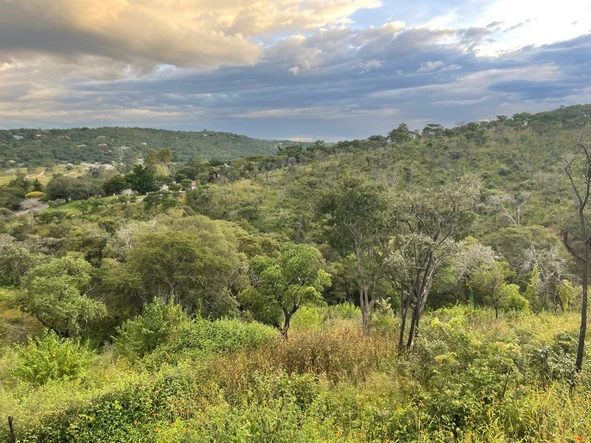
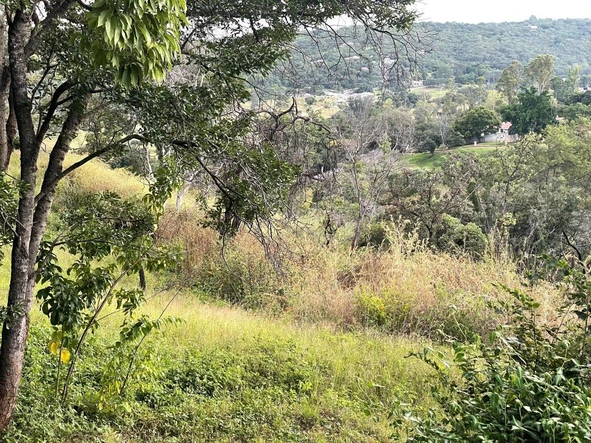
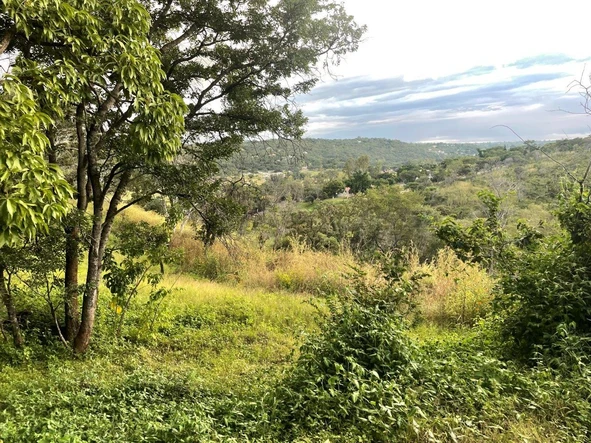
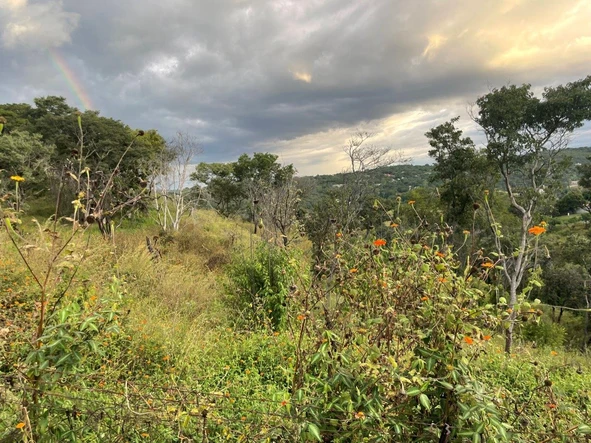
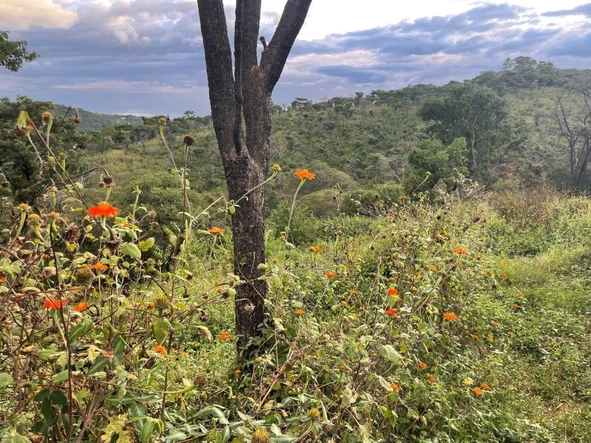
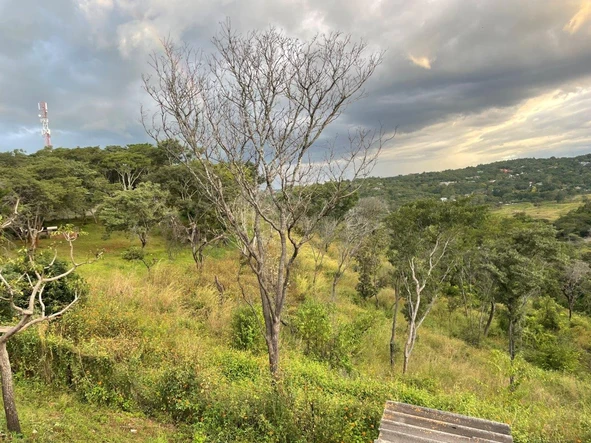
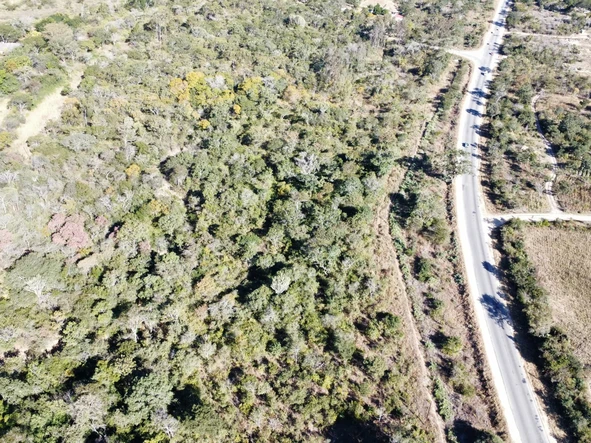
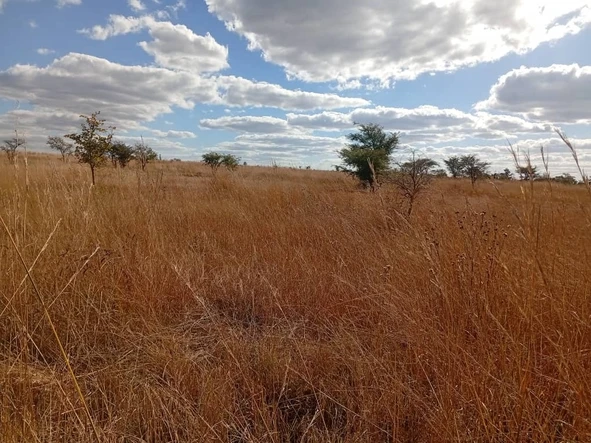
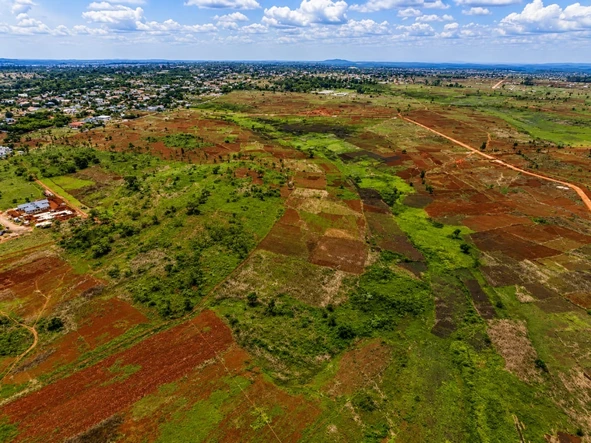
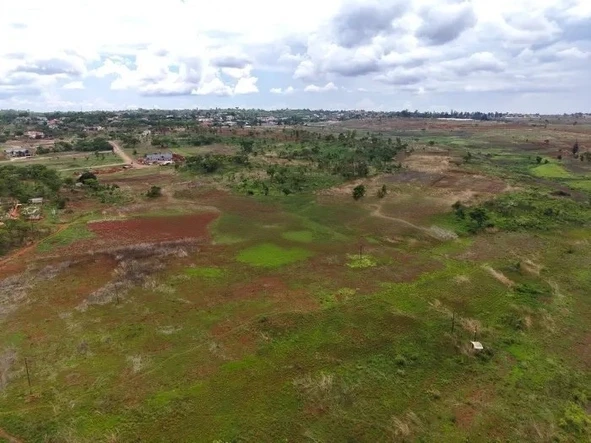
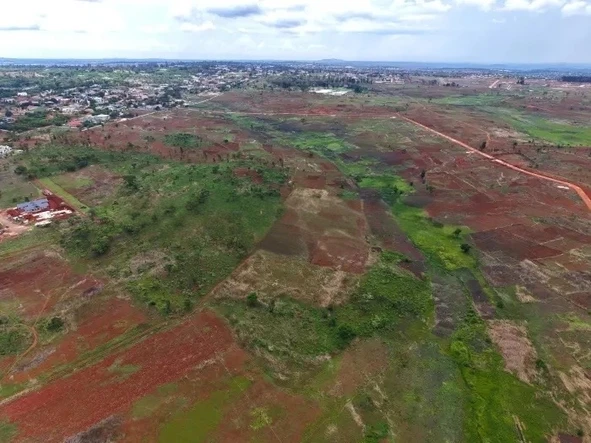
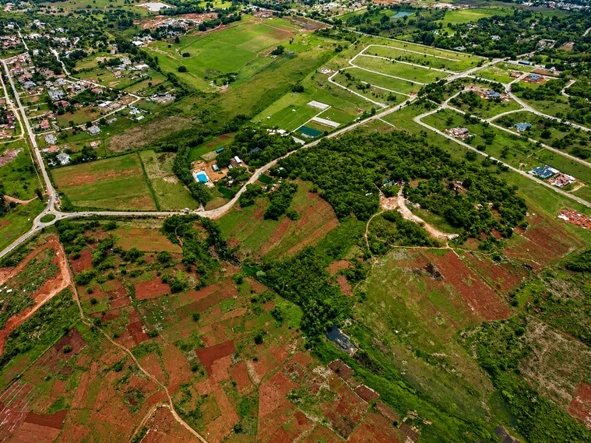
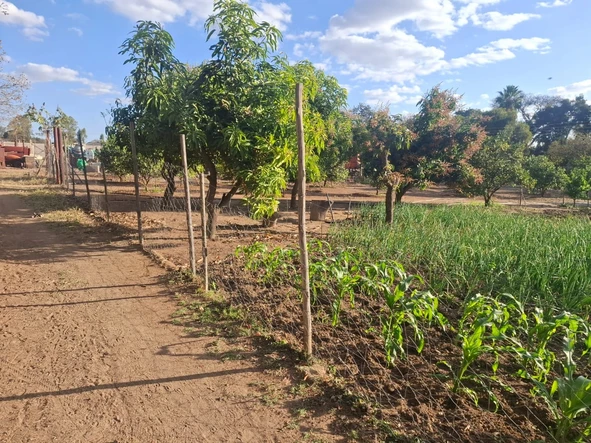
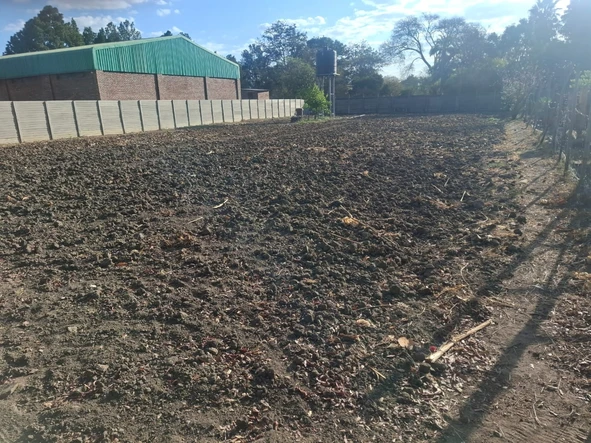
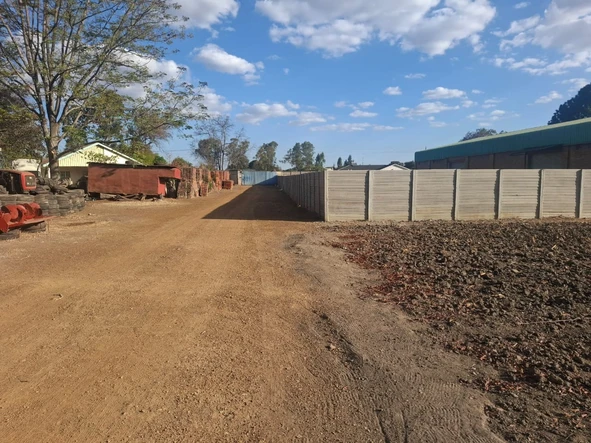
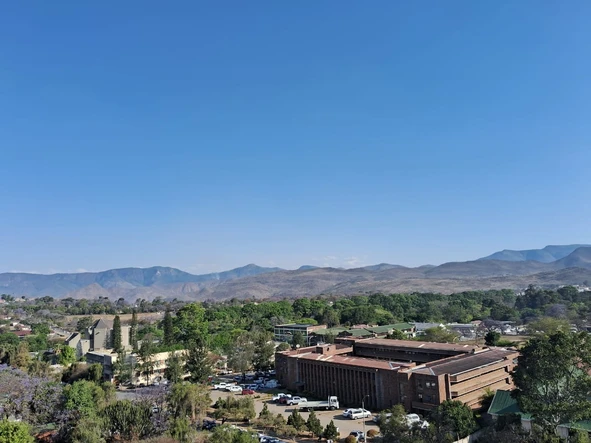
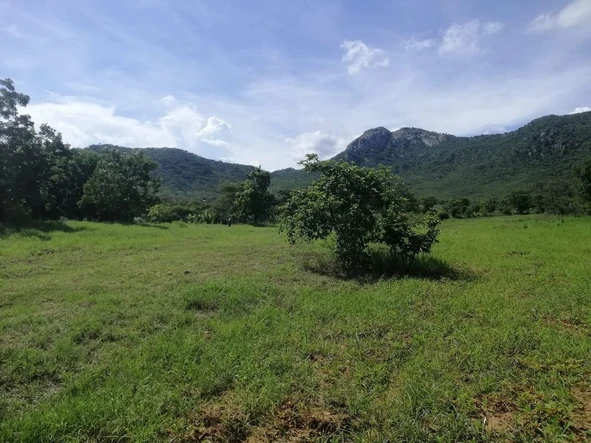
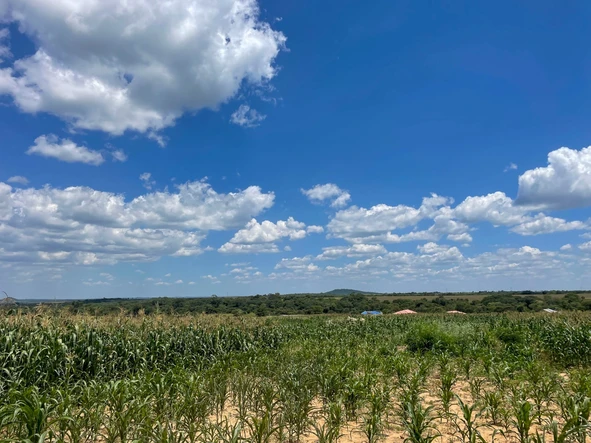
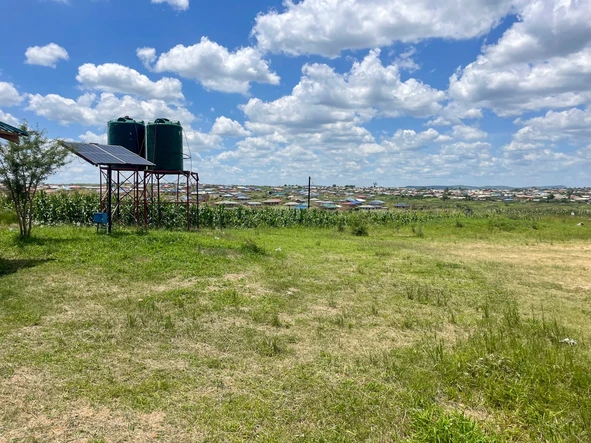
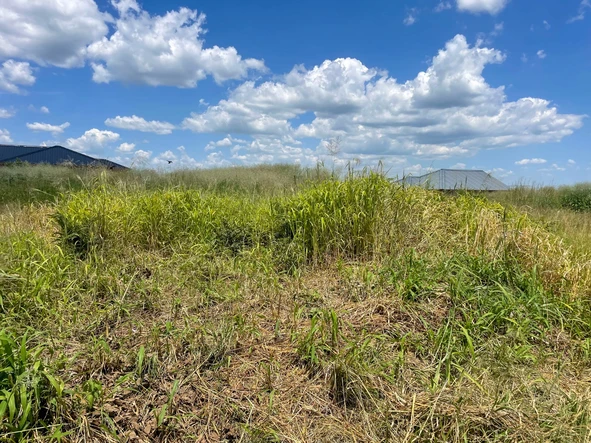
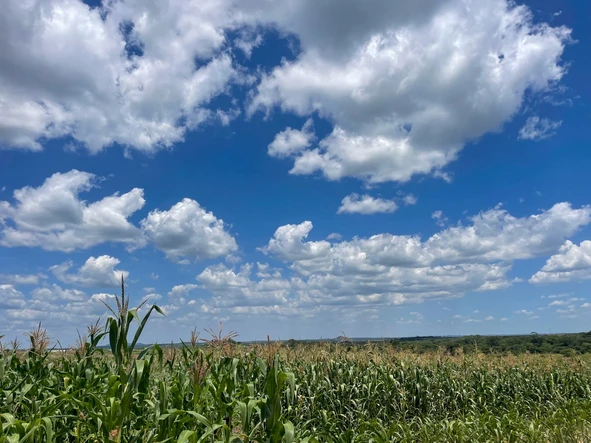
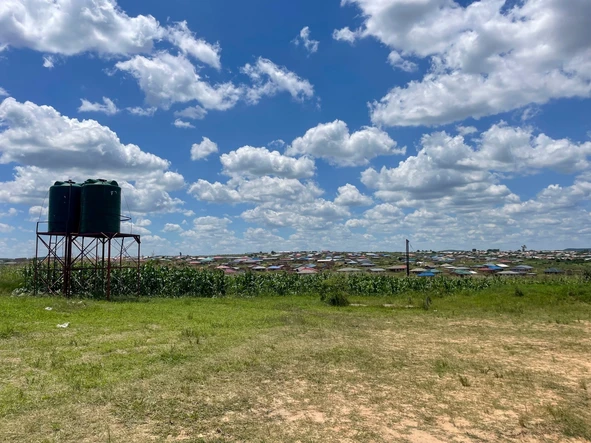
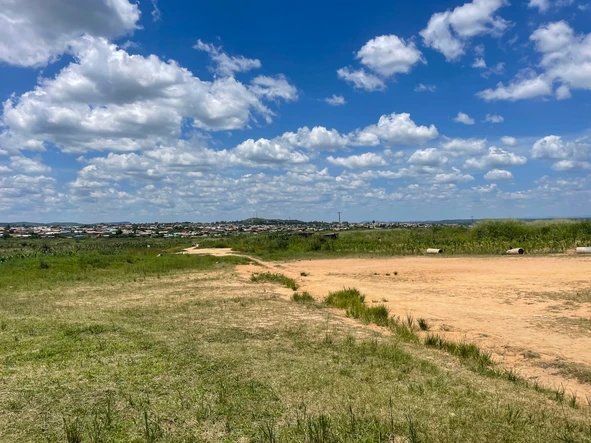
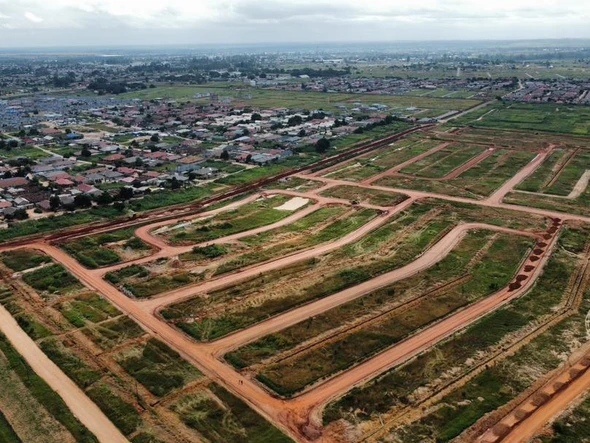
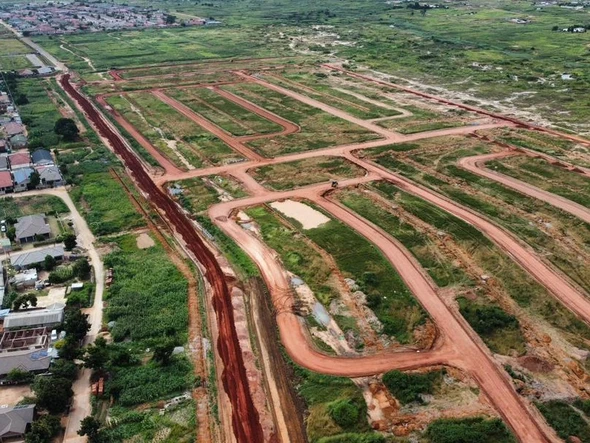
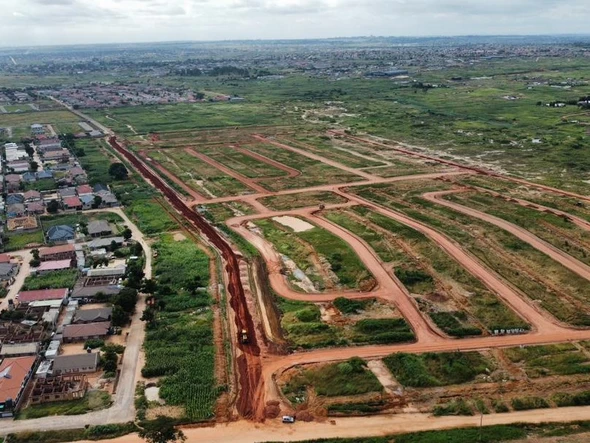
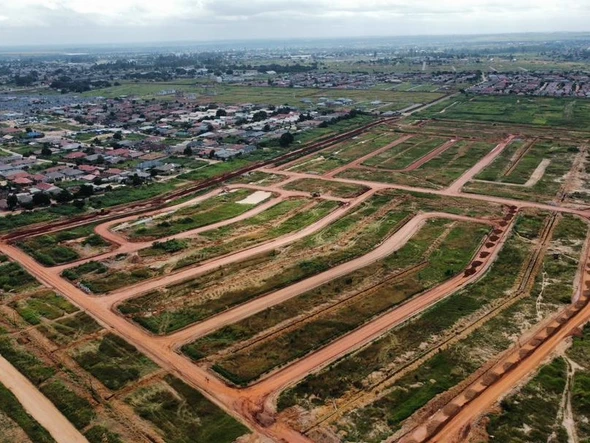
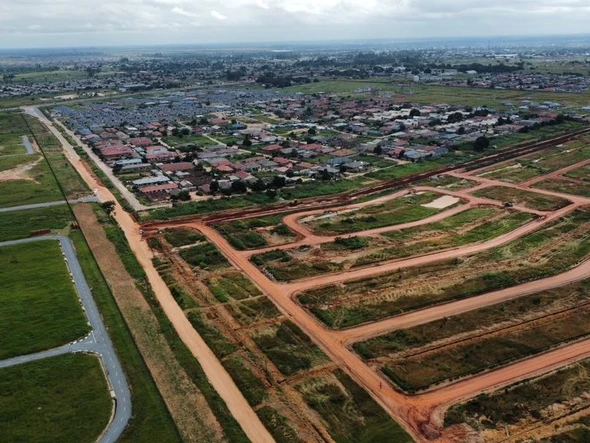
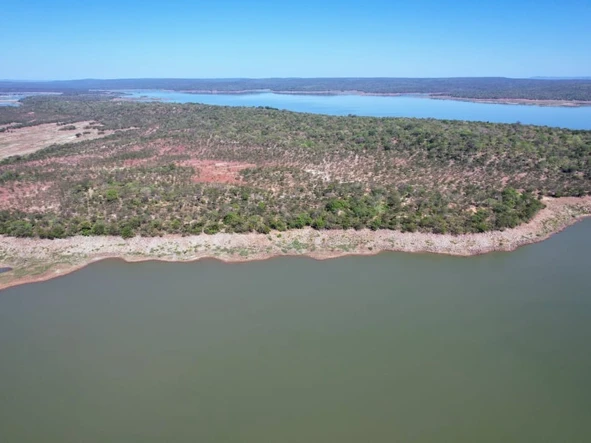
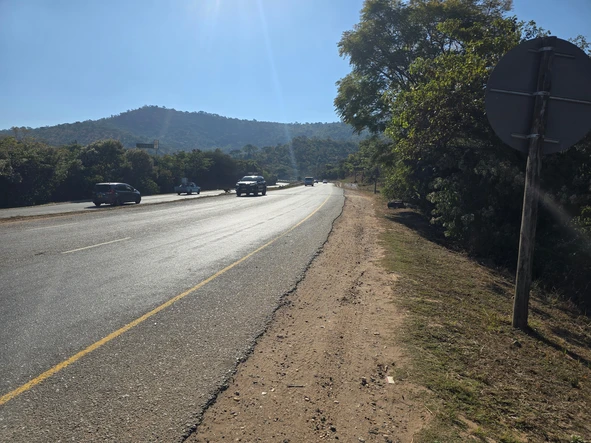
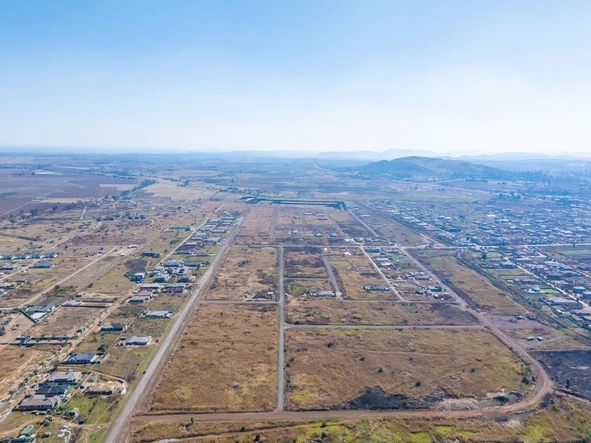
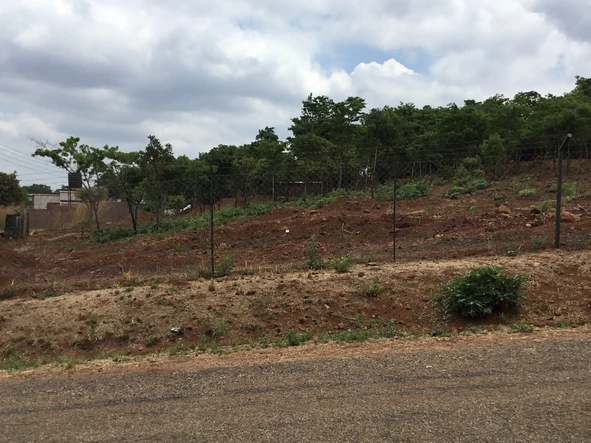
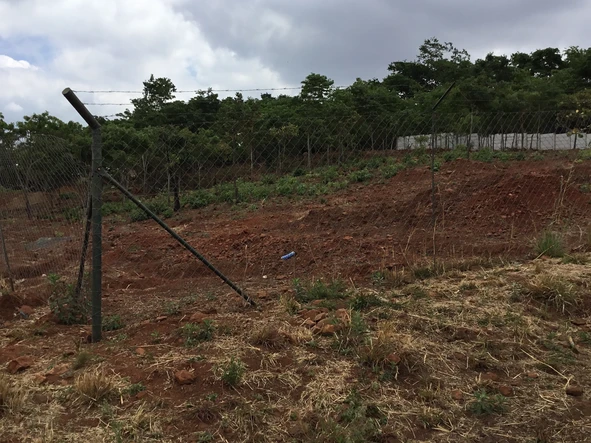
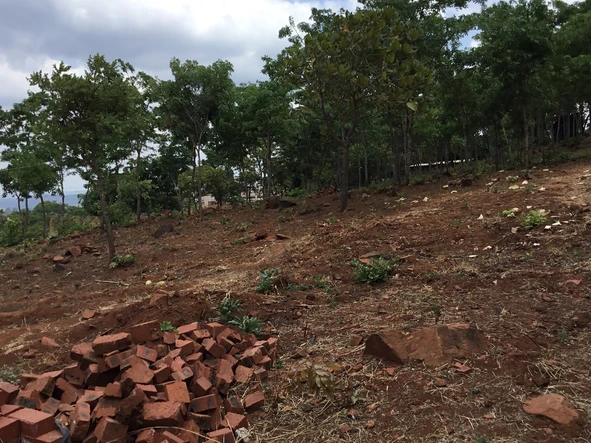
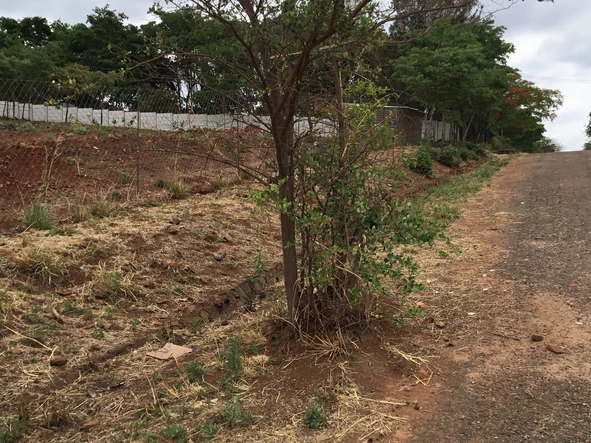
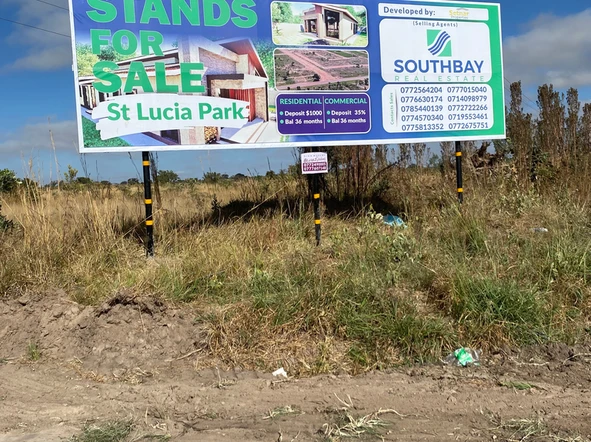
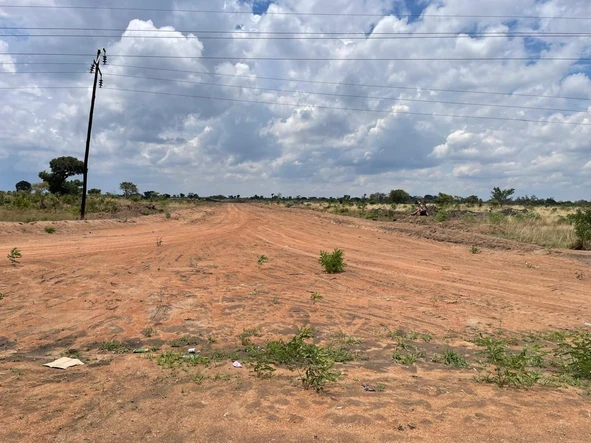
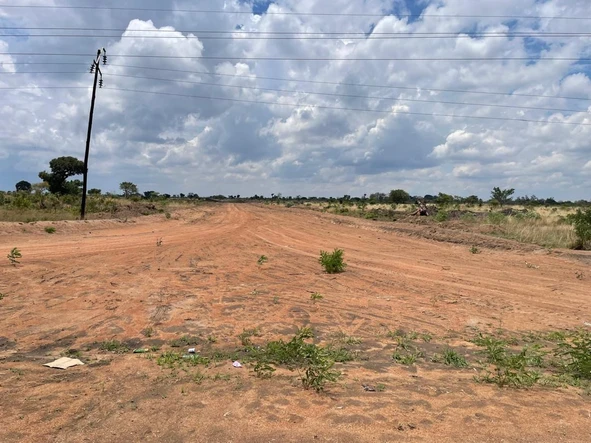
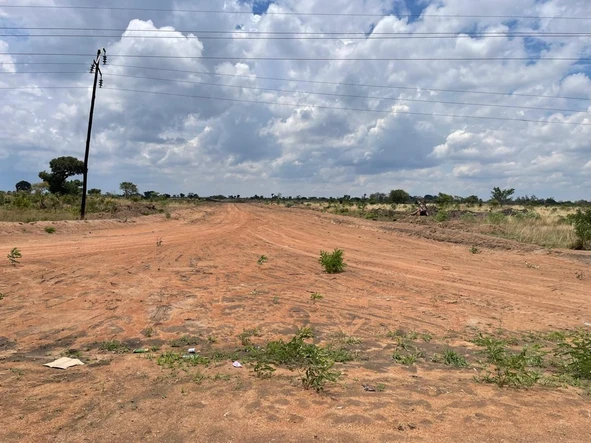
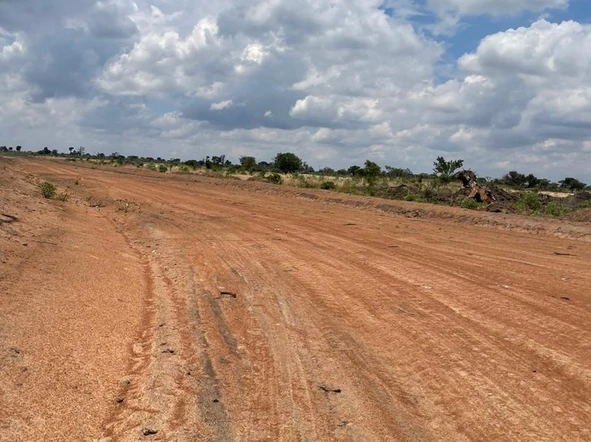
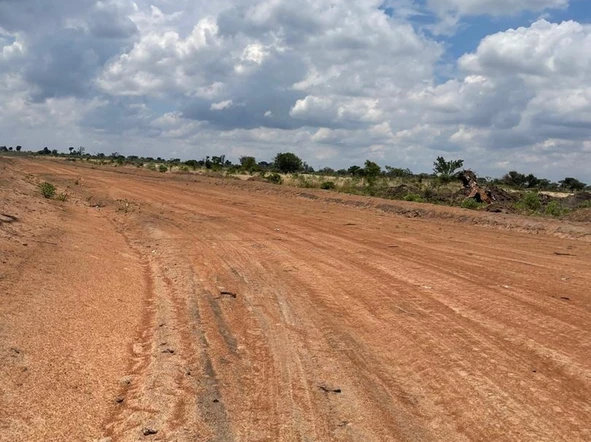
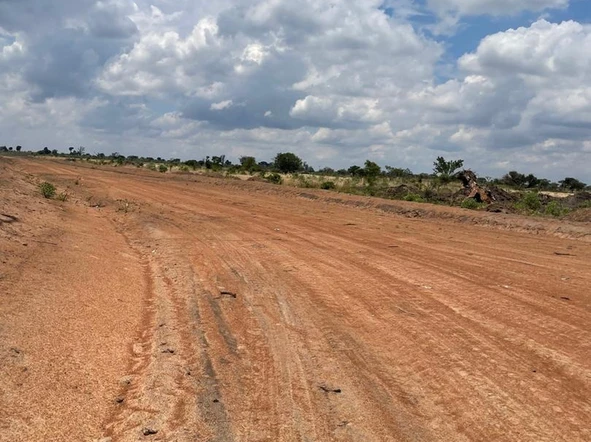
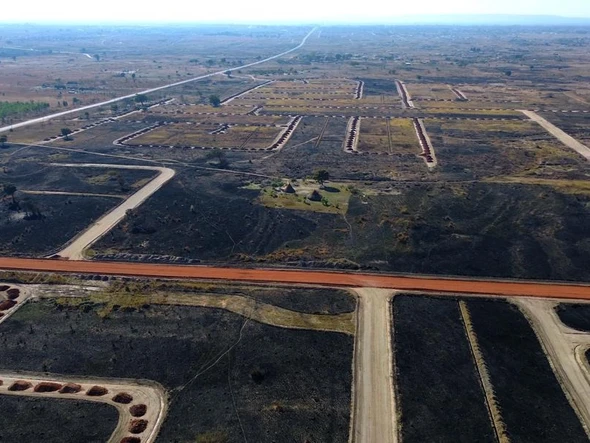
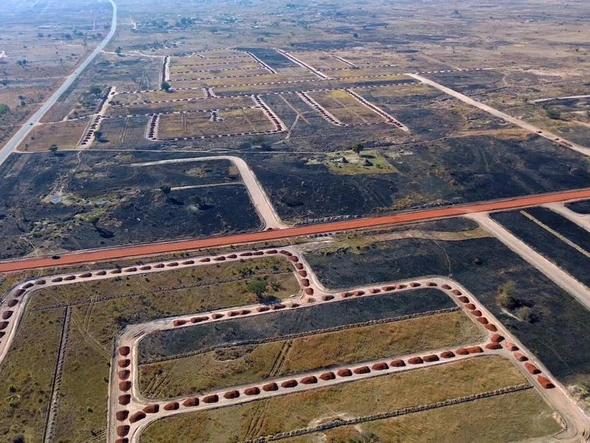
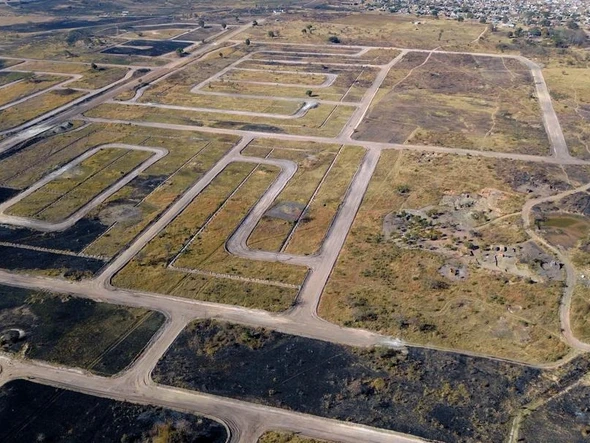
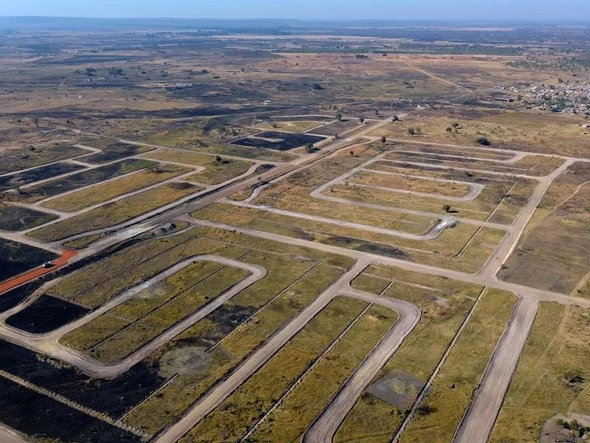
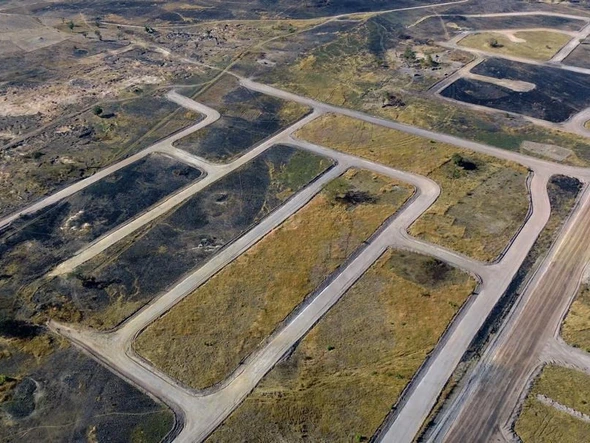
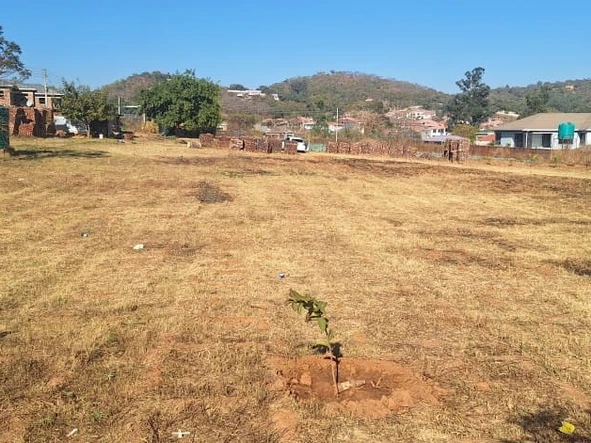
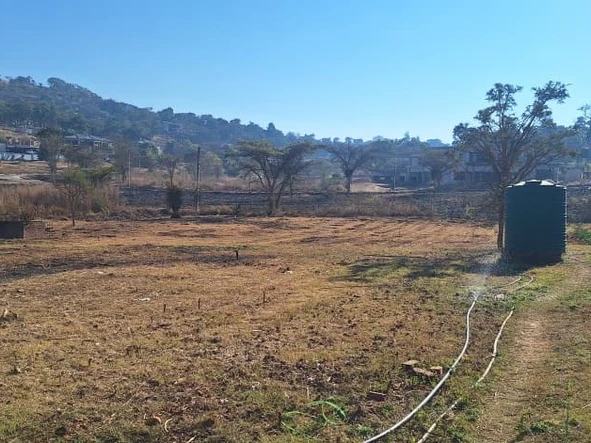
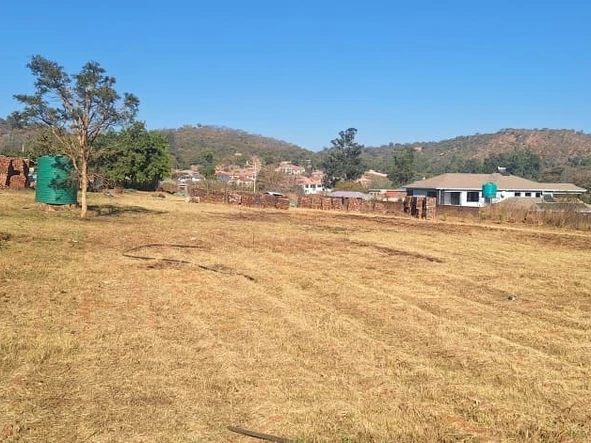
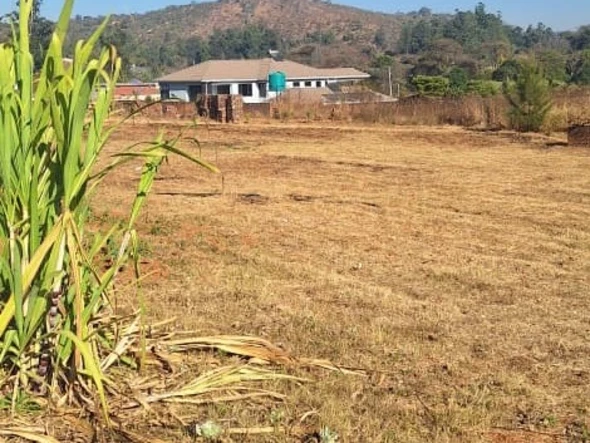
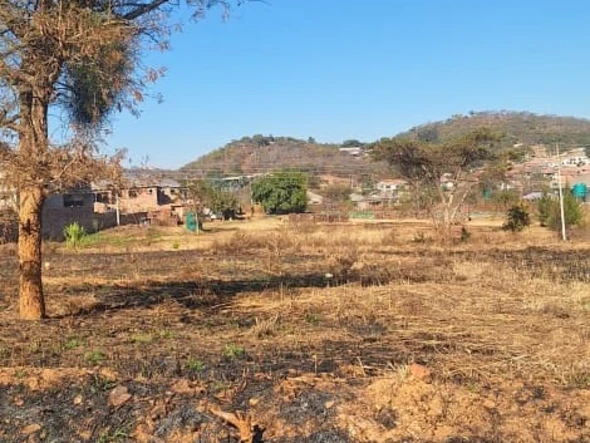
Land for sale in Zimbabwe offers a wide range of options, with plot sizes varying from as small as 200 ㎡ to very large parcels up to 4,280,000 ㎡. The median land area is about 2,103 ㎡, making it suitable for various uses from small-scale farming to larger developments. The average price of the properties currently listed is $76,000, reflecting a range of affordable to premium land options across the country.
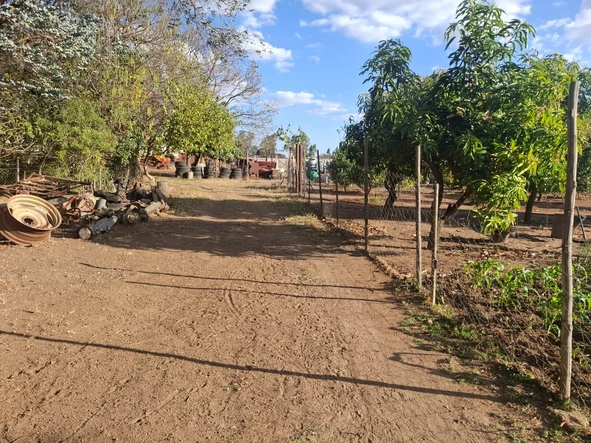
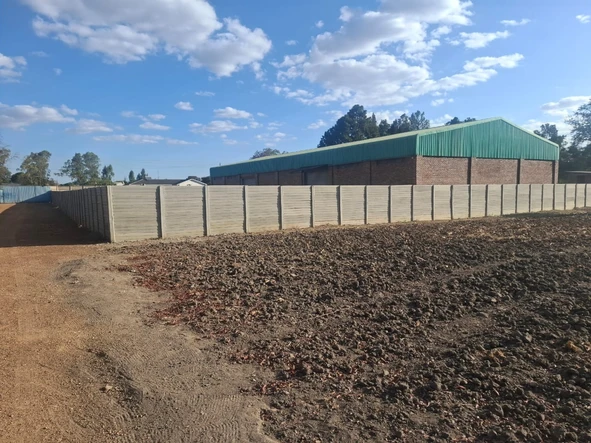
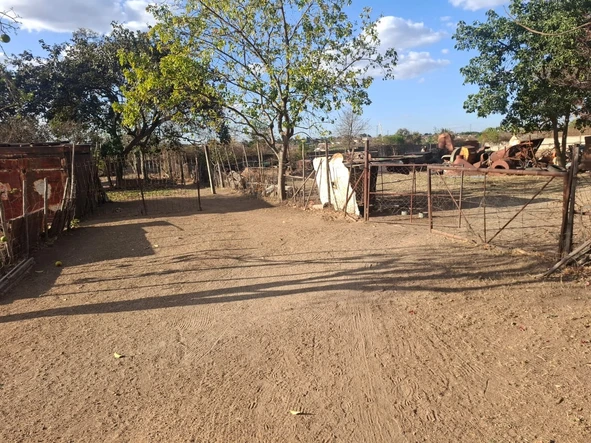
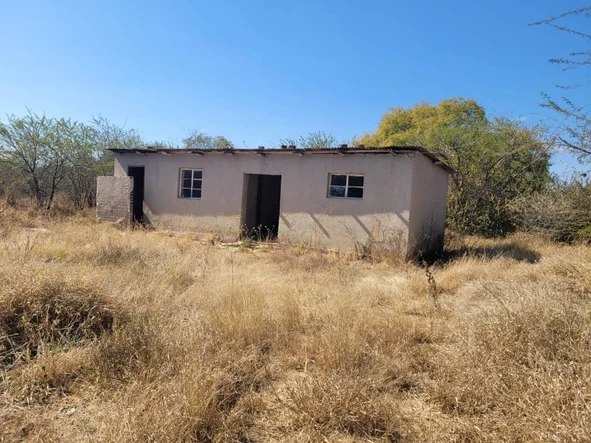
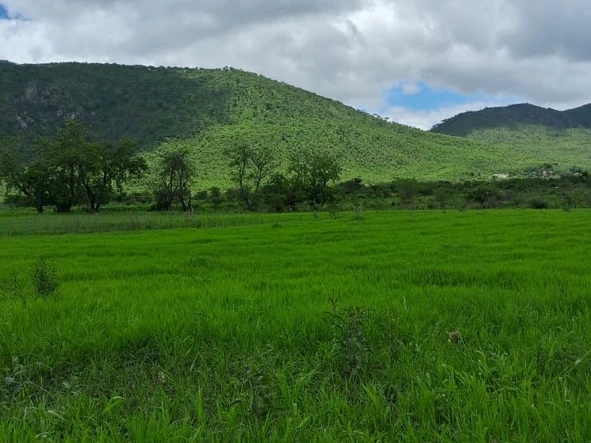
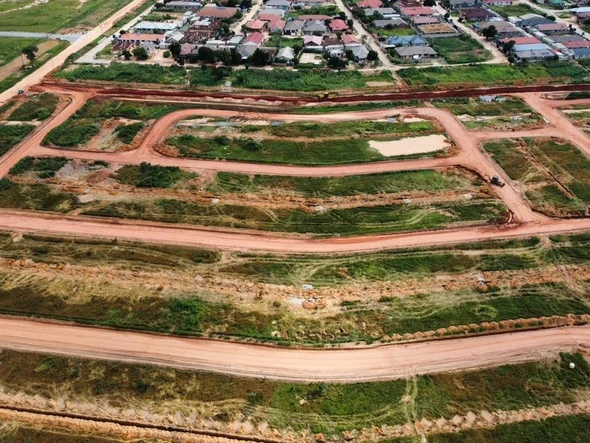
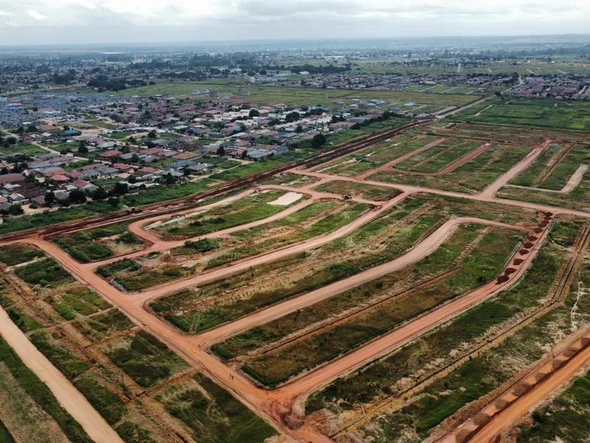
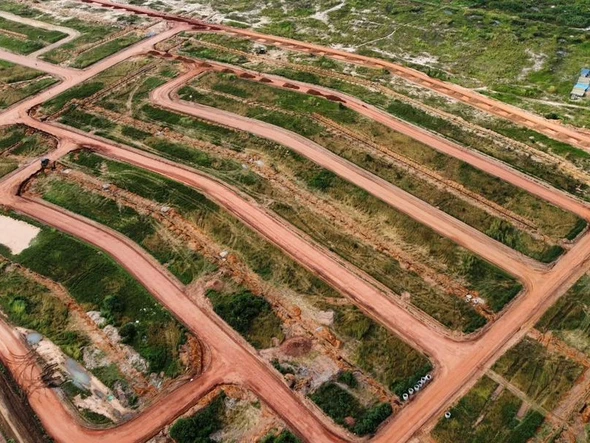
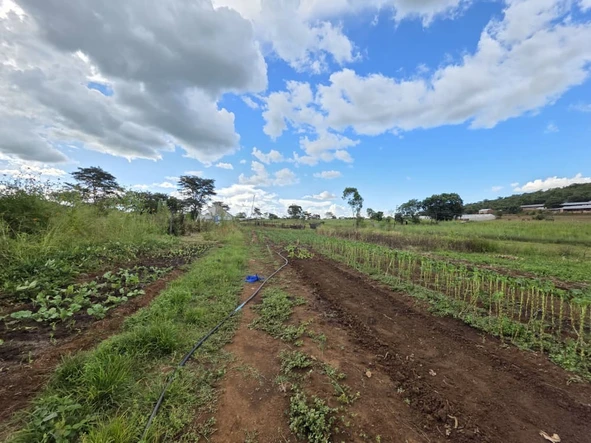
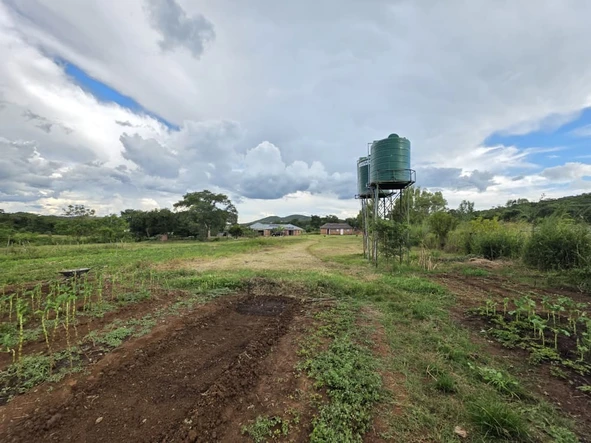
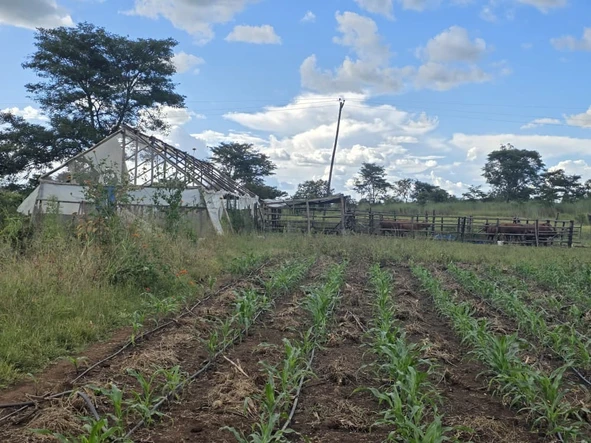
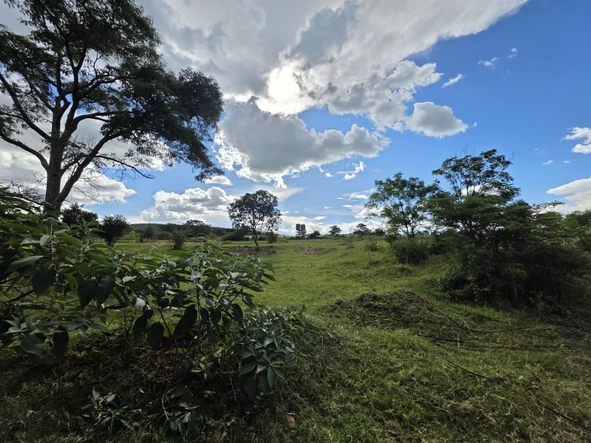
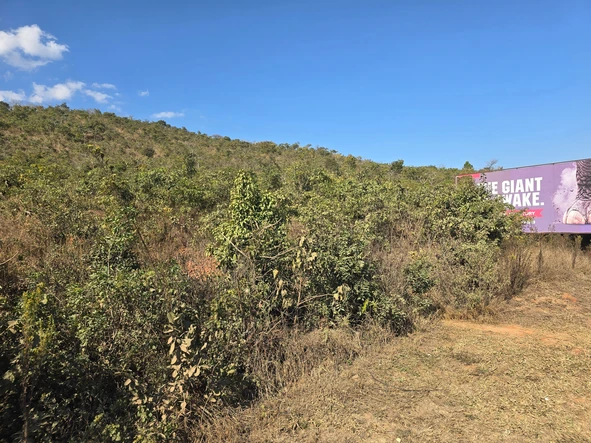
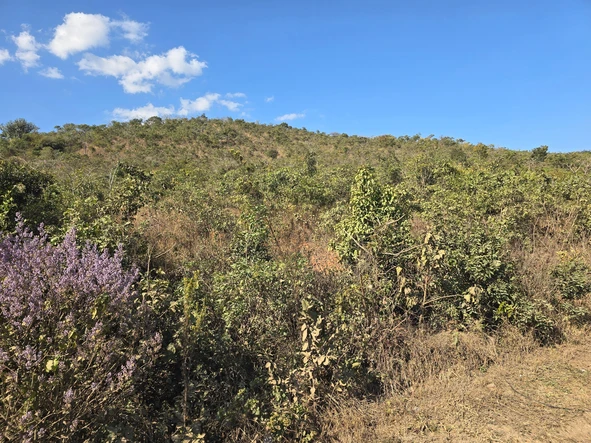
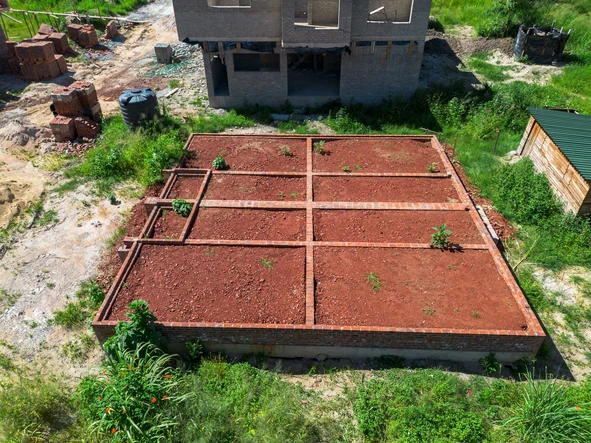
These land parcels typically do not include built properties, focusing mainly on undeveloped plots. Buyers can find land suitable for agriculture, residential development, or investment purposes. The diversity in land size allows for flexibility depending on the buyer’s needs, whether for personal use or commercial ventures.
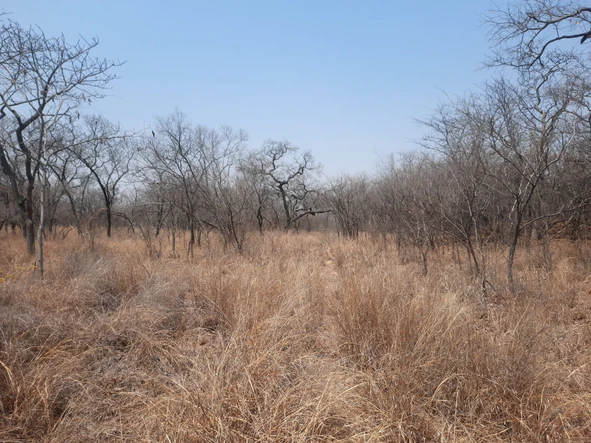
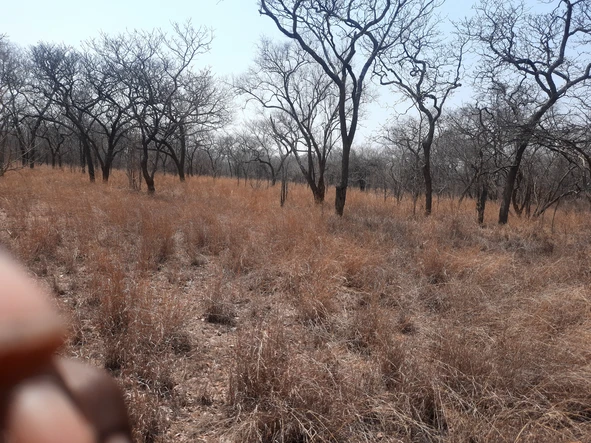
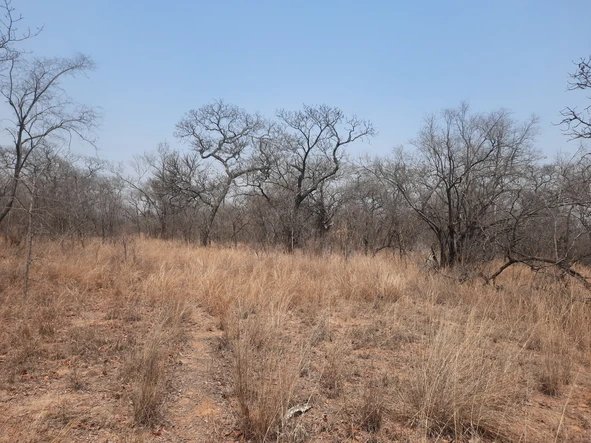
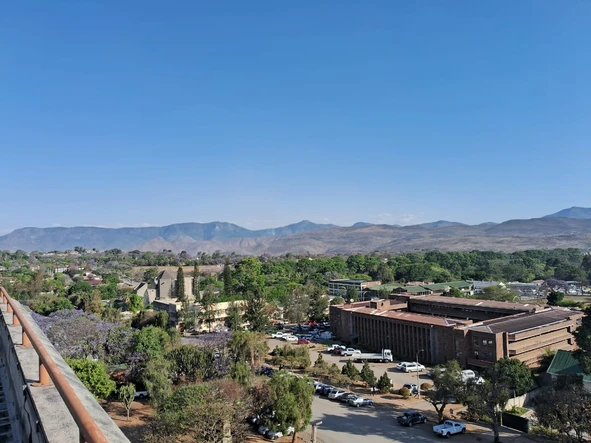
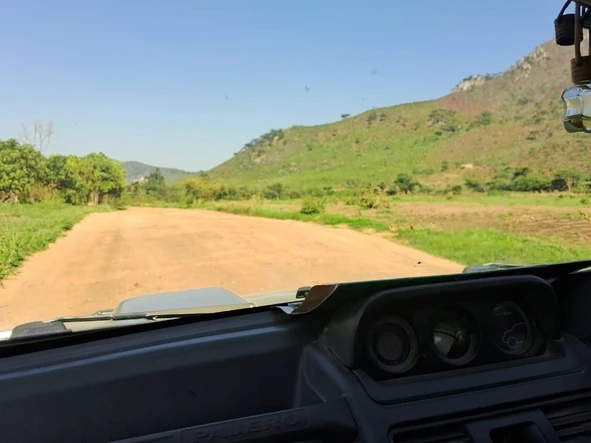
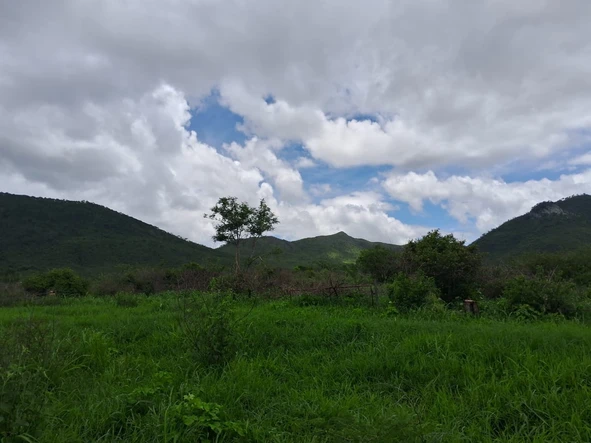
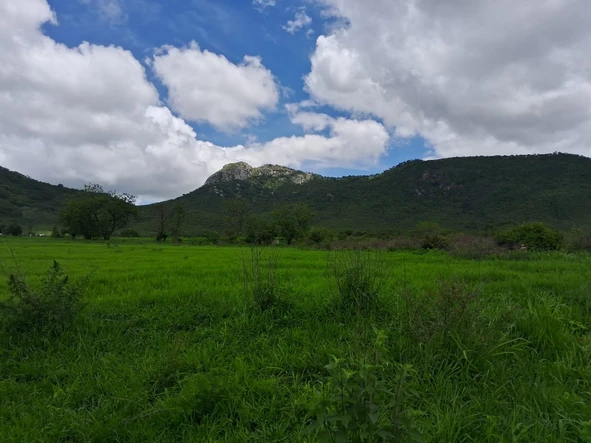
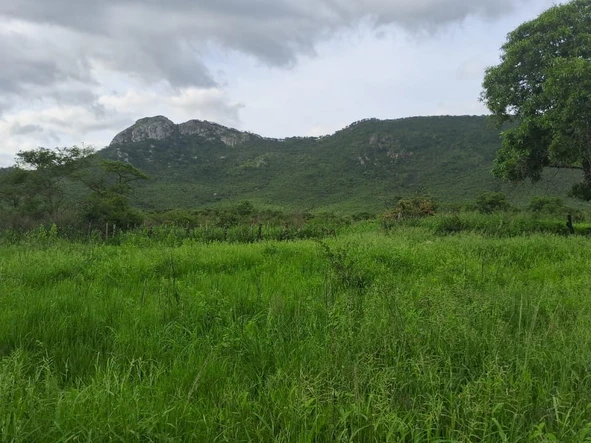
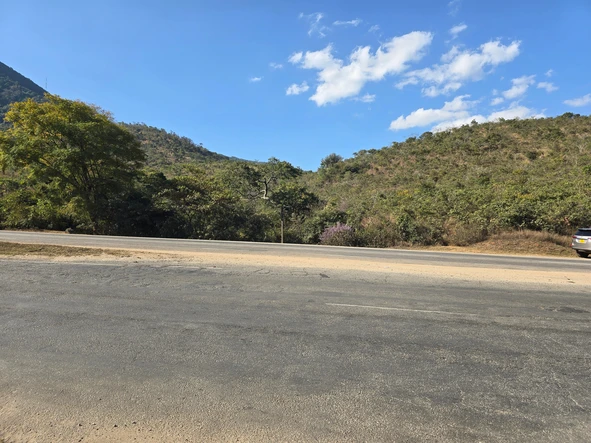
Zimbabwe is known for its diverse landscapes, including savannas and mountains, with famous attractions like Victoria Falls and several national parks such as Hwange and Mana Pools. The country’s cultural heritage and growing economy centered around Harare provide a strong backdrop for land investment. Access to education, healthcare, and shopping centers is mainly concentrated in urban areas, while rural land offers peaceful surroundings and natural beauty, ideal for those seeking a quieter lifestyle or agricultural opportunities.
300 m²
20,234 m²
400 m²
16,000 m²
12,000 m²
3,382 m²
 1,050 m²
4,200 m²
400 m²
1,050 m²
4,200 m²
400 m²

Be the first to see new properties for sale










| Type | Avg. price |
|---|---|
| Average price | $76,000 |
Planning to convert or buy commercial property? Understand Zimbabwe’s change of use rules, 2026 Harare fees, timelines and approval risks.
Buying a home in Harare? Learn how to verify water access, ZESA grid connections, refuse services, and borehole rights before finalizing your purchase.
Pricing your property in Zimbabwe? Discover why overpricing leads to stagnant listings, lower final offers, and costly holding expenses in the 2026 market.
Navigating property valuations in Zimbabwe? Learn valuation methods, valuation fees, and key tips for buyers, sellers, and investors in the 2026 market.
Planning to downsize? Learn if you can dissolve a family trust holding your home, the legal steps required, and tax impacts before selling the property.