Log in to contact the seller
 Continue with Facebook
 Continue with Email
Continue with Facebook
Continue with Email
Sign up with Facebook
Continue with Email
Continue with Facebook
Continue with Email
Sign up with Facebook
 Change filters
 Requests

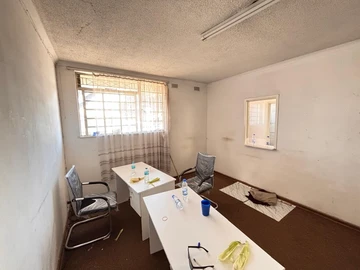



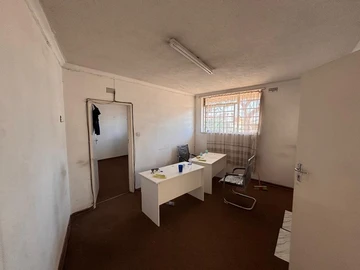
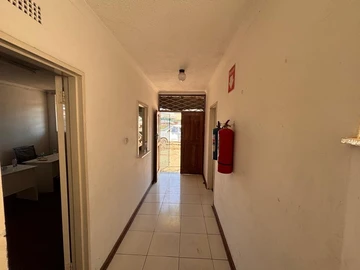
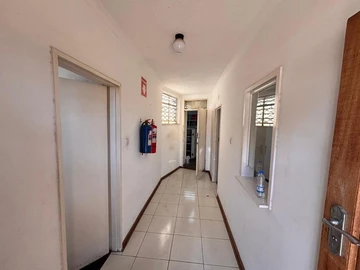
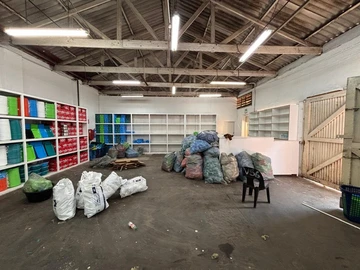
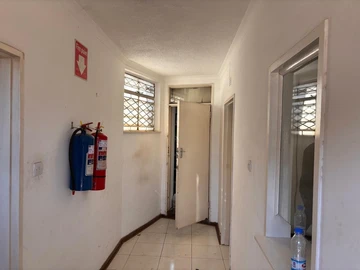
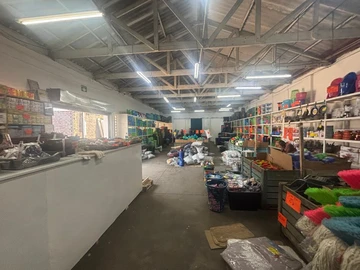
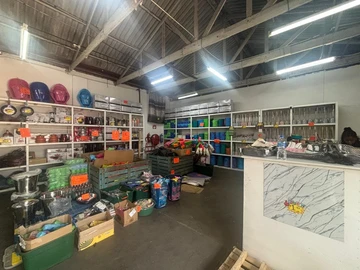
Properties for rent in Graniteside, Harare South, are priced at an average of $900 per month, with starting rents around USD 1,500. These rental properties typically offer a median land area of about 1,000 ㎡ and a median building size of 485 ㎡, with some larger properties reaching up to 29,500 ㎡ in size.
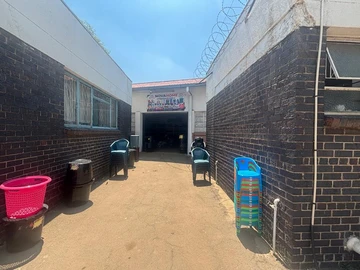
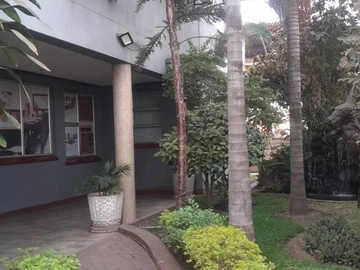
Many of the properties in Graniteside feature municipal water supply, walled perimeters, and paved access, providing a secure and comfortable living environment. The homes are generally spacious and suited for families or professionals looking for quality rental options in a suburban setting.
Graniteside is a well-established residential suburb known for its quiet, family-friendly atmosphere and tree-lined streets. Residents enjoy easy access to green spaces like Mukuvisi Woodlands and Harare Botanical Gardens, as well as shopping centers such as Graniteside Shopping Centre and Southgate Shopping Centre. The area is served by several local schools and is within reach of Parirenyatwa Group of Hospitals for healthcare needs. Good transport links, including minibuses and commuter taxis, make commuting to Harare city center convenient for residents.
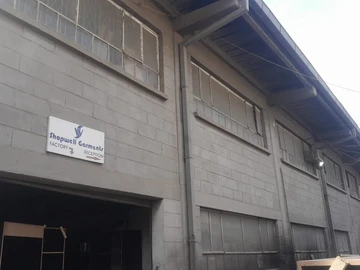
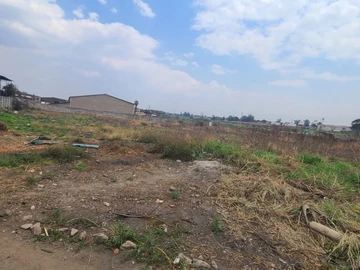
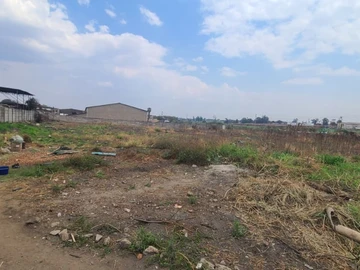
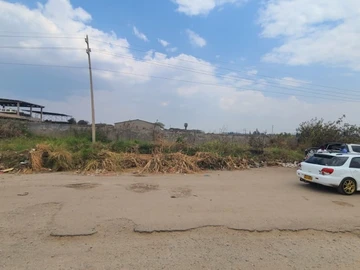
 4,500 m²


Be the first to see new properties for rent in Graniteside, Harare South











| Type | Avg. price |
|---|---|
| Overall | $900 |
| Houses (View 42 properties) | $850 |
| Commercial Property (View 32 properties) | $1,500 |
| Flats & Apartments (View 8 properties) | $695 |
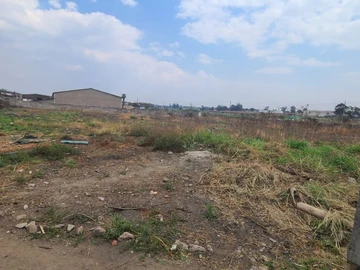
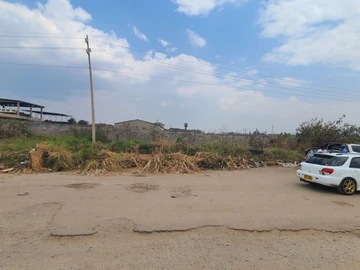
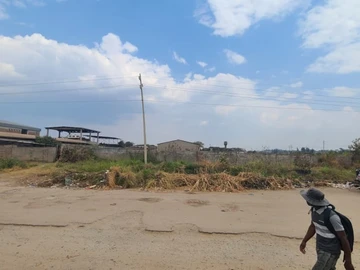
| Land (View 1 properties) | $4,000 |
Prices as of October 2026
Divorce in Zimbabwe? Learn how the Matrimonial Causes Act divides the family home, evaluates direct and indirect contributions, and protects both spouses.
Understand Harare's October 2026 settlement notice, six regularisation requirements, demolition warnings and practical checks for owners and property buyers.
Selling property without an agent in Zimbabwe may reduce commission, but it shifts pricing, legal and payment risks to the owner. Complete these seven checks.
Died without a will in Zimbabwe? Learn how the Deceased Estates Succession Act distributes property, protects surviving spouses, and handles estate claims.
Buying property in Zimbabwe? Learn how deeds, SG diagrams, beacons and surveys determine boundaries and complete seven checks before you pay.