Log in to contact the seller
 Continue with Facebook
 Continue with Email
Continue with Facebook
Continue with Email
Sign up with Facebook
Continue with Email
Continue with Facebook
Continue with Email
Sign up with Facebook
 Change filters
 Requests
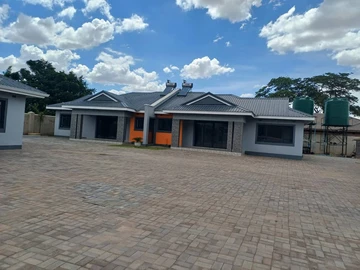

 3
3
 2
200 m²
2
200 m²


Be the first to see new properties for rent in Prospect, Harare South










| Type | Avg. price |
|---|---|
| Overall | $900 |
| Houses (View 42 properties) | $850 |
| Commercial Property (View 32 properties) | $1,500 |
| Flats & Apartments (View 8 properties) | $695 |
| Land (View 1 properties) | $4,000 |
Prices as of October 2026
Selling property without an agent in Zimbabwe may reduce commission, but it shifts pricing, legal and payment risks to the owner. Complete these seven checks.
Died without a will in Zimbabwe? Learn how the Deceased Estates Succession Act distributes property, protects surviving spouses, and handles estate claims.
Buying property in Zimbabwe? Learn how deeds, SG diagrams, beacons and surveys determine boundaries and complete seven checks before you pay.
Understanding municipal property rates in Zimbabwe: Learn how valuations are calculated, how to manage arrears, and how to access council discounts.
Manage your rental properties in Zimbabwe like a pro. Learn about tenant screening, lease agreements, maintenance, and rental tax rules in 2026.












 5,000 m²