Log in to contact the seller
 Continue with Facebook
 Continue with Email
Continue with Facebook
Continue with Email
Sign up with Facebook
Continue with Email
Continue with Facebook
Continue with Email
Sign up with Facebook
 Change filters
 Requests



 6
6
 6
2,000 m²
6
2,000 m²


 5
3
350 m²
6
4
500 m²
5
2,000 m²
5
3
350 m²
6
4
500 m²
5
2,000 m²
 5
5
1,500 m²
6
6
5
5
1,500 m²
6
6
 4,780 m²
8
9
900 m²
5
5
670 m²
4,780 m²
8
9
900 m²
5
5
670 m²
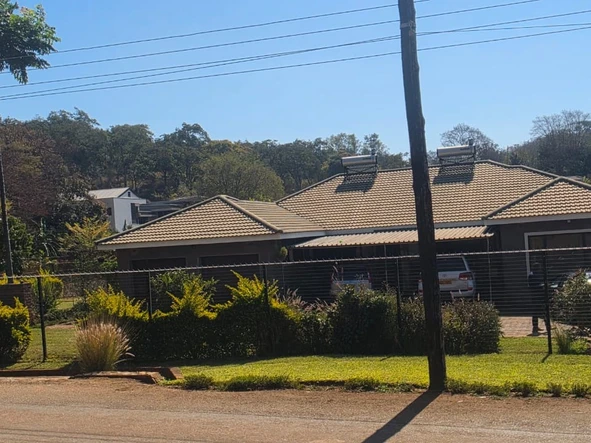
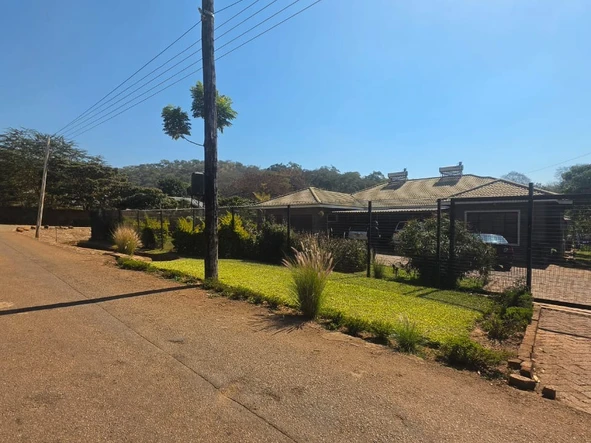
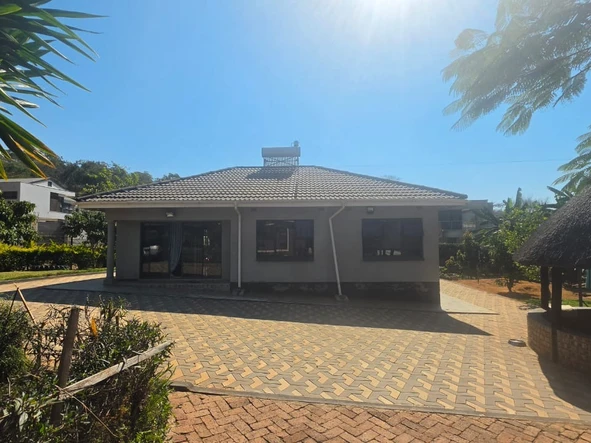
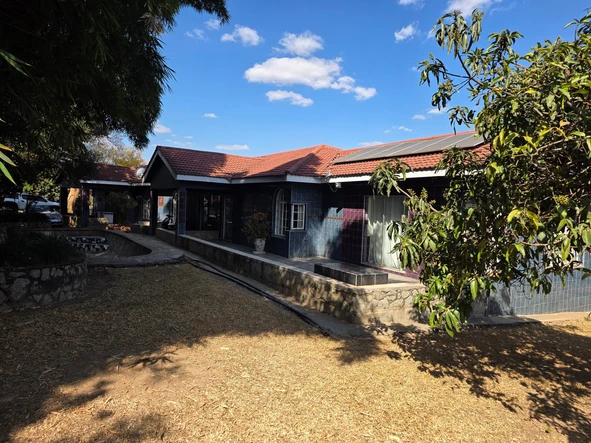
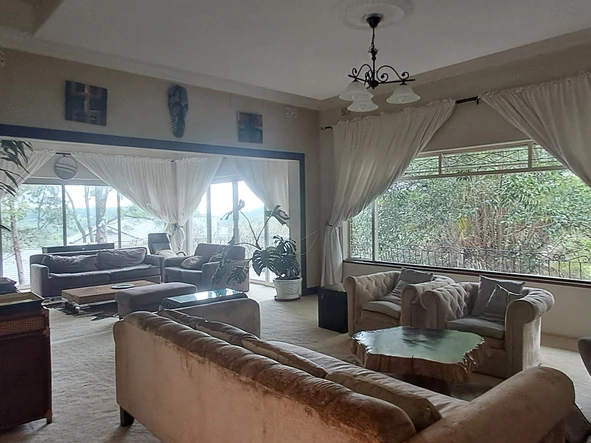
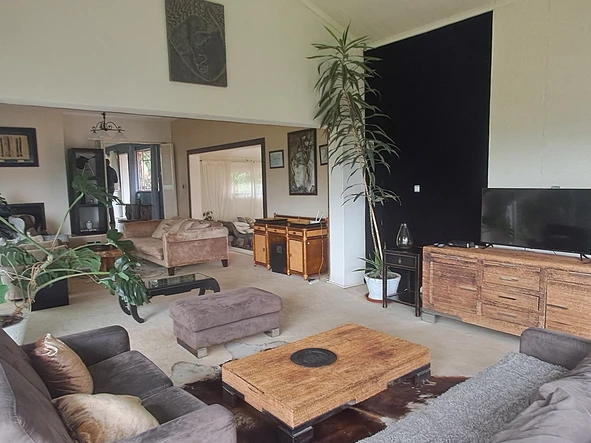
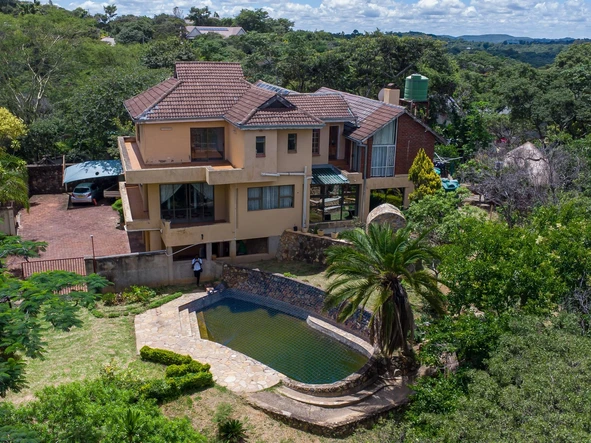
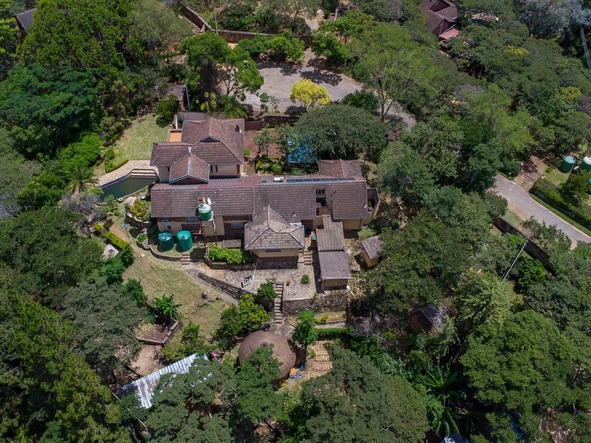
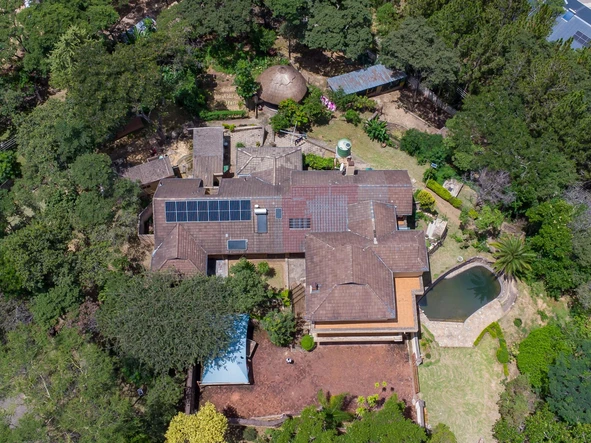
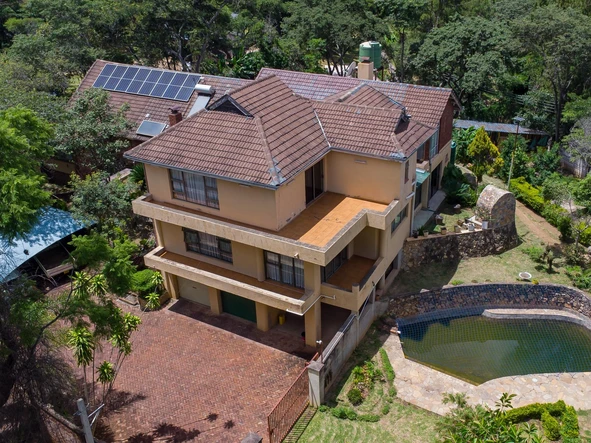
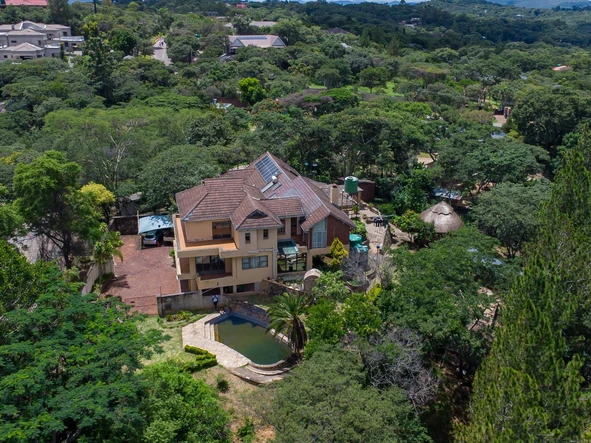
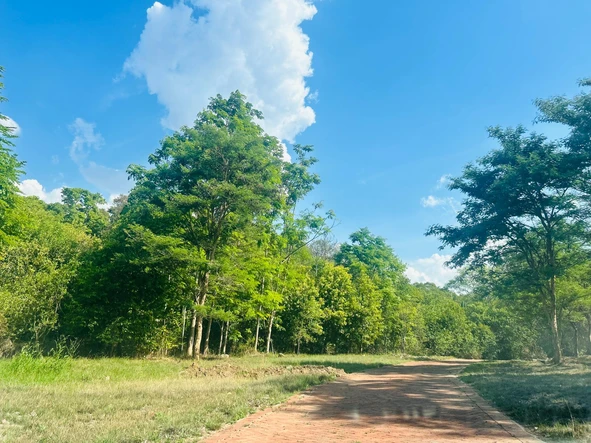
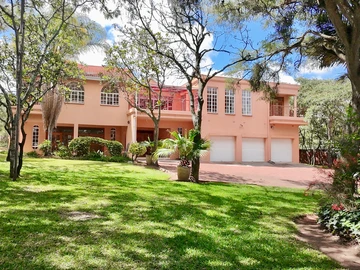
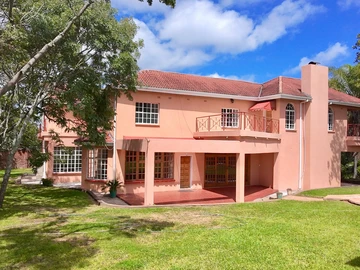
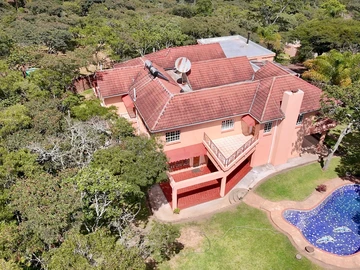
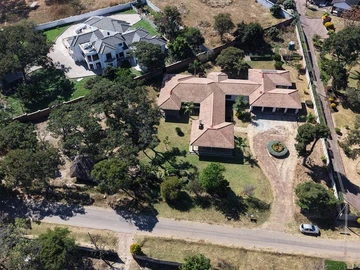
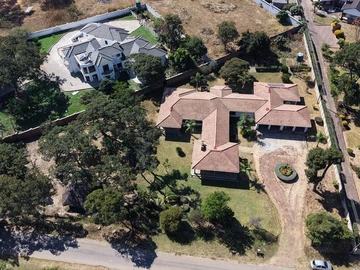
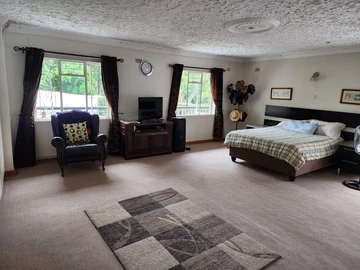
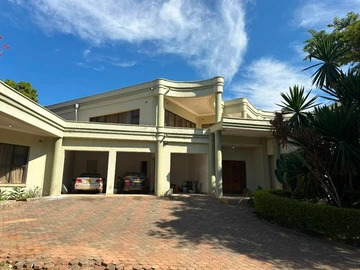
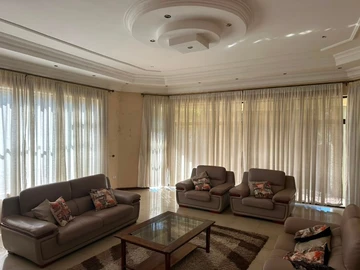
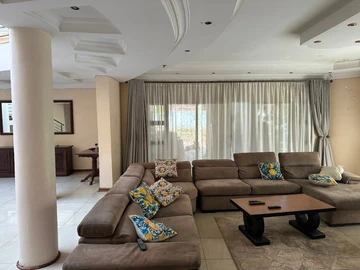
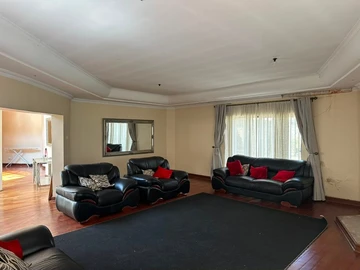
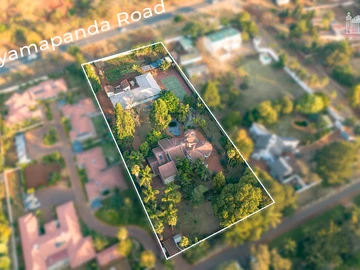
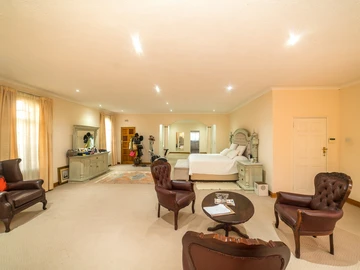
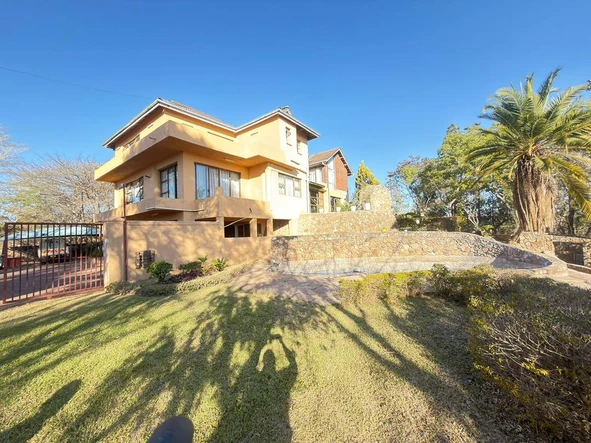
5+ bedroom properties for sale in Glen Lorne, Harare North, are positioned in a high-end market with an average price of $400,000. These homes typically offer generous living spaces, averaging around 500 ㎡, set on land parcels averaging 4,300 ㎡, with some estates reaching up to 4,780 ㎡ in building size and 126,600 ㎡ in land area.
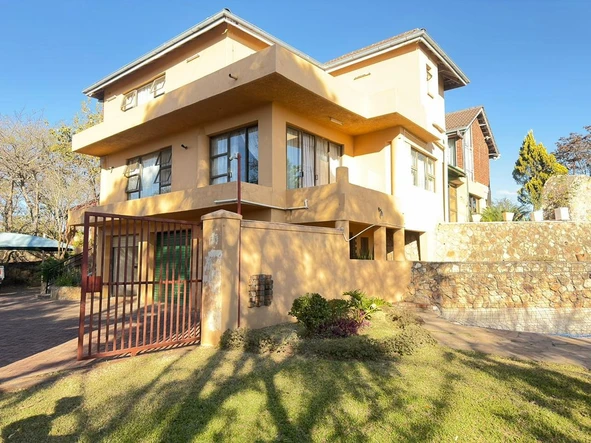
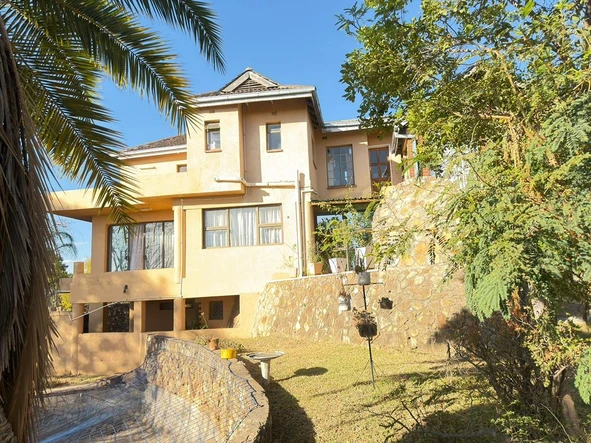
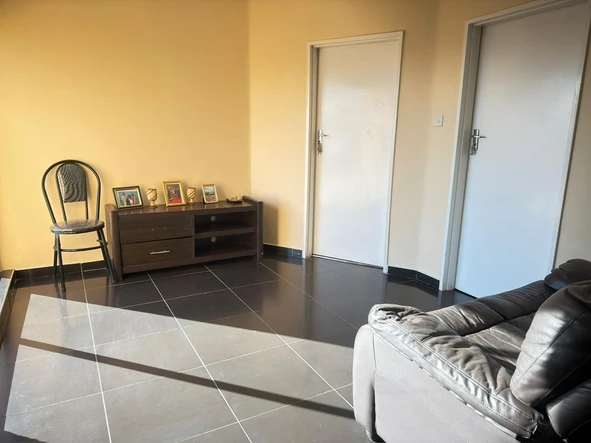
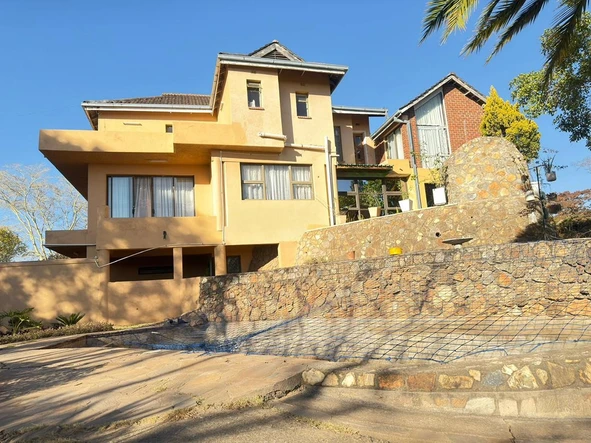
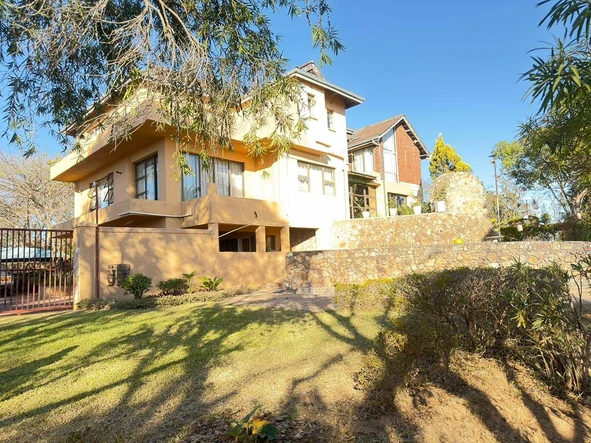
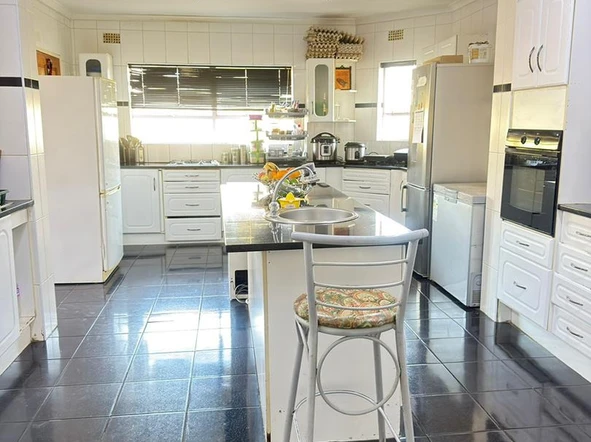
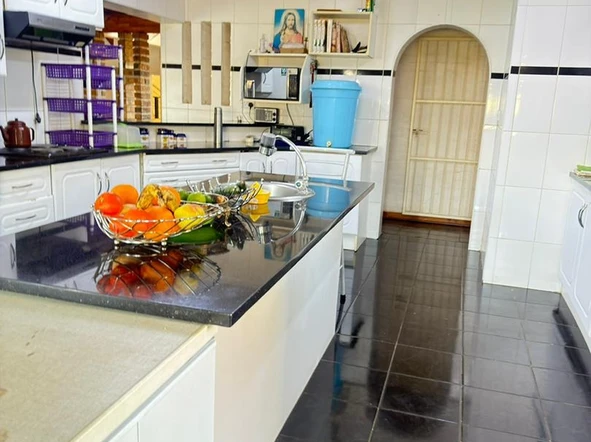
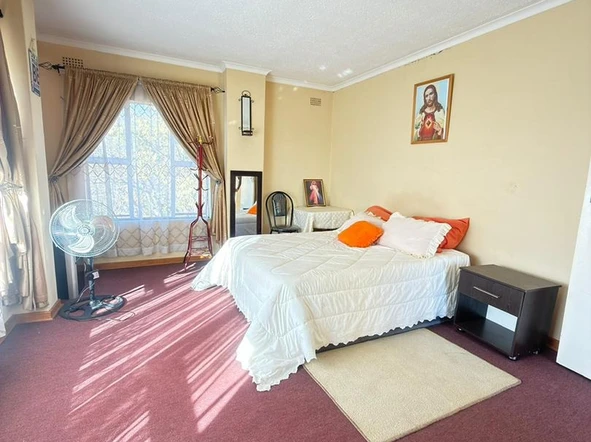
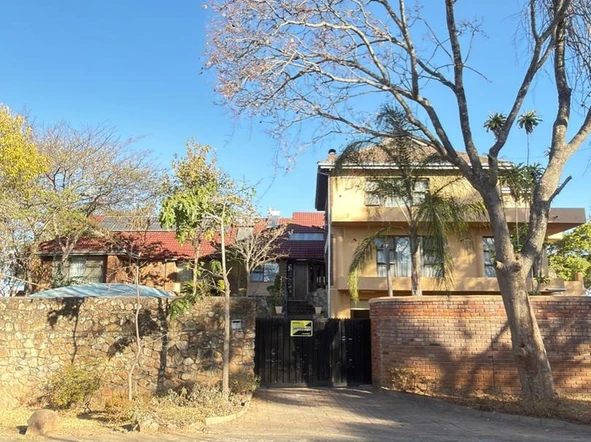
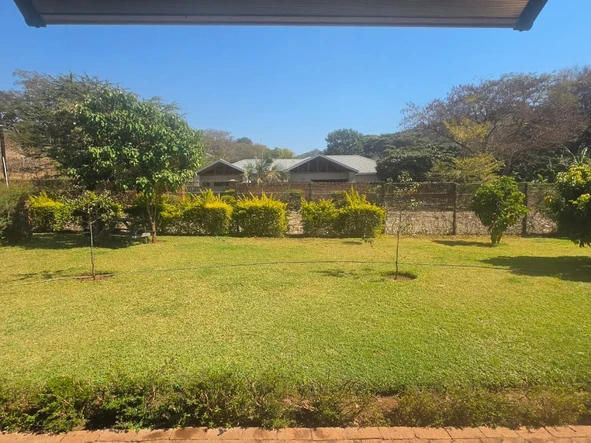
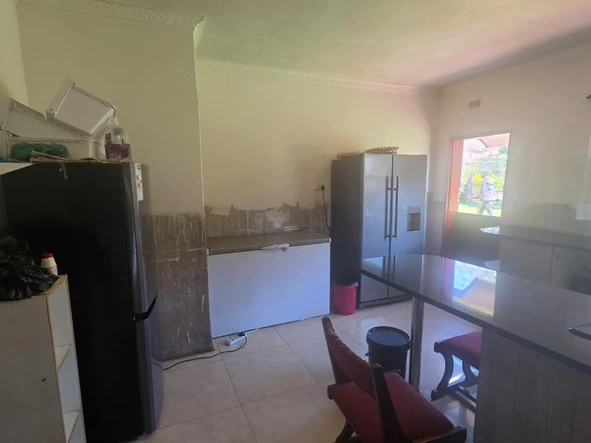
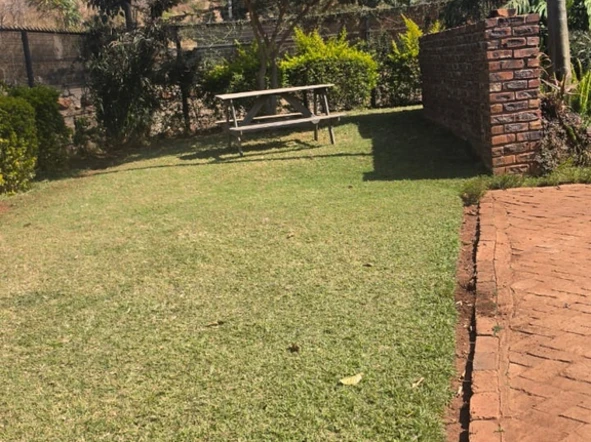
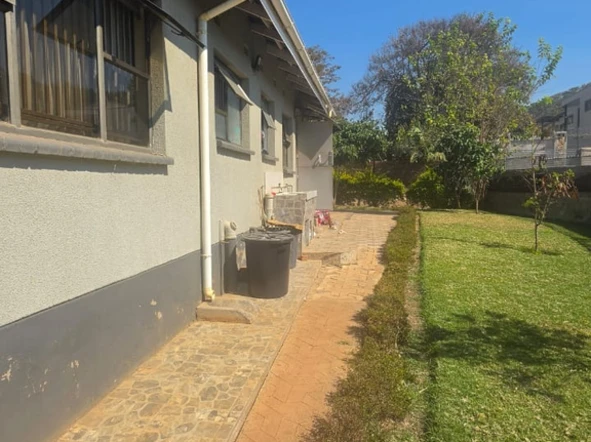
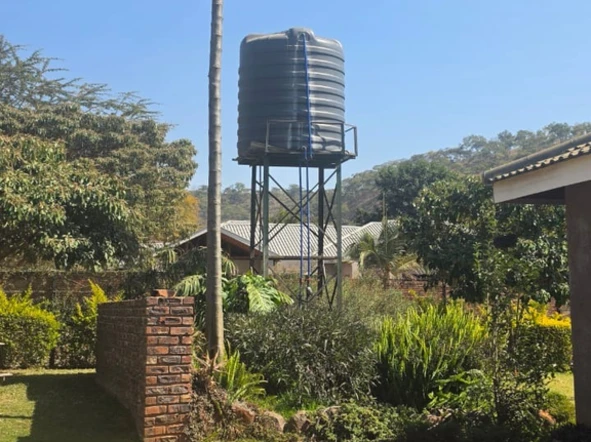
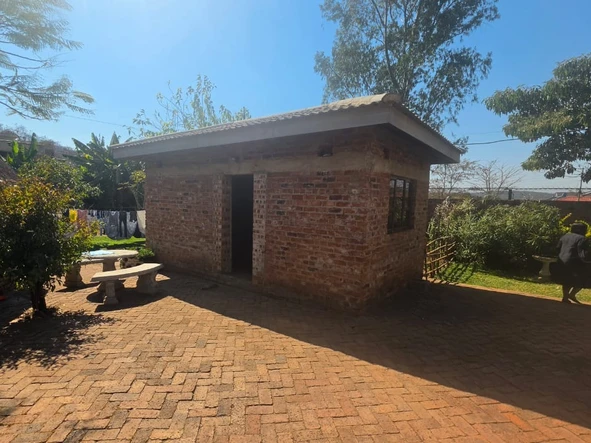
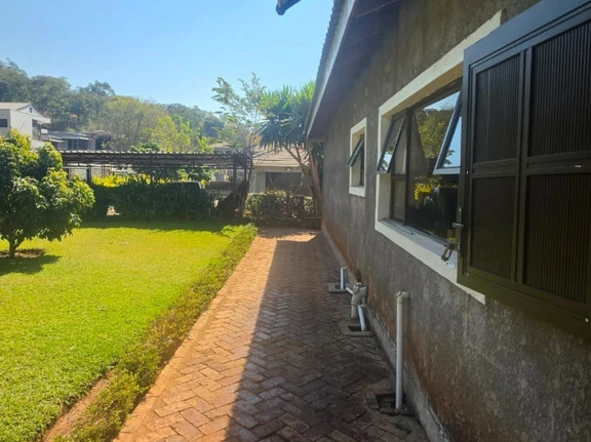
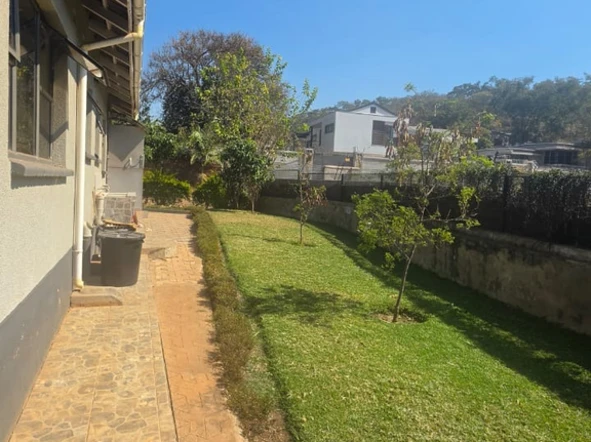
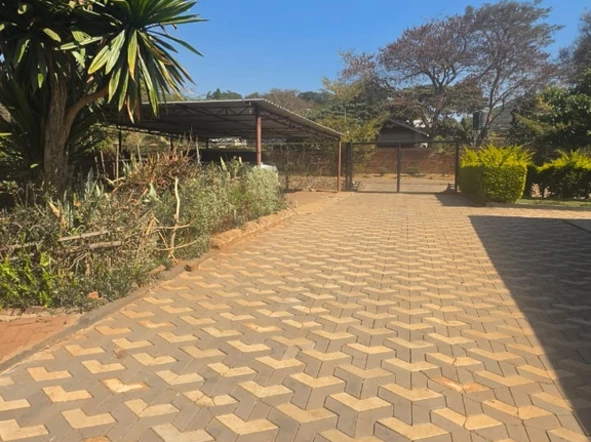
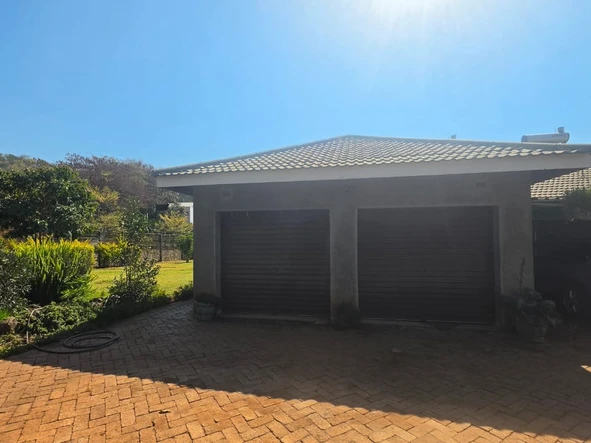
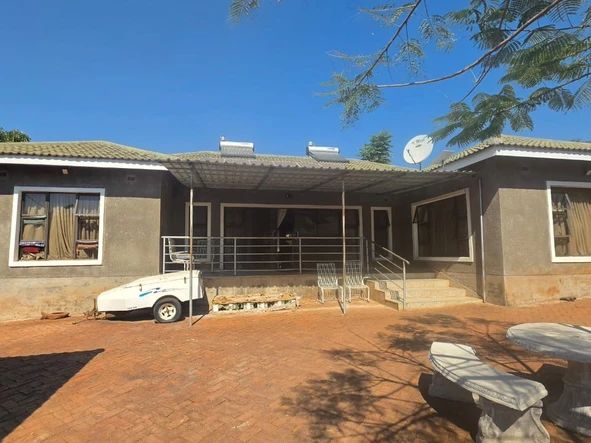
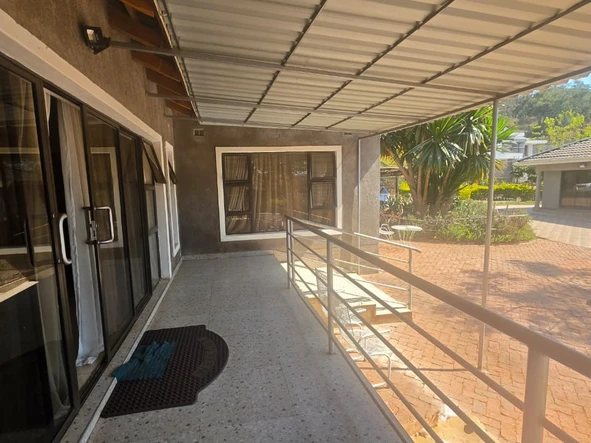
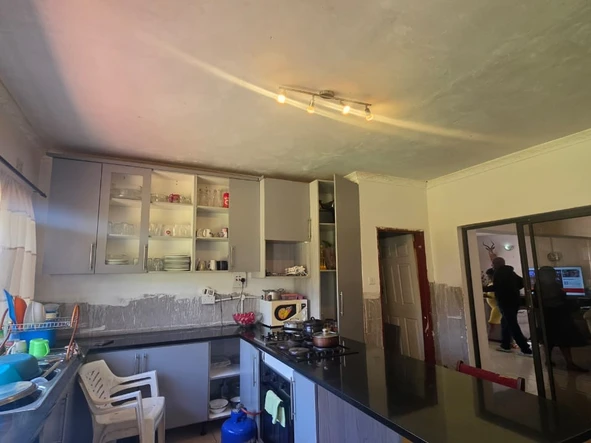
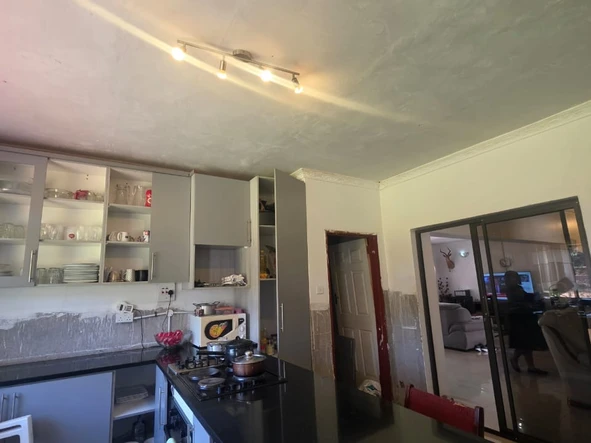
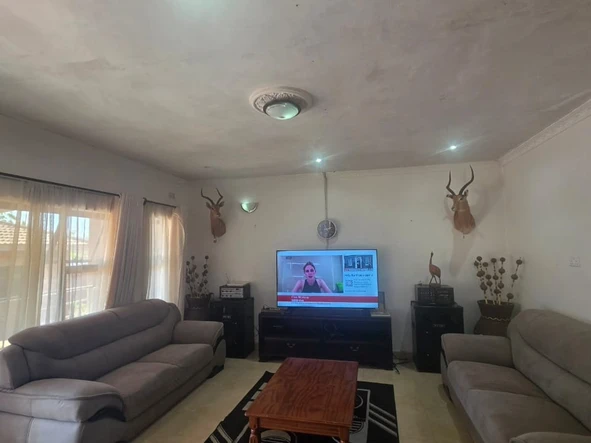
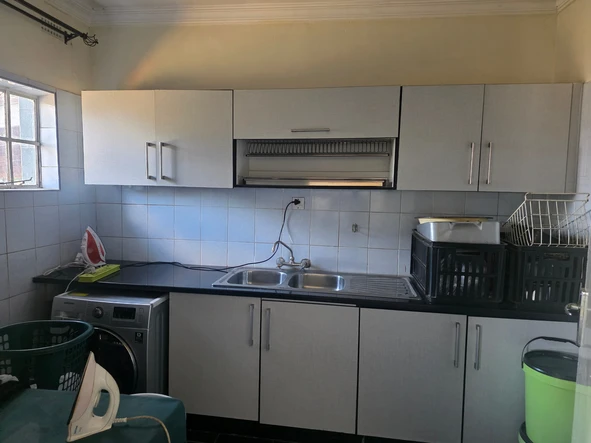
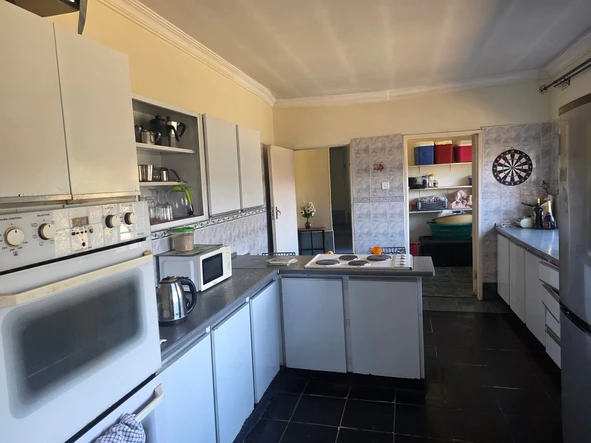
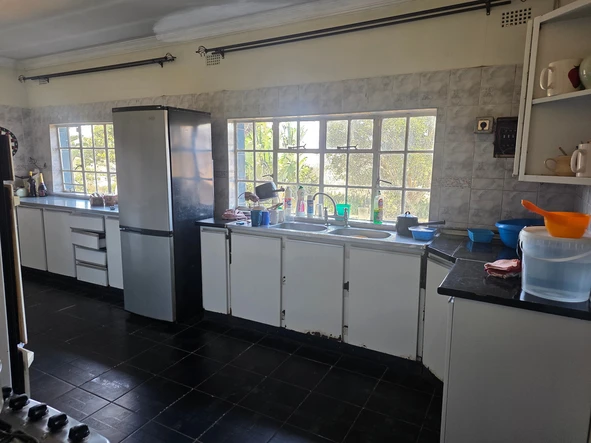
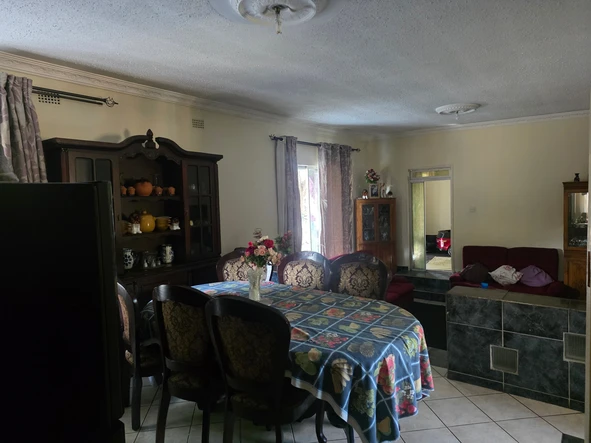
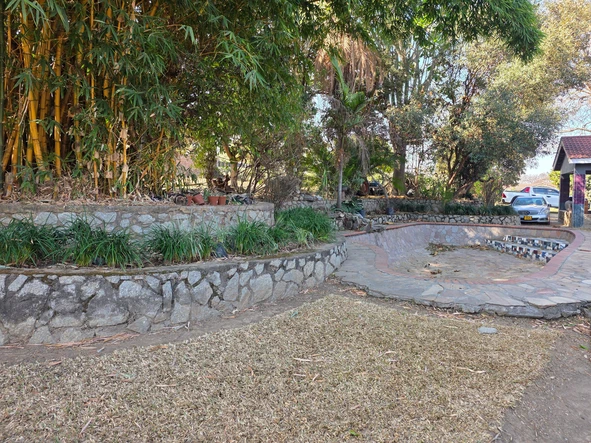
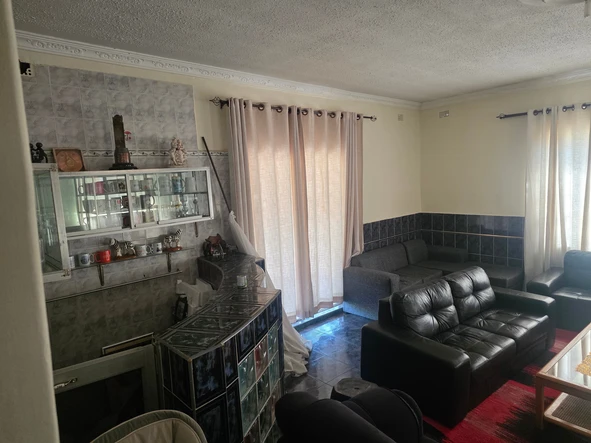
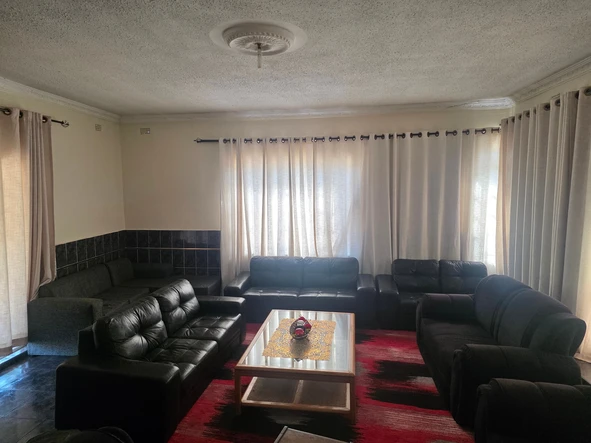
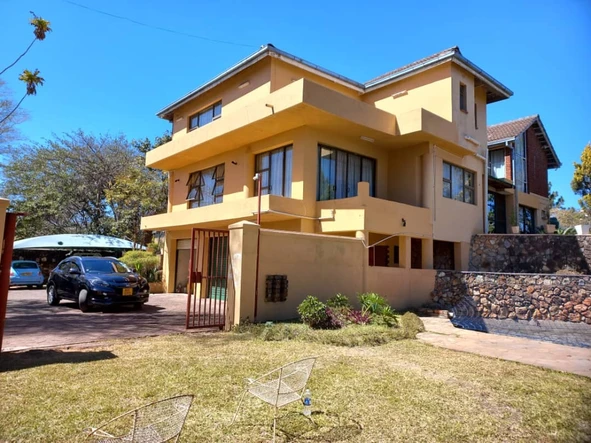
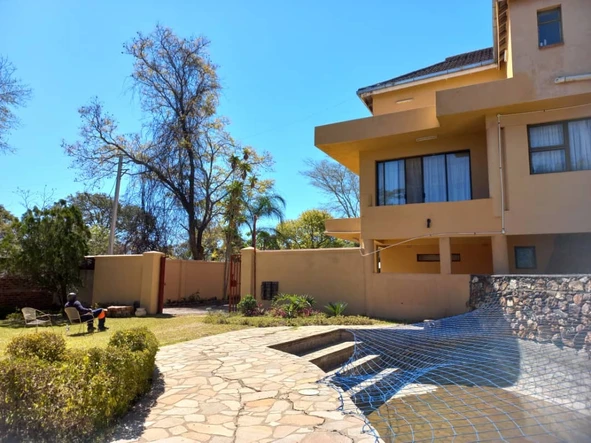
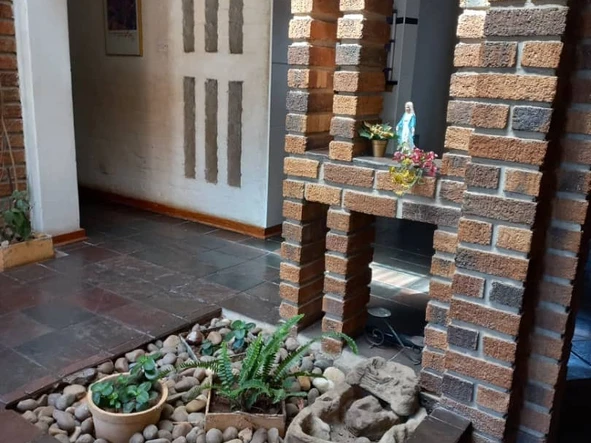
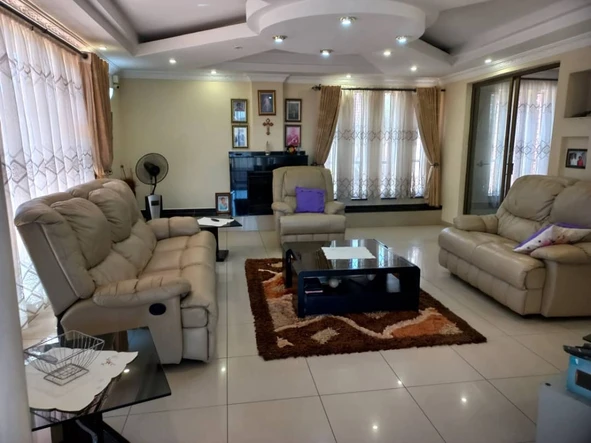
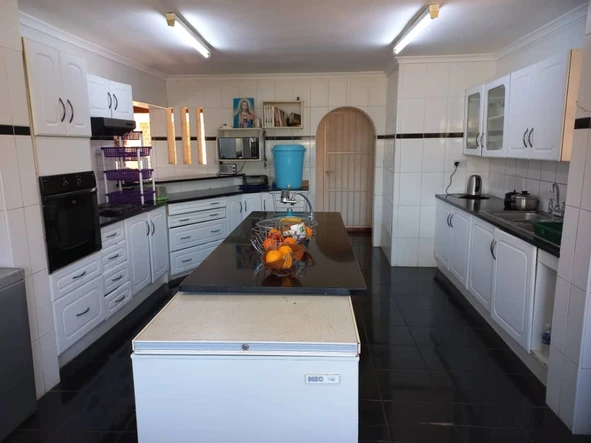
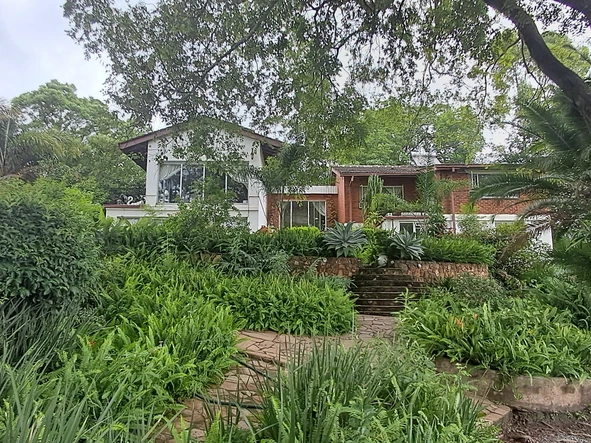
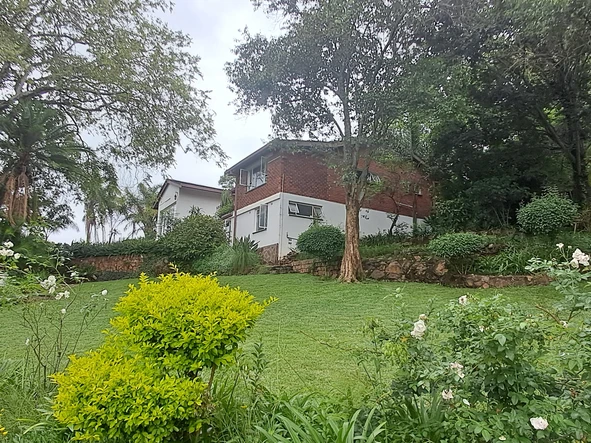
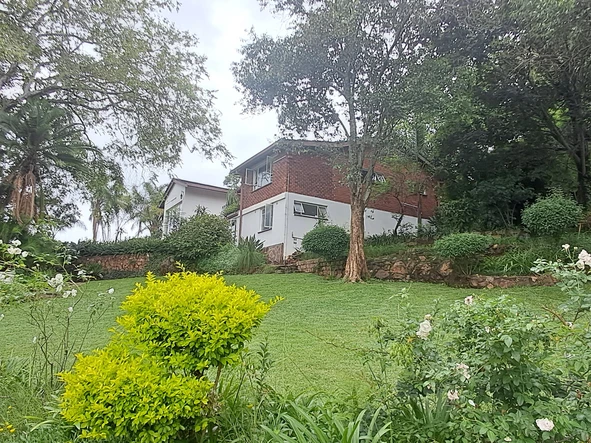
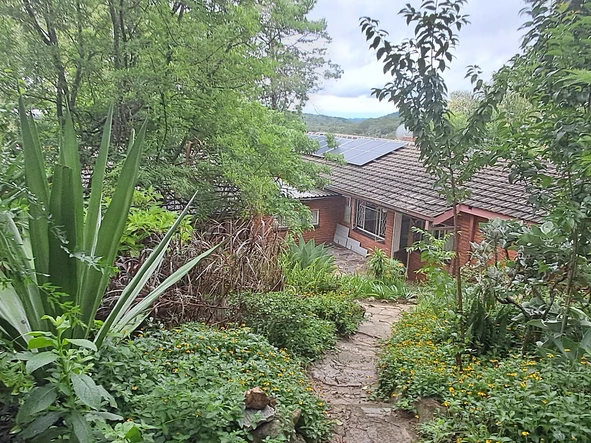
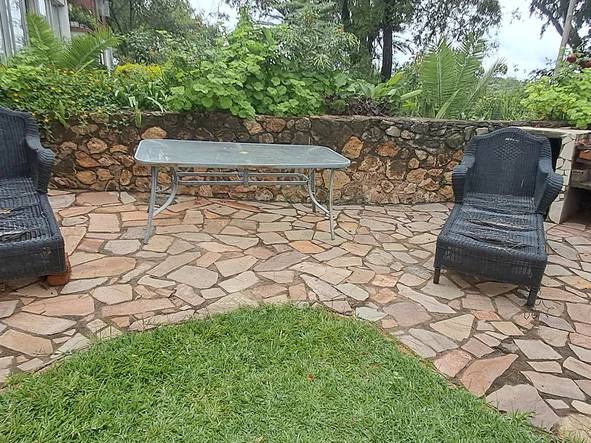
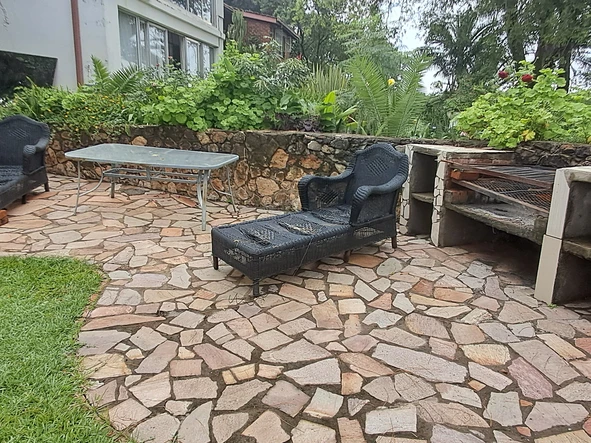
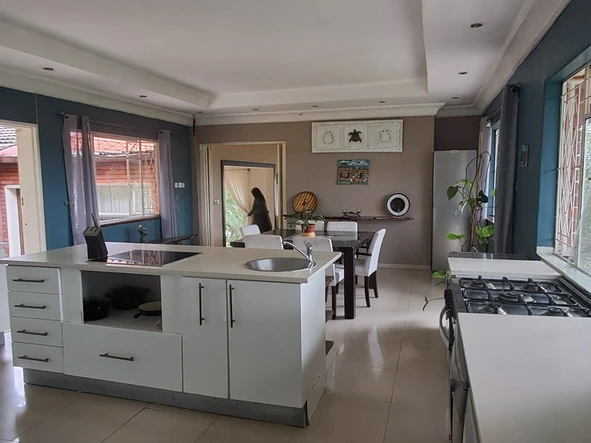
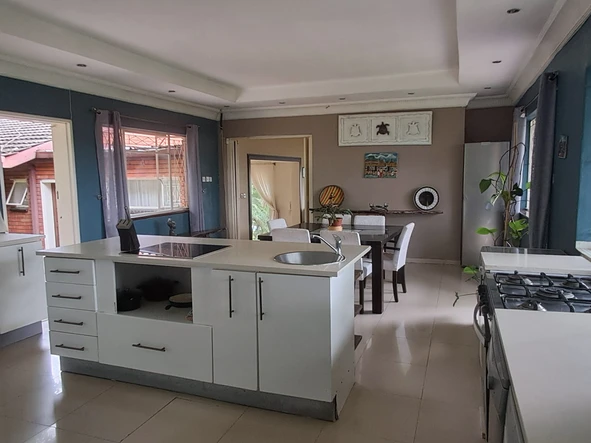
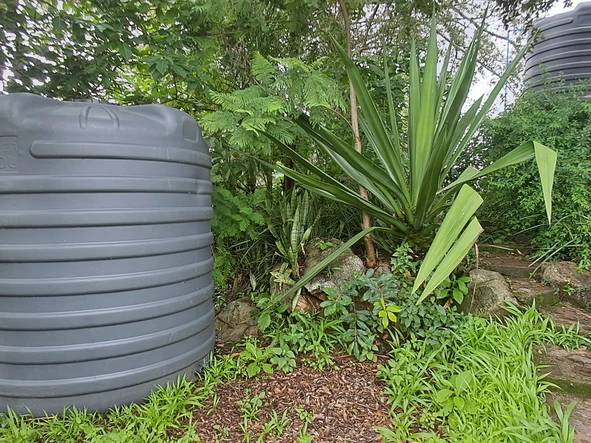
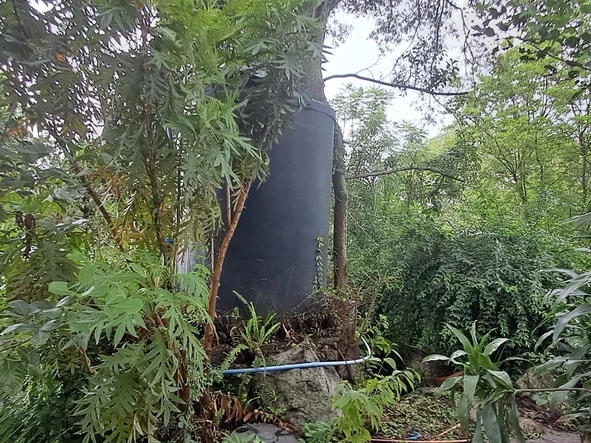
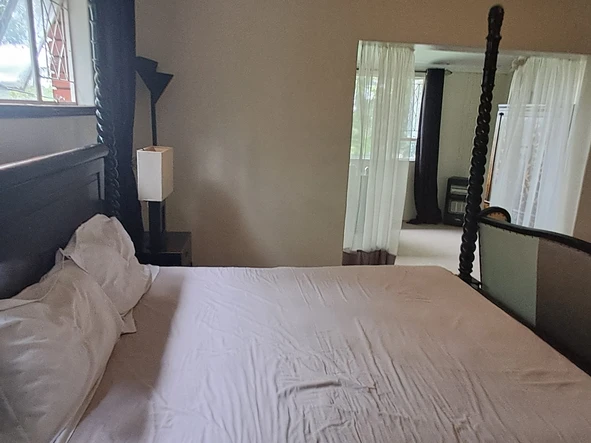
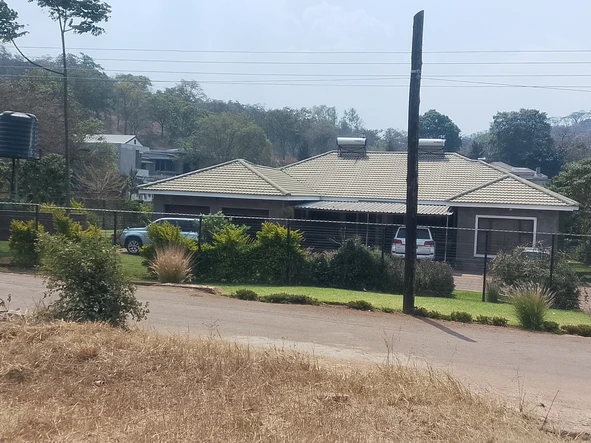
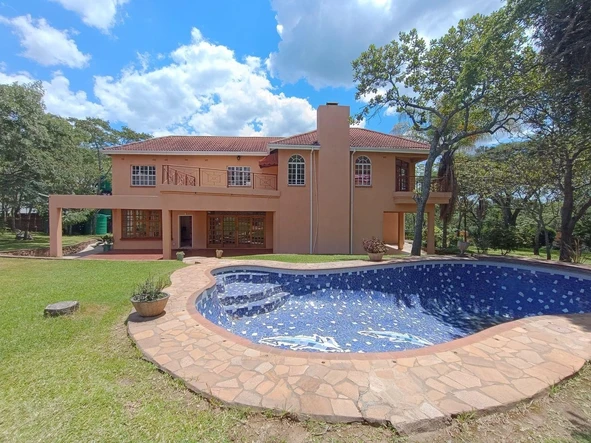
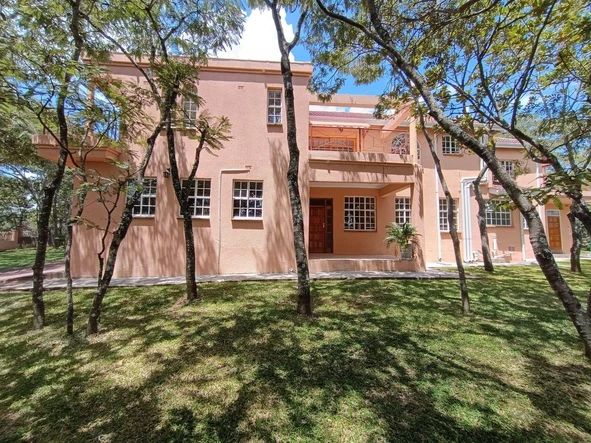
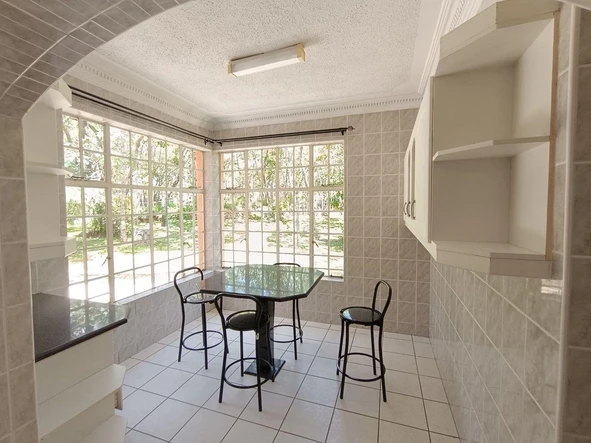
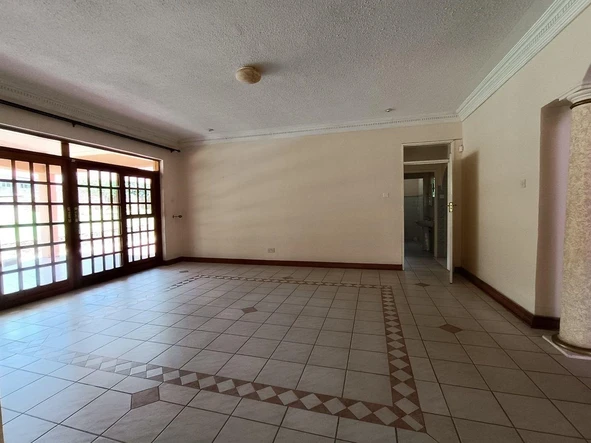
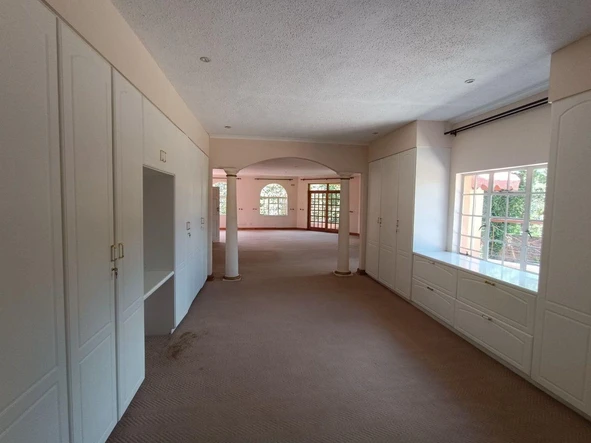
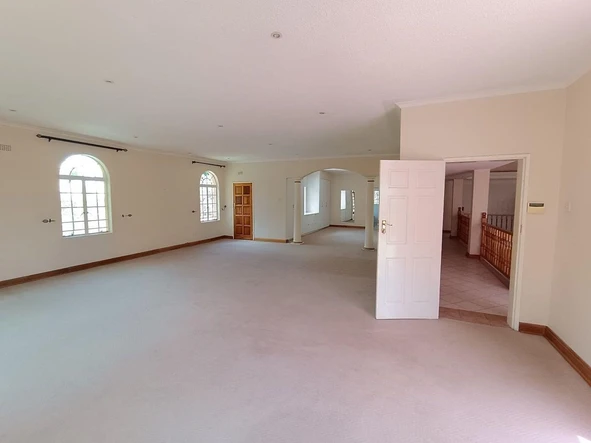
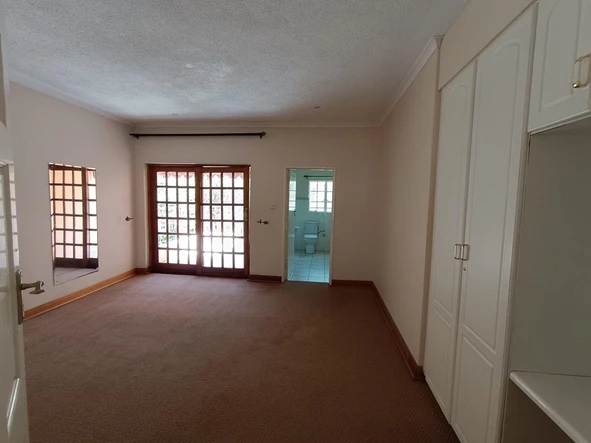
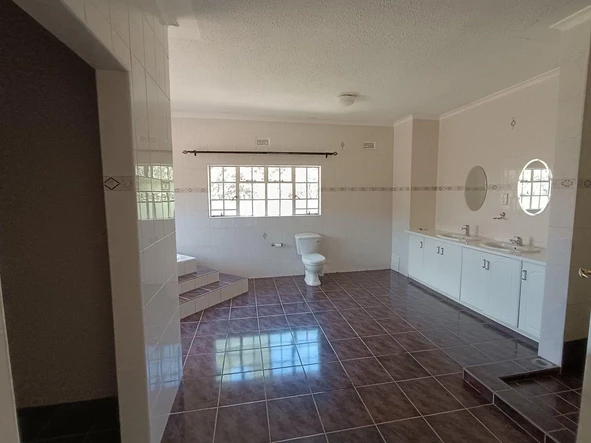
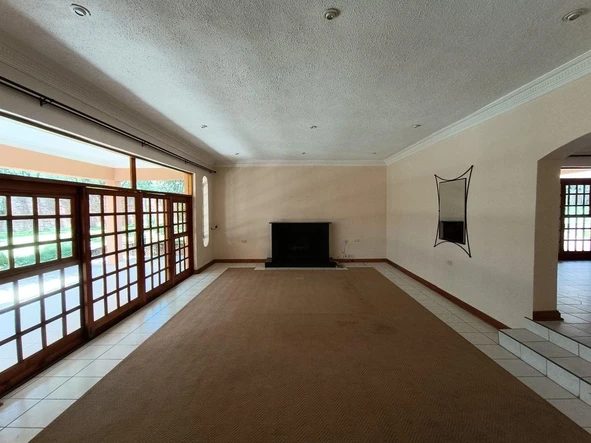
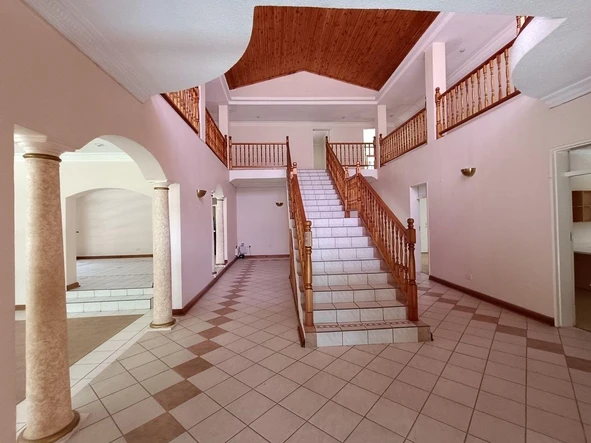
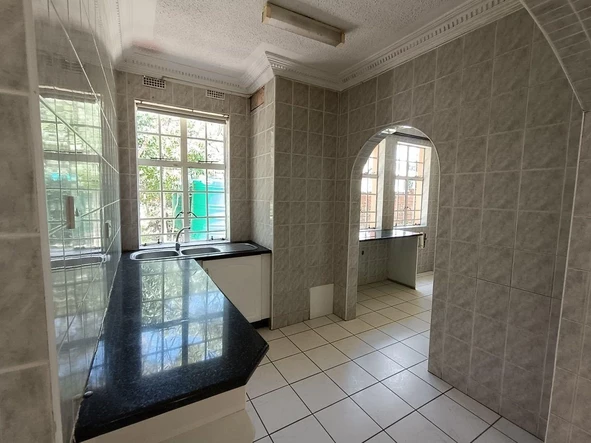
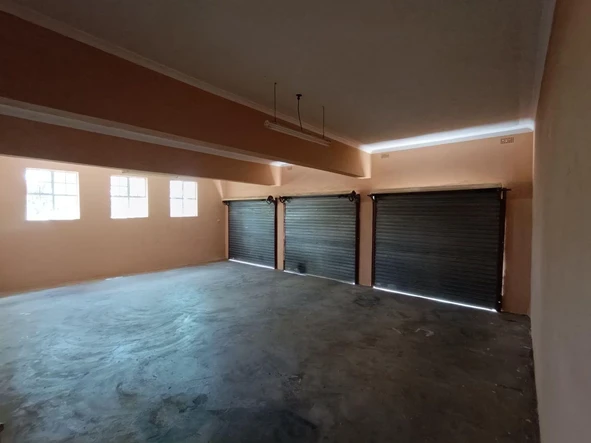
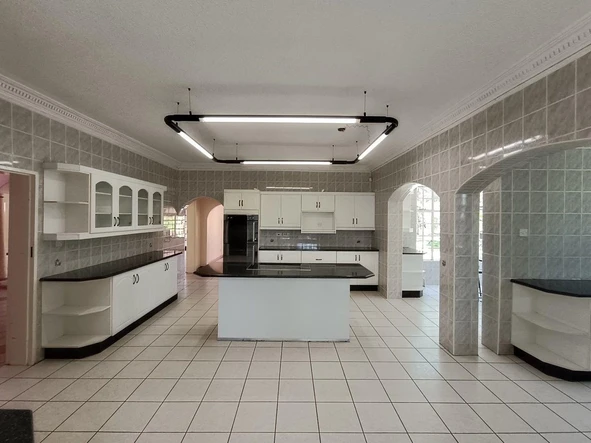
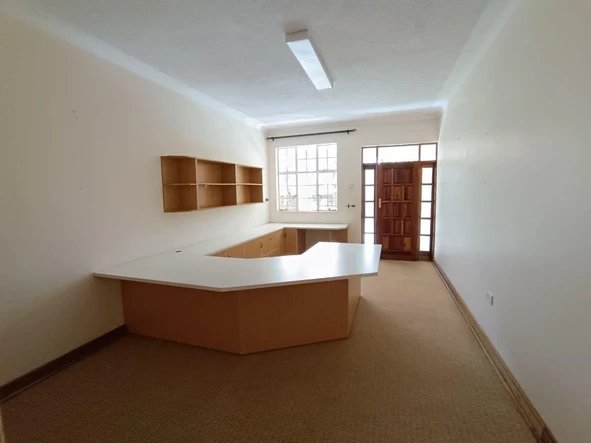
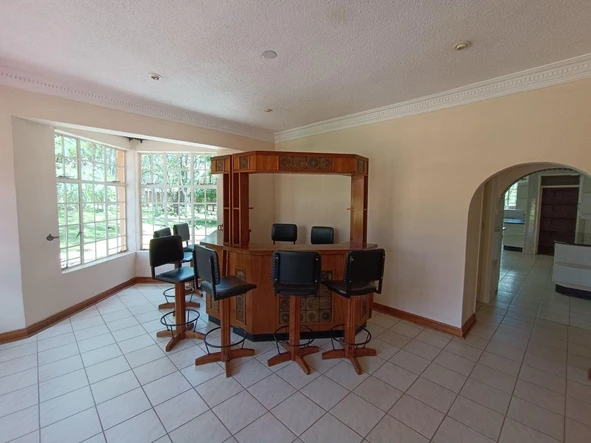
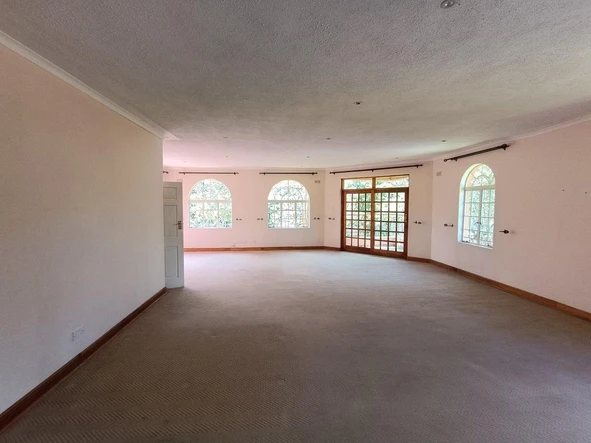
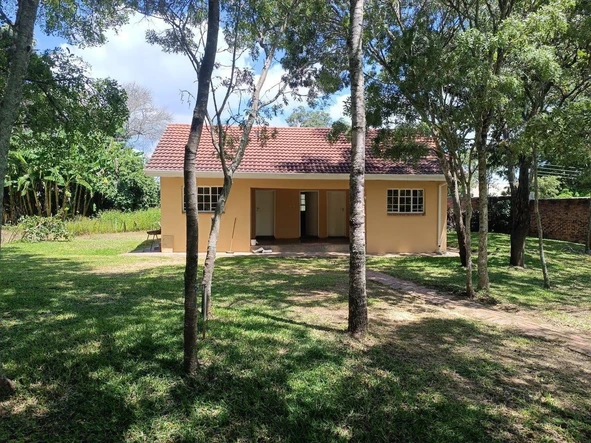
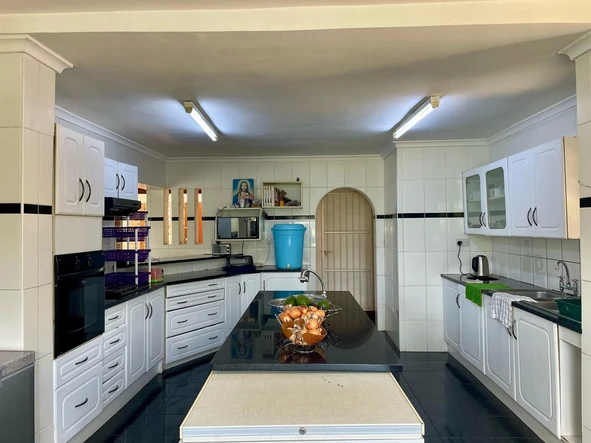
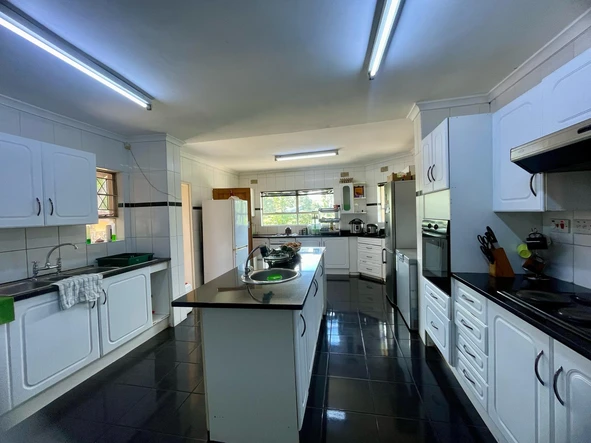
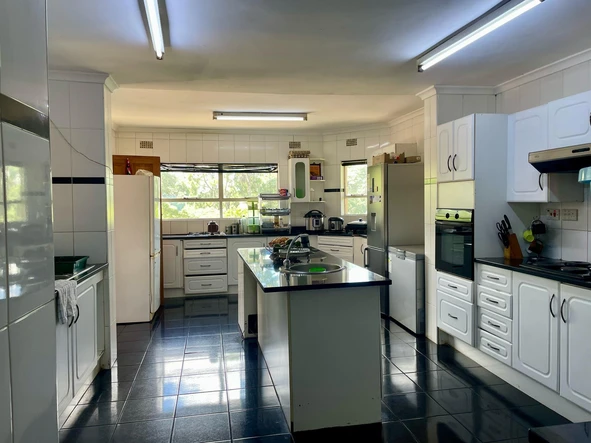
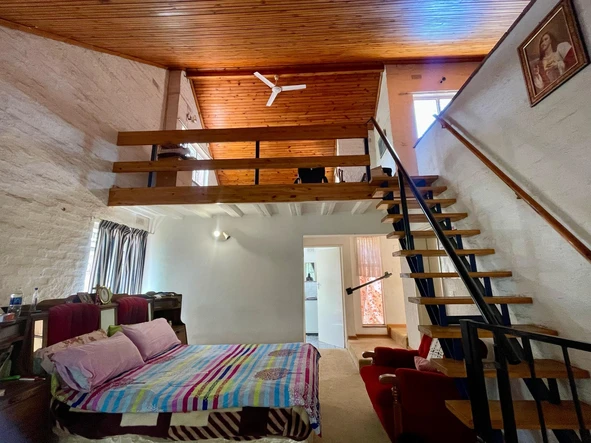
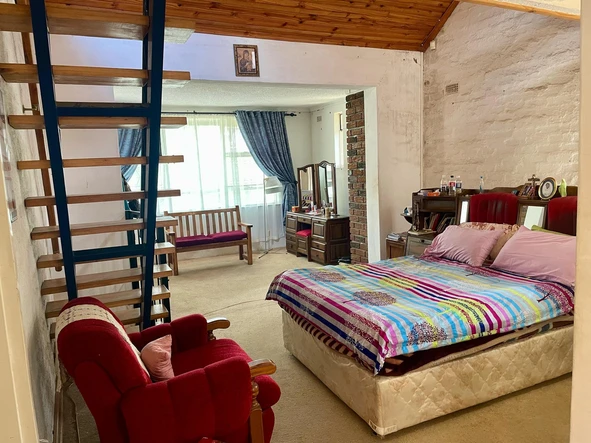
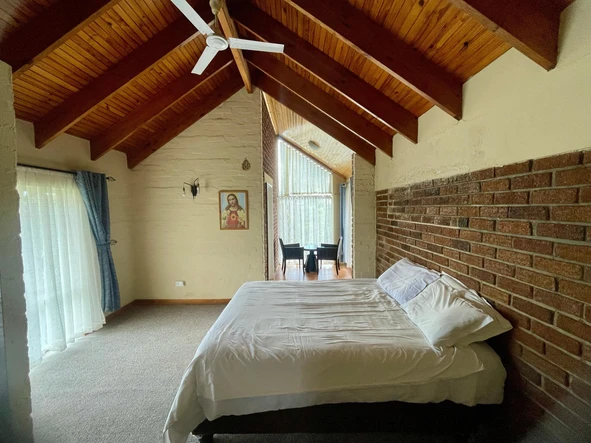
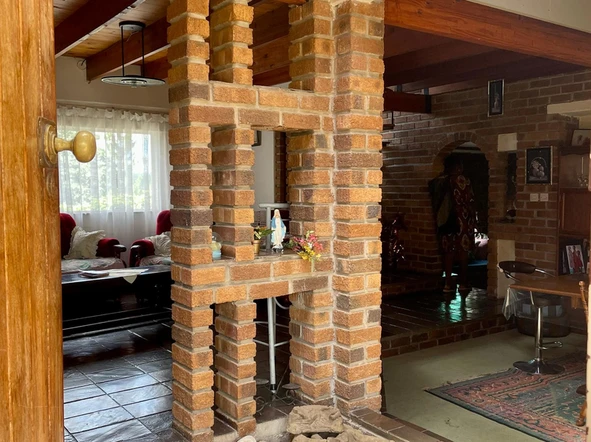
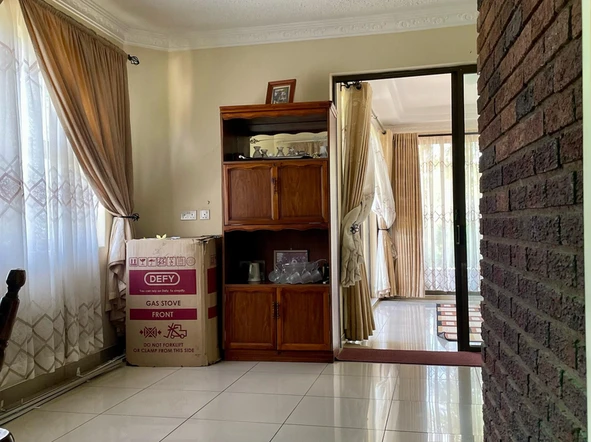
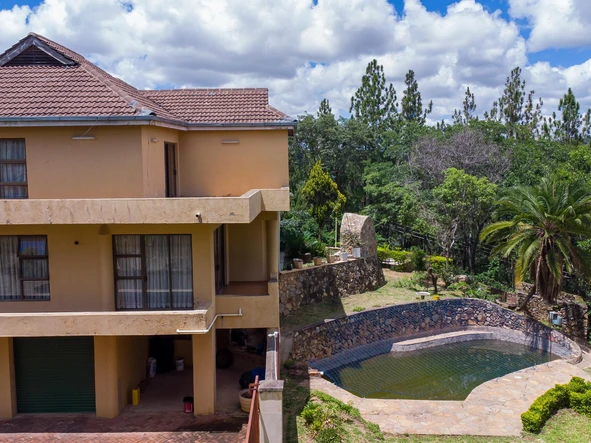
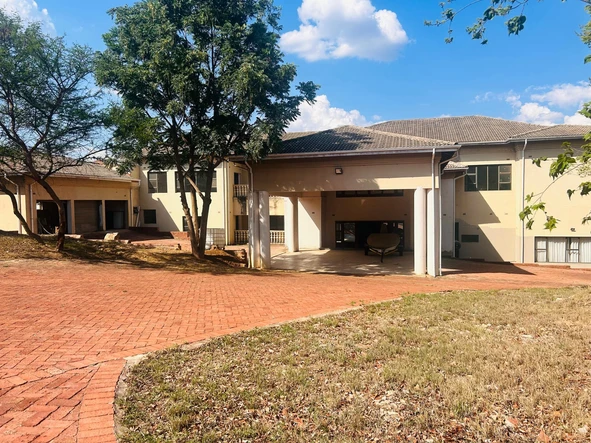
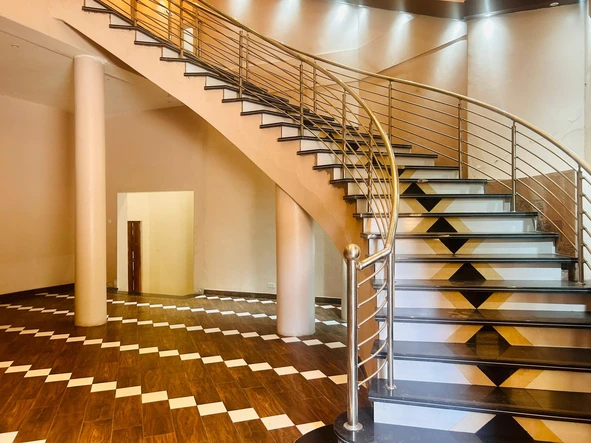
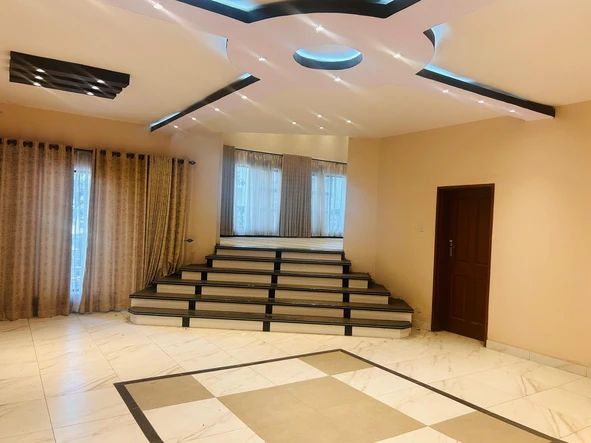
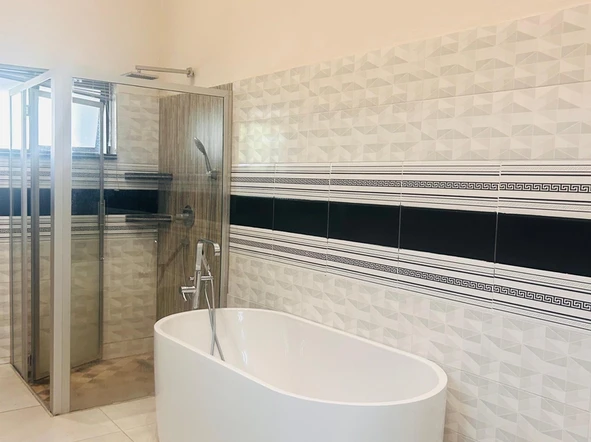
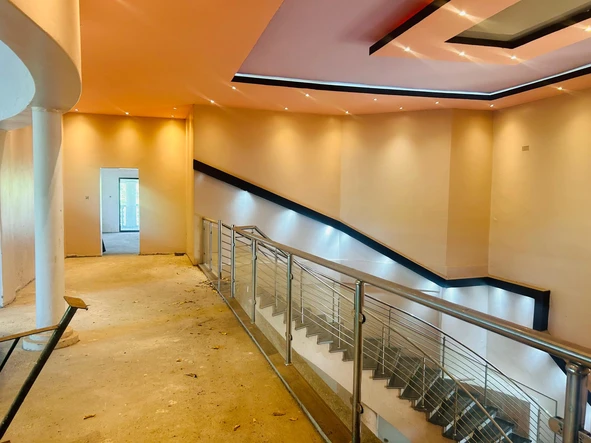
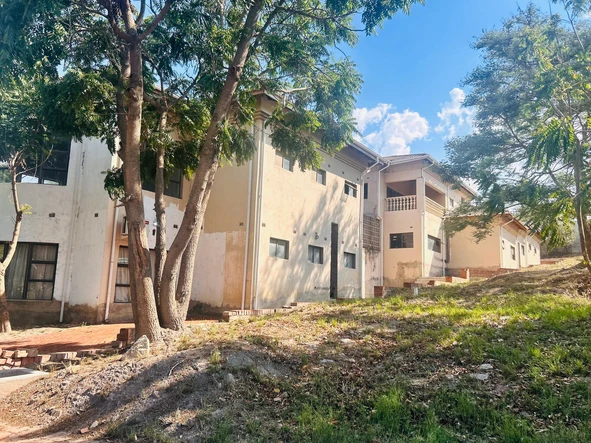
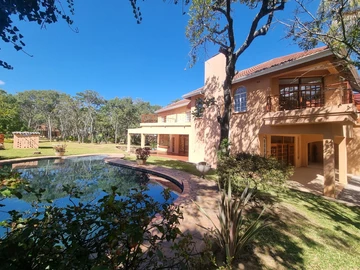
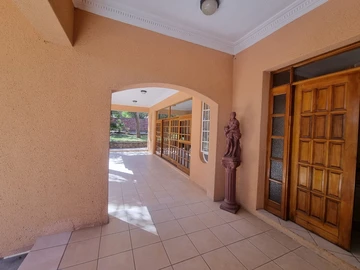
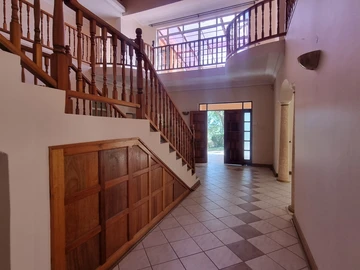
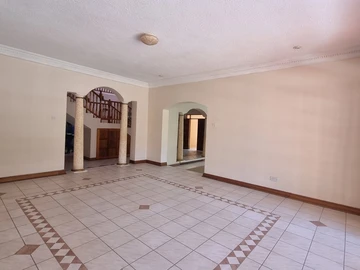
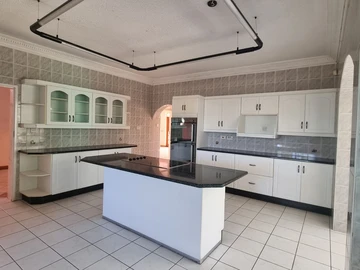
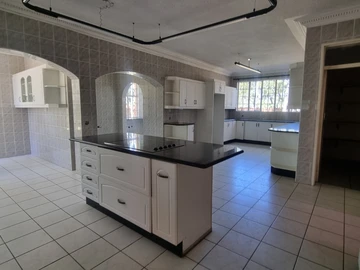
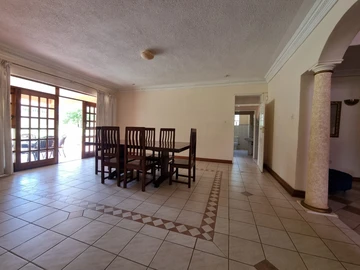
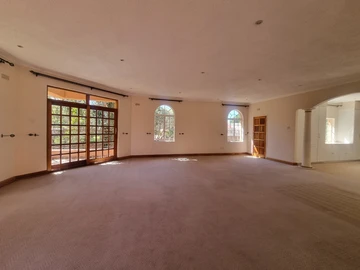
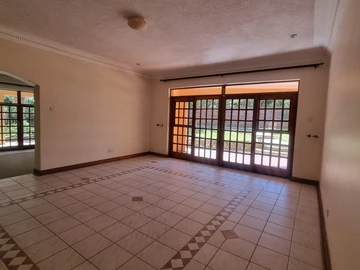
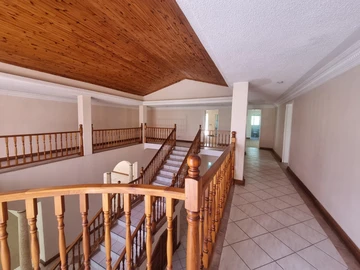
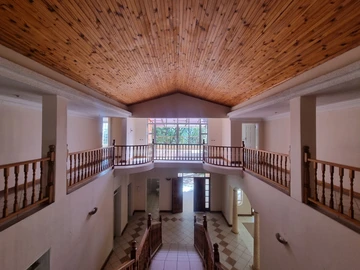
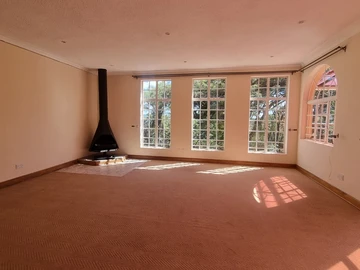
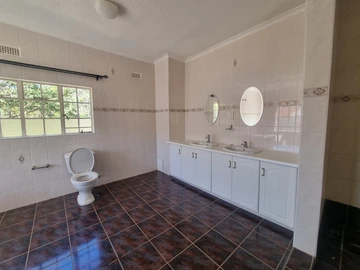
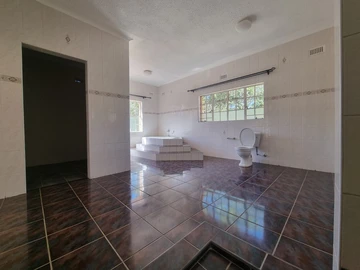
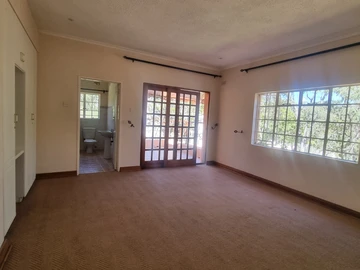
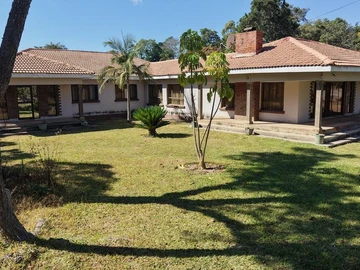
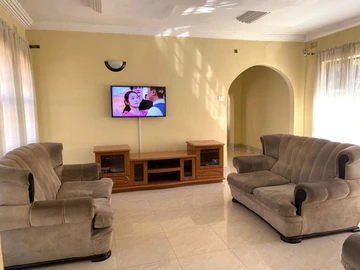
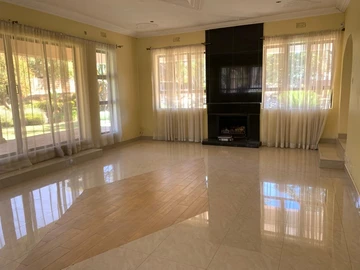
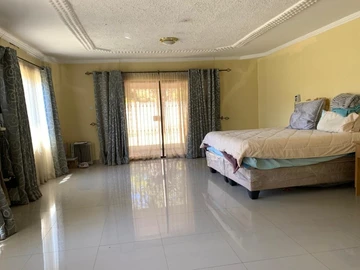
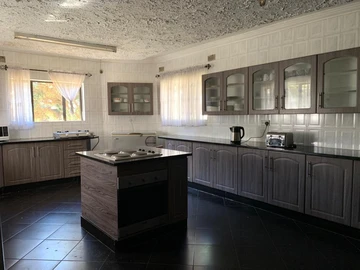
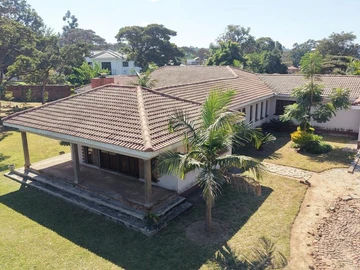
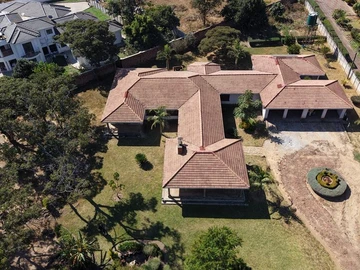
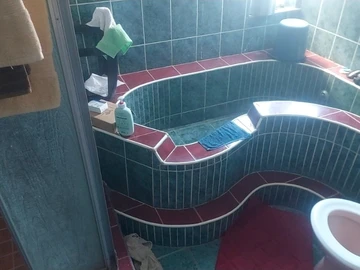
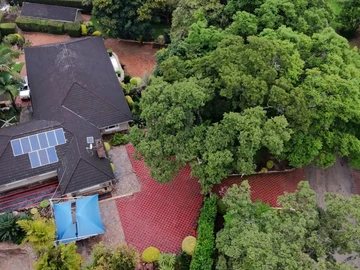
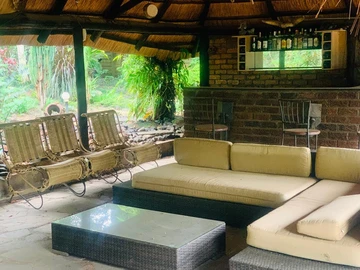
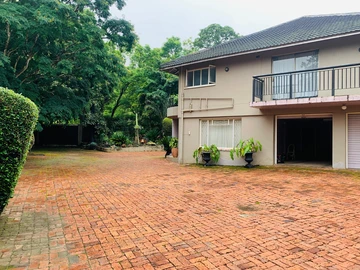
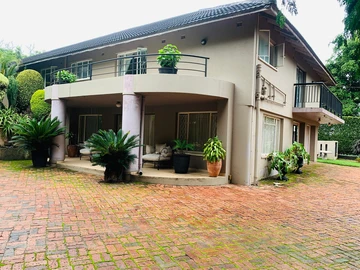
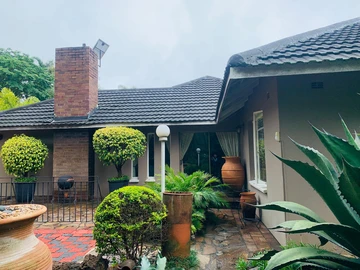
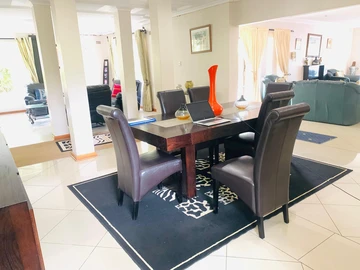
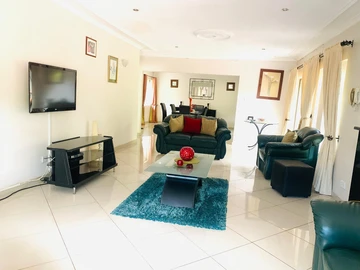
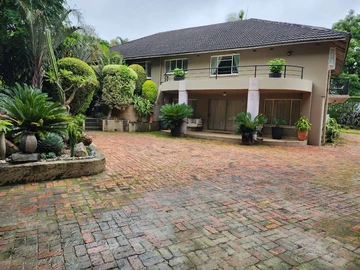
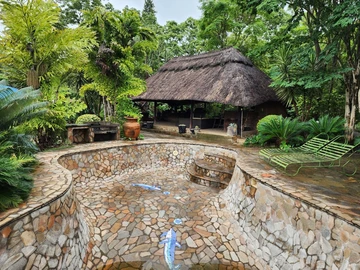
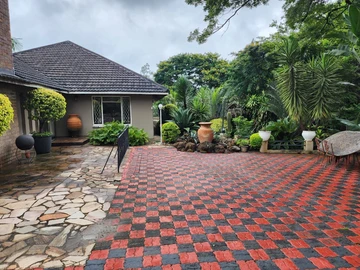
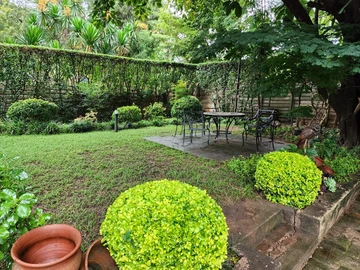
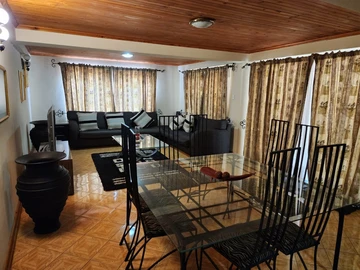
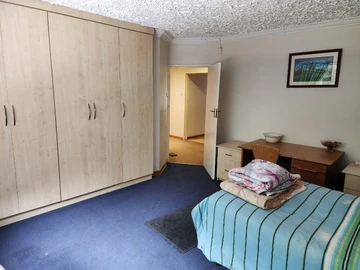
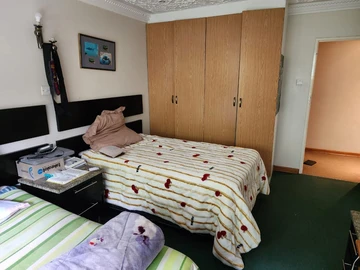
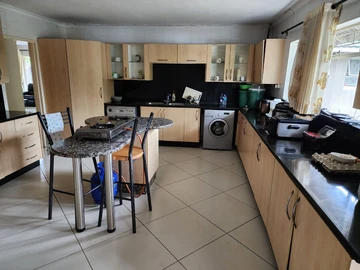
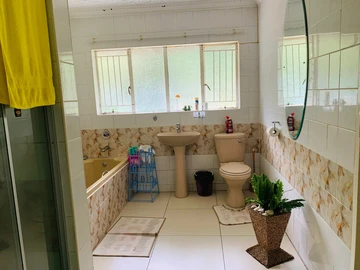
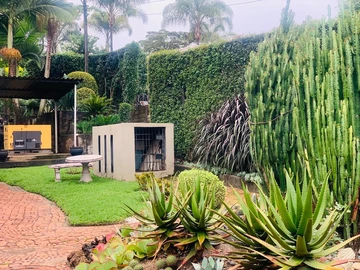
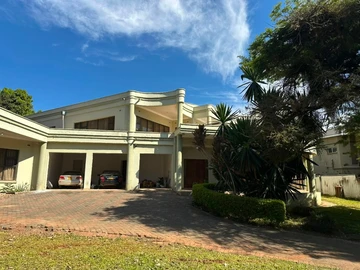
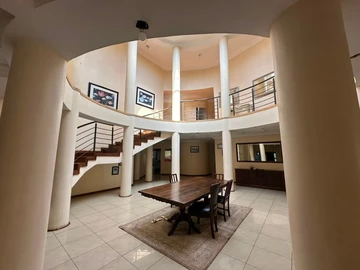
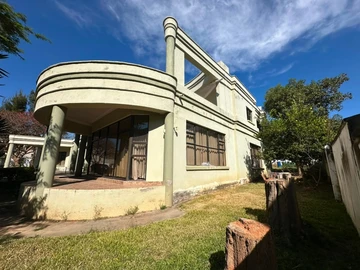
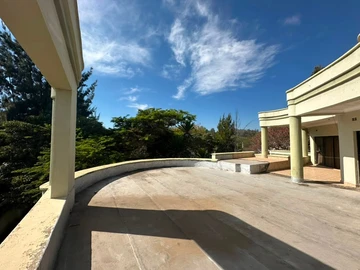
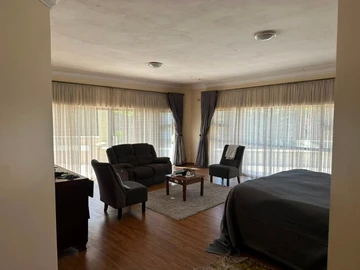
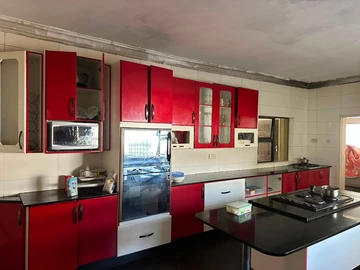
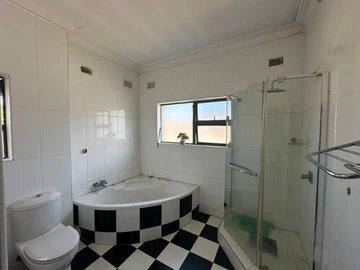
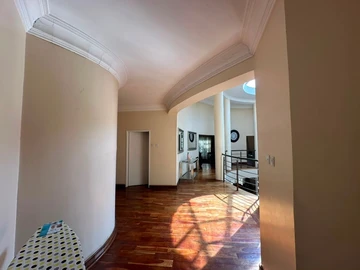
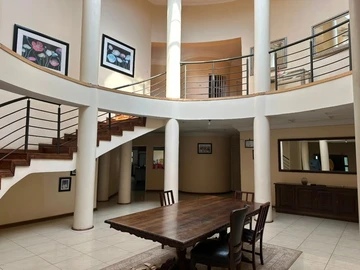
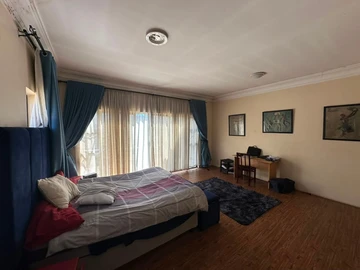
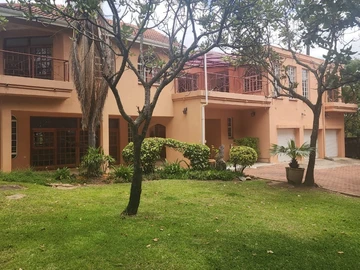
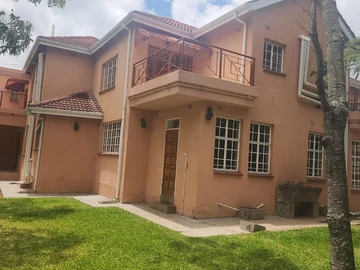
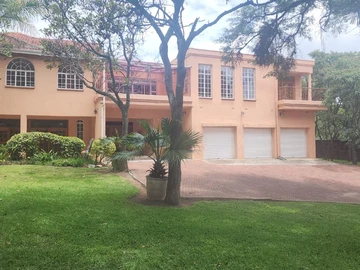
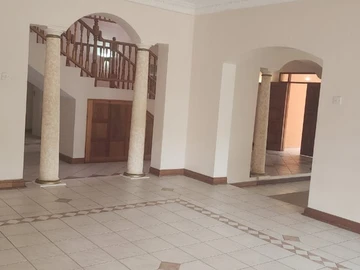
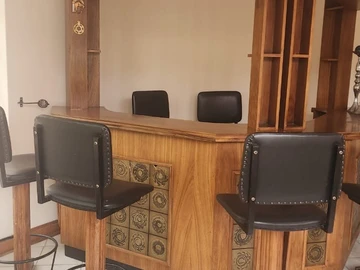
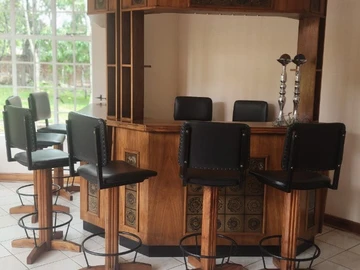
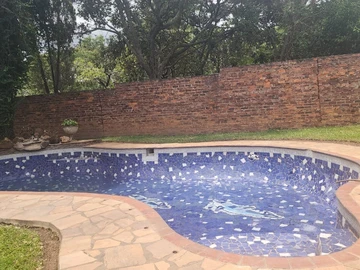
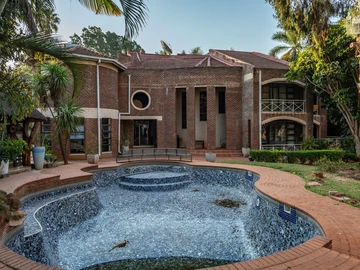
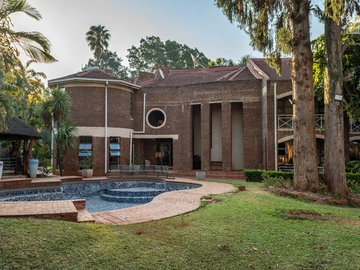
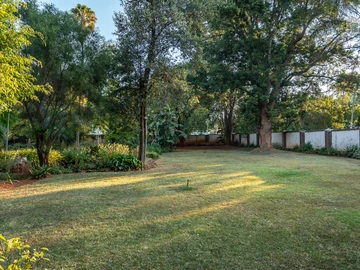
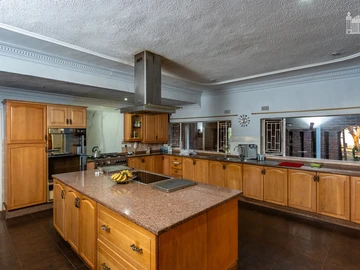
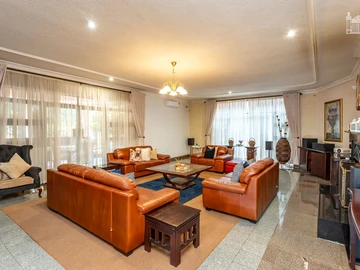
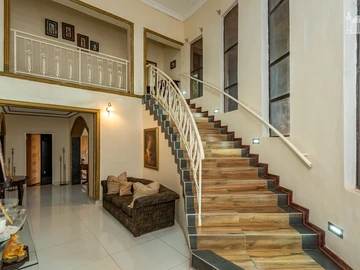
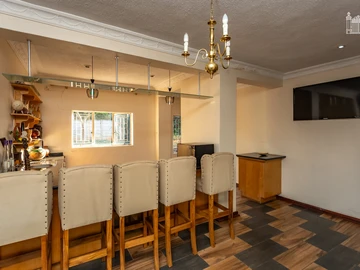
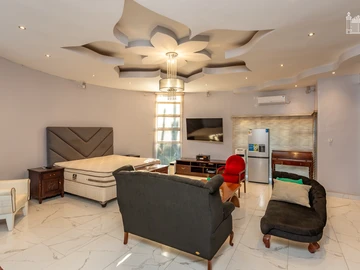
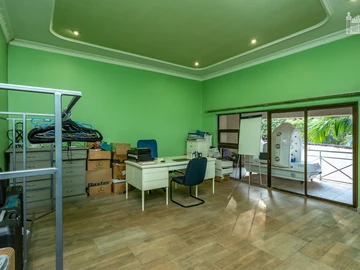
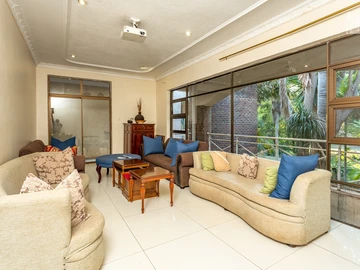
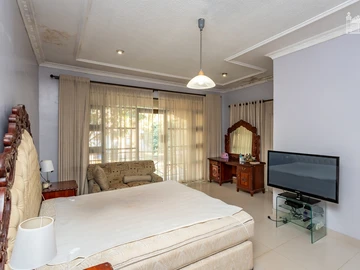
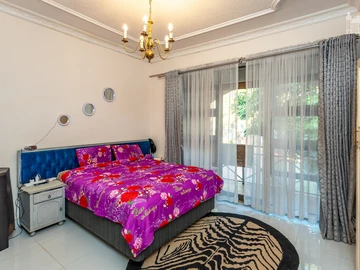
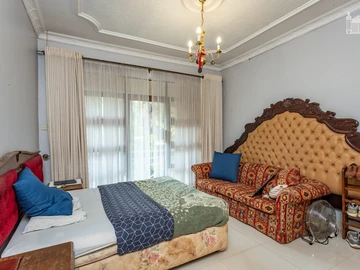
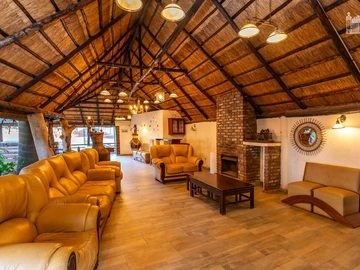
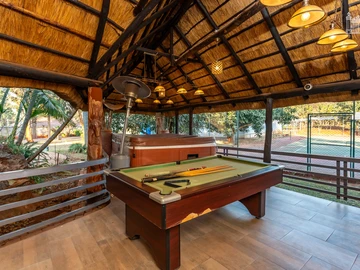
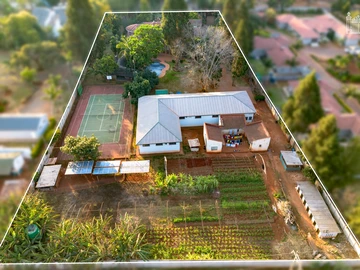
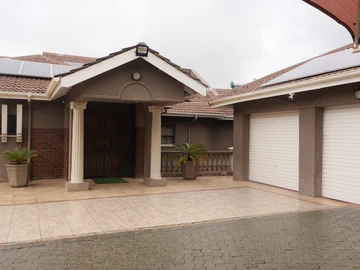
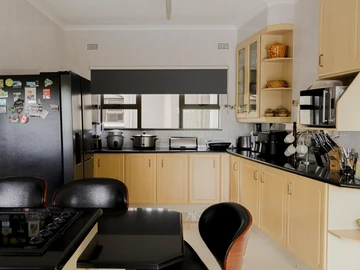
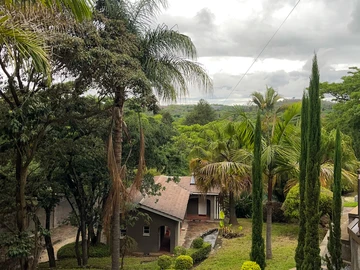
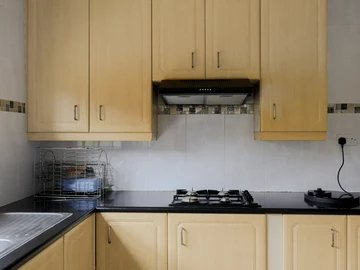
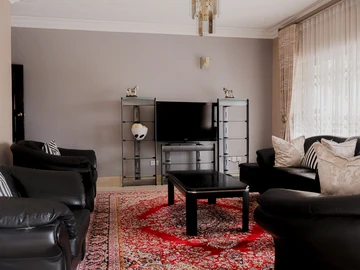
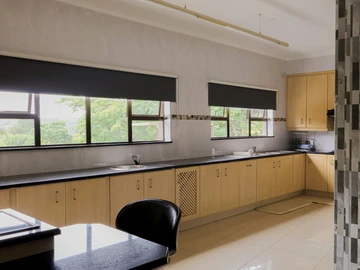
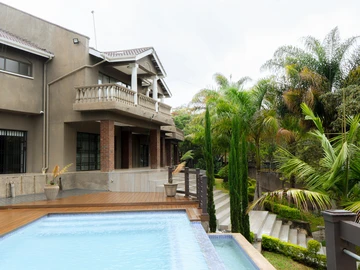
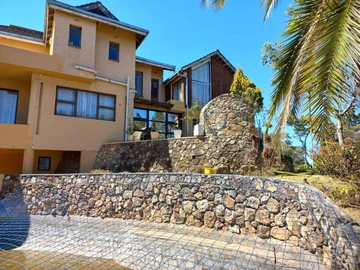
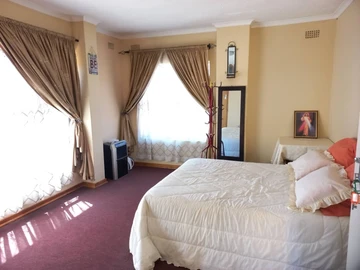
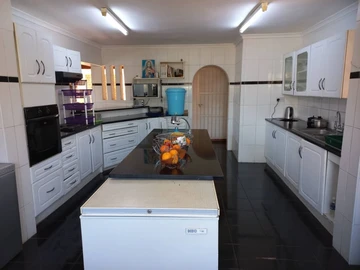
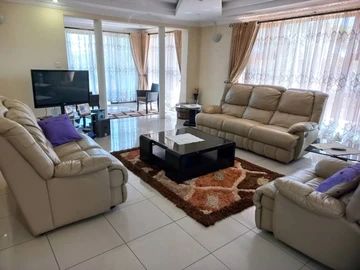
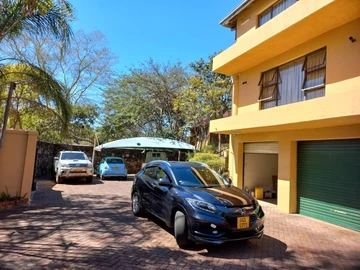
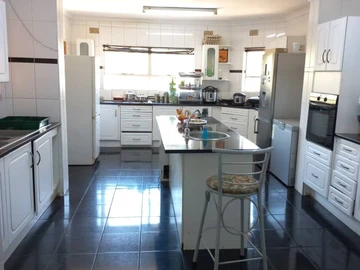
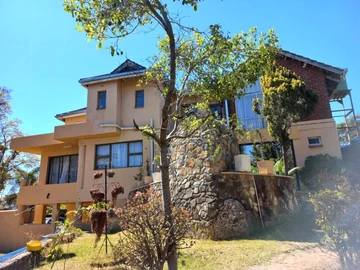
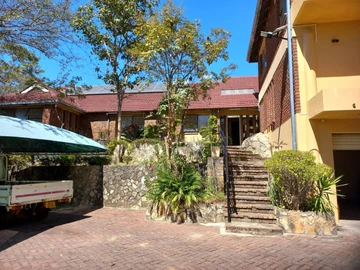
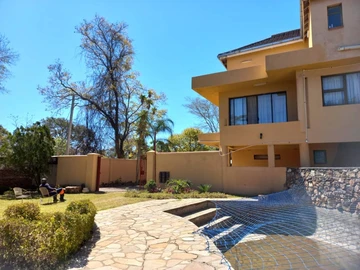
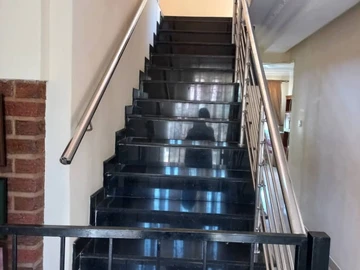
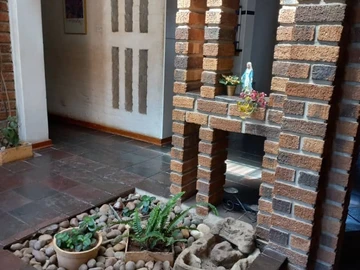
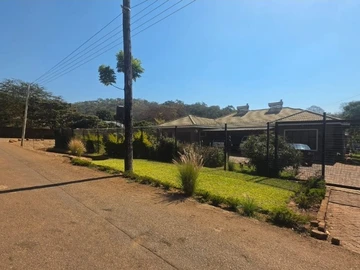
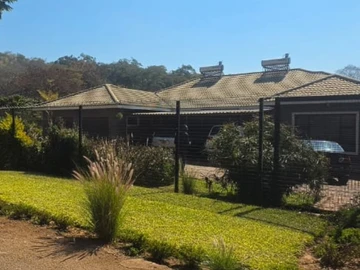
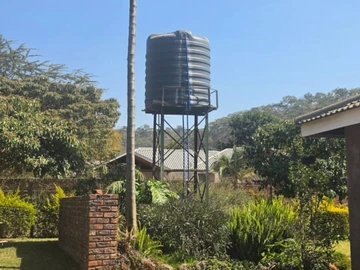
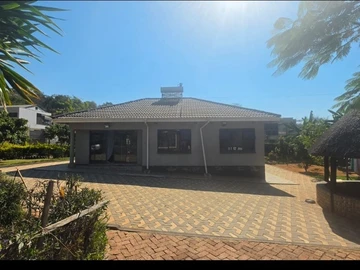
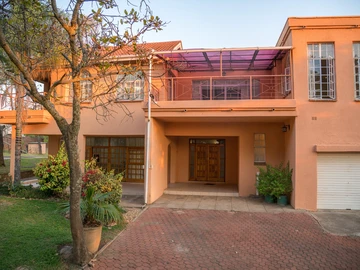
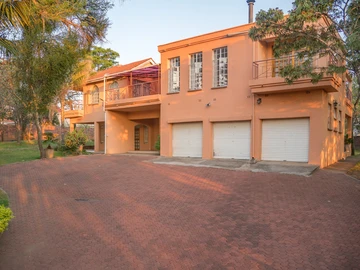
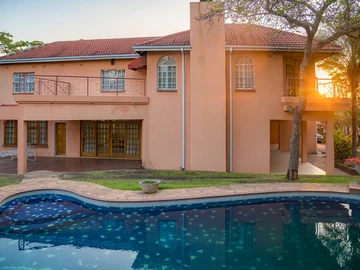
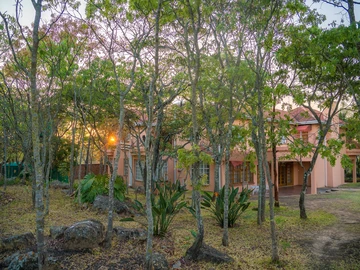
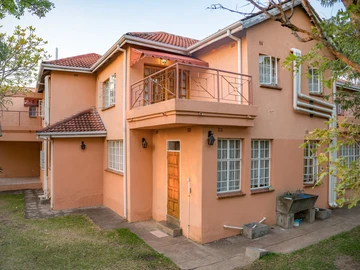
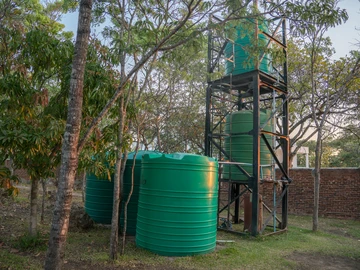
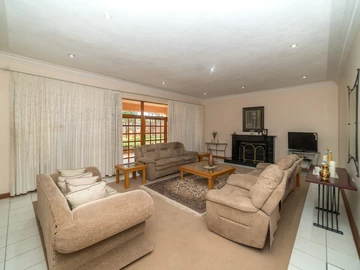
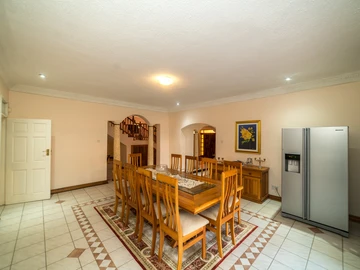
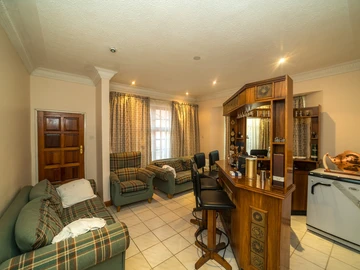
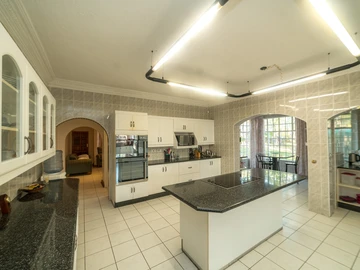
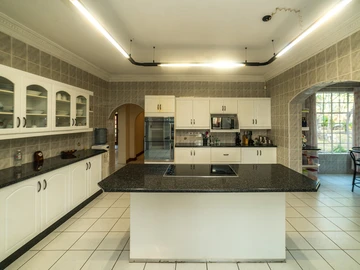
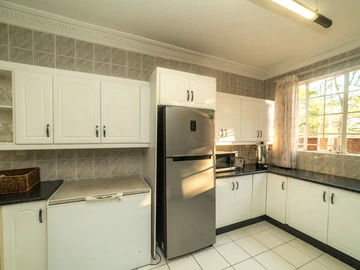
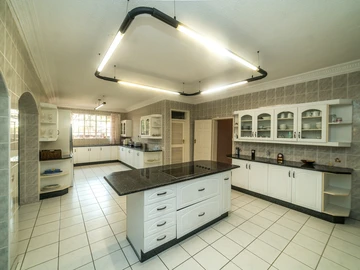
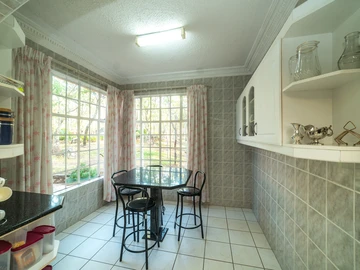
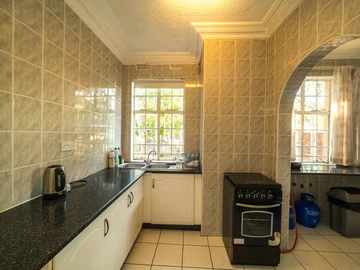
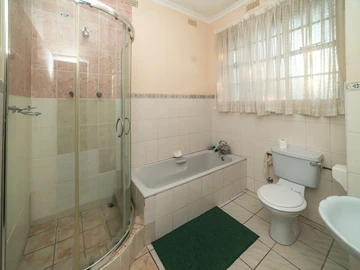
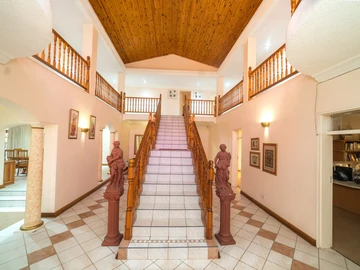
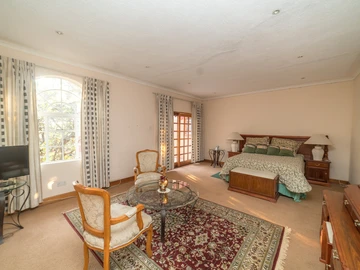
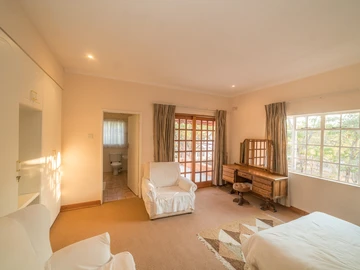
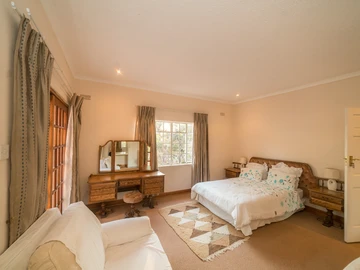
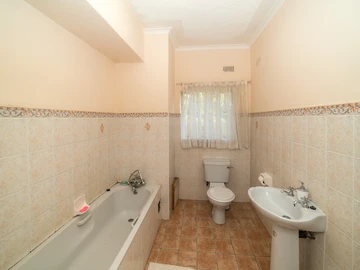
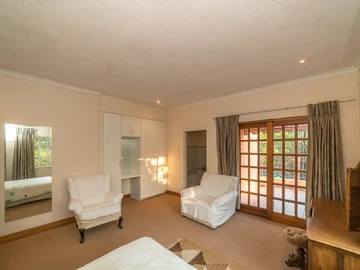
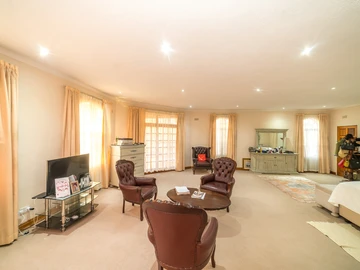
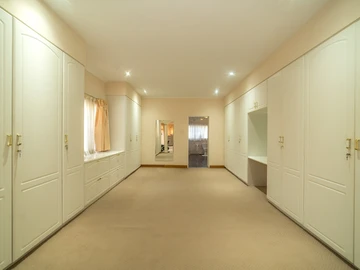
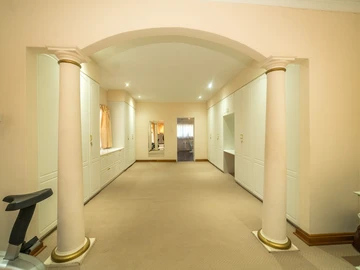
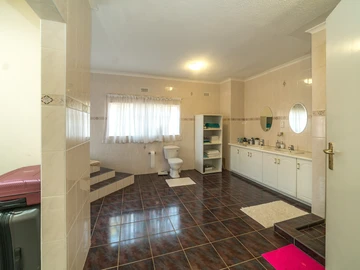
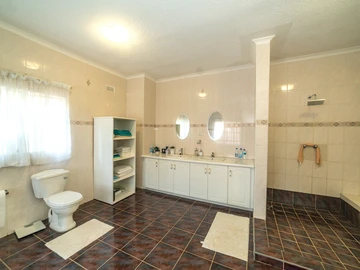
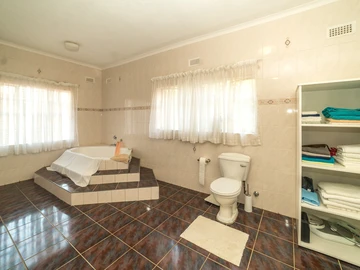
Many of these properties are double storey and come with well-maintained gardens, tiled floors, and walled perimeters. Common features include staff quarters, fitted kitchens, boreholes, good ZESA electricity supply, entertainment areas, verandahs, paved driveways, garages, water tanks, and electric gates. Additional amenities often found are studies or offices, fireplaces, and main en suite bedrooms, providing comfort and convenience for large families.
Glen Lorne is a leafy, affluent suburb known for its tranquil and scenic environment, popular with families and professionals seeking security and privacy. The area offers easy access to prestigious schools like St. John’s College and Chisipite Senior School, as well as quality healthcare facilities. Residents enjoy proximity to recreational spots such as the Harare Golf Club and Borrowdale Racecourse, plus shopping centers like Sam Levy’s Village and Borrowdale Centre. Dining options include well-regarded restaurants such as Amanzi Restaurant and The Boma. Good road links and available public transport make commuting to Harare’s city center straightforward, combining suburban calm with urban convenience.
6
3
460 m²
5
3
600 m²
6
5
2,300 m²
5
7
600 m²

Be the first to see new properties for sale in Glen Lorne, Harare North









| Type | Avg. price |
|---|---|
| Overall | $400,000 |
| Houses (View 46 properties) | $575,000 |
| Land (View 43 properties) | $222,500 |
| Flats & Apartments (View 8 properties) | $190,000 |
Buying property in Zimbabwe? Discover hidden costs like stamp duty, conveyancing fees, and taxes that can add 8%–12% or more to your purchase price.
Tenants not paying rent in Zimbabwe? Learn your legal rights as a landlord, the step by step eviction process, and illegal self-help actions to avoid.
Discover how blockchain, crypto, and tokenized real-world assets (RWAs) are transforming real estate ownership, liquidity, and financing over the next 5 years.
Buying a residential stand in Zimbabwe? Learn how to verify ownership, subdivision, planning approvals, servicing, title and the developer before paying.
Learn how servitudes affect property ownership, rights of way, and utility access in Zimbabwe. Protect your land title and avoid boundary disputes.