Log in to contact the seller
 Continue with Facebook
 Continue with Email
Continue with Facebook
Continue with Email
Sign up with Facebook
Continue with Email
Continue with Facebook
Continue with Email
Sign up with Facebook
 Change filters
 Requests


 600 m²


 400 m²
770 m²
600 m²
400 m²
400 m²
770 m²
600 m²
400 m²
 90,000 m²
478 m²
371 m²
401 m²
475 m²
90,000 m²
478 m²
371 m²
401 m²
475 m²
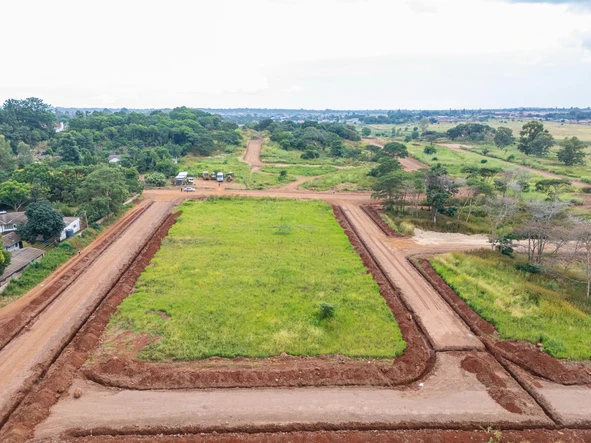
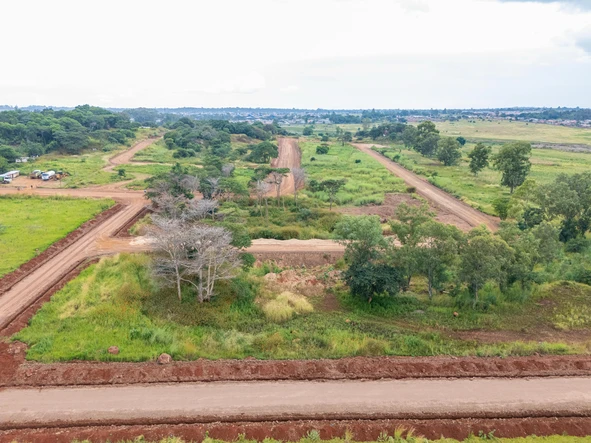
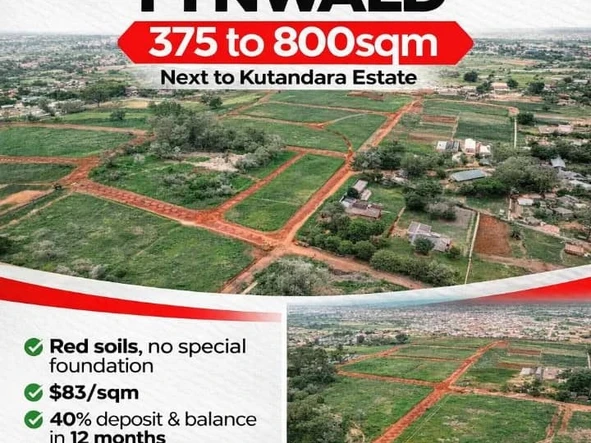
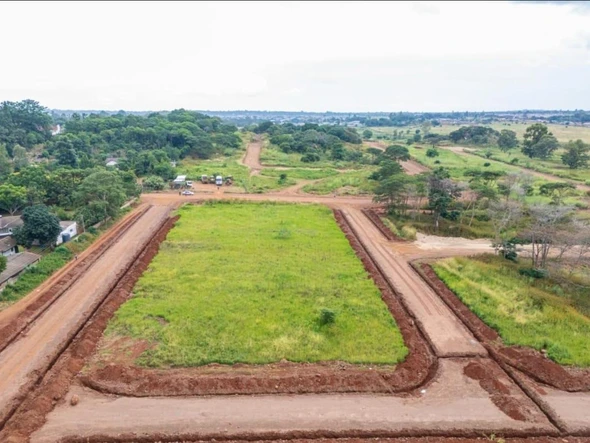
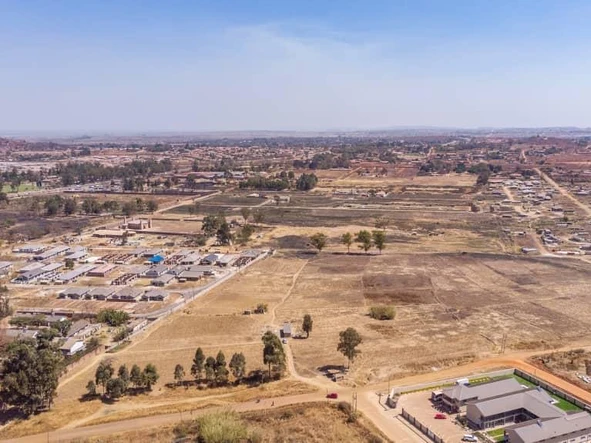
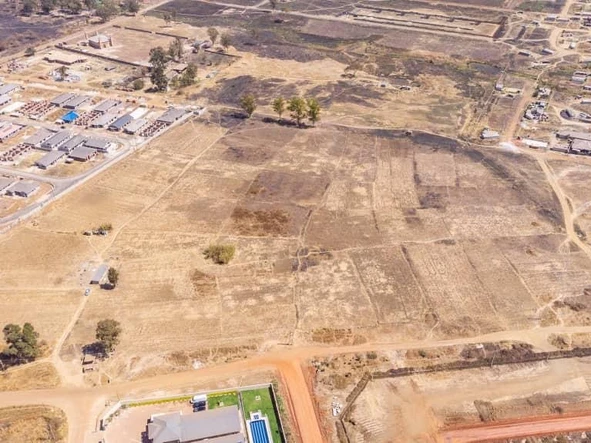
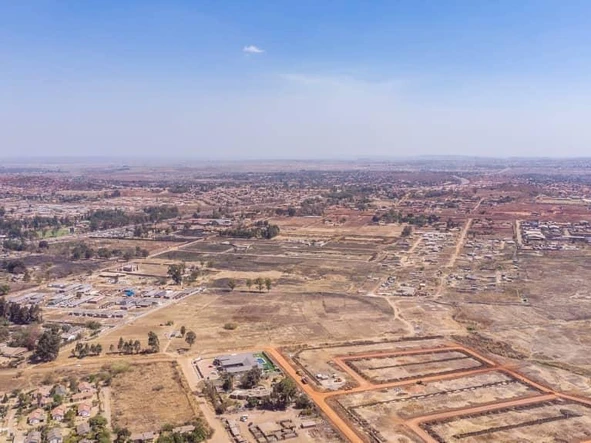
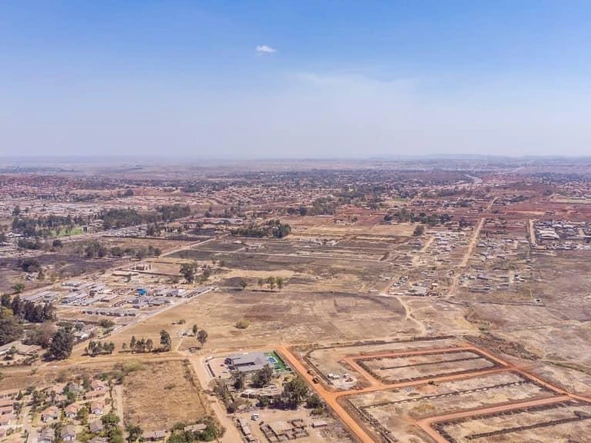
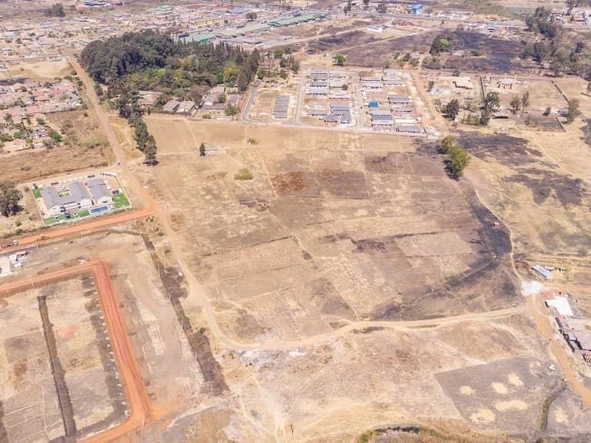
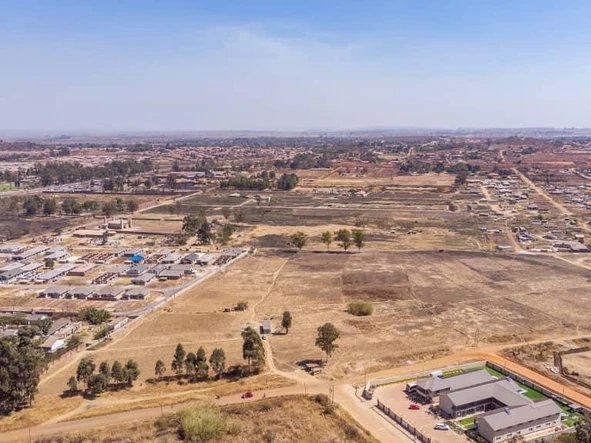
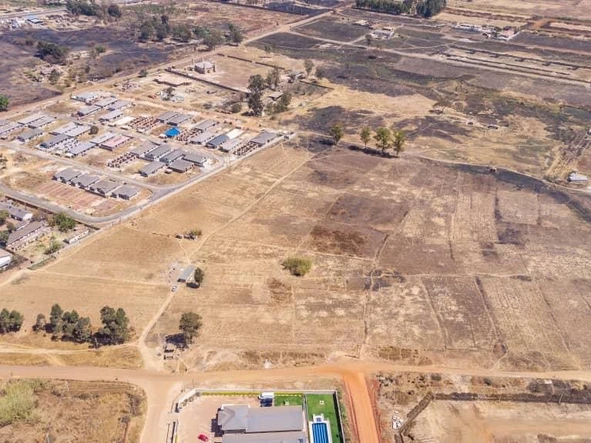
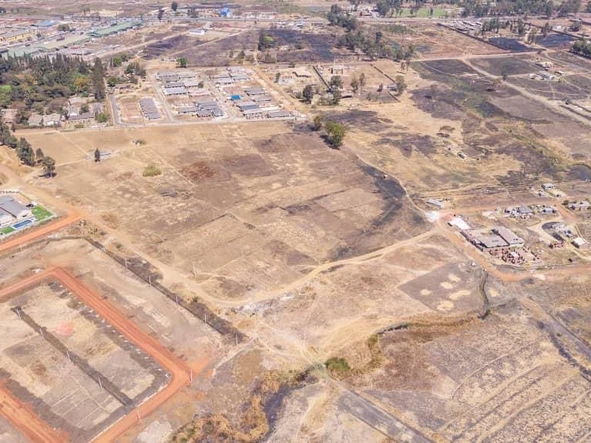
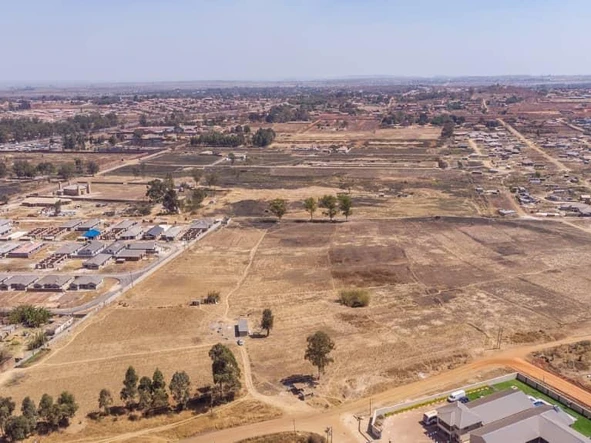
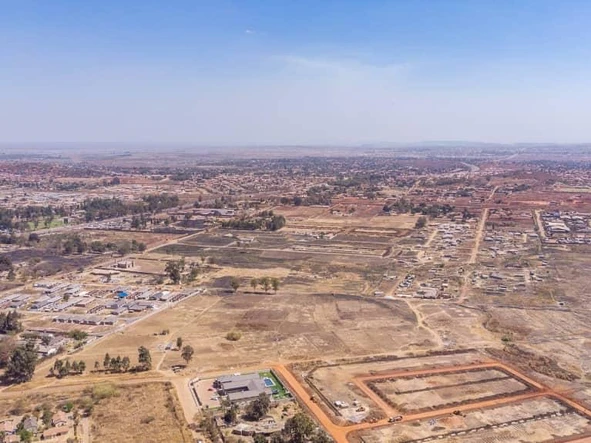
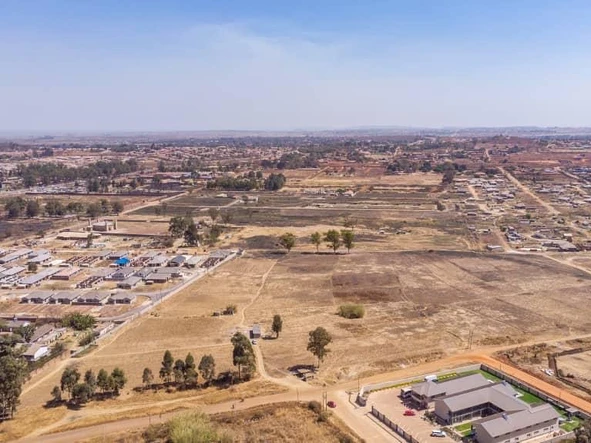
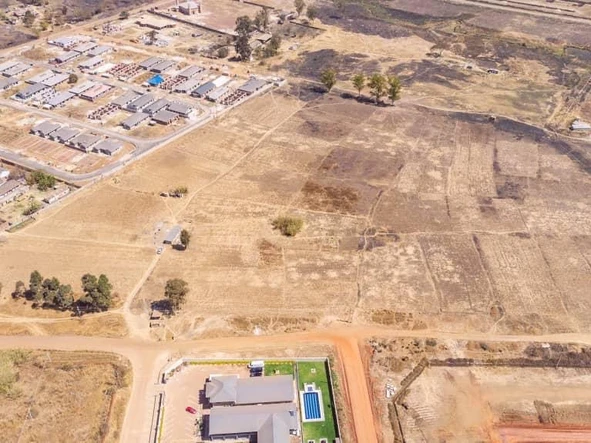
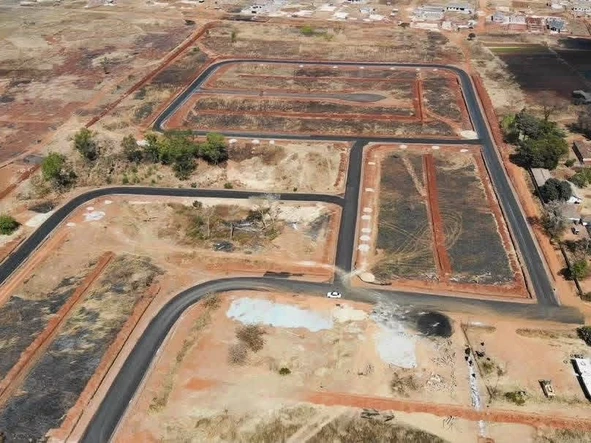
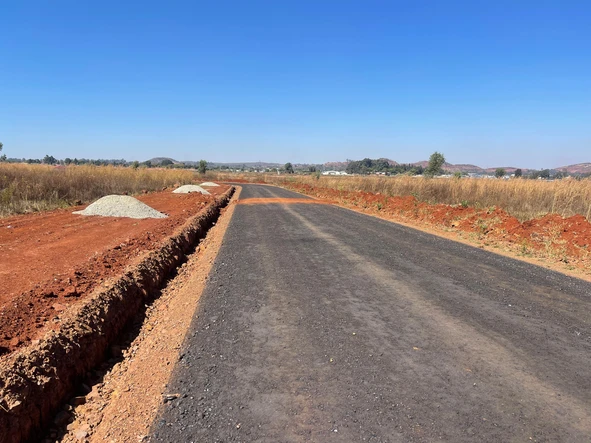
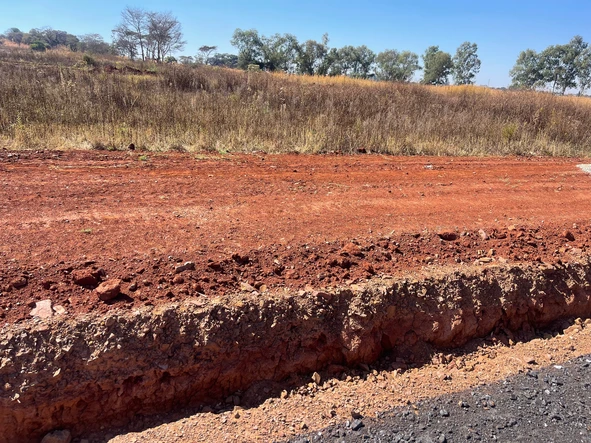
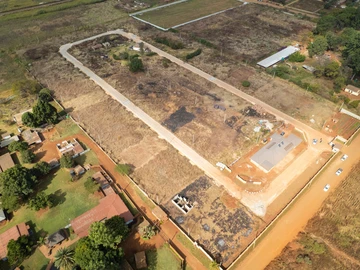
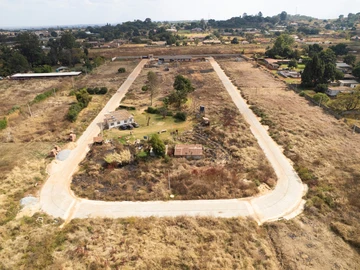
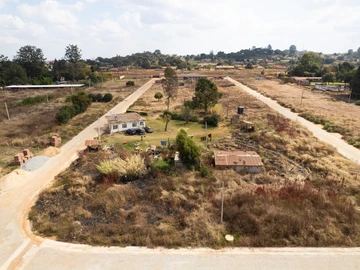
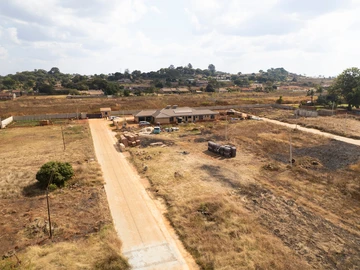
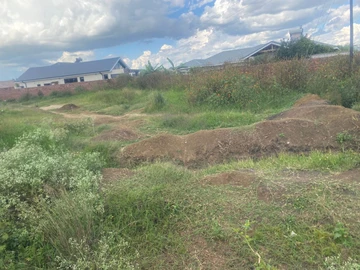
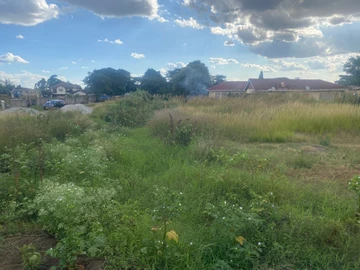
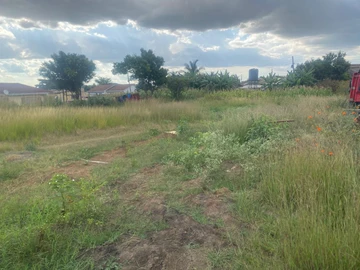
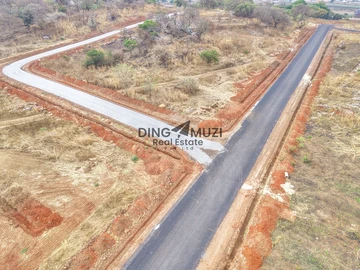
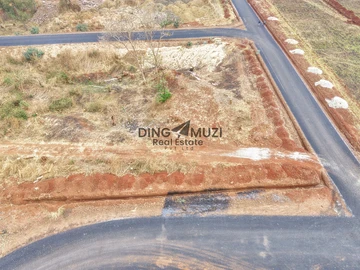
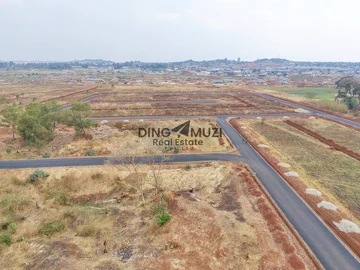
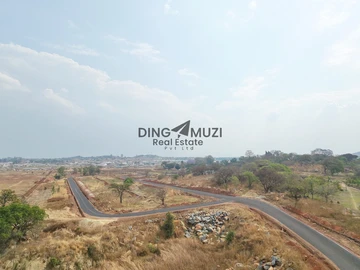
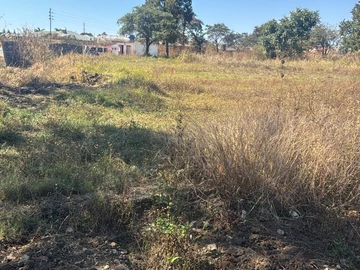
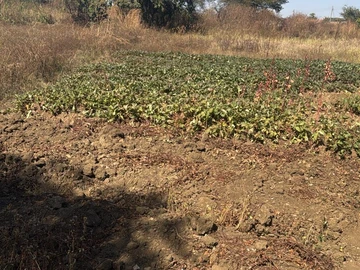
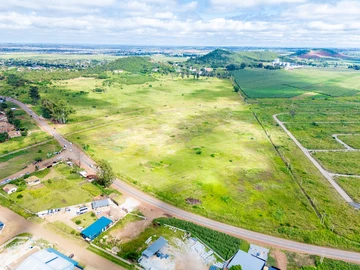
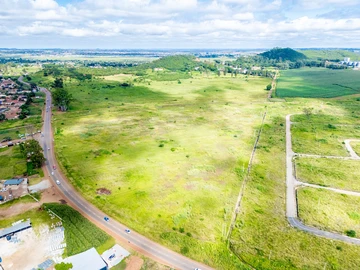
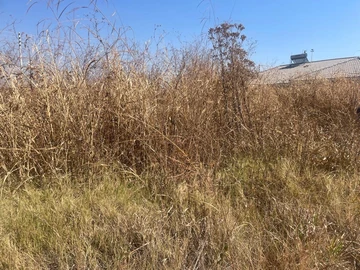
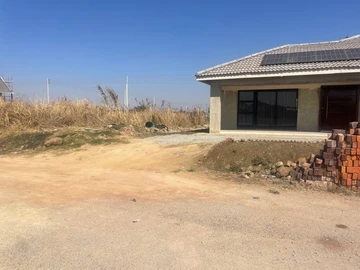
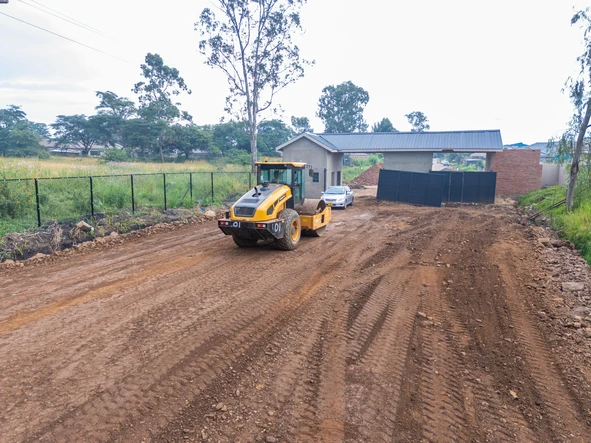
Stands and residential land for sale in Tynwald, Harare West, offer a range of options with an average price of $50,000. The median land size is about 429 ㎡, with plots ranging from 150 ㎡ up to 8,200 ㎡, providing choices for different budgets and needs. Prices start from USD 16,500, making these properties relatively affordable for buyers looking to build or invest in this established suburb.
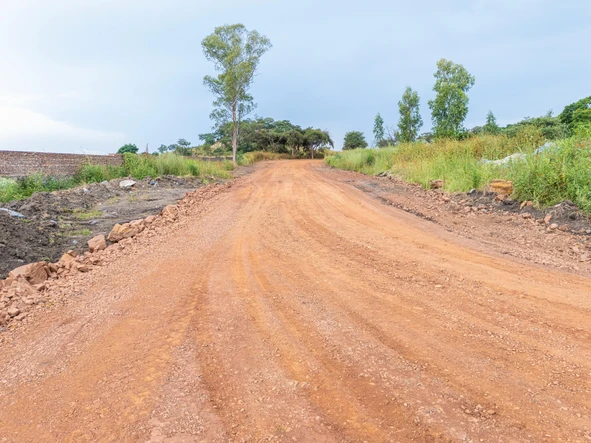
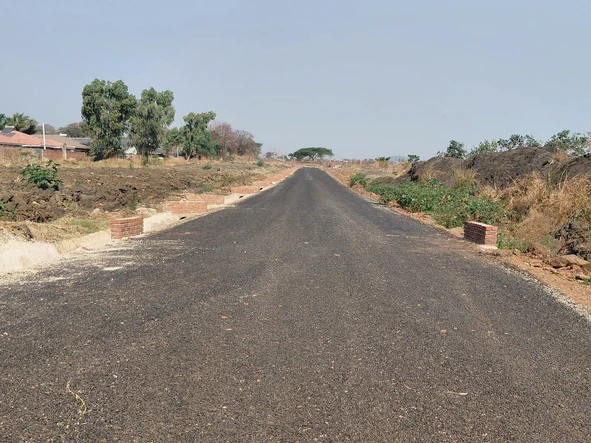
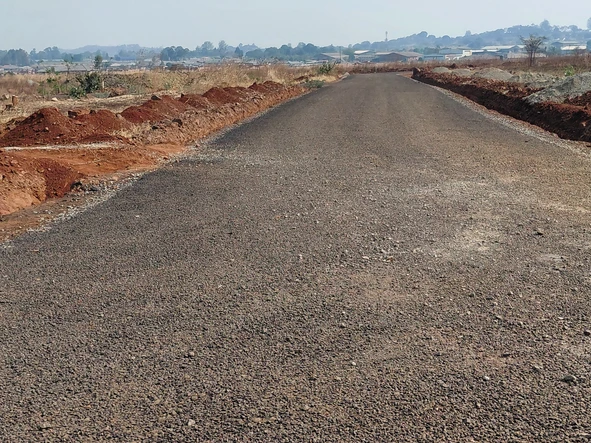
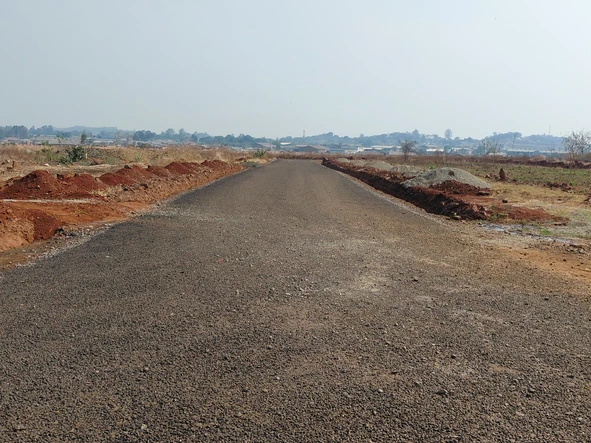
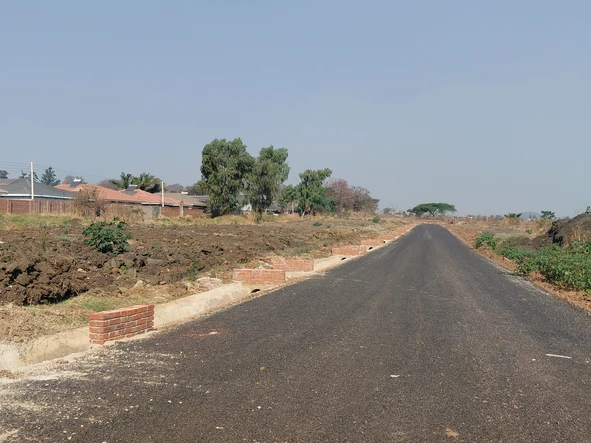
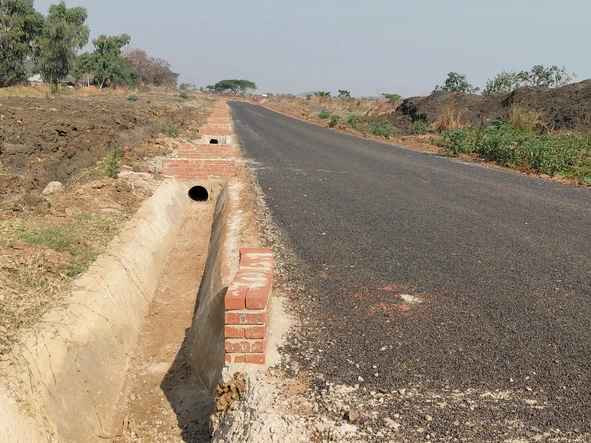
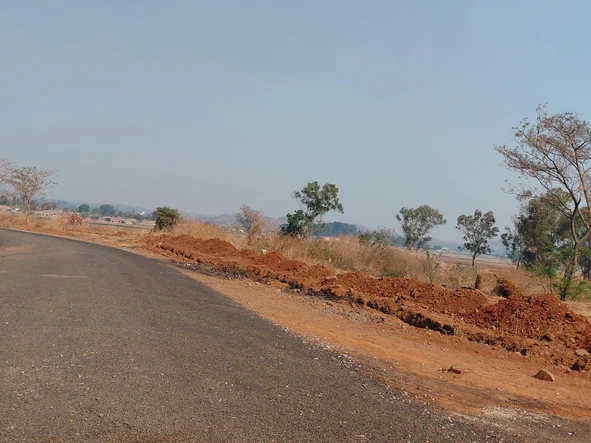
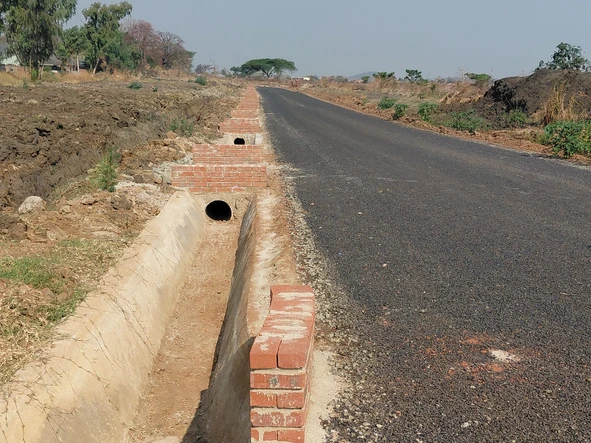
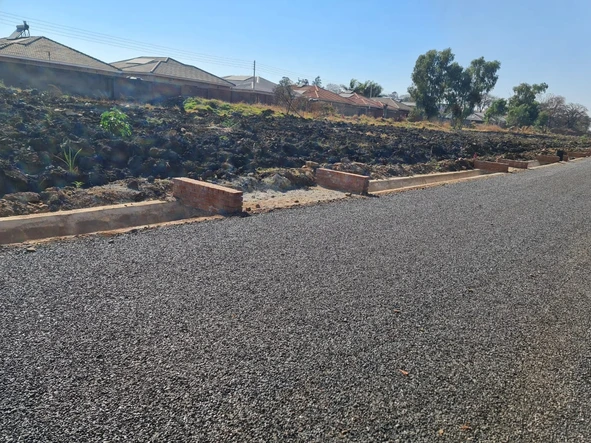
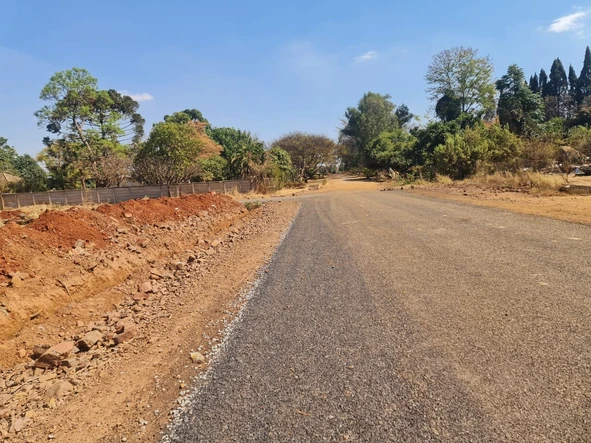
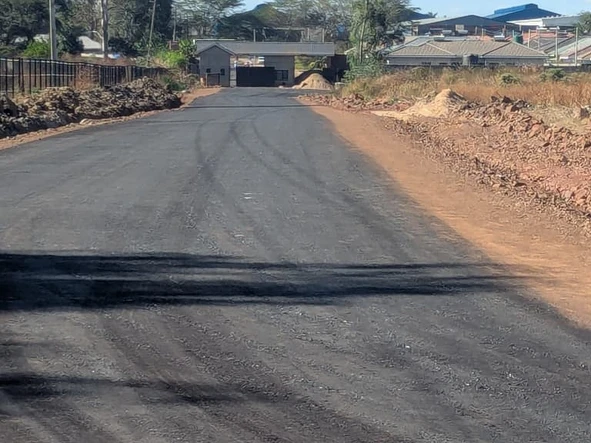
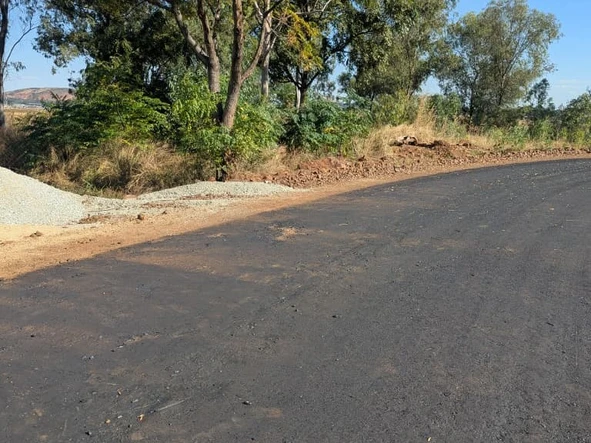
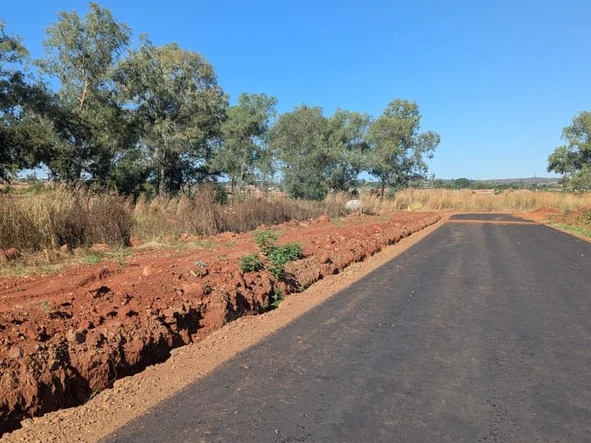
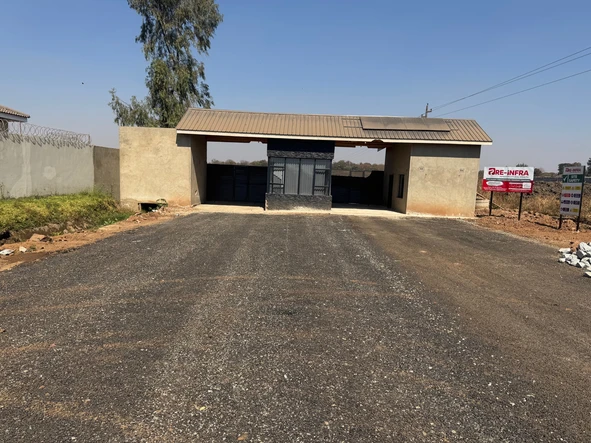
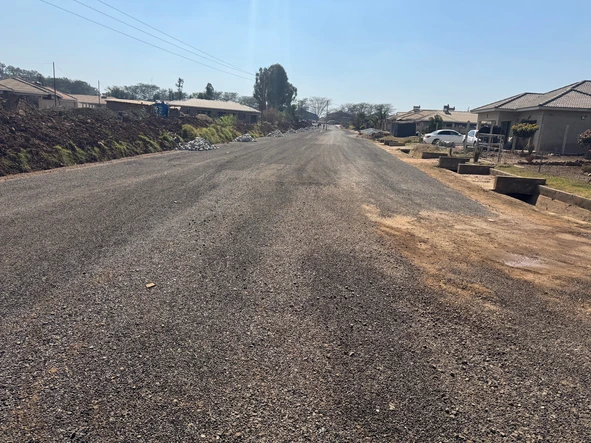
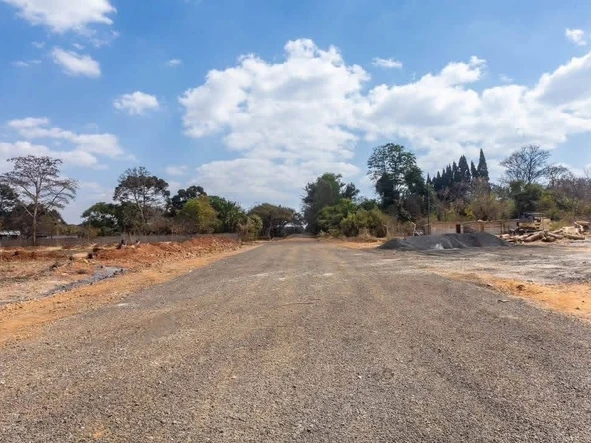
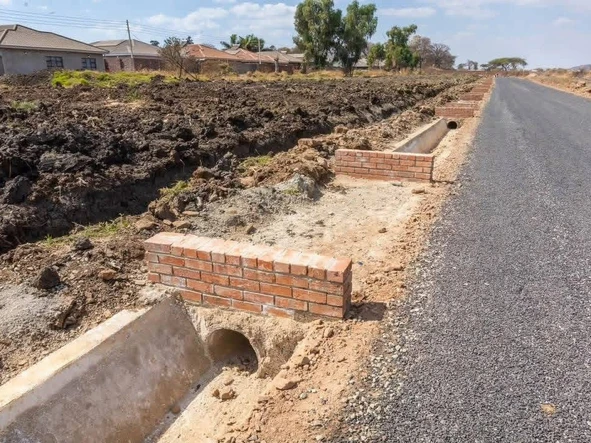
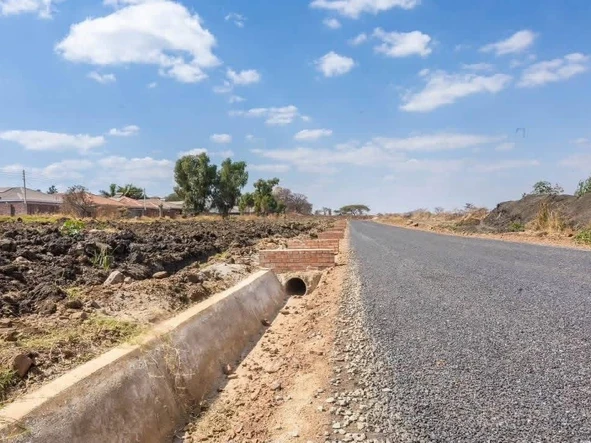
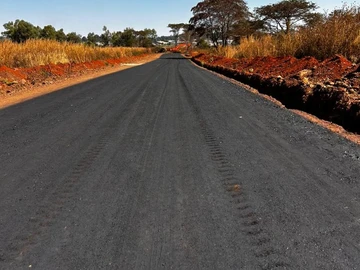
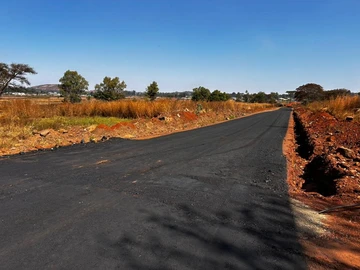
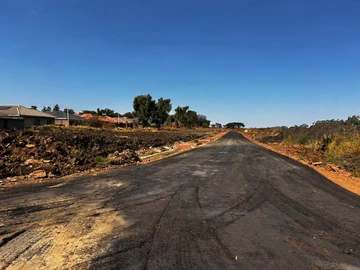
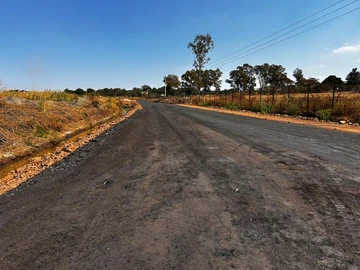
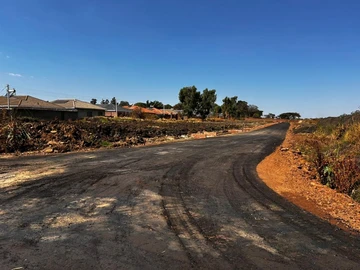
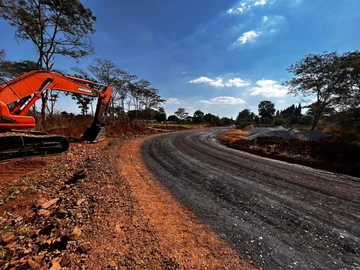
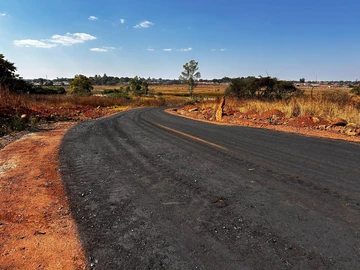
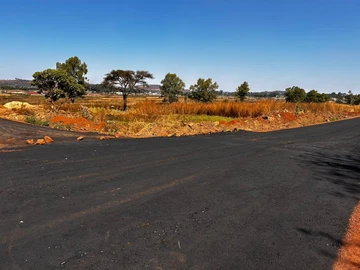
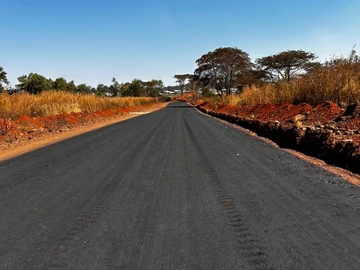
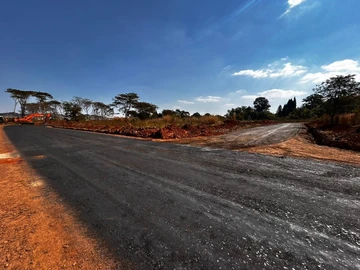
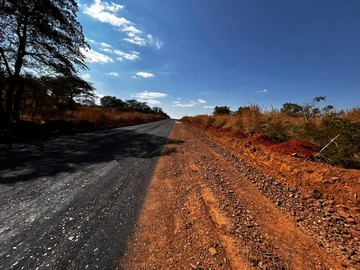
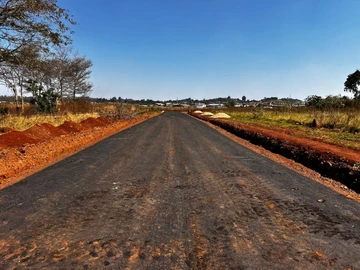
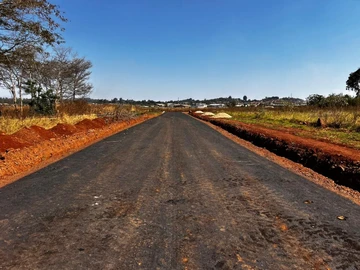
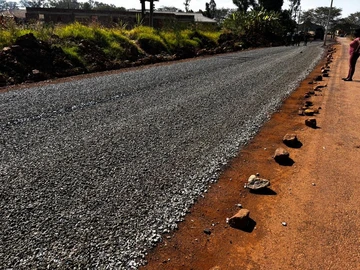
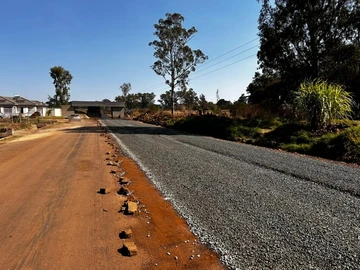
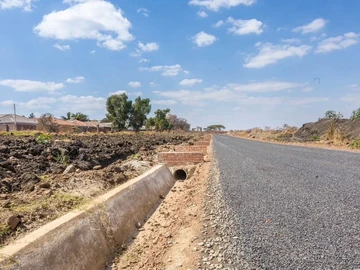
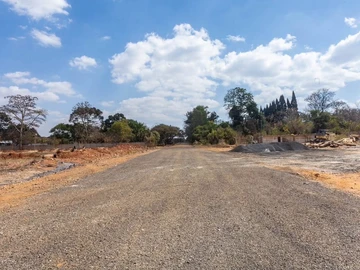
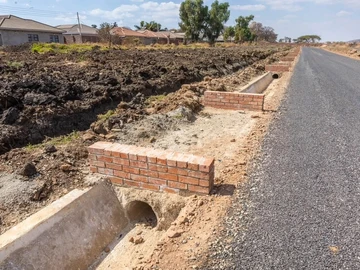
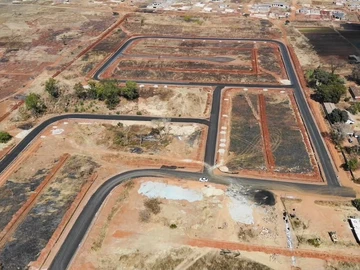
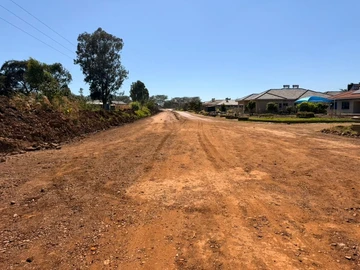
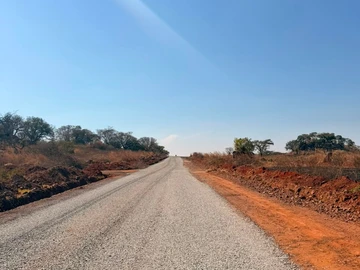
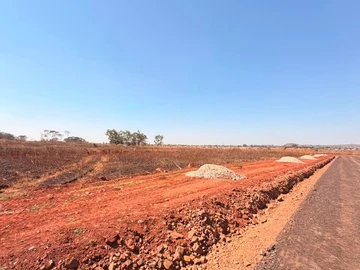
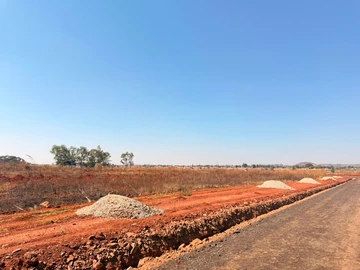
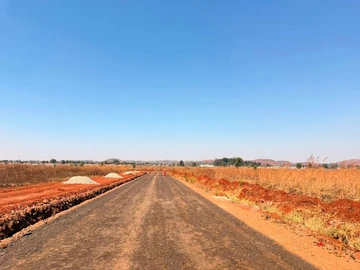
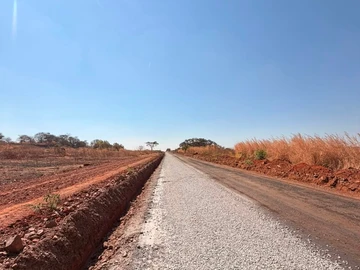
Many of the stands benefit from tarred roads and access to a sewer system, which are important features for comfortable suburban living. The area typically features residential land only, with no built properties included in the listings, giving buyers flexibility to develop according to their preferences. The quiet, family-friendly environment makes these properties suitable for those seeking a peaceful setting.
Tynwald is a well-established suburb known for its tree-lined streets and calm atmosphere, ideal for families and professionals. It is conveniently located with easy access to Harare’s city center via major roads and public transport. Residents enjoy proximity to the National Sports Stadium, local parks, and reputable schools. Shopping needs are met by the nearby Tynwald Shopping Centre and other retail outlets, while a variety of local eateries and cafes provide dining options. Overall, Tynwald offers a balanced suburban lifestyle with good connectivity and essential amenities close at hand.
480 m²
8,563 m²
500 m²
8,094 m²
320,000 m²
395 m²

Be the first to see new properties for sale in Tynwald, Harare West









| Type | Avg. price |
|---|---|
| Average price | $50,000 |
Understand Zimbabwe’s 2026 rental tax rules, including the 15% commercial regime, residential tax treatment, monthly deadlines and disclosure window
Planning to drill or buy a property with a borehole in Zimbabwe? Check the authority, permit, siting, records and water quality before you commit.
Protect your rental property in Zimbabwe. Learn the 10 essential tenant screening checks landlords should make before signing a lease agreement.
Upgrade your home with the top bathroom trends of 2026 in Zimbabwe. Explore 8 stylish ideas covering luxury vanity finishes, lighting, and eco features.
Buying property in Zimbabwe? Discover hidden costs like stamp duty, conveyancing fees, and taxes that can add 8%–12% or more to your purchase price.