Log in to contact the seller
 Continue with Facebook
 Continue with Email
Continue with Facebook
Continue with Email
Sign up with Facebook
Continue with Email
Continue with Facebook
Continue with Email
Sign up with Facebook
 Change filters
 Requests


 4
4
 2
800 m²
2
800 m²


 3
2
110 m²
3
2
280 m²
3
2
120 m²
3
2
400 m²
3
2
110 m²
3
2
280 m²
3
2
120 m²
3
2
400 m²
 3
2
200 m²
3
2
300 m²
3
3
2
3
2
200 m²
3
2
300 m²
3
3
2
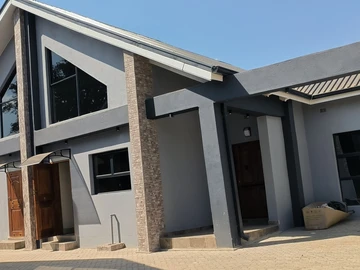
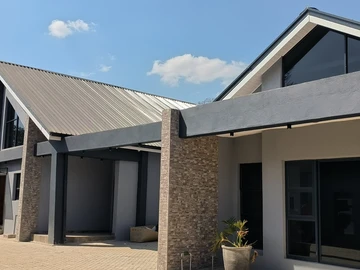
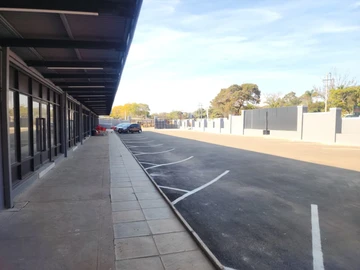
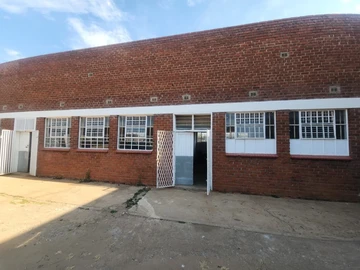
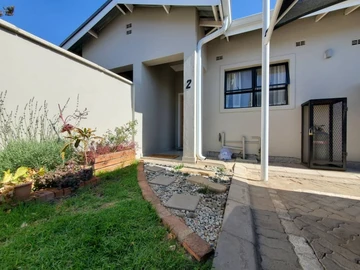
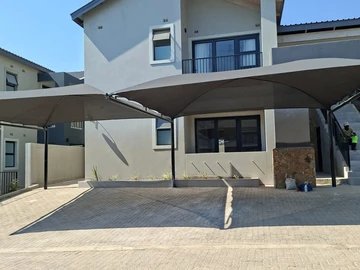
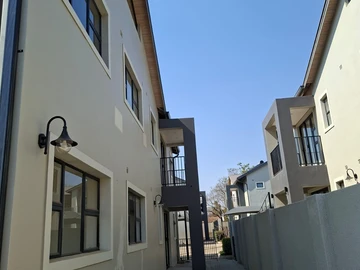
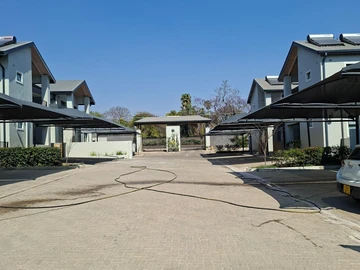
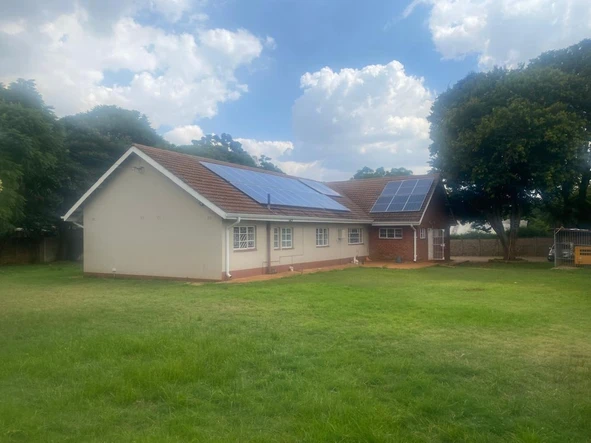
Properties for rent in Greendale, Harare East, offer a range of options with an average monthly rental price of $1,410. These properties typically have a size around 100 ㎡, with some larger homes reaching up to 900 ㎡ and land areas up to 8,000 ㎡. Rental prices start as low as USD 60, making the area accessible for various budgets.
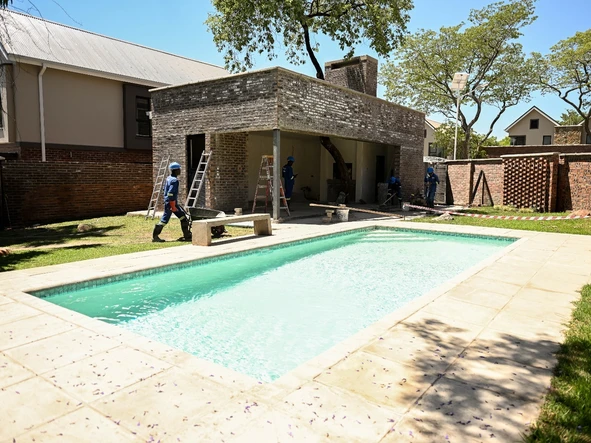
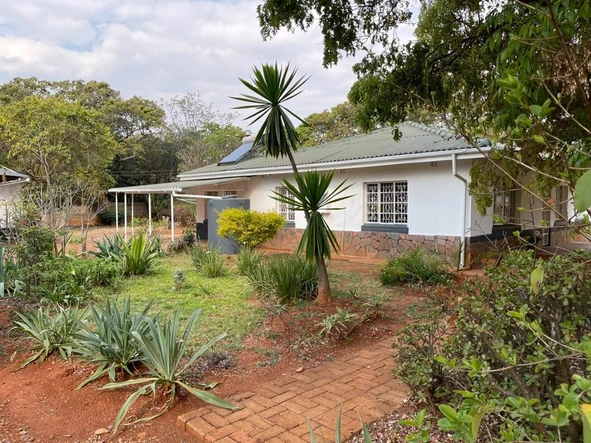
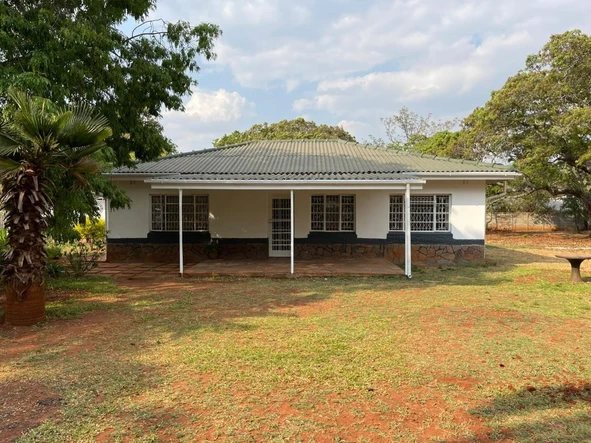
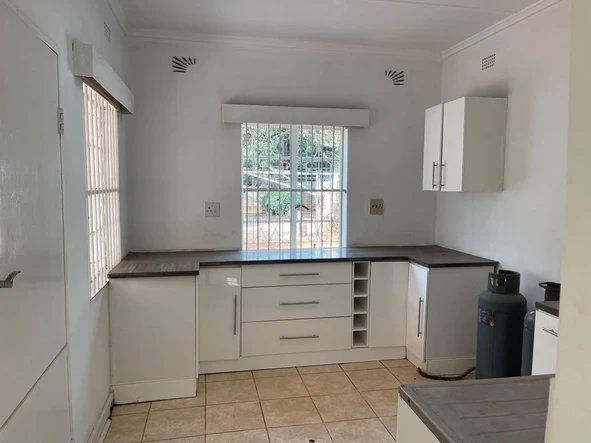
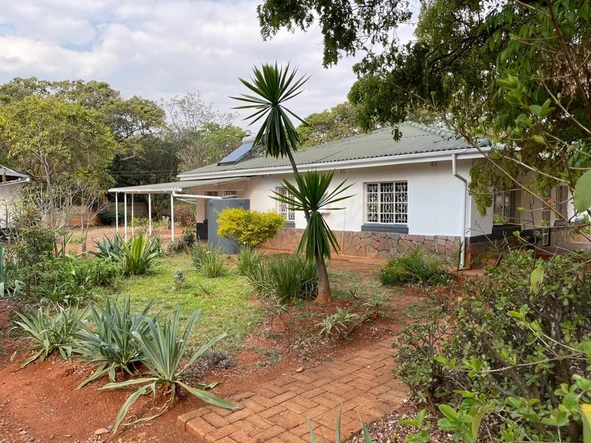
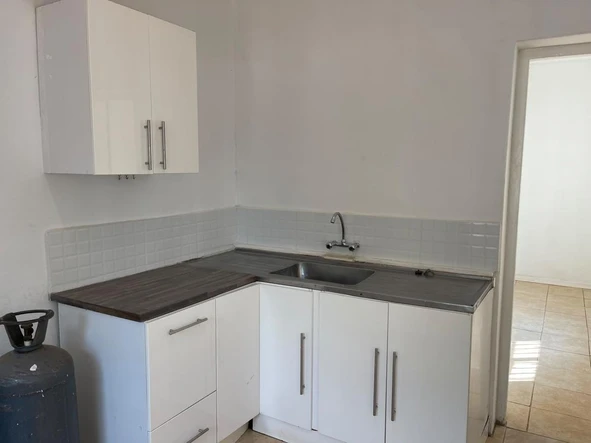
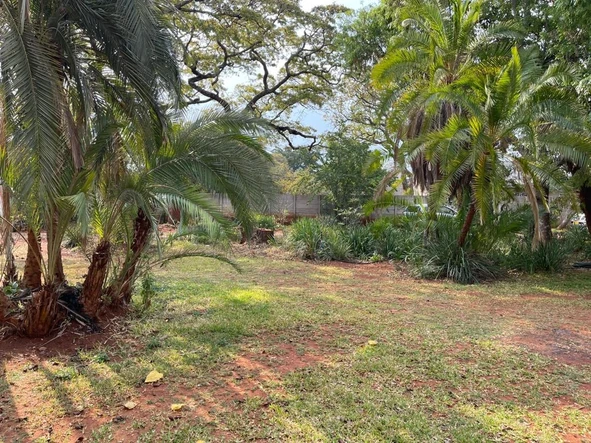
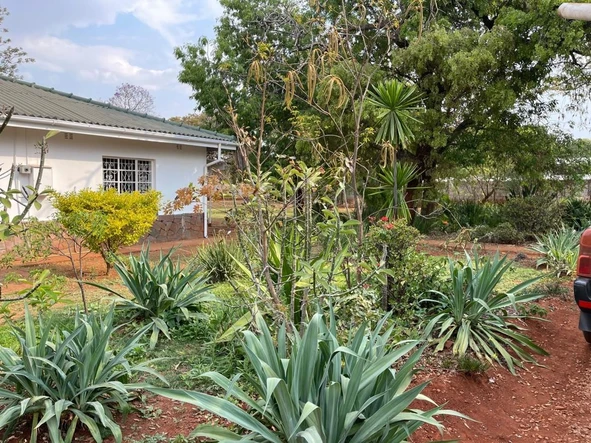
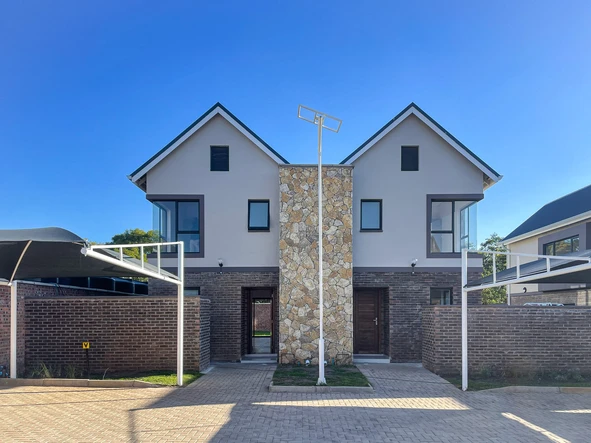
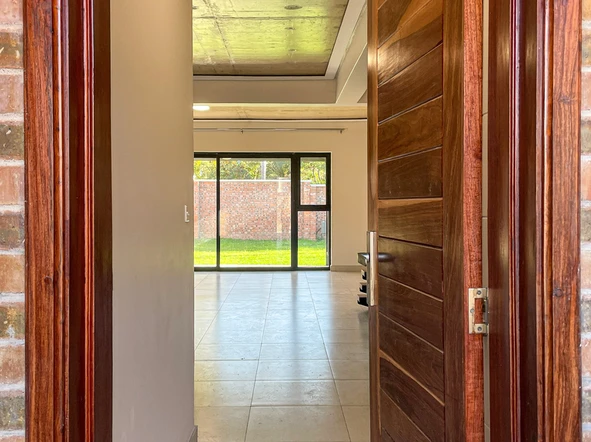
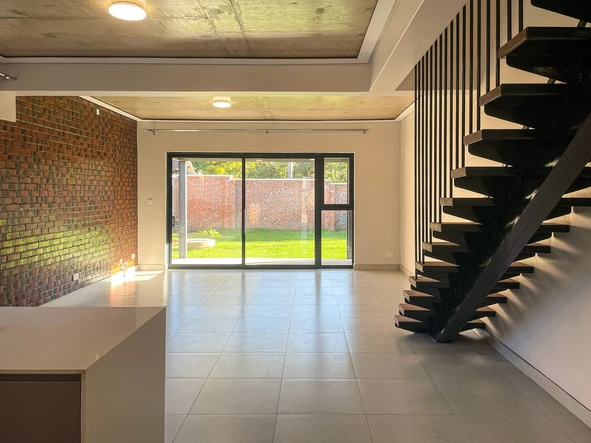
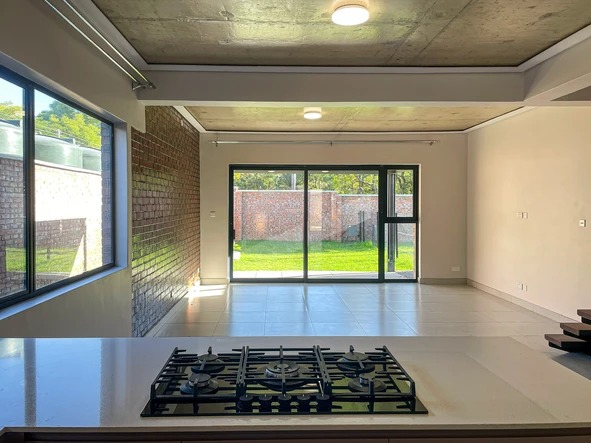
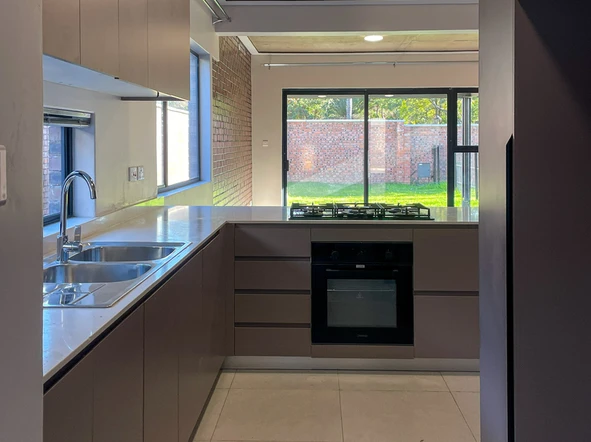
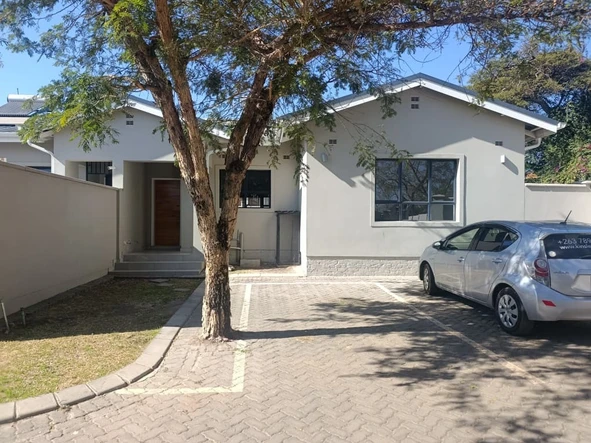
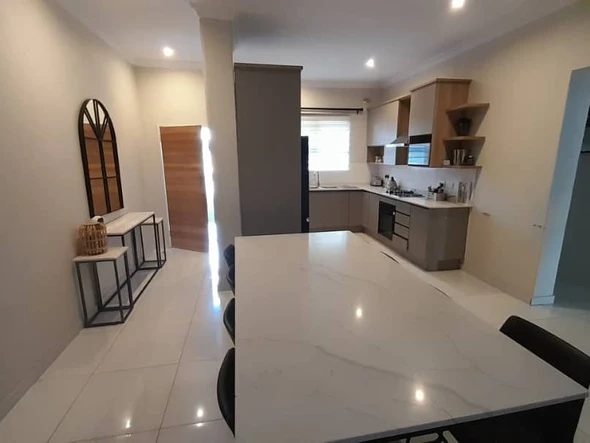
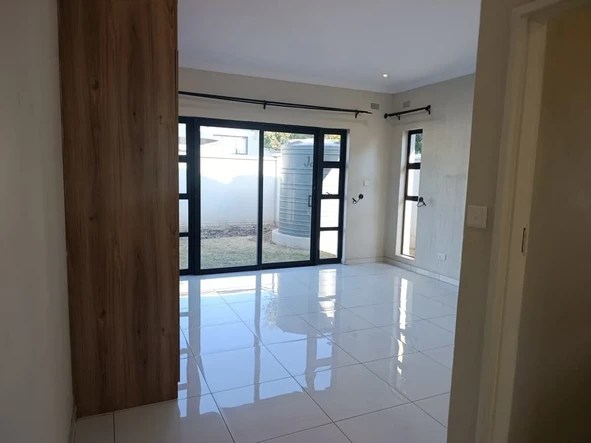
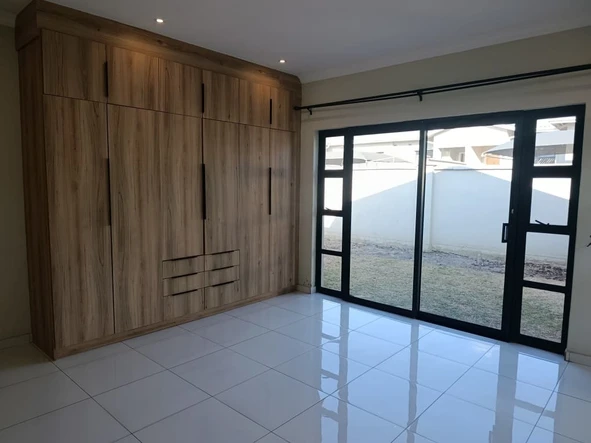
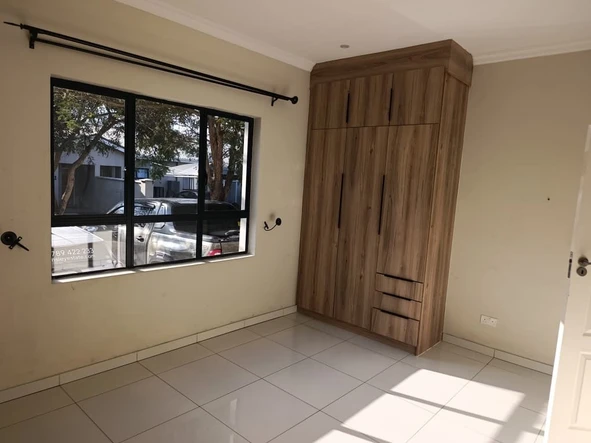
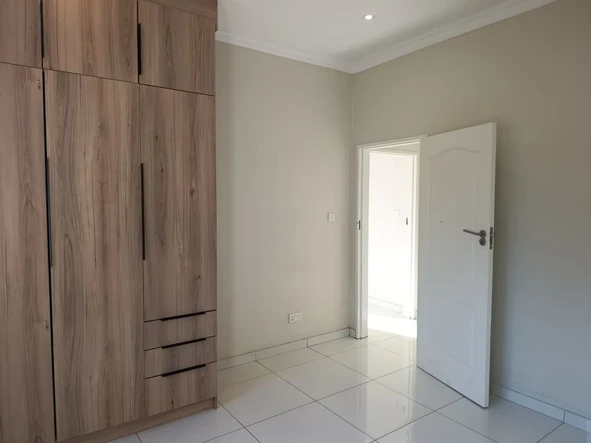
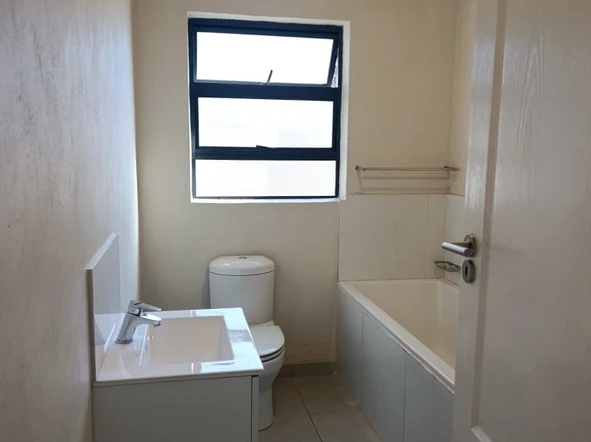
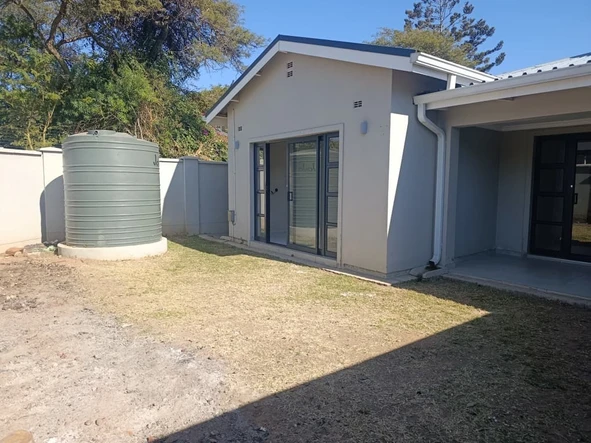
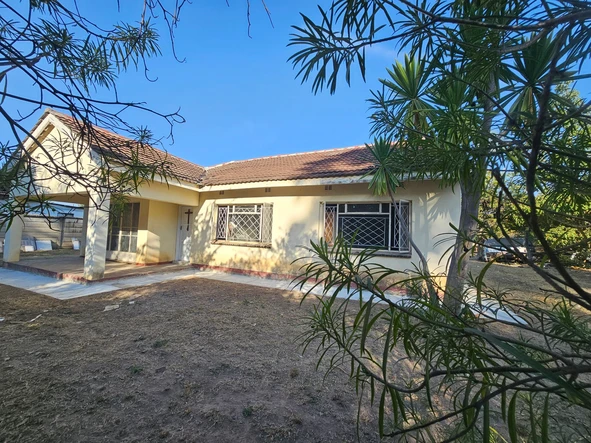
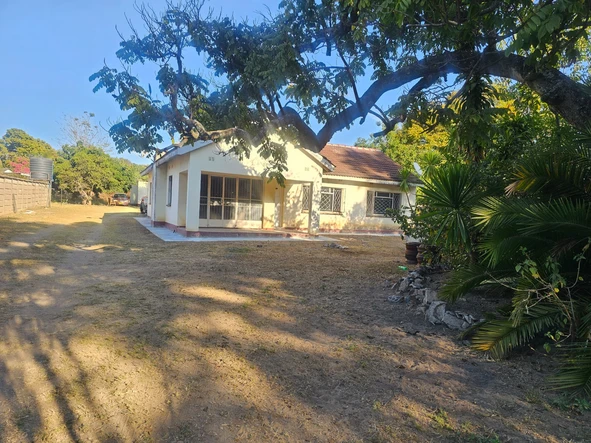
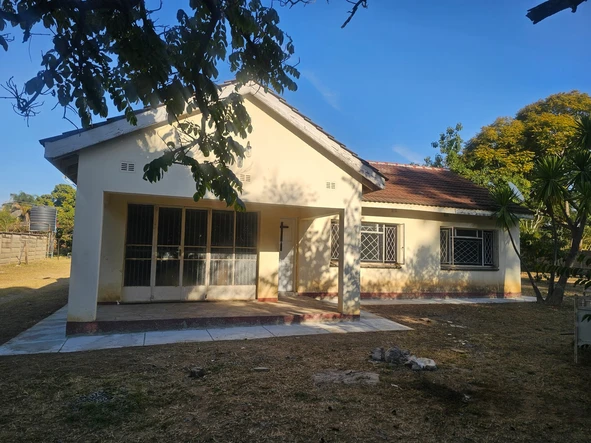
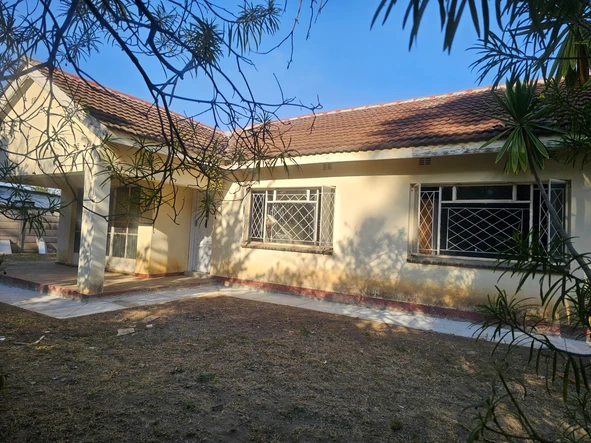
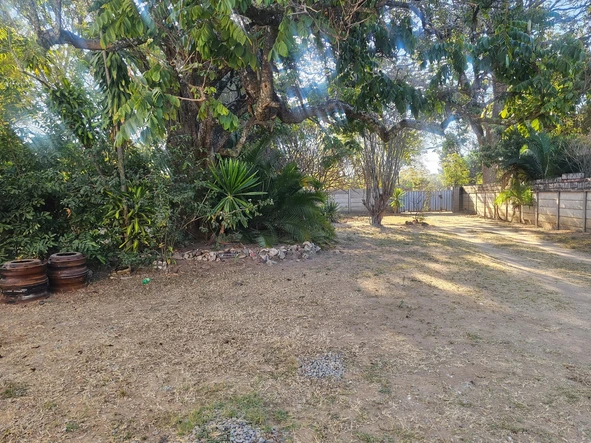
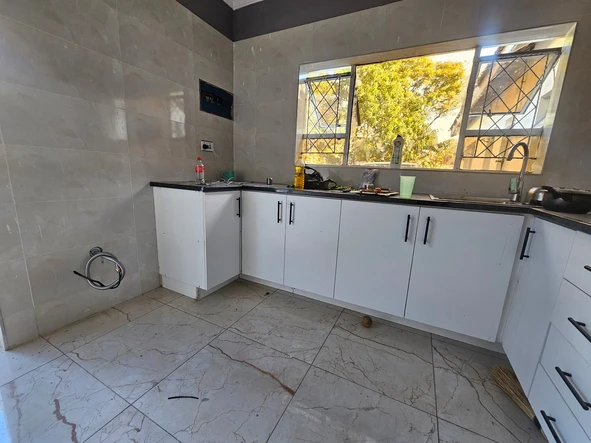
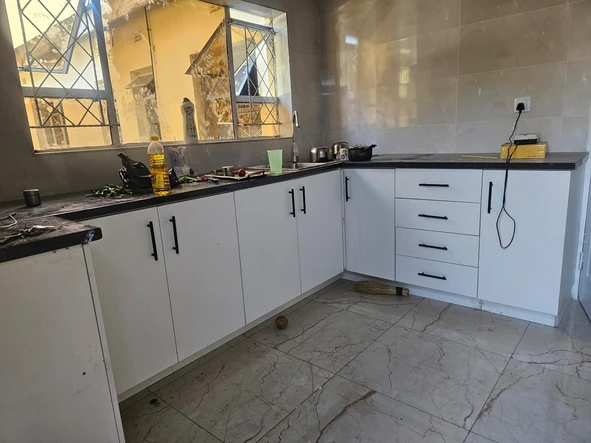
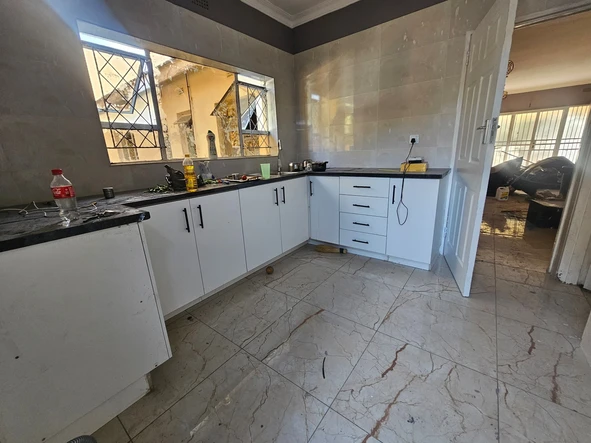
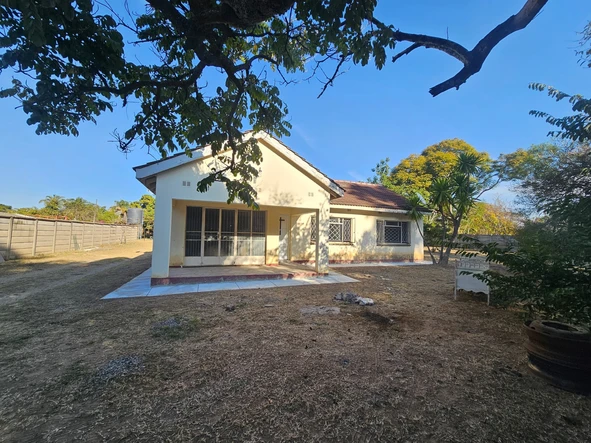
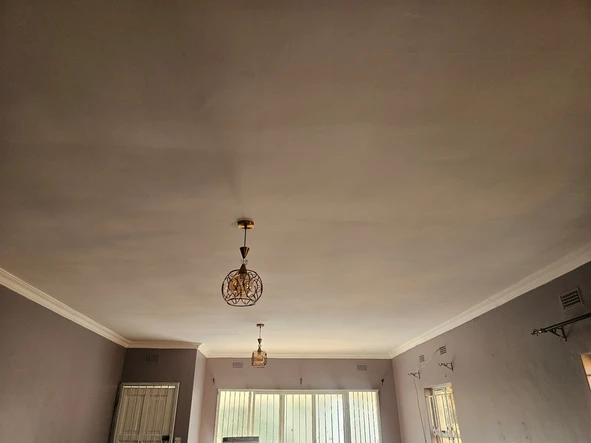
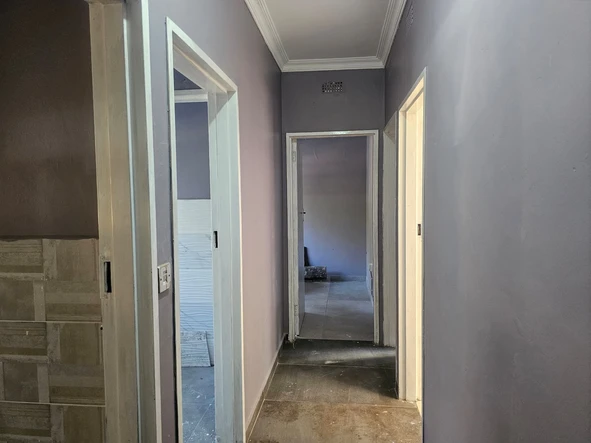
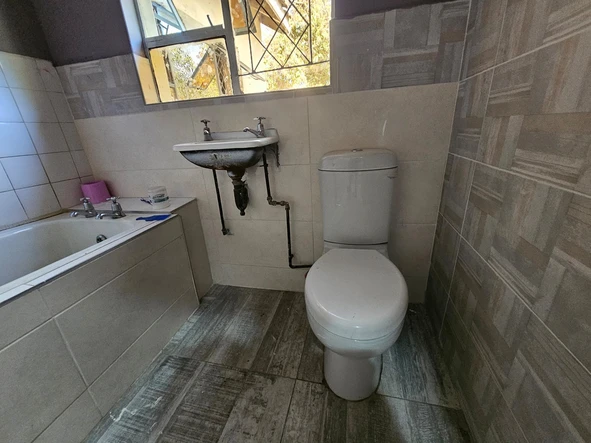
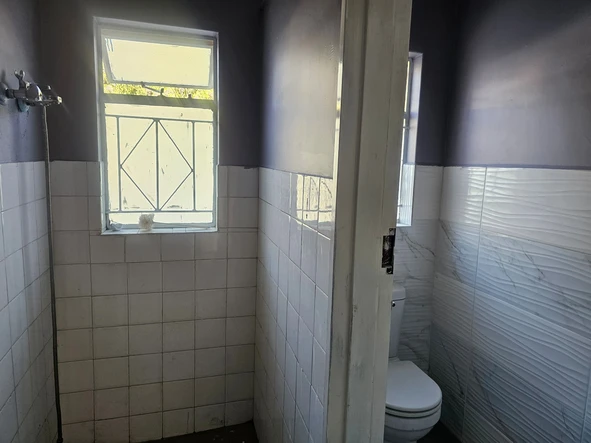
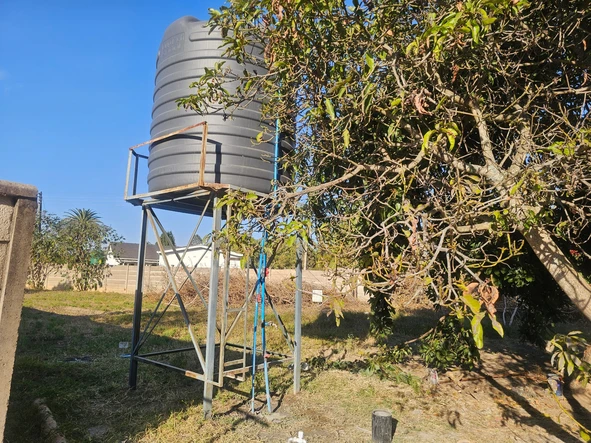
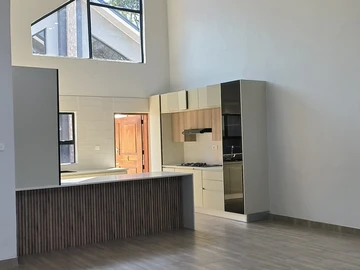
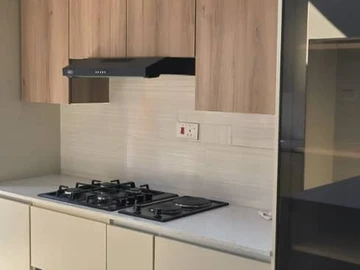
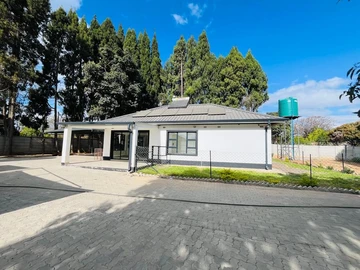
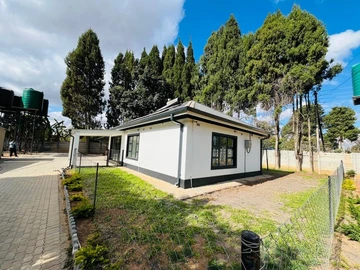
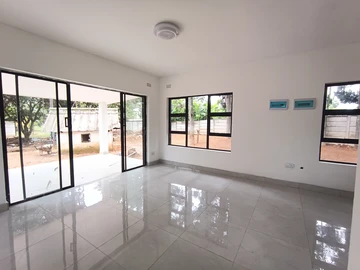
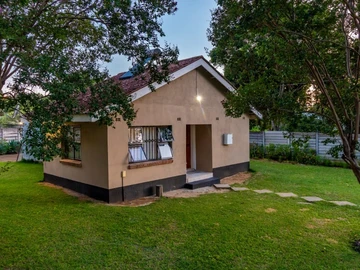
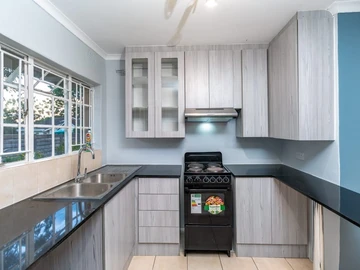
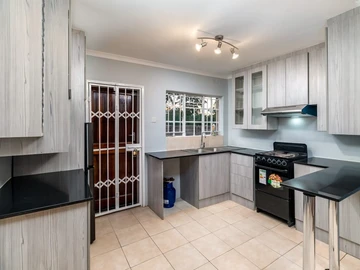
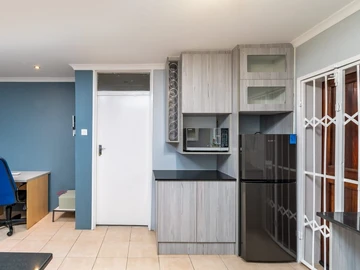
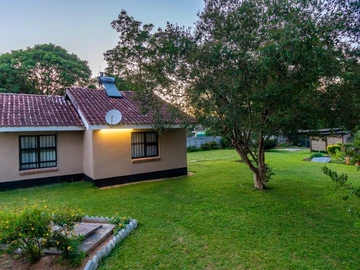
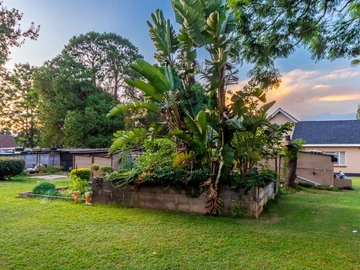
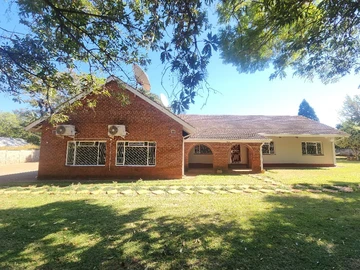
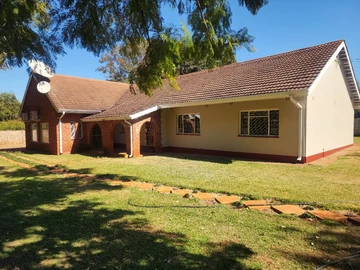
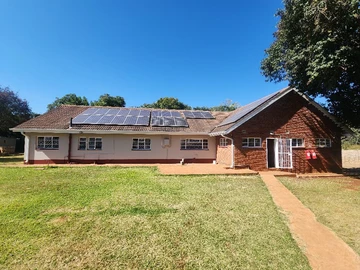
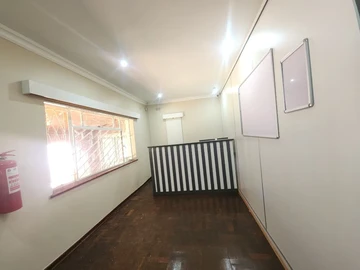
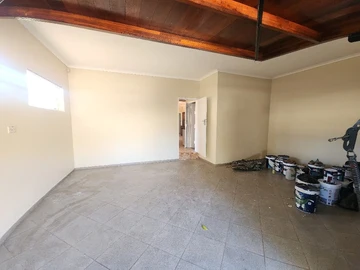
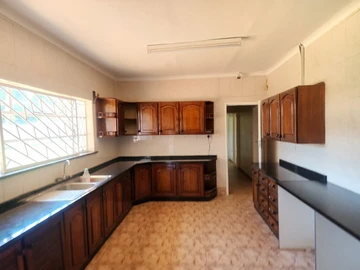
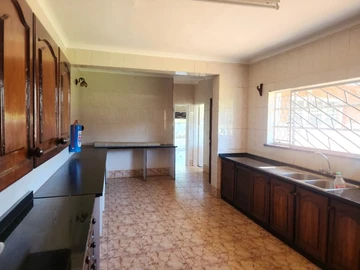
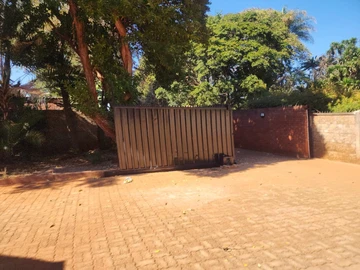
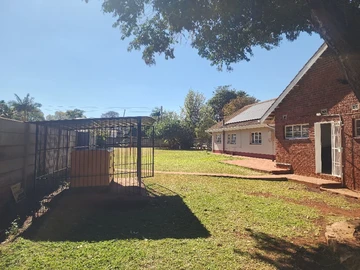
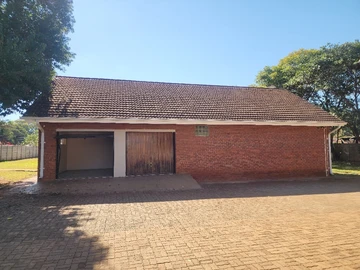
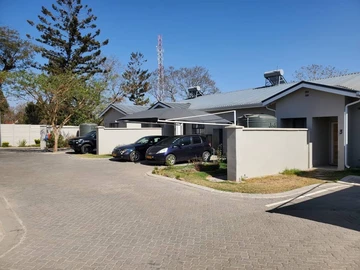
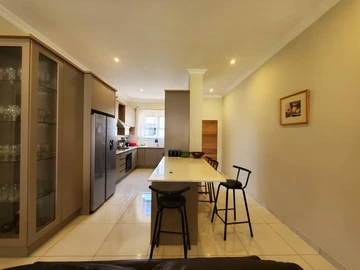
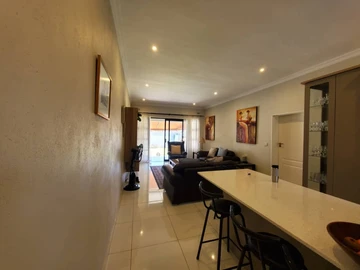
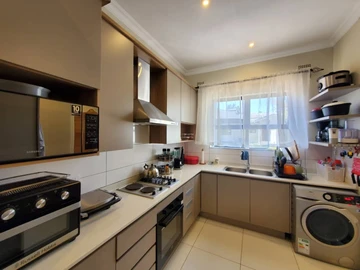
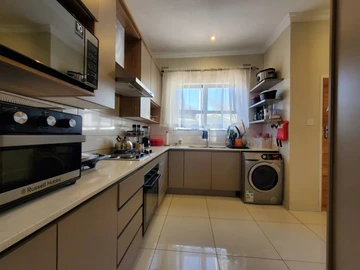
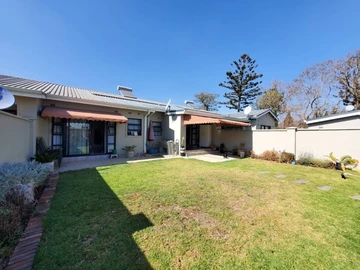
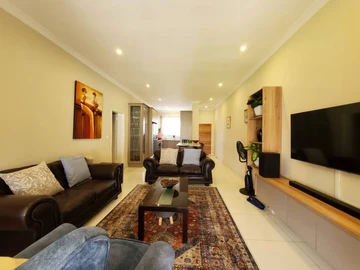
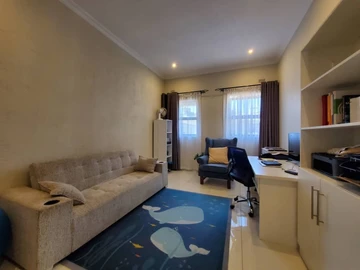
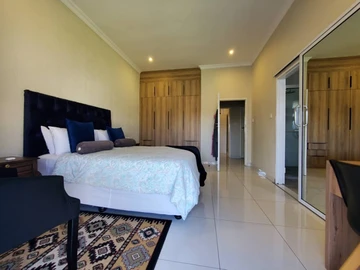
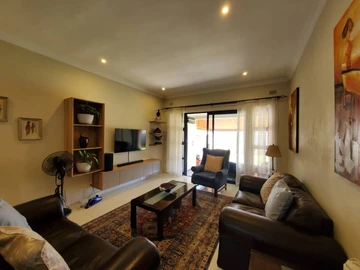
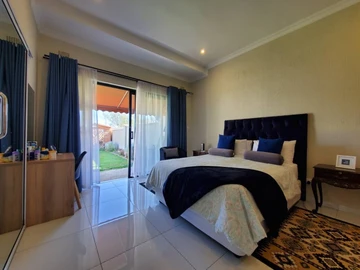
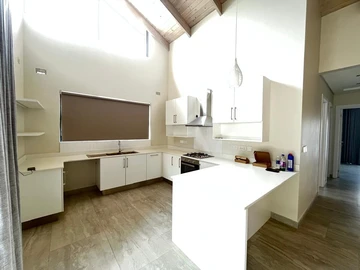
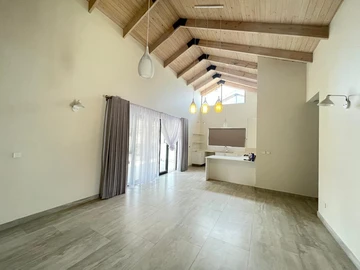
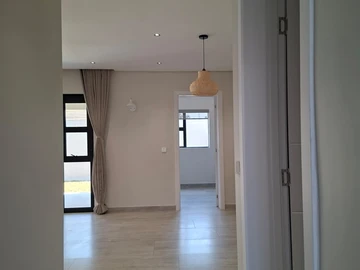
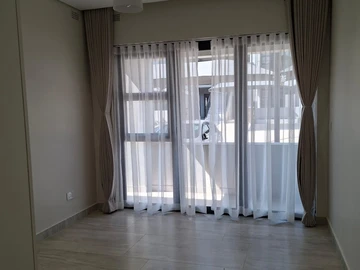
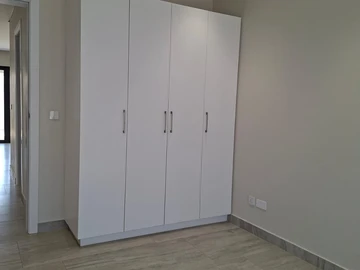
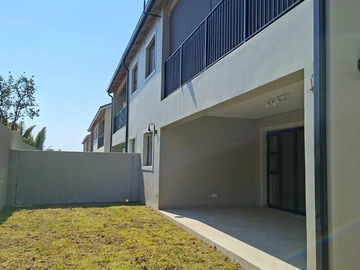
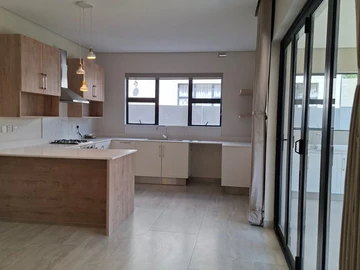
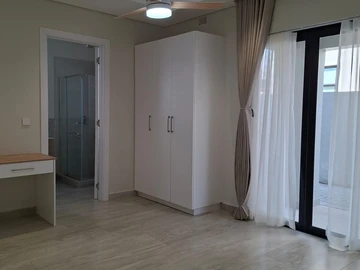
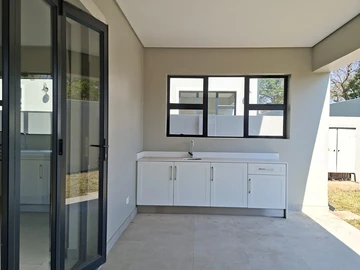
Many rental homes in Greendale feature gardens, verandahs, and tiled floors, creating comfortable living spaces. Common amenities include electric gates, paved driveways, water tanks, fitted kitchens, and boreholes. Properties are often walled for added security, and main en suite bedrooms are a frequent feature, catering well to families and professionals alike.
Greendale is a well-established, leafy suburb known for its quiet, family-friendly atmosphere. Residents enjoy access to Greendale Golf Club and the nearby Mukuvisi Woodlands nature reserve for outdoor activities. The area has good schools like Greendale Primary School and St. John's High School, as well as healthcare at Greendale Medical Centre. Shopping needs are met by Greendale Shopping Centre and Eastgate Mall, while transport links include major roads and public buses, making commuting straightforward. This makes Greendale a popular choice for those seeking a secure and balanced lifestyle in Harare East.
4
4
90 m²
2
1
3
2
500 m²
3
2
1 m²
3
2
3
2
140 m²

Be the first to see new properties for rent in Greendale, Harare East









| Type | Avg. price |
|---|---|
| Overall | $1,410 |
| Houses (View 11 properties) | $1,210 |
| Flats & Apartments (View 11 properties) | $1,450 |
| Commercial Property (View 7 properties) | $1,750 |
Understand Zimbabwe’s 2026 rental tax rules, including the 15% commercial regime, residential tax treatment, monthly deadlines and disclosure window
Planning to drill or buy a property with a borehole in Zimbabwe? Check the authority, permit, siting, records and water quality before you commit.
Protect your rental property in Zimbabwe. Learn the 10 essential tenant screening checks landlords should make before signing a lease agreement.
Upgrade your home with the top bathroom trends of 2026 in Zimbabwe. Explore 8 stylish ideas covering luxury vanity finishes, lighting, and eco features.
Buying property in Zimbabwe? Discover hidden costs like stamp duty, conveyancing fees, and taxes that can add 8%–12% or more to your purchase price.




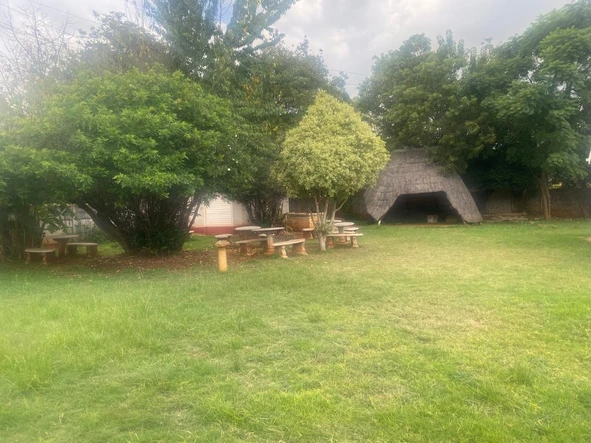
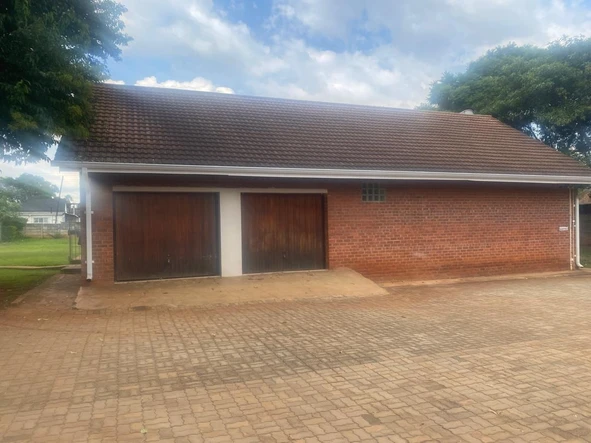
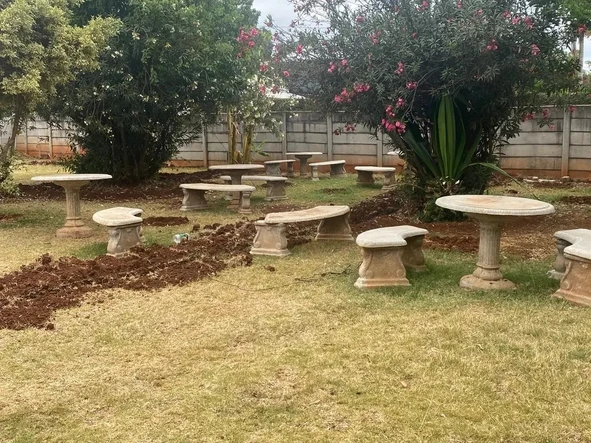
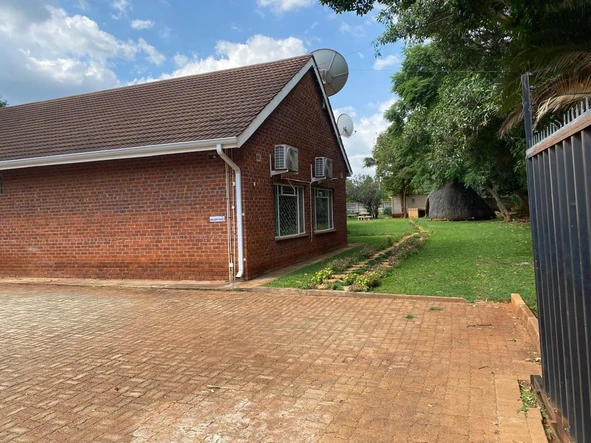
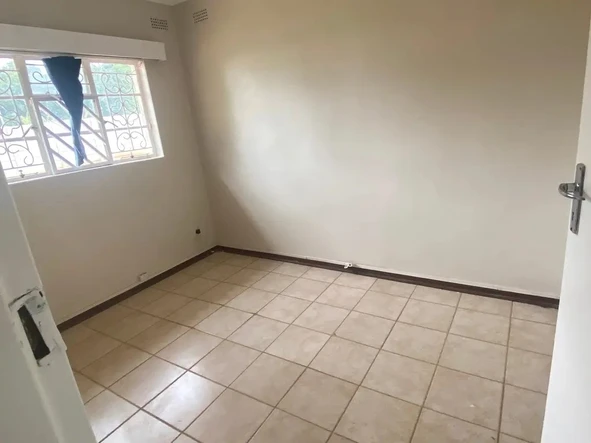
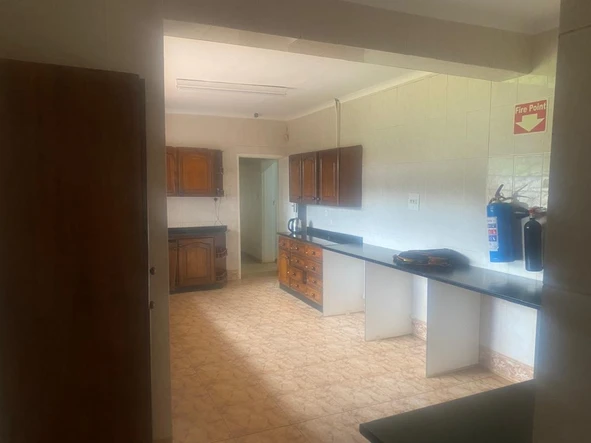
 2,000 m²