Log in to contact the seller
 Continue with Facebook
 Continue with Email
Continue with Facebook
Continue with Email
Sign up with Facebook
Continue with Email
Continue with Facebook
Continue with Email
Sign up with Facebook
 Change filters
 Requests


 594 m²


 2,000 m²
3,504 m²
16,000 m²
5,392 m²
2,000 m²
3,504 m²
16,000 m²
5,392 m²
 3,875 m²
4,600 m²
4,400 m²
6,998 m²
3,875 m²
4,600 m²
4,400 m²
6,998 m²
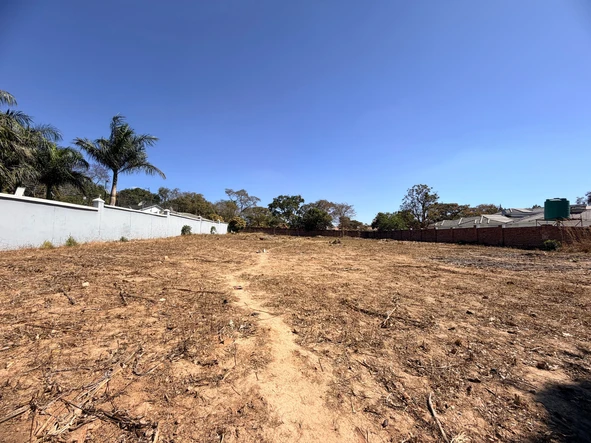
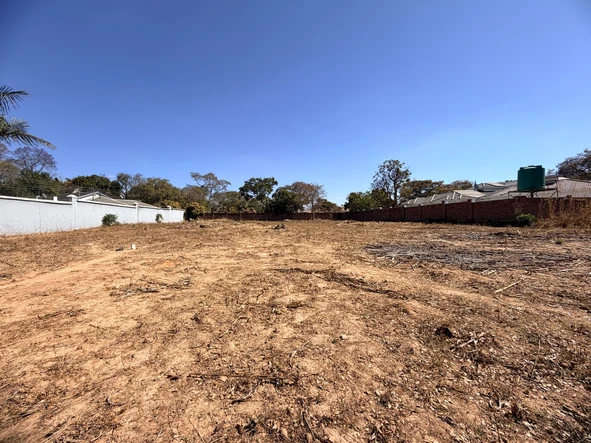
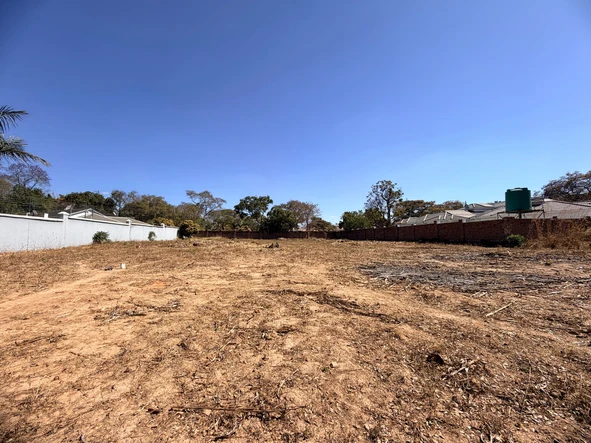
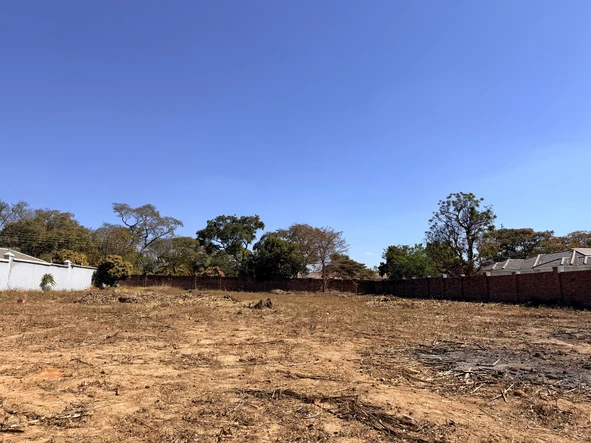
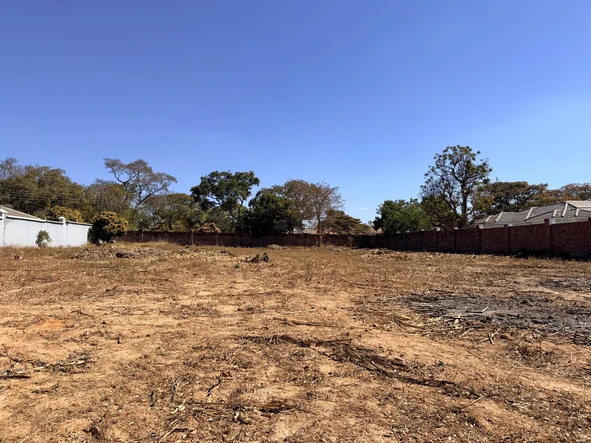
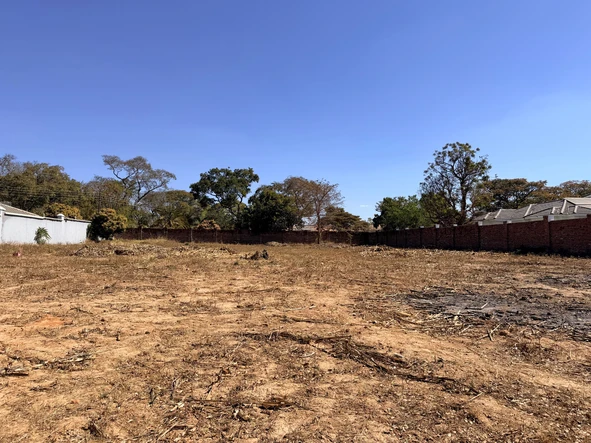
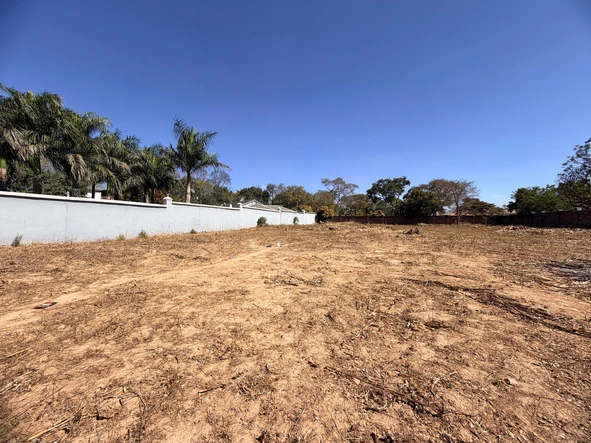
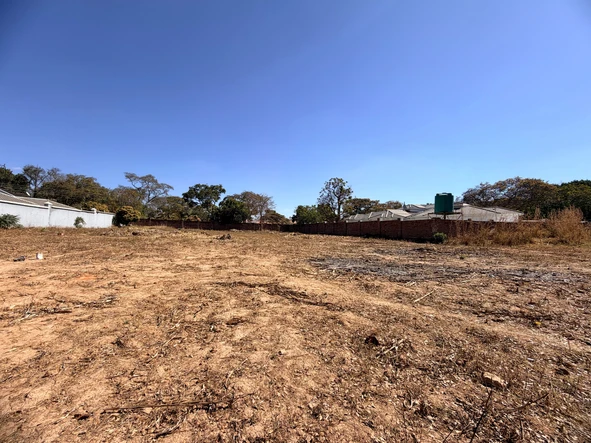
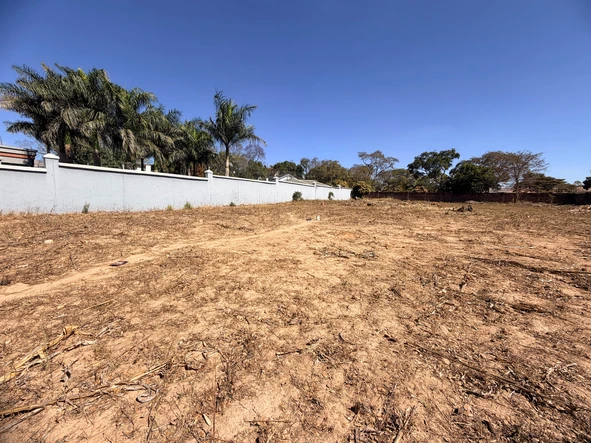
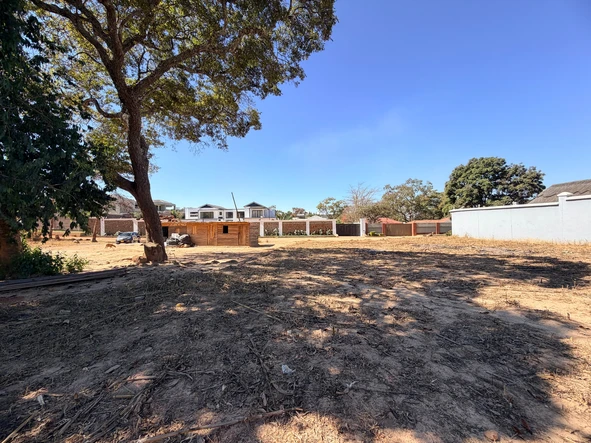
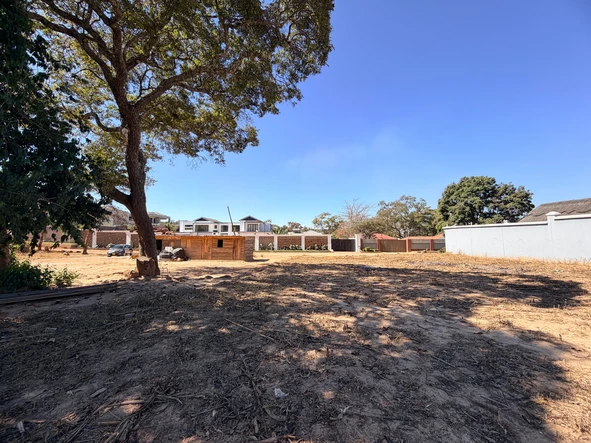
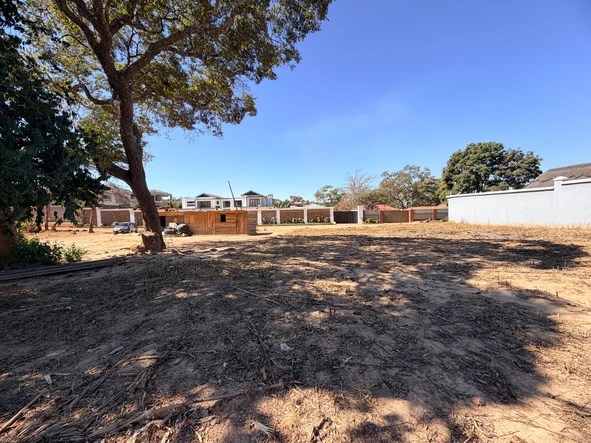
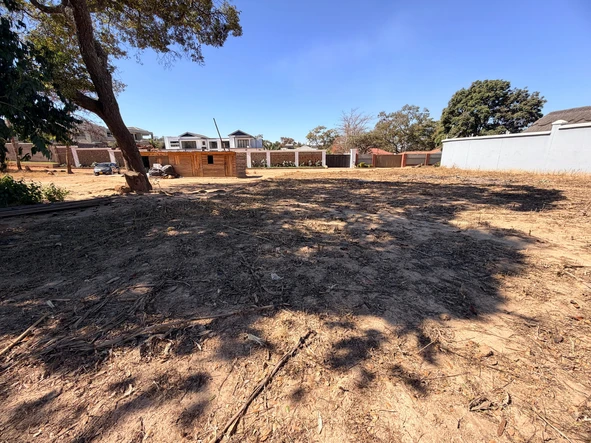
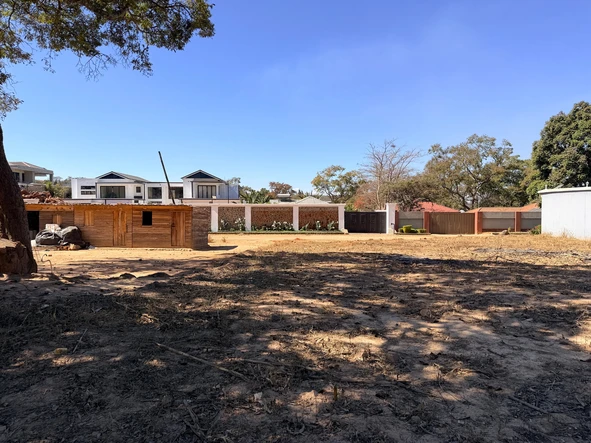
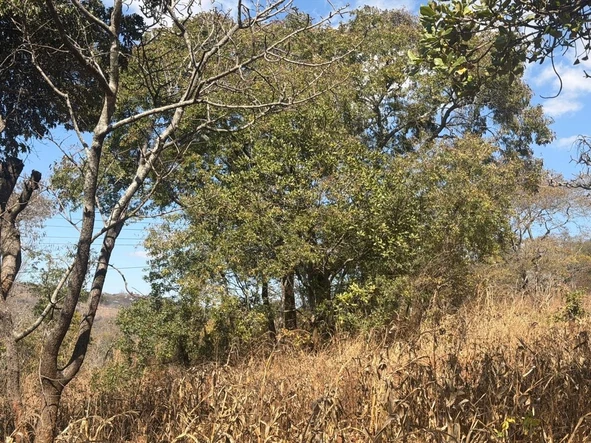
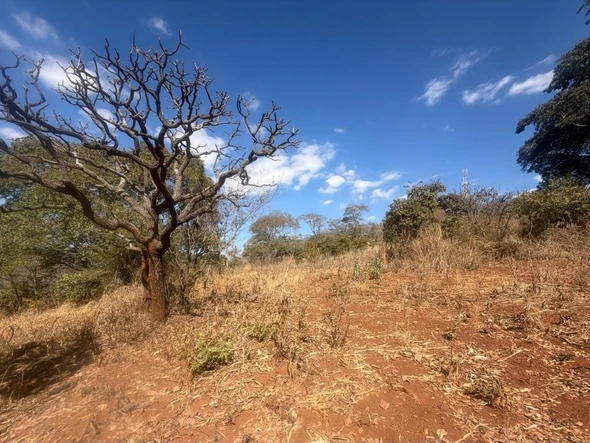
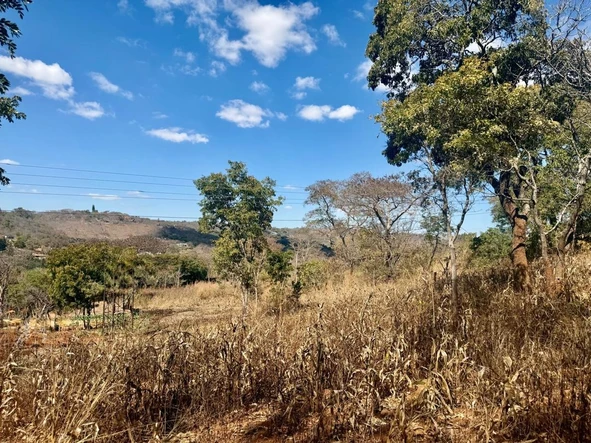
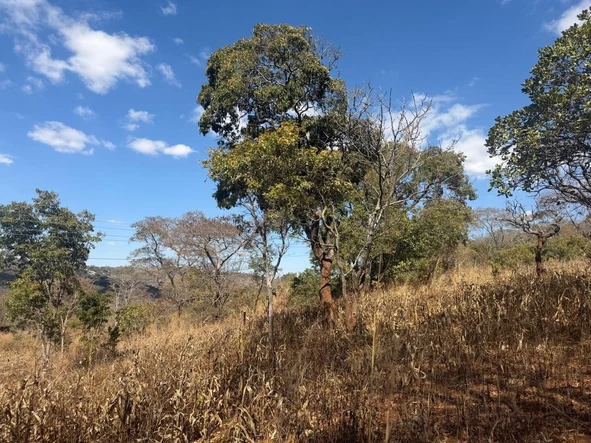
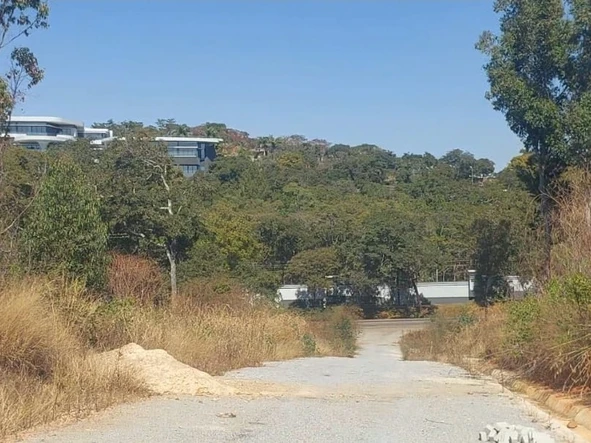
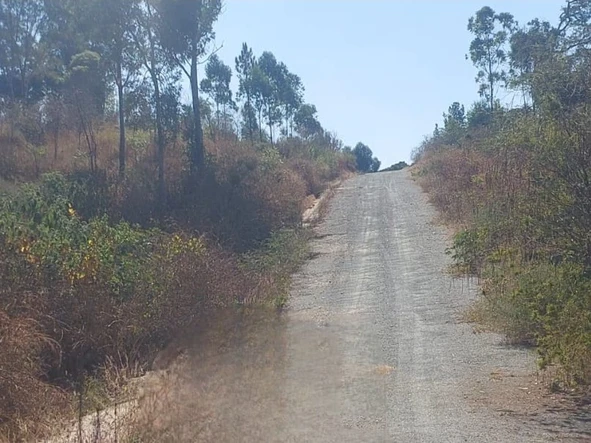
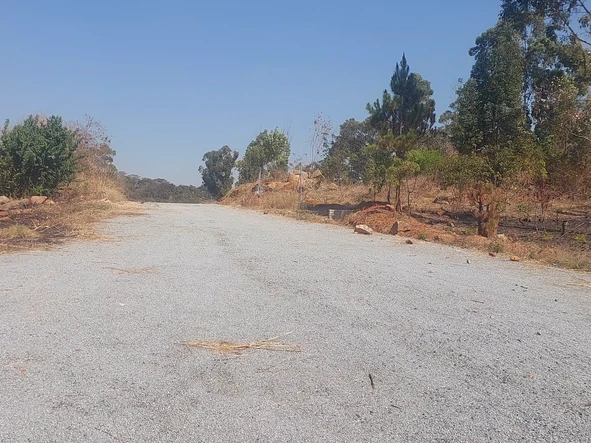
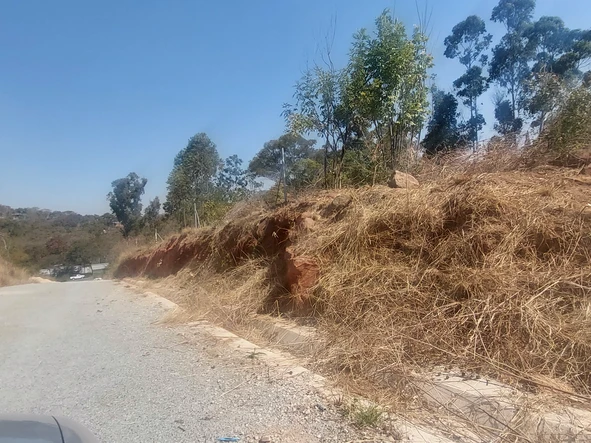
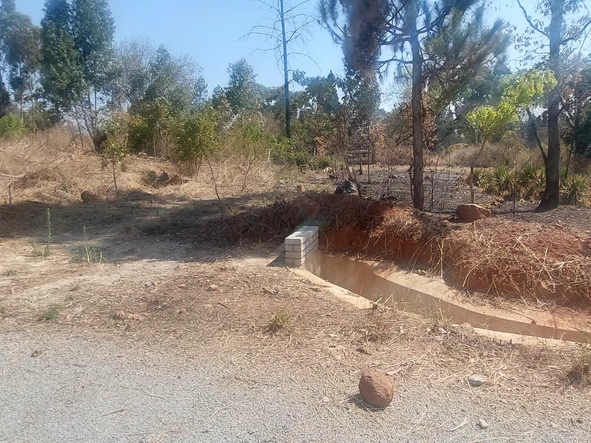
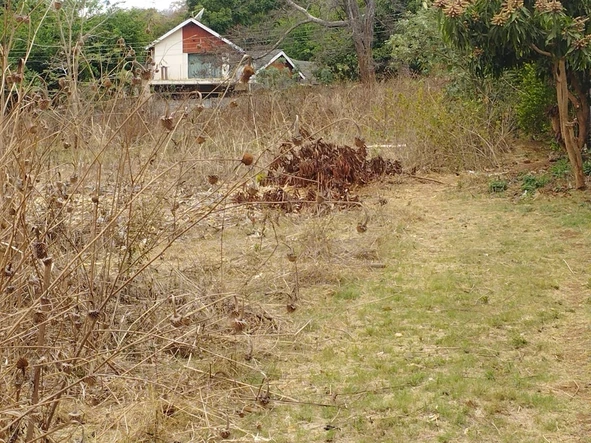
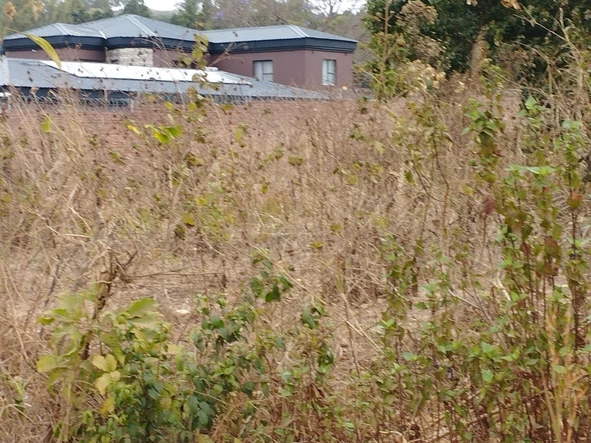
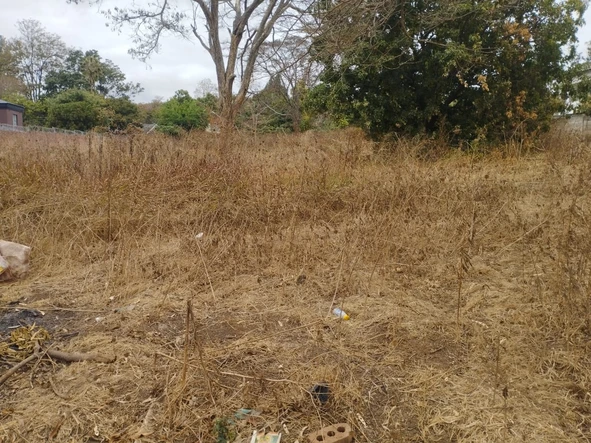
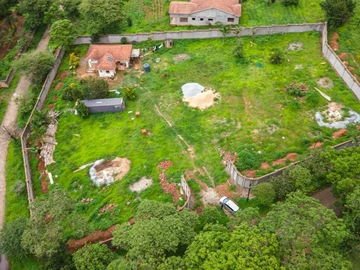
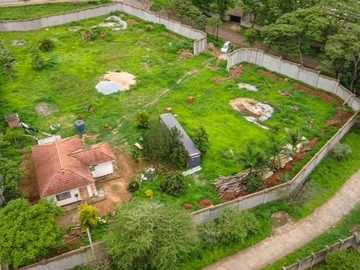
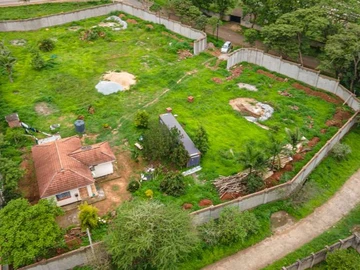
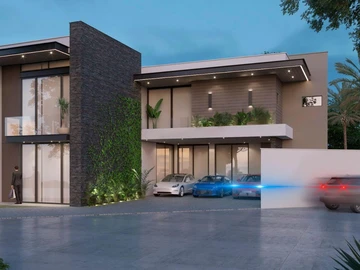
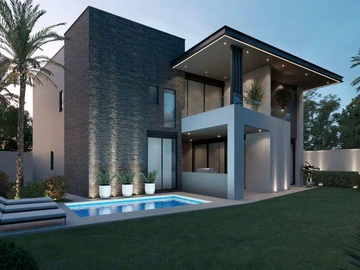
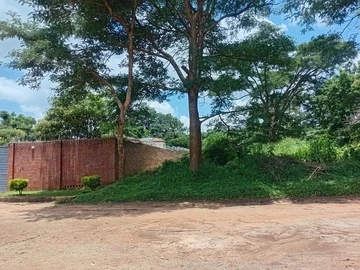
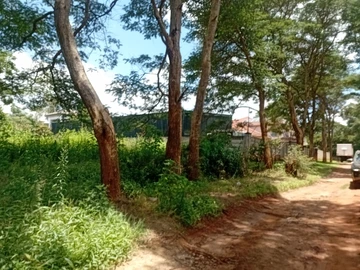
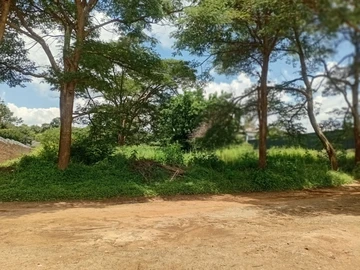
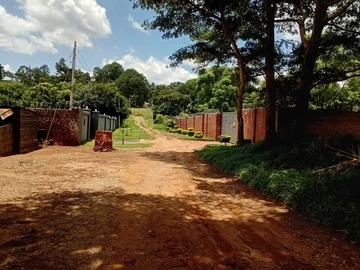
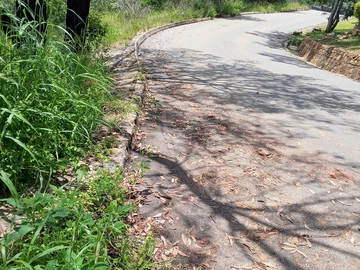
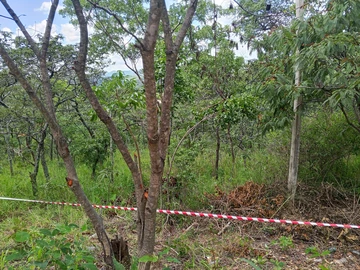
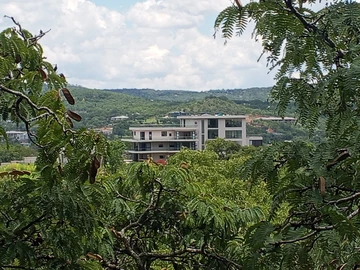
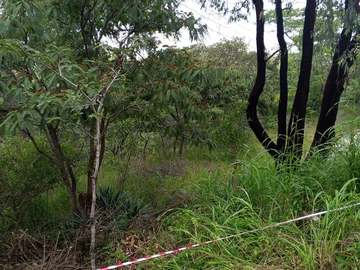
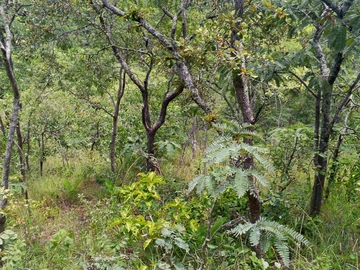
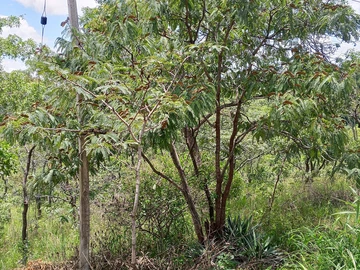
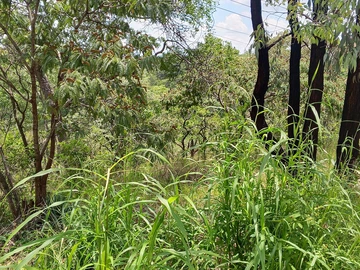
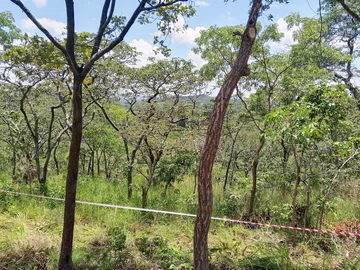
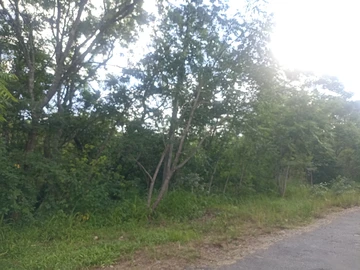
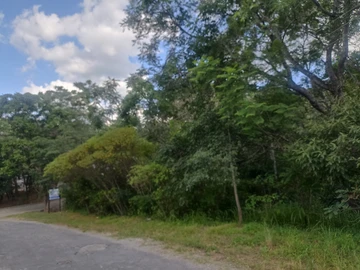
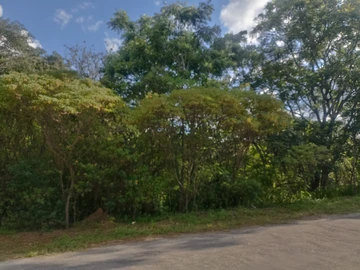
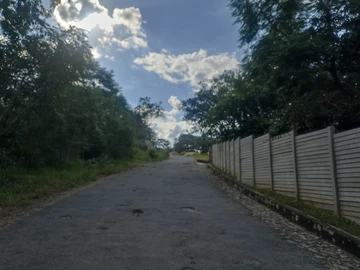
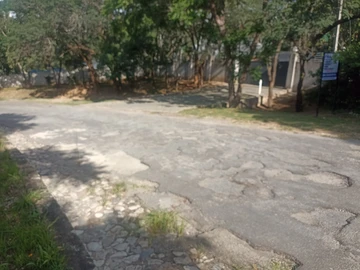
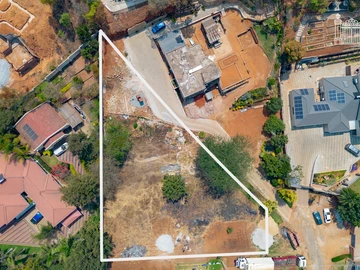
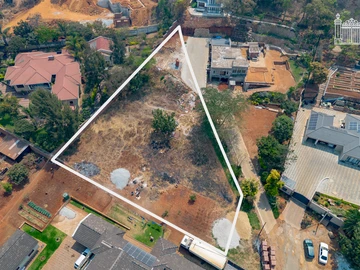
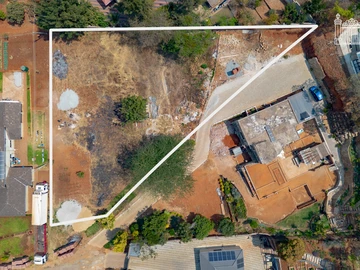
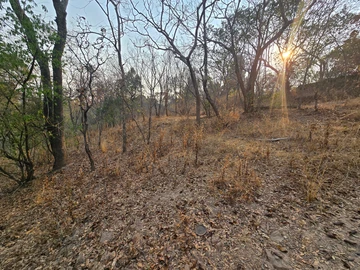
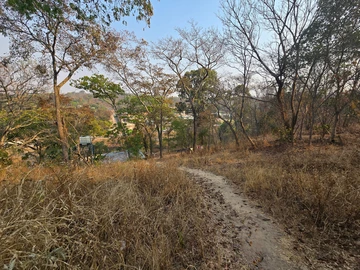
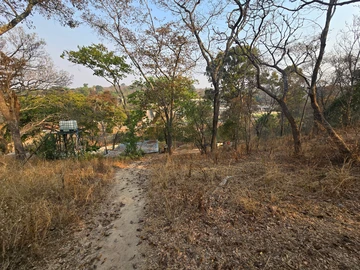
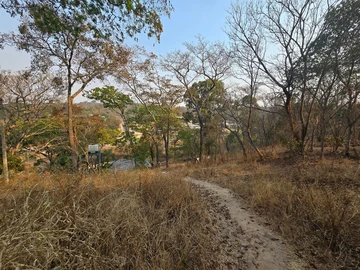
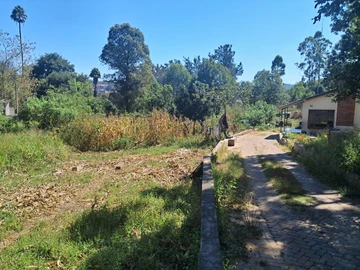
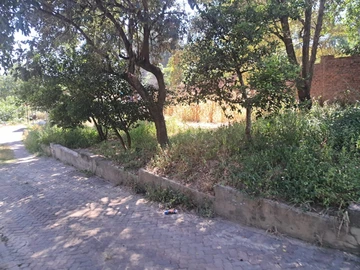
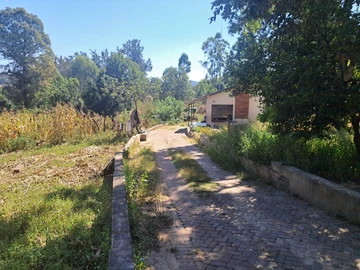
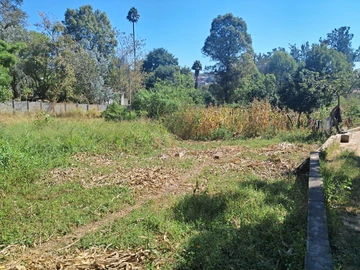
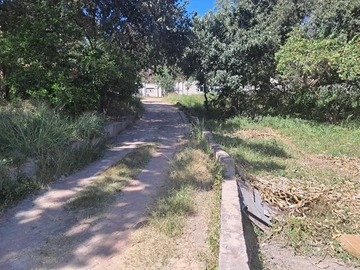
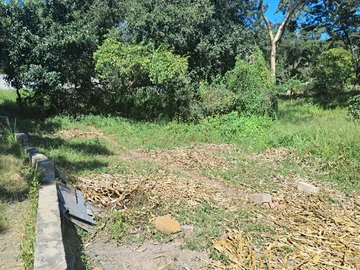
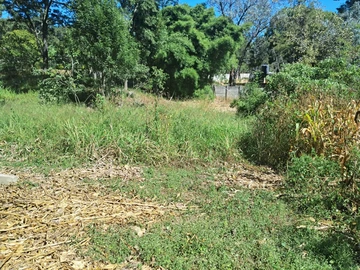
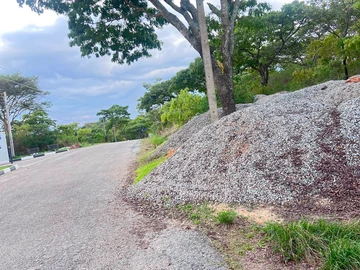
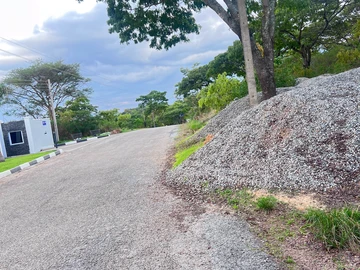
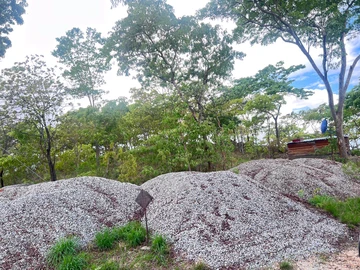
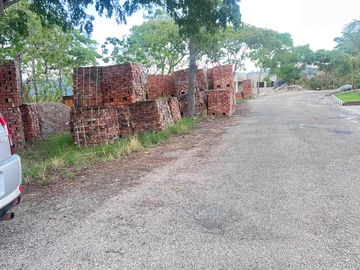
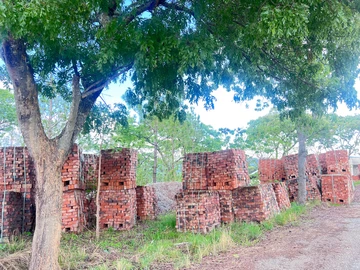
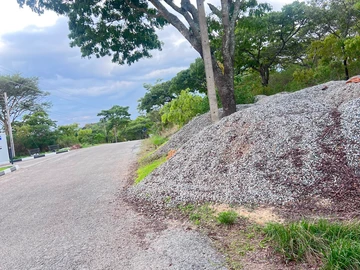
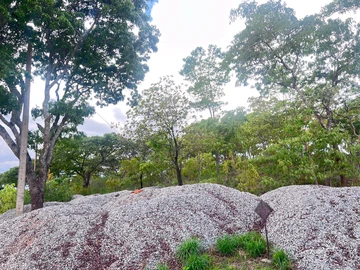
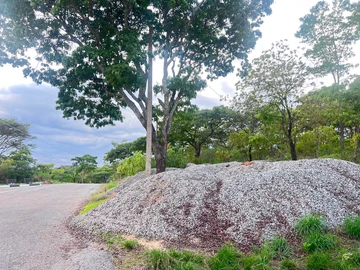
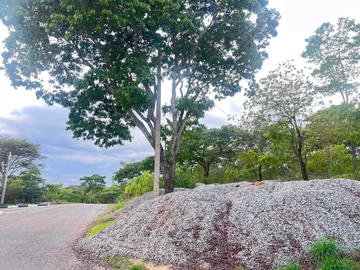
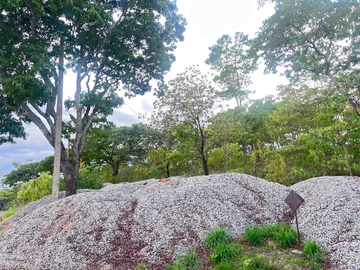
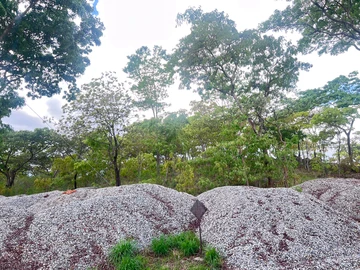
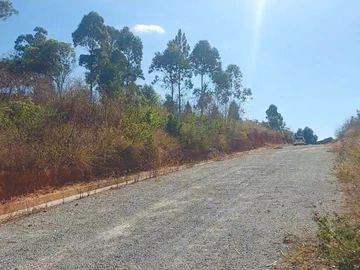
Stands and residential land for sale in Glen Lorne, Harare North, are positioned in a high-end market with an average price of $222,500. The land sizes vary widely, with the smallest plots around 1,882 ㎡ and the largest reaching up to 24,000 ㎡. The median land area is about 3,200 ㎡, offering spacious options for buyers interested in upscale residential development.
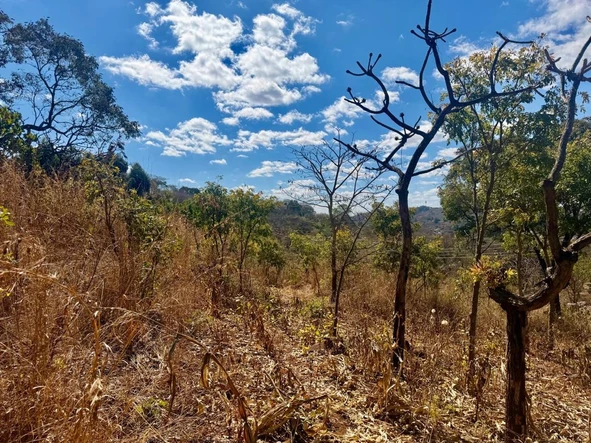
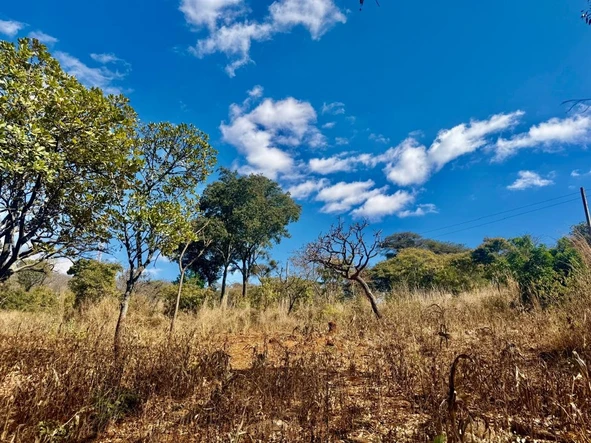
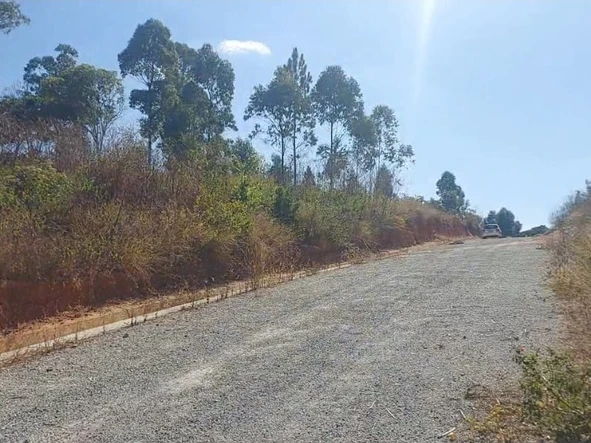
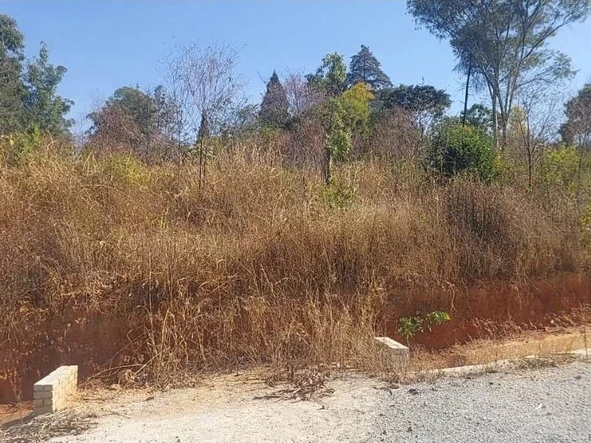
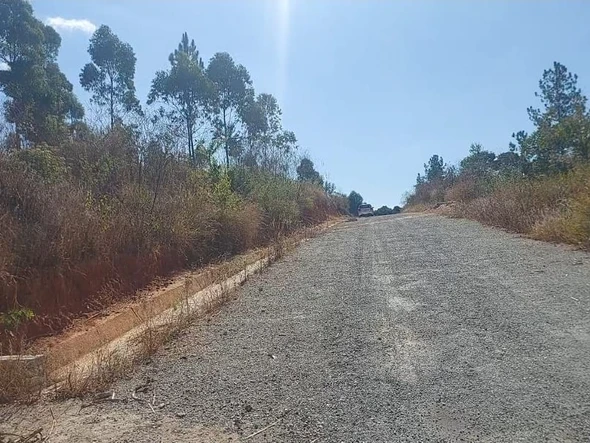
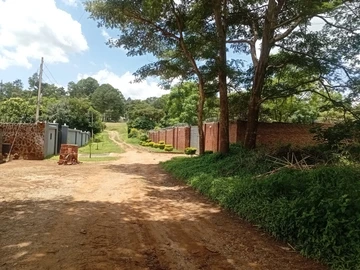
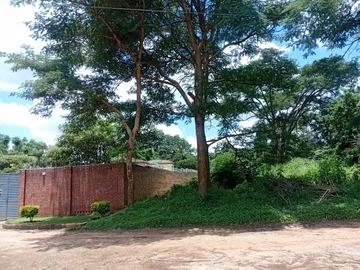
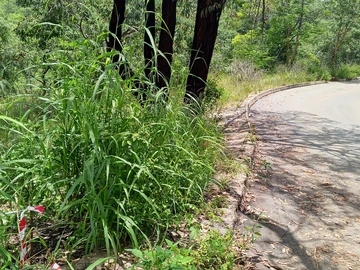
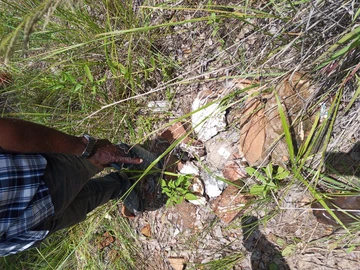
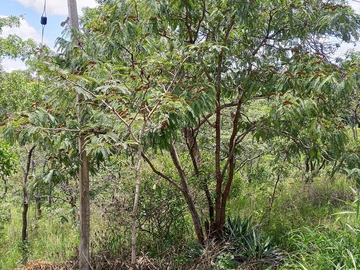
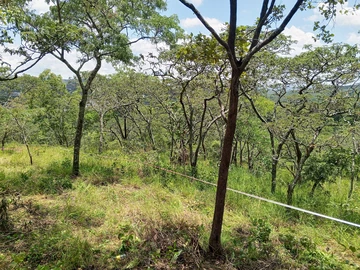
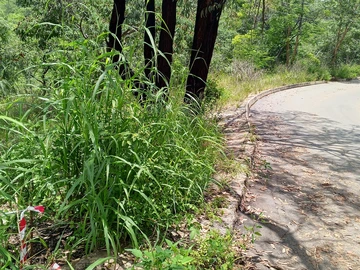
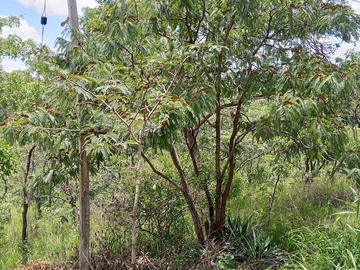
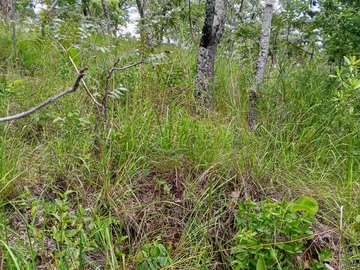
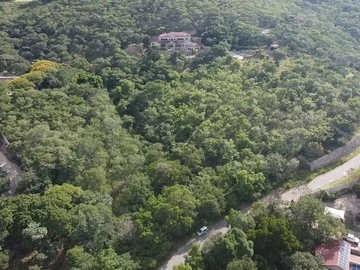
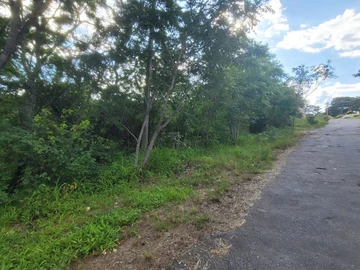
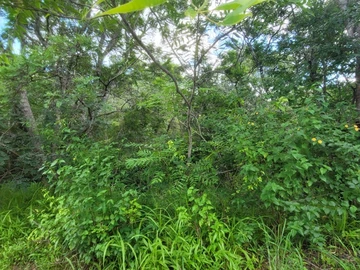
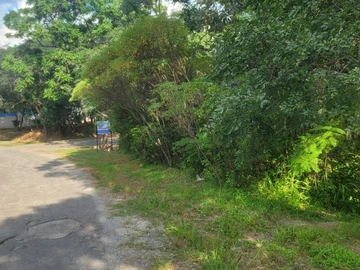
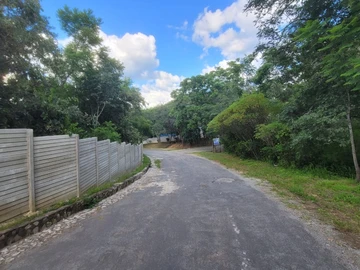
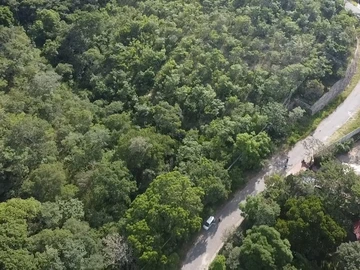
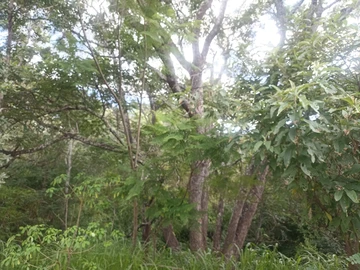
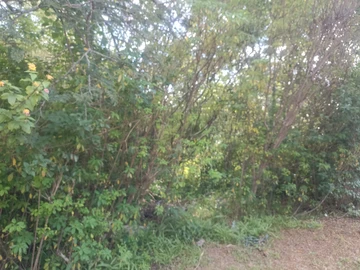
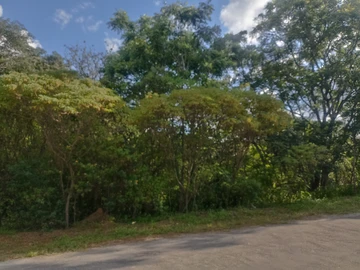
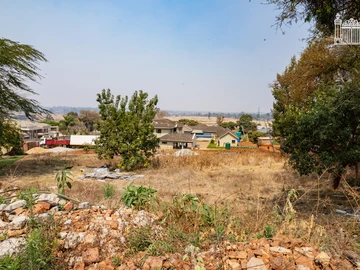
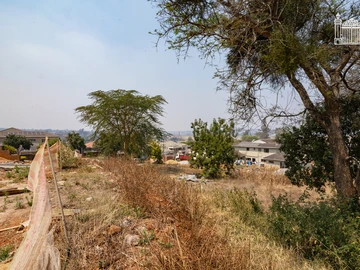
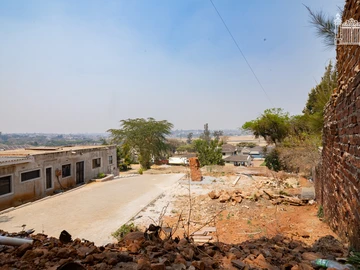
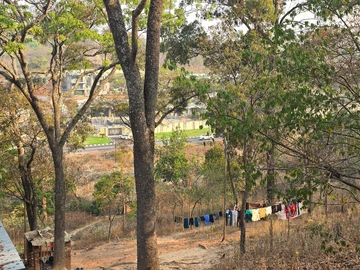
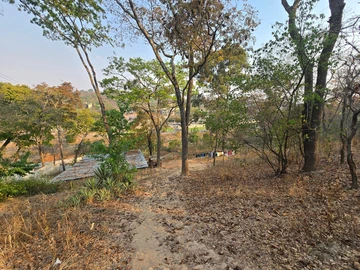
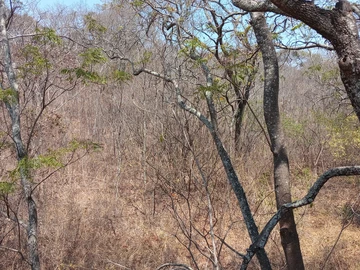
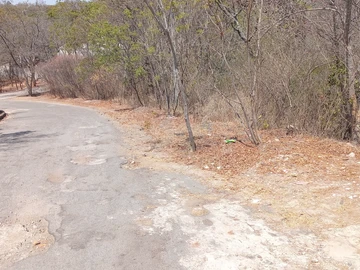
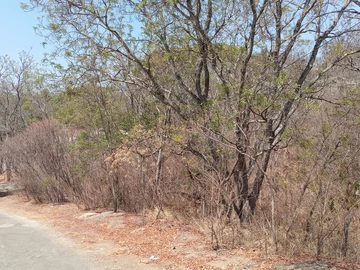
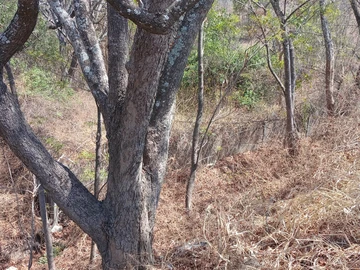
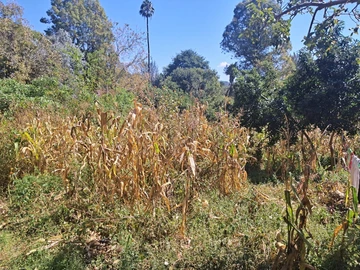
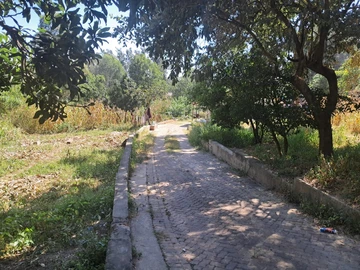
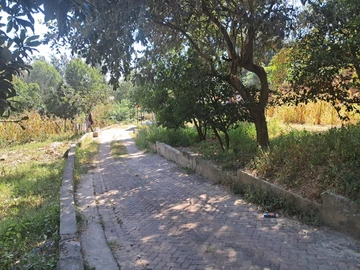
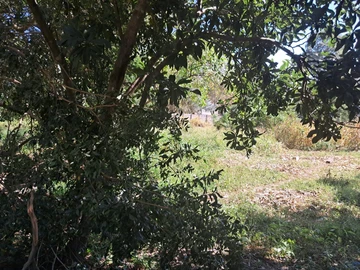
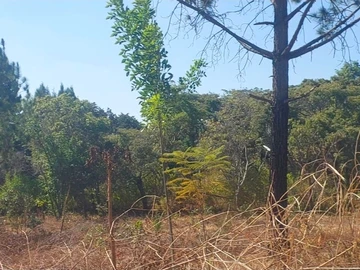
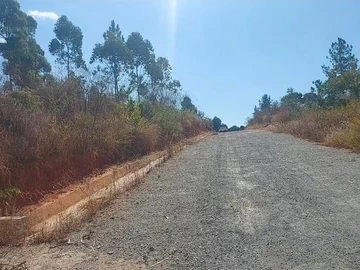
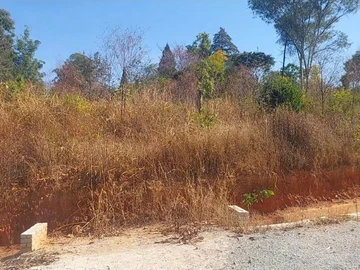
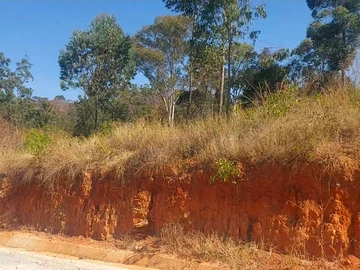
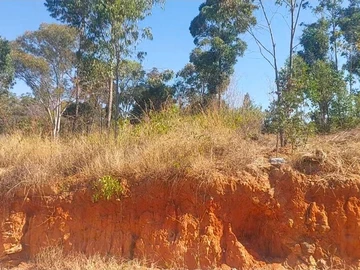
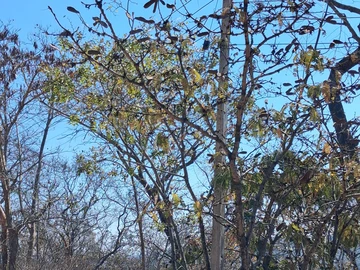
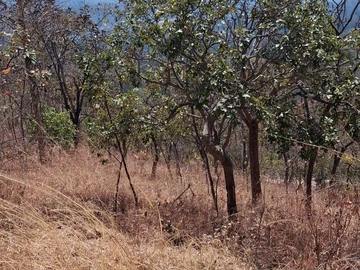
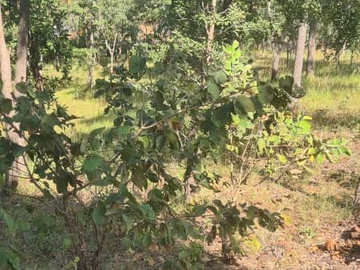
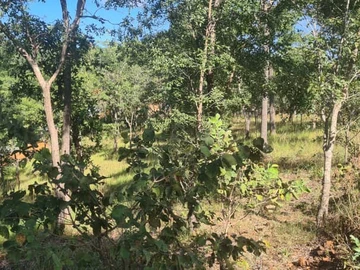
These properties typically consist of large, well-maintained stands suited for building custom homes in a quiet and secure environment. The area is known for its leafy, tranquil setting, making it popular among families and professionals seeking privacy and space. The land is mostly undeveloped, providing a blank canvas for creating personalized residential estates.
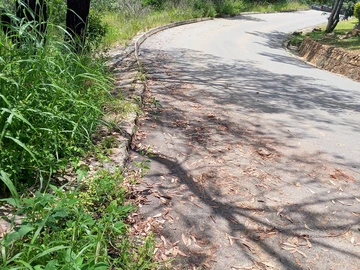
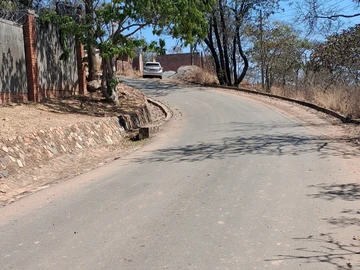
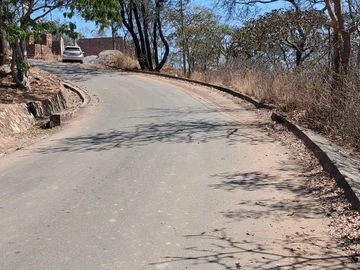
Glen Lorne is an affluent suburb offering easy access to amenities such as the Harare Golf Club and Borrowdale Racecourse for leisure activities. Quality education is available nearby at schools like St. John’s College and Chisipite Senior School. Shopping needs are well served by Sam Levy’s Village and Borrowdale Centre, while dining options include popular restaurants such as Amanzi Restaurant and The Boma. Good road connections and available public transport make commuting to Harare’s city center convenient, combining peaceful suburban living with urban accessibility.
5,118 m²
2,021 m²
9,700 m²
2,500 m²
5,527 m²
10,000 m²

Be the first to see new properties for sale in Glen Lorne, Harare North









| Type | Avg. price |
|---|---|
| Average price | $222,500 |
Understand Zimbabwe’s 2026 rental tax rules, including the 15% commercial regime, residential tax treatment, monthly deadlines and disclosure window
Protect your rental property in Zimbabwe. Learn the 10 essential tenant screening checks landlords should make before signing a lease agreement.
Upgrade your home with the top bathroom trends of 2026 in Zimbabwe. Explore 8 stylish ideas covering luxury vanity finishes, lighting, and eco features.
Buying property in Zimbabwe? Discover hidden costs like stamp duty, conveyancing fees, and taxes that can add 8%–12% or more to your purchase price.
Tenants not paying rent in Zimbabwe? Learn your legal rights as a landlord, the step by step eviction process, and illegal self-help actions to avoid.