Log in to contact the seller
 Continue with Facebook
 Continue with Email
Continue with Facebook
Continue with Email
Sign up with Facebook
Continue with Email
Continue with Facebook
Continue with Email
Sign up with Facebook
 Change filters
 Requests

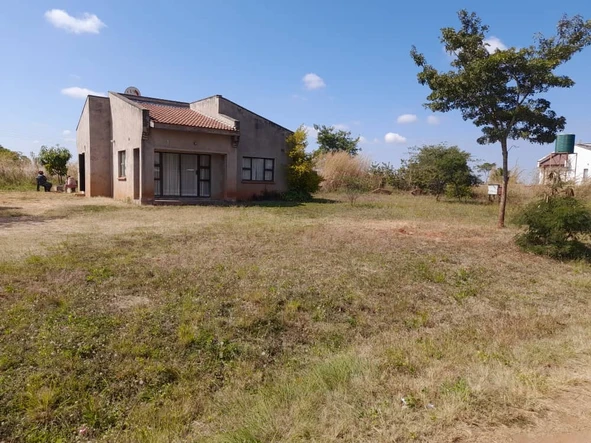

 4,348 m²


 800 m²
1,000 m²
2,400 m²
2,000 m²
800 m²
1,000 m²
2,400 m²
2,000 m²
 2,200 m²
5,000 m²
2,000 m²
2,200 m²
5,000 m²
2,000 m²
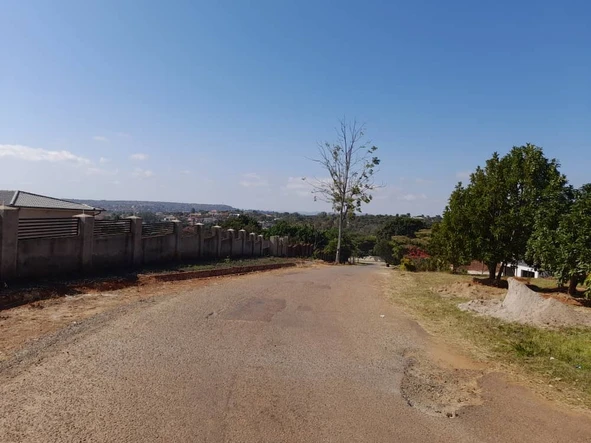
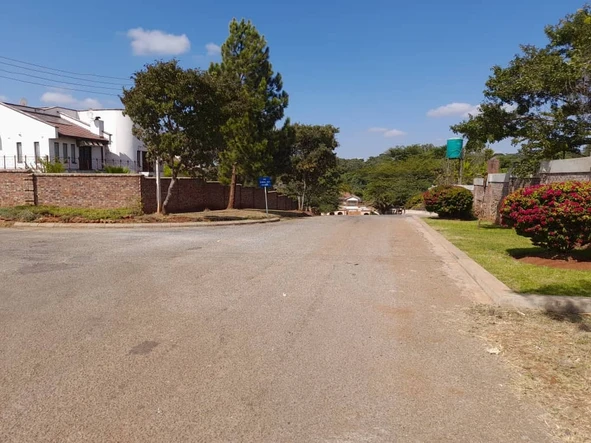
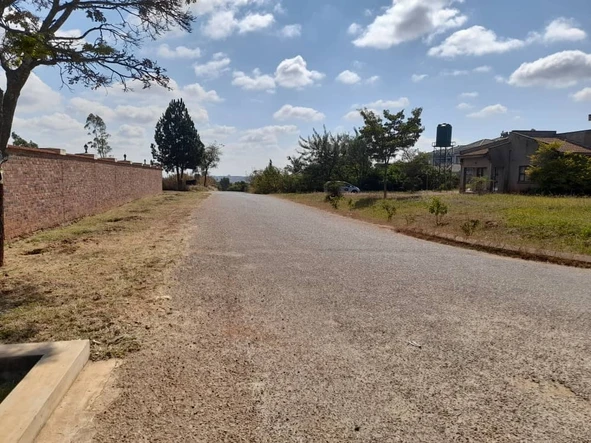
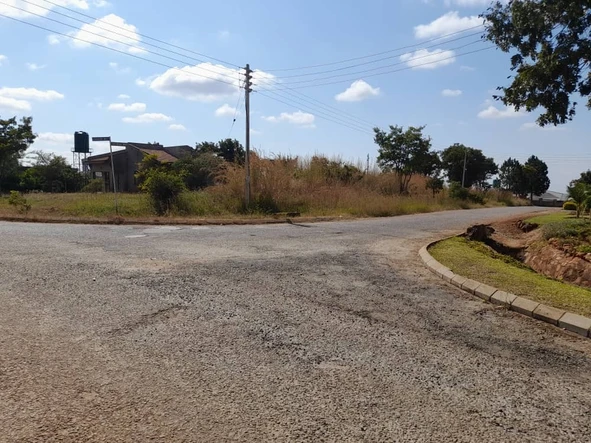
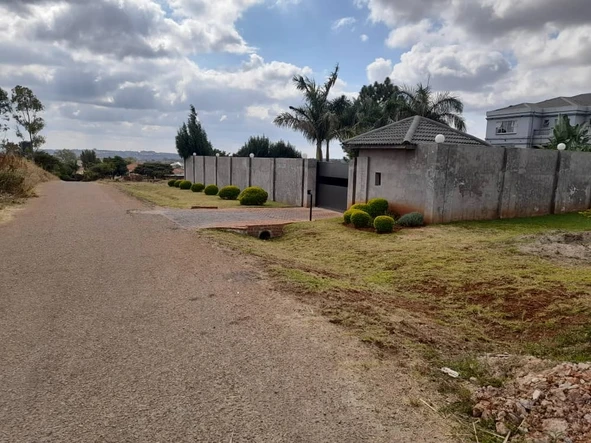
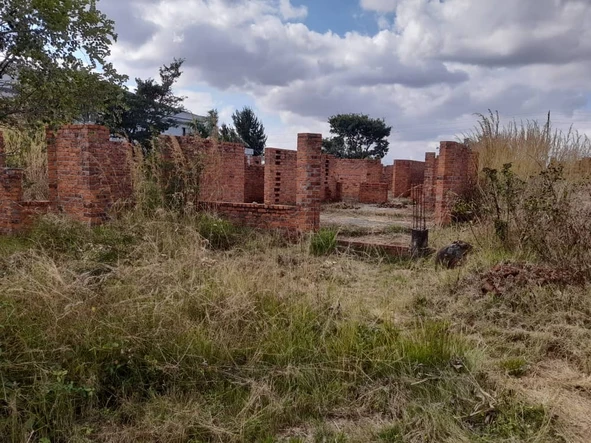
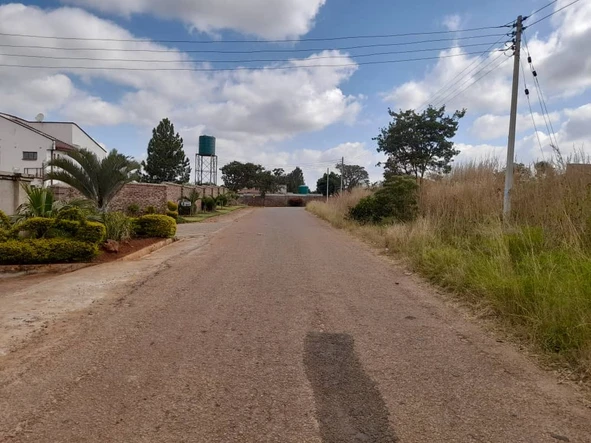
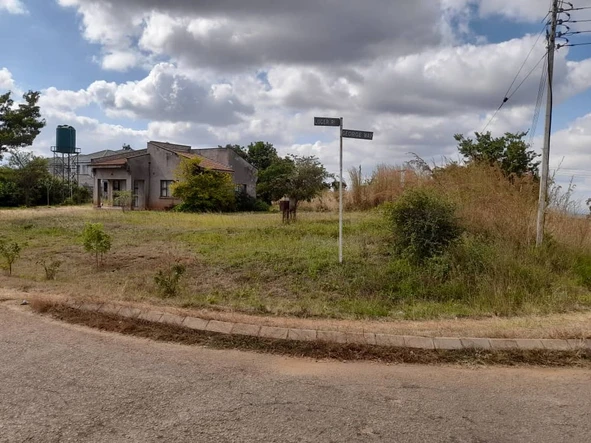
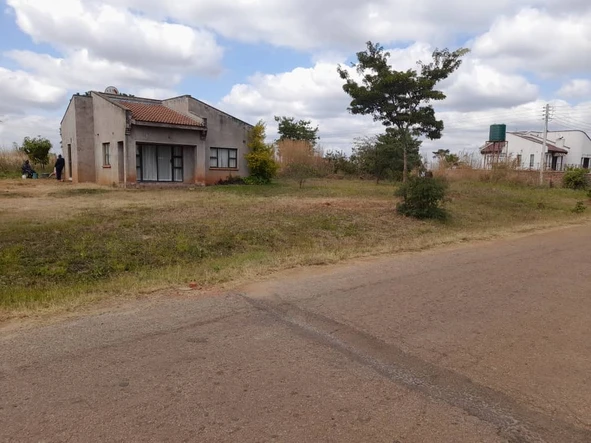
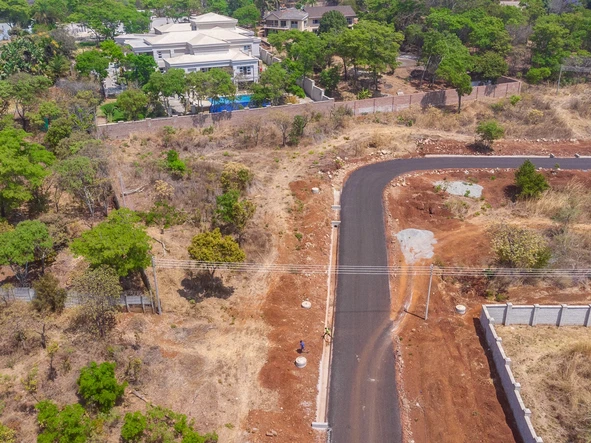
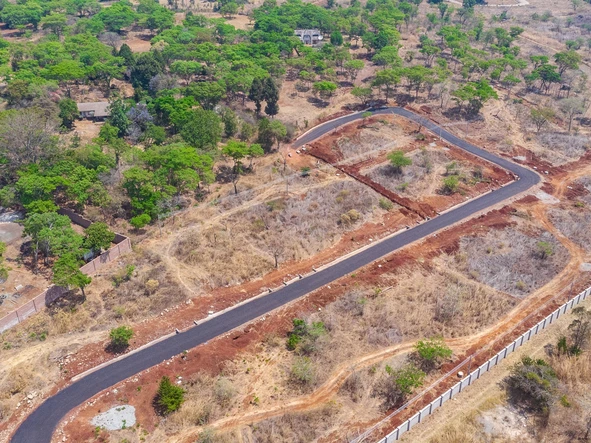
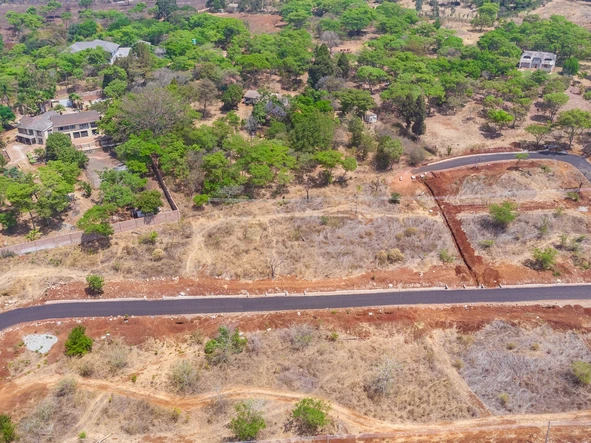
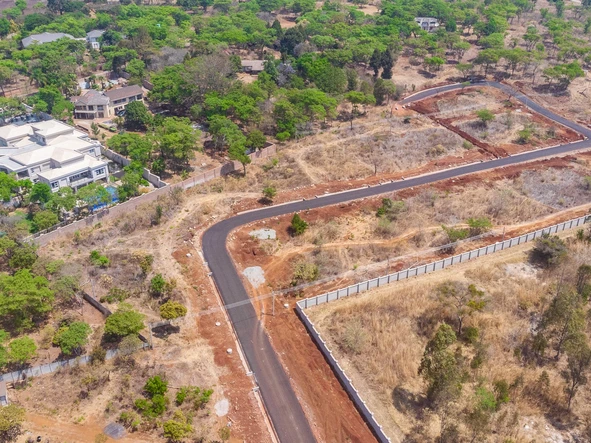
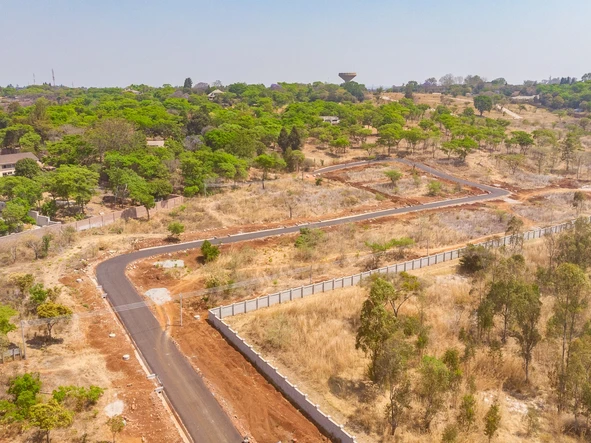
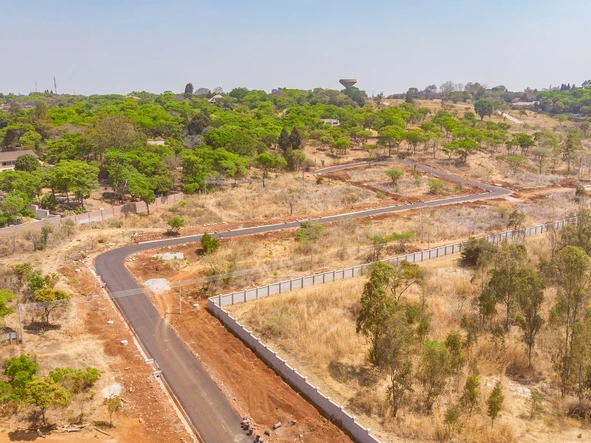
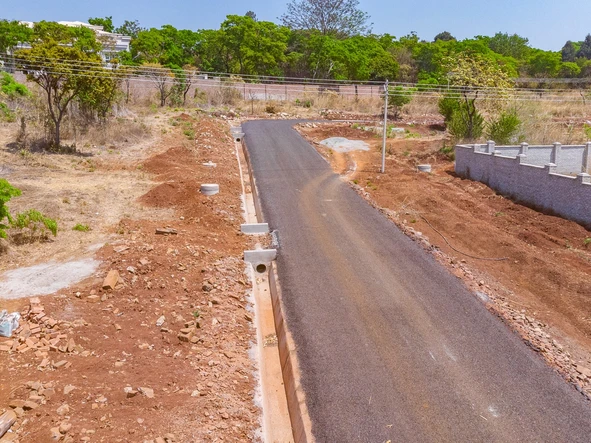
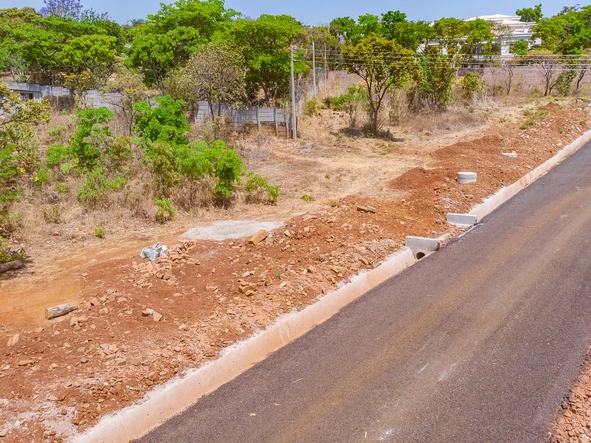
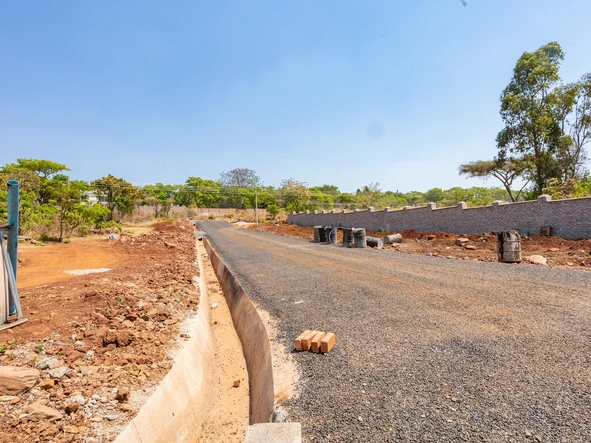
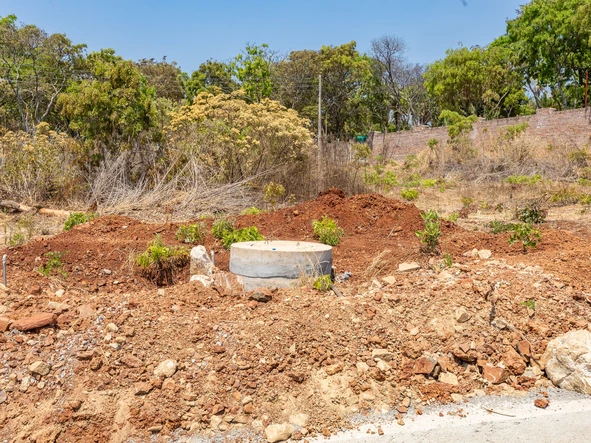
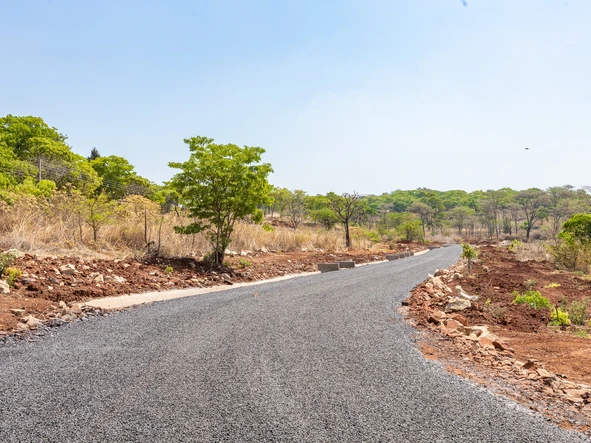
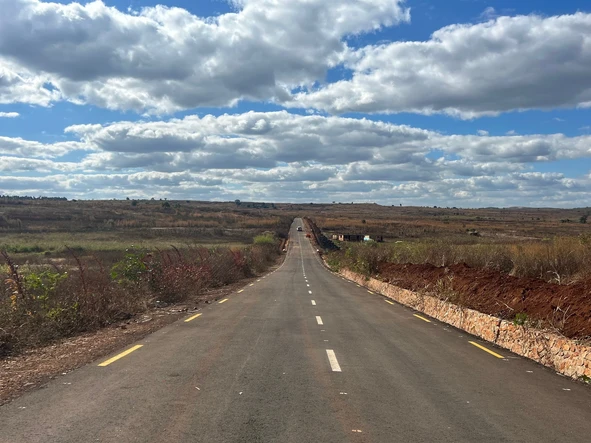
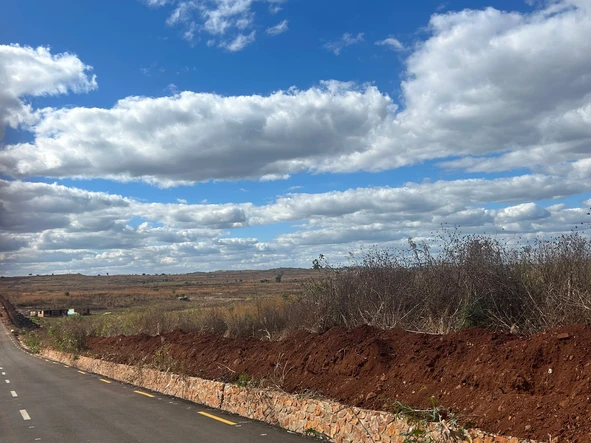
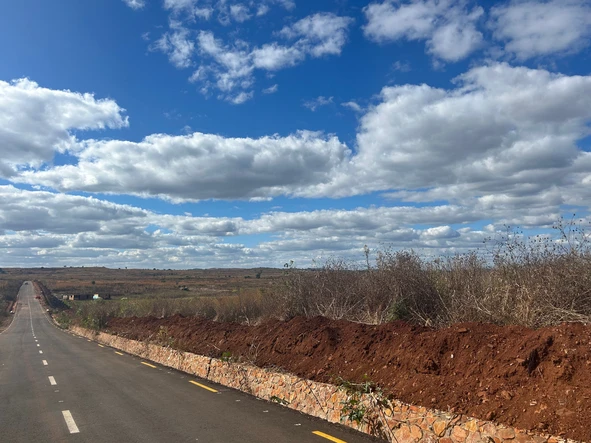
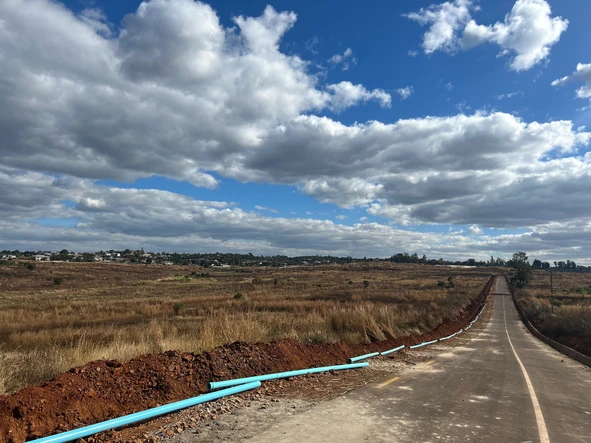
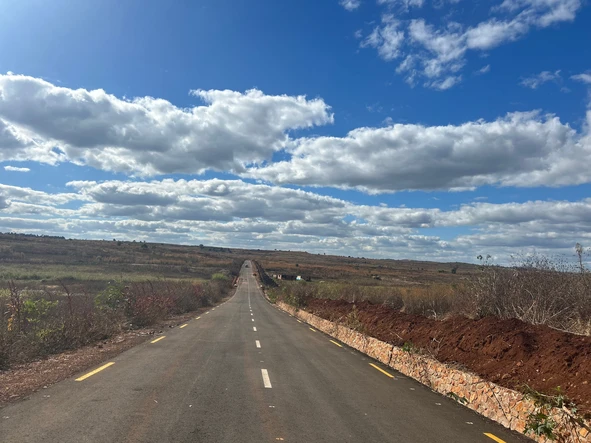
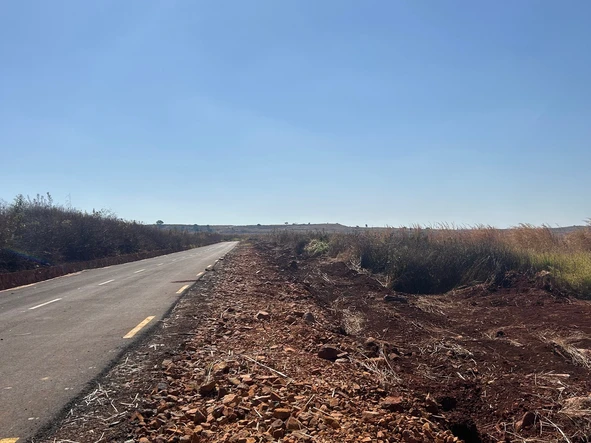
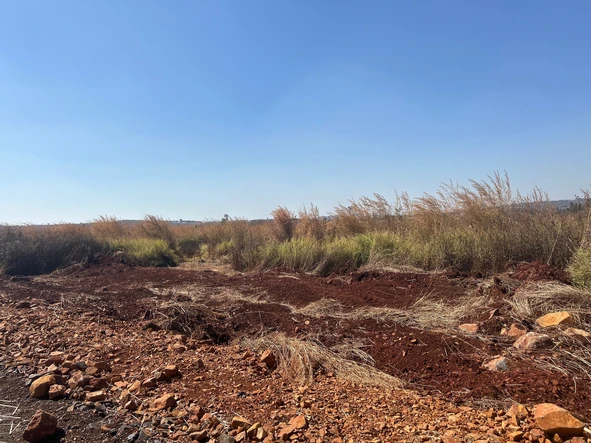
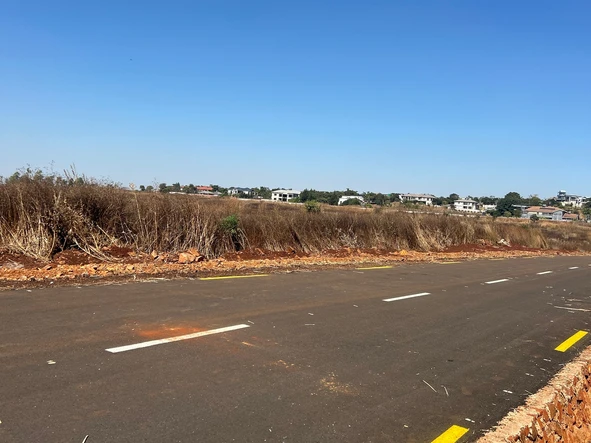
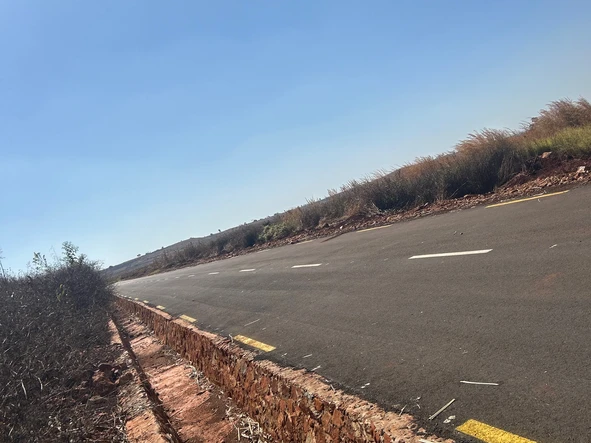
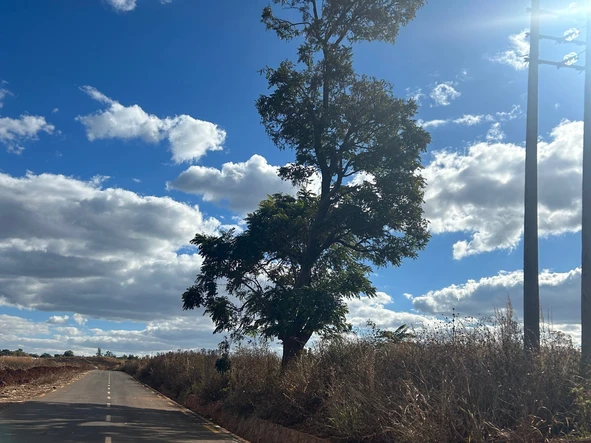
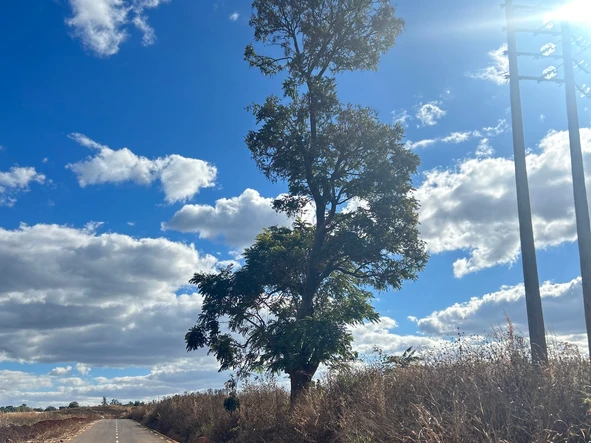
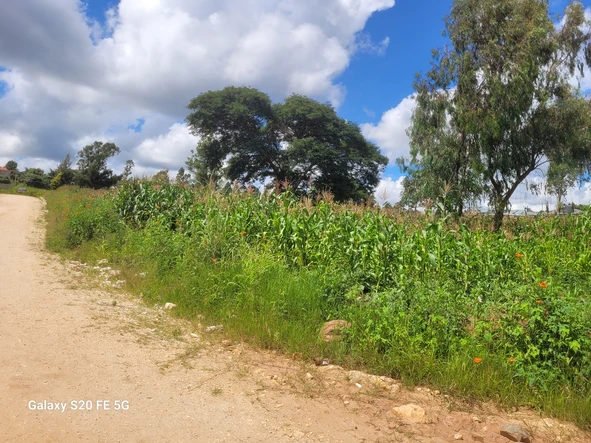
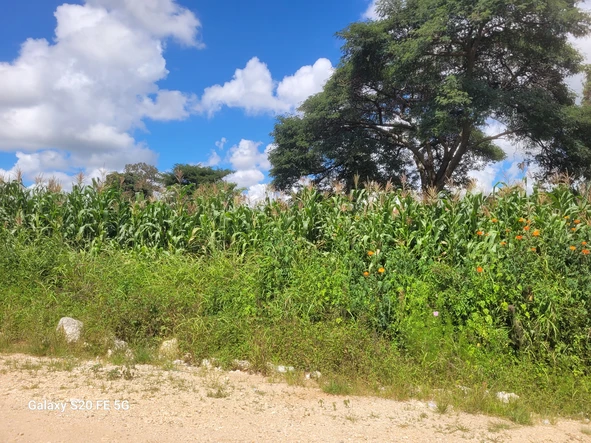
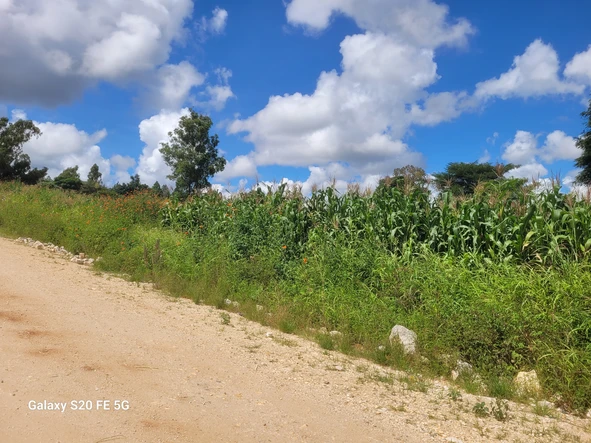
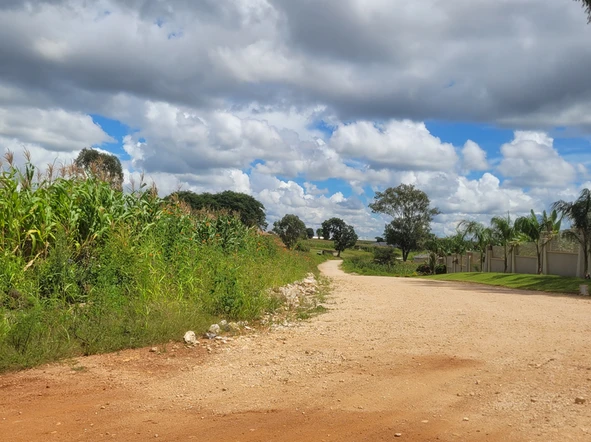
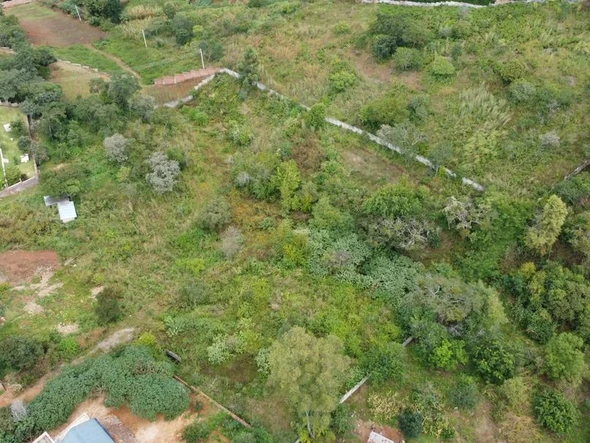
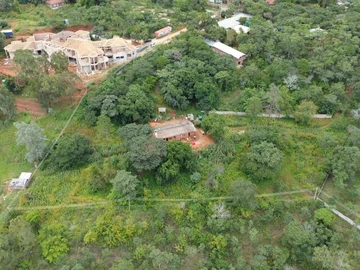
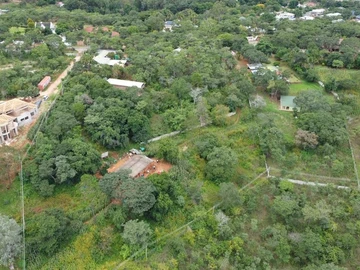
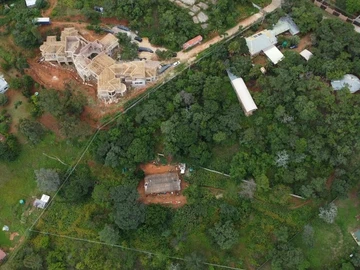
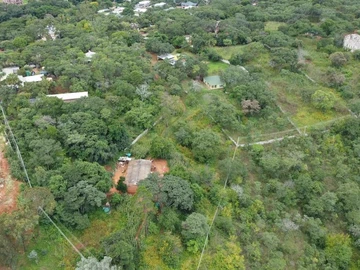
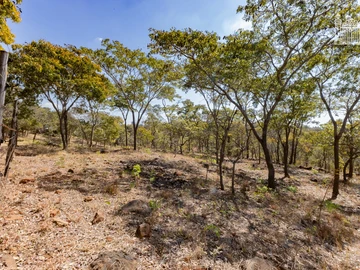
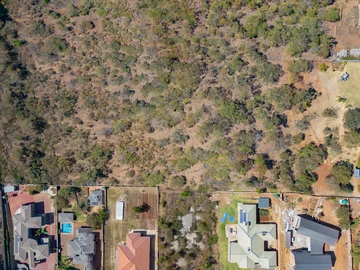
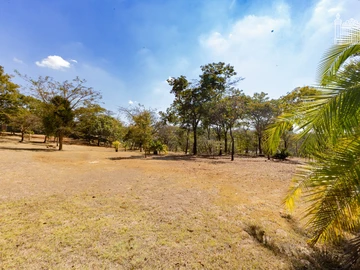
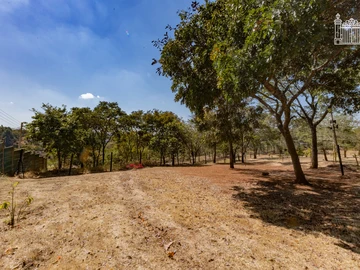
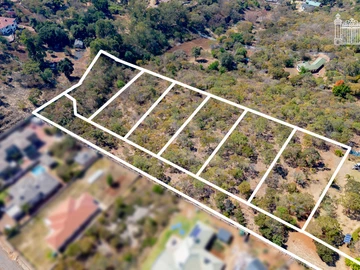
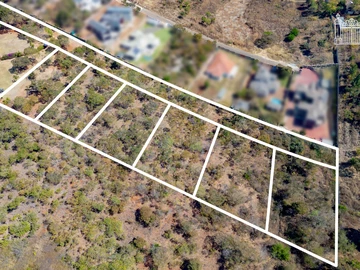
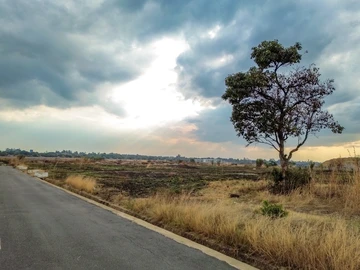
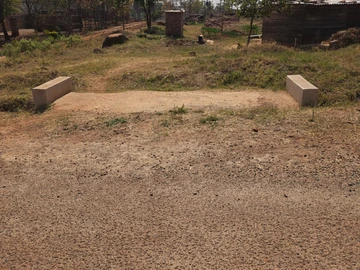
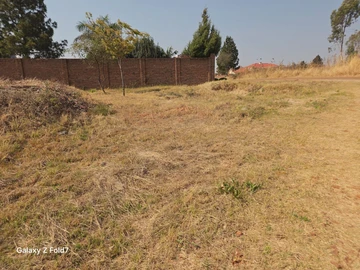
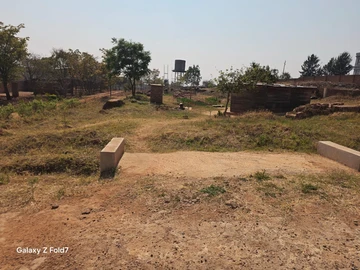
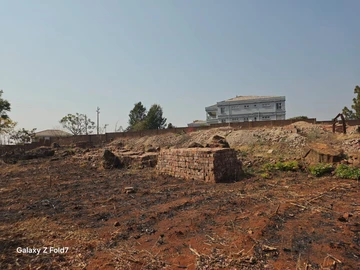
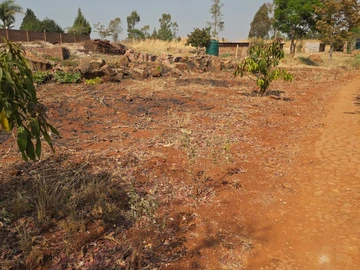
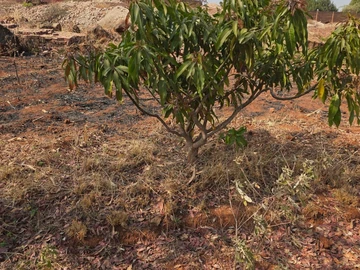
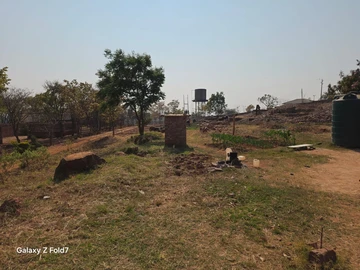
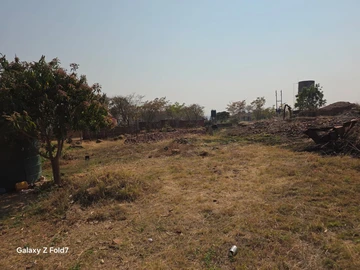
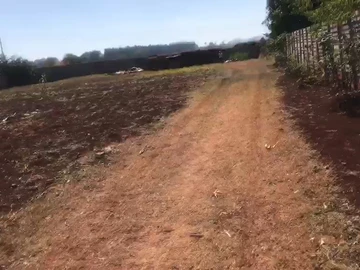
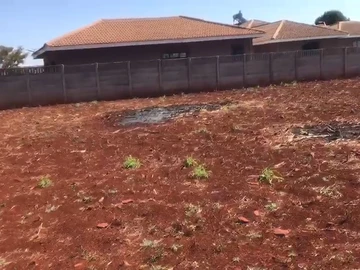
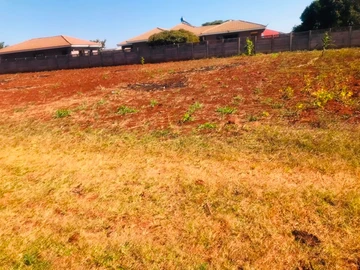
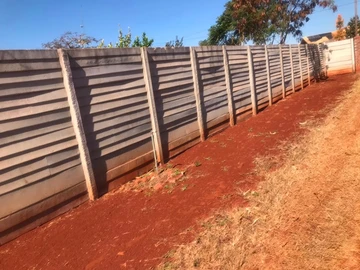
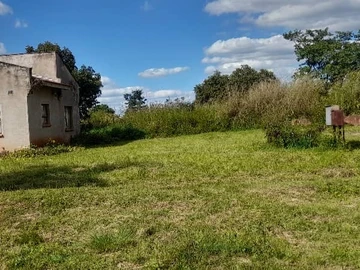
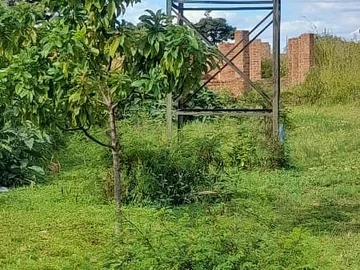
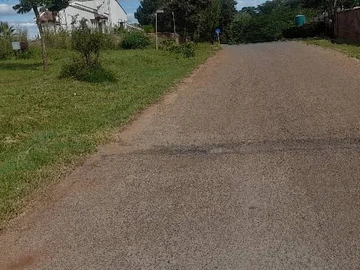
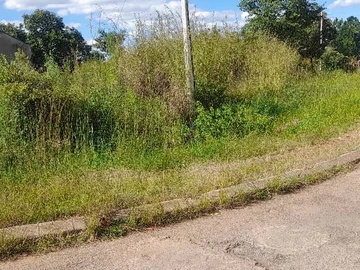
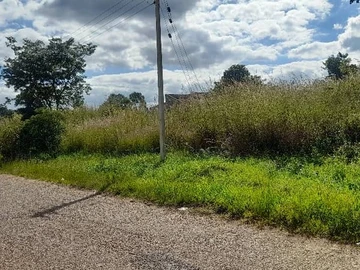
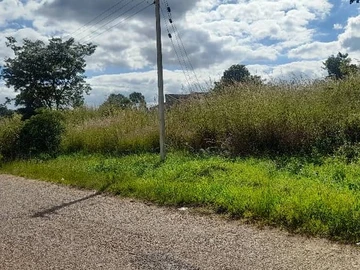
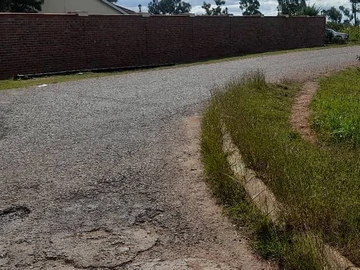
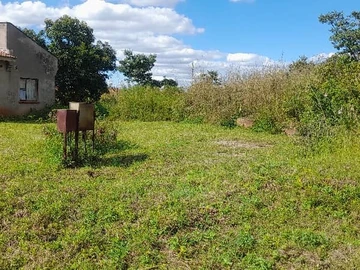
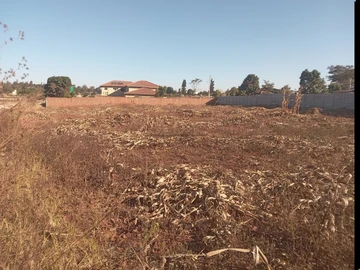
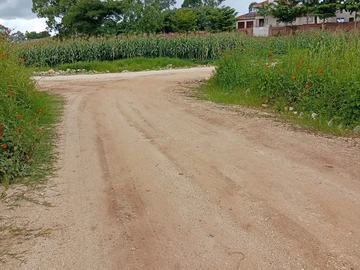
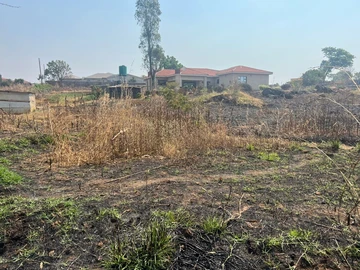
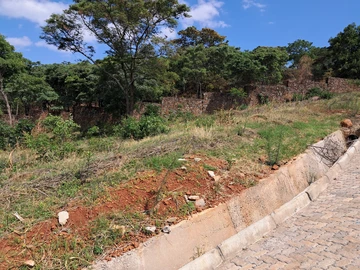
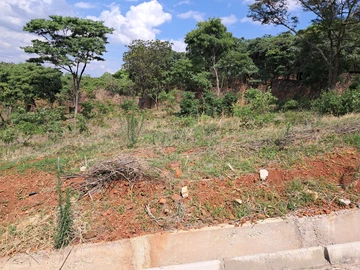
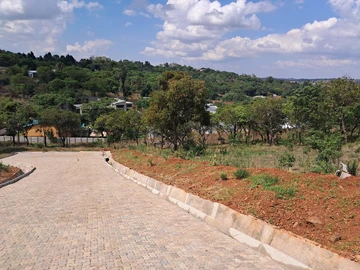
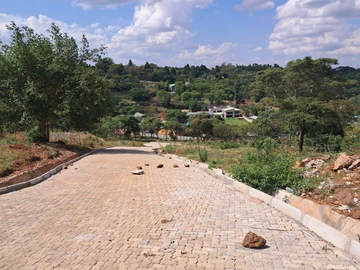
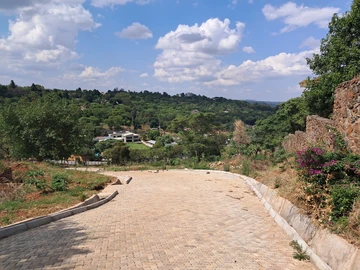
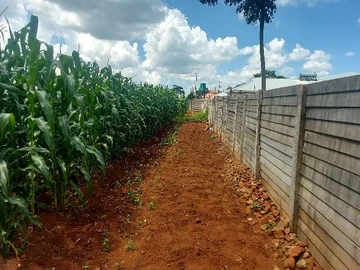
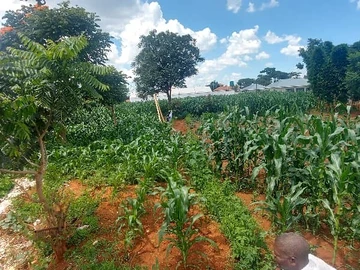
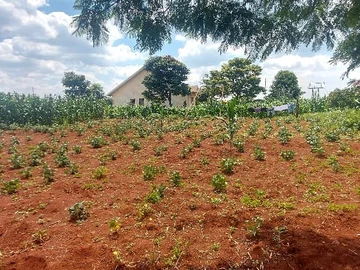
Stands and residential land for sale in Hogerty Hill, Harare North, are priced at the higher end, with the average price of the properties currently listed at $175,500. The land sizes vary widely, from smaller plots of about 800 ㎡ to large stands reaching up to 76,000 ㎡, with the median land area around 4,000 ㎡. These properties typically do not include built structures, focusing on land purchase opportunities.
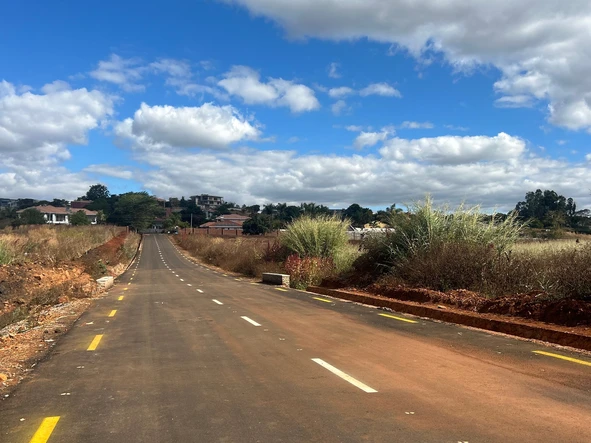
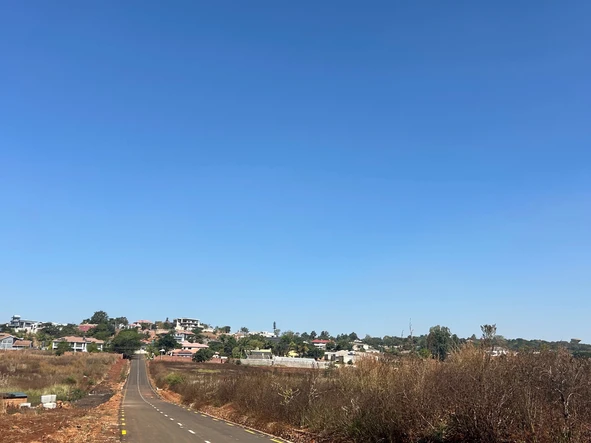
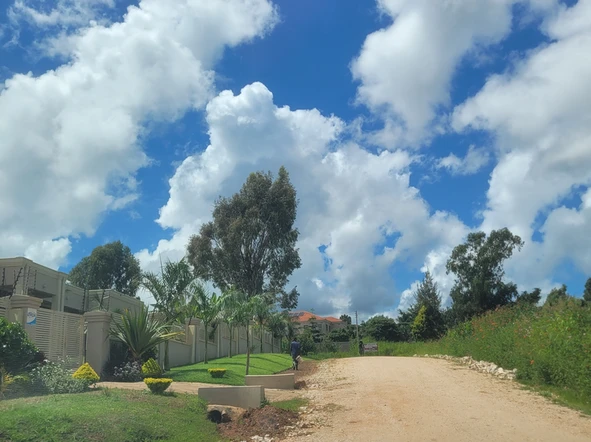
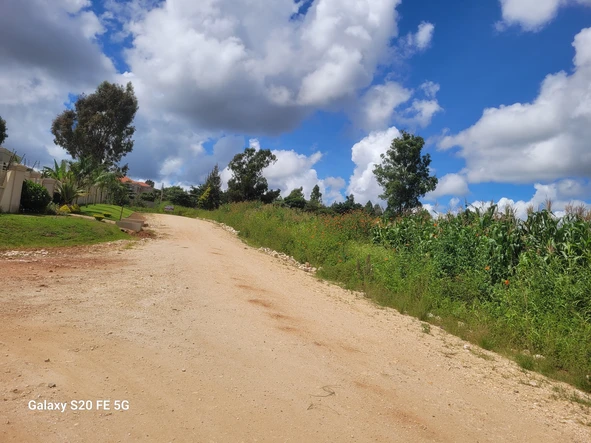
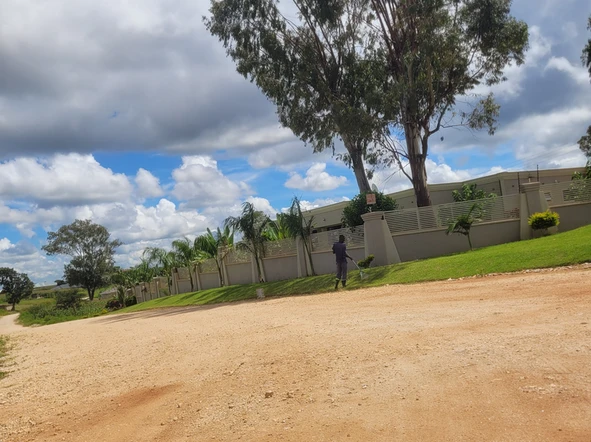
Most stands offer buyers the chance to build custom homes in a well-established, leafy suburb known for its quiet and family-friendly atmosphere. Hogerty Hill features a mix of older and newer developments, making it suitable for professionals and families seeking a peaceful residential setting with flexibility in property development.
The neighborhood benefits from proximity to the Harare Botanical Gardens and several parks, providing green spaces for outdoor activities. Hogerty Hill Primary School and other reputable schools in Harare North serve the area, while healthcare facilities like Parirenyatwa Hospital are easily accessible. Shopping needs are met by nearby centers such as Sam Levy's Village, and a variety of cafes and restaurants offer dining options. Good transport links connect Hogerty Hill to Harare city center and surrounding suburbs, with public transport readily available for convenient commuting.
2,000 m²
2,000 m²
4,348 m²
2,107 m²
2,300 m²
1,912 m²
500 m²

Be the first to see new properties for sale in Hogerty Hill, Harare North









| Type | Avg. price |
|---|---|
| Average price | $175,500 |
Buying property in Zimbabwe? Discover hidden costs like stamp duty, conveyancing fees, and taxes that can add 8%–12% or more to your purchase price.
Tenants not paying rent in Zimbabwe? Learn your legal rights as a landlord, the step by step eviction process, and illegal self-help actions to avoid.
Discover how blockchain, crypto, and tokenized real-world assets (RWAs) are transforming real estate ownership, liquidity, and financing over the next 5 years.
Buying a residential stand in Zimbabwe? Learn how to verify ownership, subdivision, planning approvals, servicing, title and the developer before paying.
Learn how servitudes affect property ownership, rights of way, and utility access in Zimbabwe. Protect your land title and avoid boundary disputes.