Log in to contact the seller
 Continue with Facebook
 Continue with Email
Continue with Facebook
Continue with Email
Sign up with Facebook
Continue with Email
Continue with Facebook
Continue with Email
Sign up with Facebook
 Change filters
 Requests



 2
2
 1
250 m²
1
250 m²


 5
2
400 m²
4
3
250 m²
3
2
300 m²
3
2
5
2
400 m²
4
3
250 m²
3
2
300 m²
3
2
 3
2
280 m²
4
3
180 m²
5
184 m²
2
1
125 m²
3
2
200 m²
3
2
280 m²
4
3
180 m²
5
184 m²
2
1
125 m²
3
2
200 m²
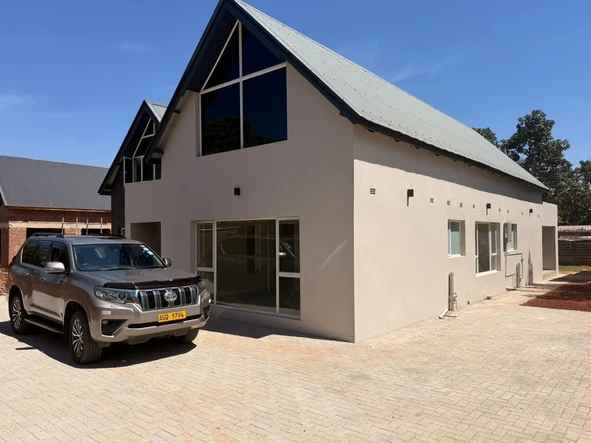
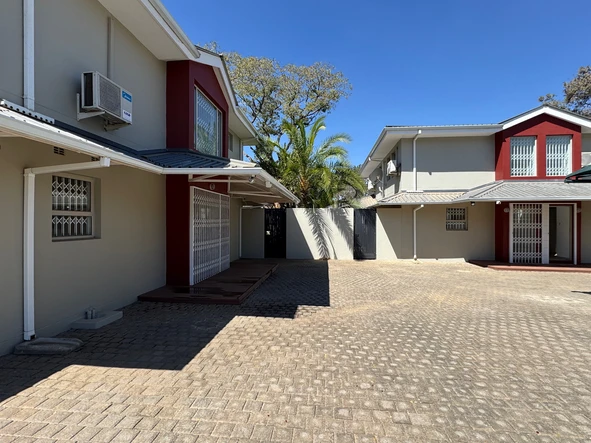
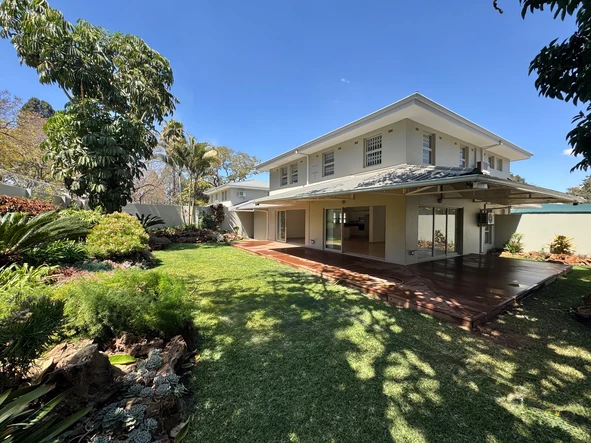
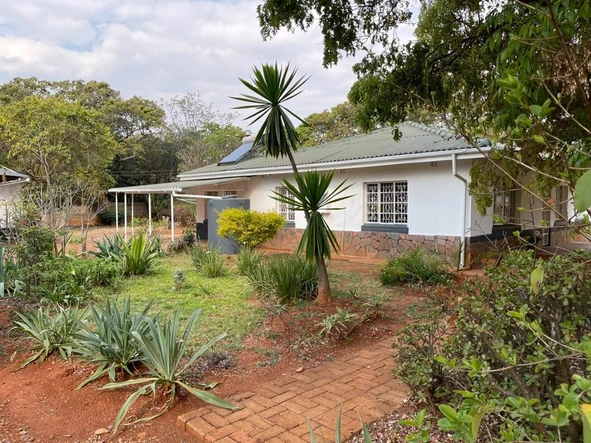
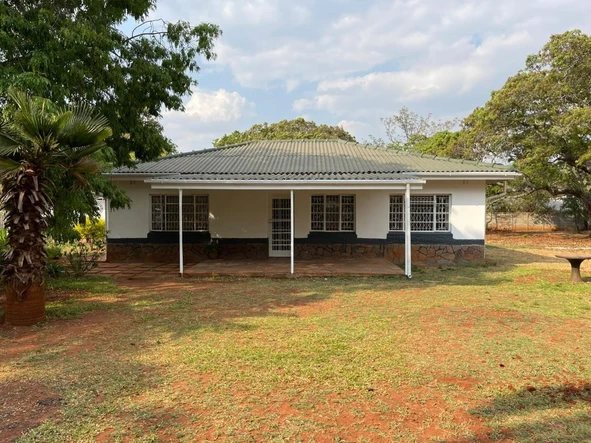
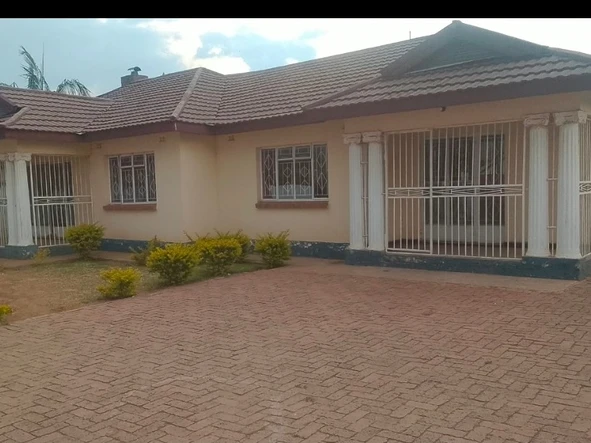
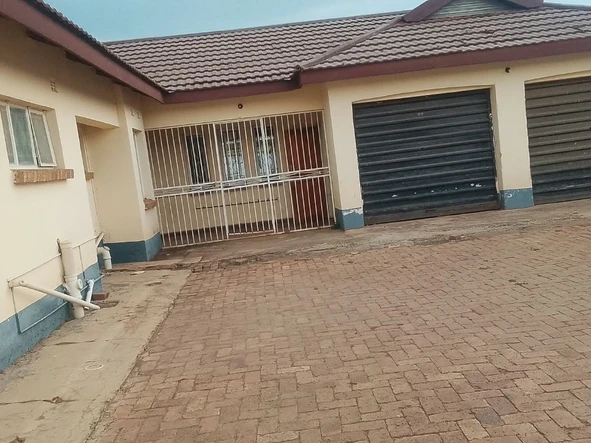
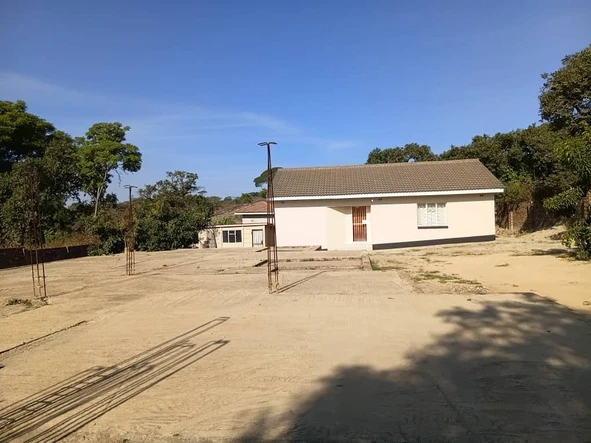
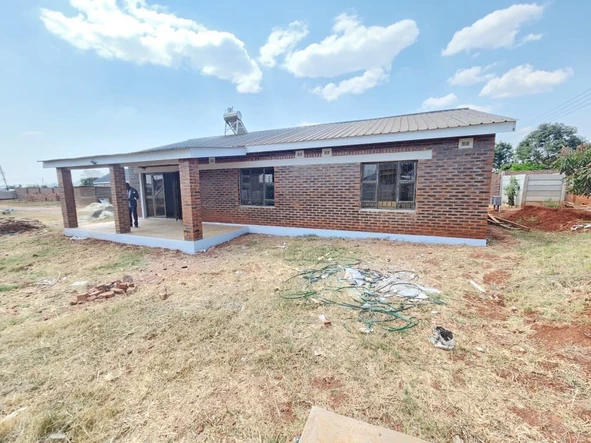
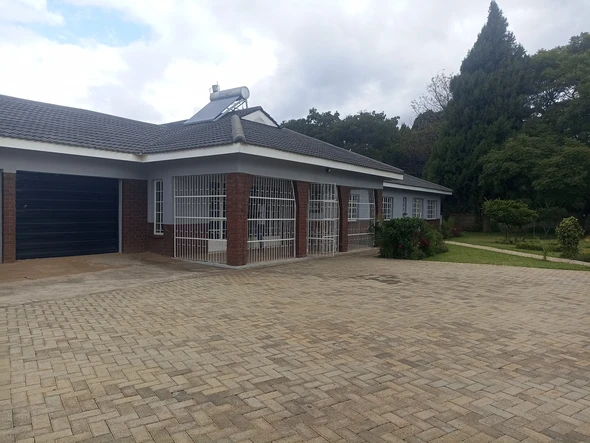
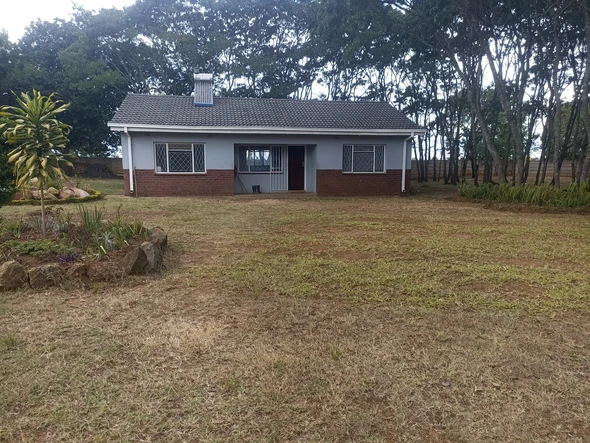
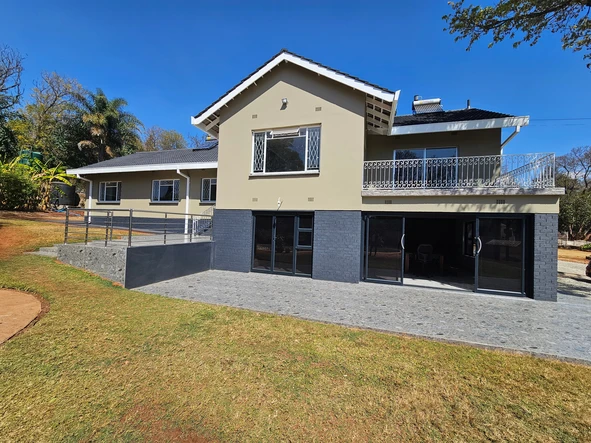
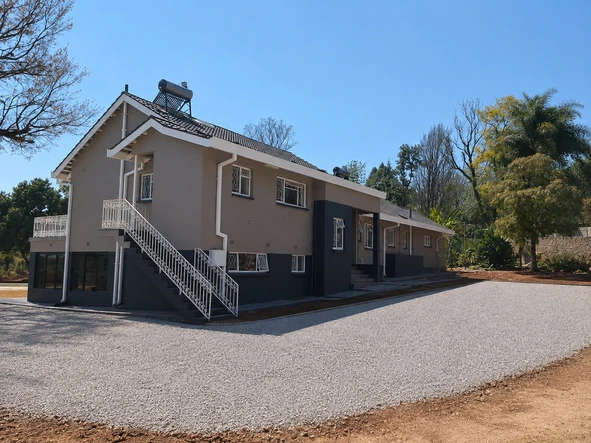
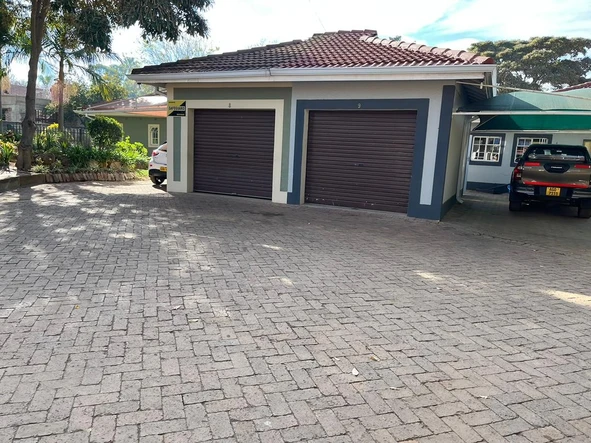
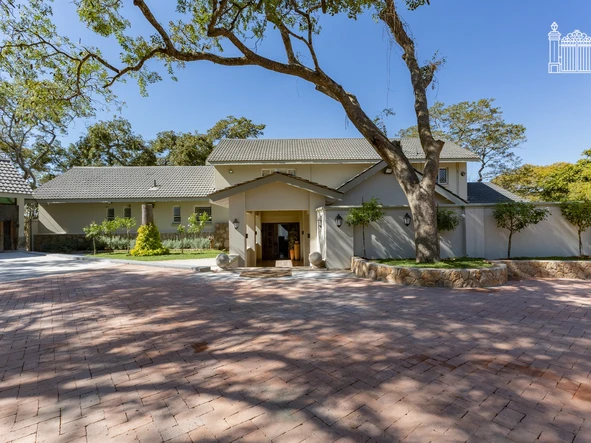
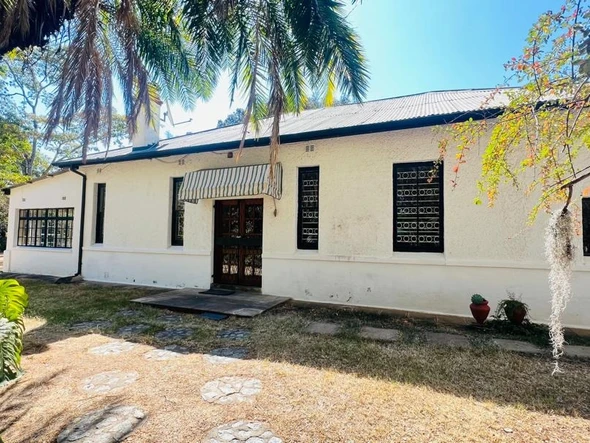
Houses for rent in Harare offer a variety of options with an average monthly rental price of $1,300. These homes typically have a median property size of about 200 ㎡, with land areas averaging around 700 ㎡. Larger properties can reach up to 4,000 ㎡ in size and sit on land parcels as big as 5,600 ㎡, providing spacious living environments for tenants.
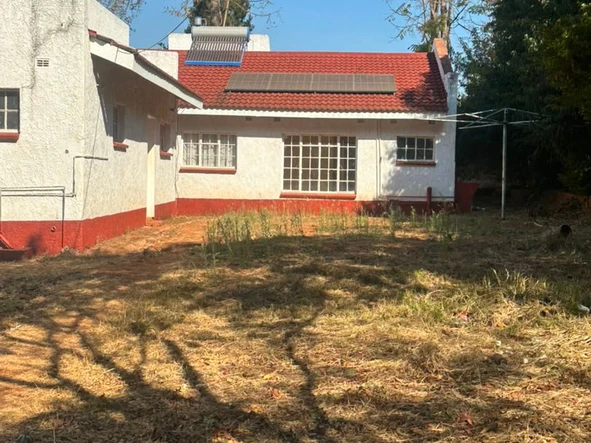
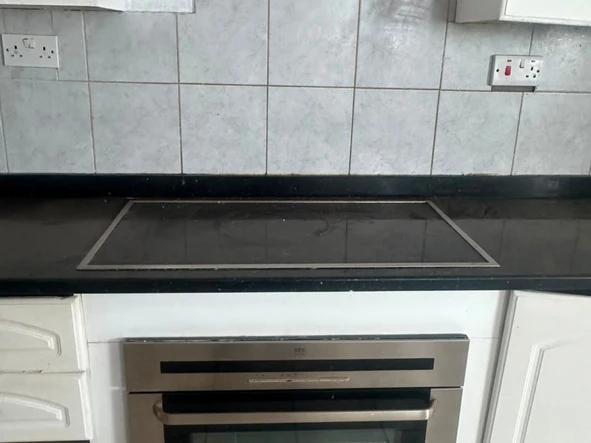
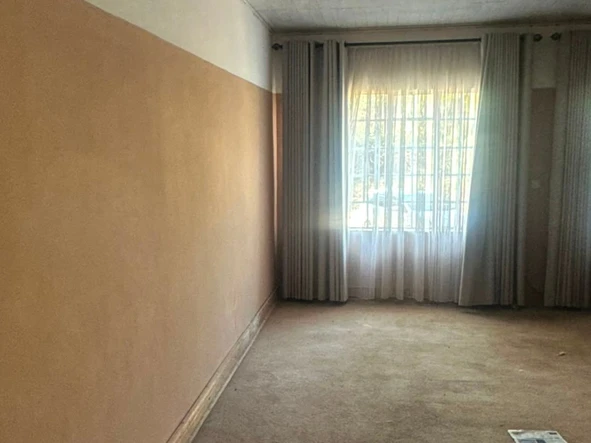
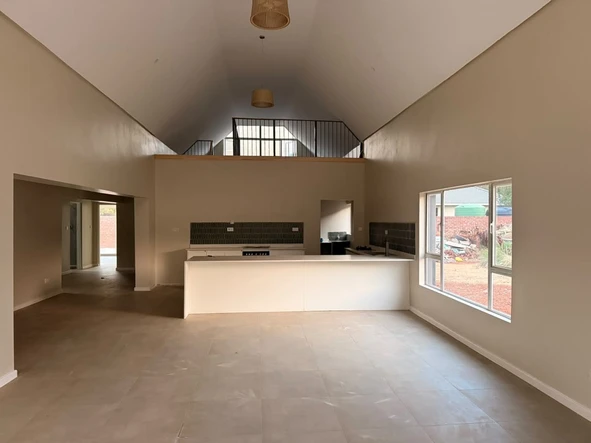
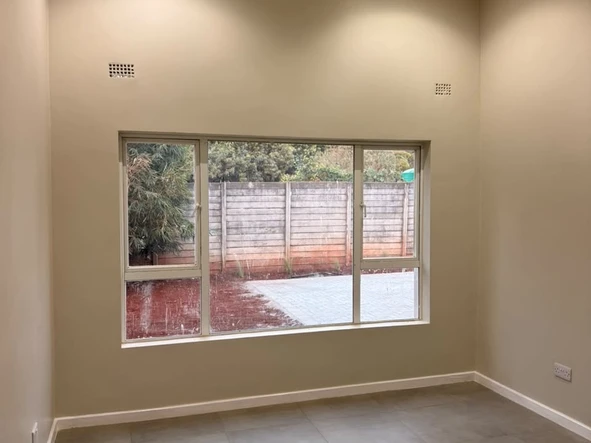
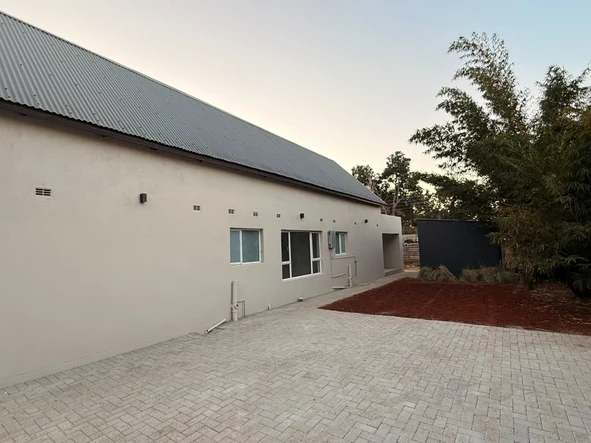
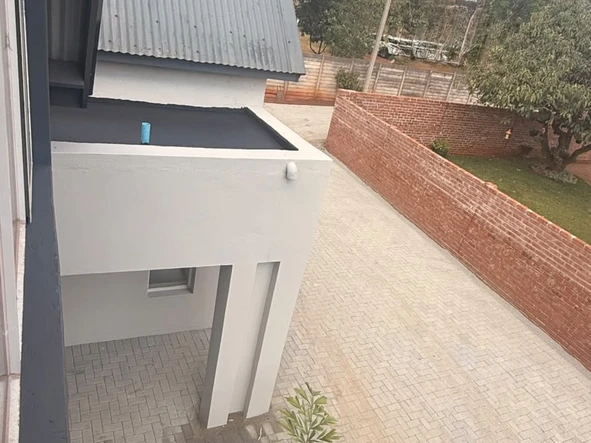
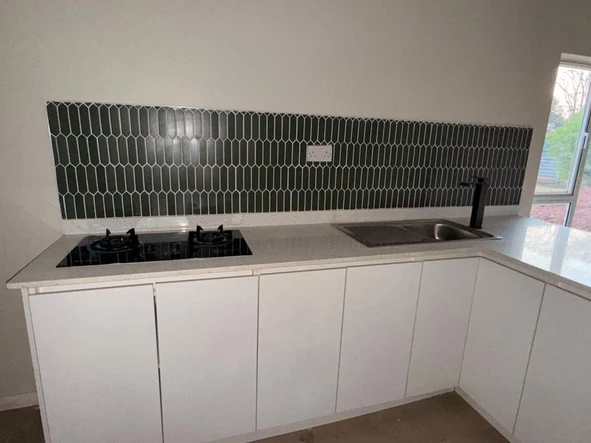
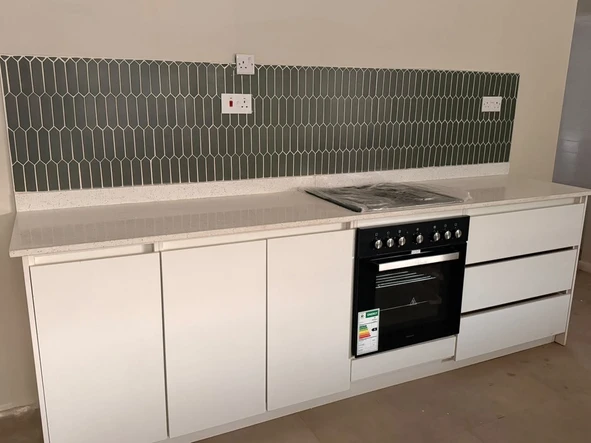
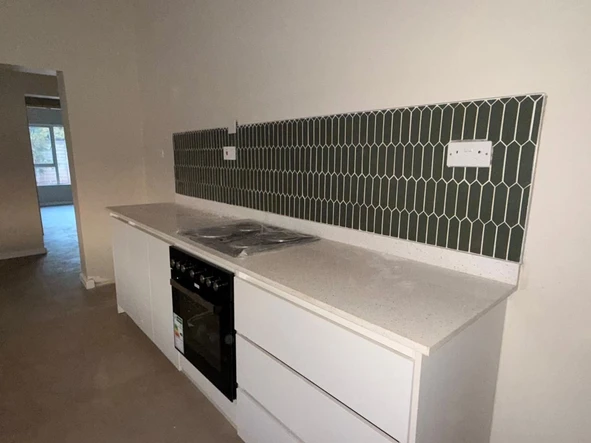
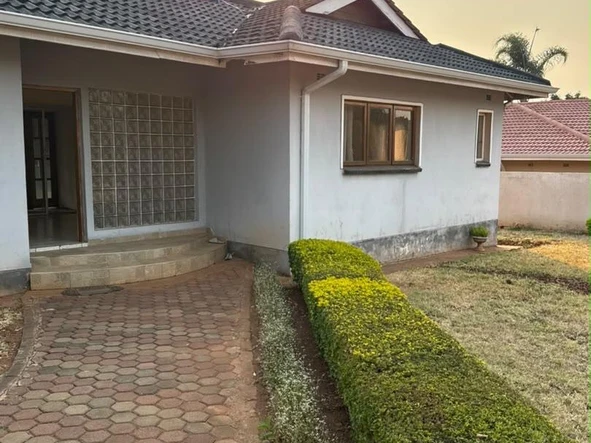
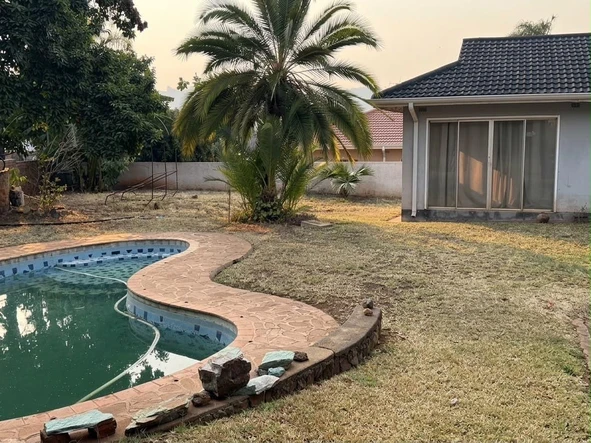
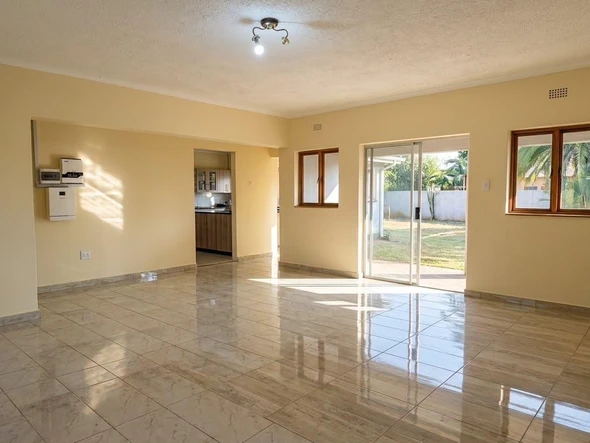
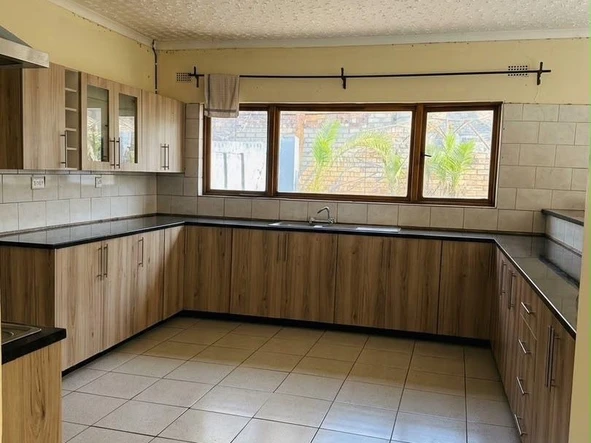
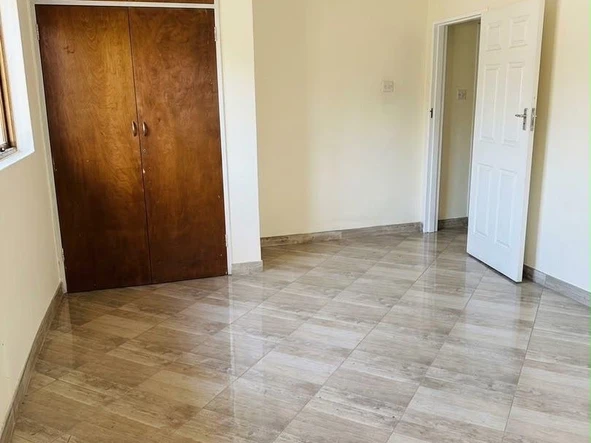
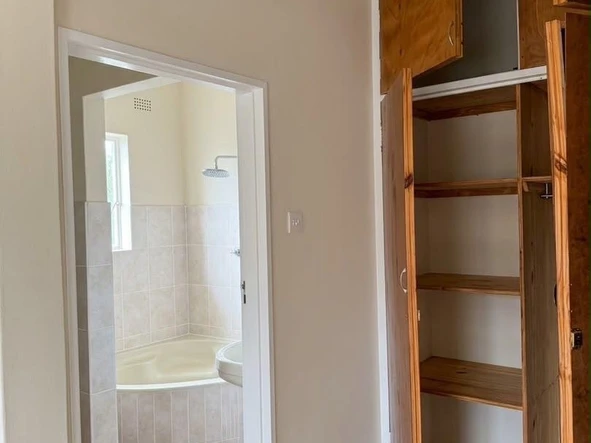
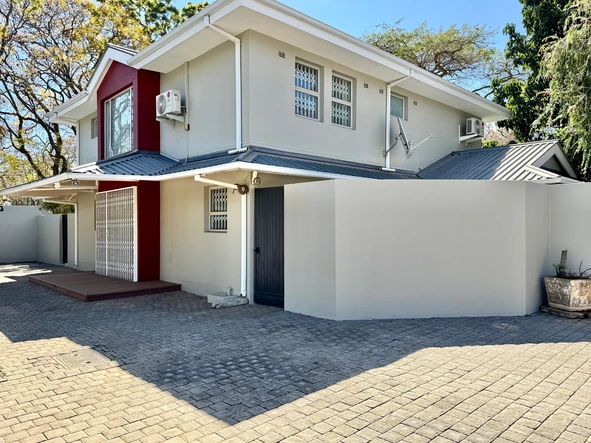
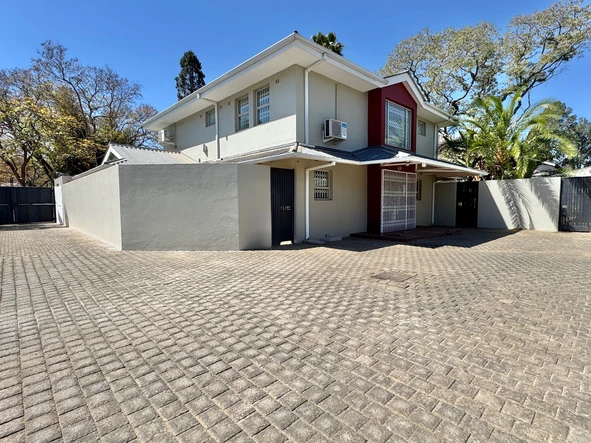
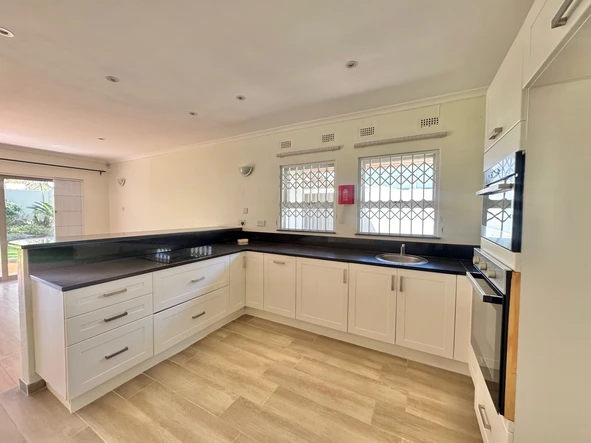
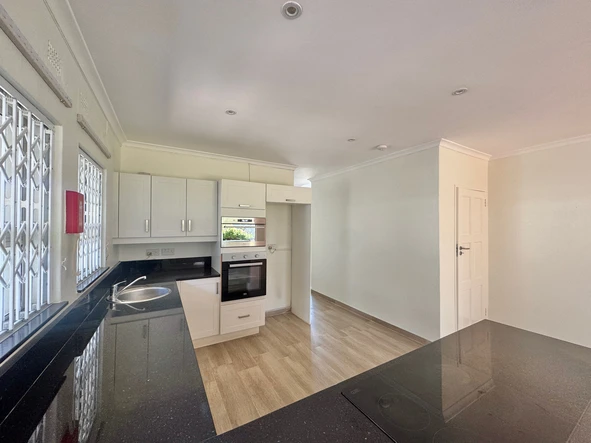
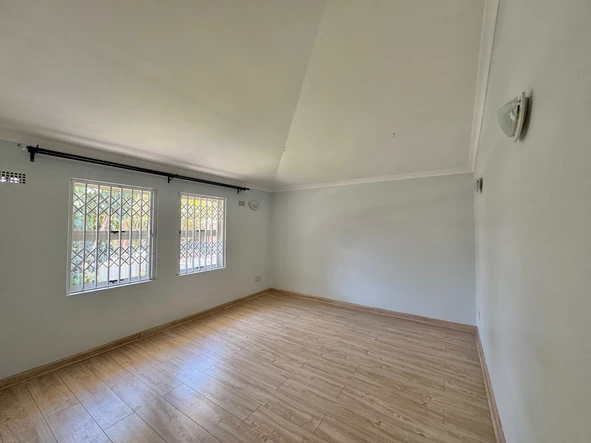
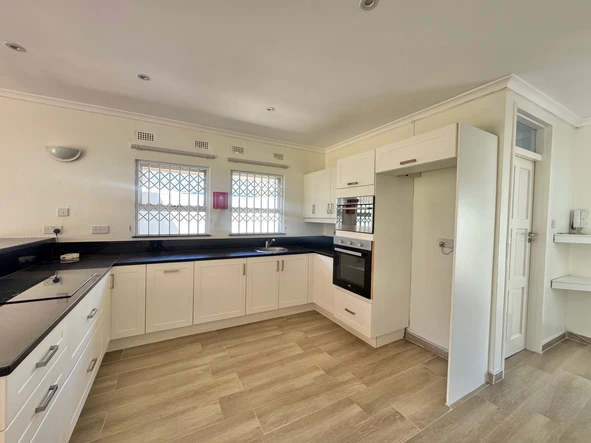
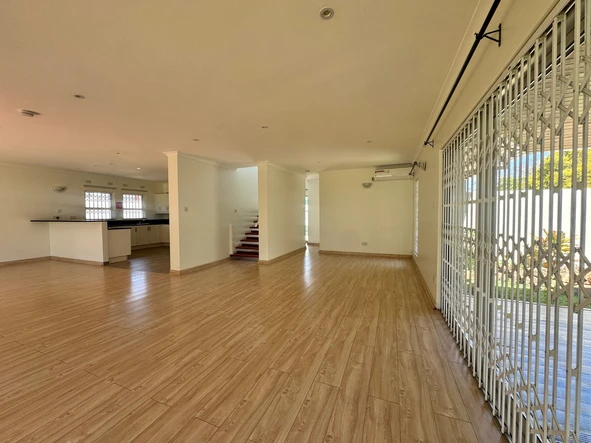
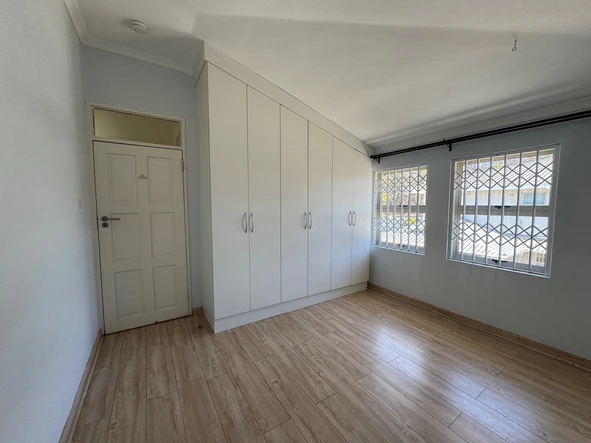
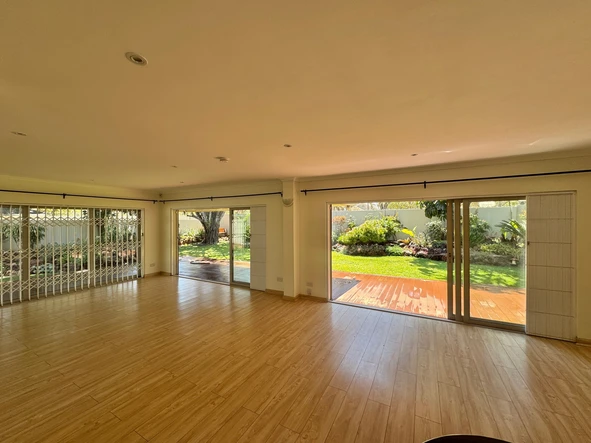
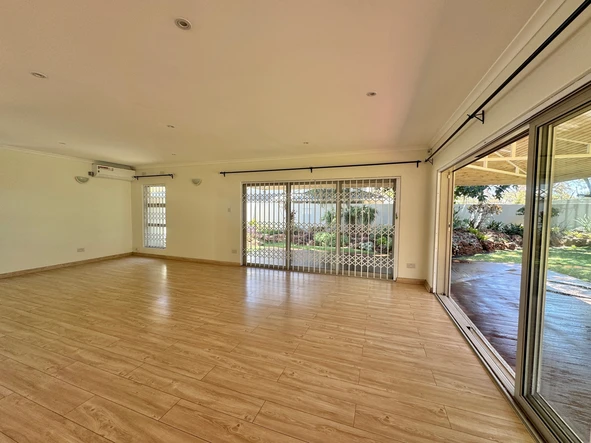
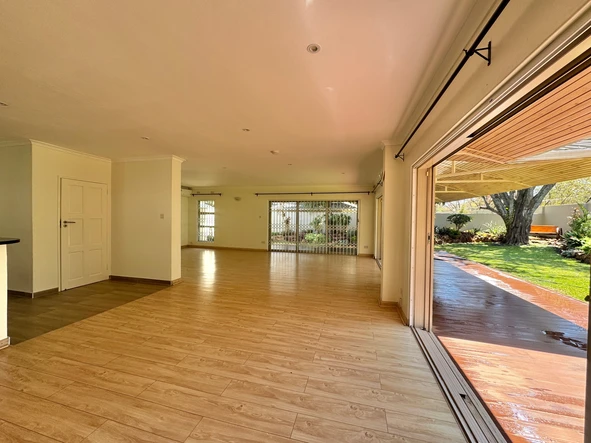
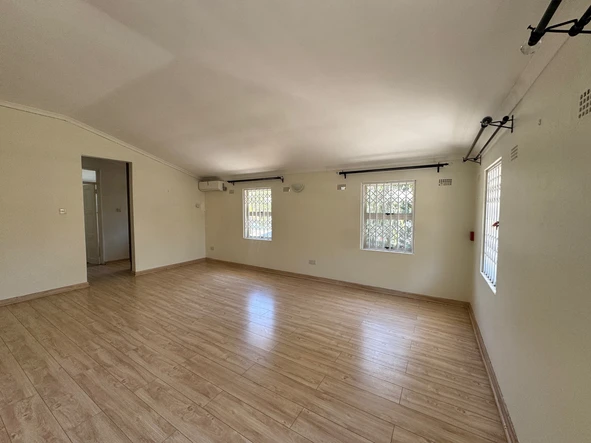
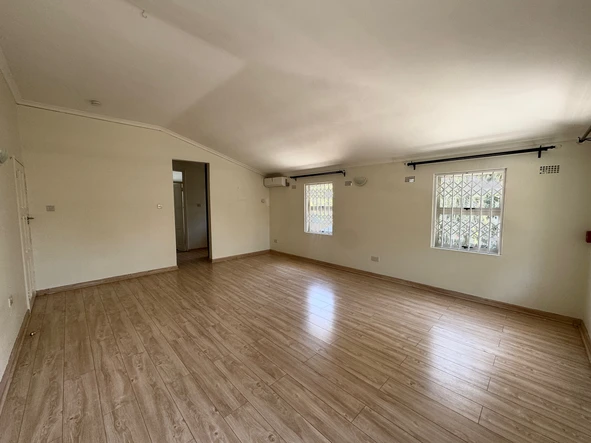
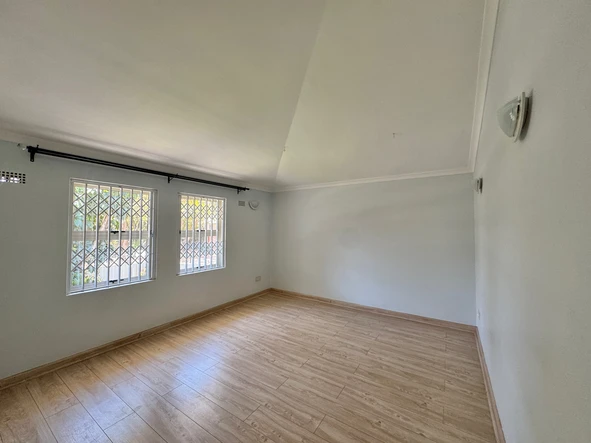
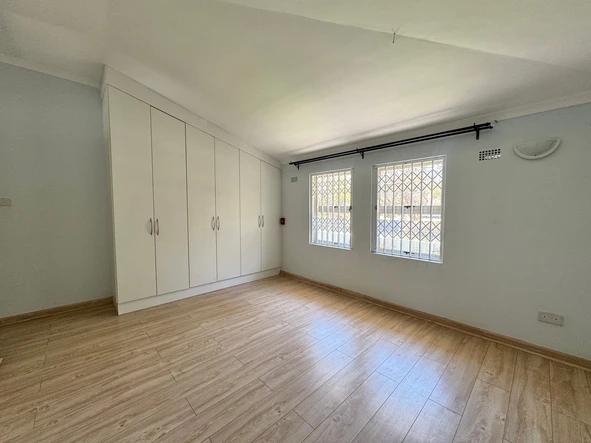
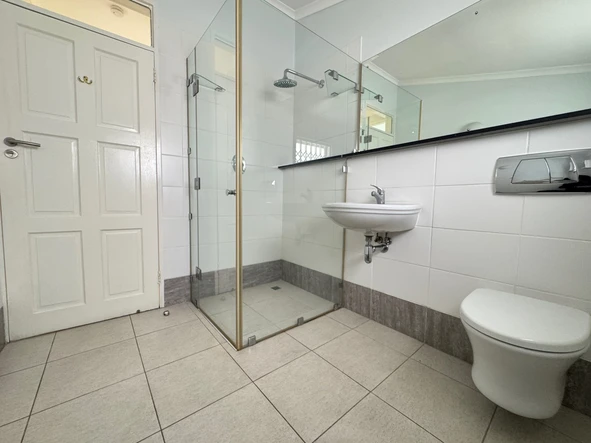
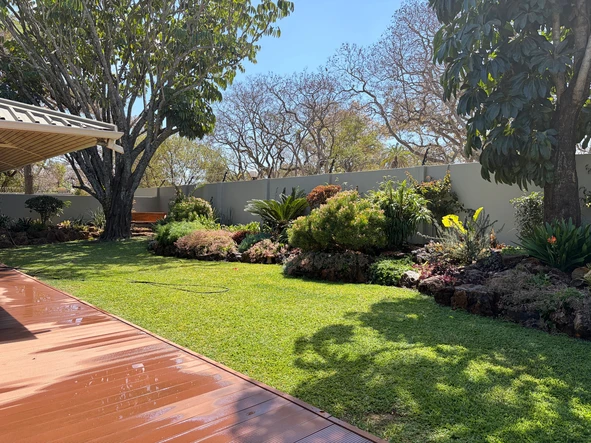
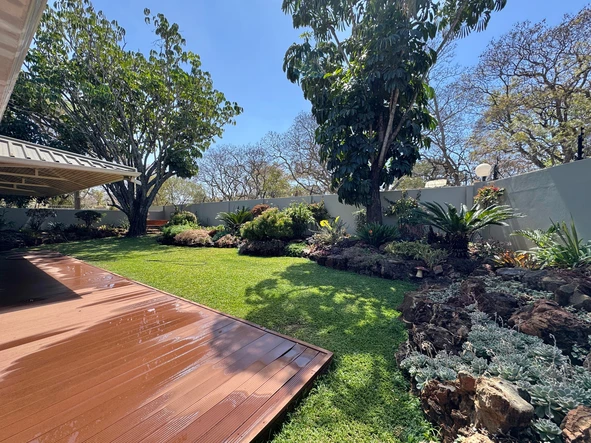
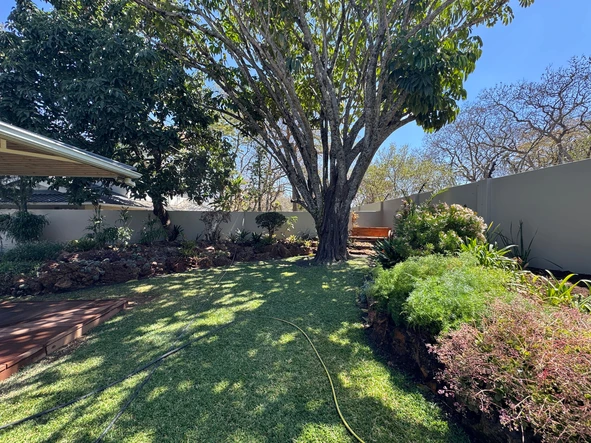
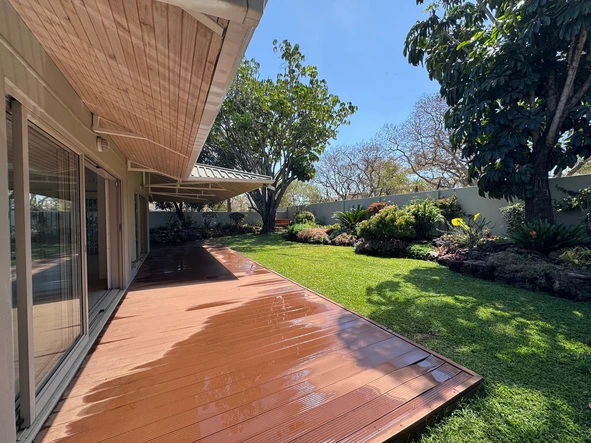
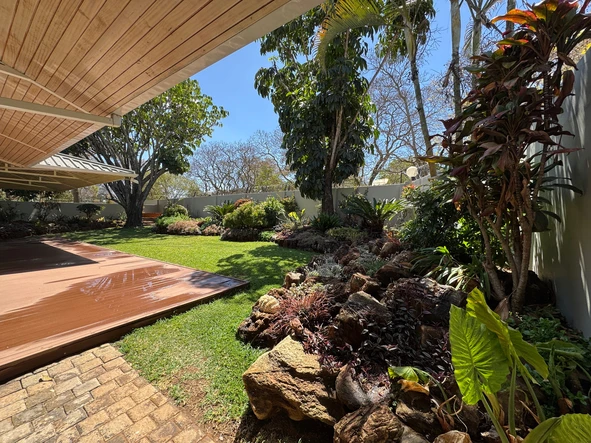
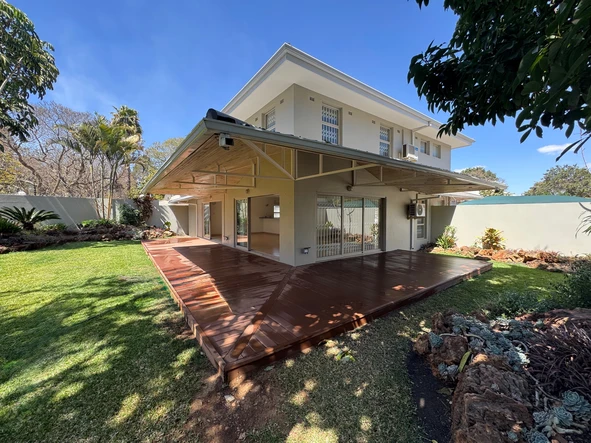
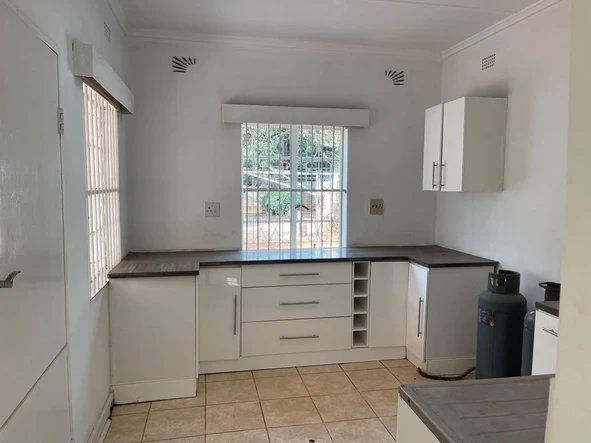
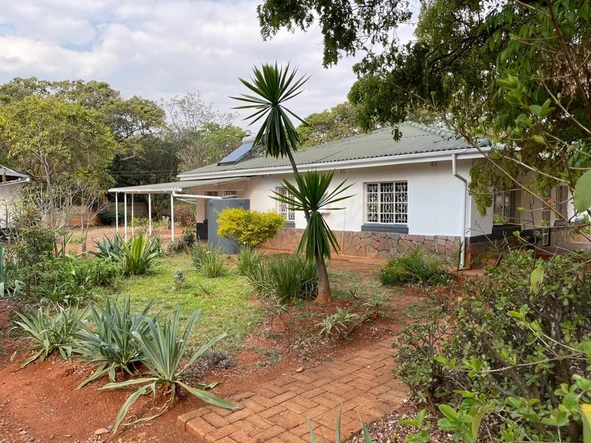
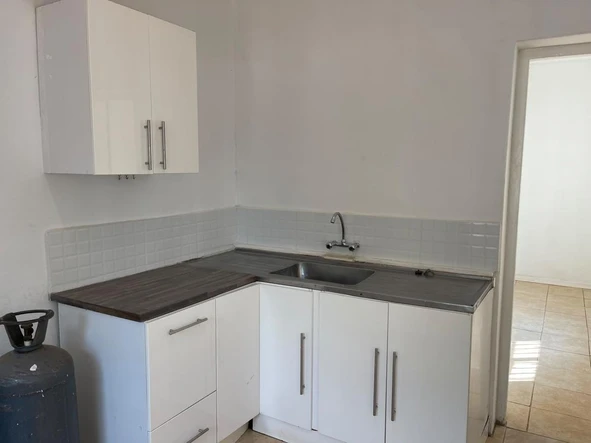
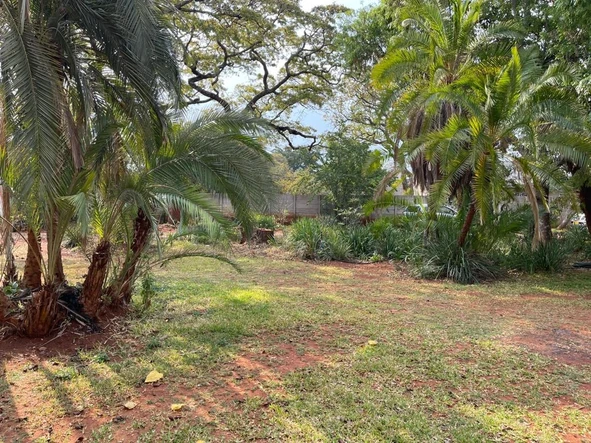
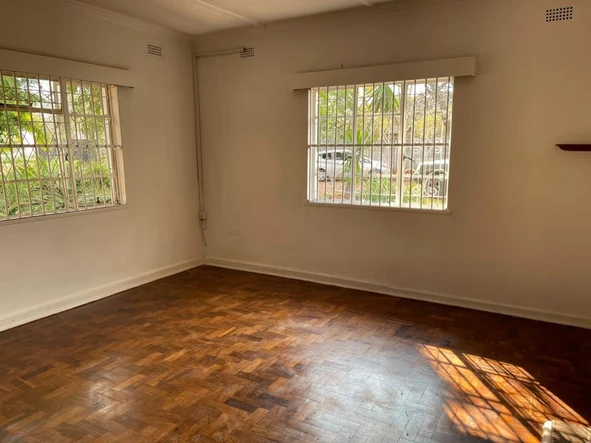
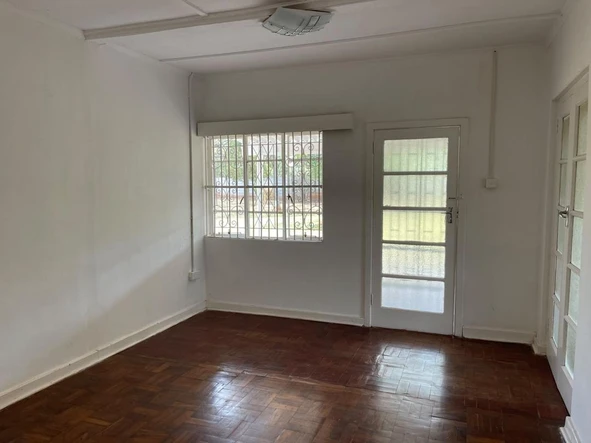
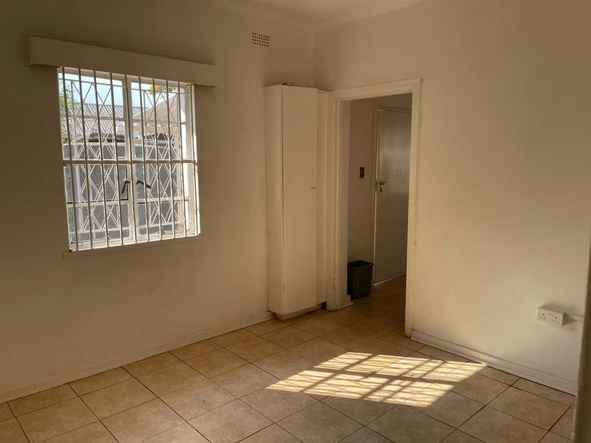
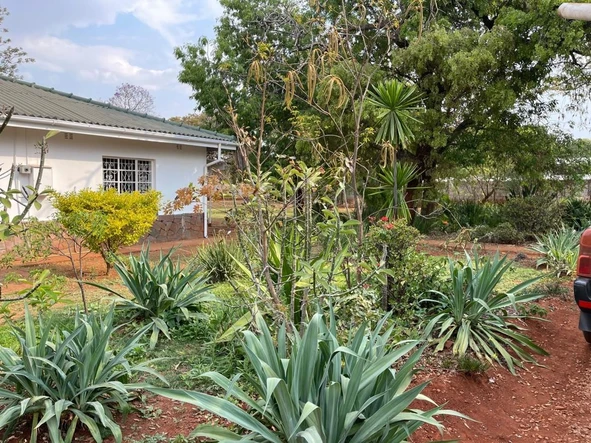
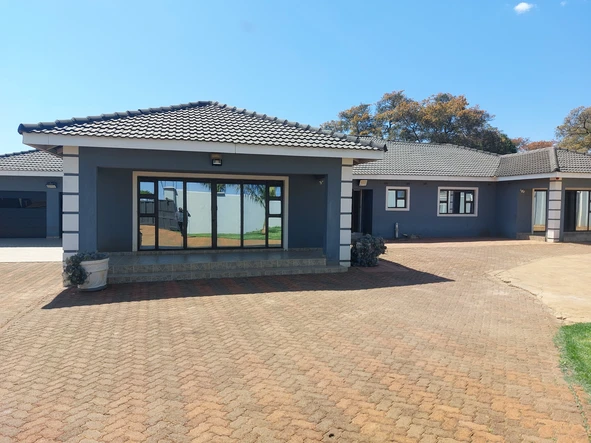
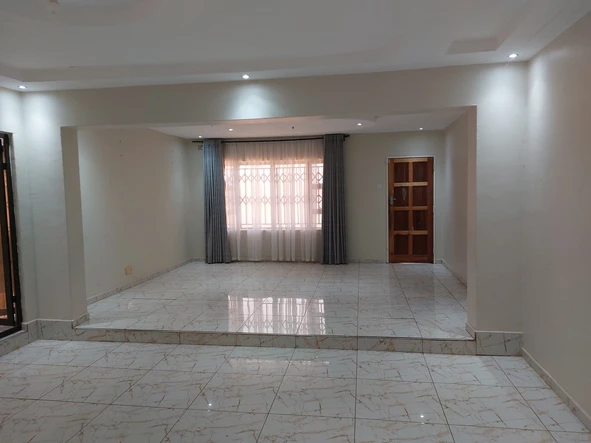
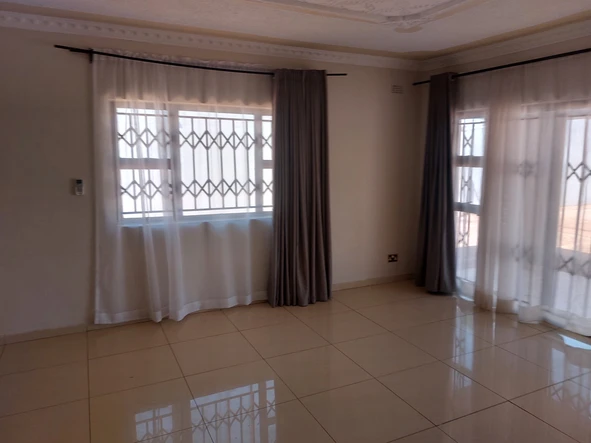
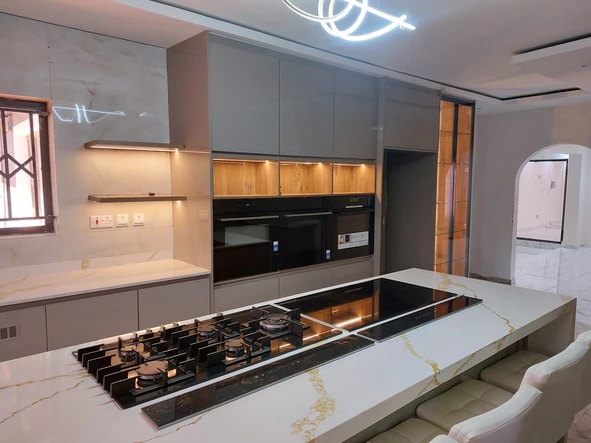
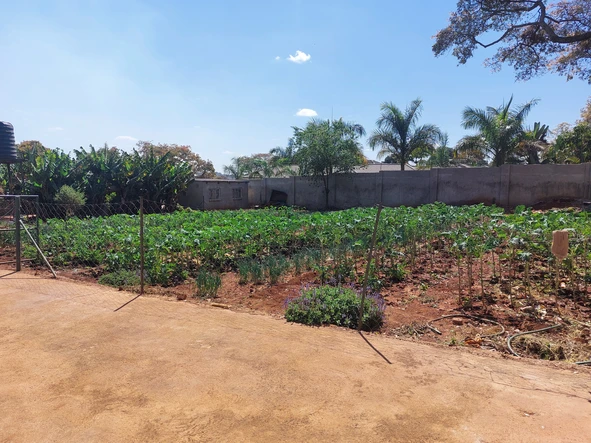
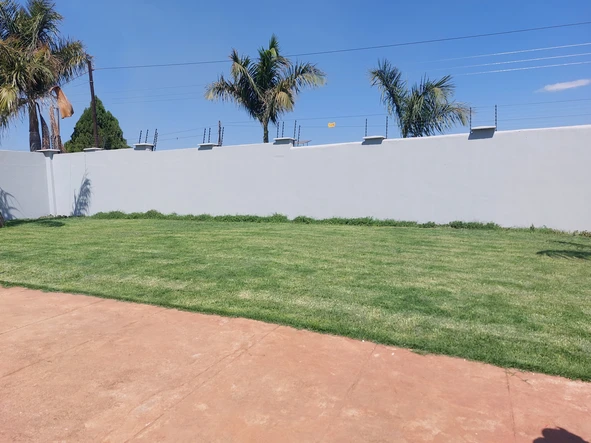
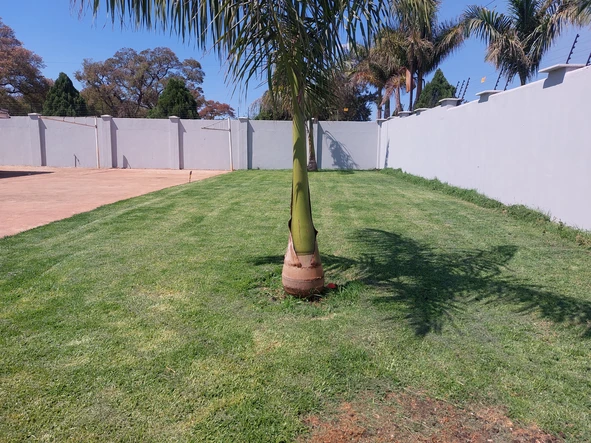
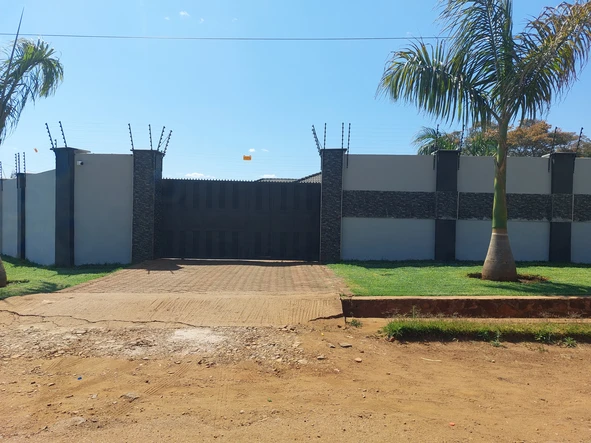
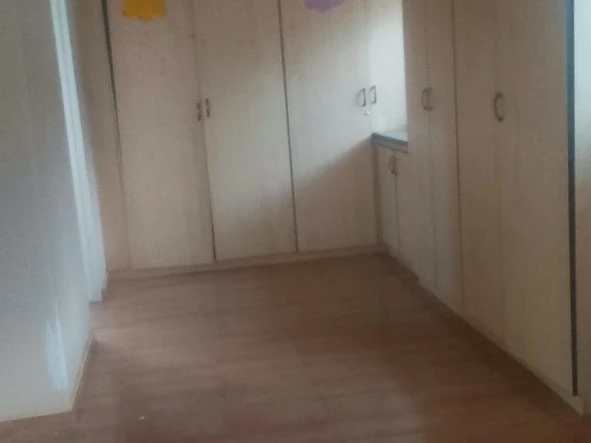
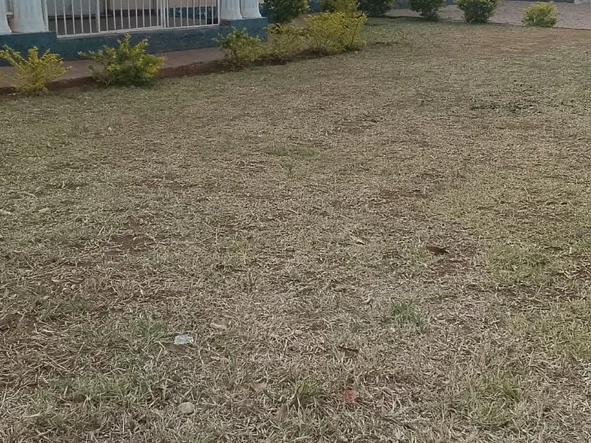
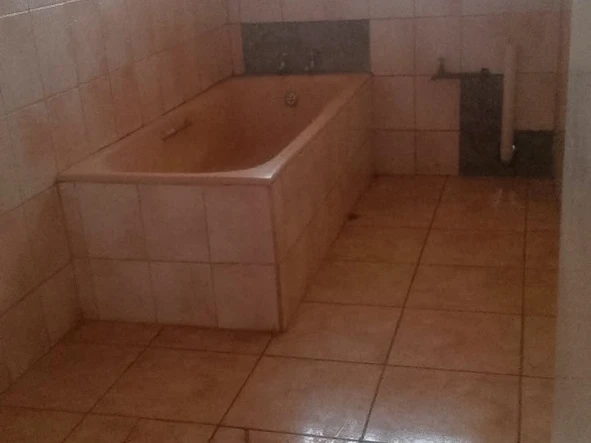
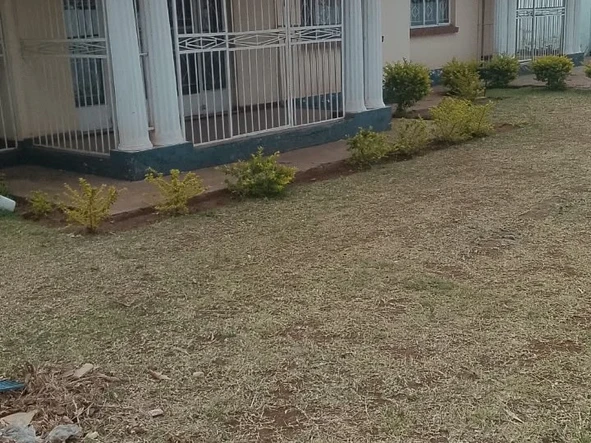
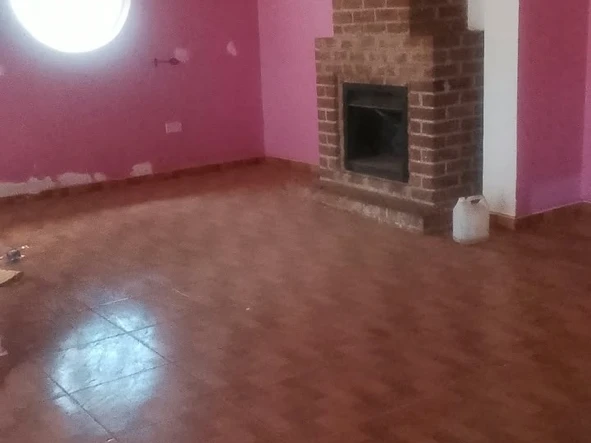
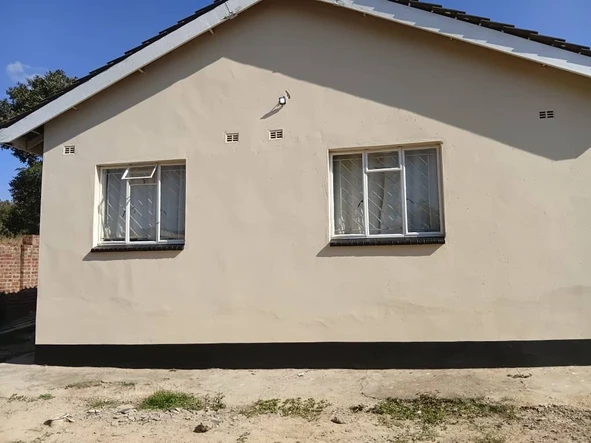
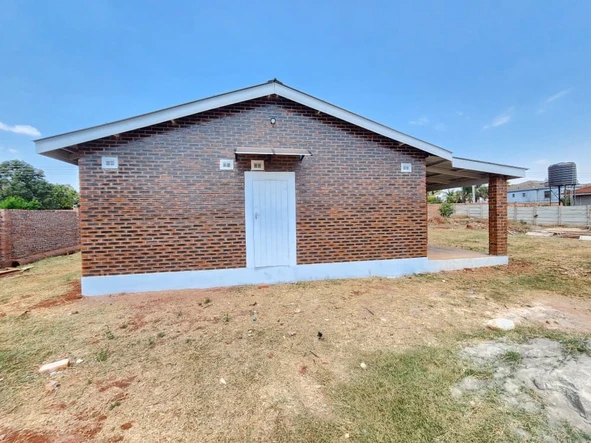
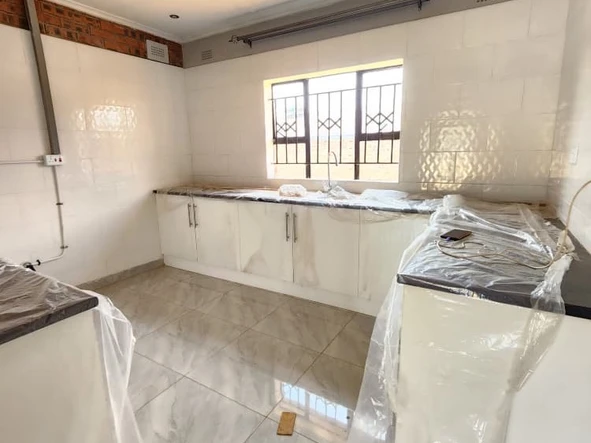
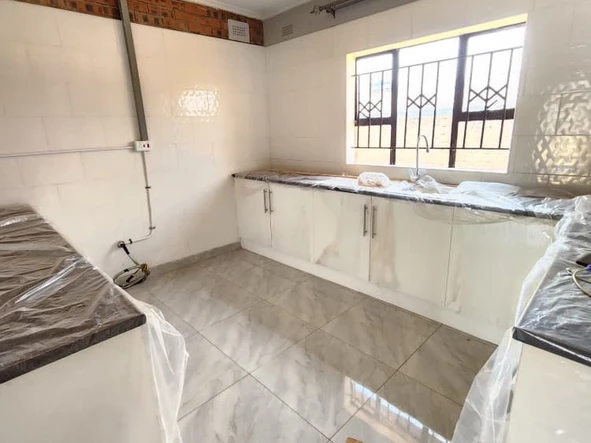
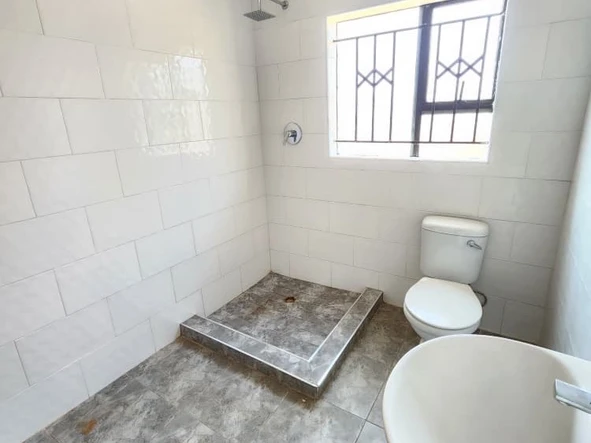
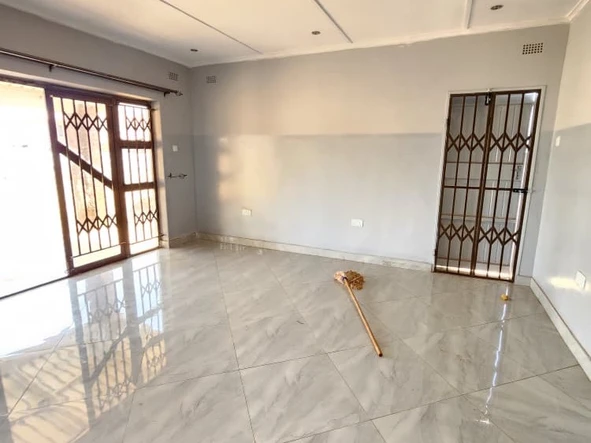
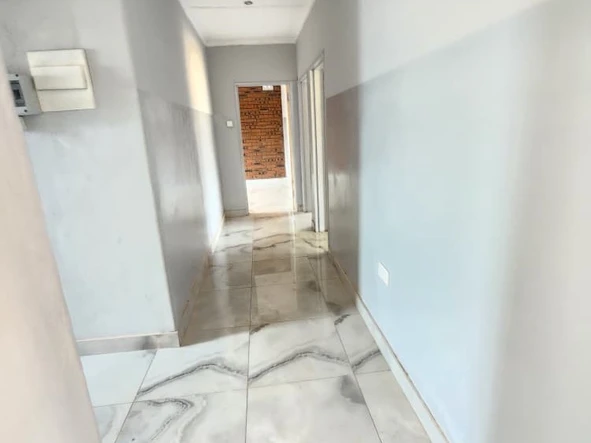
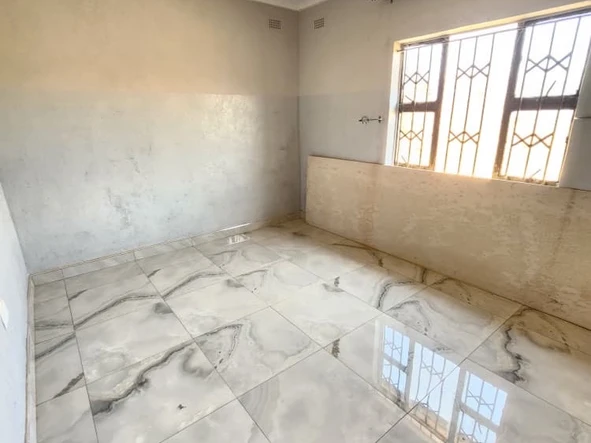
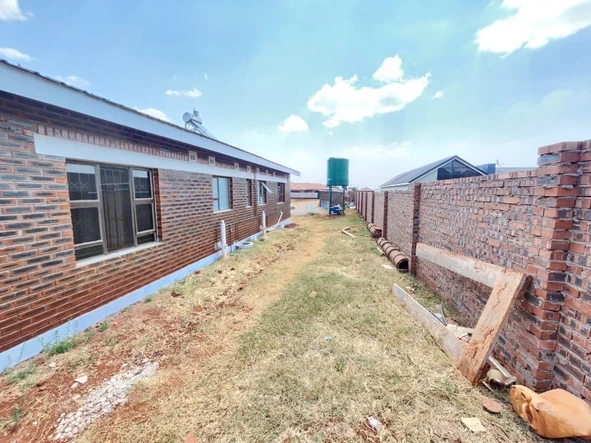
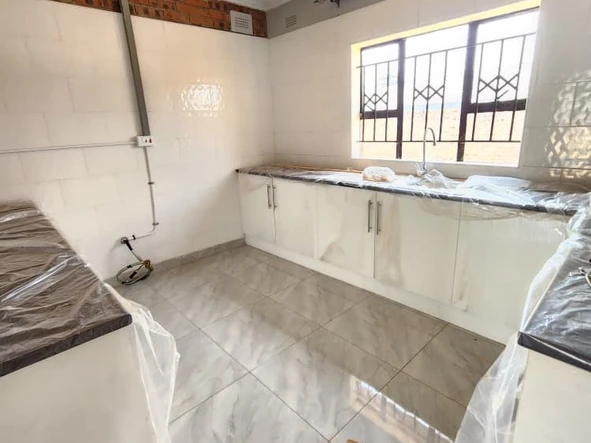
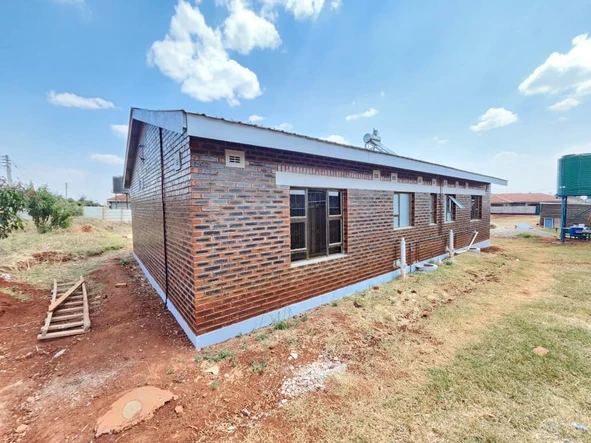
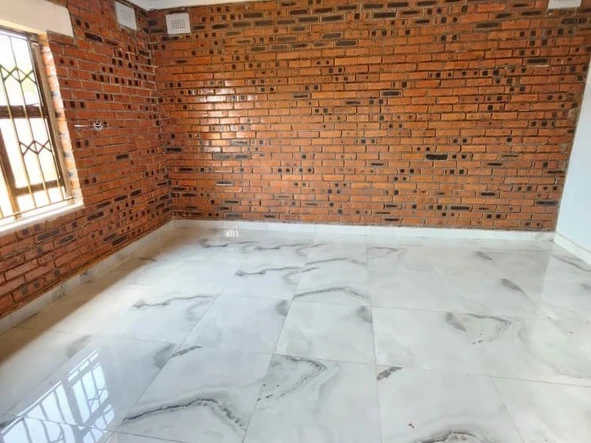
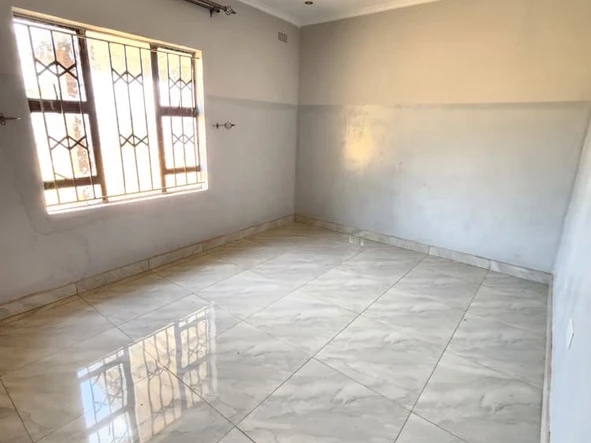
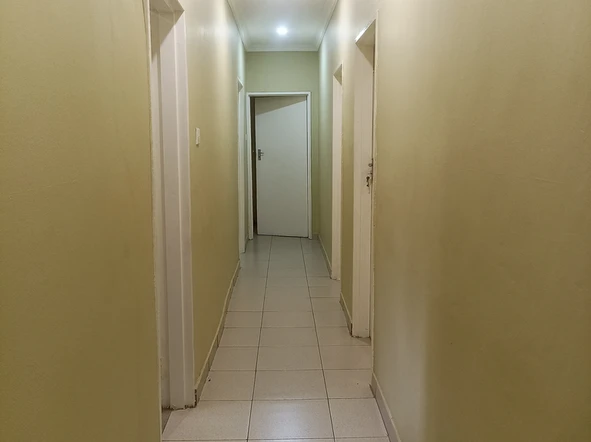
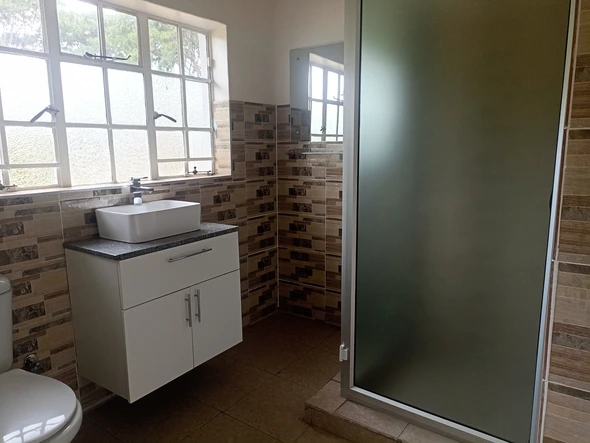
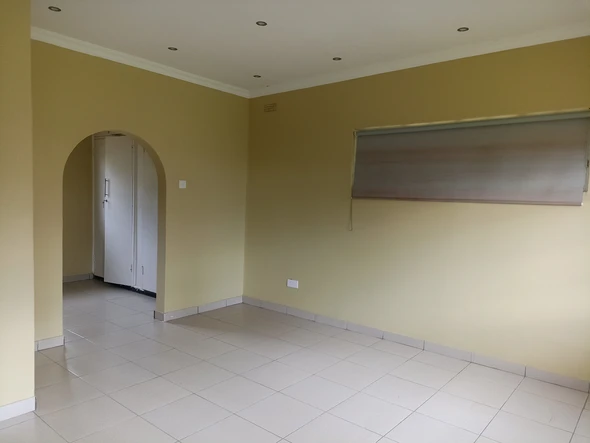
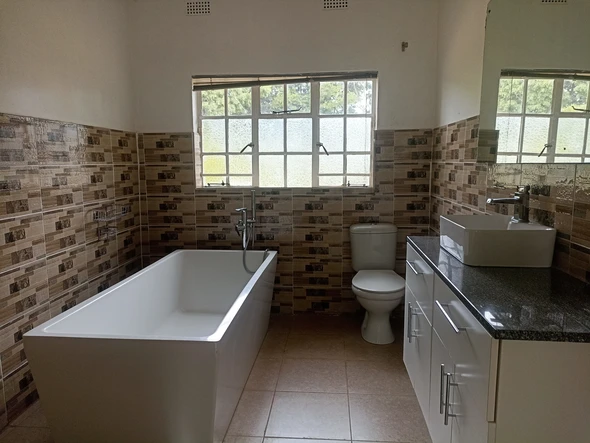
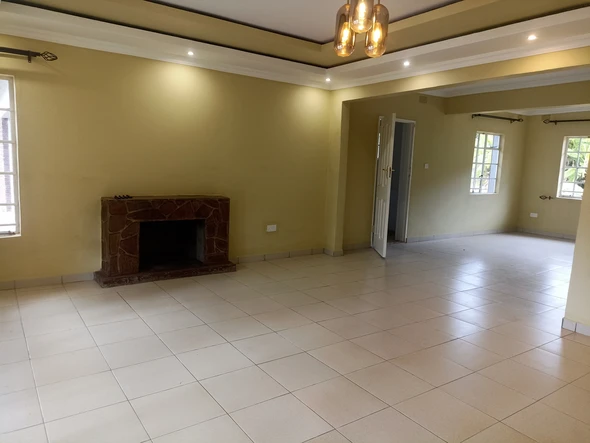
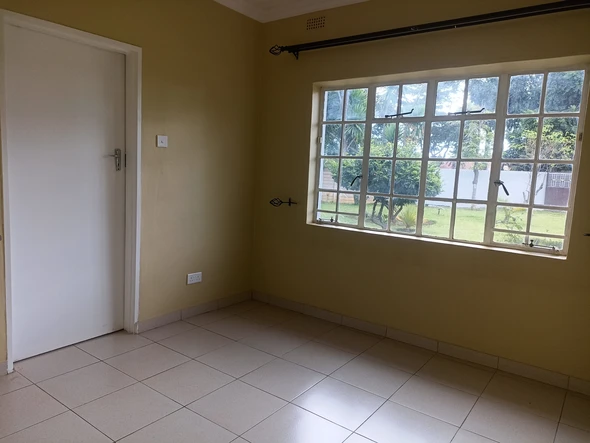
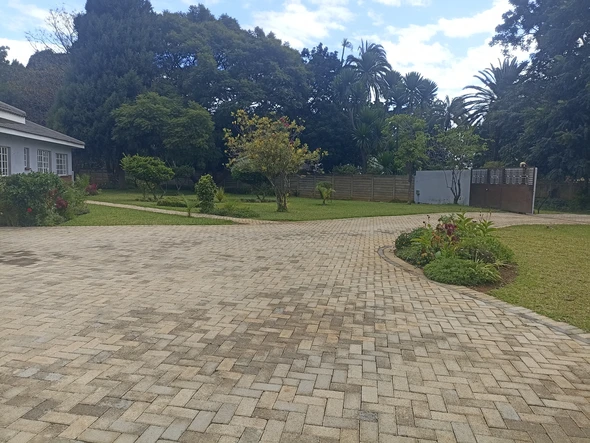
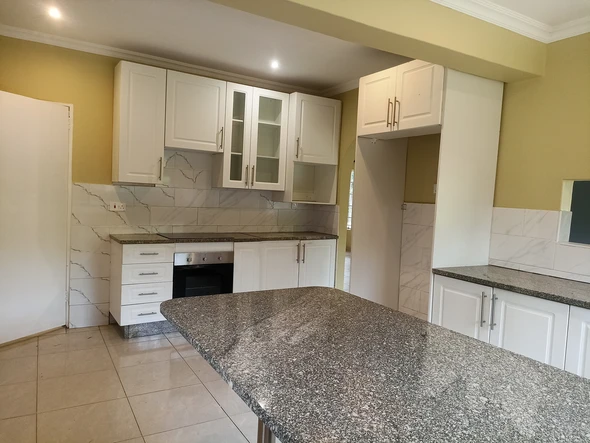
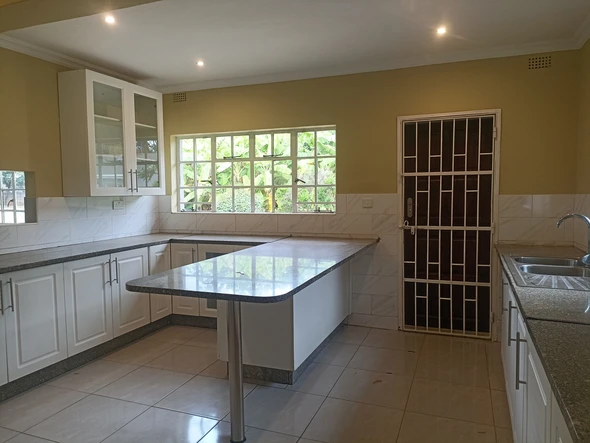
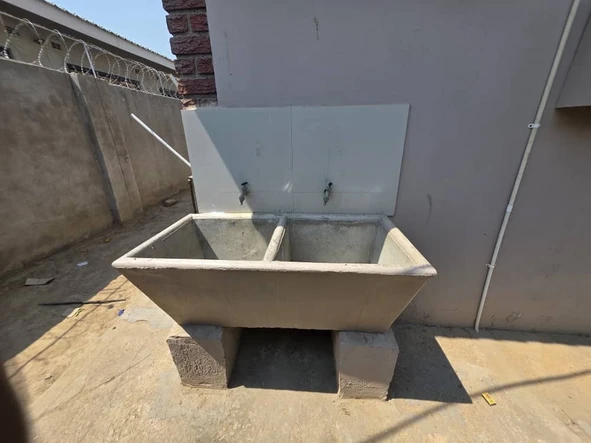
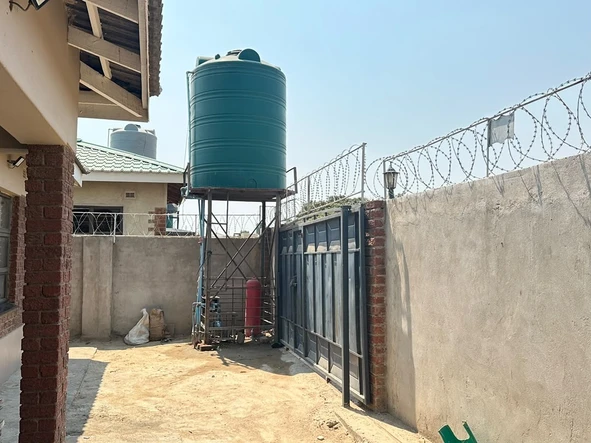
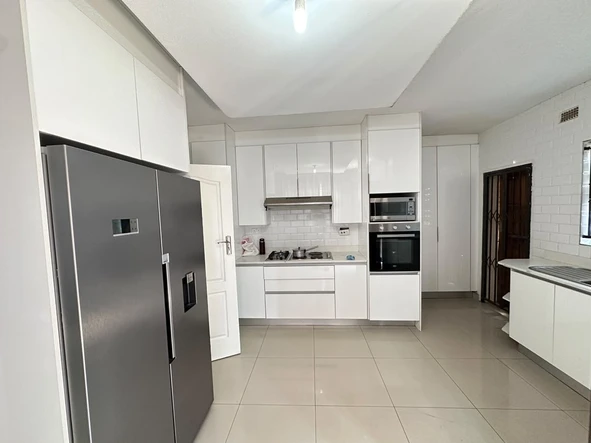
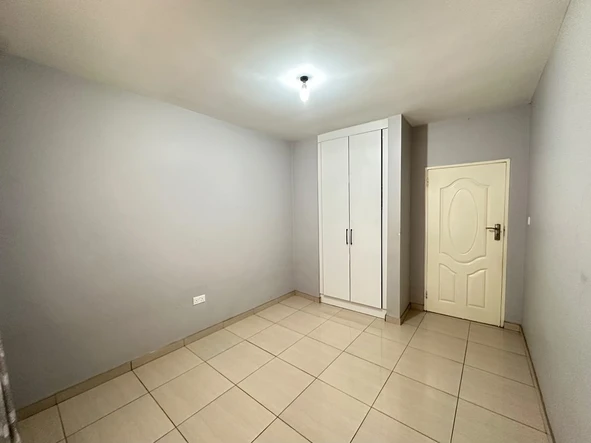
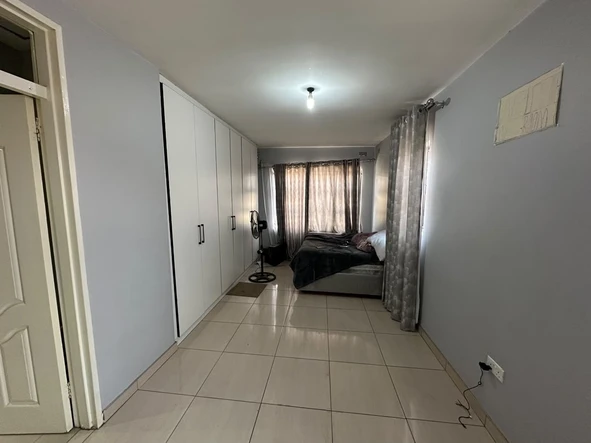
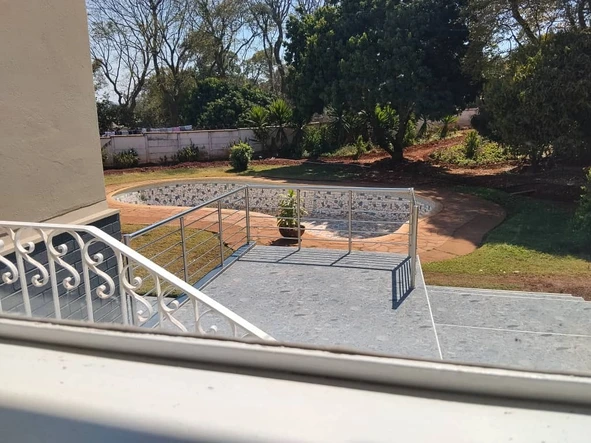
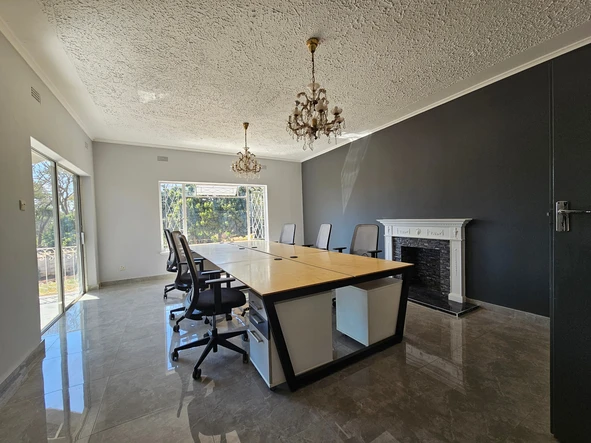
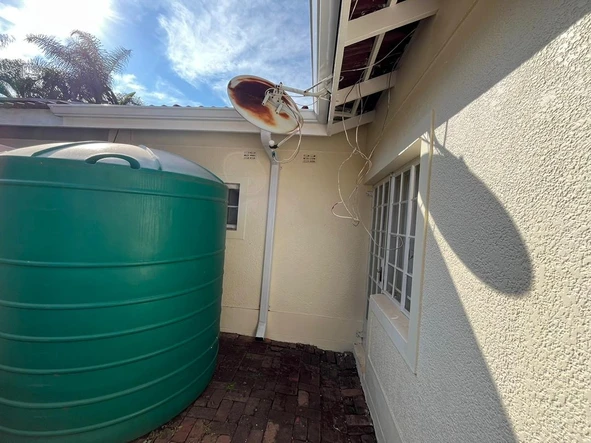
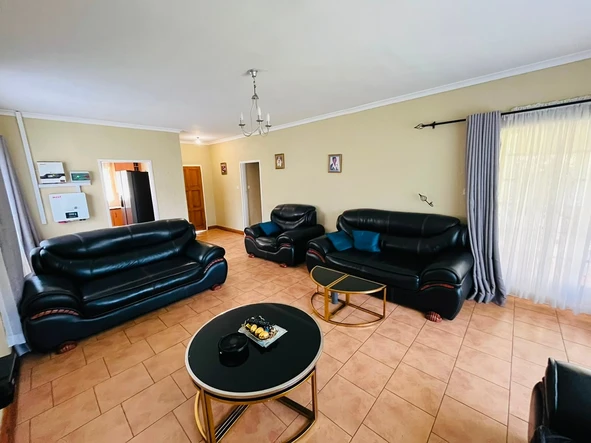
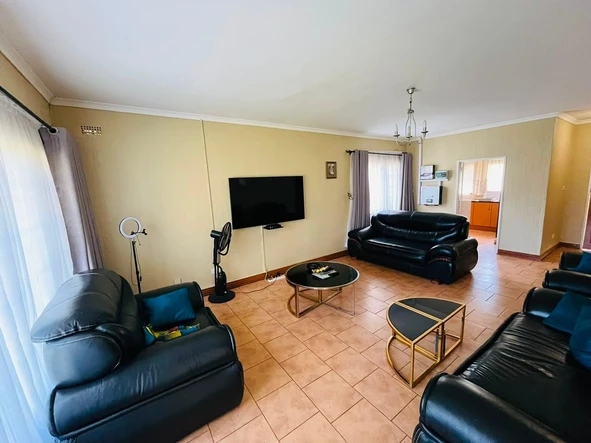
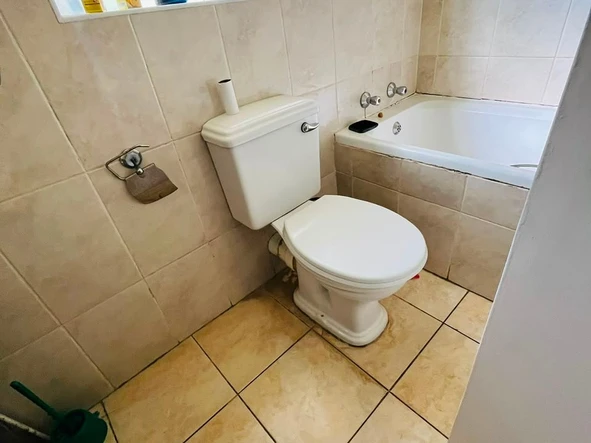
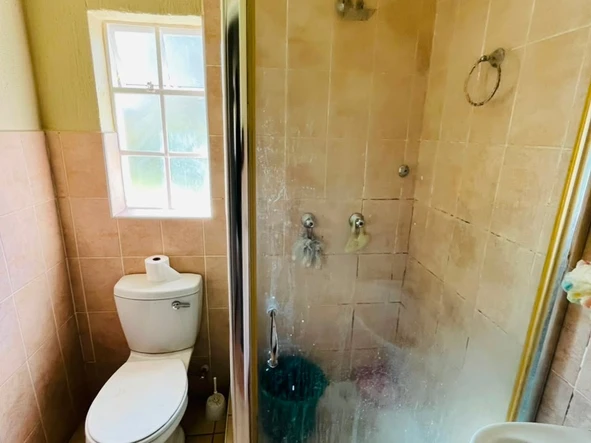
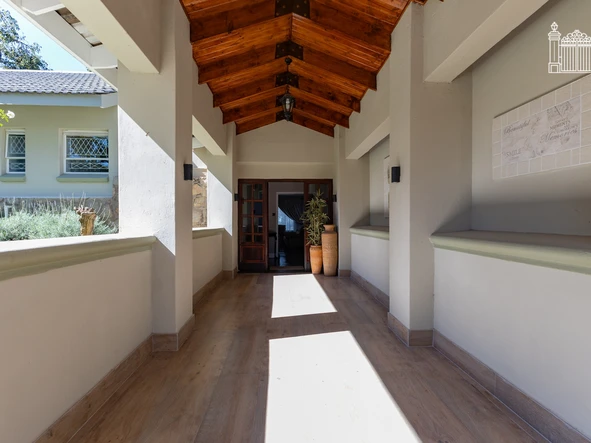
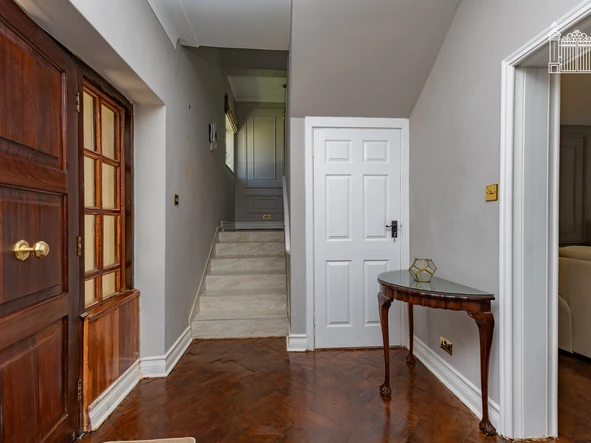
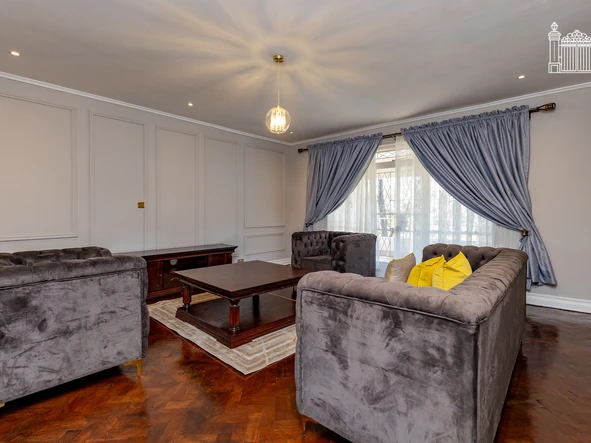
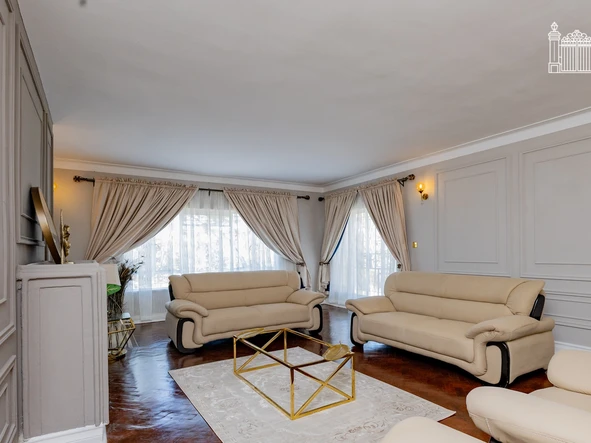
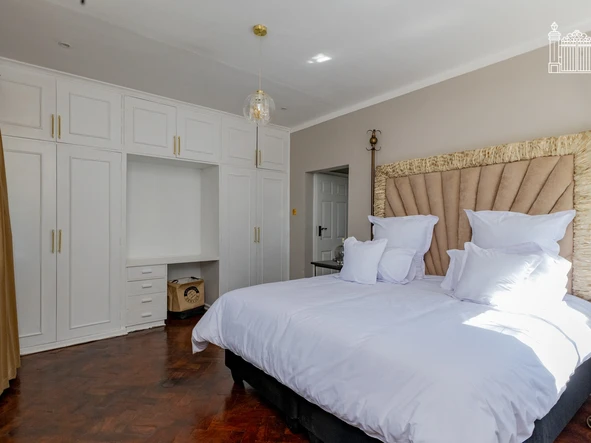
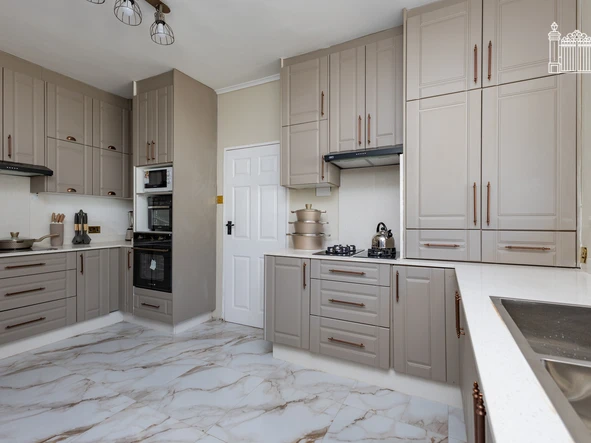
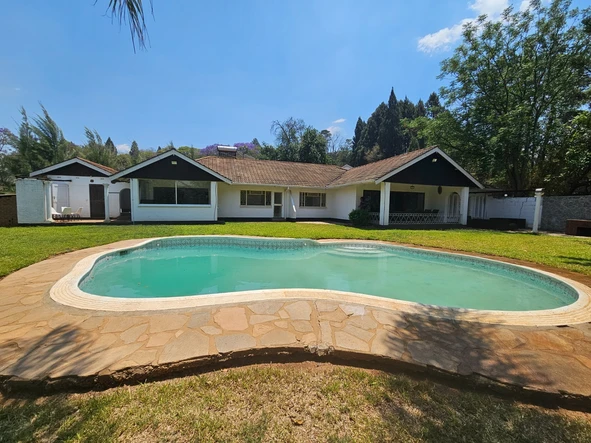
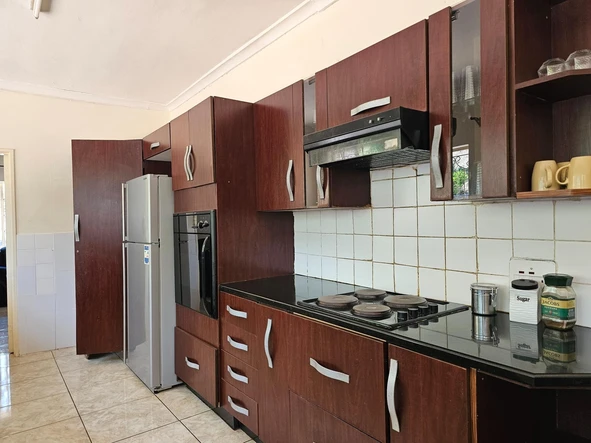
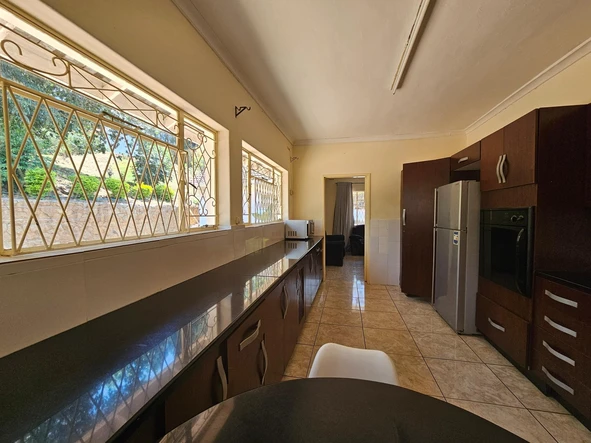
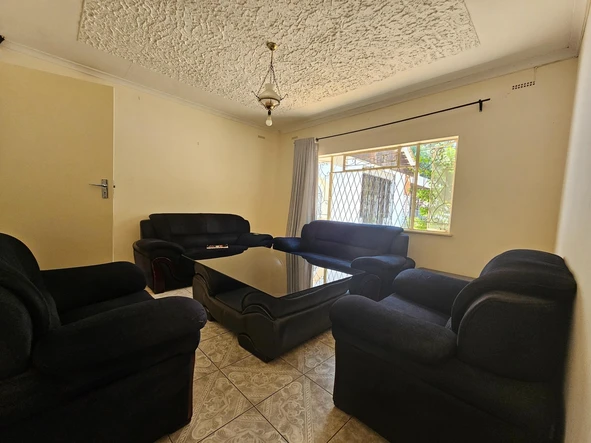
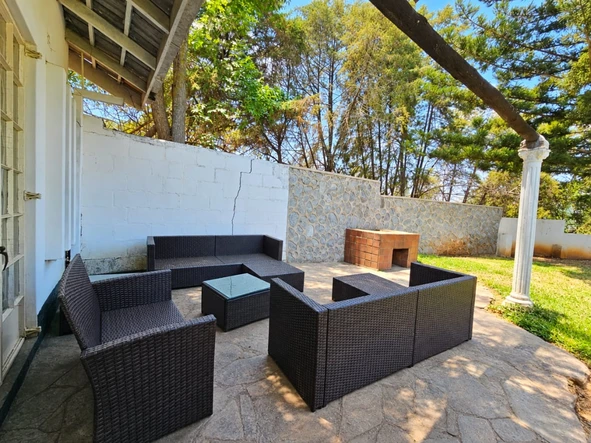
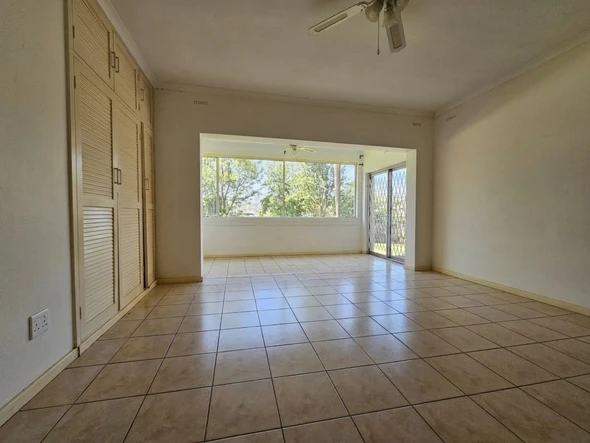
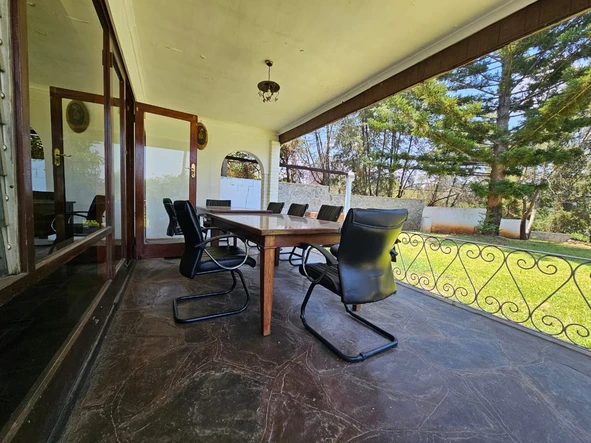
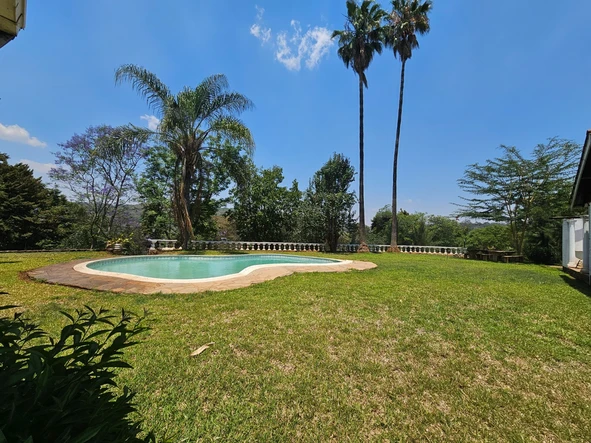
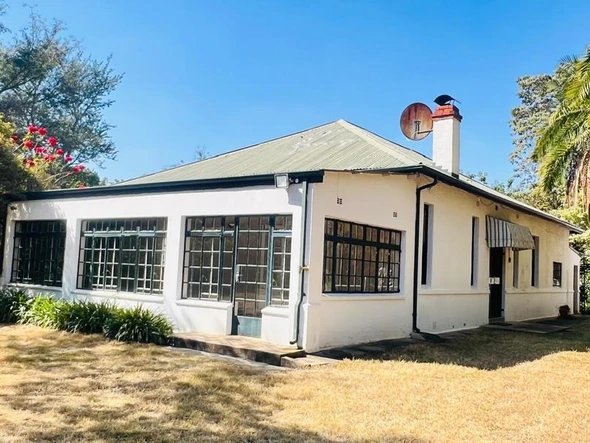
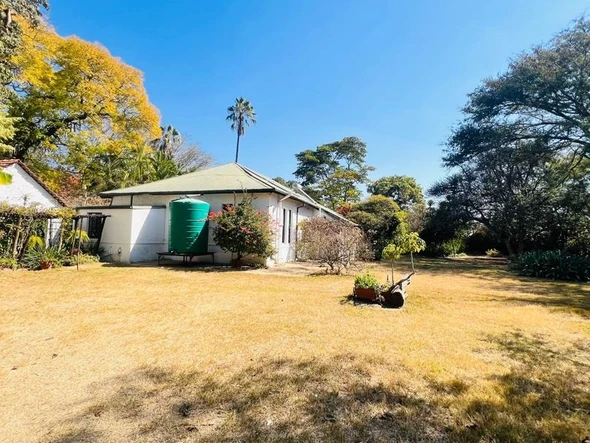
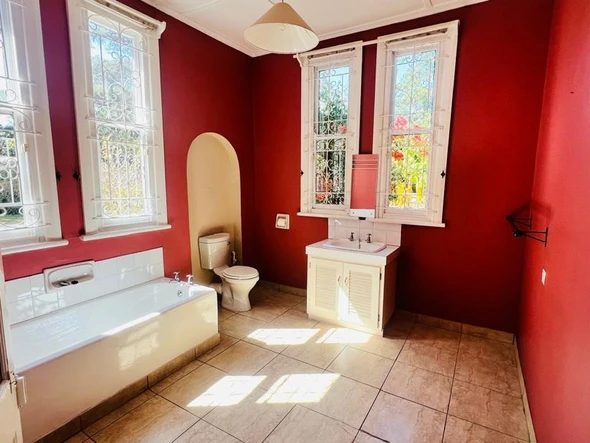
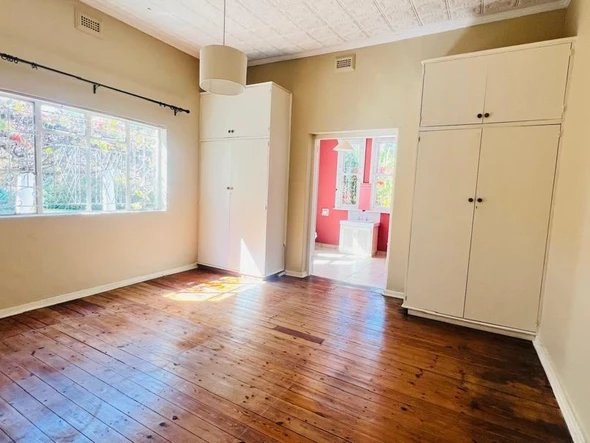
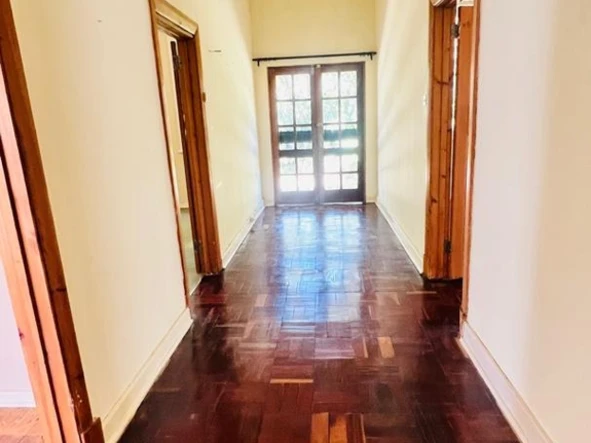
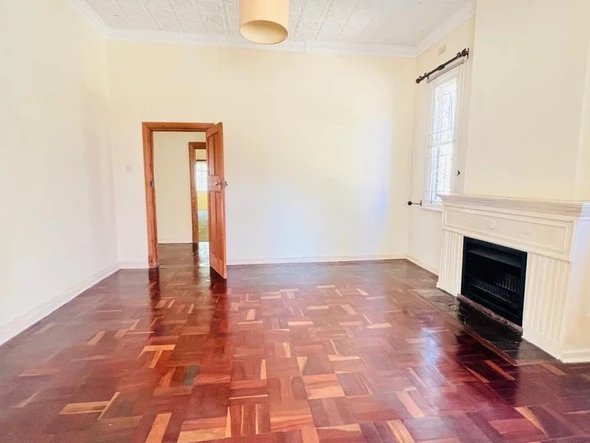
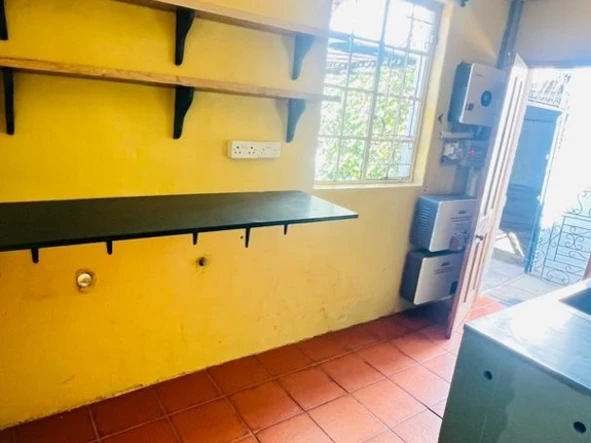
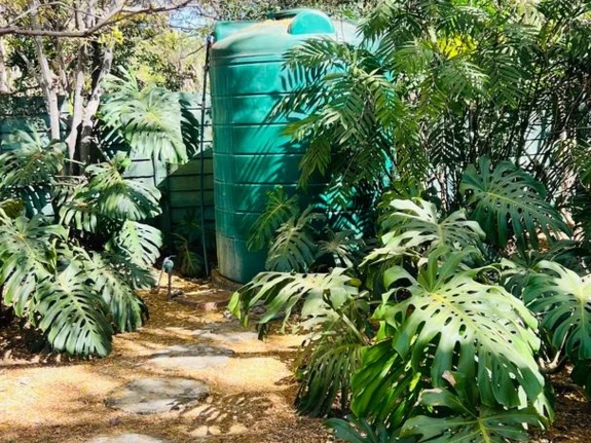
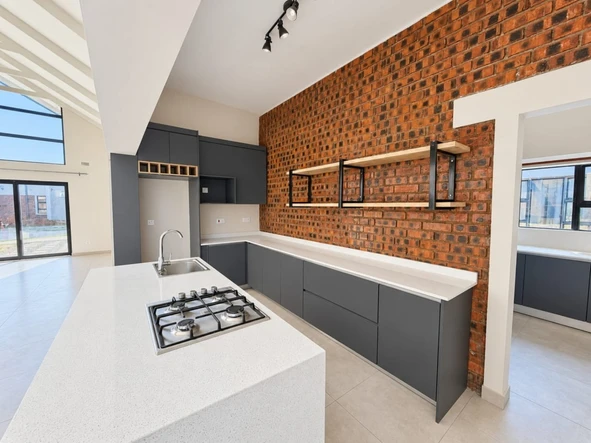
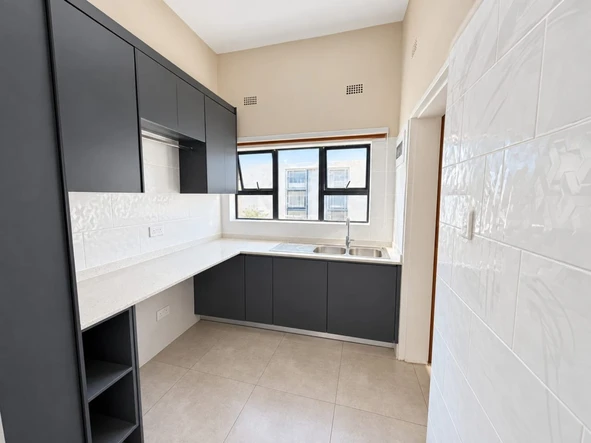
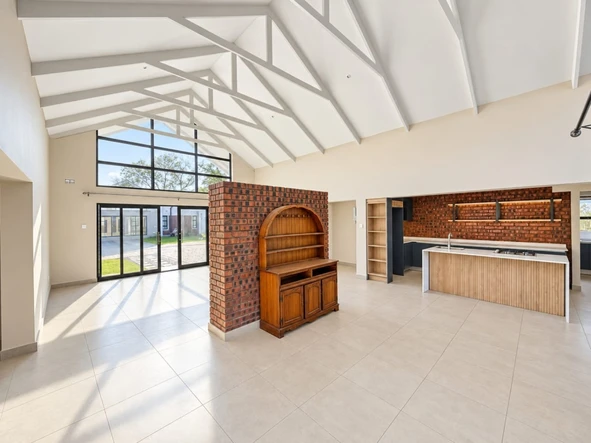
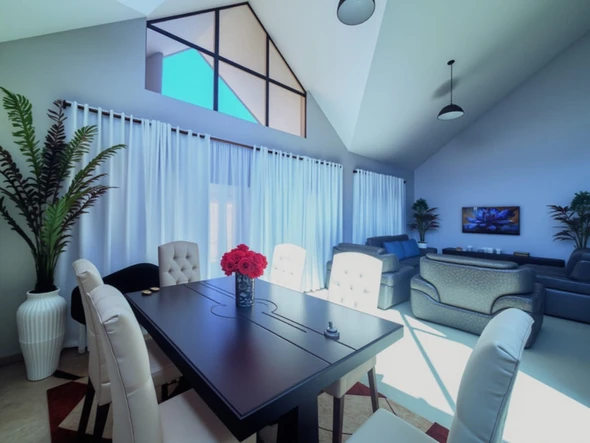
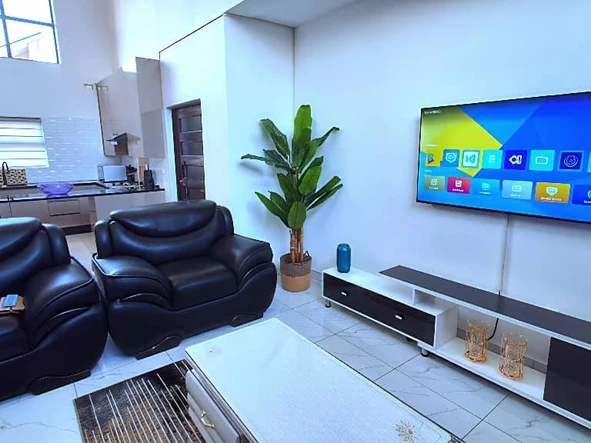
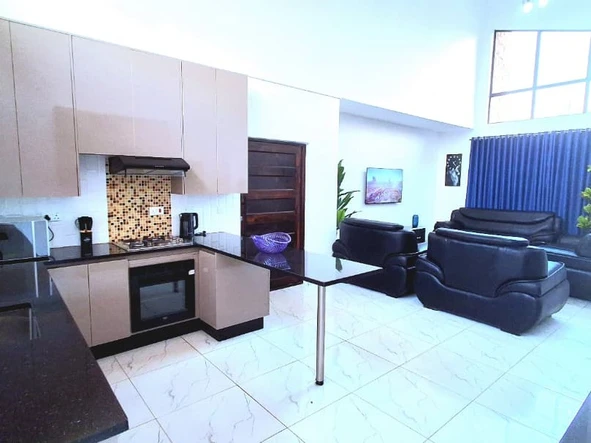
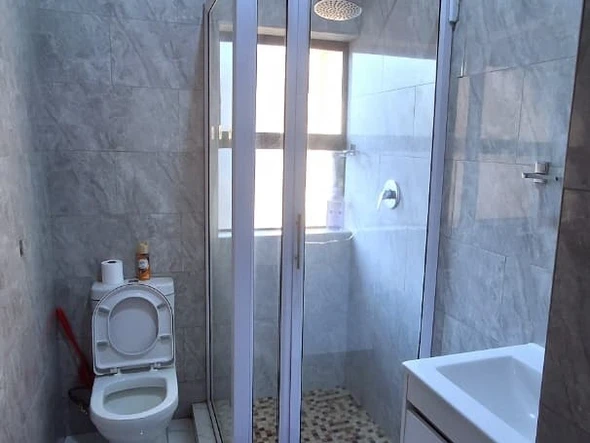
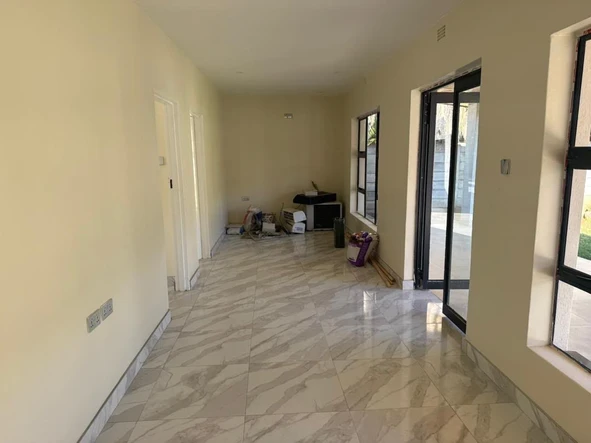
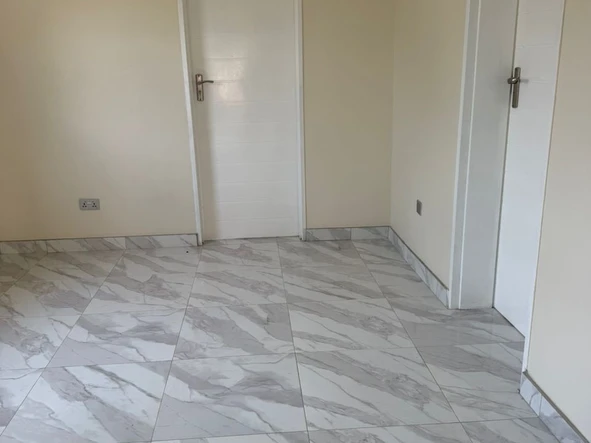
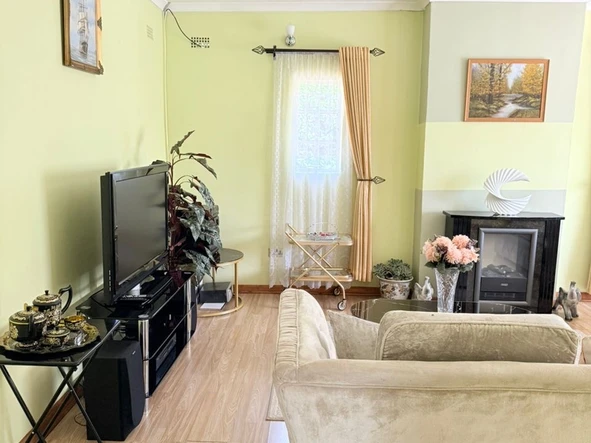
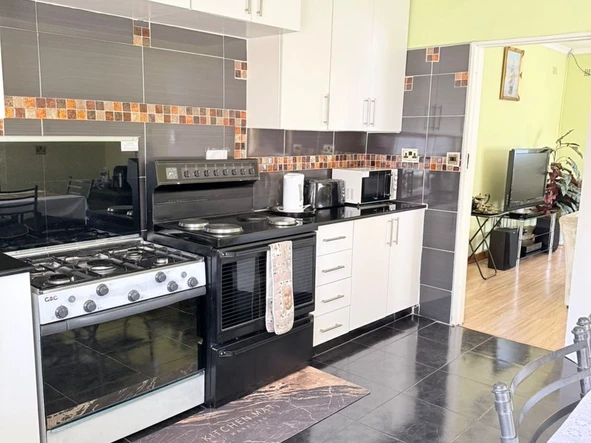
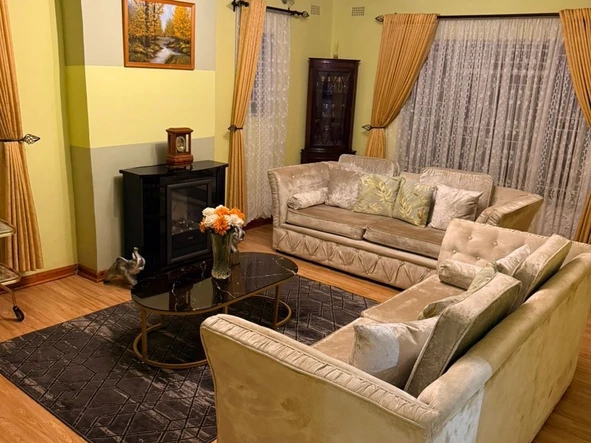
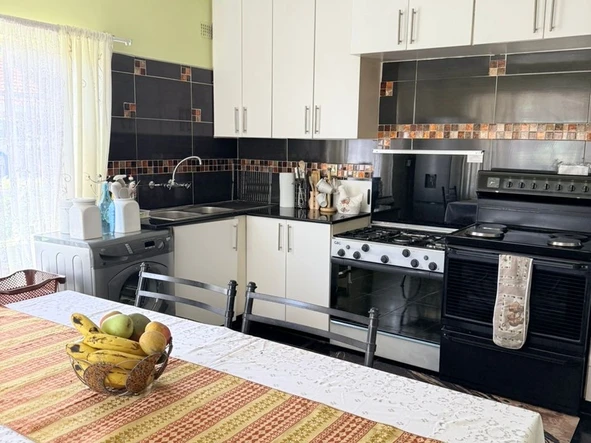
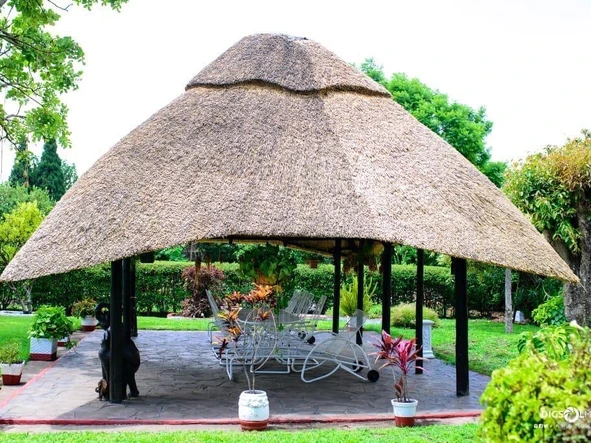
Many of these rental houses feature tiled floors, gardens, and main en suite bedrooms, adding comfort and convenience. Common amenities include water tanks, boreholes, walled compounds, fitted kitchens, and verandahs, making these homes well-equipped for family living and daily needs.
Harare, as Zimbabwe’s capital, offers a vibrant urban lifestyle with access to green spaces like Harare Gardens and Mukuvisi Woodlands for outdoor activities. The city is well served by schools, including private and international options, and healthcare facilities such as Harare Central Hospital. Shopping centers like Sam Levy’s Village and Avondale Shopping Centre provide retail and dining choices, while transport links including minibus taxis and Harare International Airport ensure good connectivity. This makes Harare a practical and lively place to rent a house for families, professionals, and expatriates alike.
4
5
800 m²
4
2
180 m²
9
4
1,000 m²
3
2
200 m²
4
3
250 m²
4
2
500 m²
3
2
80 m²
3
1
180 m²
6
5
300 m²
3
2
100 m²

Be the first to see new properties for rent in Harare










| Property Size | Avg. price |
|---|---|
| 1 bedroom (View 3 properties) | $450 |
| 2 bedroom (View 42 properties) | $750 |
| 3 bedroom (View 105 properties) | $1,000 |
| 4 bedroom (View 88 properties) | $1,500 |
| 5+ bedroom (View 75 properties) | $3,000 |
Prices as of October 2026
Understanding municipal property rates in Zimbabwe: Learn how valuations are calculated, how to manage arrears, and how to access council discounts.
Manage your rental properties in Zimbabwe like a pro. Learn about tenant screening, lease agreements, maintenance, and rental tax rules in 2026.
Building or buying in Harare? Learn what plan approval requires, what changed in 2026, and how to manage unapproved structures.
Buying a housing stand in Zimbabwe? Inspect title deeds, subdivision permits, compliance certificates, and seller IDs before making any payment.
Can someone claim your land in Zimbabwe? Learn how 30 year acquisitive prescription works, the legal risks involved, and how to protect your property title.












 300 m²